
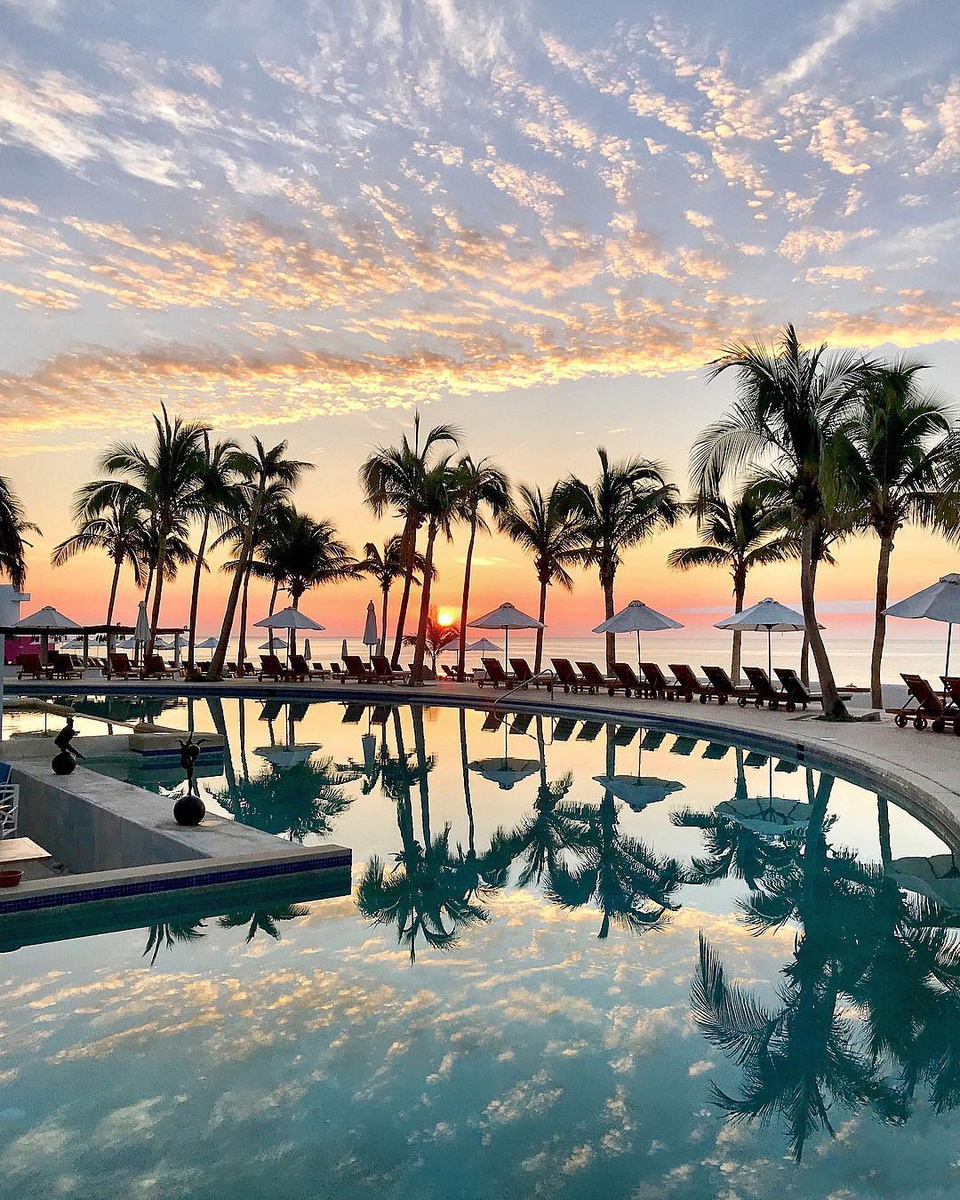
Ocean air through the balcony doors, coffee before the whale boat, and a hotel whose finest hours arrive with the light.
Stay: February 2018 · Details checked: 9 September 2026
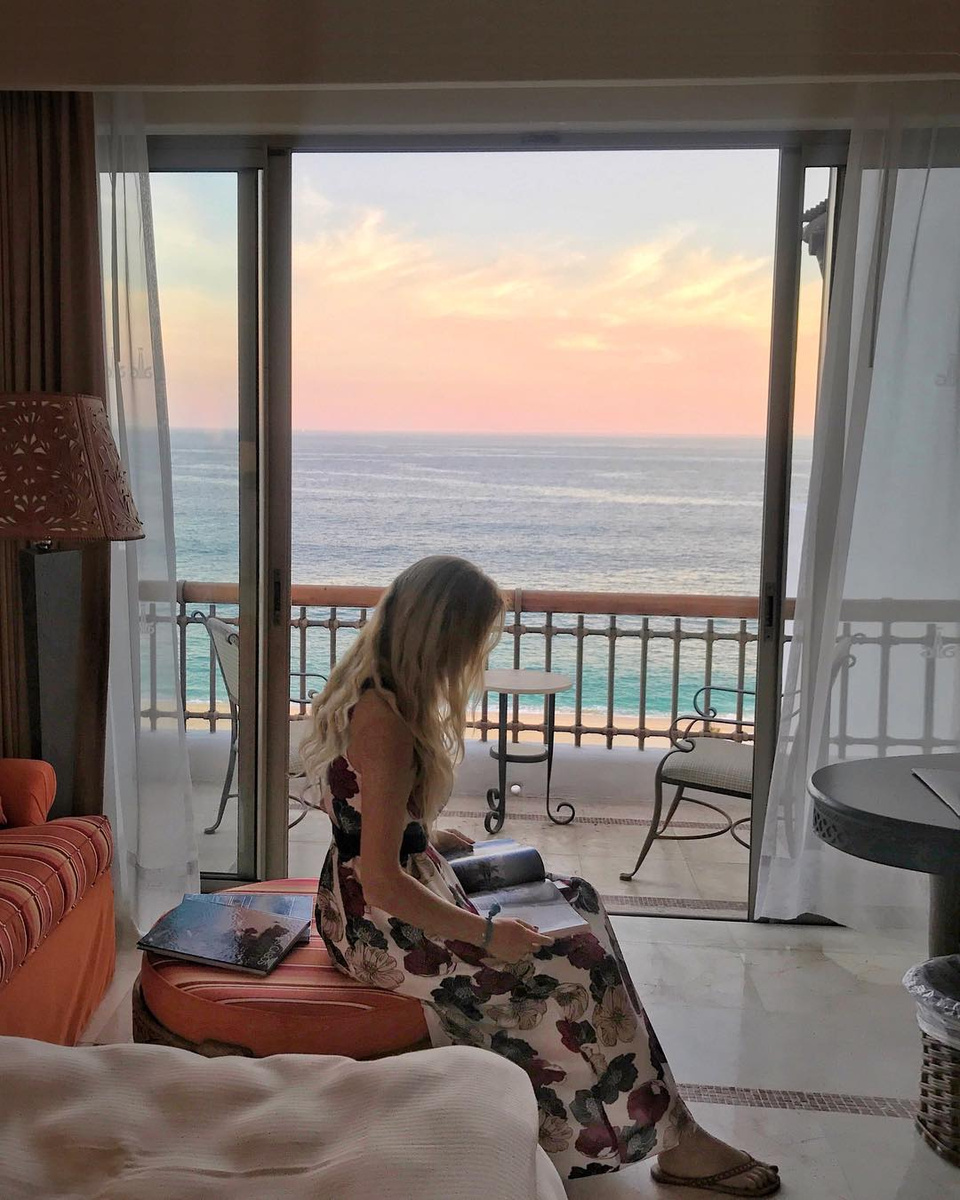
I was on the terrace with a coffee, waiting to be collected for whale watching. The sky had begun to turn pink. Around the hotel, almost everyone was still asleep.
Cabo had plenty to offer people who preferred the other end of the night. I was quite content with this arrangement: the sea, the first light, and a boat to look forward to. At Marquis Los Cabos, getting up early never felt like much of a sacrifice.
Marquis is an adults-only, all-suite resort on the Sea of Cortez, between San José del Cabo and Cabo San Lucas. Meals and drinks are part of the all-inclusive stay, and its three pools make the most of the waterfront. The beach itself is too rough for swimming. For me, its appeal lies in the open sea views and the ease of spending a whole day close to them.
The mornings are what I remember most clearly. I loved the sunsets too, but dawn belonged to a smaller company. There was time to watch the light change before the pools became busy and the day acquired its plans. Beyond the hotel lay water that, in winter, brought humpback whales close to the southern end of the Baja California peninsula. Some mornings, that was reason enough to leave a very comfortable room.
An arch facing the sea
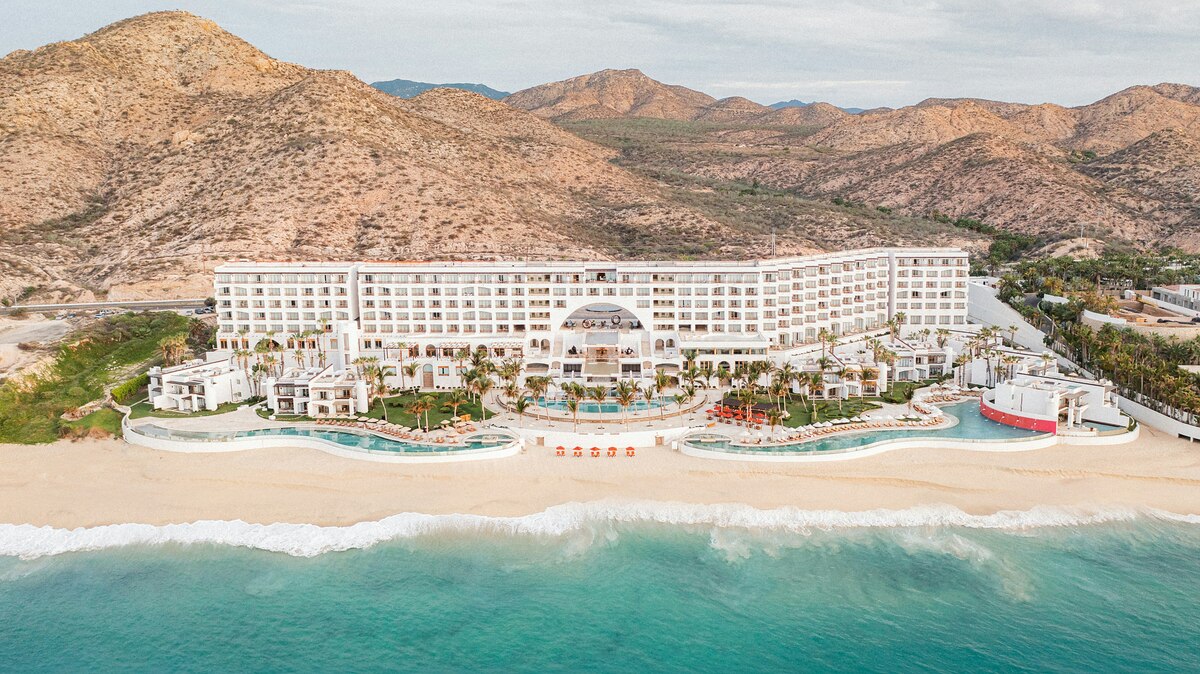
Marquis makes its first impression through an enormous opening in the building. Walk into the lobby and the sea appears within the arch, so intensely blue that the architecture seems to have been built simply to give it a frame.
I remember stopping to look. Then looking at the smaller things: the decoration, the sculptures, the way another terrace or passage gave the water back to you. It is a large hotel, yet its strongest idea is very simple. The sea should be part of the day wherever you are.
We had arrived from Cancún after two flights, and the evening gave us a welcome I still associate with the place. The sky and water took on those improbable pastel colours that make a camera feel inadequate. After the airports, there was nothing else I particularly wanted to do.
Marquis stands on the Tourist Corridor between San José del Cabo and Cabo San Lucas. The distinction matters. San José is the direction for an evening among galleries and restaurants; San Lucas is the direction of the marina, Land’s End and the boats heading out towards the Arch. Staying between them gives you a choice each day, provided you are happy to make journeys by car.
For arrivals, Los Cabos International Airport, SJD, is the one to book. The hotel estimates about thirty-five minutes for the transfer. I would arrange the airport journey in advance, then use a car or driver for trips farther into Baja.
This is a beachfront resort rather than a town hotel from which to wander out for supper. I would arrange a return transfer when planning an evening in San José, and leave proper time for the journey to a boat departure. A short drive on a map still needs to allow for traffic, finding the meeting point and checking in.
Marquis remains a member of The Leading Hotels of the World, and it still operates as an adults-only, all-inclusive resort. It is one of two hotels in LHW’s Los Cabos collection, alongside Paradisus Los Cabos. Those labels describe the arrangement. The arch explains the attraction much faster.
A room worth waking up in
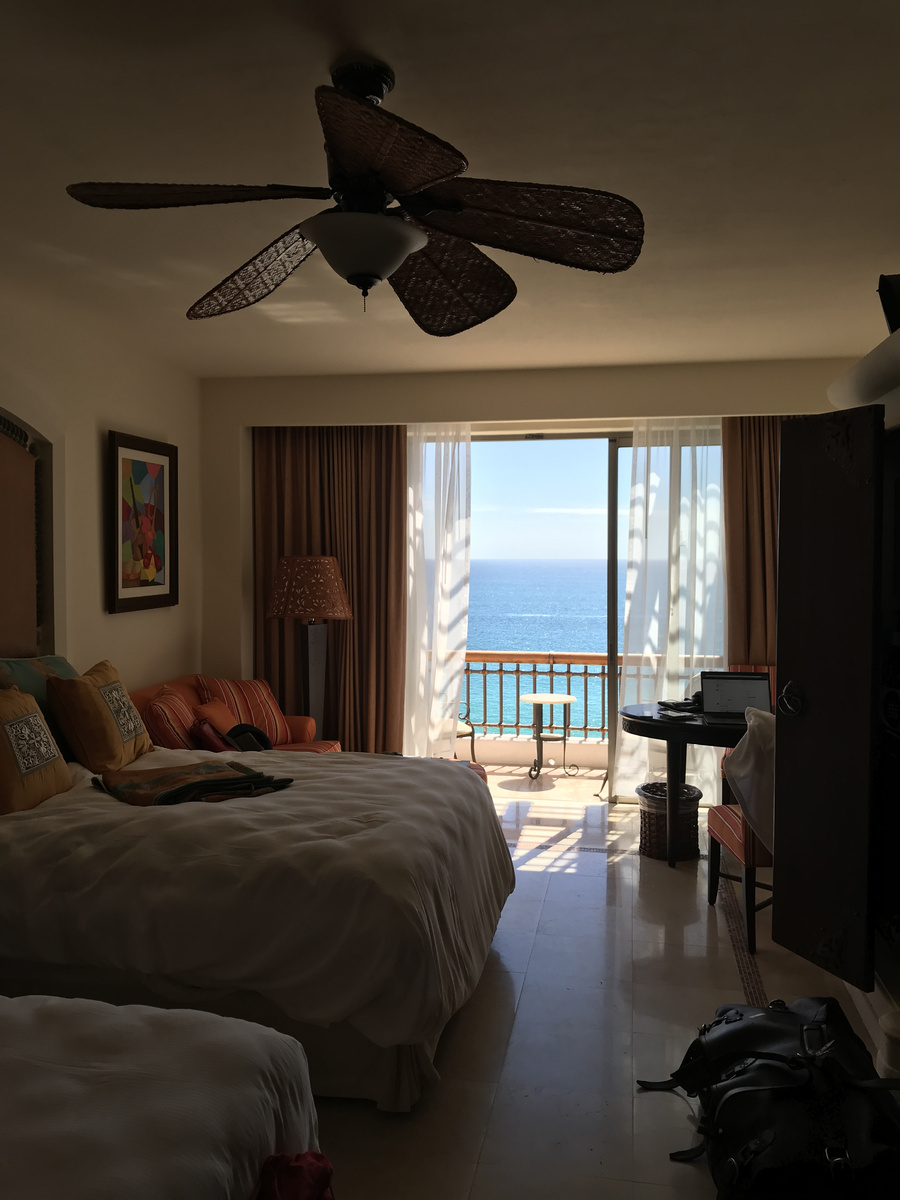
Our room was spacious and very clean, with a bed comfortable enough to make an early alarm a slightly unreasonable decision. The linen was good; the bathroom had a bath. I liked having somewhere generous to return to after being out on the water.
But the balcony determined how we used the room. We slept with the doors open, listening to the sea and letting the breeze in. I missed that sound after we left. It had become so much a part of being there that an ordinary, silent room felt different afterwards.
There was also a small delivery hatch for coffee and pastries. Breakfast could appear without a knock at the door or an interruption. It is the sort of modest piece of hotel intelligence I remember more readily than a grand list of facilities. Someone had understood that being looked after sometimes means being left alone.
Room service was another pleasure. It worked exceptionally well for us, and the hotel continues to offer it around the clock. An evening in the room did not feel like giving up on the evening.
For a booking now, I would begin with the view. The suite collection gives you several ways of being close to the water, from a balcony in the main building to a casita with a plunge pool. This is how I would narrow the choice.
| Room choice | The space and outlook | What would guide my choice |
|---|---|---|
| Junior Suite Ocean View King | 650 sq ft, about 60 m², with a sitting area and sea view | A generous room; I would ask about the outlook from the particular position. |
| Junior Suite Ocean Front King | The same 650 sq ft, with a private balcony and unobstructed sea views | My first choice when the horizon is the point of the stay. |
| Junior Suite Eden View King | Garden views with glimpses of the sea and double-height ceilings | For a garden setting; I would choose Ocean Front for a broad water view. |
| Casita Oceanfront | 1,670 sq ft, about 155 m², separate living and dining areas, terrace or rooftop sundeck, and plunge pool | More room to spend the day in your own space; confirm whether the available casita is upstairs or downstairs. |
The bathrooms add a jetted bath, separate shower and double sinks. The bath is quite distinct from a casita’s outdoor plunge pool—worth keeping clear when comparing descriptions. Nespresso machines and a minibar refreshed daily make a slow morning in the room an easy proposition.
The casitas offer a different arrangement, with private plunge pools and terraces close to the resort’s pool life. A plunge pool is appealing, but it does not automatically mean seclusion: LHW itself describes these as part of the livelier pool scene. I would choose according to how I wanted to spend the day, and ask about the position of the particular suite.
The hours around the pools
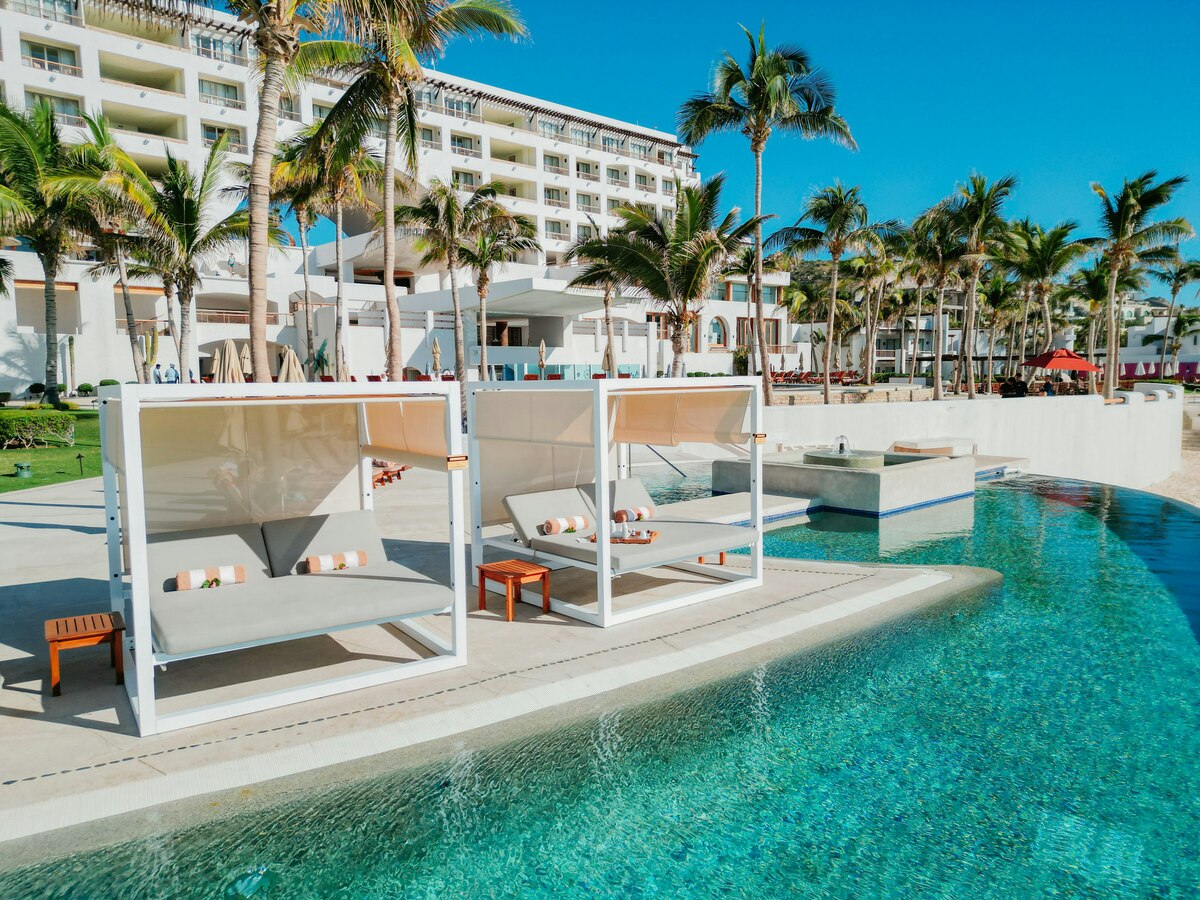
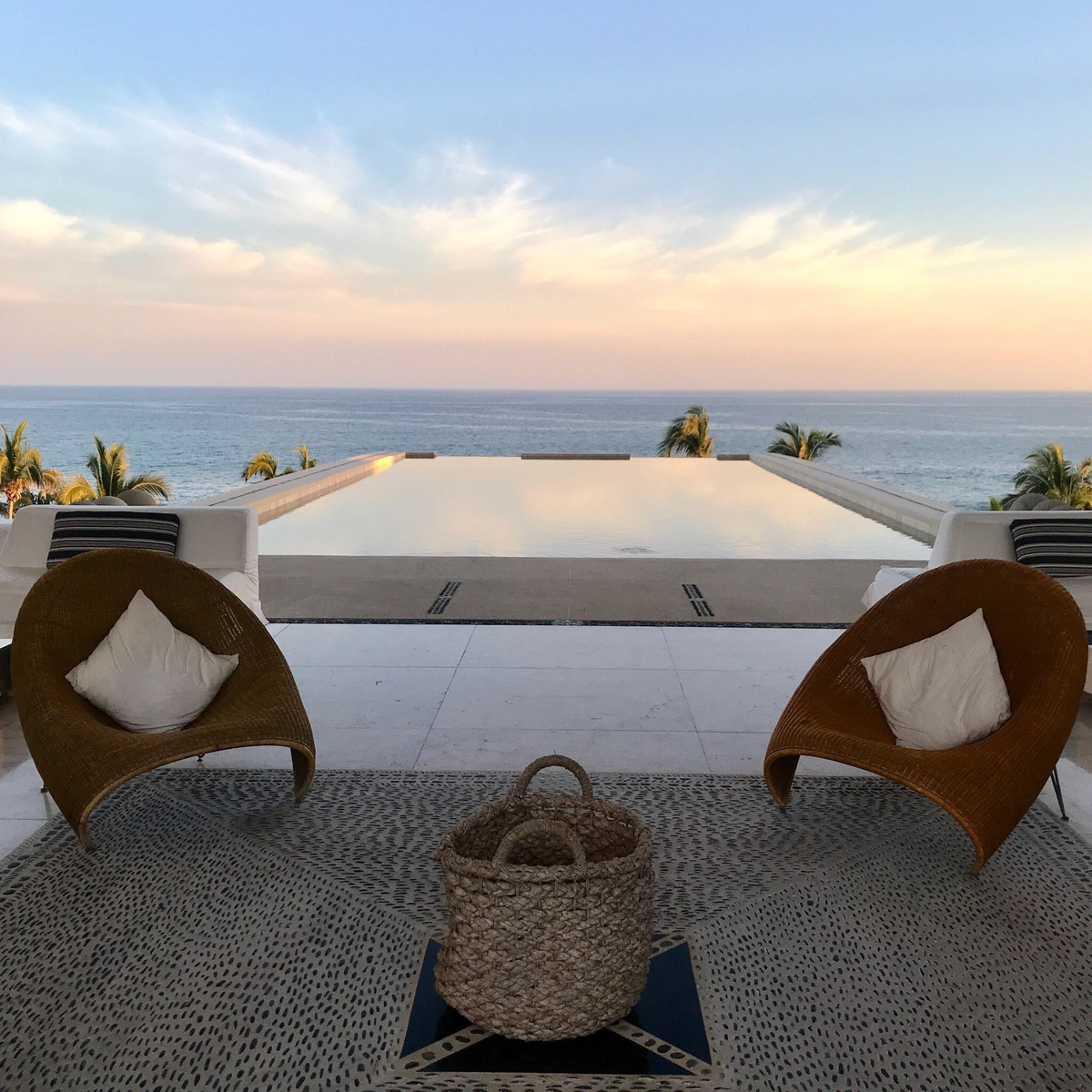
I kept returning to the pools at the edges of the day. There are three, including two infinity pools, and the changing light gave them a different character each time. Some evenings I was so happy watching the reflections that leaving to catch a sunset elsewhere seemed unnecessary.
There was activity too: daytime entertainment, music and bars in the evening. Adults-only did not mean that everyone had come to sit silently with a book. What I liked was being able to find a quieter place within it—the terrace, a shaded corner, a table away from the centre of things.
Poolside food and drinks come to your lounger; there is no swim-up bar. I rather like the simplicity of keeping a place to sit and letting the afternoon happen around it. The current activities programme includes daytime games and evening entertainment, so I would ask for a room position away from the busiest areas if quiet were the priority.
The beach and swimming
The distinction between pool and sea is more important here than it might look in a photograph. The hotel advises against swimming from its beach because of the strong waves. Choose Marquis for its pools and its relationship to the sea, with an outing to a sheltered beach when you want a sea swim.
Santa María, farther along the corridor towards Cabo San Lucas, is a useful possibility: a sheltered cove with snorkelling and swimming when conditions allow. Arrange transport, check the flags and local advice on the day, and give the outing enough time to enjoy it. The sea here deserves attention even when it looks inviting.
An afternoon at Spa Marquis
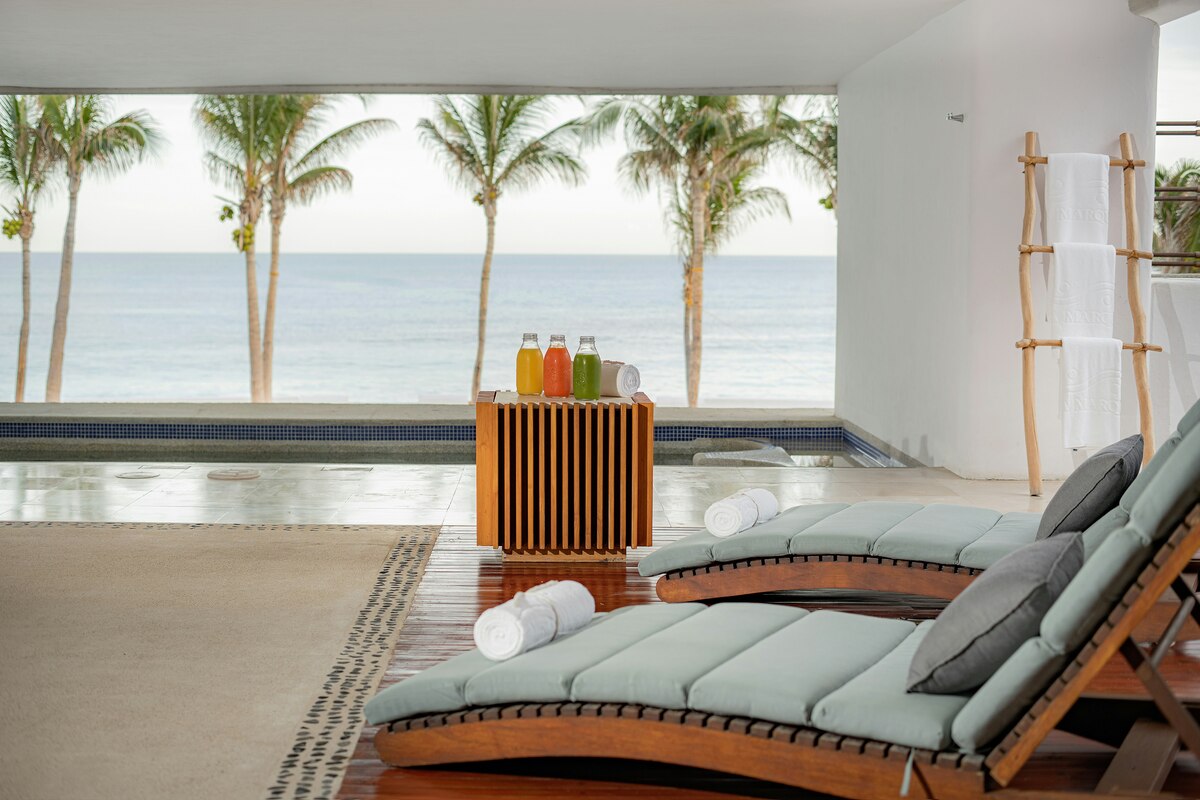
The spa offers another way to spend the quieter part of the day. Its hydrotherapy area looks towards the sea, and the treatment rooms carry that same coastal light indoors. There are massage cabins, a lounge and a beauty salon, with a treatment menu that includes Swedish and deep-tissue massage as well as Natura Bissé rituals.
I would leave an afternoon open for it, with time to linger after a massage. The spa’s current schedule separates treatment hours from access to the facilities. Treatments cost extra; confirm the hydrotherapy access included with your chosen treatment or package when reserving.
Dining and the all-inclusive stay
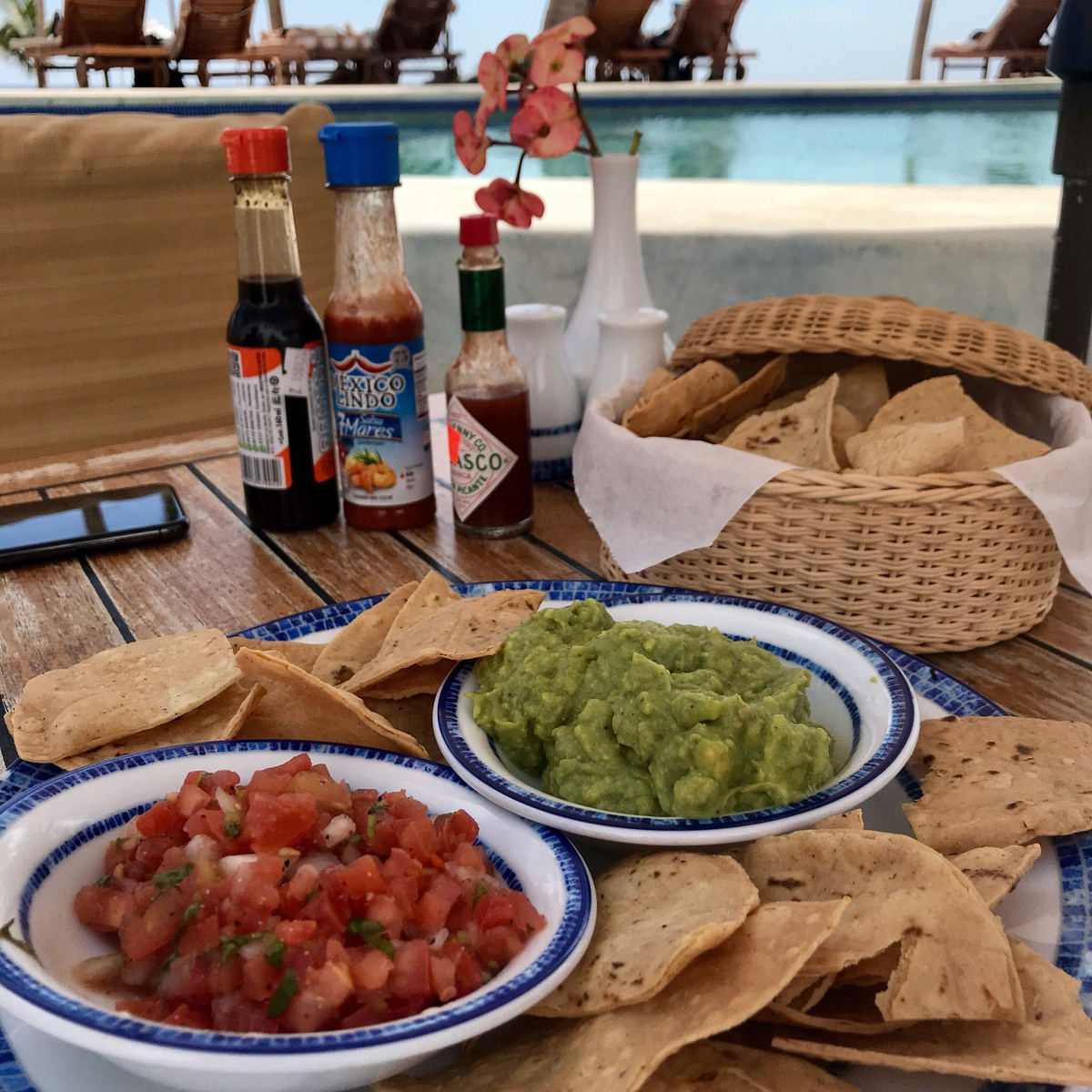
The restaurants did not quite win our hearts when we stayed in 2018. I preferred the ease of lunch beside the pool and the excellent room service to our dinners out within the hotel. Dining was not what made Marquis memorable for us; the room, the setting and those mornings were.
The current dining line-up gives the day a simple rhythm. Vista Ballenas serves breakfast, international lunches and Mexican dinners. Dos Mares is the poolside seafood address, with ceviche and fish tacos; Pergola takes a Mediterranean direction, while Sakke offers Asian cooking and teppanyaki. Canto del Mar is the separate, supplementary dinner. Espresso Cappuccino supplies coffee and pastries, and Suspiro is the place for an evening drink.
I would book dinner tables early, particularly for Sakke, Pergola or Canto del Mar, which the hotel identifies as reservation restaurants. Room service remains available around the clock. It is a useful freedom when the balcony is more appealing than another outing.
For comparing rates, this is the distinction I would keep in front of me:
| Included in the standard all-inclusive stay | Allow for separately or check the package |
|---|---|
| Four dining options, the café and in-suite dining | Canto del Mar’s supplementary dinner |
| Premium alcoholic and non-alcoholic drinks by the glass; daily minibar replenishment | Ask about any particular bottle or premium wine you want to order |
| Daily activities, evening entertainment, gym and tennis-court access | Spa treatments and the hydrotherapy access attached to your booking |
| Wi-Fi, housekeeping and nightly turndown | Airport transfers, excursions and meals in town |
The hotel’s published plan also includes resort taxes and service charge. Special offers can add to the standard inclusions, so compare the actual package, not just the room photograph. I would still leave a little room in the budget for San José.
Beyond Marquis
The hotel makes it tempting to stay put. The towns and the water beyond it give me plenty of reasons to leave for a few hours, then return without feeling that I have spent the holiday in transit.
A dinner worth leaving for
With dinner already included at Marquis, I would be selective about eating elsewhere. An evening out should offer cooking worth travelling for, a particular view of Mexico, or a bottle that makes me want to sit at the table a little longer.
For a dinner around which to arrange the evening, Cocina de Autor at Grand Velas Los Cabos is the strongest place to begin. It holds one Michelin star in the 2026 guide and sits on the same resort corridor as Marquis. Chef Francisco Sixtos leads the kitchen, and the evening unfolds over eight to ten courses built around fresh produce, local meats and seafood. The combinations draw on international influences, with a cocktail at the bar to begin.
Outside guests can reserve, with a deposit required. I would book ahead, ask about the current menus and wine pairings, and arrange the return journey so there was no need to watch the clock.
Palmilla offers another appealing reason to leave the hotel. At Agua, Mexican cooking centres on local fish and seafood, with a terrace overlooking the Sea of Cortez. It would be my Palmilla choice for a meal connected to the coast. SEARED takes the evening towards a contemporary steakhouse and an extensive cellar. For that table, I would ask the sommelier to suggest a serious Baja red and let the wine help decide dinner.
One&Only Palmilla welcomes outside diners with a confirmed reservation. There is no need to stay at the resort to make an evening of its restaurants.
For dinner after the galleries in San José, I would choose Lumbre. César Pita’s Michelin-selected restaurant works with Mexican flavours and live fire. The inspectors single out a pasilla chile filled with scallop chorizo and pork belly with recado negro—dishes that give a familiar Mexican form a different treatment. It is the sort of menu I would want time to read, with enough appetite left to follow its less obvious turns.
Baja in the glass
The wine would be part of the reason to go. Baja California has bottles worth seeking by name, and I would arrive with a short list for the sommelier rather than leave the choice at “something Mexican”.
My first red would be Monte Xanic Gran Ricardo 2023, a Cabernet Sauvignon-led blend from the valleys of Guadalupe and Ojos Negros. It earned 94 points in Guía Peñín’s 2026 Mexican wine guide, whose assessment emphasises its polished texture, freshness and length. This is the Monte Xanic bottle I would ask about for a deliberate dinner, particularly if we were going to SEARED.
Santo Tomás Único 2022, rated 93 in the same guide, comes from the Valle de Santo Tomás. Its equal blend of Cabernet Sauvignon and Merlot offers another expression of northern Baja. Peñín describes a lively, structured red with cedar and spice. I would be interested in comparing it with Gran Ricardo if both were available, or letting the sommelier choose between them for the food.
For white wine, Finca la Carrodilla Sic Itur Ad Astra Blanco 2022 would be on my list. This Chardonnay from El Porvenir received 92 points. The guide notes a rounded texture, integrated oak and good acidity; it is a bottle I would consider with a richer fish dish. Carrodilla also features in Decanter’s reporting on Mexican wine, as part of the region’s experimentation with varieties and farming.
The vintage matters, as does what is actually in the cellar. I would send those names when reserving dinner and ask what the sommelier could offer, including alternatives from the same valleys. A conversation about the bottles can be more rewarding than committing to a fixed pairing before seeing the menu.
These vineyards lie far north of Los Cabos. Valle de Guadalupe belongs to the country around Ensenada, and a visit deserves its own journey. Here, I would explore Baja through the glass: one well-chosen bottle, a dinner worth leaving the resort for, and plenty of time to enjoy both.
An evening among the galleries
The art gives San José a reason to occupy more than the interval before dinner. The Gallery District is where I would begin. The streets around the historic centre allow an afternoon to unfold on foot once the car has dropped you off.
Patricia Mendoza would be on my list for its focus on contemporary Mexican artists. At Galería de Ida Victoria, the range extends across Mexican and international painting, sculpture and limited-edition prints. I would choose a few galleries and give them time, rather than try to turn the whole district into a collection of quick stops.
Thursday’s Art Walk brings an evening rhythm to the district, with galleries staying open and people moving between them. Check the current programme for your dates, since seasonal hours vary. You can explore independently; admission to the neighbourhood does not require a tour ticket.
If quieter looking matters more than the event, go earlier and build towards dinner. A few galleries followed by dinner at Lumbre would give the evening a natural shape.
Inland, towards the old Baja
For a museum day, I would go farther: inland to El Triunfo, the former mining town reached by following the road north from San José. This is a full-day excursion from Marquis, best arranged with a car or driver and a return before the evening grows late.
The Museo Ruta de Plata examines the region’s mining and settlement history from 1750 to 1930. Photographs, documents and maps follow the communities that formed around the mines. It is a chance to understand how people made a living in this landscape long before the resort coast developed.
Nearby, MUVACA, the Museo del Vaquero de las Californias, follows the ranching traditions of the Californias through objects, maps and bilingual multimedia displays. The two museums belong together in a day: one follows the mines, the other the ranches and the people whose skills shaped life on the peninsula. Both currently close on Tuesdays; check seasonal closures before setting off.
It is a longer outing than an afternoon in San José, and I would keep the day for El Triunfo rather than add a hurried circuit of other towns. The reward would be a different understanding of the country behind the beach.
Out to the whales
Whales were already a particular interest of mine before Los Cabos. I had gone to Samaná in the Dominican Republic to watch humpbacks, and the chance to see them off Mexico’s Pacific coast was one of the great attractions of this trip.
That is why I was awake with my coffee while the hotel slept. The pleasure began before the boat: looking out across the water and knowing that the day would take me into it.
For humpbacks, I would plan around the winter season, generally December through April, then check the operator’s dates for that year. I would favour a guide who could explain what we were seeing and a boat with enough room to watch comfortably. No one can order a breach, and patience is part of the pleasure.
Among the strongest-rated GetYourGuide options I checked, two stood out for different reasons. Cabo Nature’s trip with an all-women crew takes two hours, with a marine biologist, photographs and a maximum of fourteen guests. It also carries a hydrophone for listening to whale song when time and conditions allow. The meeting point is at the Cabo San Lucas marina. Its rating was 4.9/5 from 318 reviews when checked in September 2026.
The whale-watching trip with transport and photographs included is worth comparing if you want the journey from the hotel arranged. It advertises pickup along the Tourist Corridor, a shaded boat with a toilet, and a bilingual guide. This listing also held 4.9/5, from 195 reviews. Confirm the Marquis pickup point and time when booking.
For a smaller group, Cabo Trek’s two-and-a-half-hour outing limits the group to ten and includes a marine biologist and hydrophones. It had 4.8/5 from 45 reviews. Its meeting point is by the marina at the Tesoro Hotel. I would choose between these by the guide, boat and transfer arrangements as much as the score; ratings change, and a very high score based on only a handful of reviews tells you less.
A boat to yourselves
For a dedicated private whale watch, Whale Watch Cabo’s private tour is the option I would investigate first. It runs for approximately two and a half hours on a covered boat, with a naturalist, a hydrophone and photographs. The route follows the animals and conditions. Resort transport is arranged separately. A private boat gives you more say over the pace and more room for photography; it still leaves the whales entirely free to ignore you.
For a different sort of private day, Cabo Boat Adventures’ private yacht outing combines the Arch with snorkelling, paddleboarding, food and drinks over three hours. It had 4.8/5 from 50 reviews at the same check. I would choose this for a leisurely day on the water; if whales are the purpose of the booking, choose a dedicated whale-watching departure instead.
Whichever boat you choose, take a layer for the wind and allow some flexibility in the holiday. Booking the outing early in a stay gives you room to move it if the weather changes. Choose an operator who keeps a respectful distance and lets the animals determine the encounter.
Back to the terrace
After the boats and galleries, I would leave gaps in the itinerary. Marquis is a place where it is easy to plan an outing for every day, then discover that a quiet hour on the balcony was one of the things you had come for.
There are hotels I remember through a meal, or a particular person, or the adventures that began at their door. With Marquis, I come back to the sea in the room. The open balcony doors. The coffee before the boat. That brief part of the morning when the sky was changing and I had no reason to hurry it.