
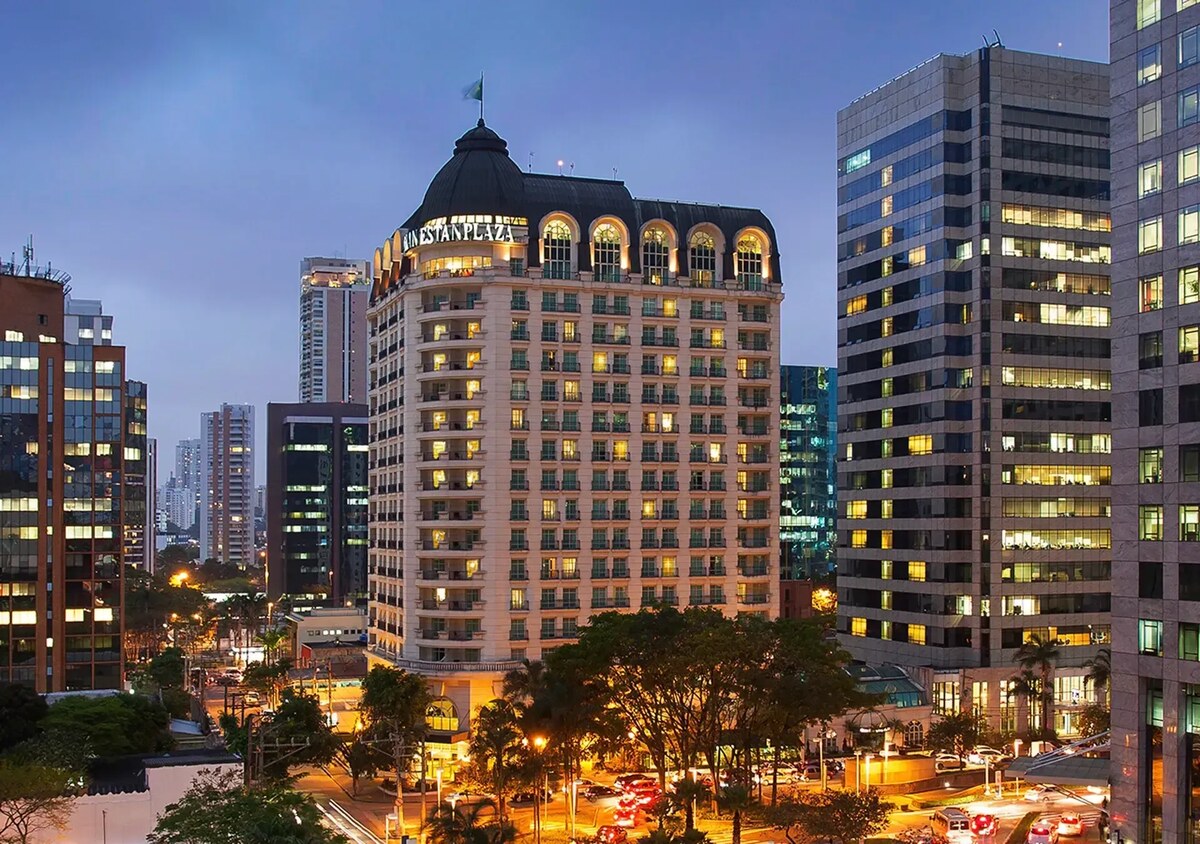
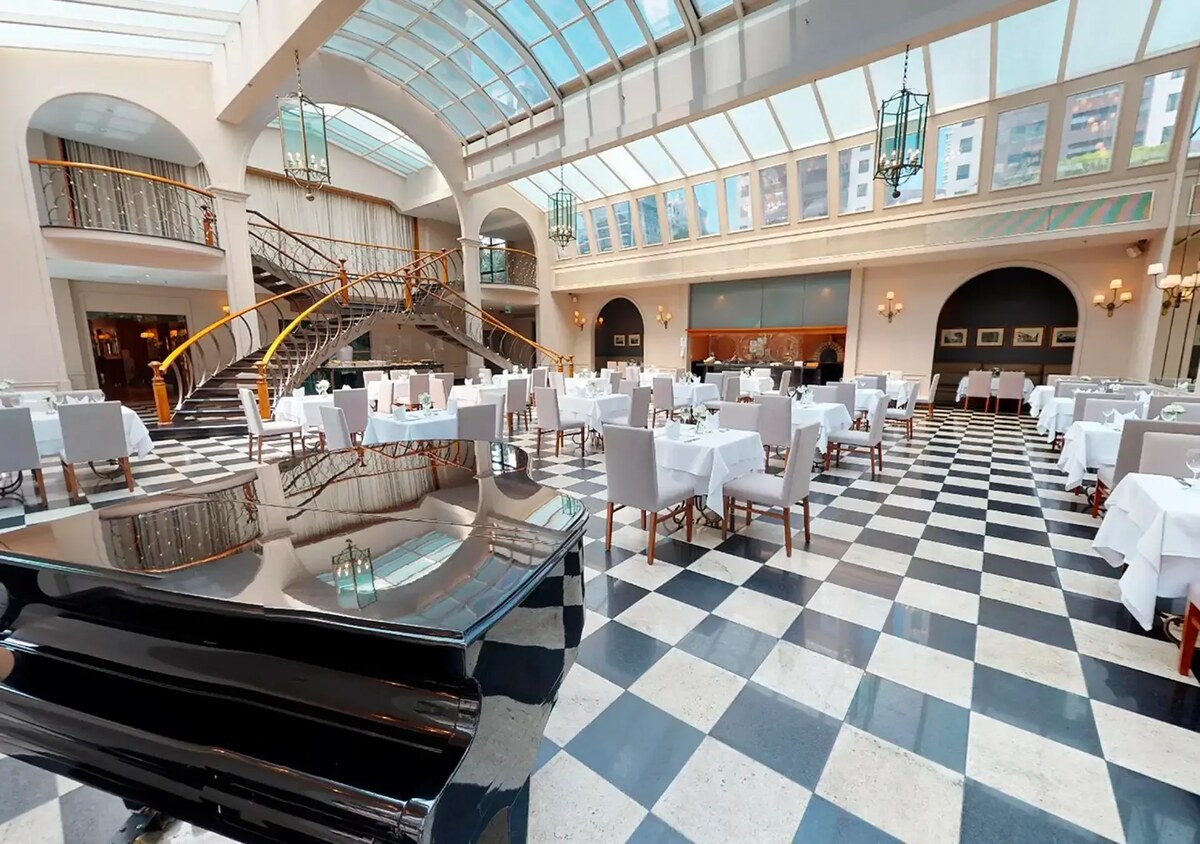
Gran Estanplaza Berrini stands in one of São Paulo’s great business districts, between Avenida Engenheiro Luís Carlos Berrini and the Pinheiros river. Most of its neighbours are towers of glass. The hotel, which classifies itself as a five-star property, went the other way: chandeliers, wrought iron, dark wood and a breakfast room under a glass roof.
I found it a very good city hotel, as useful for a business trip as for a longer look at São Paulo. Its pleasures were practical ones. A comfortable bed, attentive staff, plenty of fruit at breakfast, a wine shop I was glad to find, and a library that solved more of my planning than I expected.
Berrini and the traffic
The hotel sits among the offices and shopping centres of Berrini, with a large business complex, a mall and the Hilton and Sheraton hotels close by. Berrini station, on Line 9-Emerald of the city’s suburban rail network, is about ten minutes away on foot.
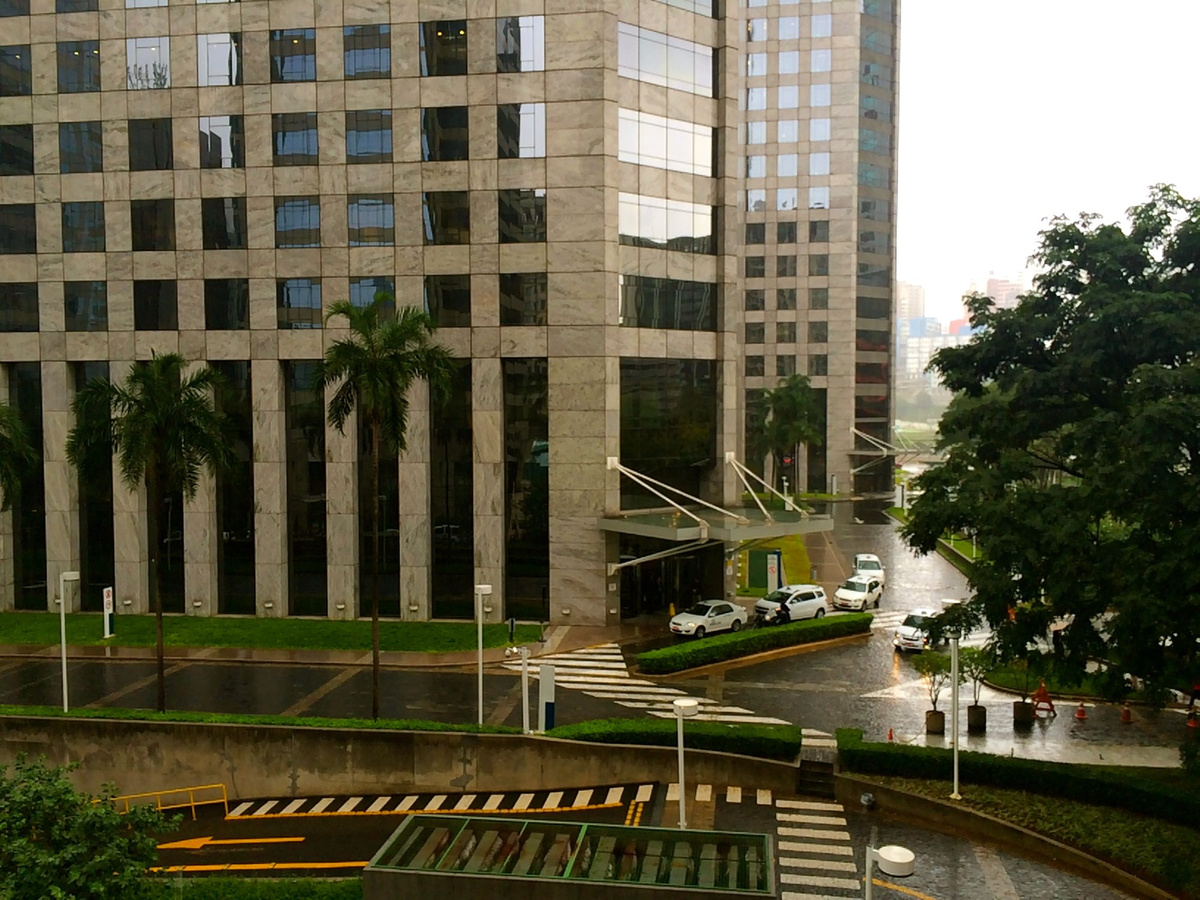
The district has one serious drawback: the traffic. If you plan to move around by taxi or hire a car, rush hour near the hotel can be exhausting. It once took us about an hour to cover a few kilometres. For much of the city, the train is the better choice. Line 9 connects at Pinheiros with the Line 4-Yellow metro, which runs on to Paulista and the historic centre.
The welcome
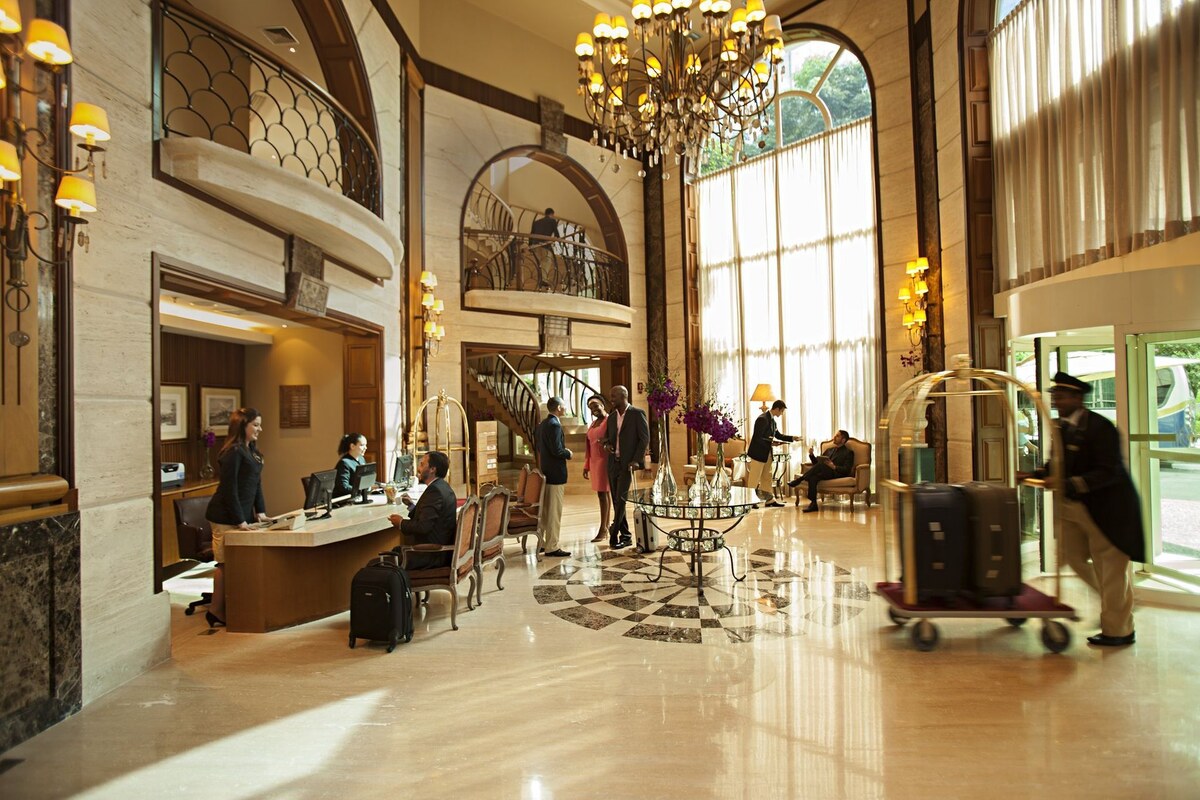
The interior is handsome and classical, and the service was on the same level. The staff were attentive and responsive throughout our stay.
Rooms and the bathroom question
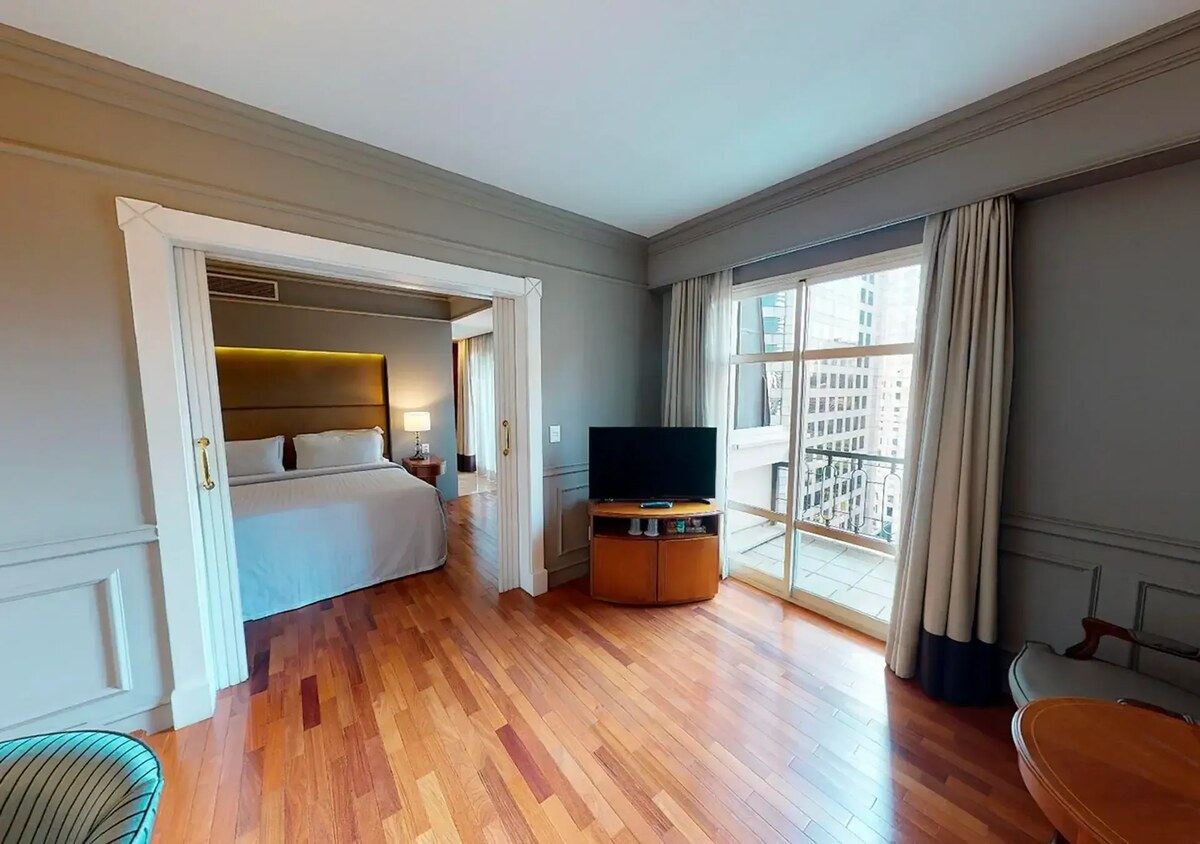
We stayed in a standard room. It felt new, clean and cosy, and housekeeping was thorough. The bed was large, with a high and very comfortable mattress.
The bathroom was the weak point. It was rather cramped, and the bath had glass panels that did not keep the water in, so the floor was often wet. In 2016, the room also had no free Wi-Fi. That has changed: in-room Wi-Fi is now free.
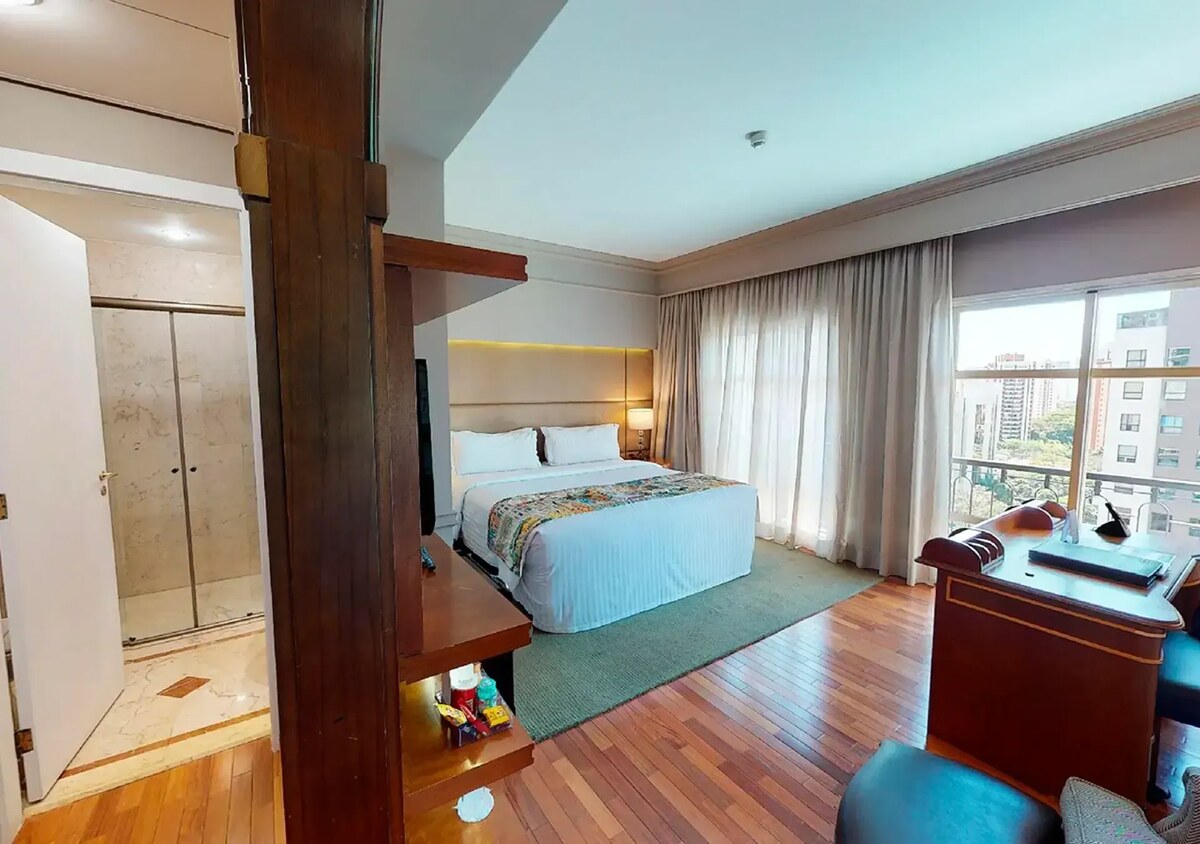
Today the hotel sells its rooms as Collection and Collection Plus rooms, then a series of suites: Suite Premium, Deluxe, Corporate, Master and Top Home. Many have balconies facing the city. The hotel scheduled a renovation of its public areas and some rooms from April to the end of September 2026. When booking, I would ask for a renovated room and check whether it has a walk-in shower or a shower over the bath.
Breakfast, then and now
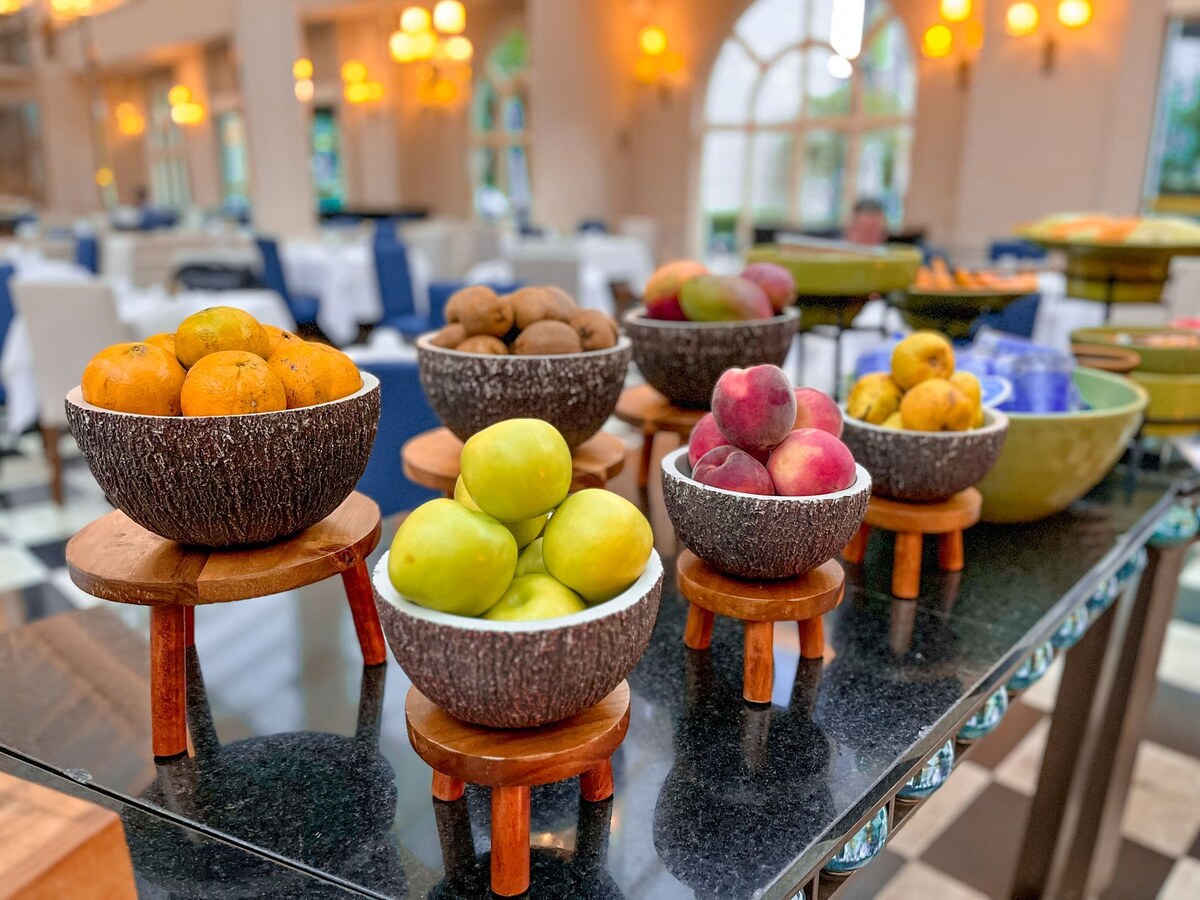
Breakfast left me with mixed feelings. The choice of fruit and pastries was very large, with muesli, yoghurts and nuts, which was a clear plus. What I missed was something more substantial: hot dishes, cold cuts and vegetables. The service was good.
The hotel now calls it the Café da Manhã da Fazenda, a farm breakfast arranged around four stations: Continental, Saúde, Tropical and Fazenda. The kitchen prepares dishes to order, including eggs and tapioca, which answers my main complaint. Breakfast is served in Plaza, beneath the glass roof, and in recent years a pianist has played there in the mornings.
If I were returning today, I would start at the cooked-to-order station and leave the fruit for later.
The wine shop and the library
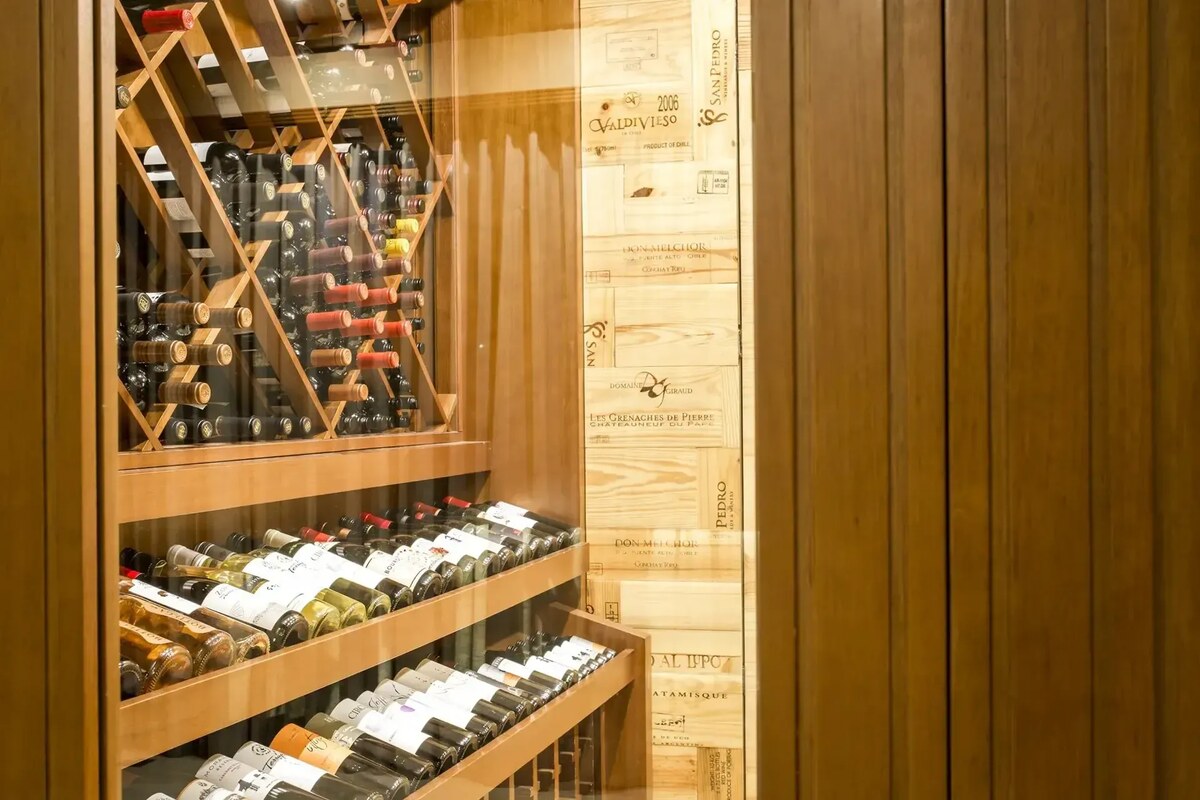
Two small things made me fond of the hotel. The first was its wine shop: I liked the idea of having one in the building, and I liked the shop itself. Today the hotel’s wine centres on the Adega, a cellar of bottles from several countries, open for individual tastings or the chef’s suggested pairings. The hotel also has two restaurants, Tom and Plaza.
The second was the library. There, quite by chance, I picked up an enormous guidebook to São Paulo, and it made many of our plans far easier.
Spa, pool and gym
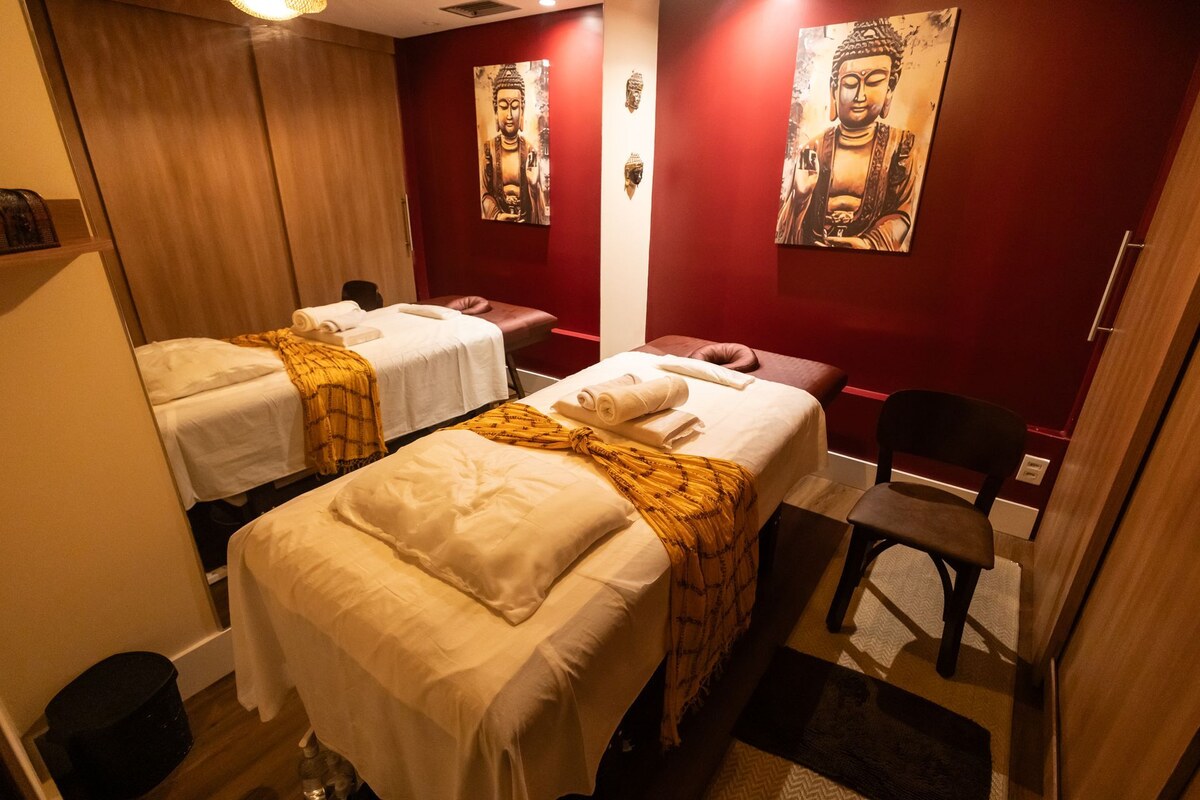
The hotel’s Buddha Spa offers massages and other treatments, with a sauna and steam room nearby. The indoor pool on the terrace is small and not heated, better for a quick swim than a long afternoon. There is also a gym.
Beyond Berrini
If I were returning today, I would use Line 9 more. A few stops north, Pinheiros puts two very different pleasures within walking distance. The Instituto Tomie Ohtake, in Ruy Ohtake’s curving building, shows contemporary art and design. The Mercado de Pinheiros is a working municipal market, with stalls that bring ingredients from small Brazilian producers to the city: peppers, flours, preserves and cheeses rarely seen outside their regions.
From Pinheiros, Line 4 continues to Luz. A short walk from there, Sala São Paulo occupies part of the restored Júlio Prestes railway station and is home to the São Paulo State Symphony Orchestra, OSESP. An evening concert there would be on my list.
We ate well elsewhere in the city, too, if not always as expected. At Kinoshita, in Vila Nova Conceição, we chose the tasting menu. The sashimi melted in the mouth; there were scallops in a fragrant broth and a singular pairing of tuna and foie gras. The cooking follows the Japanese kappo tradition but uses local fish, herbs and spices, and some dishes had a genuinely new taste. The service was excellent, and the low lighting suited the architecture. The price felt fair for the pleasure. Kinoshita had a Michelin star then and holds one in the 2025 guide.
A Figueira Rubaiyat, in Jardins, had been recommended to us for its steaks, and there we were disappointed: our Brazilian steak was tough and had little flavour. Perhaps the Angus would have been better. Everything else we liked. The starters were excellent, though they arrived unasked and appeared on the bill. The wine list had a large choice of Brazilian wines; they do not claim to be the world’s best, but they are worth trying precisely because they are local. The waiters literally ran with the plates although the room was full. The great fig tree in the middle of the dining room gives the place a warm character. The drawback is the noise. For a juicy steak, I would choose another restaurant. Overall, I left with a good impression.
Gran Estanplaza Berrini was a very good city hotel, for business and for leisure alike. The traffic outside belongs to São Paulo. The comfort inside, and a train ten minutes away, are what make the address work.