
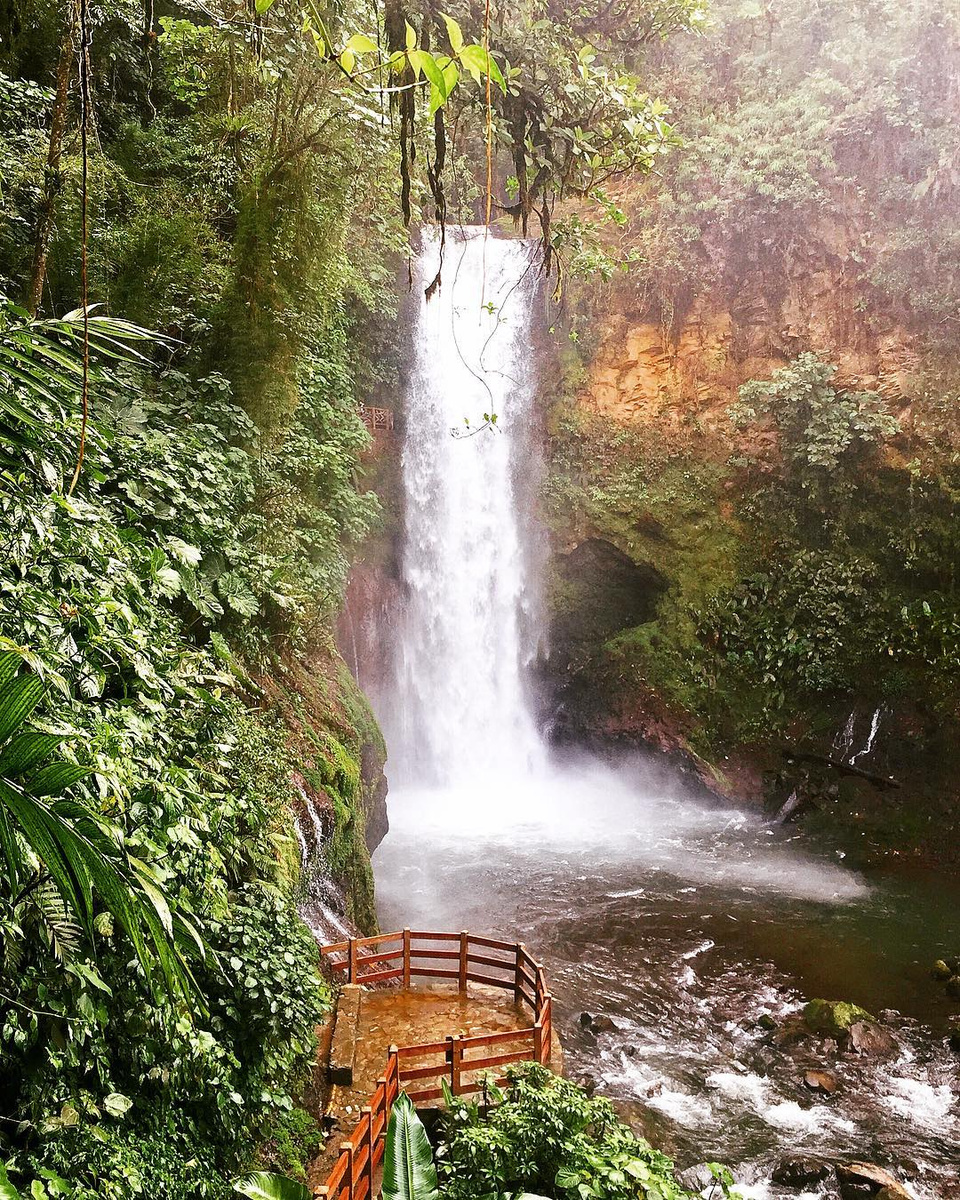
I had never stood behind a waterfall before. At Magia Blanca, in Costa Rica’s La Paz Waterfall Gardens, I stayed for about ten minutes, enjoying the roar of the water and the spray. I had gone out that morning to see a volcano. By the afternoon, a waterfall had made a fairly persuasive case for itself.
Volcanoes are my weakness. Of all the landscapes I travel to see, they are the ones that excite me most. Poás had drawn me out of San José; La Paz gave me a reason to spend the rest of the day in the mountains.
The route at a glance
San José → Doka Estate → Poás Volcano National Park → La Paz Waterfall Gardens. At Poás, I visited the main crater and Botos lagoon; at La Paz, I followed the waterfall trails and visited the sanctuary. The map shows the road journey between these four main stops.
Coffee at Doka Estate
I gave San José an evening. I managed to get lost in the streets of the centre, find my way out and return to the hotel. By then, I wanted to be among the forests and volcanoes.
I had considered both Irazú and Poás. The latter won, and the day began early at Doka Estate, now known as Hacienda Doka, with breakfast and Costa Rican coffee. I’m a coffee drinker; drip coffee or an Americano is usually my choice. A plantation was a rather good place to begin.
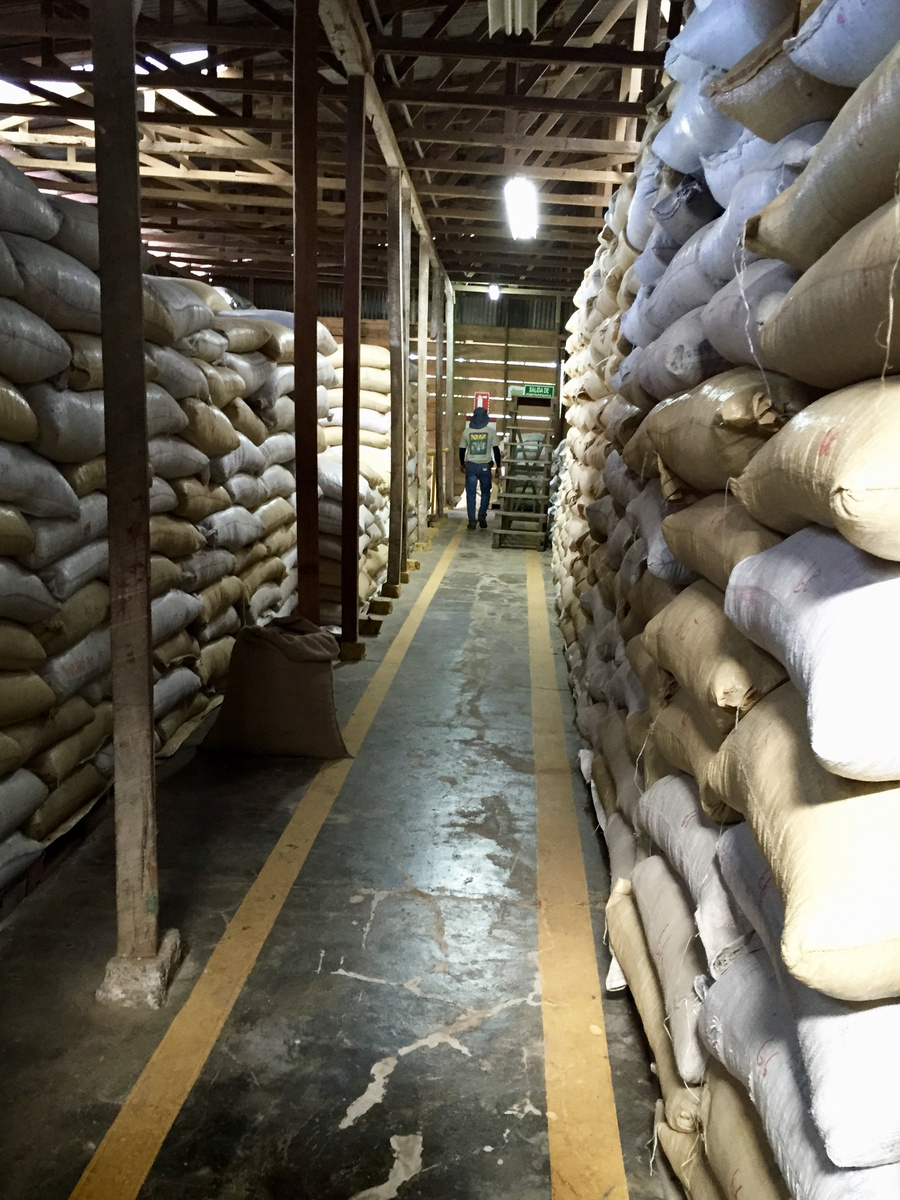
Doka is in Sabanilla, above Alajuela, on the slopes of Poás. Its coffee grows at around 1,400 metres, in the volcanic country I had come to explore. Costa Rica’s commercial crop is arabica, with Caturra and Catuaí among its familiar varieties. Both are cultivars of arabica; robusta belongs to another coffee species. The Central Valley’s coffees are known for their balance, good body and lively acidity.
Processing changes the character of the cup. A coffee bean is a seed inside a fruit, the coffee cherry. Washed coffee has the surrounding fruit and sticky coating removed before drying. In a honey process, some of that sugary coating remains on the beans as they dry. There is no bee honey involved. The method can bring out sweetness and fruit character, while natural coffees dry inside the whole cherry. Costa Rica’s small mills and individual lots give a coffee drinker plenty to explore beyond a single national flavour.
For a drip-coffee drinker, there is an immediate appeal in the chorreador, the traditional Costa Rican brewer: a wooden stand that holds a cloth filter over a cup or pot. Hot water goes in at the top; coffee drips out below. When choosing beans, I would look at the growing region, processing method and roast. A country name is the beginning of the choice.
Costa Rica is a much smaller producer than Guatemala or Colombia. USDA’s forecasts for the 2026/27 crop put it at about 1.2 million 60-kilogram bags of green coffee, against 3.1 million for Guatemala and 13.4 million for Colombia. Those figures describe volume. All three produce fine coffees, and the individual farm, harvest and processing tell you more about a particular cup than a national league table. Costa Rica earns its place through the range and character of its coffees, from the Central Valley to Tarrazú and the Western Valley.
There was already a great deal to distract me. On the roads out of San José, macaws moved between the trees at ordinary bus stops. I kept being surprised by how much life there was around me. At times it felt like the happy ending of a childhood cartoon, when every creature appears at once. There were no elephants or giraffes, of course. The birds were quite enough.
Poás and the cloud forest
Poás rises to over 2,700 metres in the mountains north of the capital. Its main crater holds a lake rich in acids, with gases and vapour escaping from the volcanic vents. On my visit, I could see into the crater. For someone with my enthusiasm for volcanoes, that was a very good morning.
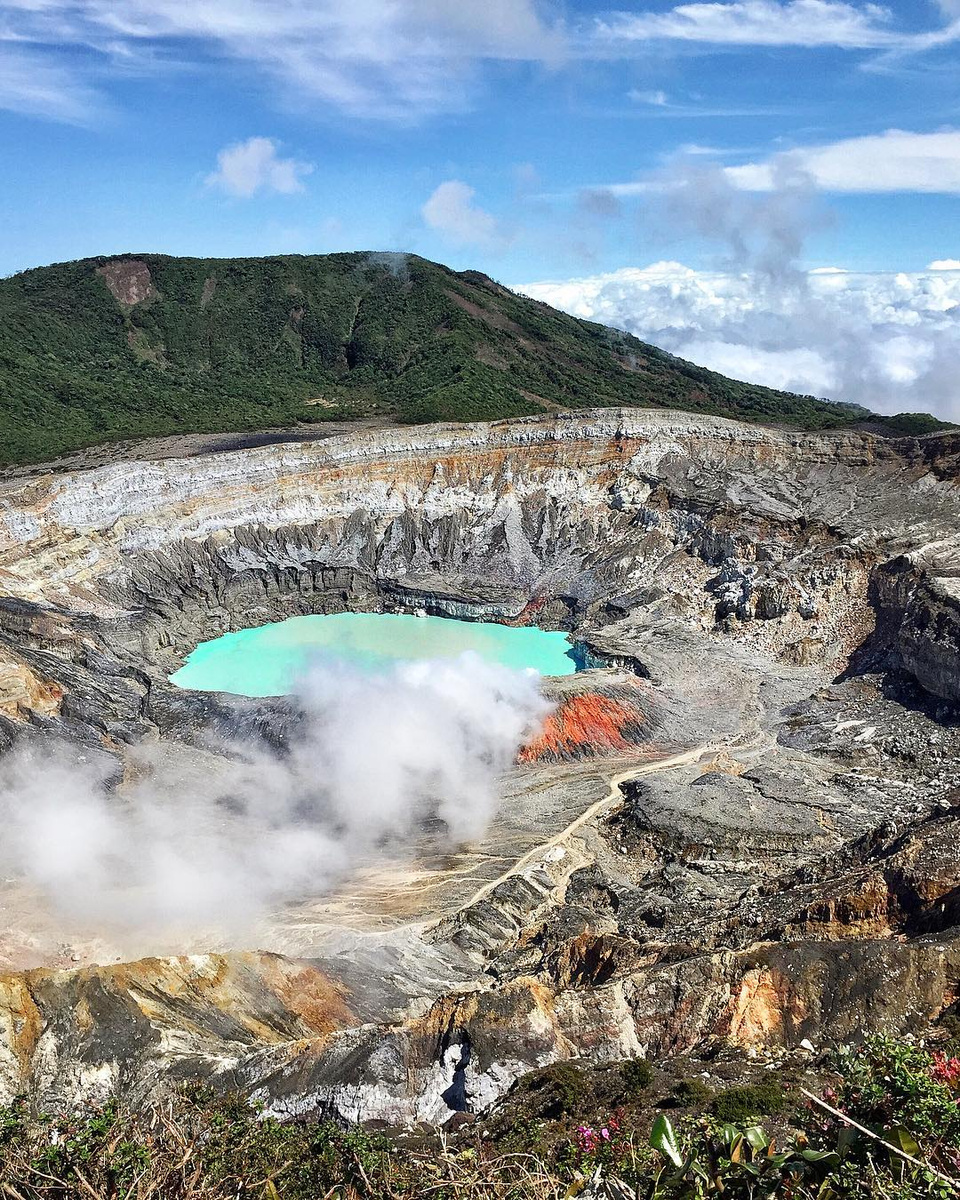
It was also my first walk through cloud forest. The trees seemed to reach into the clouds, and the path itself was part of the pleasure.
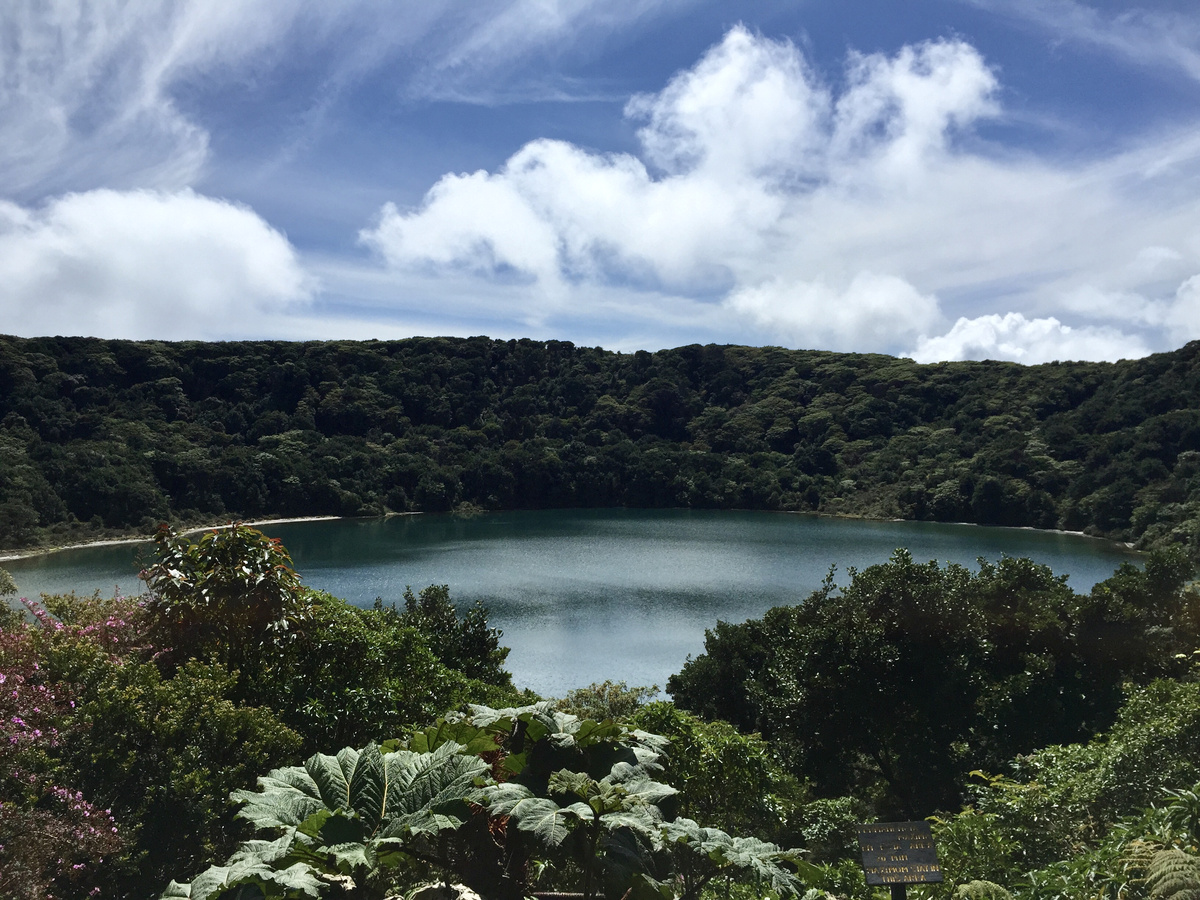
There is another lake here: Botos, which occupies an old crater and is filled by rainwater. I saw both. The walk through the forest to Botos made the visit feel more generous than a single stop at a lookout.
Birds and butterflies at La Paz
I spent the rest of the day at La Paz Waterfall Gardens, near Vara Blanca. This is a privately run nature park and wildlife sanctuary, separate from Poás Volcano National Park. The waterfall trails and animal habitats are different parts of the visit.
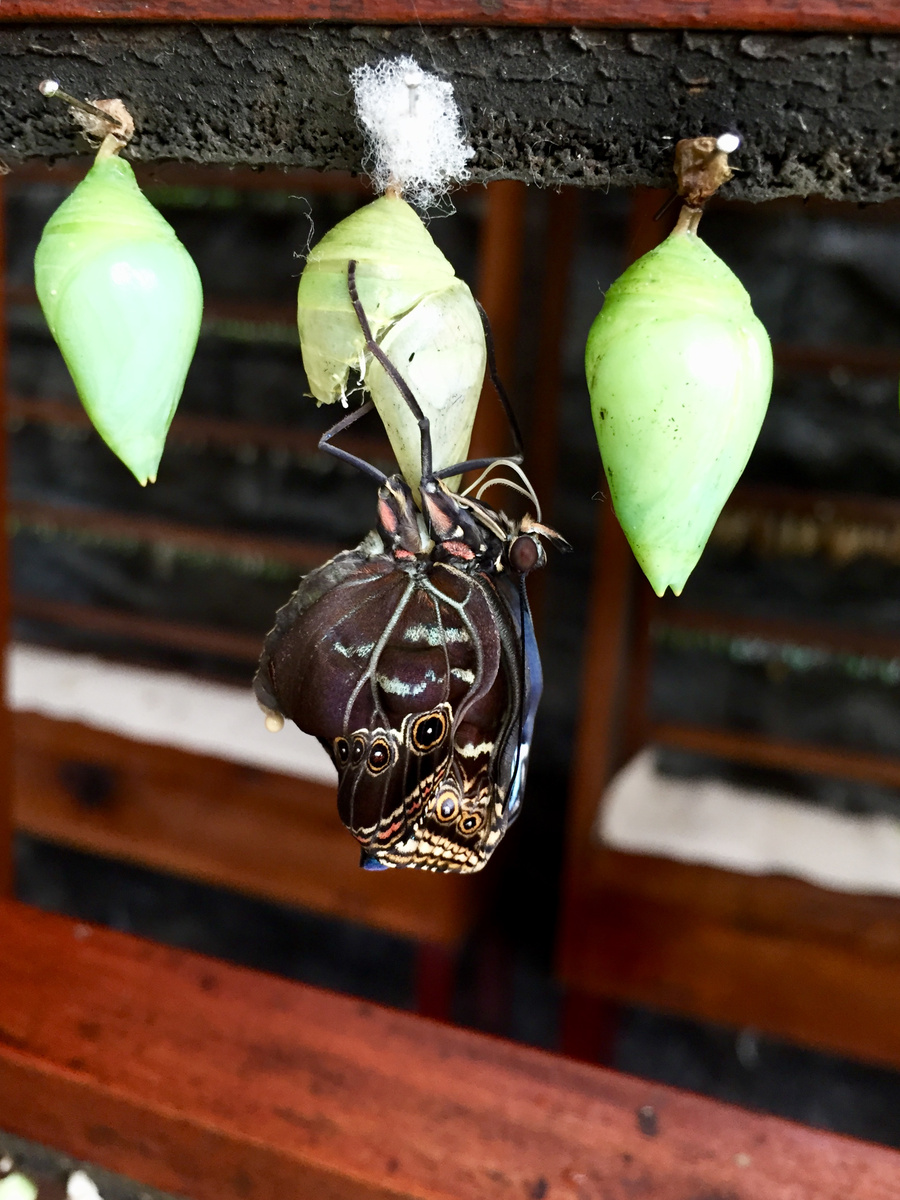
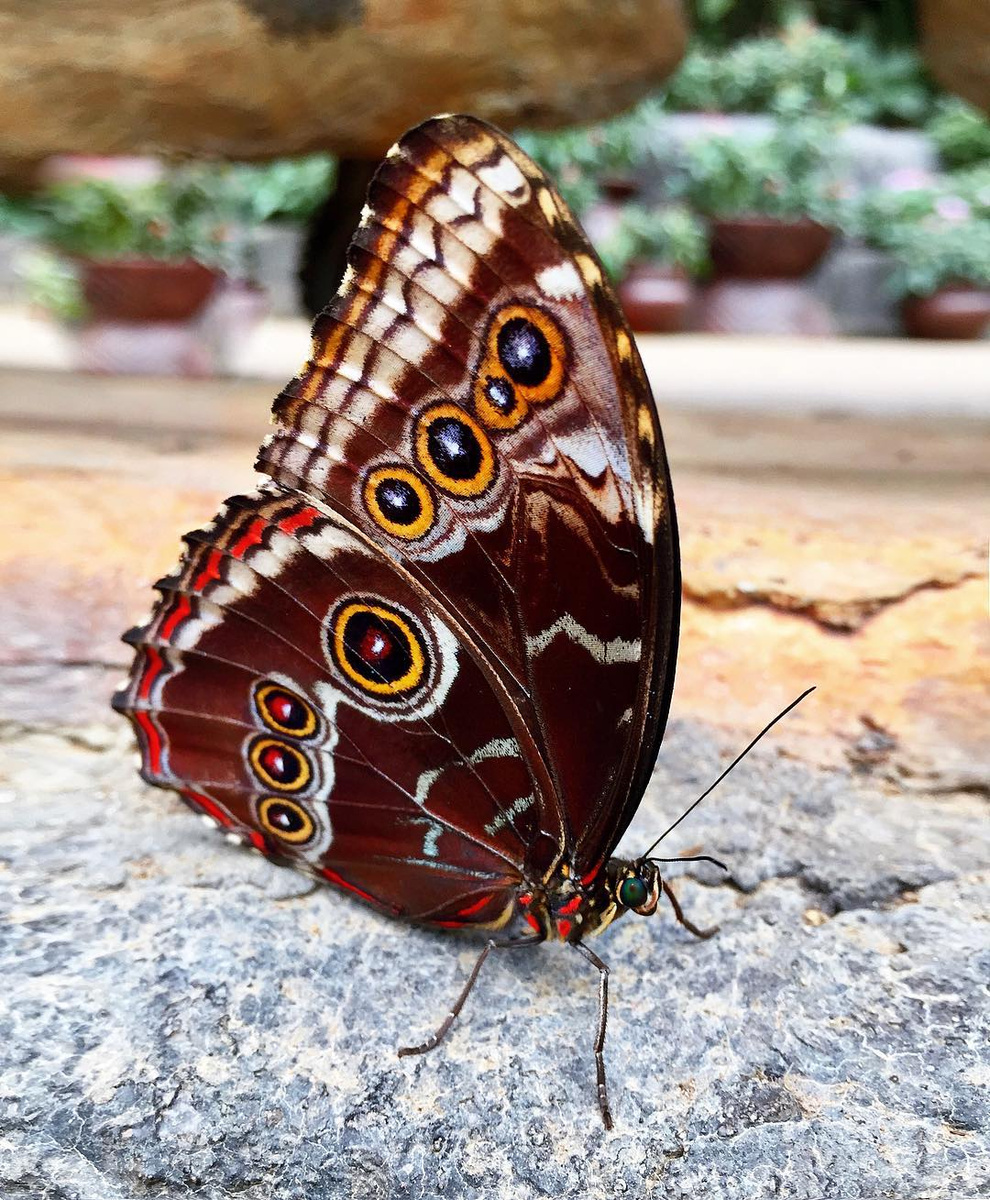
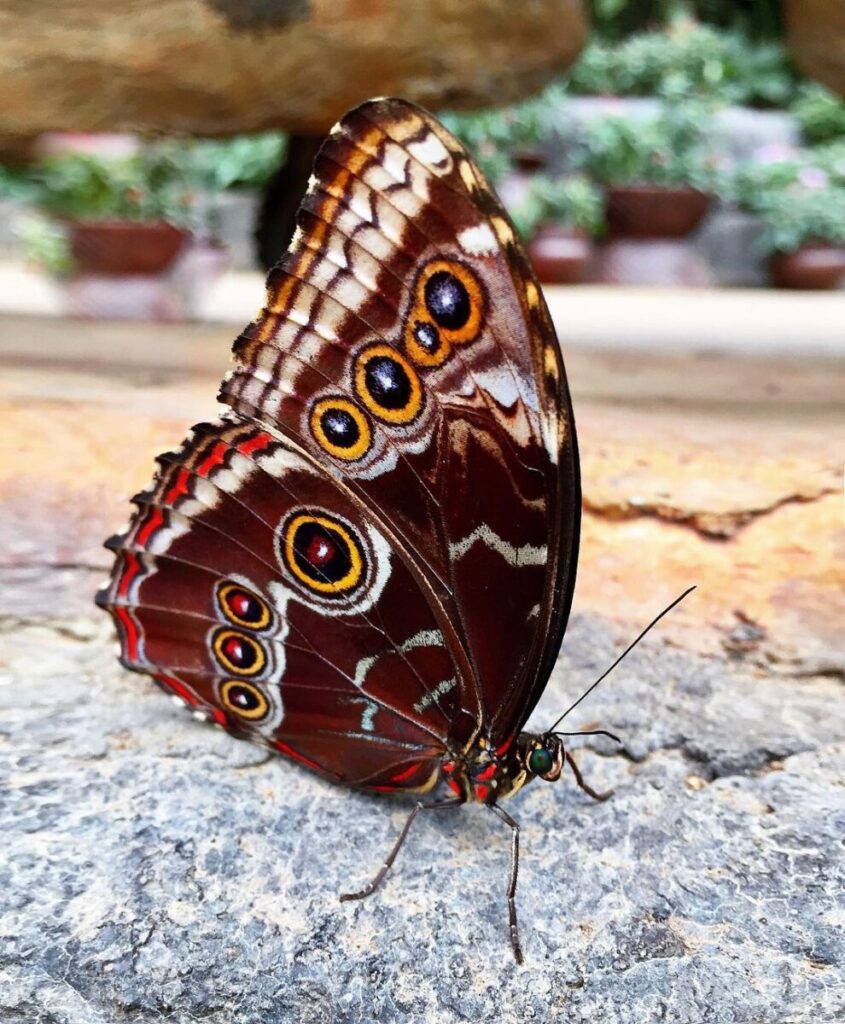
The butterflies were a particular pleasure. They flew freely inside the observatory, and I could look at them closely instead of catching a glimpse as one vanished into the greenery. The breeding laboratory also shows their development, including the chrysalises from which they emerge.
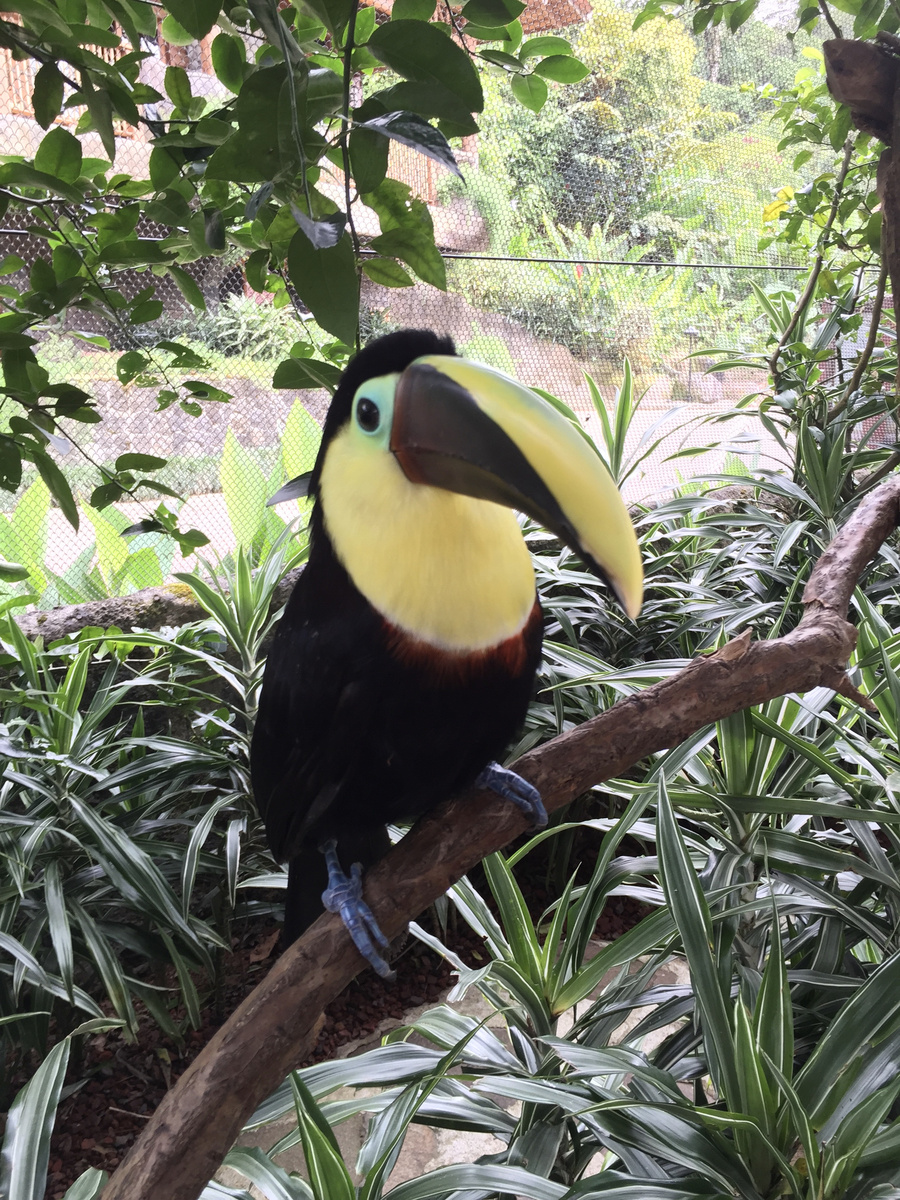
Hummingbirds usually defeat my attempts to see them properly. Here they hovered around the flowers and feeders, sometimes gathering in little groups. I could finally watch them. There were toucans, parrots and capuchin monkeys too; I kept finding another reason to stop.
I liked the abundance of it all. Costa Rica had caught my attention almost immediately, and this day did very little to calm me down.
Five waterfalls
The river forms five waterfalls along the trails: Templo, Encantada, Magia Blanca, Escondida and La Paz. The paths descend through the forest, with steps and viewing platforms bringing you close to the water.
I followed the river down, stopping at each waterfall. Magia Blanca, the tallest at 37 metres, was where I went behind the falling water. Until then, I had always looked at waterfalls from the outside. Standing there, with the noise and spray so close, was a new sort of pleasure.
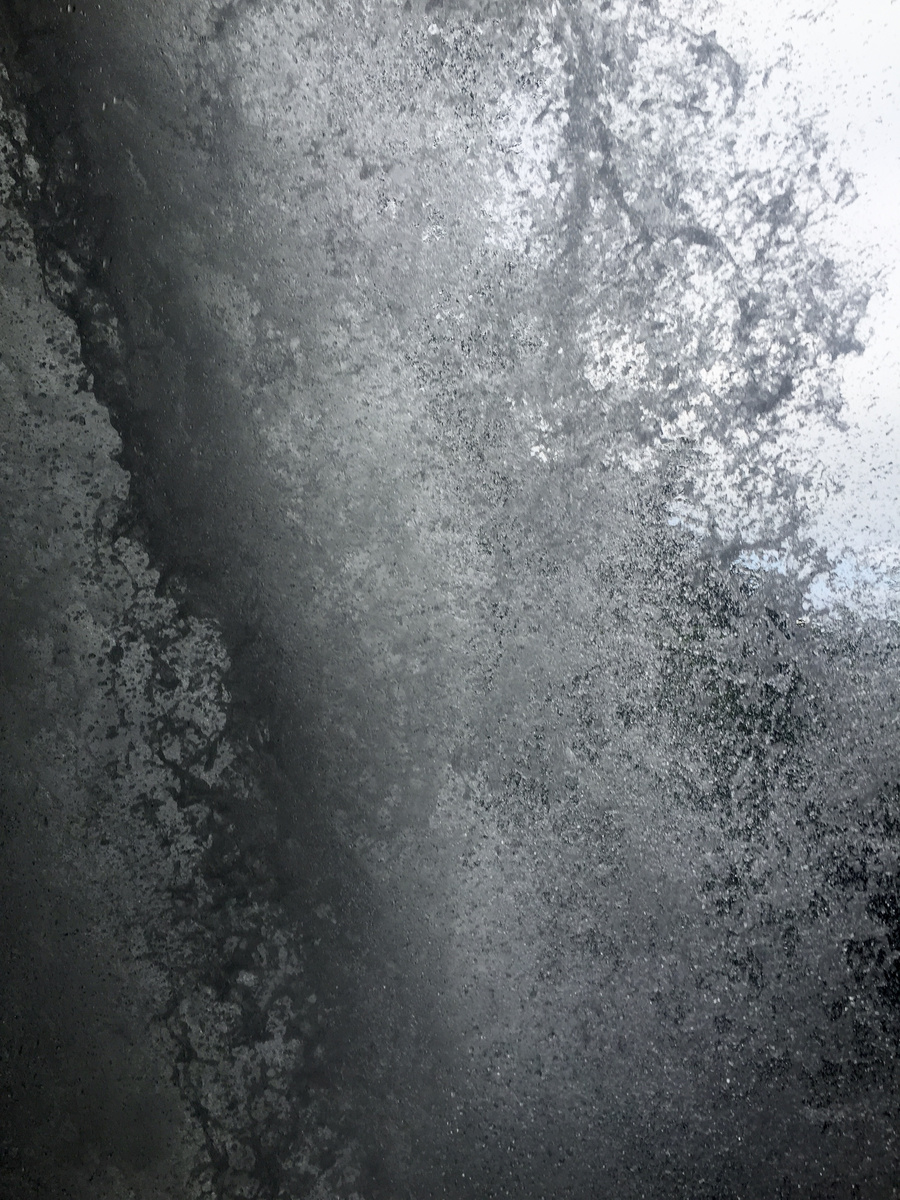
I had been delighted by the volcano, the forest and the birds. But those ten minutes at Magia Blanca are the part of the day I would most like to have again.
Planning a visit
Practical details checked in October 2026.
If I were returning, I would keep a full day for this mountain country and leave time to linger at La Paz. A coffee stop, Poás and the gardens work well together, but I would let the volcano’s available entry slots decide the order.
Book Poás through the SINAC reservation system and check the park’s access information before setting out. Choose an early slot if possible, while allowing for the possibility that clouds will hide the crater. This is an active volcano, so access can change. Confirm which trails are open, especially if you hope to make the walk to Botos that I enjoyed.
La Paz has separate admission. It opens daily from 8 a.m. to 5 p.m.; arriving by 3 p.m. leaves time for the main trails. Bring shoes with a good grip and a light raincoat. There are many stairs on the waterfall walk, and the mountains can feel cool when the clouds come in. The park’s visitor page has tickets and practical details.
For a visit with transport arranged, this day trip from San José combines Doka’s coffee plantation, Poás and La Paz Waterfall Gardens, with breakfast, lunch and admission included. Check the pickup arrangements and available dates before booking.
Explore more of Costa Rica.
Shared on

The post and its conversation
The photographs as they appeared on Instagram, with what readers said there. Likes and replies open on Instagram.



 Join the conversation on Instagram