
We arrived late enough for the garden to have disappeared into the dark. After a wine tasting, we went back outside with a torch and walked between the fruit trees, trying to identify the fruit by taste. It was an entertainingly unreliable system and, as introductions go, a convincing one.
For me, this was a first visit. My husband had stayed at Babylonstoren on his first trip to South Africa, after a horseback safari near Kruger National Park, and was adamant that I had to experience it, too. So the farm became a fixed point in our January 2018 itinerary. By the end of the first evening, we were already eating our way through the garden.
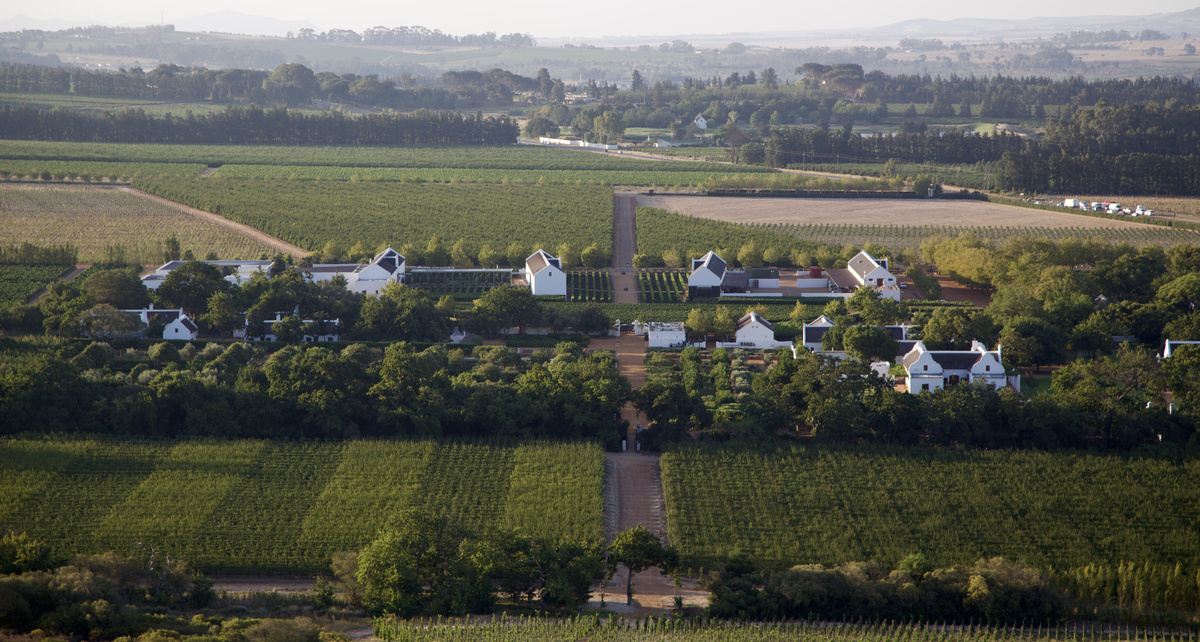
Babylonstoren sits in Simondium, between the better-known wine towns of Stellenbosch and Franschhoek. Calling it a hotel gives only part of the picture. It is a historic Cape farm with orchards, vegetable beds, vineyards, restaurants, a cellar and cottages scattered through the working landscape. The garden connects them all.
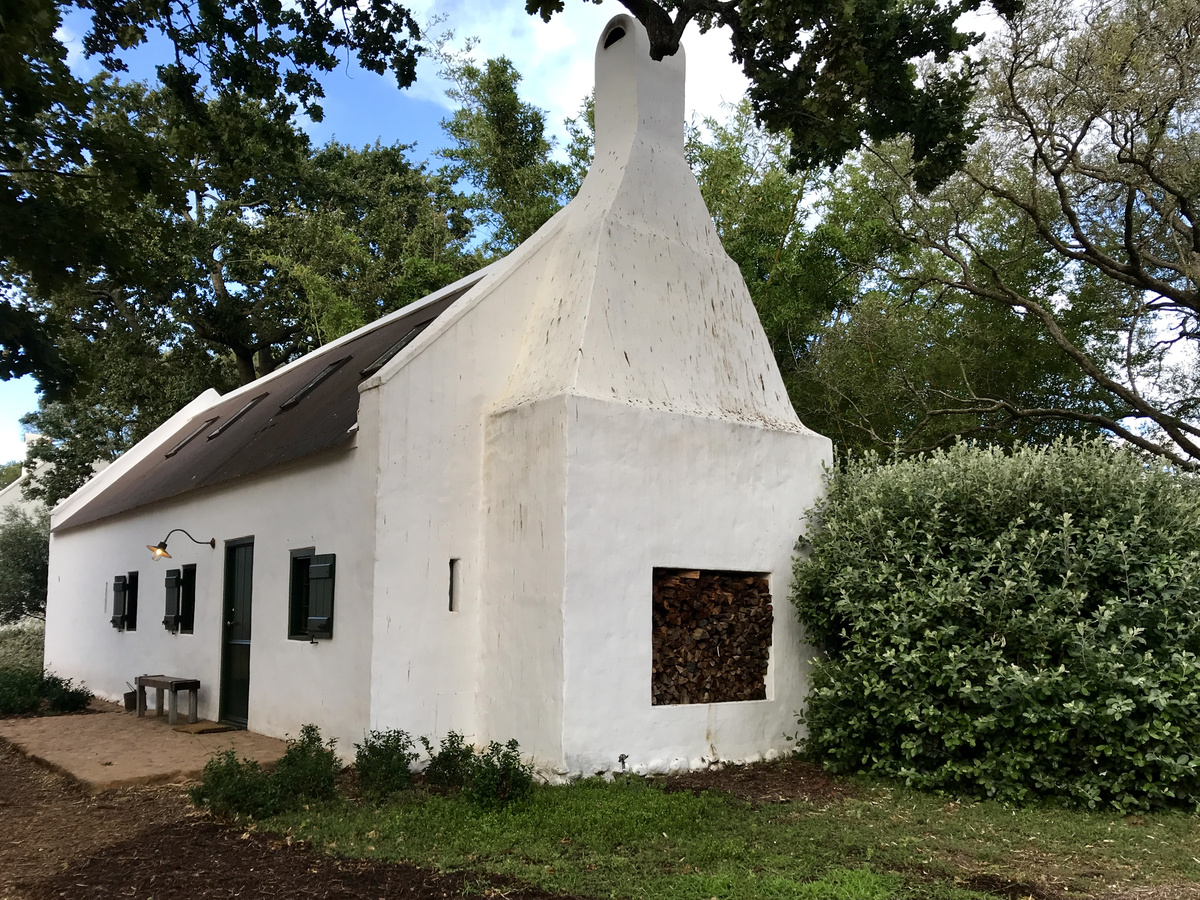
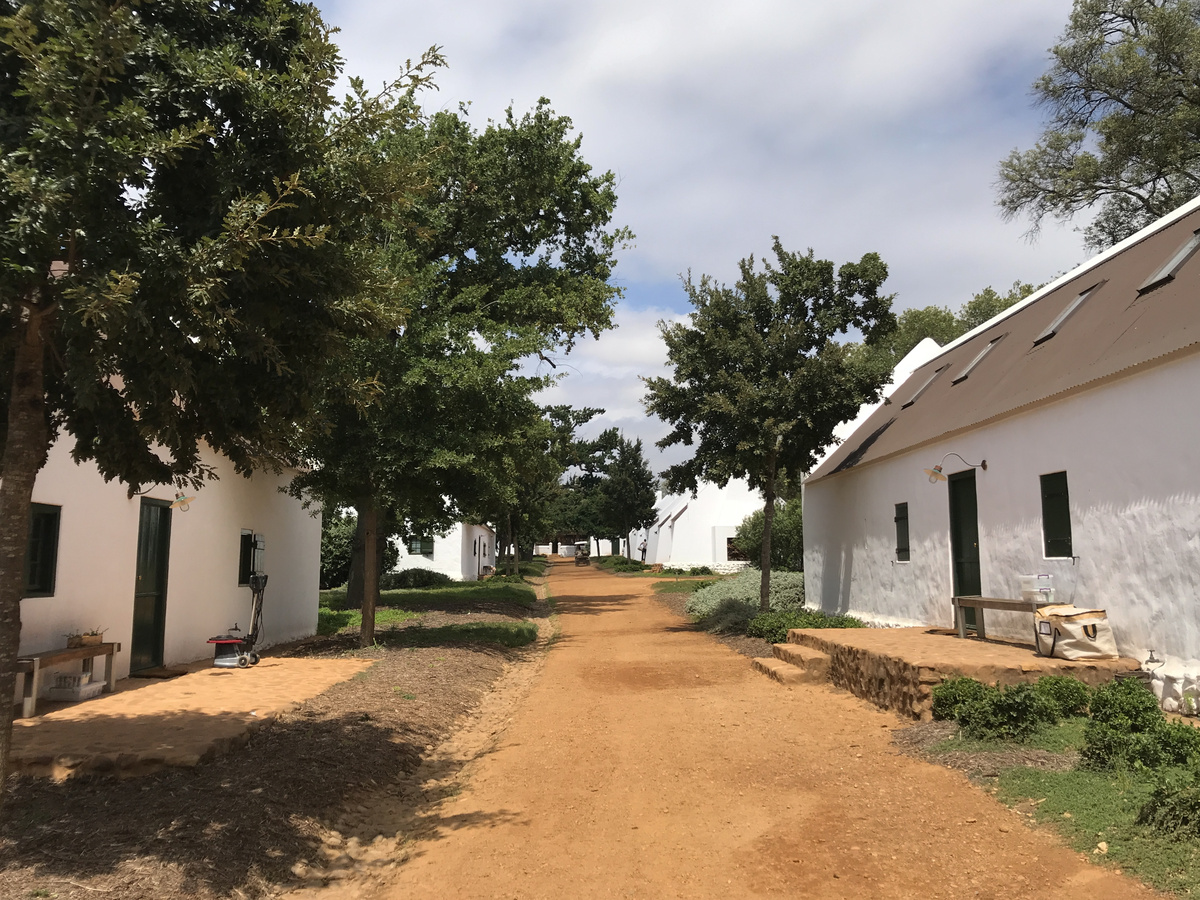
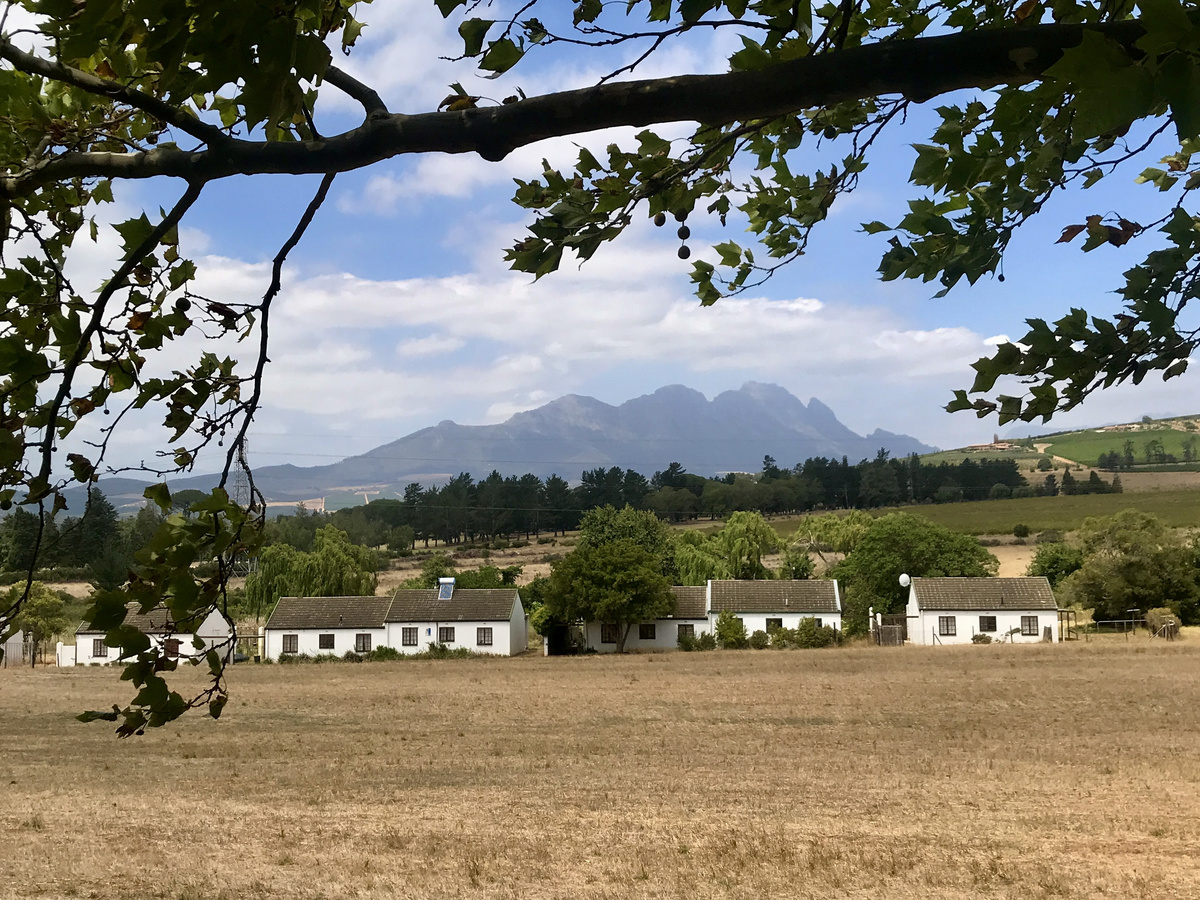
The cottage looked toward the garden
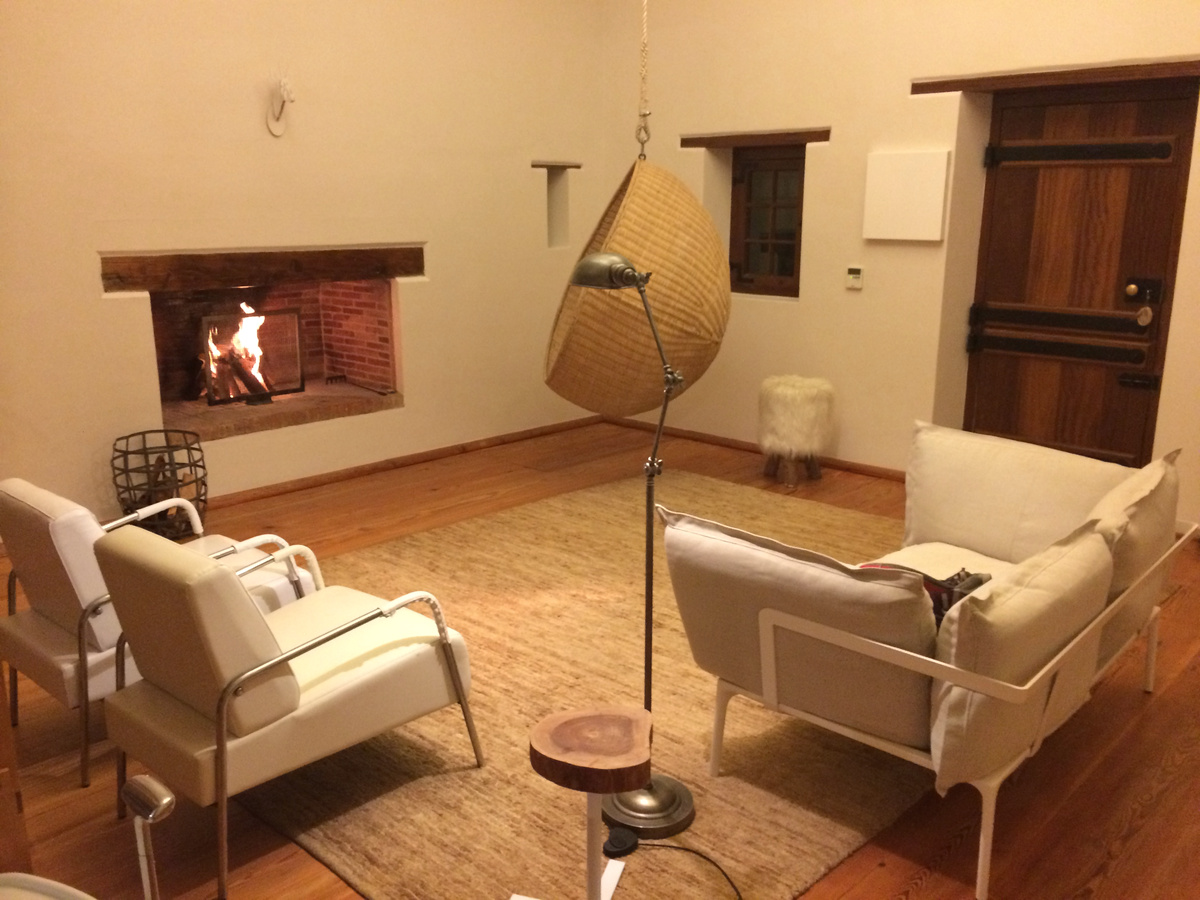
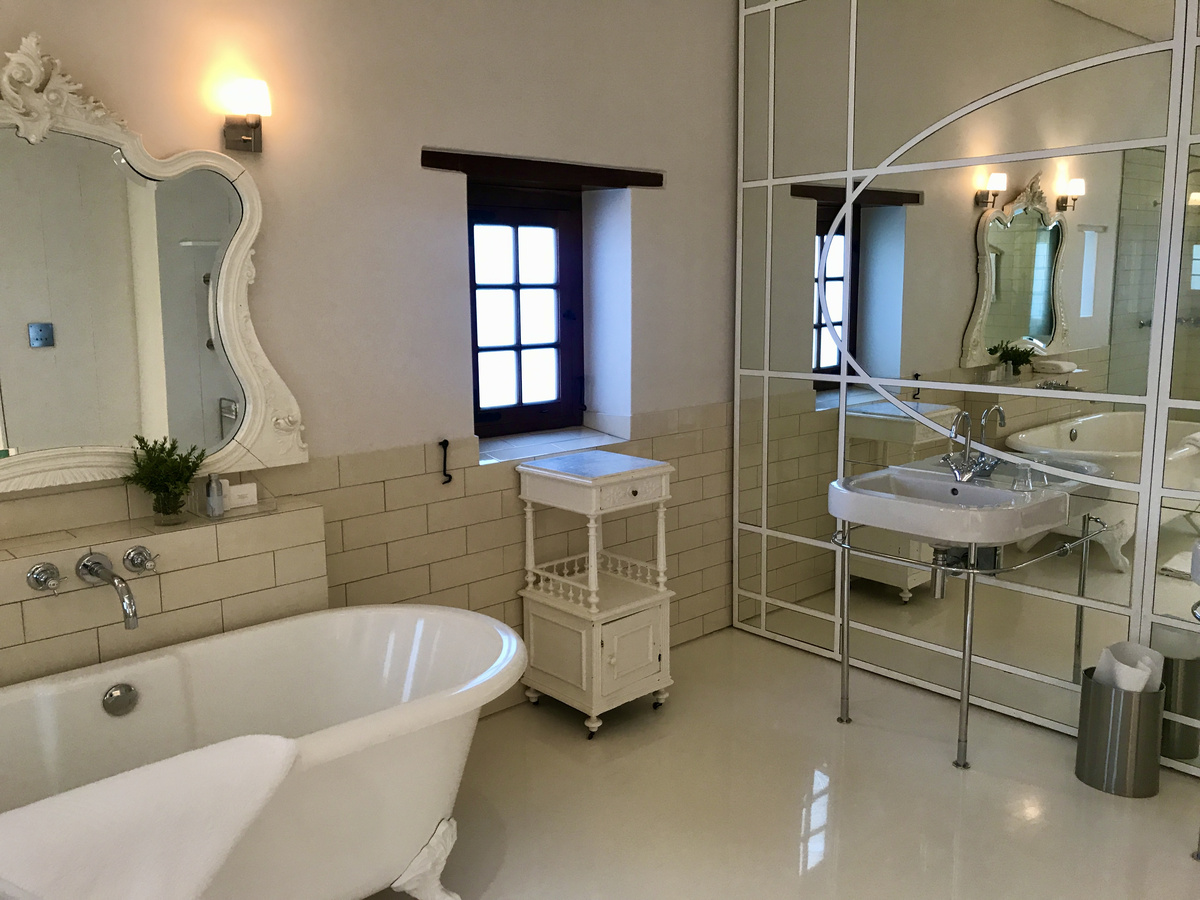
Our room was a whole cottage, with a fireplace, a summer kitchen and a terrace. Inside, white linen and pale walls made the older pieces stand out: a carved bench at the foot of the four-poster bed, botanical prints, dark window frames. The bathroom was more playful, with a freestanding bath and a grid of mirrors multiplying the room.
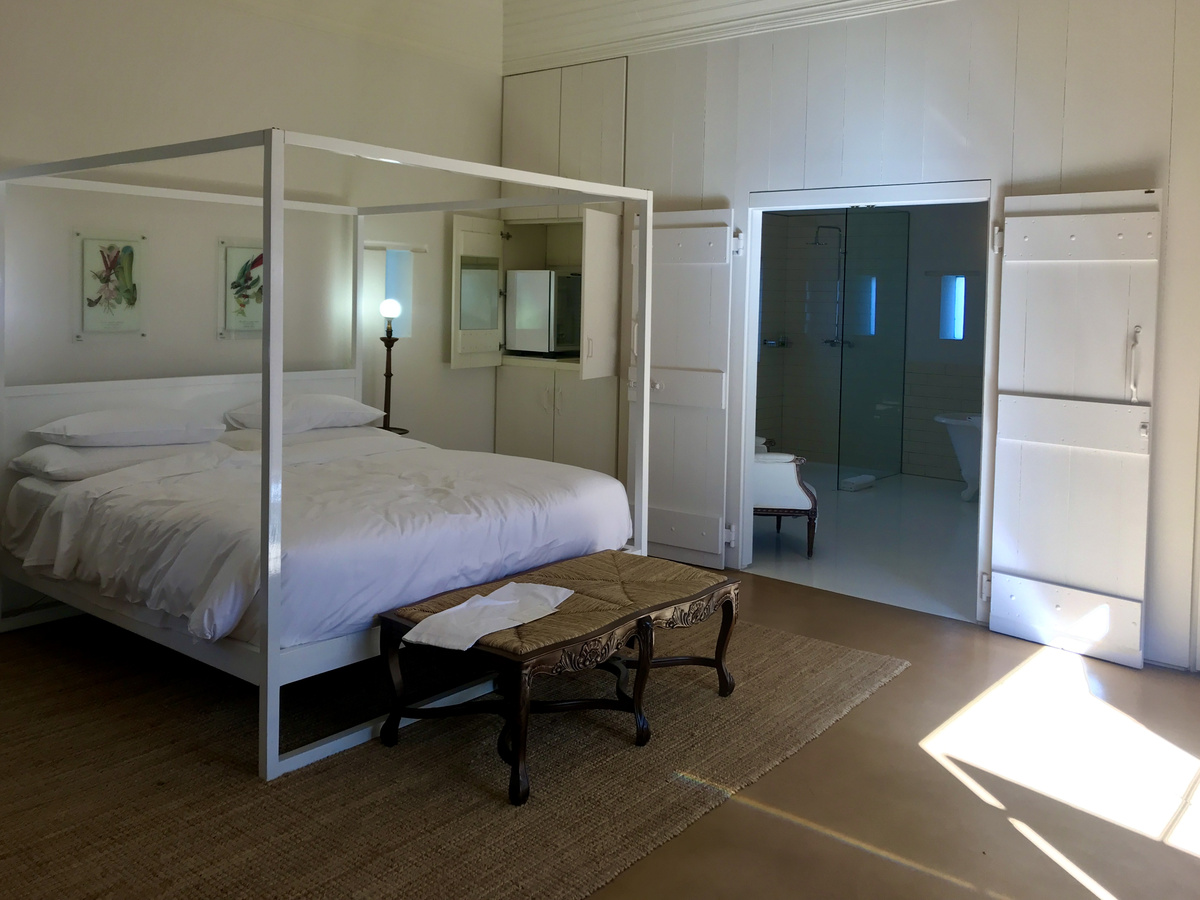
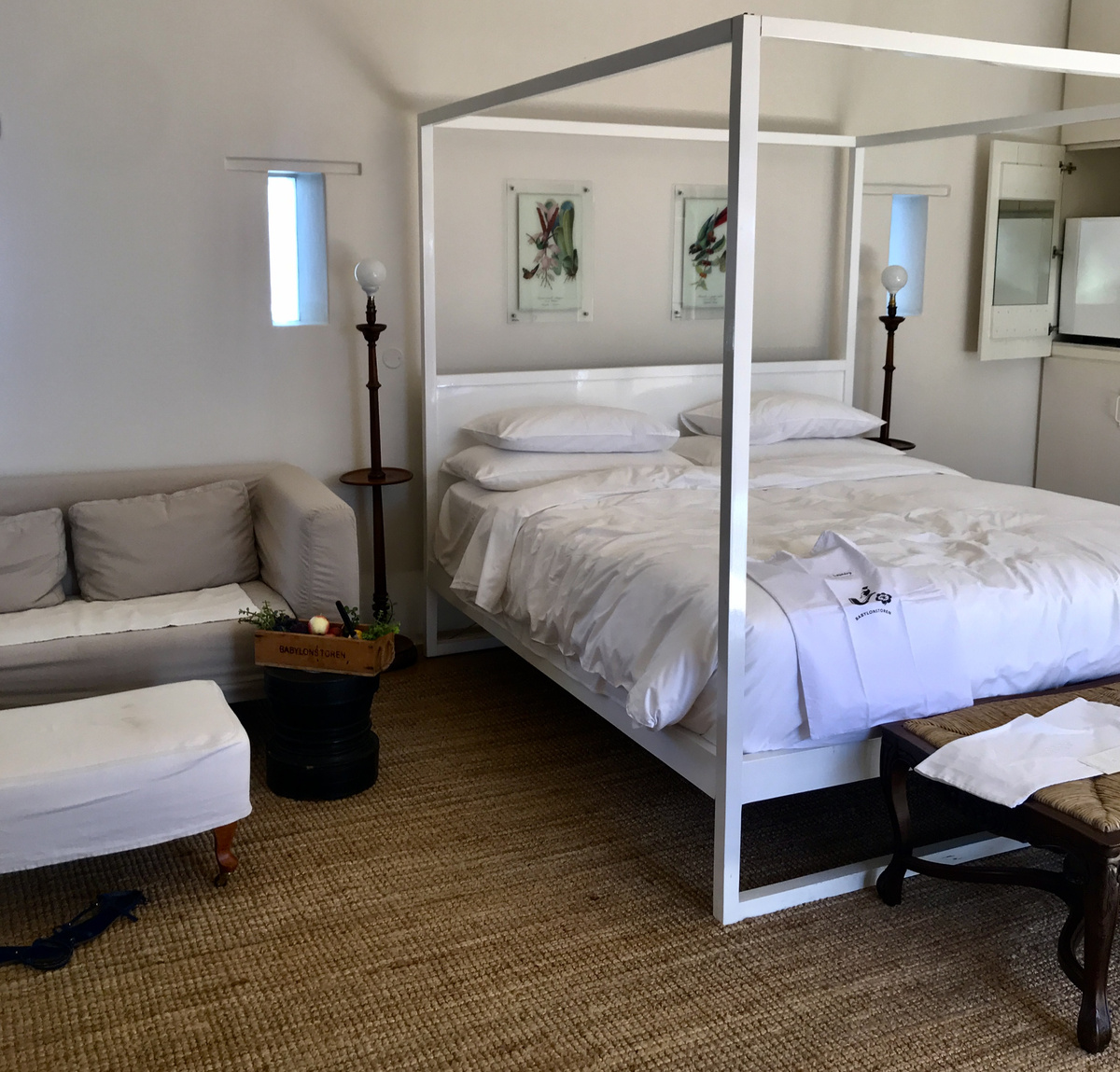
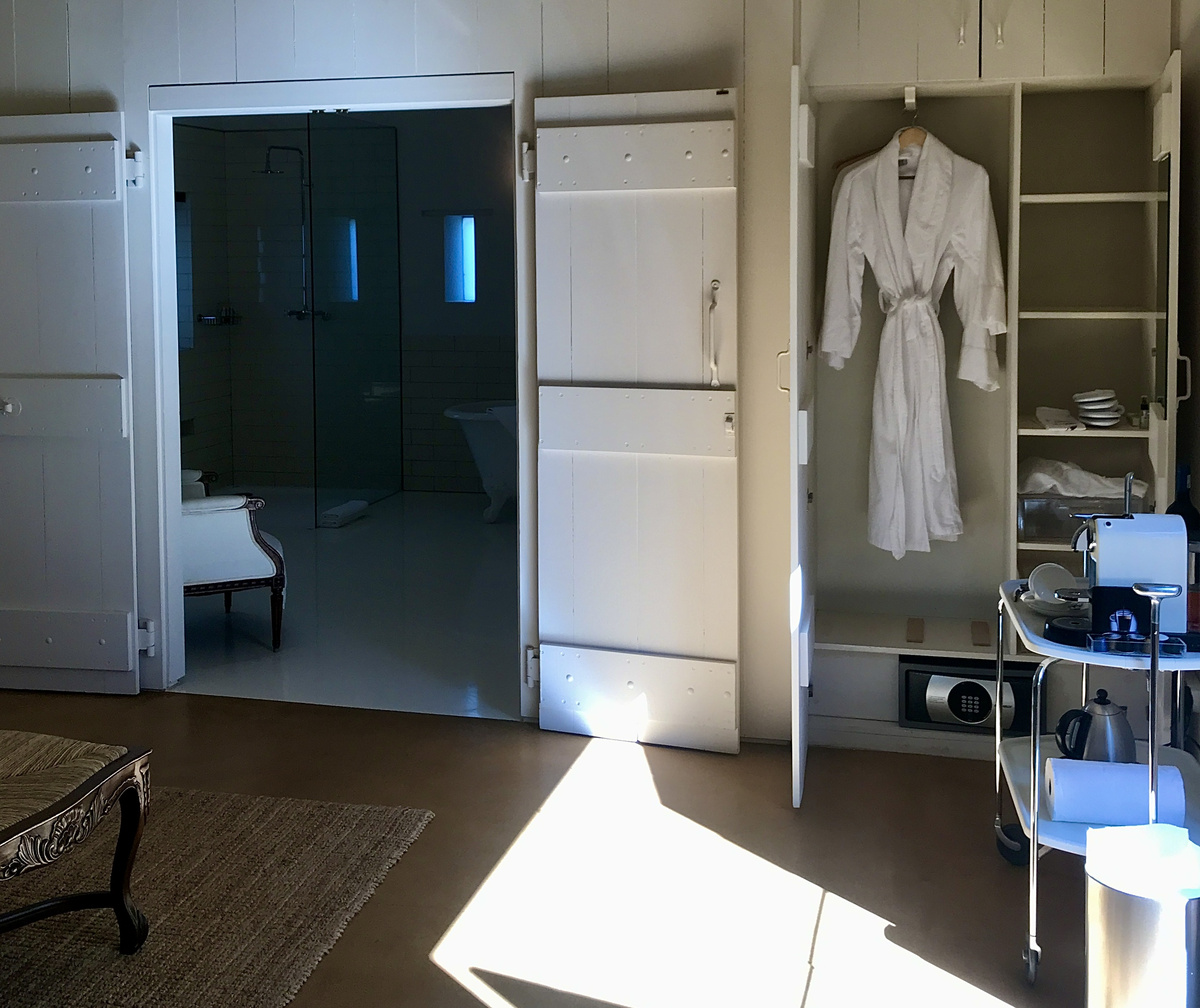
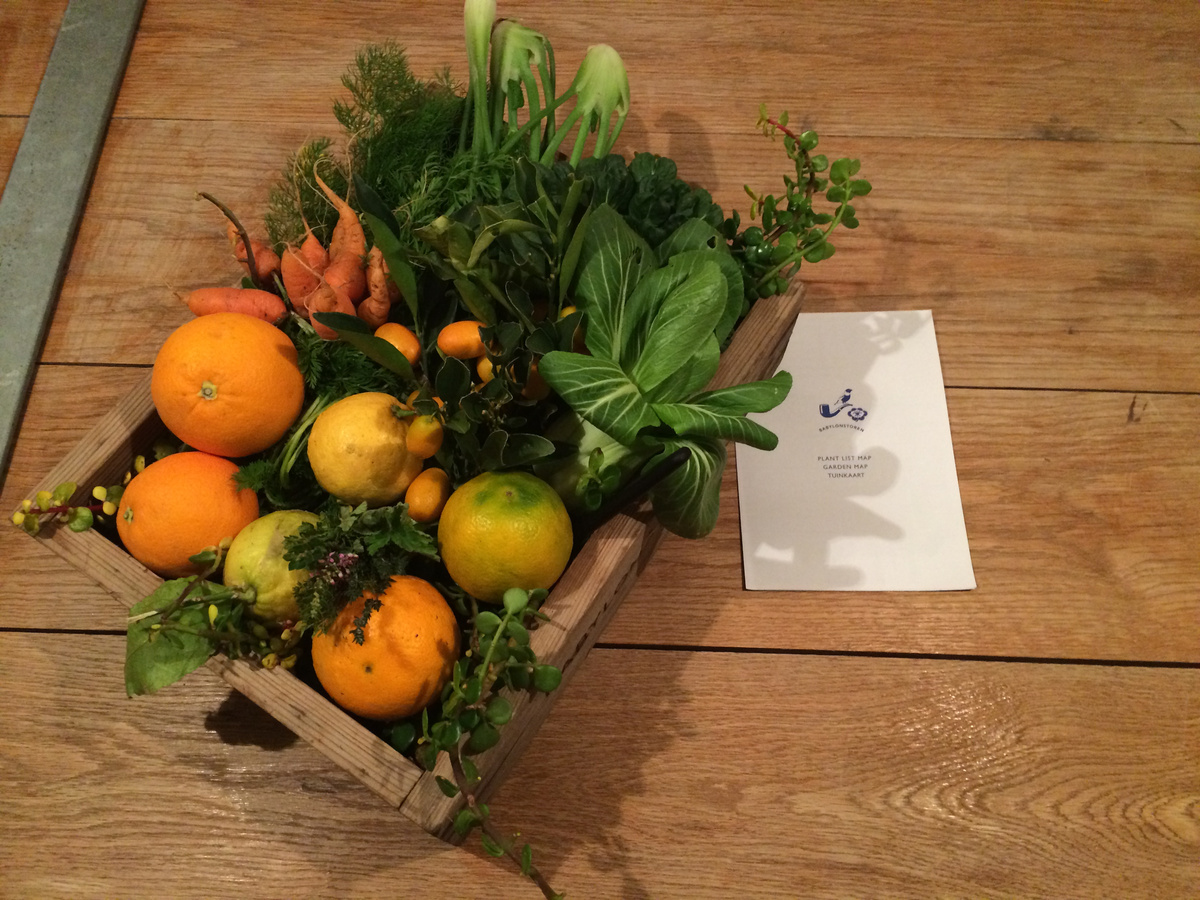
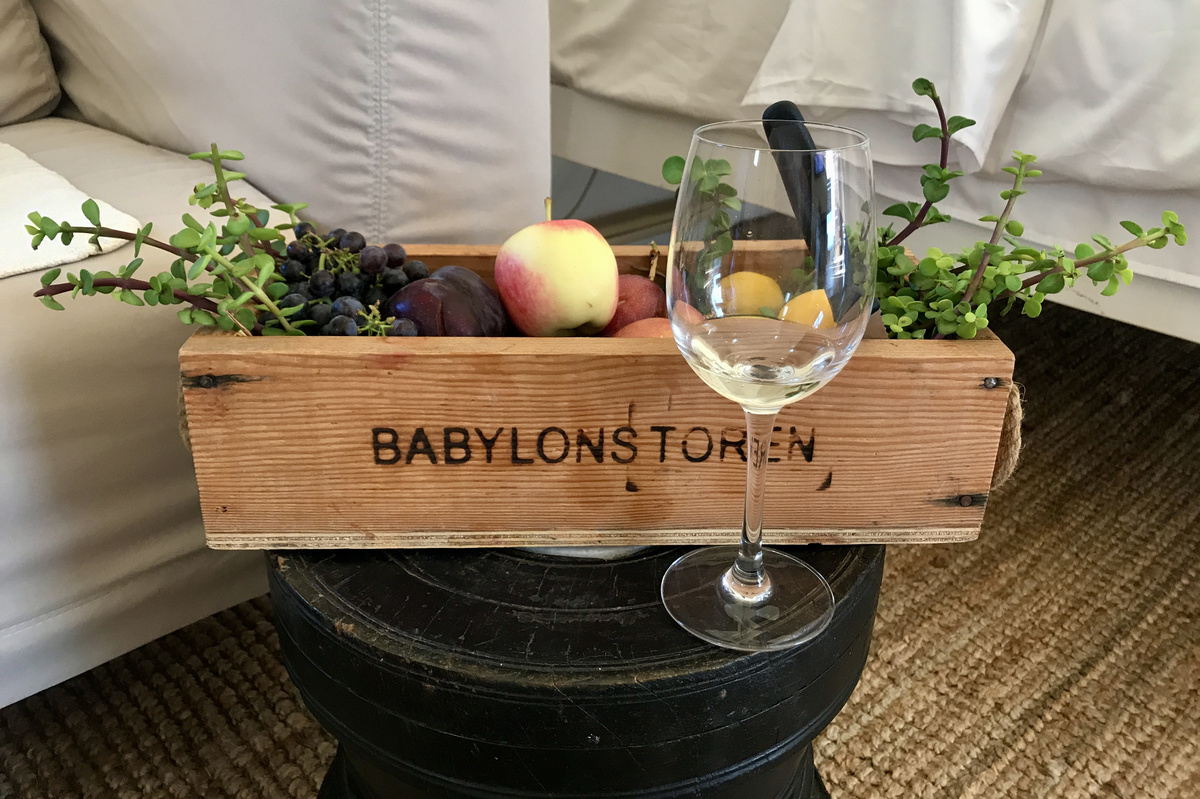
I can spend an unreasonable amount of time inspecting small hotel details, and this cottage kept me busy. Yet the interior never closed in on itself. A wooden box of fruit and greenery beside the bed brought the farm indoors; the windows and terrace kept pulling my attention out again.
The person behind this restraint was Karen Roos, the former editor of Elle Decoration South Africa and the co-founder and creative force behind the modern hotel. Roos and her husband, Koos Bekker, had first imagined the historic farm as a private weekend retreat and a setting for photography. Then the garden changed the plan.
In 2007, Roos commissioned French architect Patrice Taravella, whose work at the medieval-inspired Prieuré Notre-Dame d’Orsan she had admired. The brief for Babylonstoren was an edible and medicinal garden informed by the old Company’s Garden at the Cape, which once supplied passing ships. As the garden grew, so did the idea that other people should be able to live inside it. In a 2012 Forbes profile, Roos put the change plainly: “We needed to make it into a place people could share.”
Her magazine background is visible in the way Babylonstoren is composed. The early guest interiors were kept deliberately restrained, so that no object would compete with the garden and mountains. Her restoration work could be painstaking. In the private Owners’ House, she supervised the removal of 23 layers of paint to find the original ochre colors, then had them matched and reinstated.
That story explains why the property feels coherent without feeling themed. Roos edited the rooms, but she gave the garden the last word.


Choosing a cottage at Babylonstoren today
I would begin with the Garden Cottages for their position beside the cultivated garden. The booking categories deserve a close look: a one-bedroom suite has a lounge area, while a one-bedroom cottage adds a kitchen. Two-bedroom options give families more room. The Fynbos Cottages adjoin vineyards and orchards; their one- and two-bedroom layouts also include kitchens.
The Farmhouse offers suites for two and a shared library, the Butterfly Room. It does not accommodate families with children, so for a family stay I would look at the cottages or the larger family houses. I would choose the part of the farm I wanted to wake up in first, then compare the rooms.
Breakfast, then breakfast again in the orchard
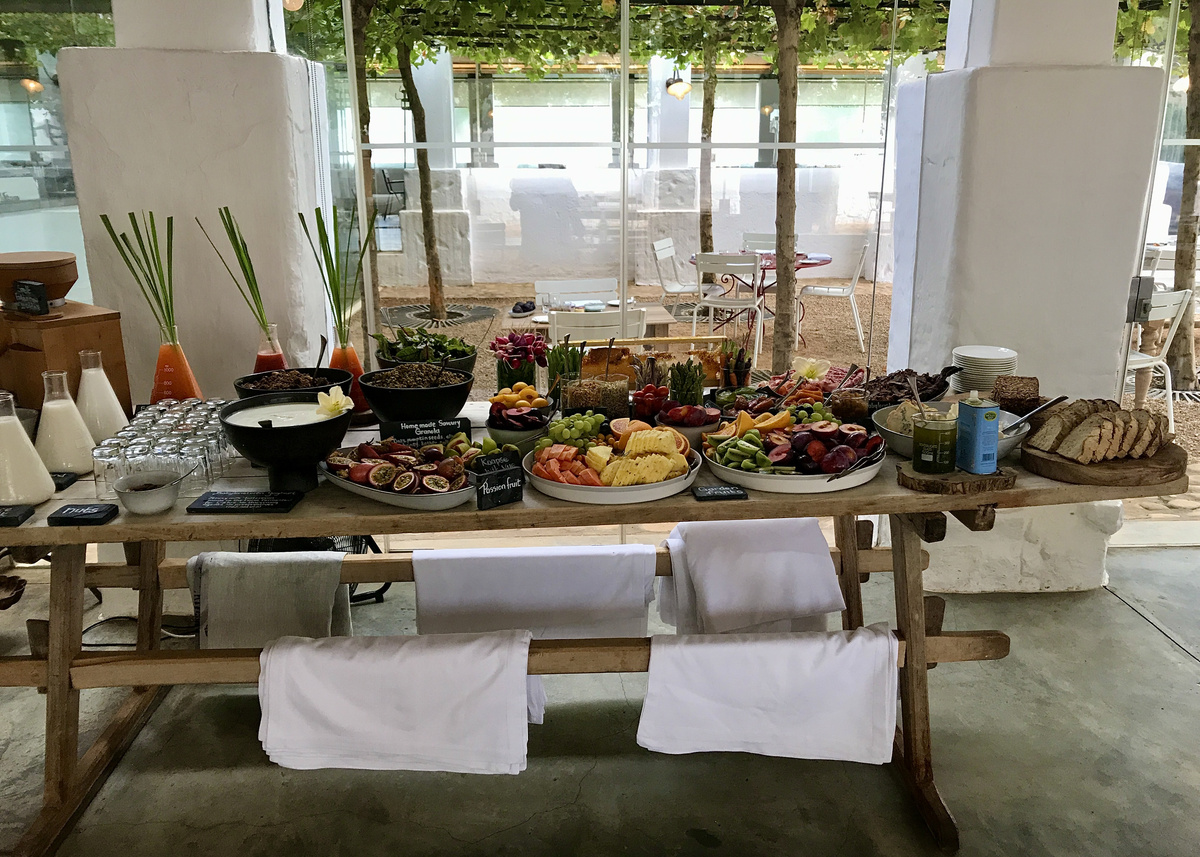
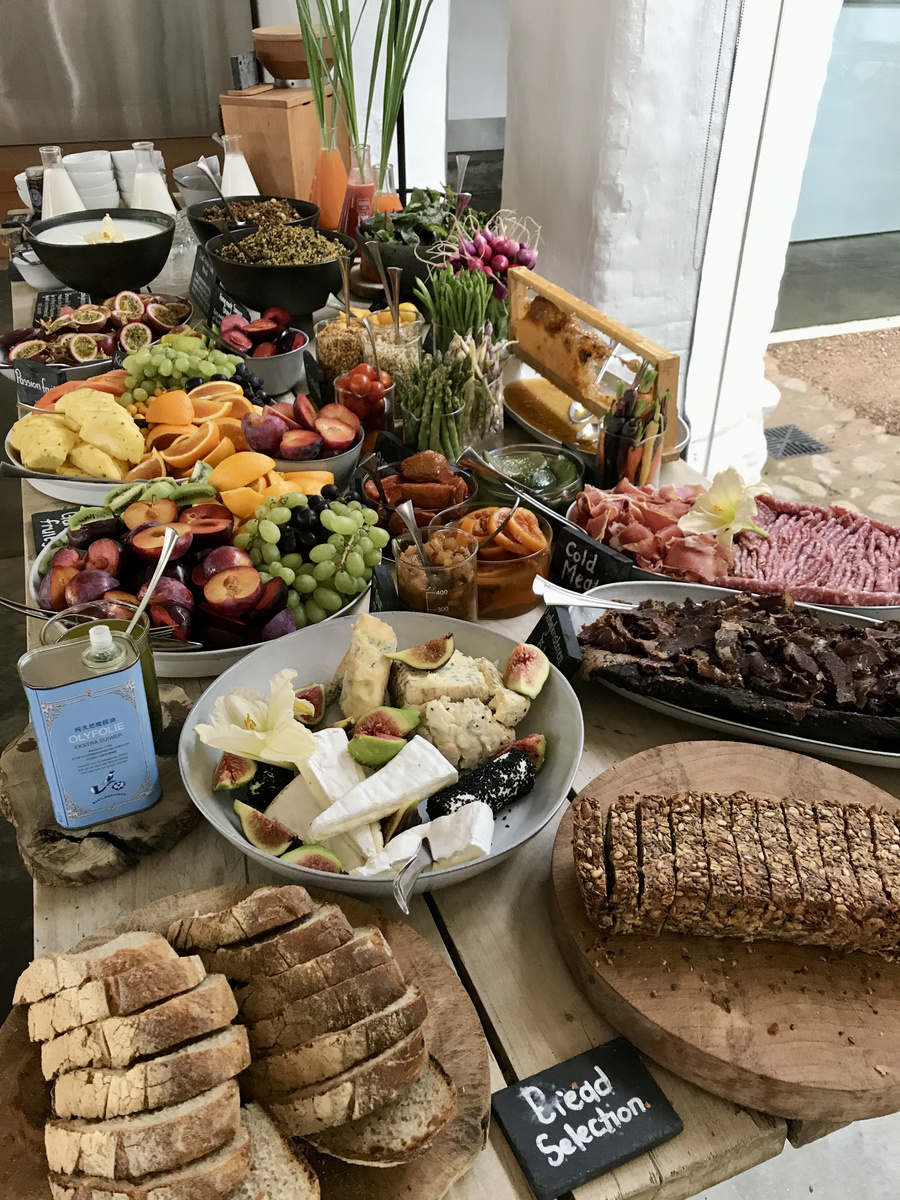
Morning began with bread from the oven, honey, herbs, vegetables and a table so abundant that breakfast could quietly take the place of lunch. The farm-to-table phrase is worn smooth by hotel menus; here I could follow the ingredients back outside.
My own ritual was to walk through the garden and collect whatever I could carry to the cottage. Nectarines and pears were ripe. There were quince, plums and figs, too. I brought them to the terrace and ate them slowly, without improving them in any way.
The garden was beautiful without being overly well behaved. Almond shells covered the paths. Guinea fowl hurried across them while tortoises moved at their own pace. There was a lotus pond, and bunches of grapes hung above the arbors.
The rest of the farm filled the day in the same unforced manner. We toured the growing areas, rode bicycles and went fishing on the property. During our stay, guests could visit the hens and gather eggs for breakfast. Near the vineyards and nectarine trees, rows of lavender changed the color of the farm; lavender and rosemary were used for oil there.
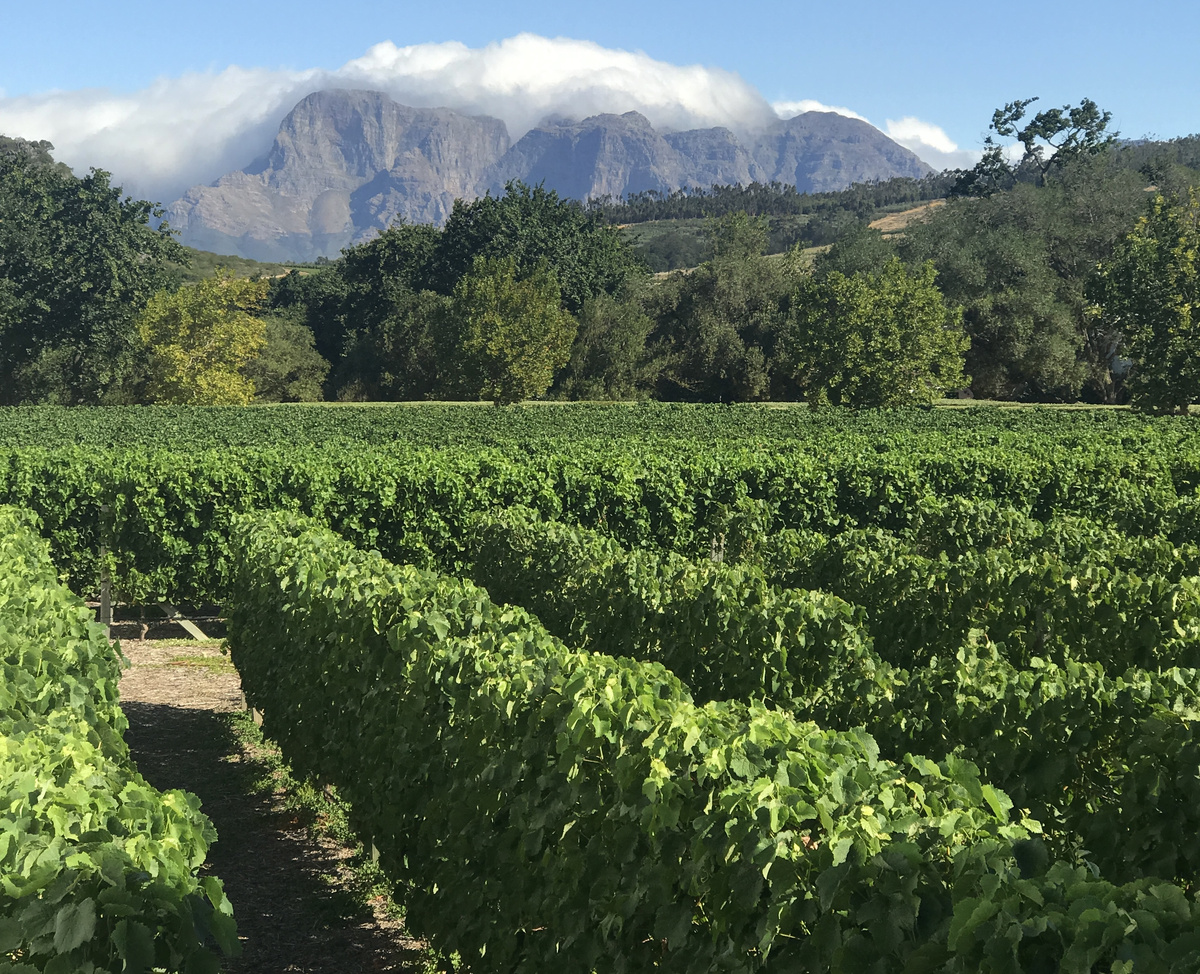
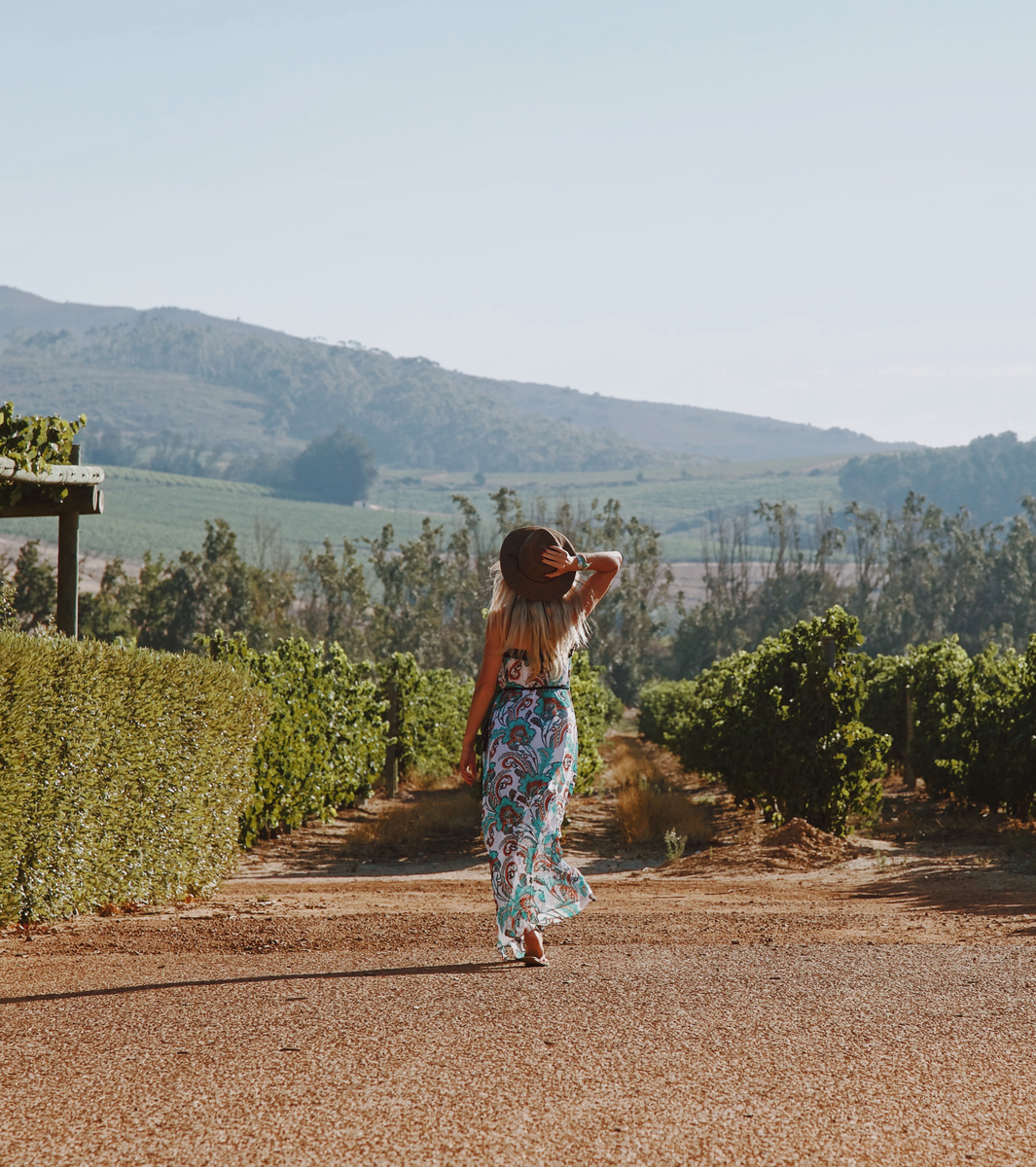
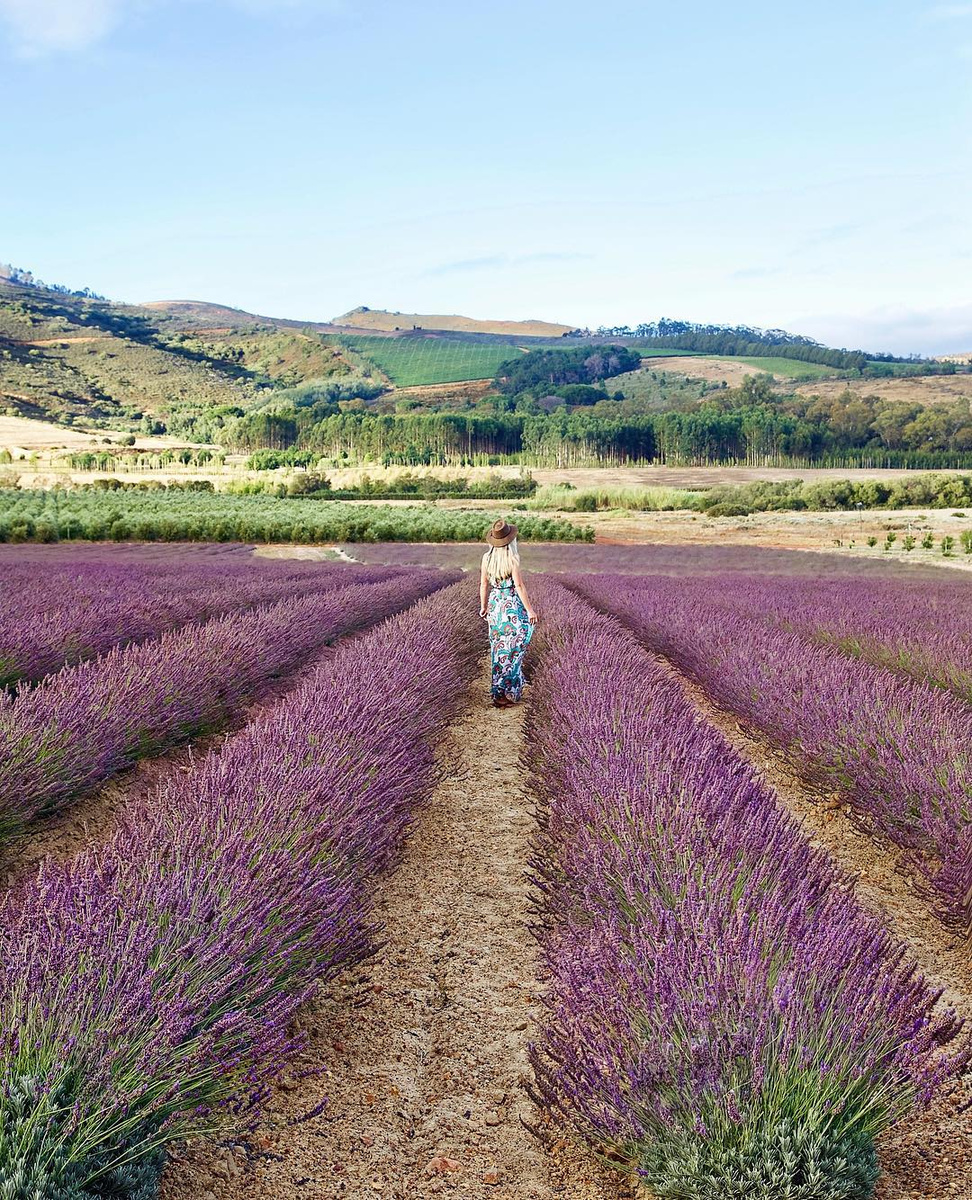
These were activities, technically, but they did not feel like the familiar resort program printed to prevent boredom. One thing led to the next because it belonged to the same place: orchard to breakfast, hens to eggs, lavender to oil, grapes to the cellar.
The current hotel program still presents the farm in those terms. Breakfast and garden access are included for hotel guests, and the listed experiences range from garden and farm walks to bicycles, fishing, rowing, harvesting, bread baking and cellar visits. Some depend on the day, season or length of stay, so I would confirm the schedule when booking rather than arrive with a rigid list.
Babel, the Greenhouse and the Old Bakery
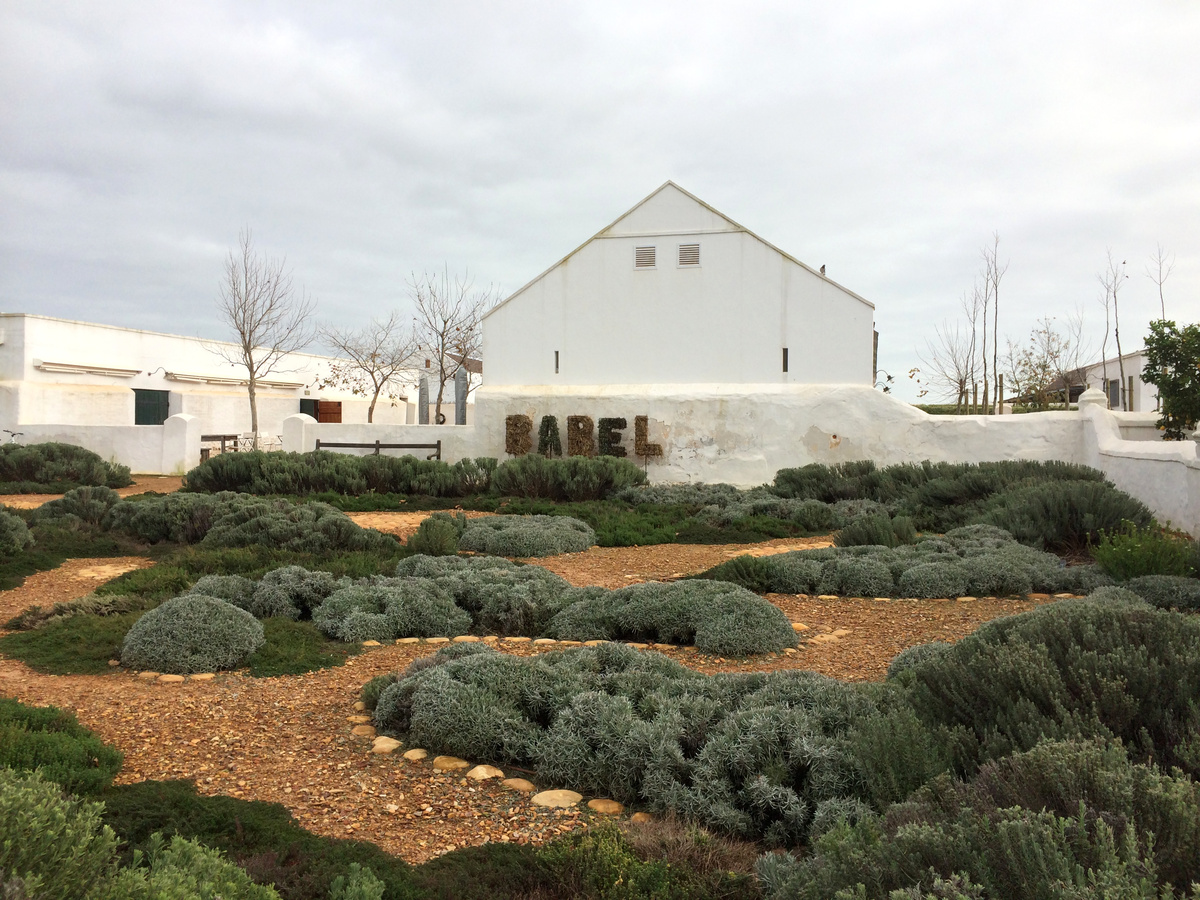
For meals beyond breakfast, I would make one reservation and leave room for a less planned lunch. Babel Restaurant occupies the old cowshed, where Cape Dutch walls meet glass and the menu follows the garden’s harvest. Reservations are essential. The Greenhouse, at the rear of the garden, serves lighter meals, scones and tea; ordinary tables are allocated as they become available. It leaves room for the sort of garden morning that takes longer than intended.
The Old Bakery gives dinner a different shape. Its current programme alternates Italian-inspired meals with meat-focused evenings around the braai. I would check which falls during a stay before booking an evening elsewhere in the Winelands.
The wine belongs to the day
My husband is the wine person in our marriage, and he is often the reason a winery hotel enters our itinerary. My attention soon wanders beyond the glass. I want to know how the room, food and landscape fit around it. That curiosity has taken us to Atamisque in Mendoza, to Santa Rita in Chile and through Napa Valley. The latter two deserve stories of their own.
I am not a wine connoisseur, so I remember the setting rather than the technical character of a bottle. At Babylonstoren, wine appeared in a way I particularly enjoy: an easy tasting, a glass with lunch and afternoon drives to other estates. It belonged to the day rather than interrupting it.
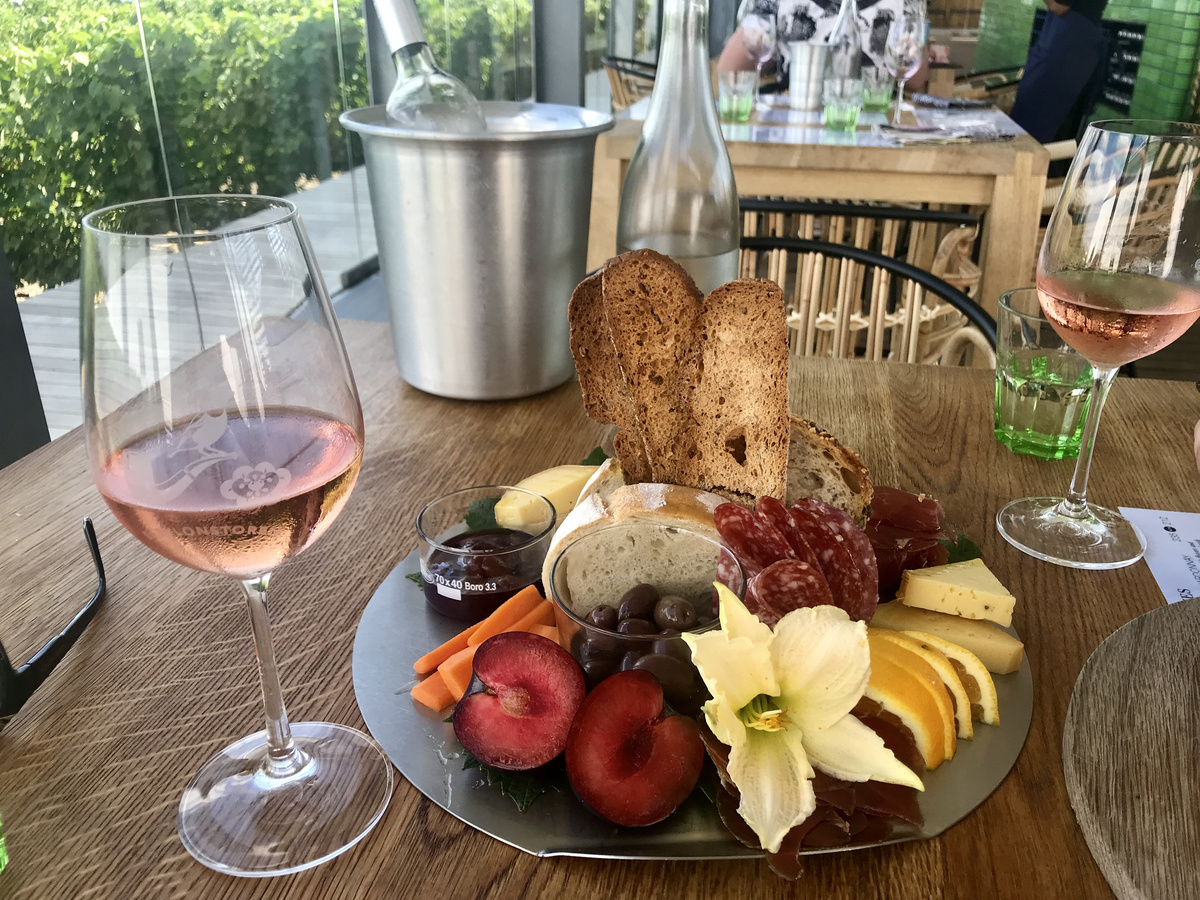
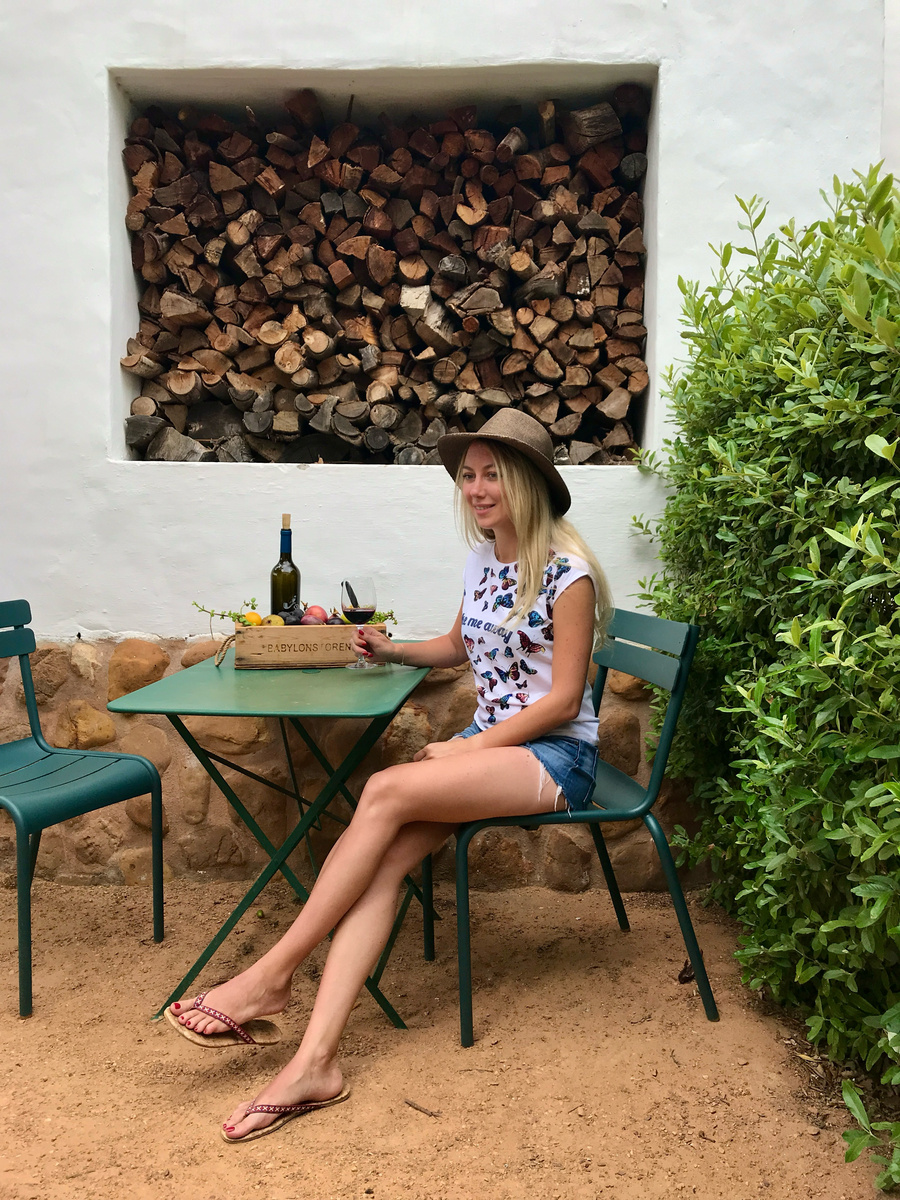
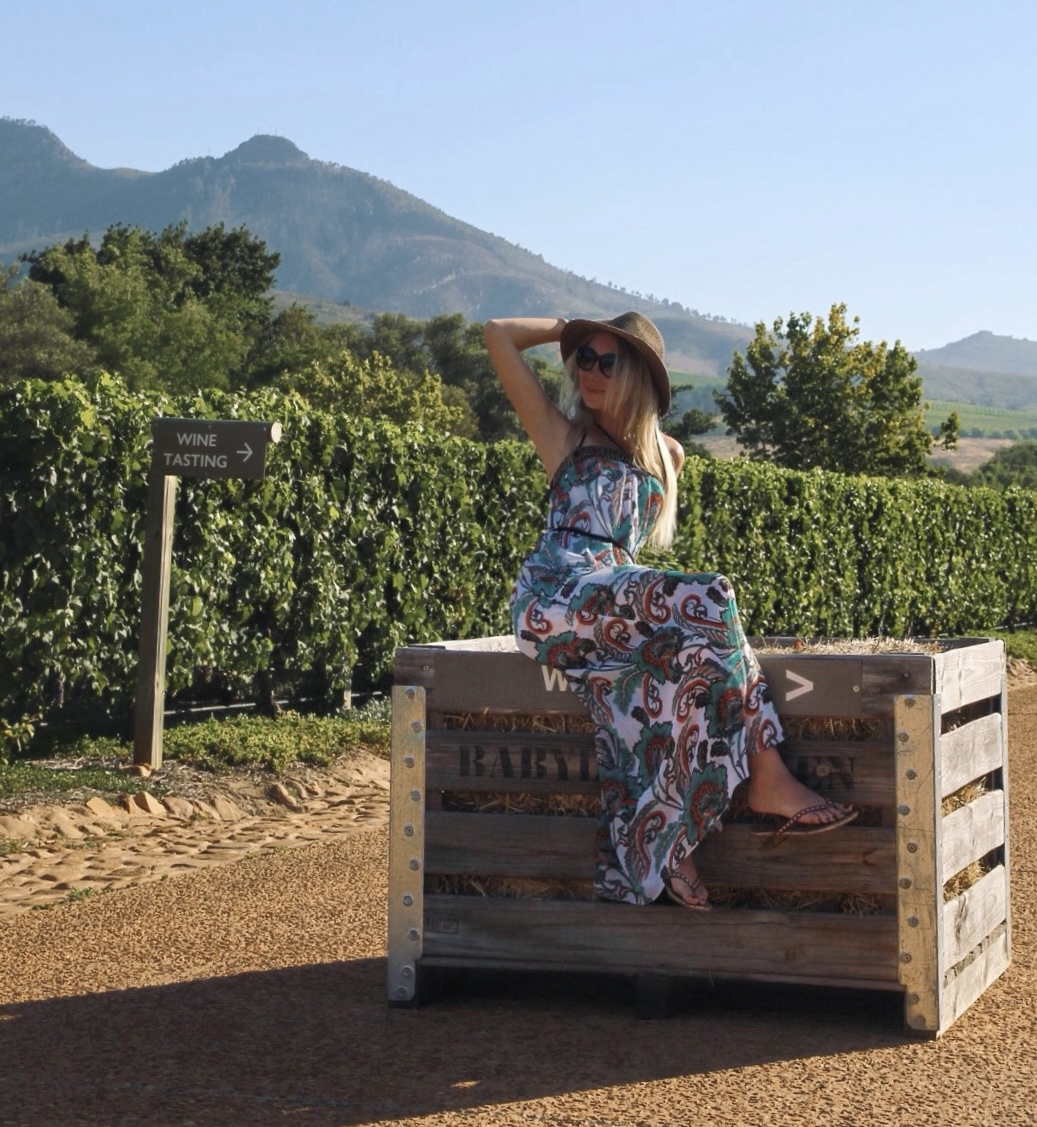
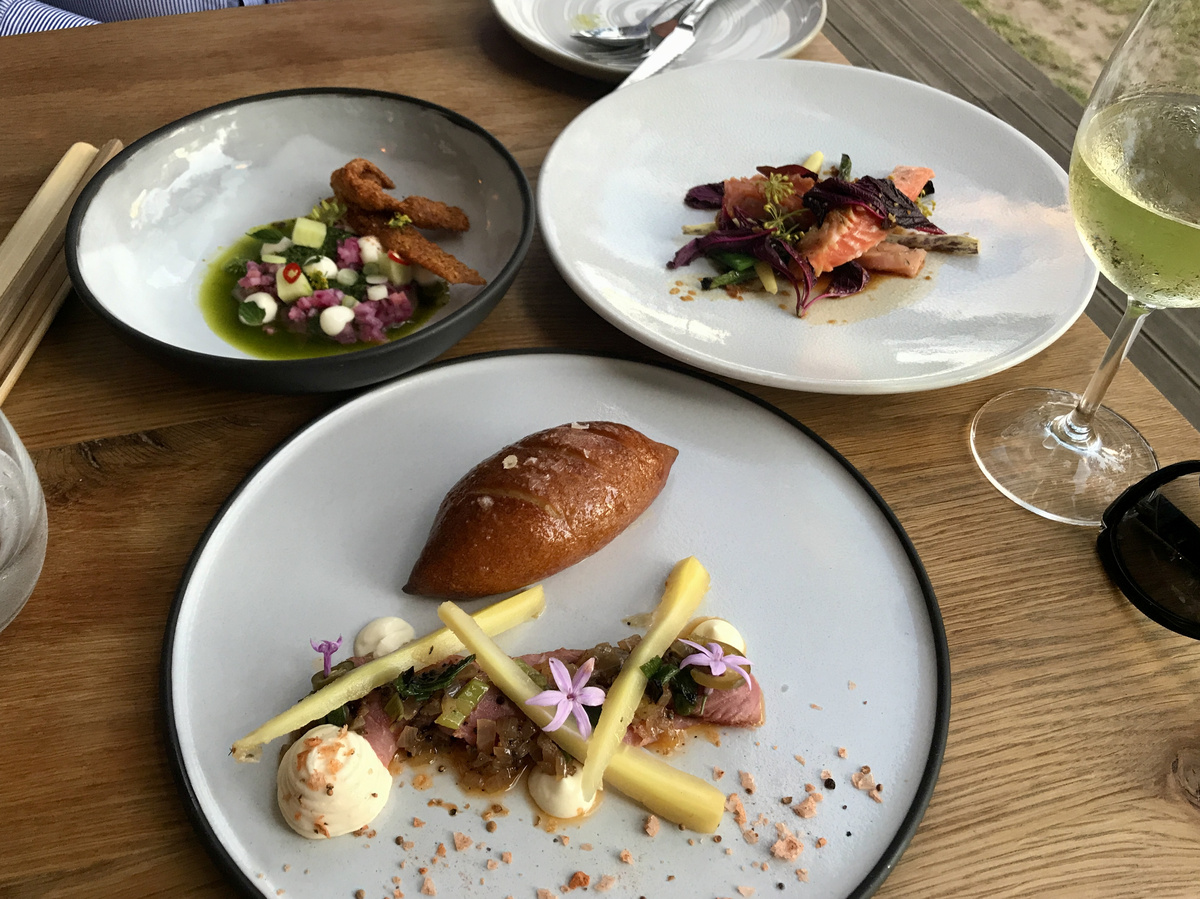
For a visit today, the wine tasting and cellar options allow different levels of attention. The Tasting Room offers a short three-wine tasting or a seven-wine selection, with flagship wines available as additions. The guided cellar tour takes about two hours, moving from the vines through the working cellar to a tasting with food pairings. I would be tempted by the longer route through the farm.
What I would make time for on a return visit
The garden would still come first. It now covers five hectares, and I would take the garden map and guided walks as an invitation to wander further. The Healing Garden brings medicinal plants into focus, while Byzantium explores the world of bees through an interactive exhibition. Both would give another layer to the fruit, herbs and honey that first drew me in.
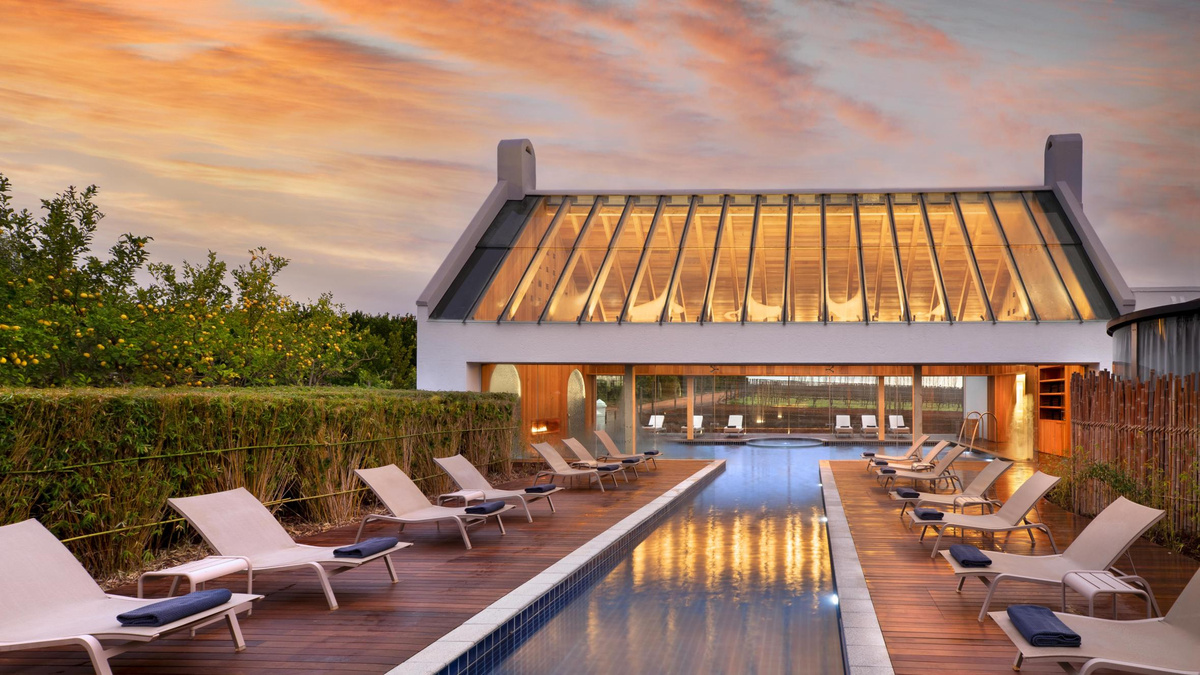
I would also leave an afternoon for the Garden Spa. Set among bamboo, it has a hammam, a Rasul chamber and heated pools. The hotel currently includes spa access in a stay, with treatments charged separately. A bamboo massage could give the afternoon its only appointment.
The water buffalo tour would take the connection between farm and breakfast further. The early excursion follows the milking and ends at Babel with a tasting of buffalo-milk products. I would ask the hotel about its schedule when booking.
For craft and food history, I would set aside more time for Soetmelksvlei. This recreation of late-19th-century farm life has working craftspeople, milling and blacksmithing demonstrations. A shuttle from Babylonstoren takes about 25 minutes, and the farm recommends allowing three to four hours for a visit. It deserves a morning of its own.
There is also a guided mountain drive in the late afternoon, currently offered to guests staying two nights or longer. It is a separate outing from the climb to Koppie we made on foot. I would keep one evening free for that familiar path.
The farm and the wider Winelands
On the weekend days of our stay, many people came from the Cape for the garden, food, wine and shops. We could see that Babylonstoren was their country outing. The farm did not need the hotel to make it a destination.
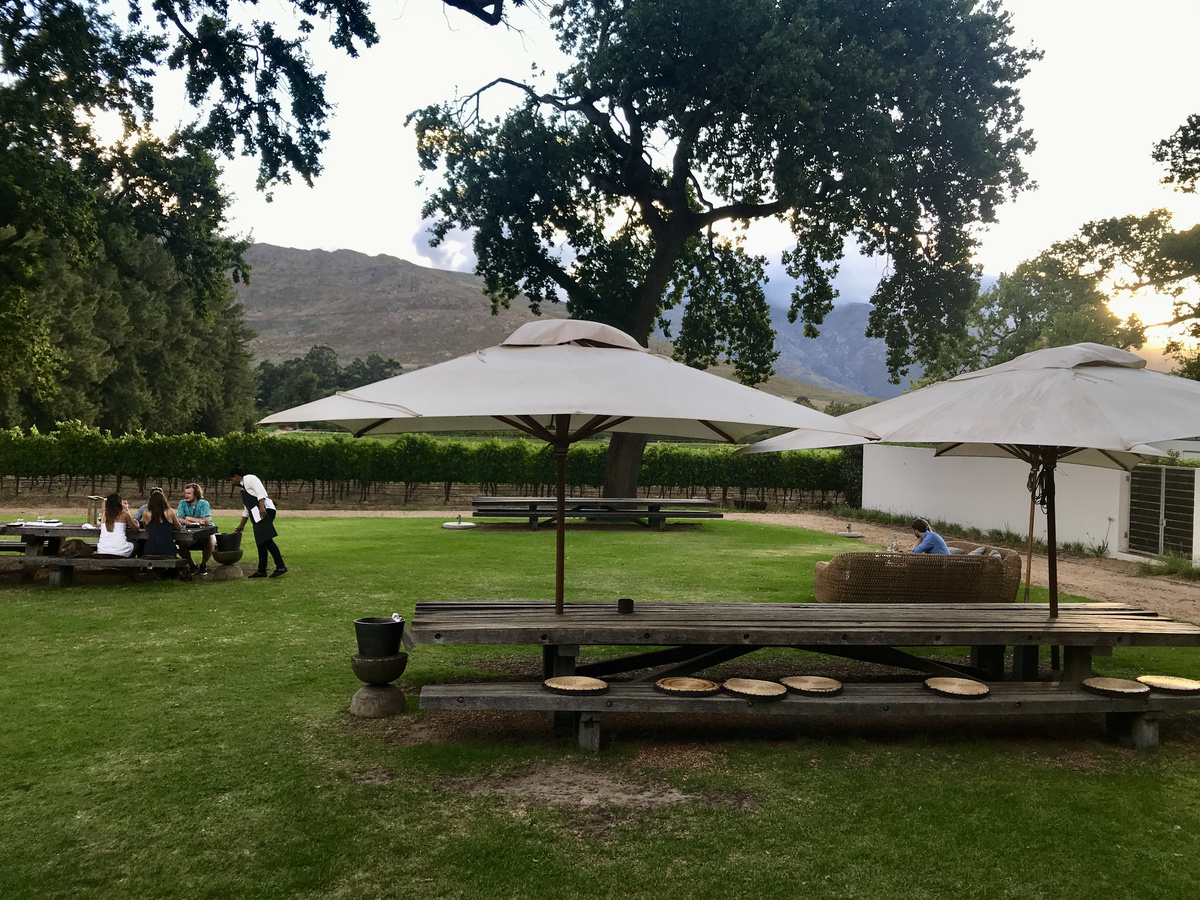
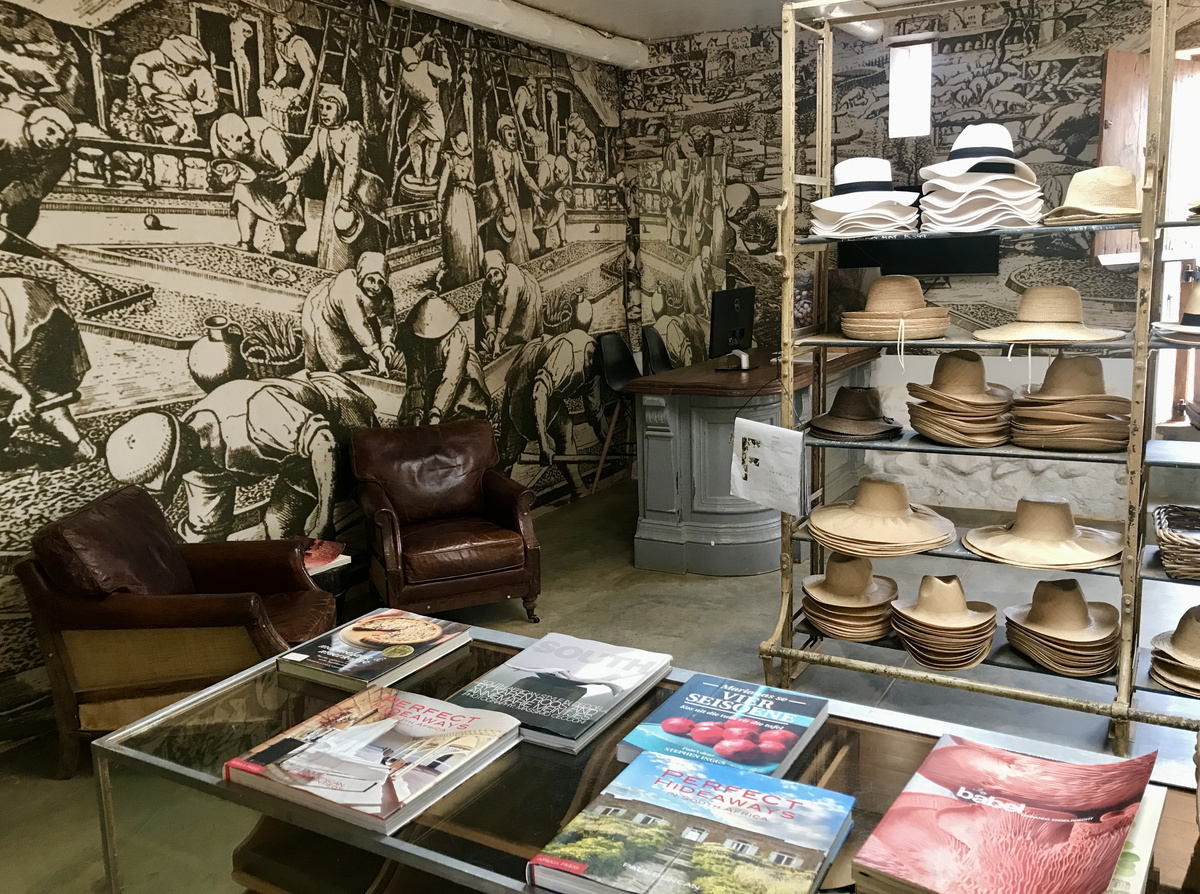
That observation still matters when planning a stay. Babylonstoren welcomes day visitors, while hotel guests begin and end each day inside the farm. I would always protect enough time for an unhurried garden morning and an evening without an onward reservation.
The wider Winelands were part of our trip, too. We went to Franschhoek and Stellenbosch, and our afternoons included visits to other wineries. The routes below are how I would plan those drives now, pairing wine with art or a market instead of collecting unrelated stops. The distinctions are specific: some belong to a particular wine or year, others to the visitor experience.
Toward Franschhoek
A Franschhoek day can join wine and art without becoming a race. At Leeu Estates, Mullineux & Leeu Family Wines offers tastings in its Wine Studio; Wine & Spirits named Mullineux among its Top 100 Wineries in both 2019 and 2021. The estate also has an Everard Read gallery and sculpture program. Alternatively, visit the gallery’s Huguenot Road space in the village.
On a Saturday, the Franschhoek Village Market can anchor the morning, with local food, produce, craft and vintage stalls beneath the oaks. It is weather dependent, and the organizer publishes a weekly update, so check before driving.
Toward Stellenbosch
For a wine-led Stellenbosch day, Kanonkop is the focused choice for reds and Pinotage. Wine Spectator placed its 2008 Pinotage in the magazine’s 2010 Top 100 and scored the Paul Sauer 2018 at 93 points in 2022. Rust en Vrede is another serious red-wine estate, with its own history in the Wine Spectator Top 100 and a simple Winemaker’s Lunch that can keep the day from fragmenting into too many reservations.
For the combination that best suits my own interest in wine, art and landscape, I would choose Delaire Graff. It appeared at number 79 in the extended World’s Best Vineyards 2025 visitor ranking, and its collection and sculpture gardens turn the estate into more than a tasting stop. A dedicated art day could instead include the Rupert Museum or the seven-hectare Dylan Lewis Sculpture Garden, which is visited by appointment.
If the drive falls on a weekend, Blaauwklippen Family Market currently runs on Saturdays and Sundays. Opening days, appointments and tasting formats change more quickly than the vineyards, so every one of these practical details deserves a final check.
Above the farm
One evening, we borrowed bicycles and followed the farm tracks toward Koppie. We left the bikes below, found the path and climbed while the light dropped.
From the top, our cottage was one small white building among vineyards, orchards and fields. The mountains held the far edge of the view. Down below, the design details that had occupied me indoors disappeared into the scale of the farm.
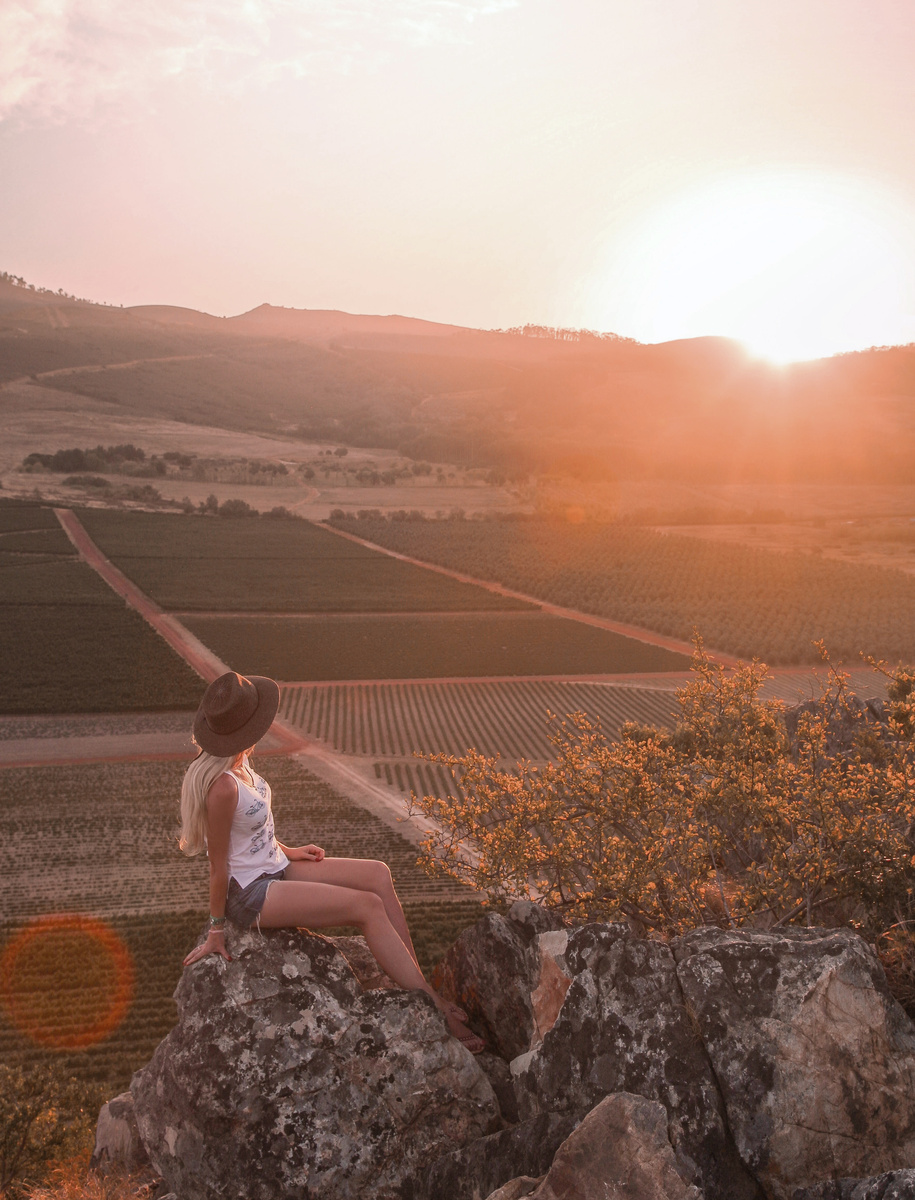
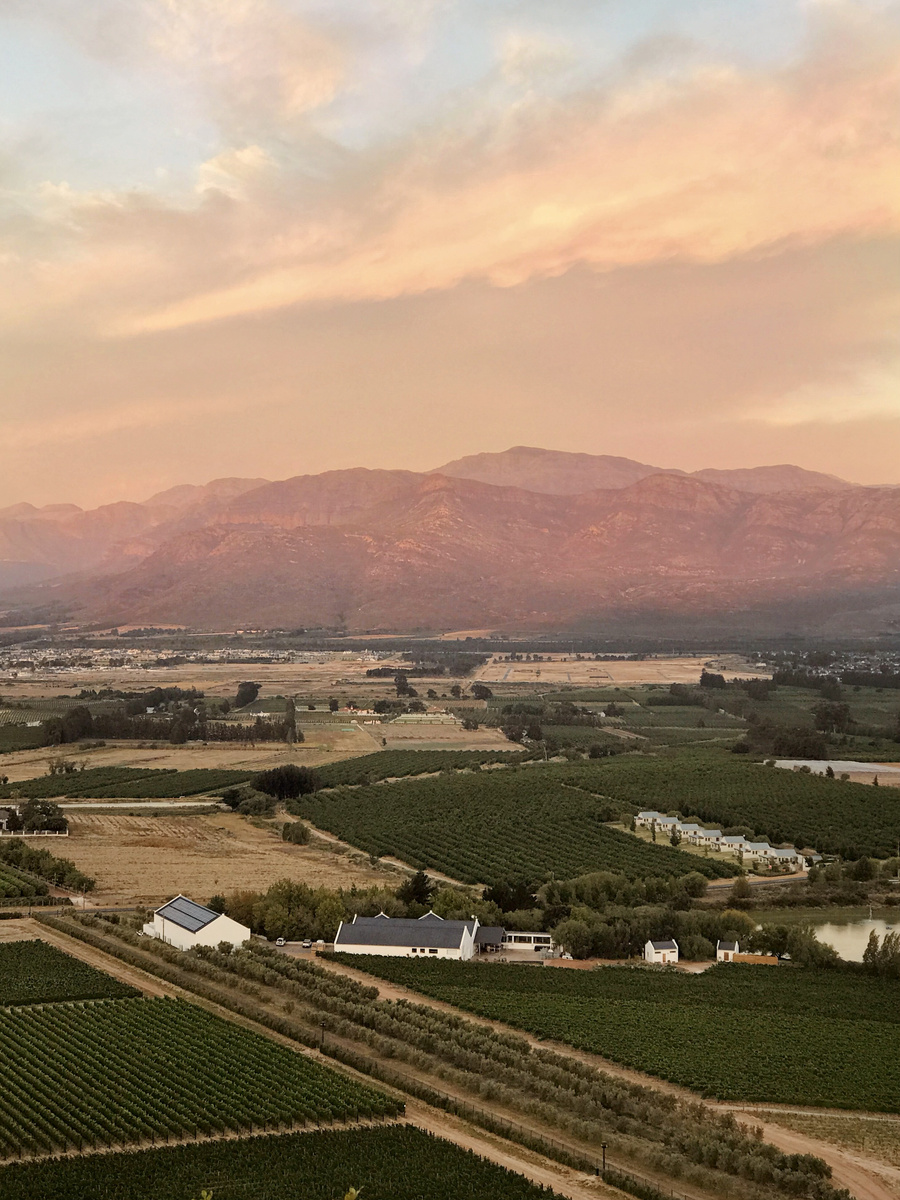
That is the view I remember when I think of Babylonstoren. I remember the beautiful room, certainly, and the breakfast table that seemed to contain half the garden. More than either, I remember living inside the connection between them.
My stay was in 2018, so this is not a current verdict on service or price. It is a first-person account of why Babylonstoren has remained on my list of hotels I would return to. Stay for the garden before the gates open and after the day visitors leave. The room is lovely. The privilege is time on the farm.