
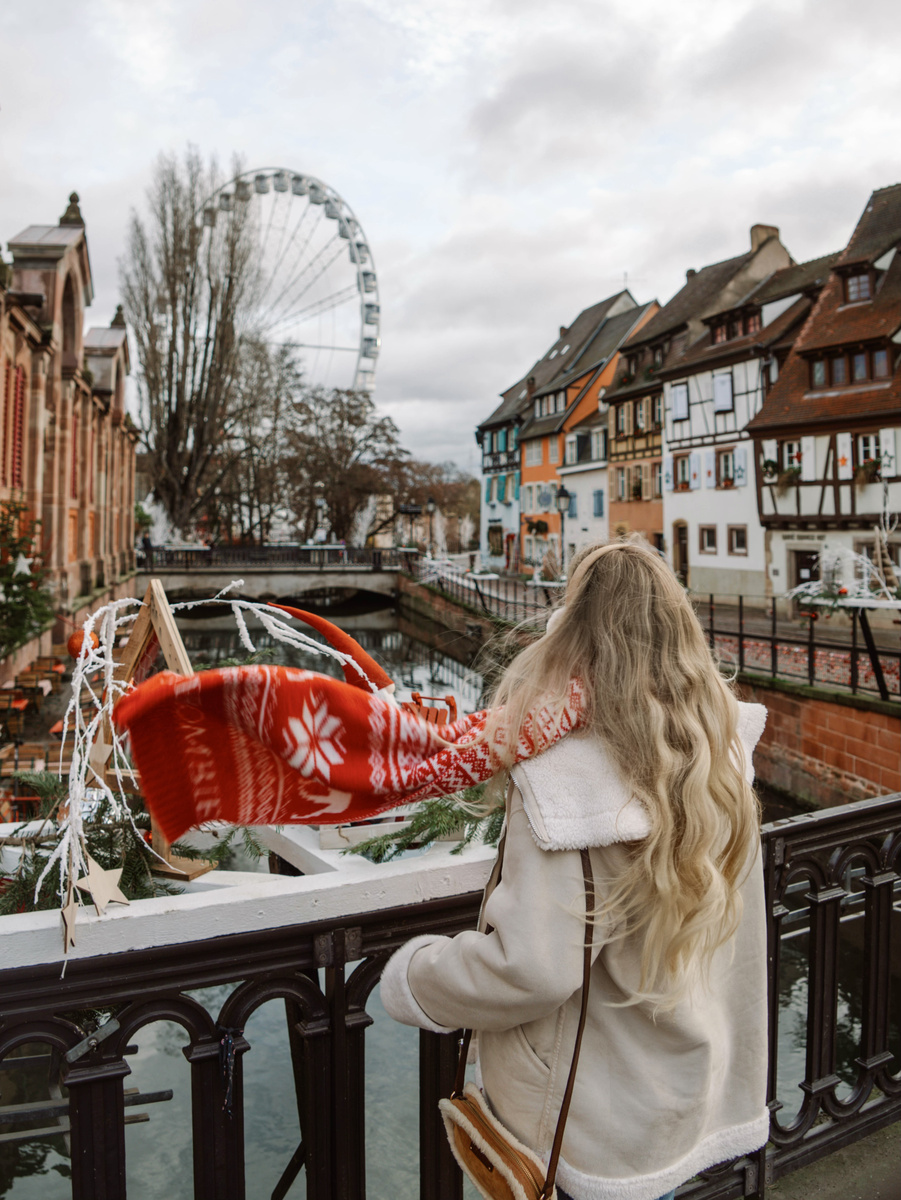
If there is one region in Europe that knows how to keep Christmas, it is Alsace, and Colmar sits at the heart of it.
I have been to Colmar many times and I never tire of it: the half-timbered houses in every colour, the cobbles, the little canals. But December is something else. Whole streets are dressed for Christmas, shop windows turn into stage sets, and the old town fills with wooden chalets, lights and the smell of Alsatian cooking.
What I love most is that Christmas here is not confined to one square. It spreads through the whole historic centre, and around almost every corner there is another house or another scene you didn’t expect. Colmar is also my favourite base for the Christmas markets of Alsace: Eguisheim, Riquewihr and Kaysersberg are a short ride away.
This is how I would plan Christmas in Colmar in 2026: the six markets, the old town between them, what to eat, where to stay and how to reach the villages without a car.
Colmar Christmas market dates for 2026
Colmar’s Christmas markets run from 23 November to 29 December 2026. They open 11am–7pm, Monday to Thursday, and 10am–8pm, Friday to Sunday. On 24 December they close at 5pm; on 25 and 26 December they keep their weekend hours, 10am–8pm. Entry is free.
The gourmet market stays open longer, until 3 January 2027, daily from 11am to 10pm. The Ferris wheel and the Noël Féérique on Place Rapp keep the same dates and hours. On New Year’s Eve, all three close at 5pm.
If you are coming for the markets, I would aim for early December. The lights are up, every market is open, and you still have time to visit the villages before the Christmas shuttles stop on 20 December. After that date, the markets carry on, but reaching the Wine Route without a car becomes much harder.
What is running when, Christmas 2026
The six markets run until 29 December and the gourmet market until 3 January, but the village shuttles stop on 20 December. From 27 November to 20 December, everything is running at once.
23 November–20 December
| In Colmar | What to expect |
|---|---|
| Six markets | Open daily |
| Gourmet market | Daily, 11am–10pm |
| Village shuttles | From 27 November: Eguisheim daily, the other lines Friday to Sunday |
| Museum show | From 25 November, except Tuesdays |
| Park-and-ride | Saturdays and Sundays from 28 November |
21–29 December
| In Colmar | What to expect |
|---|---|
| Six markets | Open daily; until 5pm on 24 December |
| Gourmet market | Daily, 11am–10pm |
| Village shuttles | Not running |
| Museum show | Except Tuesdays and 24–25 December |
| Park-and-ride | Not running |
30 December–3 January
| In Colmar | What to expect |
|---|---|
| Six markets | Closed |
| Gourmet market | Until 3 January; until 5pm on 31 December |
| Village shuttles | Not running |
| Museum show | Until 3 January, except 31 December and 1 January |
| Park-and-ride | Not running |
Six markets, one old town
Colmar doesn’t have one Christmas market. It has six, each with its own character, spread through the historic centre. You can walk between all of them: even from the Unterlinden Museum at the northern edge to Petite Venise in the south takes about 12 minutes on foot.
Don’t try to see them as a checklist. I would follow the order below as a loose route and let the streets in between take as long as they need.
Place des Dominicains
This is one of Colmar’s classic markets, set beside the Dominican Church. The square fills with chalets selling ornaments, decorations, handmade gifts and seasonal specialities.
I particularly love the setting: the tall church rising above the stalls, the surrounding houses lit for Christmas. It is a natural place to begin if you are approaching the old town from the north or coming from the Unterlinden Museum, a few minutes away.
Place de l’Ancienne Douane and the Koïfhus
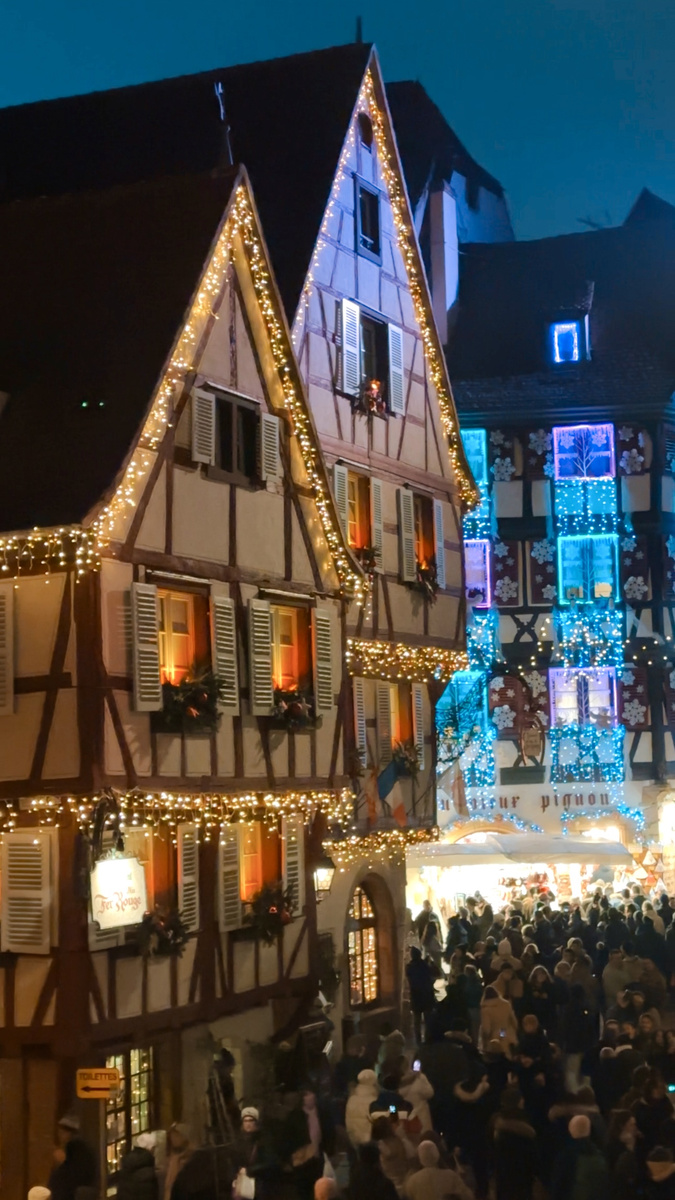
For me, this is one of the most beautiful corners of Colmar at Christmas. The market surrounds the Koïfhus, the fifteenth-century former customs house, and spills into the streets and small squares around it.
Take your time here rather than simply walking through the stalls. Look up at the buildings, wander into the side streets, and come back after dark, when the square changes completely.
Then go inside the Koïfhus itself. The building holds a separate indoor market devoted to local craftspeople: potters, glassmakers, woodworkers, sculptors, milliners and jewellers. Instead of food stalls, you will find handmade objects and gifts. It is one of the better places to look for a souvenir that feels more personal than a mass-produced bauble, and a welcome way to warm up on a cold day.
Place Jeanne d’Arc
This market is given over to Alsatian products and regional food. The stalls are arranged like a small Alsatian village, with local specialities, regional produce and seasonal treats.
If you like discovering a place through its food, as I do, stop here. It is an easy place to buy edible souvenirs or simply try something local: gingerbread, regional cheeses and Christmas biscuits are what I would look for.
Petite Venise
The Petite Venise market is at Place des Six Montagnes Noires, beside Colmar’s most photographed neighbourhood. It is the children’s market, playful and very popular with families.
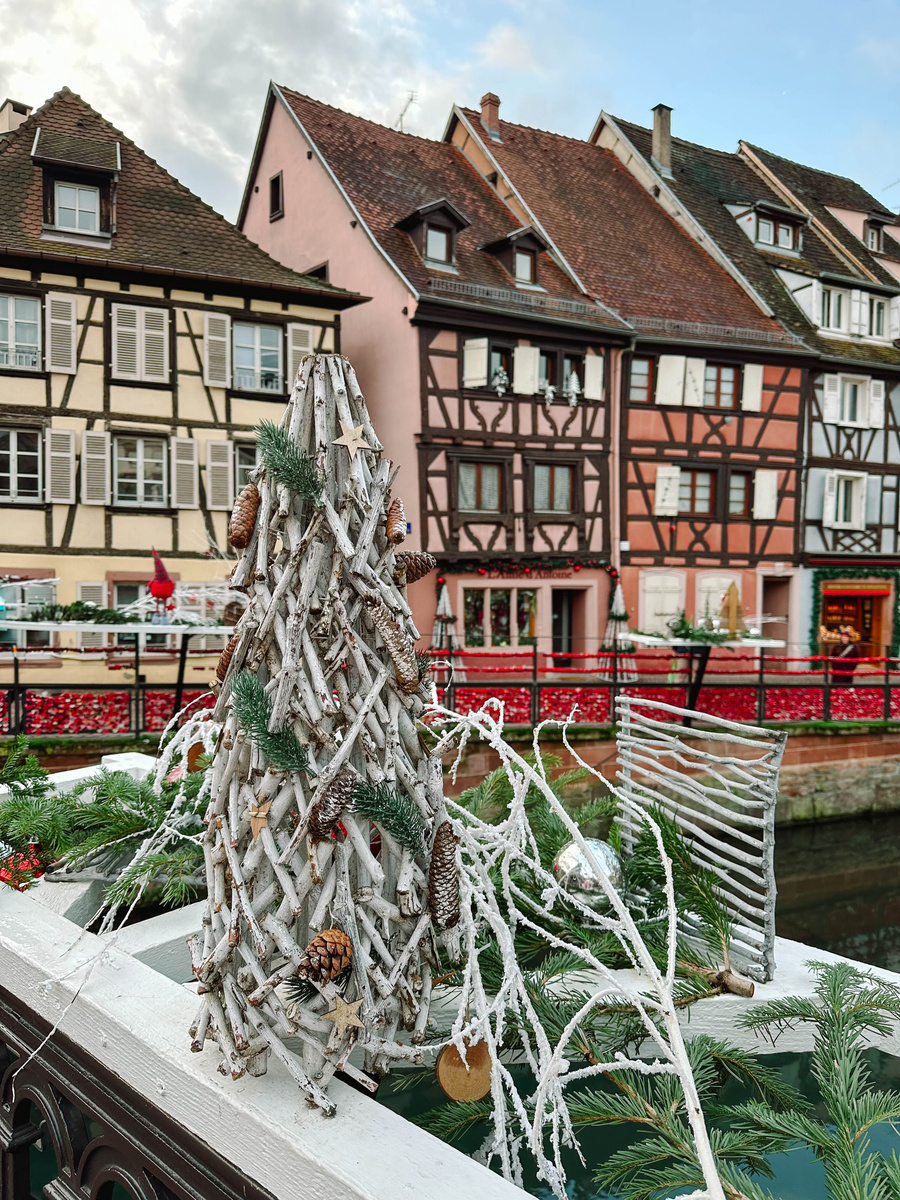
For me, the neighbourhood is as much of an attraction as the market. Half-timbered houses in every colour line the Lauch, and the bridges and quays are dressed for the season. After the market, walk along Quai de la Poissonnerie, where the old houses are reflected in the water.
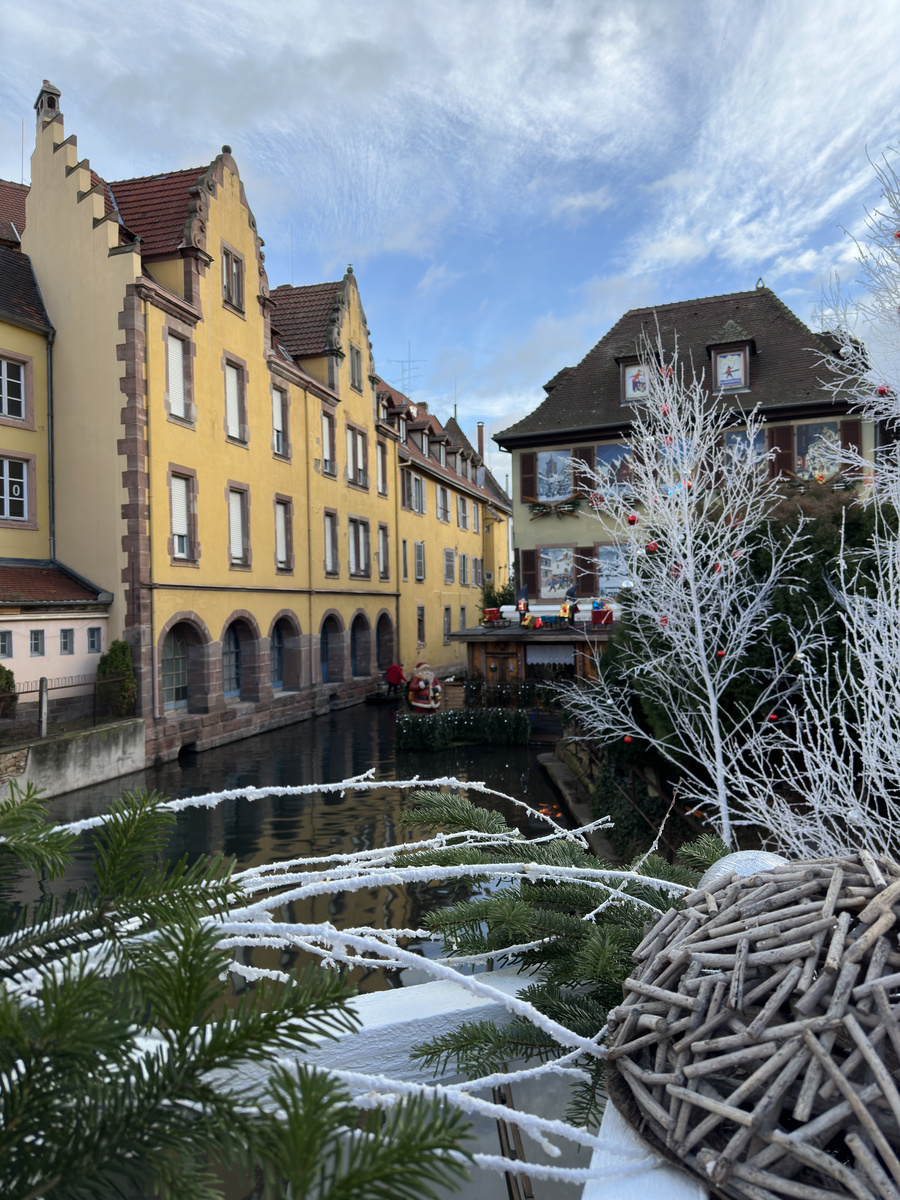
For photographs, come in the morning, when the streets are quiet, then return after sunset to see the lights. One thing I particularly like about Colmar is how different the same street looks by day and in the evening.
The gourmet market at Montagne Verte
If you want something more substantial than market snacks, this is the market for it. Unlike the craft markets, it is dedicated to food and regional specialities, so it is a good alternative to a restaurant lunch or dinner when you would rather keep exploring.
It is also the market that stays open longest, until 3 January, several days after the other five close. I would come in the evening, when everything around it is lit up, and have something warm to eat.
Look up: the Christmas façades
Even if the markets are the reason for your trip, I wouldn’t spend the whole day shopping. Colmar’s historic centre is the attraction. I like to wander here without a fixed route; some of the best streets are the ones you find by accident.
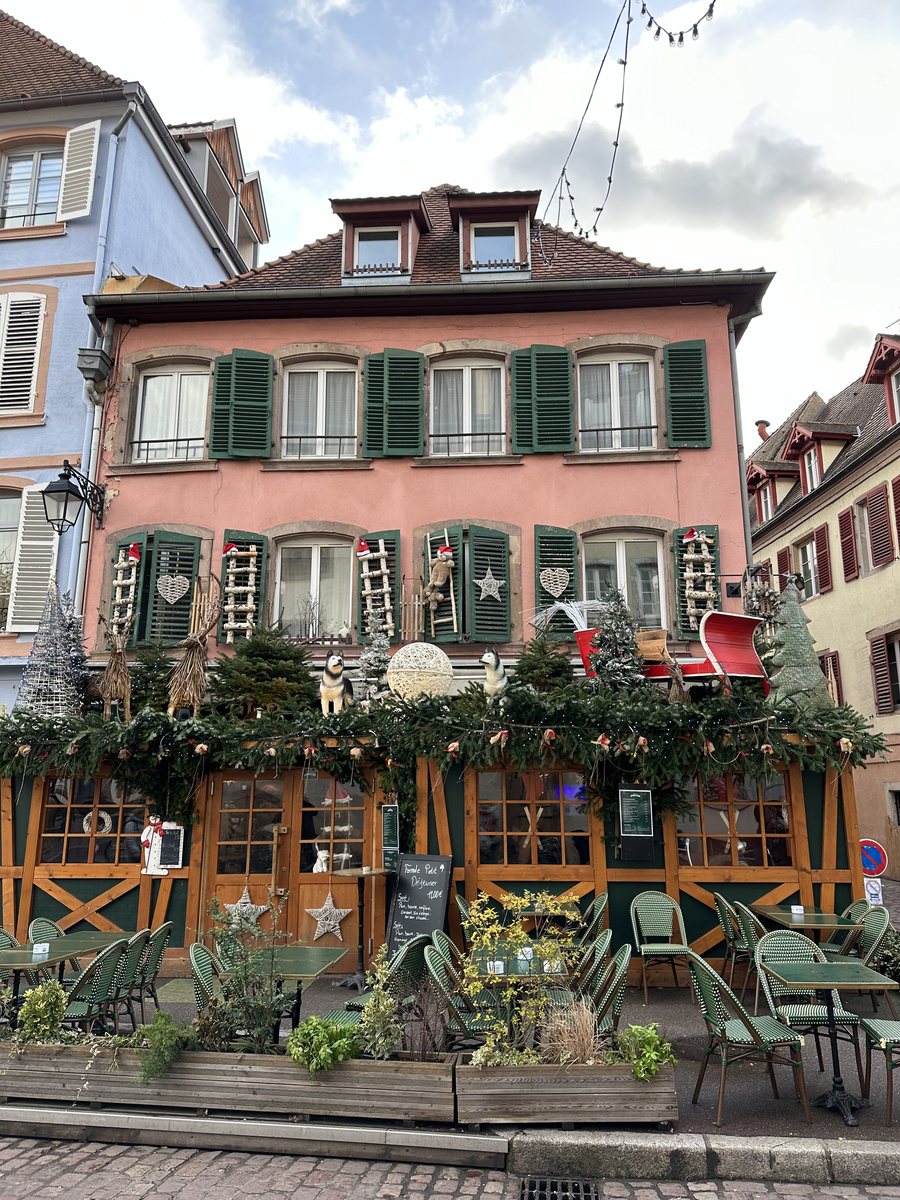
This is probably my favourite part of Colmar at Christmas. Some of the town’s most memorable decorations are not at the markets at all, but on the façades of shops, restaurants and private houses: enormous baubles, teddy bears, nutcrackers, garlands and ribbons. Some buildings are decorated almost from the pavement to the roof.
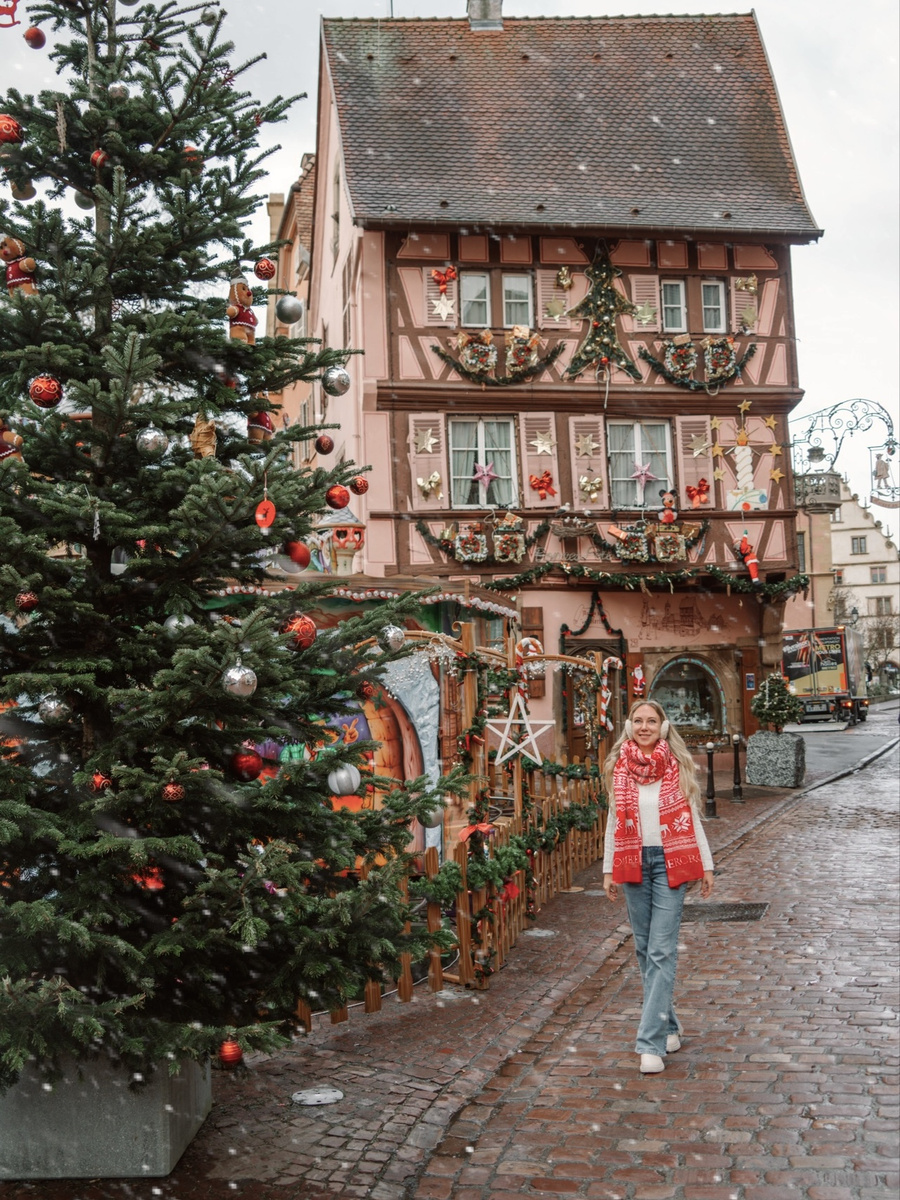
I always take far more photographs than I planned. Don’t limit yourself to the famous landmarks. Explore Rue des Marchands, the Grand’Rue, Rue de la Poissonnerie and the smaller streets around the main squares, and remember to look up.
Saint Martin’s Church
The great Gothic church, built over more than a century from the 1230s, stands in the middle of the old town. Its stone front and coloured roof tiles make it one of Colmar’s most recognisable landmarks, and in December the houses around it are dressed for Christmas too.
You don’t need long here, but I would include it on any walk through the old town. Beside the church, look for Maison Adolph, one of the oldest houses in Colmar. Its Gothic windows are a striking contrast to the colourful Renaissance houses nearby. It is a quick stop, and a worthwhile one if you enjoy old architecture.
Maison Pfister and Rue des Marchands
Maison Pfister, built in 1537, is one of Colmar’s most famous buildings, with its painted façade, wooden galleries and corner turret. It catches your eye even among Colmar’s houses, which is saying something.
It stands on Rue des Marchands, one of the streets I would walk slowly at Christmas. A little further along is the house where Auguste Bartholdi, the sculptor of the Statue of Liberty, was born. It is now the Bartholdi Museum, with his models, drawings, sculptures and personal belongings: another side of Colmar beyond its markets.
Maison des Têtes
Built in 1609, Maison des Têtes takes its name from the carved heads that cover its façade, more than a hundred of them. It is one of the most unusual buildings in Colmar.
Today it is a hotel with restaurants, but you don’t need to stay there to stop and look at the front. It is a few steps from Place des Dominicains, so it fits easily into the same walk.
The covered market and Rue des Tanneurs
Colmar’s covered market, an 1865 market hall on the edge of Petite Venise, is worth a stop if you enjoy food. Inside, the stalls sell regional produce, cheese, charcuterie and other Alsatian specialities. I like browsing here for things to take home.
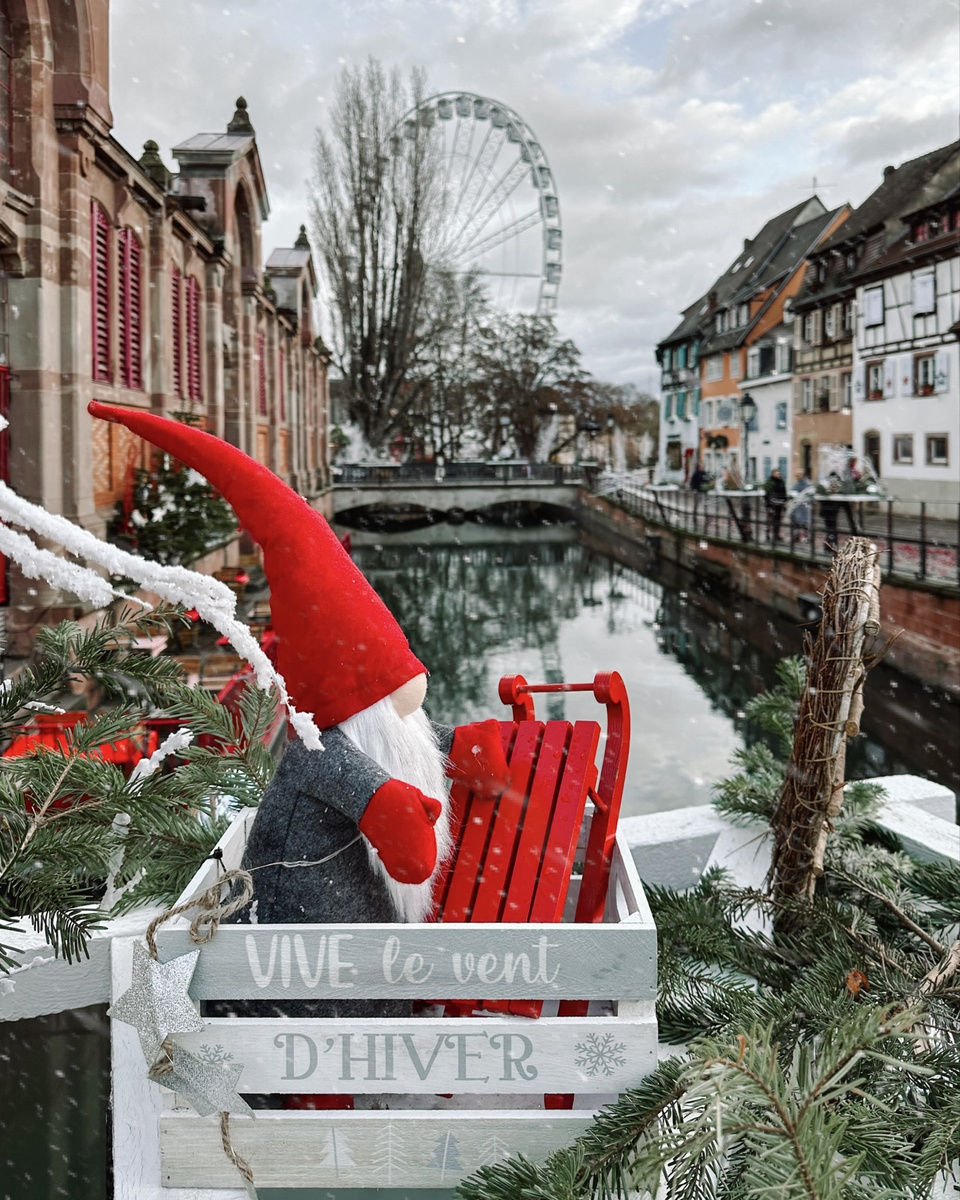
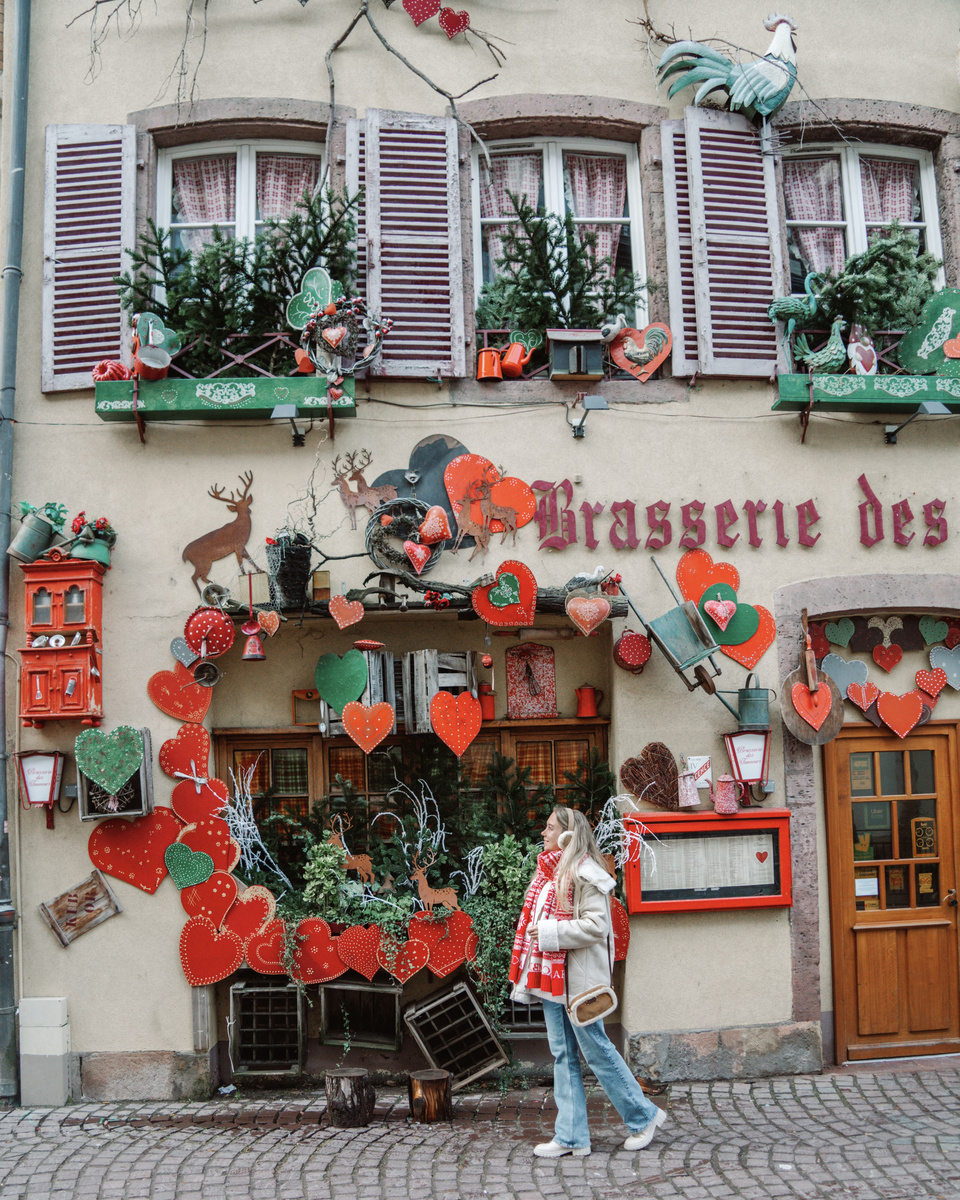
Right behind it is the Tanners’ Quarter, one of the most charming parts of the old town. Its tall, narrow half-timbered houses still have the open lofts once used for drying hides. Walk down Rue des Tanneurs between markets; the Brasserie des Tanneurs does its own Christmas decoration with real conviction.
Unterlinden Museum
If you are staying more than a day, or the weather turns, the Unterlinden is the museum I would choose. Set in a thirteenth-century Dominican convent, with a modern wing by Herzog & de Meuron, it is Colmar’s great art museum. Its masterpiece is the Isenheim Altarpiece, painted by Grünewald and carved by Niclaus of Haguenau between 1512 and 1516. Anyone interested in art, architecture or history should see it. Admission tickets can be booked online; the museum closes on Tuesdays, Christmas Day and New Year’s Day, and at 4pm on 24 and 31 December.
During the market season, the museum adds a reason to come back after dark. From 25 November 2026 to 3 January 2027, Once Upon a Night projects a ten-minute sound-and-light show onto the medieval cloister, repeated every quarter of an hour in the early evening. The evening ticket includes the museum from 4pm. There are no shows on Tuesdays or on 24, 25 and 31 December and 1 January.
With children, the Toy Museum is a good indoor alternative. It occupies a former neighbourhood cinema and fills three floors with old toys, dolls, model trains and games. In December it opens daily, except Christmas Day.
What to eat at the Christmas markets
One of the best parts of Christmas in Alsace is the food. The region’s cooking sits between French and German traditions, and much of it is made for winter.
- Tarte flambée (flammekueche): a thin, crisp base with crème fraîche, onions and bacon. An easy lunch.
- Choucroute garnie: sauerkraut with potatoes and different meats and sausages. Worth trying at least once.
- Baeckeoffe: potatoes, onions, vegetables and marinated meat, cooked slowly together. Excellent winter comfort food.
- Coq au Riesling: the regional version of the classic chicken dish, cooked in Riesling. A good way to taste the wine country.
- Pain d’épices: spiced gingerbread, usually made with honey. You will find it at the markets and in specialist shops.
- Bredele: the little Alsatian Christmas biscuits, in many shapes and flavours. They make a lovely edible souvenir.
- Vin chaud: mulled wine, practically synonymous with a European Christmas market. Stalls often serve it in a festive mug with a deposit, which you get back when you return the cup.
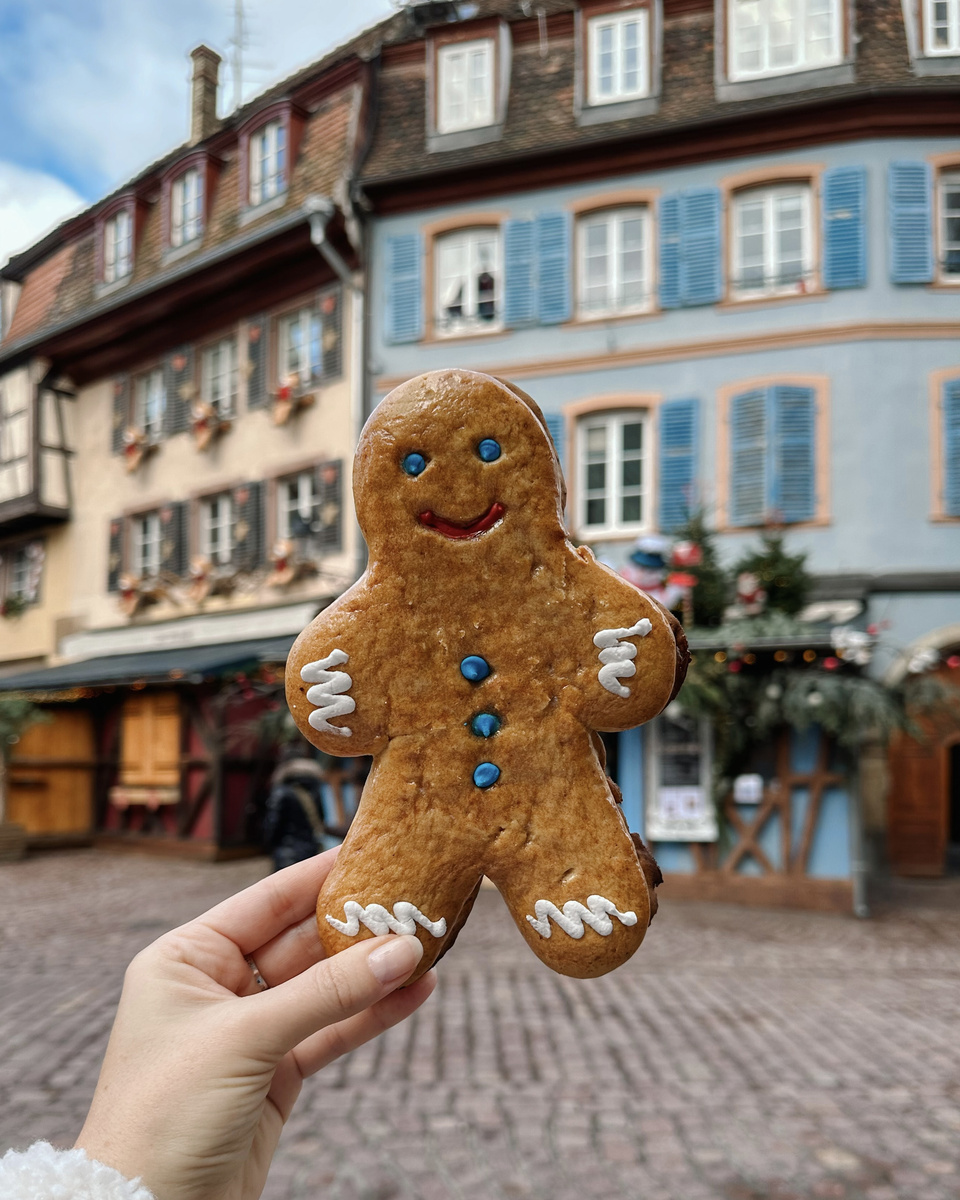
My advice is to try a few things at the markets, but also to sit down for at least one proper Alsatian meal.
Where to eat in Colmar
Colmar has plenty of restaurants, but in December I would book dinner in advance, especially for a weekend. These are the places I would consider in the old town:
- Wistub de la Petite Venise, a cosy traditional Alsatian wistub in Petite Venise.
- Les Bateliers, by the water in Petite Venise, for Alsatian cooking close to the children’s market and the quays.
- Brasserie des Tanneurs, on Rue des Tanneurs, for regional dishes without leaving the old town.
- Jadis et Gourmande, beside Place de l’Ancienne Douane, for a relaxed meal between markets.
- Au Chasseur, a few steps from Place Jeanne d’Arc, for a traditional meal.
If you are staying only one night, reserve a table rather than leaving dinner to chance. The most convenient places in the old town fill up quickly at Christmas.
Where to stay in Colmar at Christmas
If you are planning to visit several Christmas markets in Alsace, Colmar is one of the best places to stay. The town itself is beautiful, the villages are close, and it has far more choice of hotels, restaurants and transport than a small village. These are the hotels I would consider.
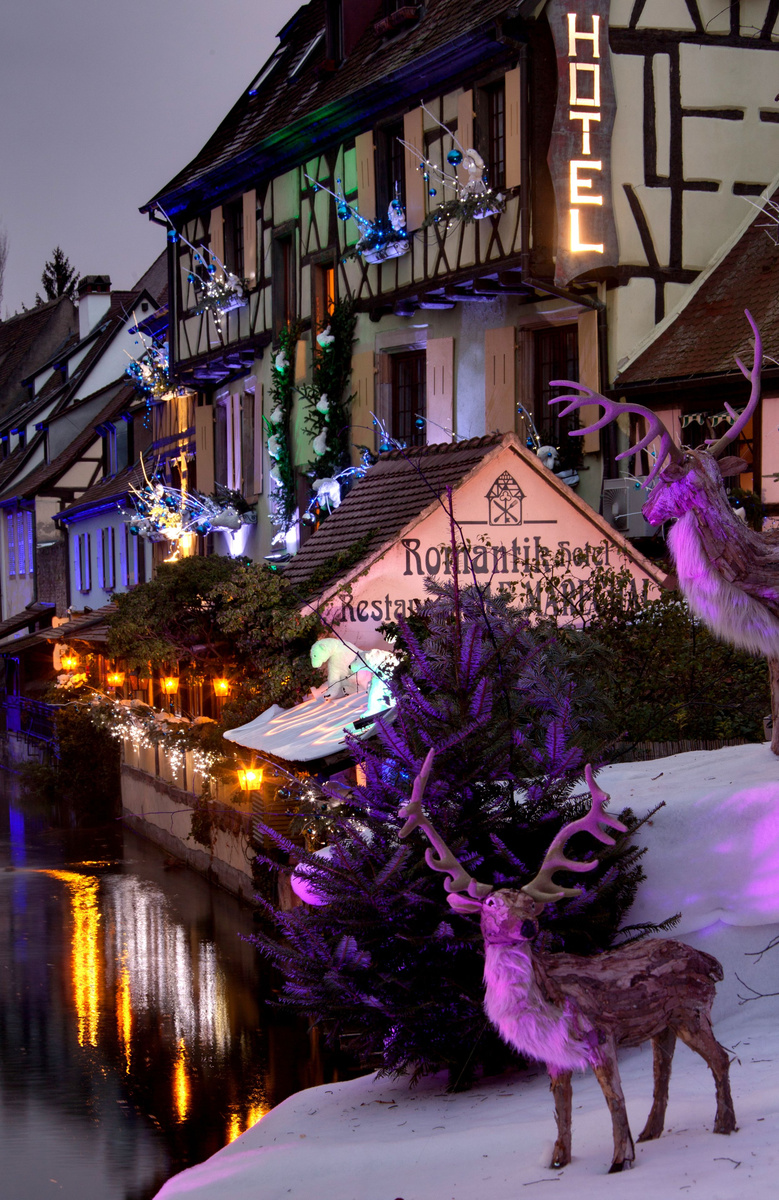
Hôtel Le Maréchal occupies a house dating from 1565 in Petite Venise, beside the canals. Its biggest advantage is that you step outside straight into some of Colmar’s prettiest streets. I would choose it for a romantic weekend or a first trip.
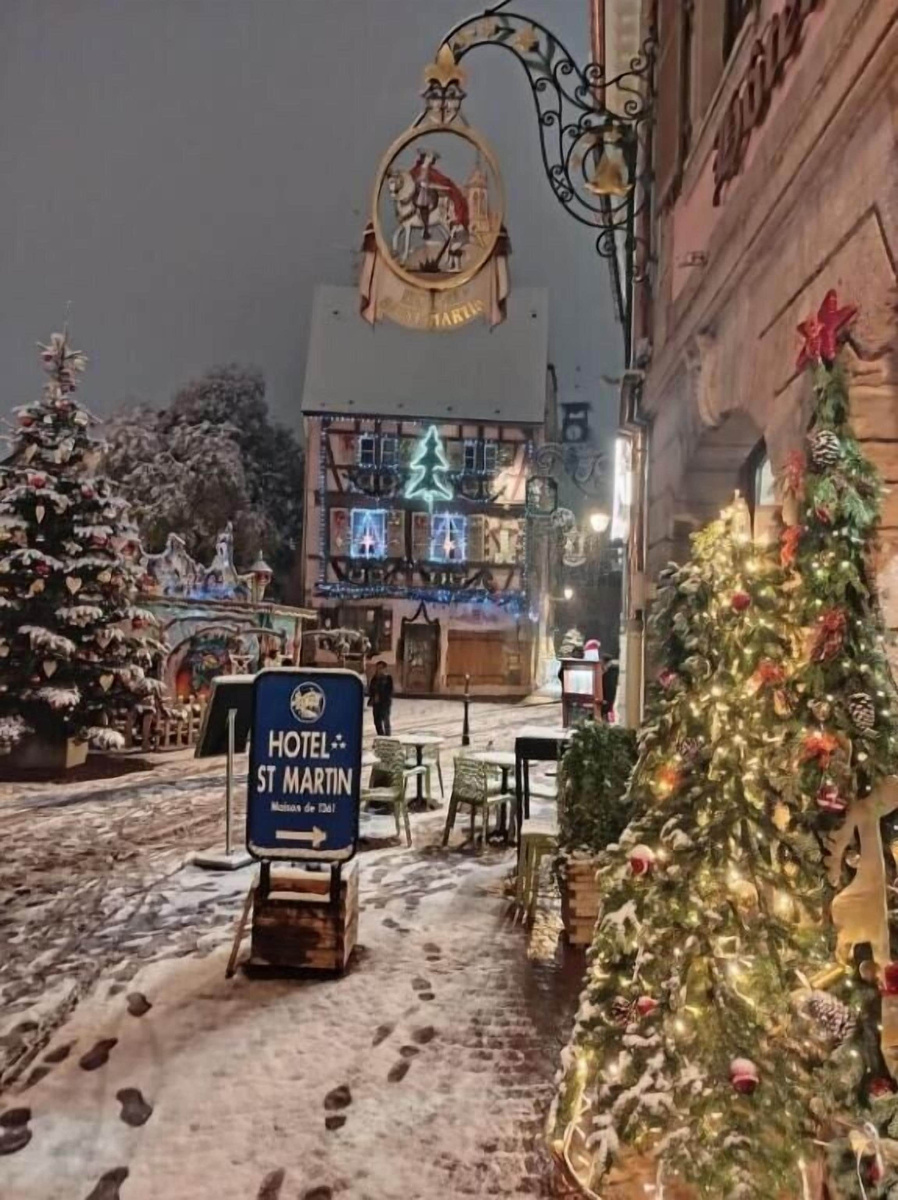
Hôtel Saint-Martin is on the Grand’Rue, in the middle of the historic centre, with a courtyard. It suits travellers who will spend their time sightseeing rather than in the hotel: everything, including all six markets, is on foot.
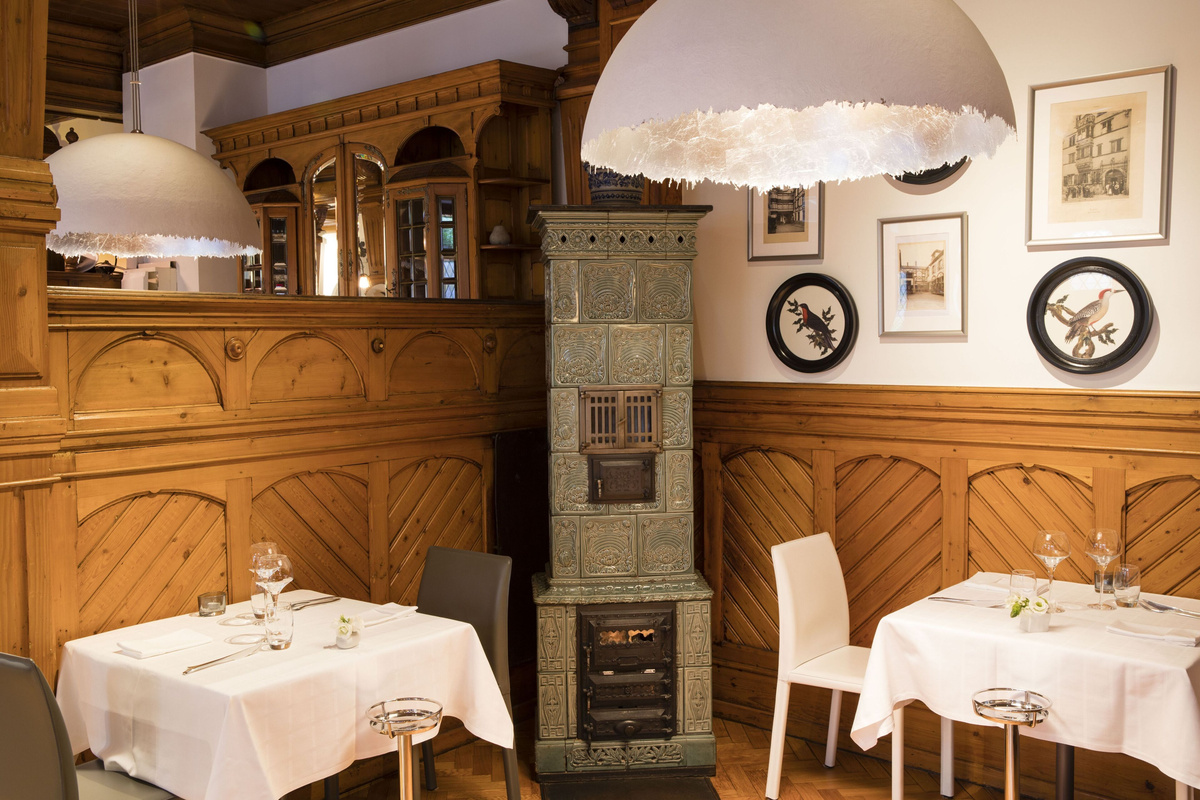
La Maison des Têtes is the special-occasion choice: a Relais & Châteaux hotel inside the house of carved heads. Inside, the historic building meets contemporary comfort, and the hotel has a Michelin-starred restaurant, Girardin, as well as its historic brasserie. I would book it for a luxurious Christmas weekend.
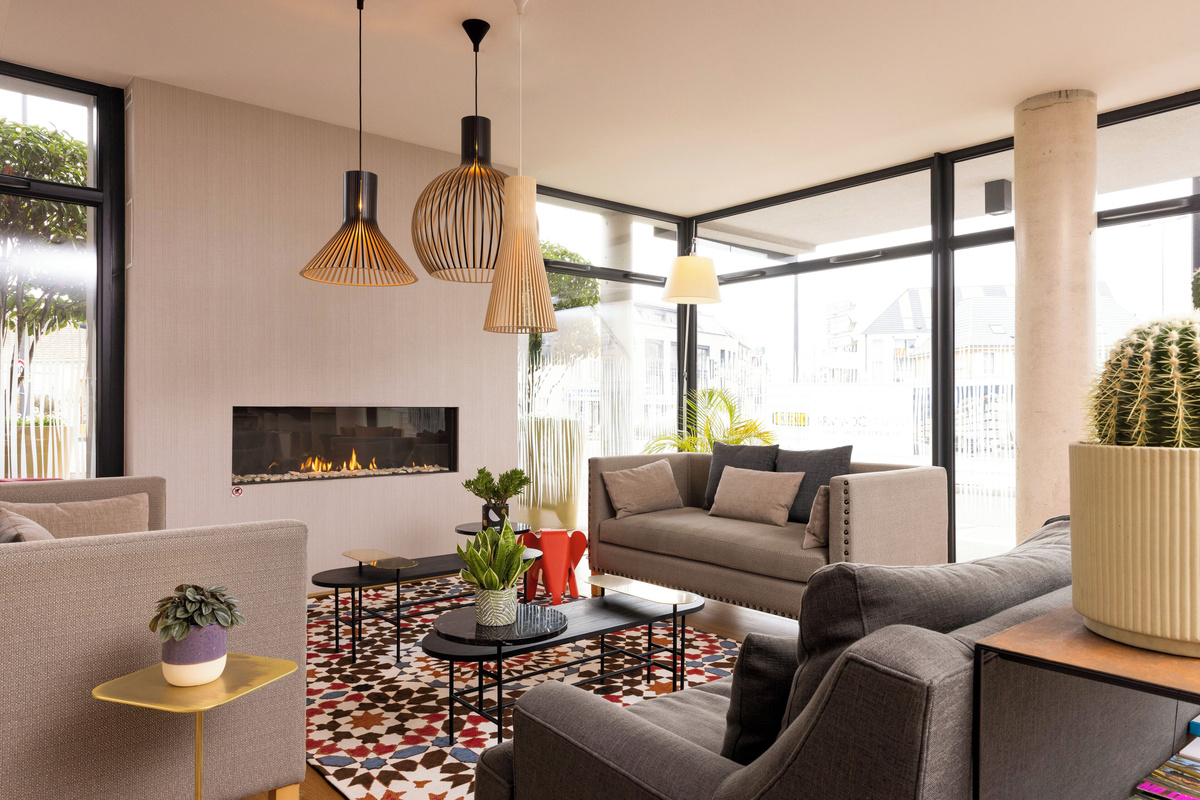
James Boutique Hôtel, on Rue Saint-Éloi, is the contemporary alternative, within walking distance of the old town but away from its busiest streets. With underground and outdoor parking, it is the practical choice if you are touring Alsace by car.
For a first visit, I would stay in the historic centre or in Petite Venise. You can see the markets in the morning, go back to the hotel when you need a break and come out again for the lights. If most of your days will be spent on the village shuttles, think about how easily you can reach the station, where they depart. Whatever you choose, book early for December, especially for a weekend.
Christmas shuttles to the villages
One of the great advantages of staying in Colmar is its position. Some of the finest Christmas villages in Alsace are close by, and you don’t necessarily need a car to reach them.
The 2026 Navettes de Noël run from 27 November to 20 December. They leave from Colmar station, on its western side, facing the Bleylé car park.
- Lines 1 and 2, Friday to Sunday: the same loop in opposite directions, linking Colmar with Kaysersberg, Riquewihr and Ribeauvillé. The Kaysersberg stop is in Kientzheim, about 20 minutes’ walk from the market.
- Line 3, every day: Colmar to Eguisheim.
- Line 4, Friday to Sunday: Colmar, Turckheim and Munster.
- Line 5, 12 and 13 December only: Colmar to Neuf-Brisach.
A day ticket costs €17 from Friday to Sunday and covers all the lines that day, as often as you like. From Monday to Thursday, the Eguisheim line has its own €8 ticket. Children under 12 travel free, but they still need a reserved ticket. Tickets are sold online only, in limited numbers, with a few more released three days before each date. Routes, timetables and tickets are on the official Christmas shuttle page.
The important thing to remember is that the shuttle season is much shorter than the market season. If you are in Colmar after 20 December, or want more than Eguisheim on a weekday, a small-group day tour from Colmar covers Eguisheim, Kaysersberg, Riquewihr and Ribeauvillé in a day, with pickup in town.
The villages I would choose
If you have an extra day, spend it in the small villages of the Alsace Wine Route, a short drive or shuttle ride from Colmar. For more detail on each village’s market, dates and parking, see my guide to the Alsace Christmas markets.
Eguisheim
For a long time, Eguisheim was my favourite village in Alsace. Its streets run in circles around the centre, its houses are painted in every colour, and at Christmas the little historic centre is especially atmospheric. It is about 15 minutes’ drive from Colmar, and the only village with a Christmas shuttle every day, which makes it the easiest to combine with your stay.
Riquewihr
Riquewihr is one of the most recognisable villages on the Wine Route, with colourful old houses, narrow streets and traditional decorations. It is very popular, and particularly beautiful after dark, when the lit façades change the whole atmosphere. It is about 25 minutes from Colmar by car.
Kaysersberg
Kaysersberg has everything at once: picturesque streets, half-timbered houses, a river and the ruins of a castle above the village. Its market is known for local craftsmanship and a more intimate atmosphere. Check the dates before you go, as it opens only from Friday to Sunday. It is about 25 minutes’ drive from Colmar.
Turckheim
Turckheim deserves far more attention than it gets. After visiting again, I found I liked it even more than Eguisheim: colourful houses, charming streets and a quieter atmosphere, about 15 minutes’ drive from Colmar.
One of its traditions is the night watchman, who walks the streets in historic costume with his lantern and halberd. On one visit, I watched part of his evening round from my hotel window. It is little traditions like this that make Alsace so interesting beyond its Christmas decorations. Through Advent, his round starts at 9pm every evening except 24 and 25 December.
Ribeauvillé
Ribeauvillé has a fine historic centre and a medieval Christmas market unlike the others. Instead of running for several weeks, it takes place on just two weekends, 5–6 and 12–13 December 2026, so plan your dates around it if you want to see it. It is under half an hour from Colmar by car.
If you have only one extra day and want to see several villages, I would choose Eguisheim, Riquewihr and Kaysersberg. If you are staying longer in Alsace, add Turckheim.
How many days in Colmar
One day is enough to see the old town and all six markets. I would arrive in the morning, walk the historic streets, stop for lunch and spend the afternoon on the markets. If you can, stay until after dark to see the lights.
Two days is what I prefer for a first visit at Christmas. You can see the markets without rushing, visit the main landmarks, enjoy a proper Alsatian dinner and take photographs in different light. There is also time for a museum or the shops.
Three days lets you give one full day to the villages around Colmar. This is where Colmar becomes such a convenient base: the markets in town, and smaller places like Eguisheim, Kaysersberg and Riquewihr beyond. For a first Christmas trip to Alsace, that is a very good start.
Getting to Colmar and parking
Colmar is in north-eastern France, close to the German and Swiss borders. For its size, it is very well connected by rail and road.
From Strasbourg, direct trains take about half an hour, which makes Colmar an easy day trip. Still, if you want to see the villages as well, I would stay in Colmar rather than travel back and forth. Colmar station is about a 15-minute walk from the old town.
From EuroAirport Basel-Mulhouse-Freiburg, take the short bus ride to Saint-Louis station, then a regional train to Colmar, or hire a car.
By car, the old town is closed to traffic while the markets are open, from 23 November to 29 December. I would park once and explore on foot: Colmar’s centre is compact, and walking is by far the nicest way to see it. The Rapp and Montagne Verte garages are both close to the markets and open around the clock. On the four Advent weekends, 28–29 November and 5–6, 12–13 and 19–20 December, a park-and-ride at the Parc des Expositions costs €5 for the day, with a free bus into the centre; it does not run on 26–27 December. If you are staying overnight, a hotel with parking makes the whole trip easier. The parking map in my Alsace guide shows the options in Colmar and the villages.
When to go: mornings, weekdays and lights
If your dates are flexible, choose a weekday. December weekends can be extremely crowded, especially around the main markets and in Petite Venise.
For photographs, early morning is ideal. The stalls may not be open yet, but the decorations and the old streets are already there, and this is the time to photograph Colmar without a crowd. Later in the afternoon, go back to the main streets and squares as the lights come on. It is like seeing two different towns in one day.
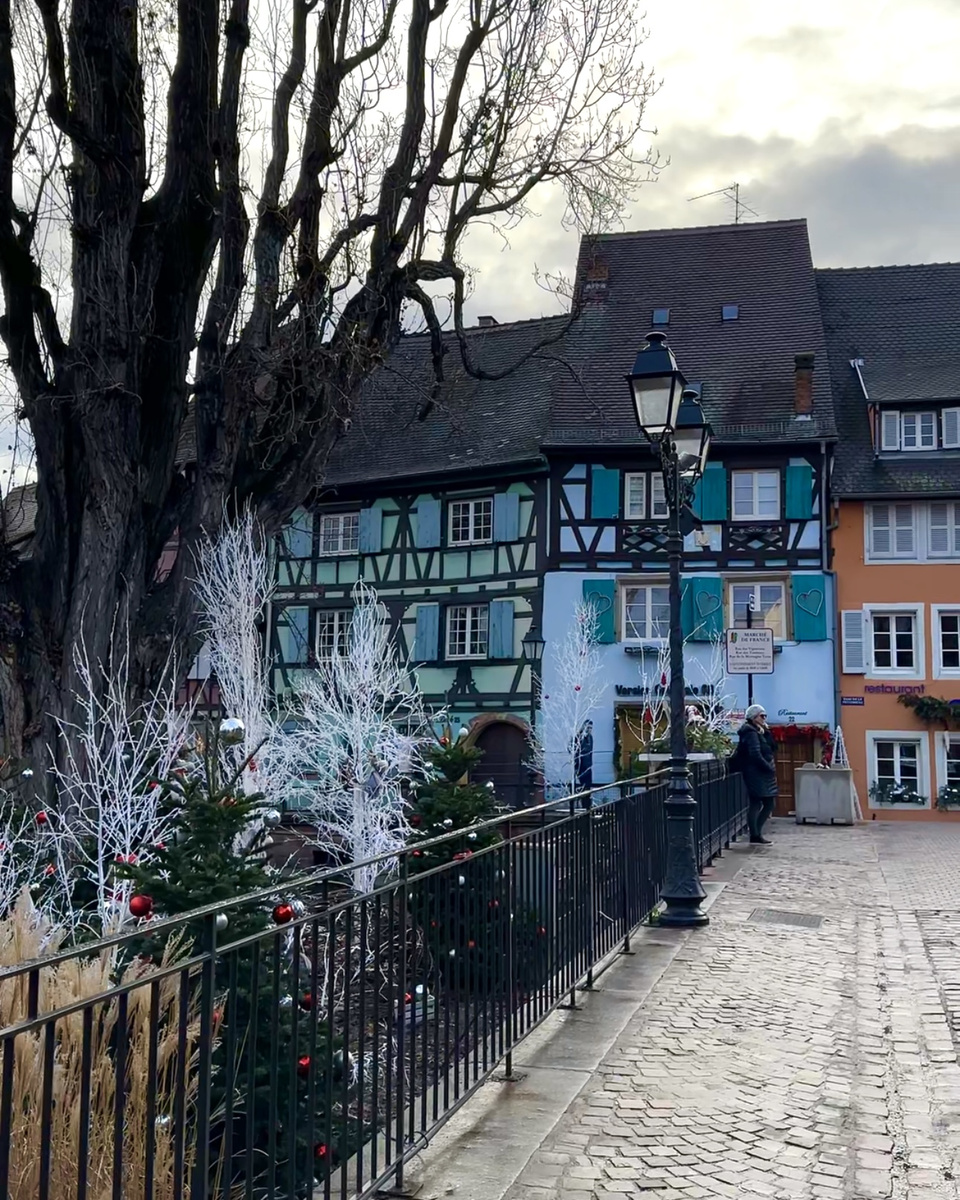
My favourite combination: a quiet morning walk through the old town, the markets in the afternoon, and the lit streets after dark.
A few more things I would tell anyone going for the first time:
- Stay at least one night. Colmar looks completely different after dark, and staying means you can enjoy the lights without rushing for a train.
- Don’t focus only on the markets. The houses and decorated façades are a huge part of what makes Colmar special.
- Dress warmly. Even without snow, several hours outdoors at the markets in December can be cold.
- Leave time for chance. Some of my favourite moments in Colmar have come from turning into a pretty street and finding another beautifully decorated house.
- Shops open on Sundays during the markets: 29 November and 6, 13 and 20 December in 2026.
Questions about Colmar at Christmas
How many Christmas markets are there in Colmar?
Six, spread through the historic centre: Place des Dominicains, Place de l’Ancienne Douane, the indoor market in the Koïfhus, Place Jeanne d’Arc, Petite Venise and the gourmet market. Five focus on Christmas shopping, crafts and regional products; the sixth is dedicated to food.
Are Colmar’s Christmas markets free?
Yes. Entry to all six is free. You pay only for food, drinks, shopping and separately ticketed attractions.
When do the Colmar Christmas markets open in 2026?
From 23 November to 29 December 2026. The gourmet market continues until 3 January 2027.
Can you see the Colmar Christmas markets in one day?
Yes, you can comfortably see all six markets and much of the historic centre in one day. An overnight stay gives you the lit streets in the evening and a quieter morning.
Is Colmar or Strasbourg better for Christmas markets?
Both are worth it, and they are different experiences. Strasbourg is larger, with a much more extensive Christmas market. Colmar feels smaller and more intimate. If colourful half-timbered houses and photogenic streets matter most to you, I would choose Colmar. Ideally, see both.
Do you need a car in Colmar?
No. The historic centre is easy to explore on foot, you can arrive by train, and the Christmas shuttles reach several villages. A car becomes useful outside the shuttle season or for rural areas.
Does it snow in Colmar at Christmas?
Snow is possible but far from guaranteed. Colmar often has cold, grey winter days without much snowfall, so I wouldn’t plan the trip around a snowy scene. The decorations are beautiful whatever the weather. If snow is the point of the journey, Lapland is the surer choice.
Is Colmar worth it at Christmas?
Colmar is one of those places I happily return to again and again. Its colourful houses, narrow streets and Alsatian atmosphere have a charm that December only deepens. One December in the Dominican Republic, with the sea outside, I still caught myself thinking of the Christmas markets of Alsace.
What draws me back is the combination of the town itself and everything around it. You can spend one day on its markets and another in the villages, and still feel there is more to see. If you are planning a first Christmas in Alsace, I would absolutely include Colmar, and if you can, stay a little longer.