
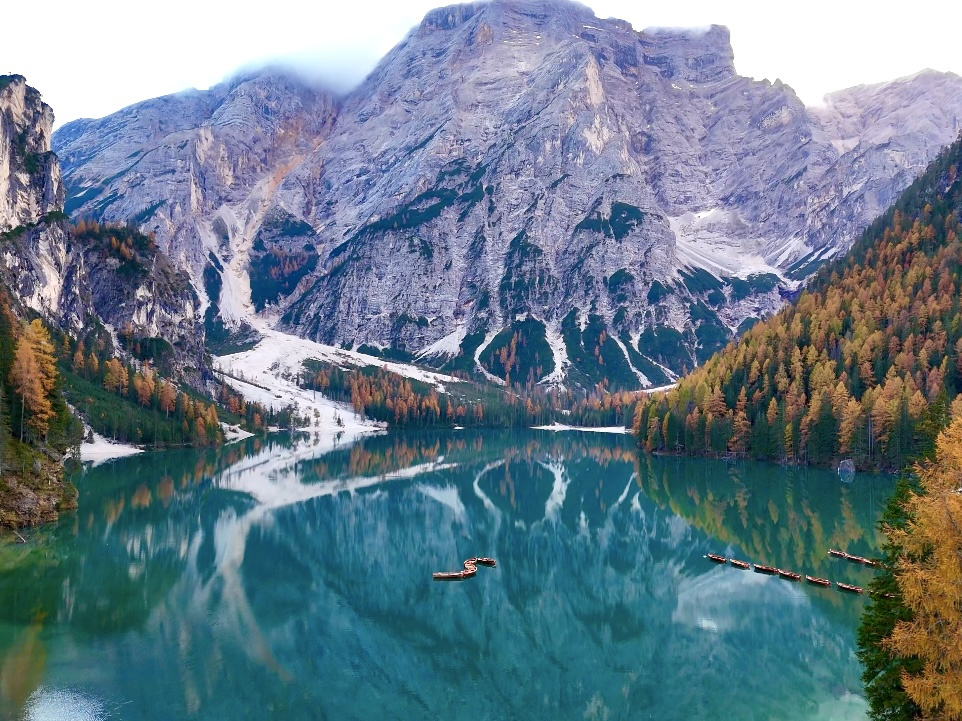
The Dolomites are one of my favorite places in Italy for a road trip—especially in autumn.
By October, the summer crowds start to disappear, the air feels crisp, the mountains turn golden with larches, and the whole region becomes much quieter. I like this time of year for scenic drives, easy-to-moderate hikes, long lunches in mountain huts and slow afternoons surrounded by some of the most dramatic landscapes in Europe.
We took around two weeks to travel through the Dolomites because we wanted to move slowly, repeat a few favorite places and leave plenty of room for weather changes.
But if you have 5–7 days, this route gives you a very good overview of the region without trying to see everything at once.
This itinerary covers Alpe di Siusi, Seceda, Val di Funes, Alta Badia, Cortina d’Ampezzo, Tre Cime, Cadini di Misurina and some of the most beautiful lakes in the Dolomites.
Here is how I would plan it.
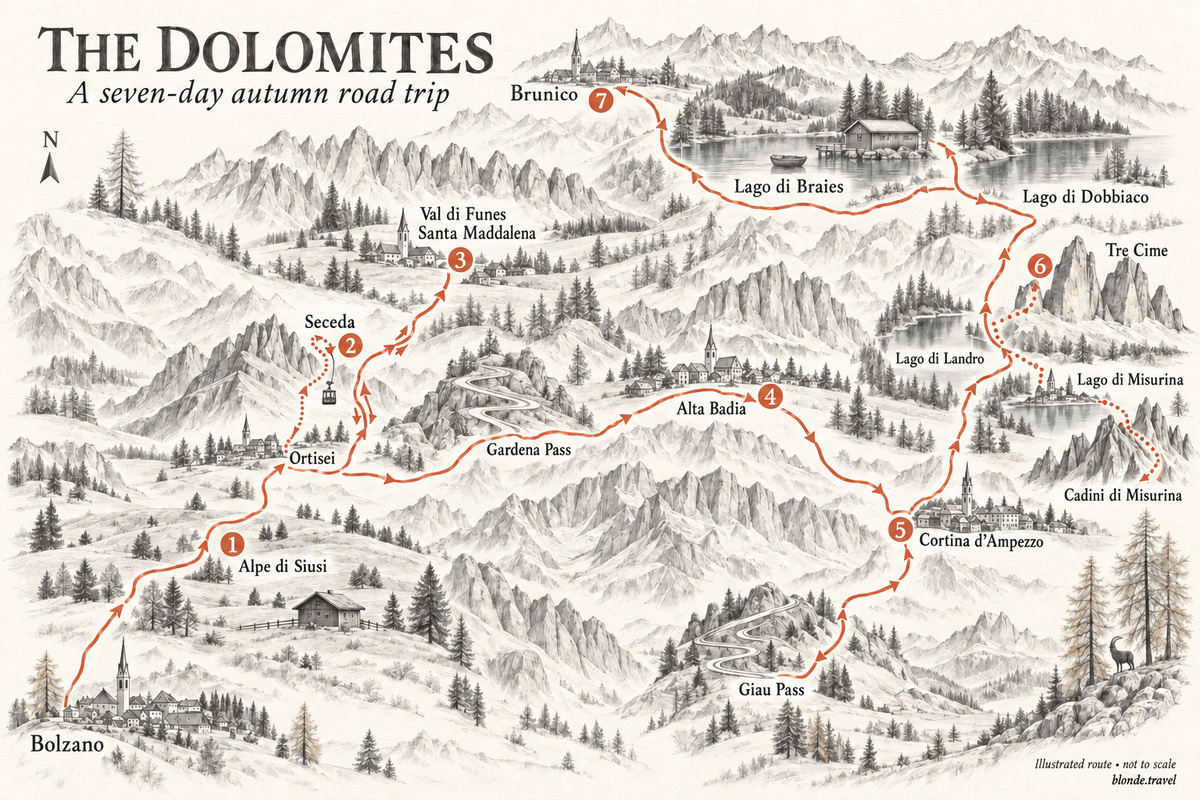
Dolomites Road Trip at a Glance
- Day 1: Bolzano → Alpe di Siusi → Malga Sanon
- Day 2: Ortisei → Seceda → Baita Sofie Hütte
- Day 3: Val di Funes → Santa Maddalena → Geisleralm → Cinema delle Odle
- Day 4: Alta Badia → Gardena Pass
- Day 5: Cortina d’Ampezzo → Giau Pass → Lago di Landro
- Day 6: Tre Cime di Lavaredo → Cadini di Misurina → Lago di Misurina
- Day 7: Lago di Dobbiaco → Lago di Braies → Brunico
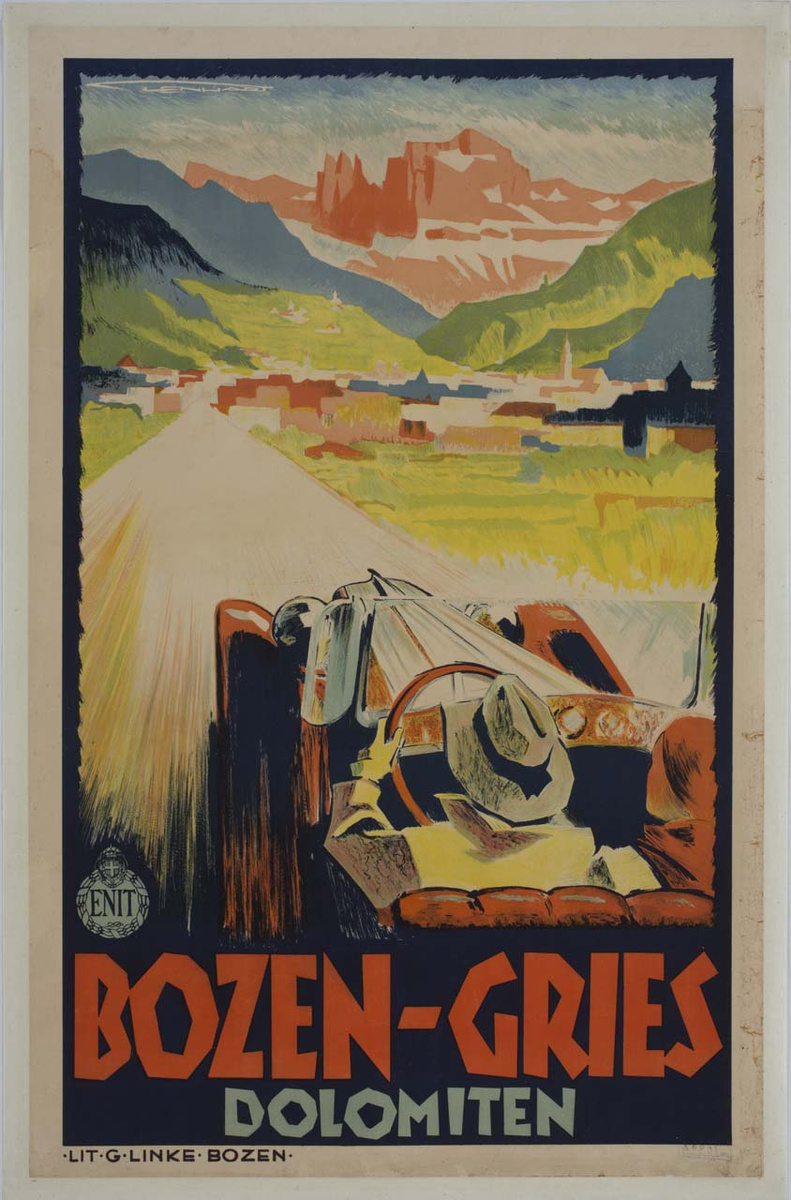
Day 1: Bolzano & Alpe di Siusi
Start your Dolomites road trip around Bolzano, one of the easiest gateways into South Tyrol.
If you are flying into northern Italy, Bolzano also works well as a first overnight stop before heading deeper into the mountains.
You don’t need to spend the entire day in the city, but the historic center is lovely for a short walk, coffee and breakfast before driving towards Alpe di Siusi, also known as Seiser Alm.
If you arrive in Bolzano the day before heading into the mountains, the Bolzano street-food walk gives the stop a little more substance: around two and a half hours on foot, with five tastings and stories about the town’s Italian and Tyrolean influences. I’d make this part of an overnight stop, once the car is parked for the day.
Alpe di Siusi
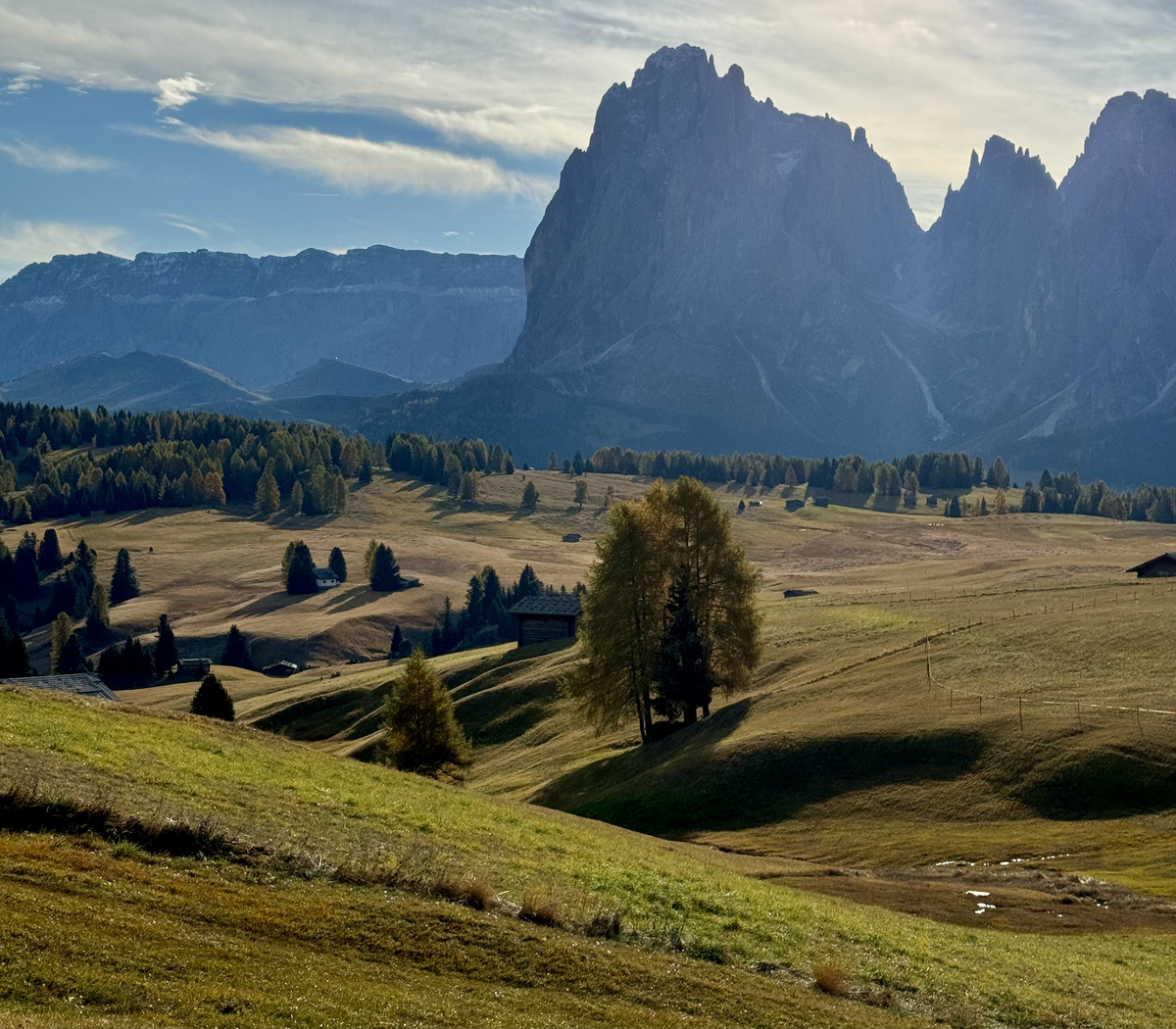
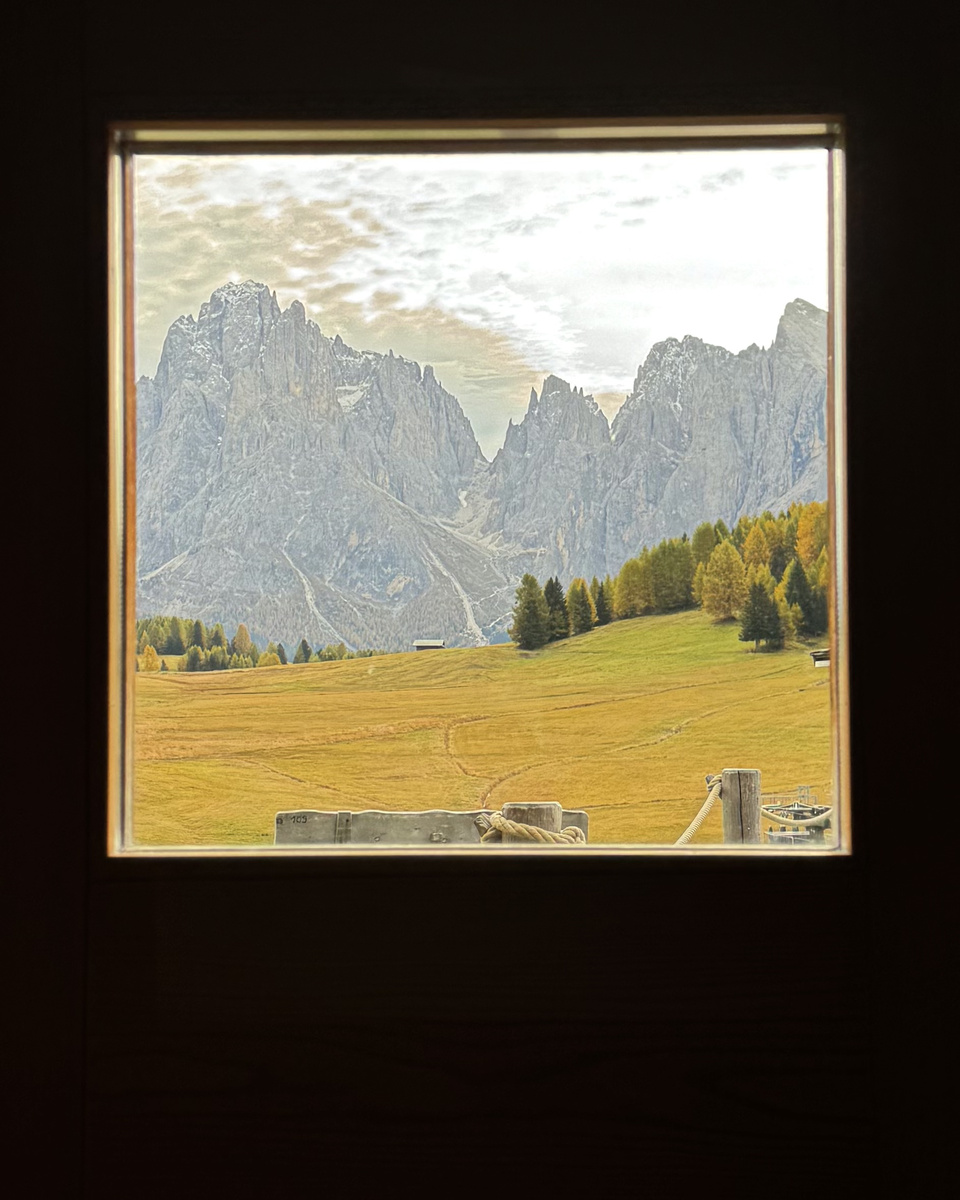
Alpe di Siusi is the largest high-altitude Alpine meadow in Europe and one of the most recognizable landscapes in the Dolomites.
Rolling green meadows stretch beneath the dramatic peaks of the Sassolungo and Sciliar groups, and in autumn the whole plateau takes on a completely different atmosphere.
The light is softer, the trails are quieter and the colors begin to shift from green to gold.
This is a great place for an easy first hiking day because you don’t need to climb a major summit to enjoy the views.
There are plenty of gentle walking routes across the plateau, making Alpe di Siusi ideal if you want scenery without an exhausting hike.
For riders with mountain-biking experience, an Alpe di Siusi guided e-bike tour is another way to spend the day. It starts and finishes at the MTB school in Ortisei and includes the bike, helmet and guide. Allow about five and a half hours, with lunch paid separately. Choose it in place of the meadow walk: the gravel climbs and descents require more than confidence on a city bicycle.
Brunch or lunch at Malga Sanon
Malga Sanon works for brunch as well as lunch. I would happily settle on the terrace for a leisurely brunch with the mountains in front of me.
Mountain huts are one of the best parts of traveling through the Dolomites, and I would deliberately build lunch stops into the itinerary instead of treating food as something to squeeze between hikes.
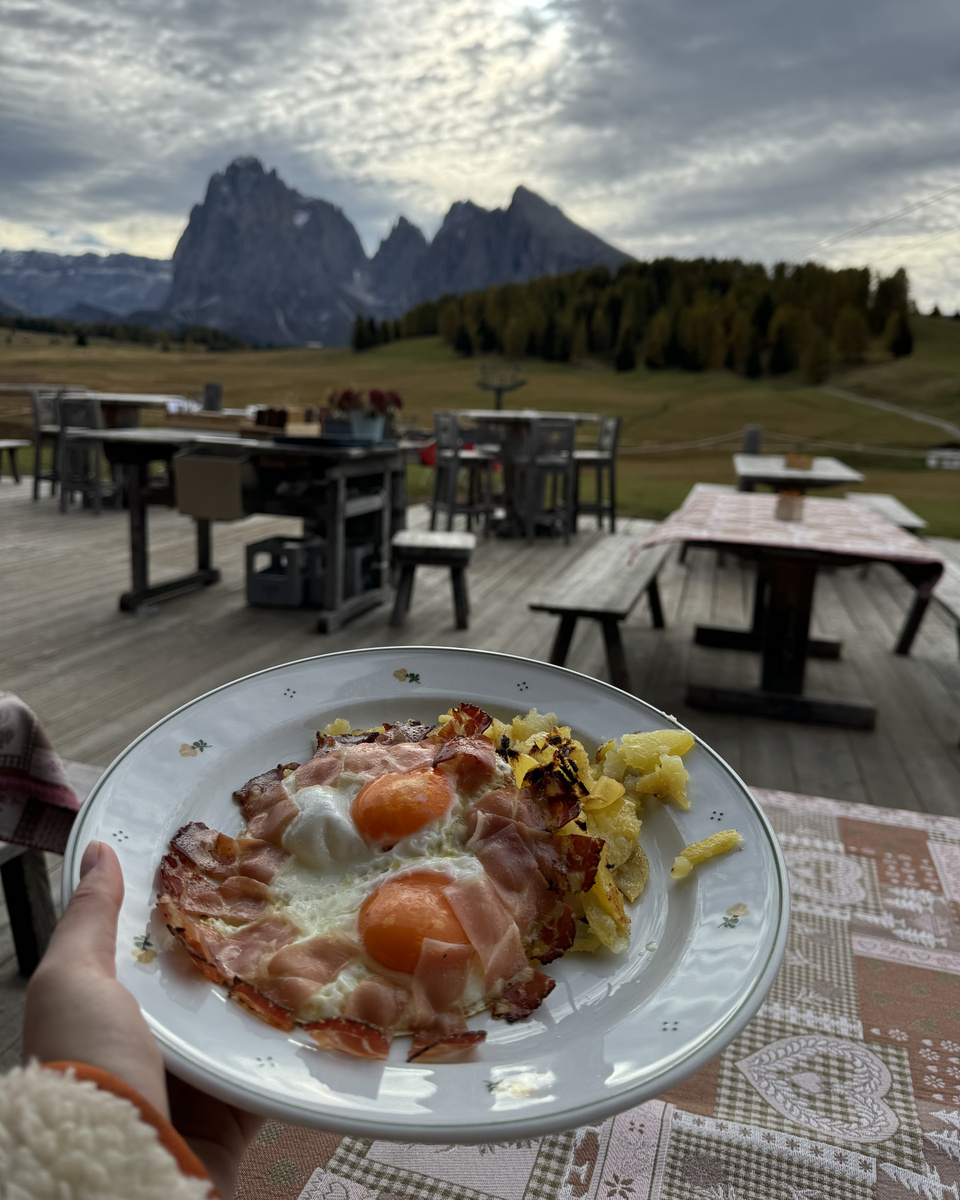
Order something warm, sit outside if the weather allows and enjoy the mountain views.
Autumn suits this slower style of travel. Check the hut’s opening dates before building your day around lunch there.
Spend the rest of the afternoon walking around the plateau before heading back down.
Day 2: Ortisei & Seceda
Day two takes you to one of the most famous mountain viewpoints in the Dolomites: Seceda.
Start in Ortisei, the main town in Val Gardena.
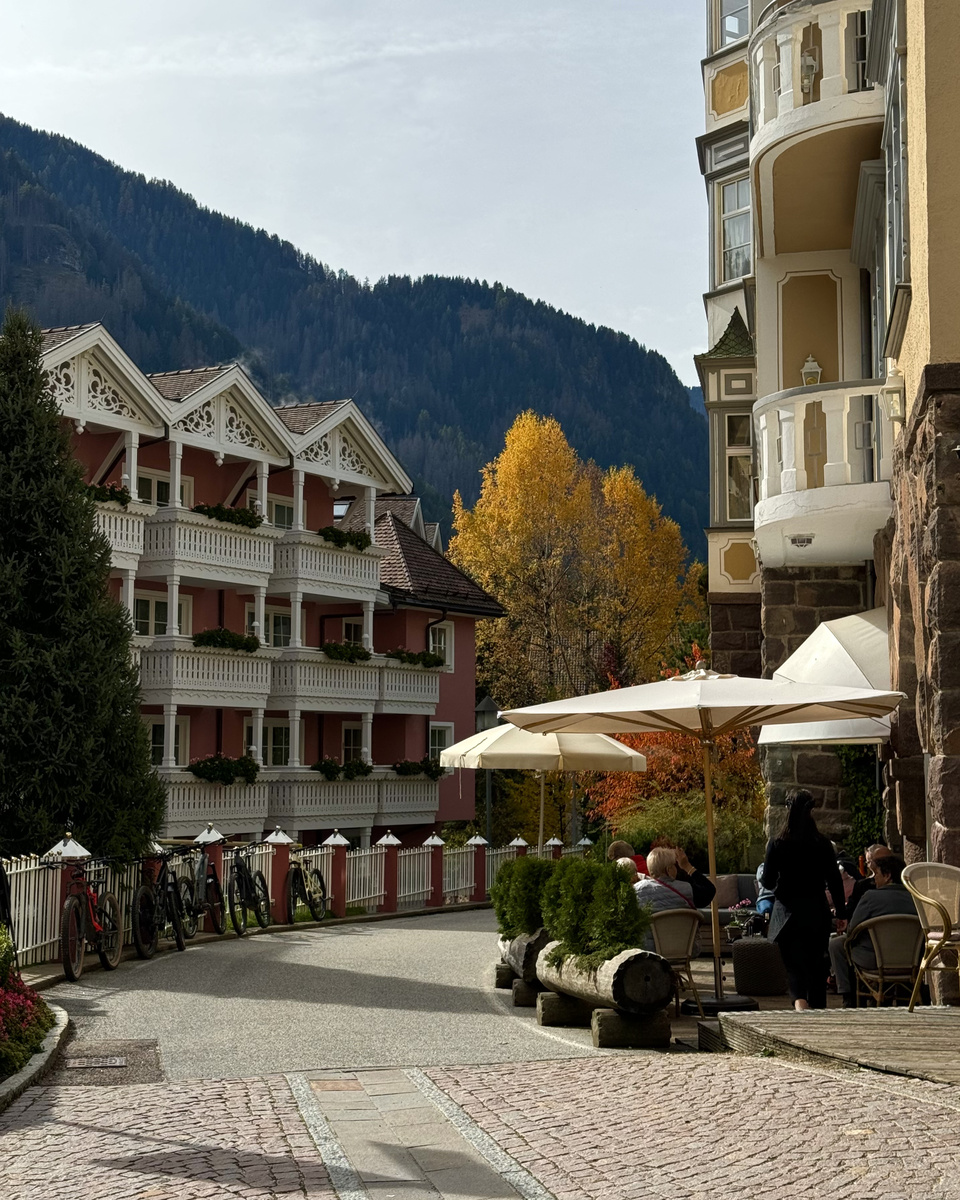
Ortisei itself is worth a little time. Walk through the center, grab breakfast or coffee and enjoy the colorful Tyrolean architecture before taking the lifts up towards Seceda.
Seceda
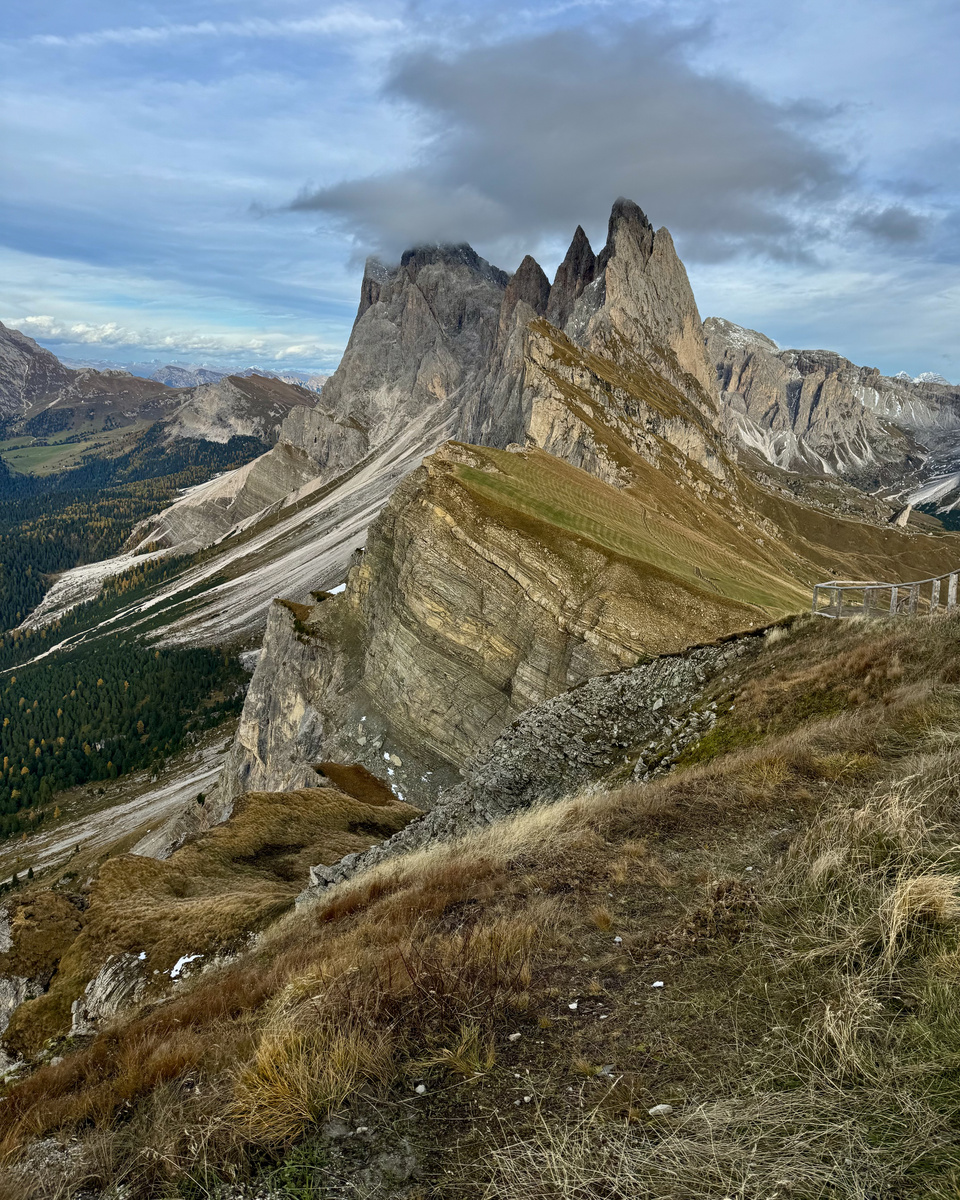
Seceda is instantly recognizable for its dramatic jagged ridgeline dropping sharply into the green meadows below.
It is one of those places that looks almost unreal in photographs but is even more impressive in person.
You can reach the top from Ortisei using the cableway system, which makes Seceda surprisingly accessible even if you are not planning a long hike.
For the 2026 season, the Ortisei–Furnes and Furnes–Seceda lifts are scheduled to operate until November 2, which makes Seceda particularly convenient for an autumn trip. Check the day’s operating status and last descent before setting out.
Once at the top, walk towards the main Seceda viewpoint and continue along the ridge if conditions are good.
You don’t need to do a long hike to enjoy the scenery.
Allow several hours so you have time to stop, take photos and simply enjoy the views instead of rushing back to the lift.
Lunch at Baita Sofie Hütte
Stop at Baita Sofie Hütte for lunch.
Mountain huts around Seceda are part of the experience, and a long lunch with views over the peaks is exactly how I like to break up a hiking day.
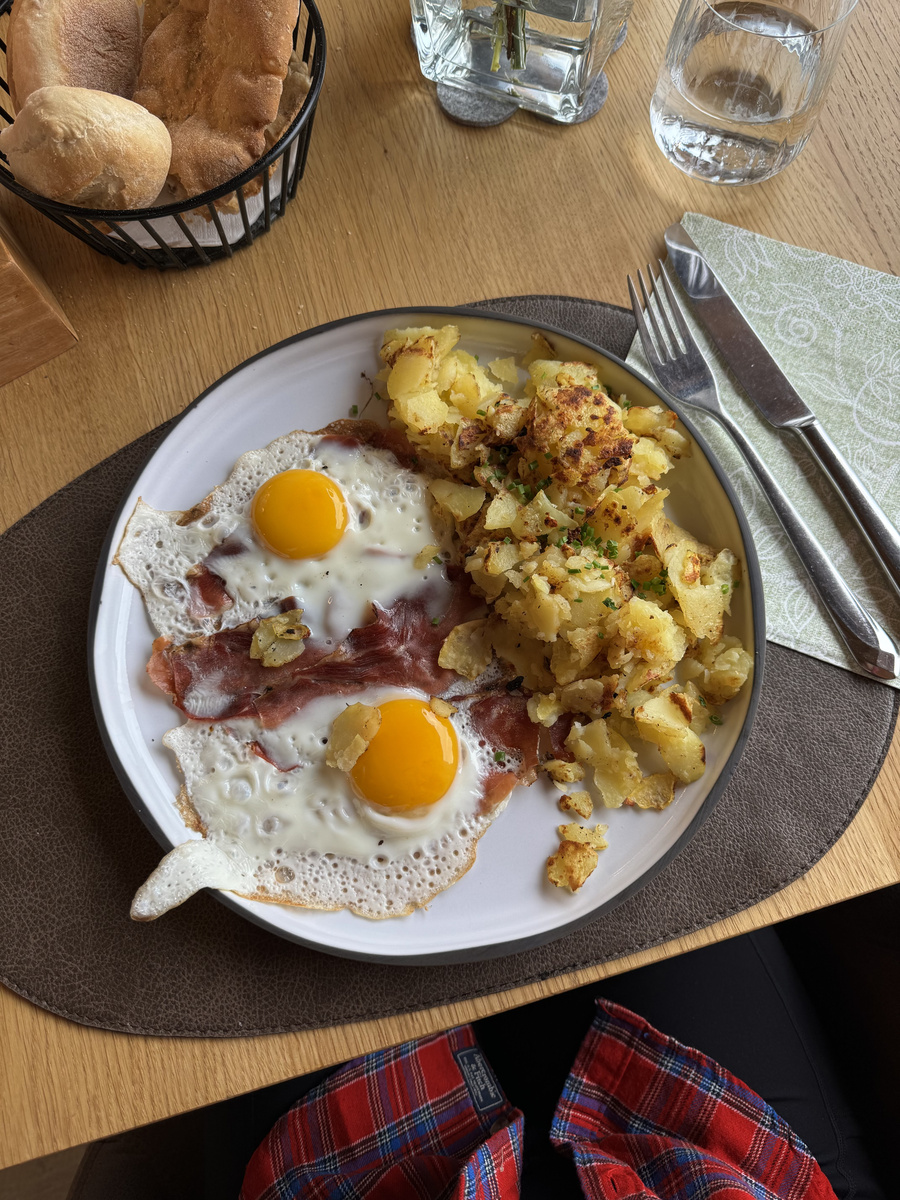
The apple strudel here was the best I’ve ever eaten. Leave room for it.
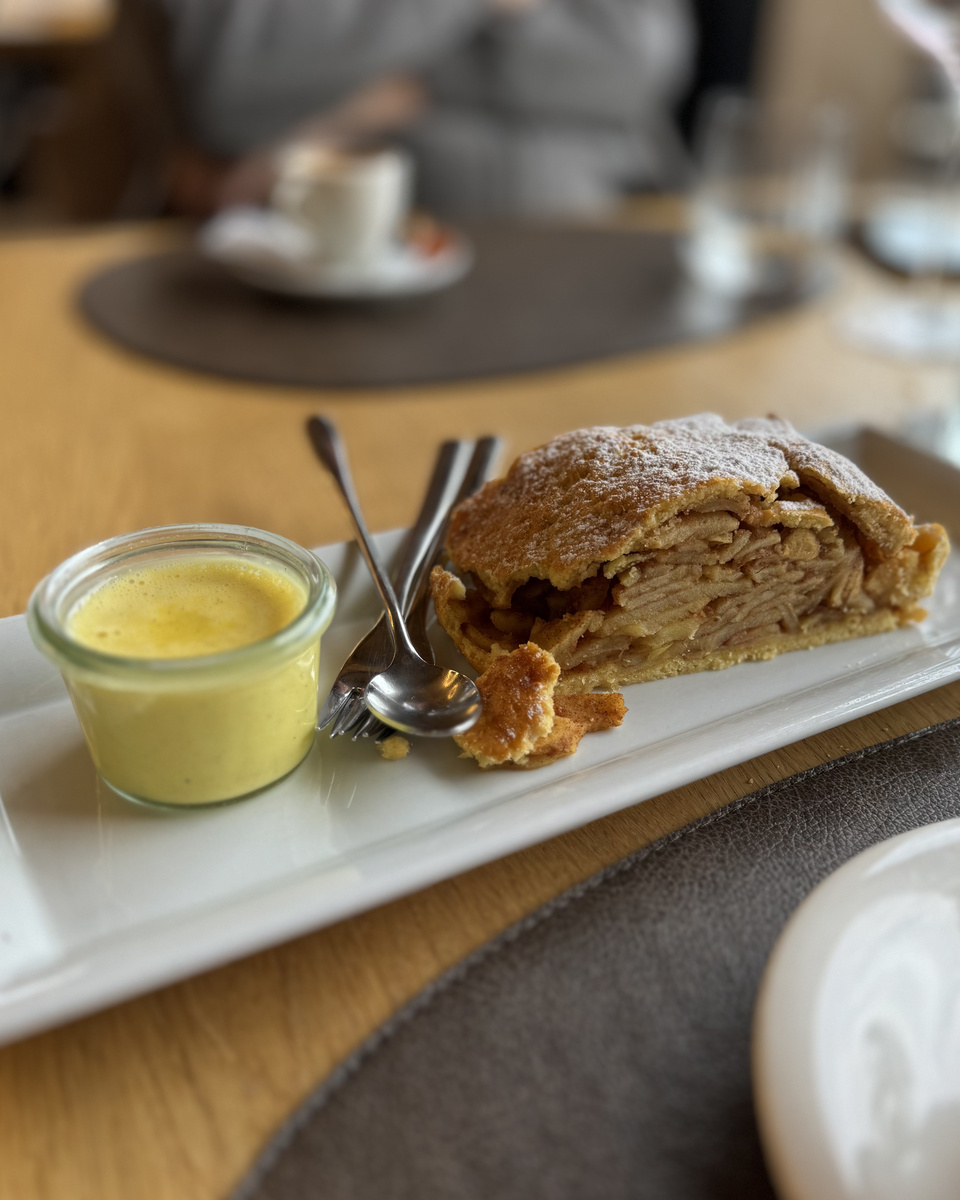
Check opening dates before visiting in autumn because individual huts can close earlier than the main cable cars.
After lunch, spend a little more time walking around Seceda before returning to Ortisei.
Day 3: Val di Funes, Santa Maddalena & Cinema delle Odle
Day three is one of the most scenic days of the road trip.
Drive towards Val di Funes, a quieter valley famous for some of the most photographed views in the Dolomites.
Santa Maddalena
Start around Santa Maddalena, where green meadows, small churches and traditional farmhouses sit beneath the jagged Odle mountain group.
The classic view of the village is beautiful at any time of day, but early morning and late afternoon light are particularly good.
This part of the Dolomites feels much calmer than places such as Seceda or Lago di Braies.
Take your time driving around the valley and stopping at viewpoints.
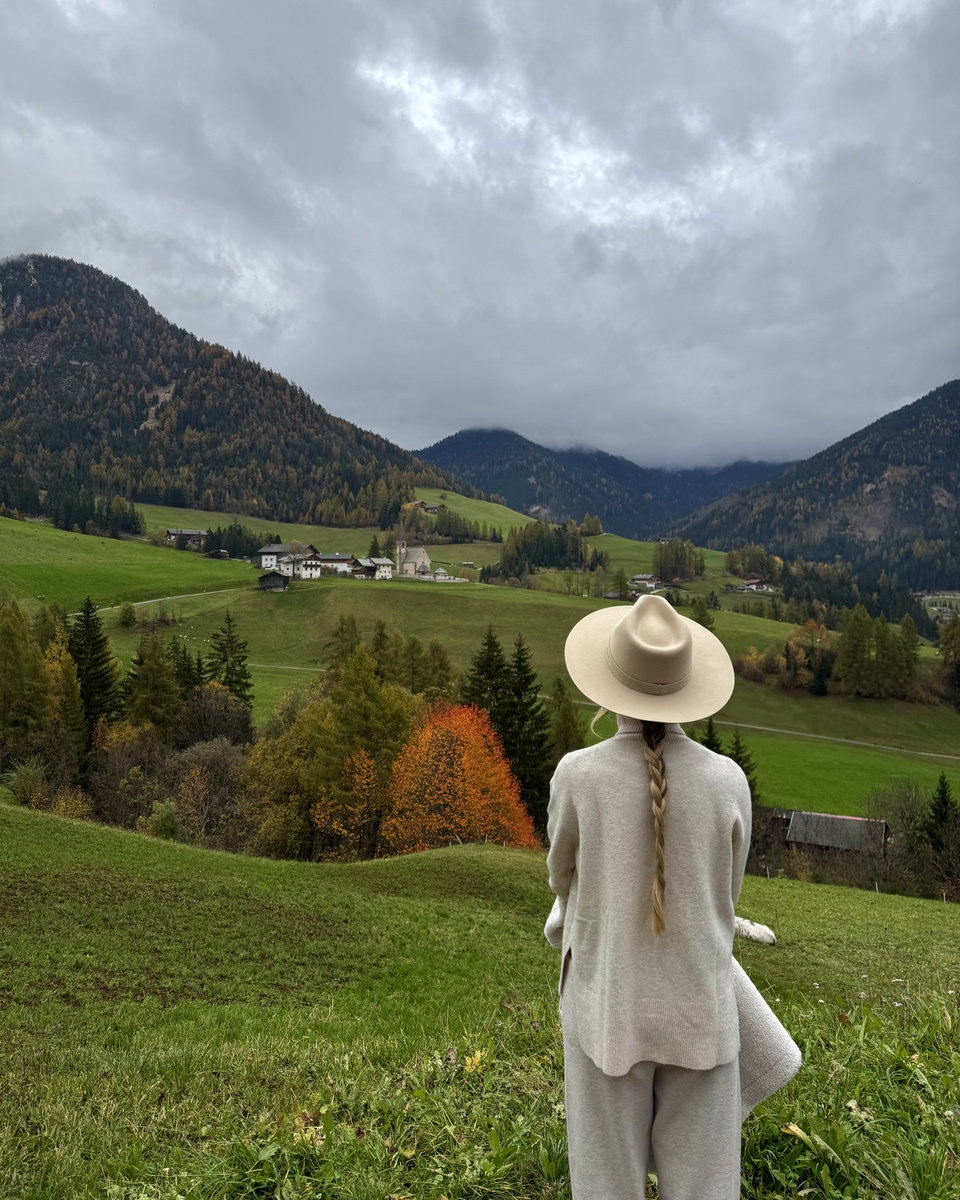
Geisleralm and Cinema delle Odle
Continue with the hike to Geisleralm. Cinema delle Odle is just above the hut, so treat them as one outing rather than two separate stops.
One approach starts at Zannes, also called Zans. Check the hut’s walking routes and choose a route that suits the day’s weather and your fitness.
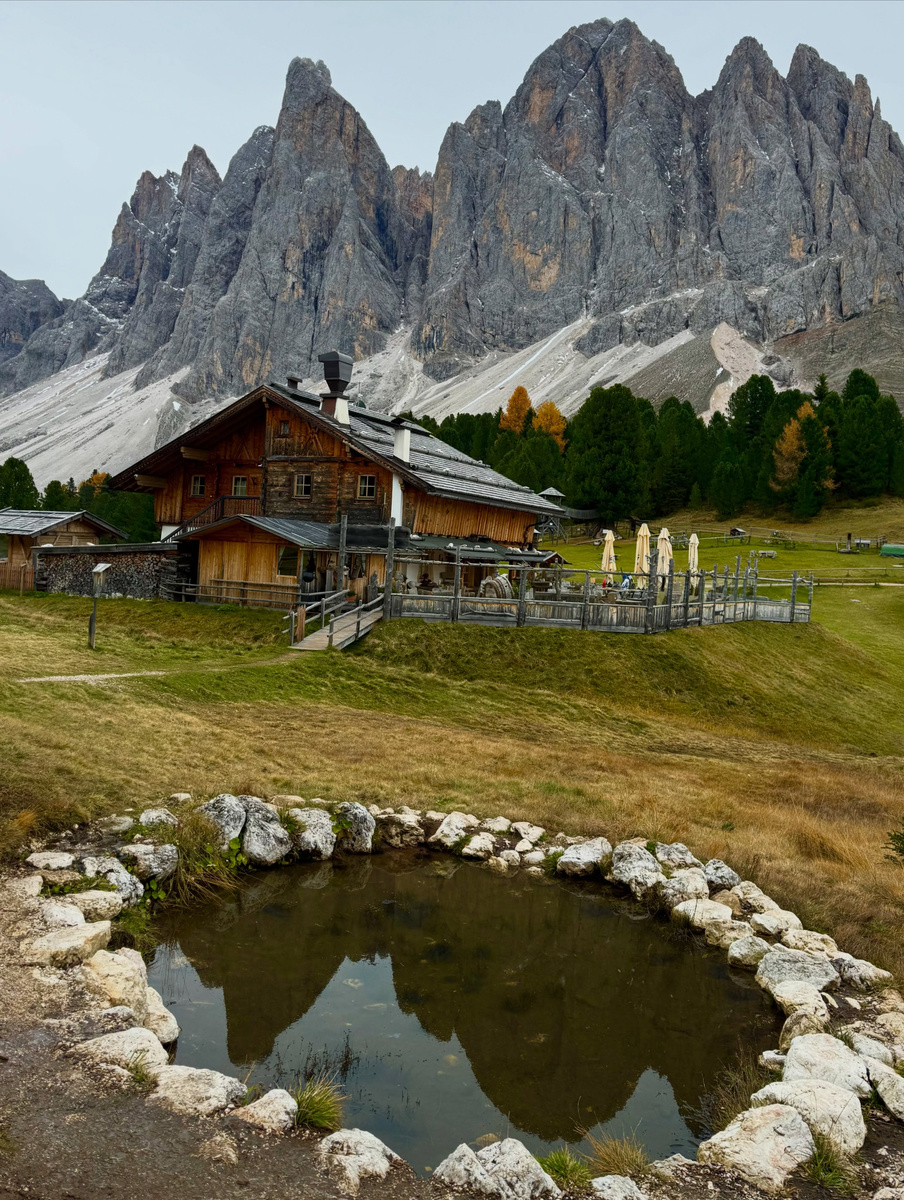
Have lunch at the hut, then settle into the wooden loungers at Cinema delle Odle. It is essentially an outdoor cinema where the mountains are the screen.
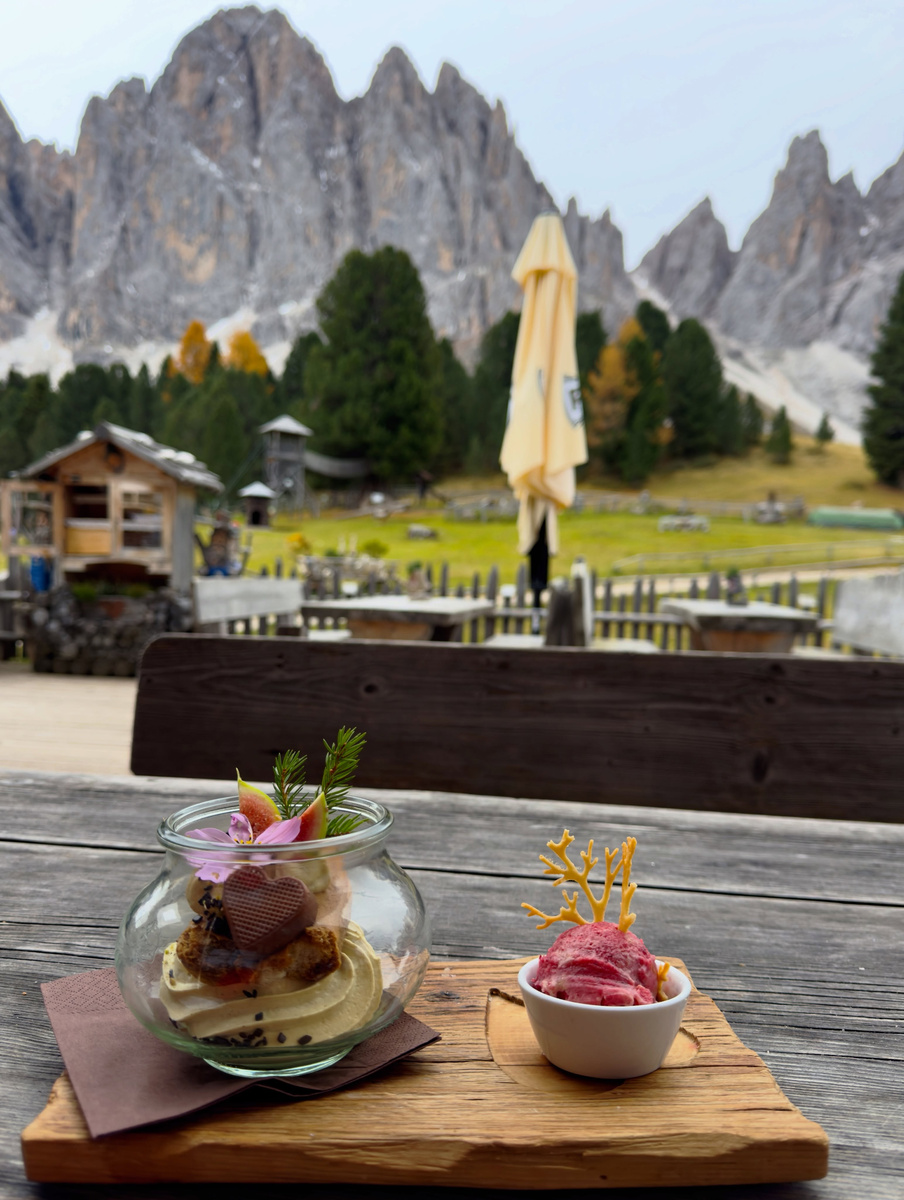
Sit for a while instead of treating it as a quick photo stop, and allow enough time for the walk back. Check Geisleralm’s opening days before making lunch part of the plan; the hut currently lists Monday as its summer closing day.
This is the kind of day where I would avoid adding extra stops. Val di Funes is beautiful because it feels slower, and rushing through it defeats the point.
Day 4: Alta Badia & Gardena Pass
After three hiking-focused days, use day four for a slightly slower scenic drive through Alta Badia.
This part of the Dolomites is filled with mountain villages, dramatic passes and some of the most beautiful roads in the region.
Drive Through Alta Badia
Spend the morning driving through villages such as Corvara, Colfosco or San Cassiano.
Stop whenever something catches your eye.
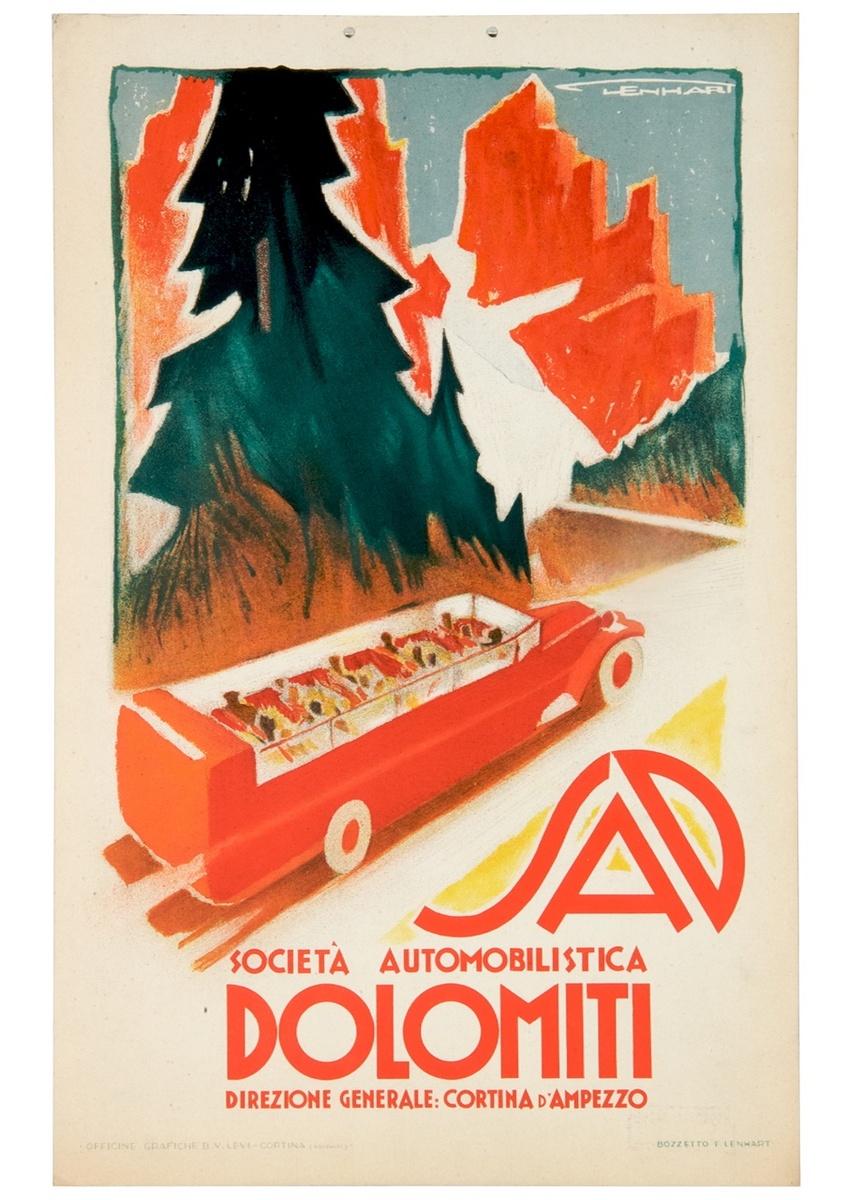
One of the best things about a Dolomites road trip is that the drive itself often becomes the highlight.
There are constantly mountain views, small villages and roadside viewpoints that make you want to stop.
Gardena Pass
Continue towards Gardena Pass, one of the most dramatic mountain passes in the Dolomites.
The road winds between towering peaks.
You can simply stop at the main viewpoints, or add a short walk if the weather is good.
This is also a perfect day to leave relatively unplanned.
Have lunch somewhere in Alta Badia, stop for coffee and enjoy the drive rather than trying to fit in another major hike.
Day 5: Cortina d’Ampezzo, Giau Pass & Lago di Landro
On day five, move towards Cortina d’Ampezzo, one of the most famous mountain towns in Italy.
Cortina makes a great base for the eastern part of the Dolomites, especially for Tre Cime, Misurina and the surrounding lakes.
Cortina d’Ampezzo
Spend a little time walking through central Cortina before heading into the mountains.
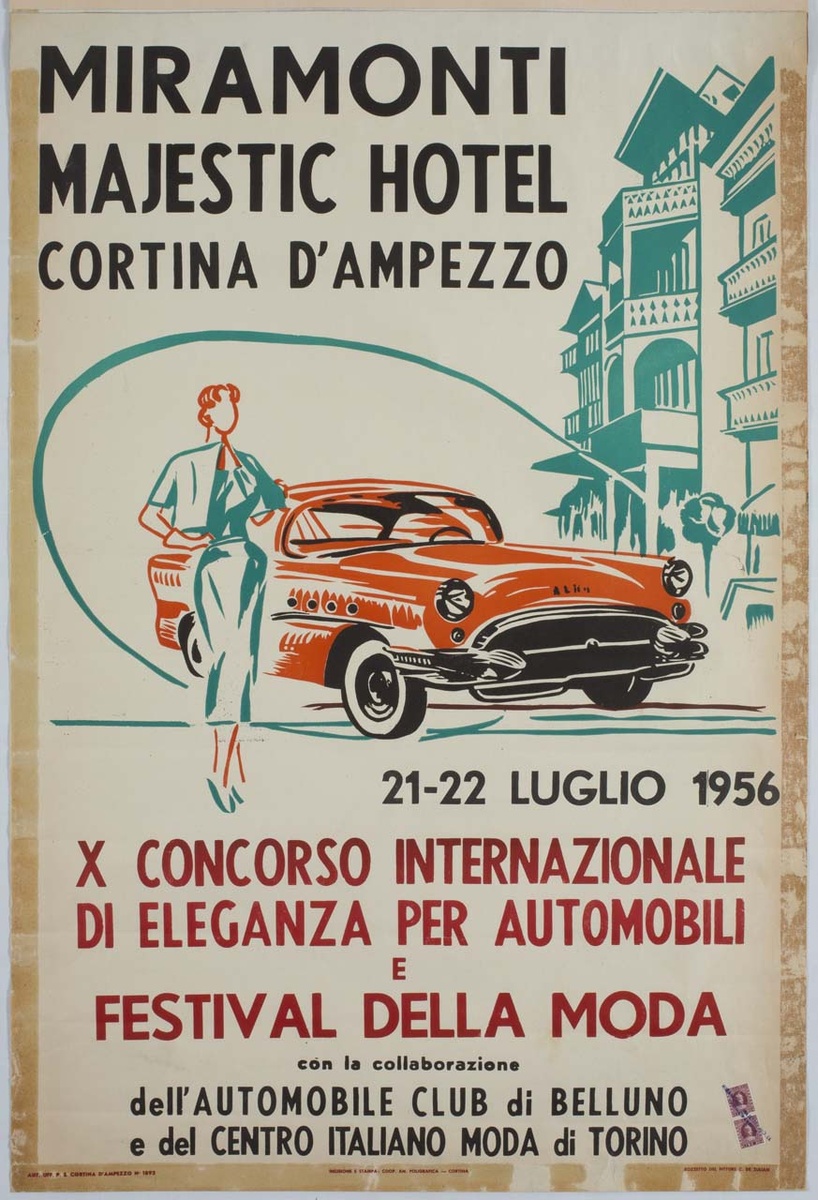
The town itself is elegant and very different from the small villages around Val Gardena.
Walk along Corso Italia, stop for coffee and enjoy a slower morning before beginning the scenic drive.
Autumn is particularly atmospheric around Cortina because the larches turn golden and many trails are noticeably quieter after summer.
Giau Pass
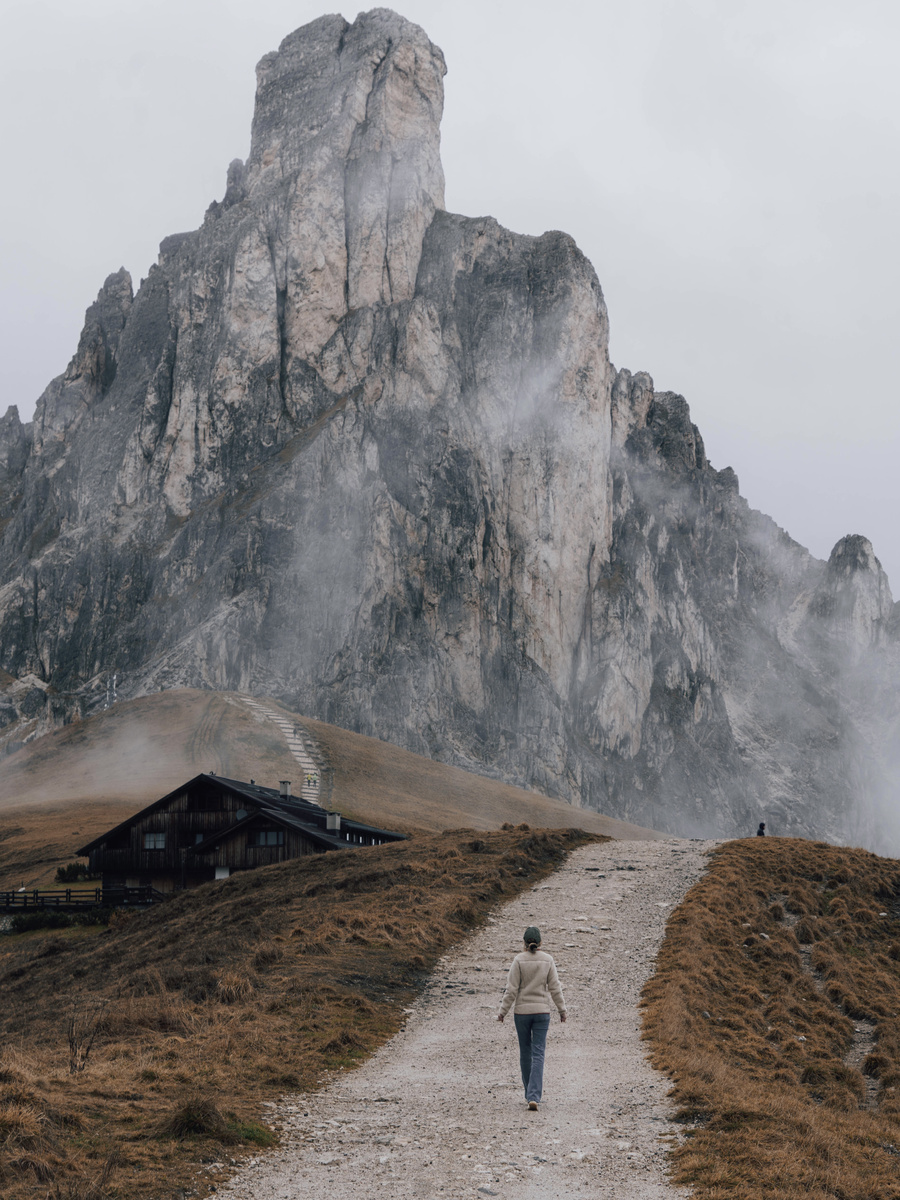
Drive up to Passo Giau, one of the most spectacular mountain passes in the Dolomites.
The road climbs into a huge open landscape dominated by the distinctive peak of Ra Gusela.
Even if you don’t hike, this is one of those places where you can simply park, walk for a little while and enjoy the scenery.
If conditions are clear, allow at least an hour to wander around.
Lunch at Il Vizietto di Cortina
Return towards Cortina for lunch at Il Vizietto di Cortina.
After lunch, continue towards the lakes north of town.
Lago di Landro
Stop at Lago di Landro, also known as Dürrensee.
It is a beautiful turquoise lake surrounded by mountains and an easy stop directly along the road.
You don’t need much time here—around 30–45 minutes is enough for a short walk and photos.
Continue towards the Misurina area or your hotel for the night.
Day 6: Tre Cime, Cadini di Misurina & Lago di Misurina
This is the biggest hiking day of the itinerary.
Start early and head towards Tre Cime di Lavaredo, one of the most famous mountain formations in the Dolomites.
Driving up to the car park at Rifugio Auronzo requires an online parking reservation linked to your vehicle registration. The road is seasonal and weather-dependent. The Dobbiaco shuttle also requires booking and has its own seasonal timetable; check the service for your exact autumn date.
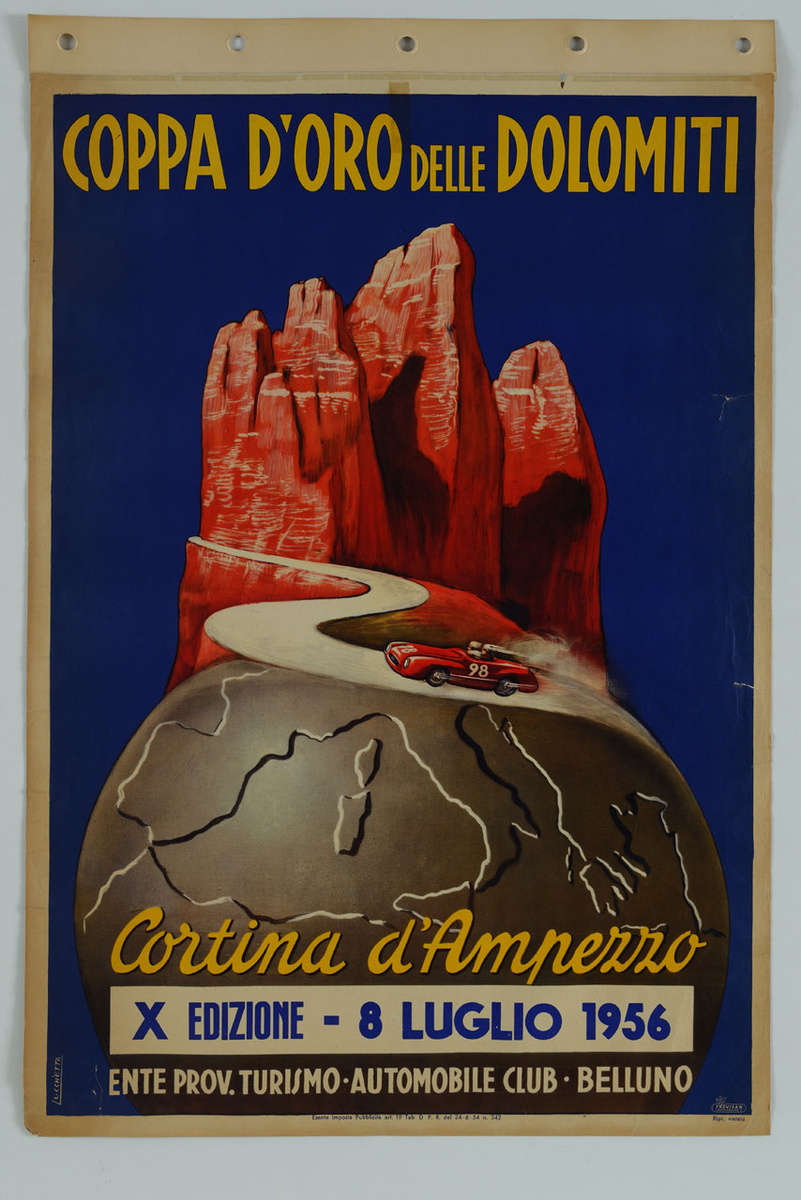
Tre Cime di Lavaredo
Tre Cime is dramatic from almost every angle, but the classic loop around the peaks gives you the full experience.
The classic loop is a proper mountain hike. Check the current route and access information, allow enough time and wear appropriate footwear.
Weather can change very quickly at altitude, especially in autumn.
Cadini di Misurina
If conditions are good, you are comfortable on exposed mountain trails and you have enough daylight, you can add the Cadini di Misurina viewpoint. Treat it as optional after the Tre Cime loop, especially in autumn.
The viewpoint offers a completely different landscape, with sharp peaks stretching into the distance.
It has become extremely popular in recent years, so be prepared for other hikers and always prioritize trail safety over getting the perfect photo.
If weather conditions are poor, skip it.
No viewpoint is worth taking unnecessary risks.
Lunch at Rifugio Auronzo
If Rifugio Auronzo is open, stop for lunch or something warm before heading down. Check its seasonal opening before you go and carry food for the hike.
Autumn mountain weather can feel surprisingly cold even on sunny days, so this is also a good chance to warm up.
Lago di Misurina
Finish the day at Lago di Misurina.
The lake sits surrounded by some of the most recognizable mountain groups in the eastern Dolomites, including Tre Cime, Cadini and Monte Cristallo.
Walk around the shoreline or simply stop for coffee with a view.
After a full hiking day, this is exactly the kind of easy final stop you’ll appreciate.
Day 7: Lago di Dobbiaco, Lago di Braies & Brunico
Your final day is all about lakes and a slower finish to the road trip.
Lago di Dobbiaco
Start at Lago di Dobbiaco, or Toblacher See.
It is quieter and less famous than Lago di Braies, which is exactly why I like it.
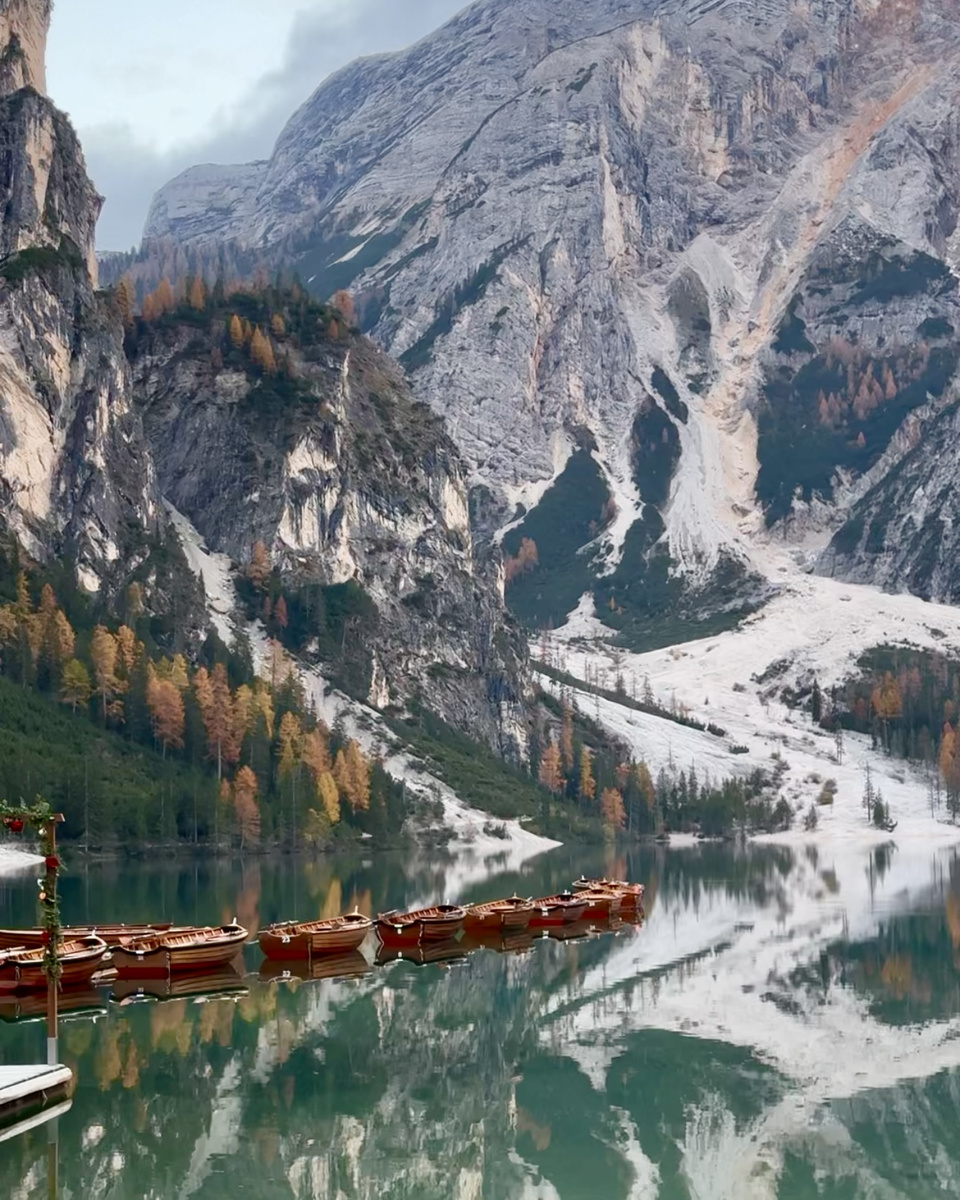
Walk around the lake, enjoy the reflections and spend a little time here before continuing towards Braies.
Lago di Braies
Next, head to Lago di Braies, probably the most famous lake in the Dolomites.
Yes, it is extremely popular.
And yes, I still think it is worth visiting.
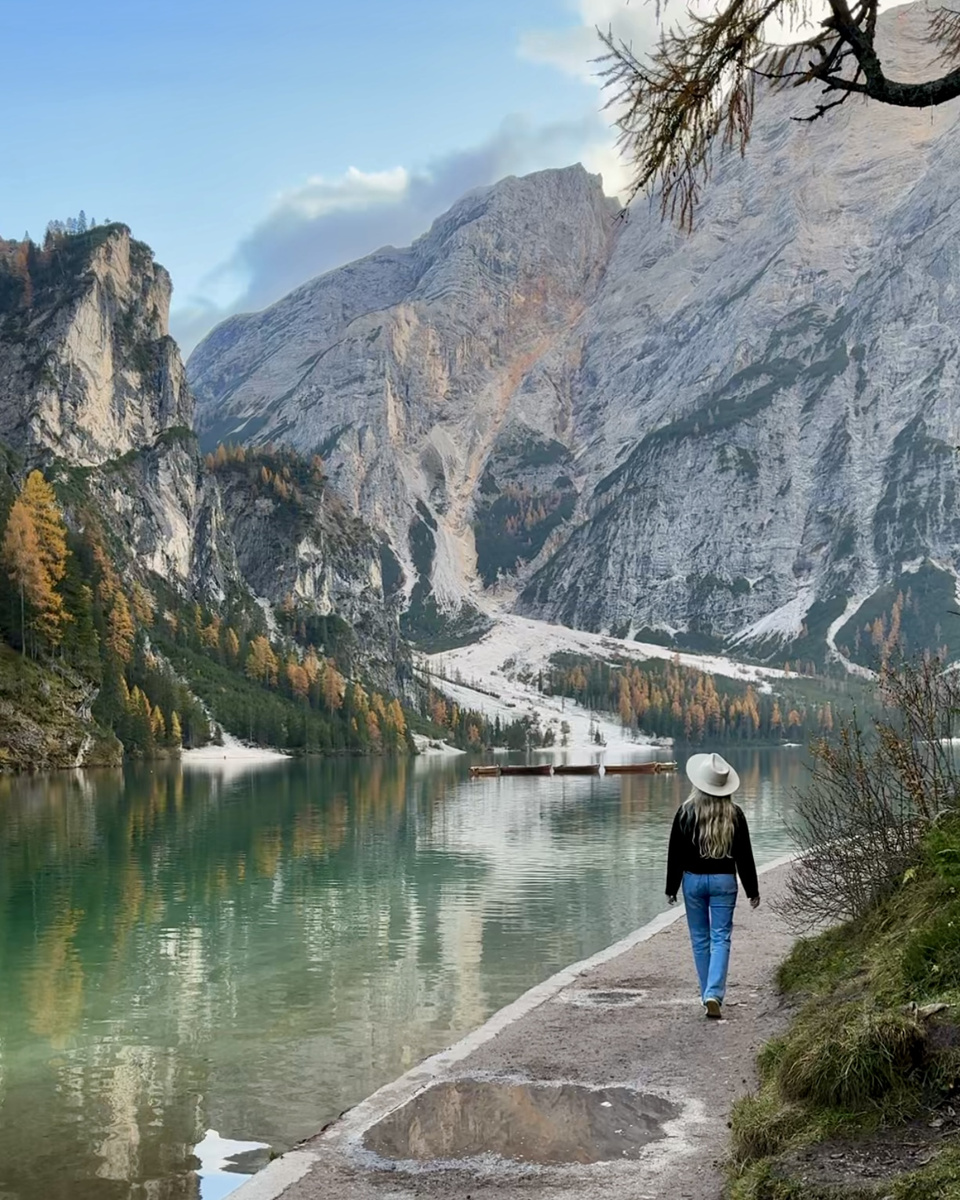
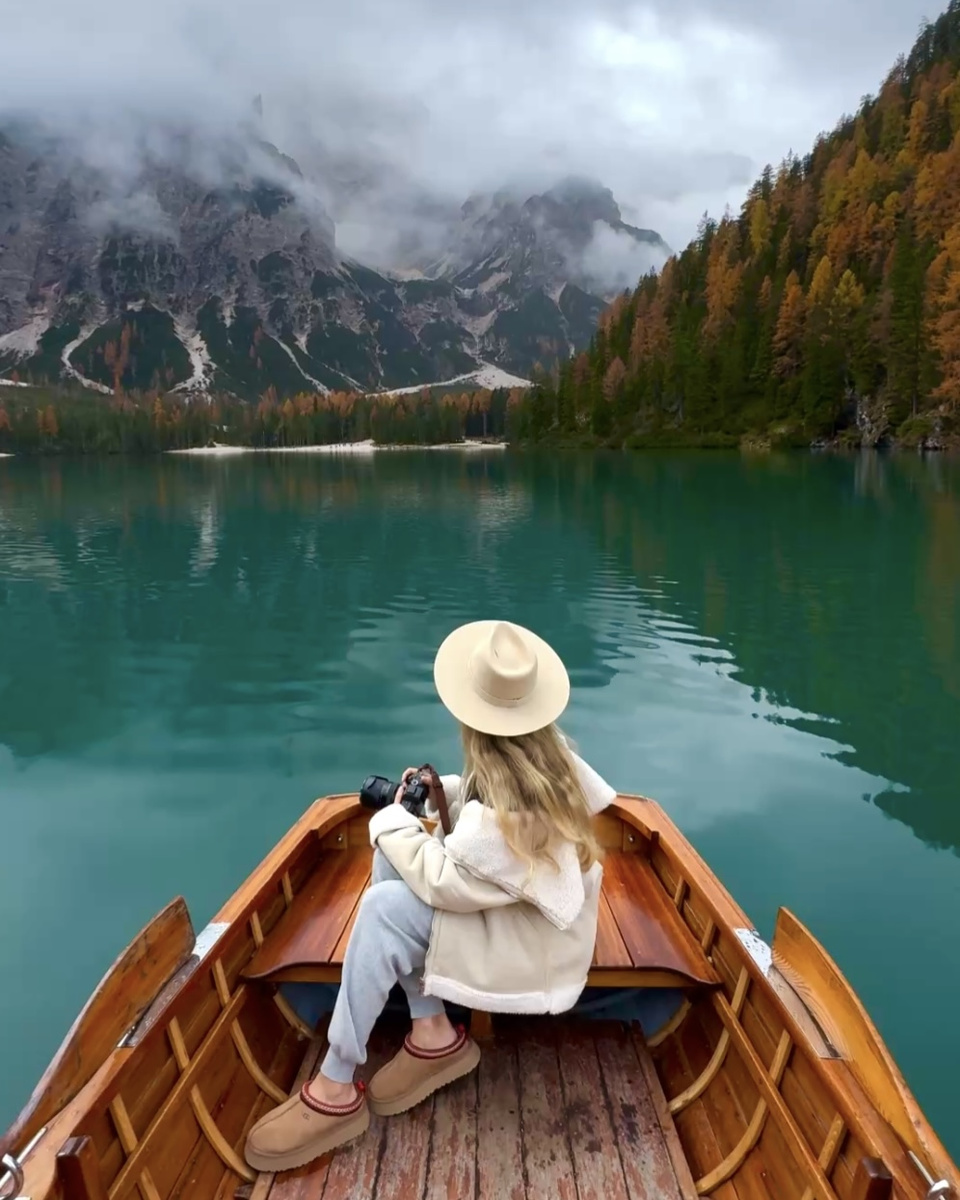
The turquoise water, wooden boathouse and mountains rising directly behind the lake make it one of the most recognizable landscapes in South Tyrol.
In autumn, golden trees around the lake make the scenery even more beautiful.
Come early if you want a quieter experience, and check the current Braies access arrangements before driving into the valley.
Walk the trail around the lake if you have time, or simply spend an hour exploring the area around the boathouse.
Brunico
Finish the road trip in Brunico, also known as Bruneck.
After a week of mountains and hikes, Brunico is a pleasant place to slow down before heading home.
Walk through the historic center, have lunch or coffee and enjoy one final afternoon in South Tyrol.
If you have an hour or two before leaving, Messner Mountain Museum Ripa in Brunico Castle offers a thoughtful finish. Its exhibitions look at the everyday lives and cultures of mountain peoples across several continents. This is a straightforward museum-entry ticket, so you can visit independently; check the closing time after the lakes and remember that Ripa closes on Tuesdays.
How Many Days Do You Need for a Dolomites Road Trip?
I would recommend at least 7 days for this itinerary.
You can technically compress it into five days, but you would need to combine several stops and move quickly.
Personally, I wouldn’t.
The Dolomites are much more enjoyable when you leave space for weather changes, slow lunches and days when you simply want to stay longer somewhere.
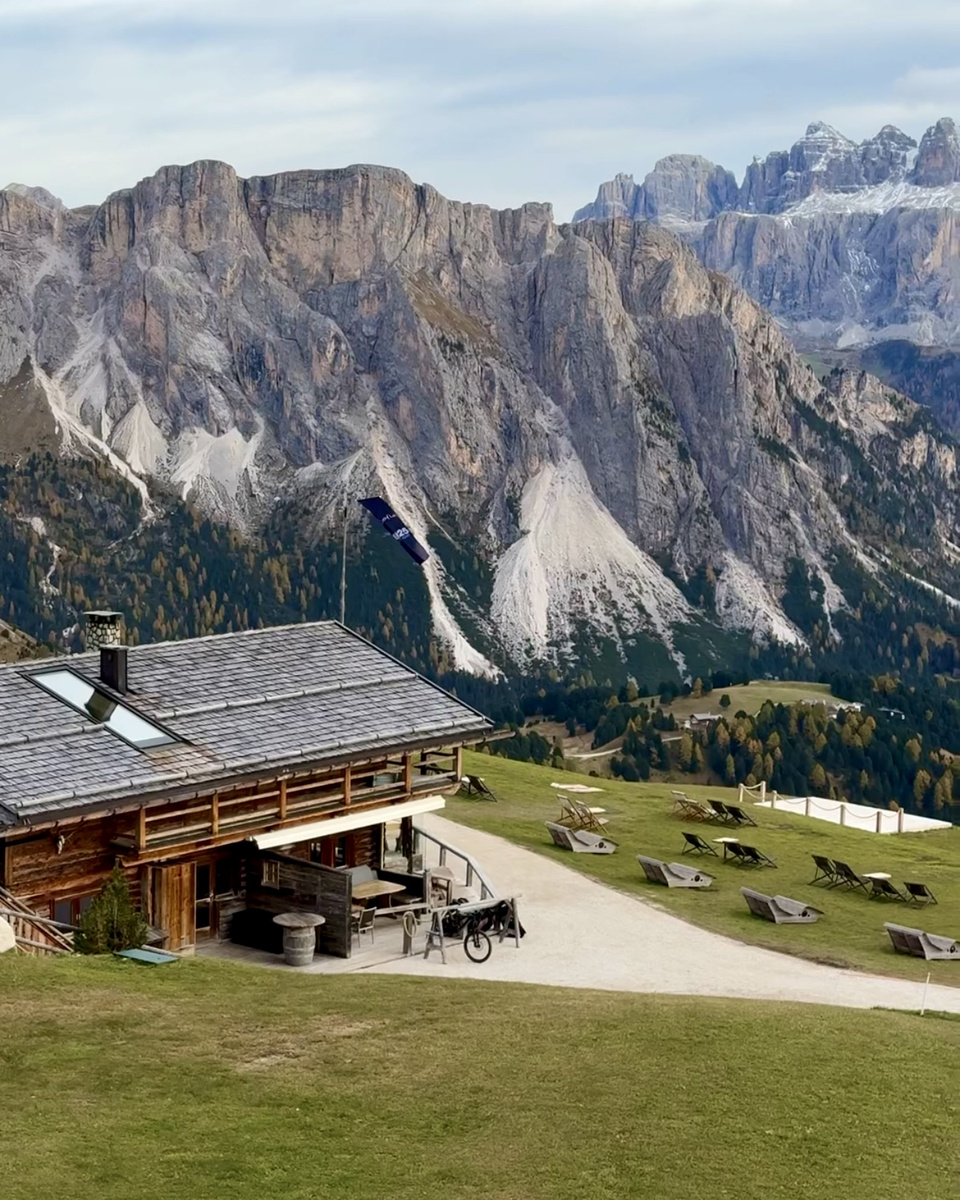
We spent around two weeks on this route and never felt bored.
If you have more time, use it to slow the itinerary down rather than adding twenty extra places.
An extra half-day around Bolzano would also let you visit Messner Mountain Museum Firmian at Sigmundskron Castle. Art, objects and mountaineering history explore our relationship with the mountains—a fitting introduction before the road takes you higher. Drive to the museum yourself; the booking is for admission, and parking is separate. Firmian closes on Thursdays.
Spend two nights in Val Gardena.
Stay longer around Cortina.
Repeat a favorite hike.
Stop when the weather is perfect instead of rushing to the next destination.
If you stay longer near Brunico, you could leave a morning free for a tandem paragliding flight at Kronplatz. You meet the pilot locally near Riscone, then head up to the launch area. The flight equipment is included, while the cable-car ride is paid separately. Keep the timing flexible: the pilot confirms it according to the weather.
Where to Stay During This Dolomites Road Trip
I would divide the trip between two or three bases rather than changing hotels every night.
| Where to stay | Convenient for |
|---|---|
| Ortisei / Val Gardena Western Dolomites | Alpe di Siusi, Seceda and Val di Funes. |
| Alta Badia / Corvara Central Dolomites | Gardena Pass and scenic drives through Alta Badia. |
| Cortina d’Ampezzo or Misurina Eastern Dolomites | Giau Pass, Tre Cime, Cadini and the eastern lakes. |
This keeps driving reasonable and means you don’t have to pack and unpack every morning.
Is Fall a Good Time to Visit the Dolomites?
Absolutely.
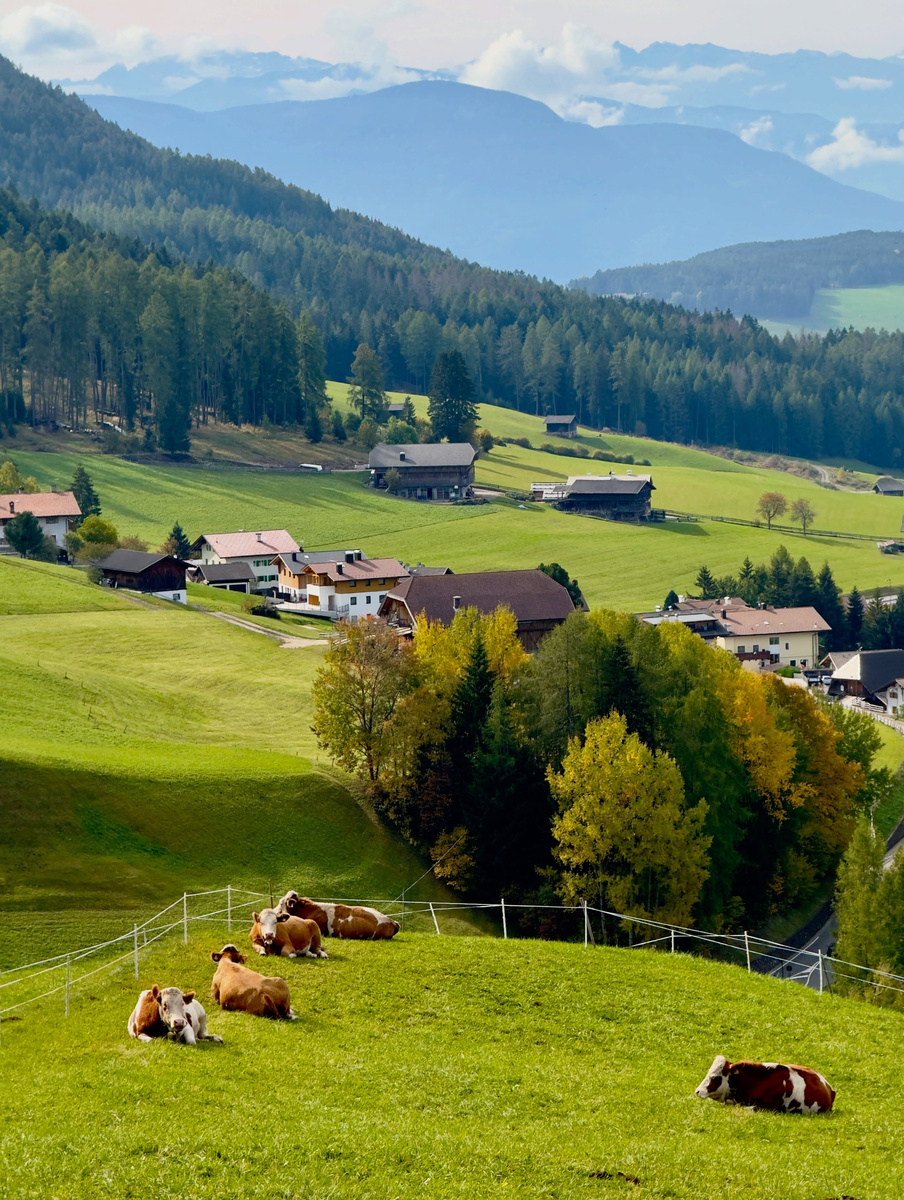
For me, autumn is one of the best times to visit.
The summer crowds begin to disappear, the mountain air becomes cooler and the larches gradually turn golden.
But autumn also requires more flexibility than summer.
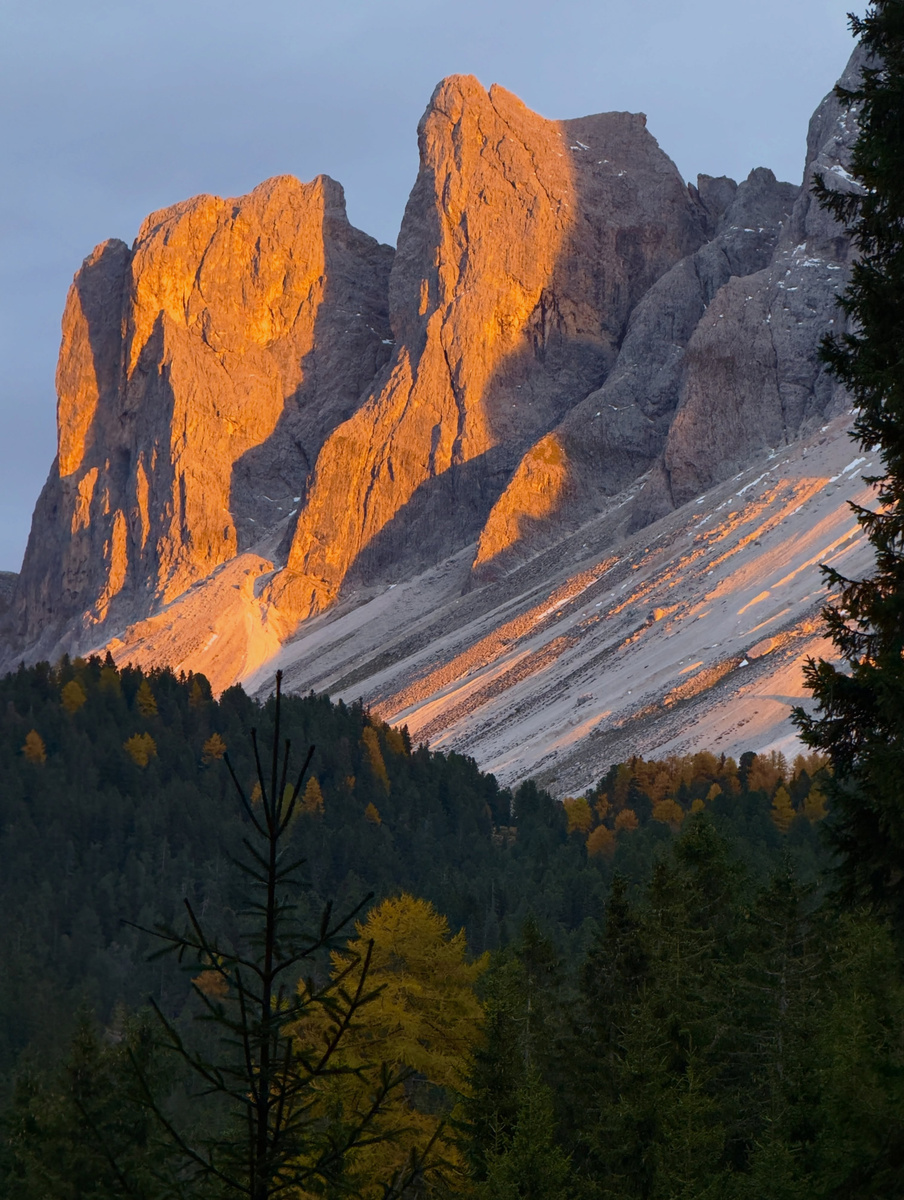
Cable cars and huts begin closing for the season at different times, and higher trails can receive snow surprisingly early.
Before each hiking day, check:
- current lift operating dates;
- hut opening dates;
- road conditions;
- mountain weather;
- trail conditions.
This is especially important in October.
When Is the Best Time for Fall Colors in the Dolomites?
If autumn foliage is one of the main reasons for your trip, October is usually the month to aim for.
Golden larches are one of the defining autumn landscapes of the Dolomites, particularly around Cortina and the eastern valleys.
The exact timing varies every year depending on temperatures and weather, so there is never one guaranteed “perfect week.”
Mid-October can be spectacular, but you should also be prepared for colder mornings, shorter days and the possibility of early snow at higher elevations.
Do You Need a Car in the Dolomites?
For this particular itinerary, yes—I strongly recommend one.
Public transport exists and works well in many areas, but a car gives you much more flexibility for mountain passes, lakes and sunrise or sunset stops.
It also makes it easier to change plans when the weather changes.
The roads are generally very good, but mountain passes involve steep climbs, narrow sections and many curves.
In autumn, always check conditions before driving high mountain roads, particularly after cold nights or snowfall.
What to Pack for the Dolomites in Fall
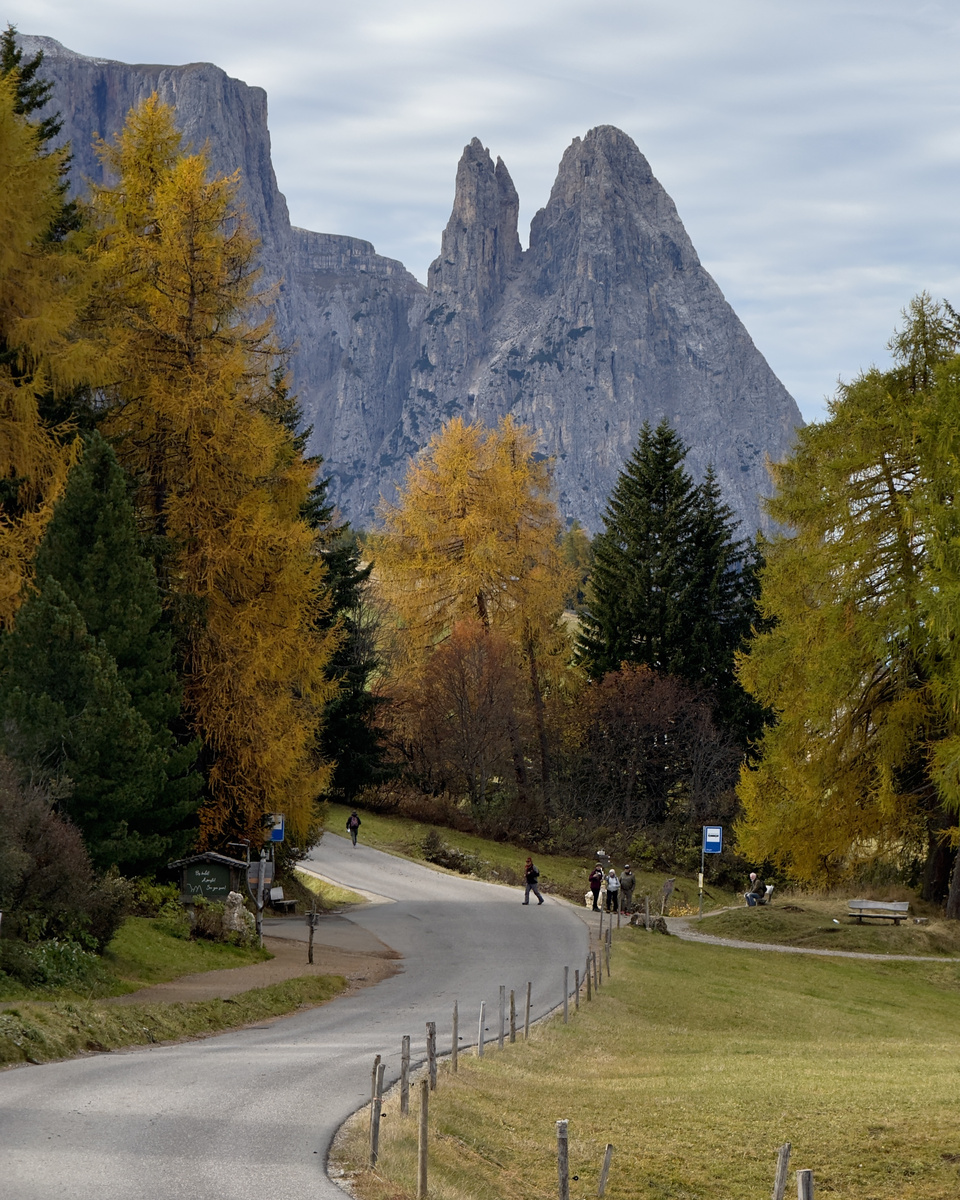
Autumn weather in the mountains can change dramatically during a single day.
A sunny afternoon in the valley can still mean near-freezing temperatures at higher elevations.
I would bring:
- waterproof hiking shoes;
- warm layers;
- light down jacket;
- waterproof shell;
- hat and warm mittens;
- sunglasses;
- sunscreen;
- small backpack;
- water bottle;
- trekking poles if you normally use them.
Dress in layers rather than relying on one heavy jacket.
For colder walks, I would add a flask for hot tea.
And always carry something warm when heading to Seceda, Tre Cime or another high-altitude location, even if the weather looks perfect when you leave your hotel.
Can You Do This Dolomites Itinerary in 5 Days?
Yes, but it will be much faster.
If I only had five days, I would do:
- Day 1: Alpe di Siusi + Ortisei
- Day 2: Seceda + Val di Funes
- Day 3: Alta Badia + Gardena Pass + Giau Pass
- Day 4: Tre Cime + Cadini + Misurina
- Day 5: Lago di Braies + Lago di Dobbiaco
I would skip Bolzano and Brunico as sightseeing stops and use them mainly as transit points.
But if you can give yourself seven days, do it.
The extra breathing room makes a huge difference.
Leave room to linger
A road trip through the Dolomites isn’t really about checking off as many famous viewpoints as possible.
Some of my favorite moments were much simpler: driving through the mountains with no rush, stopping for lunch in a hut, watching the light change over the peaks and seeing the first autumn colors appear across the valleys.
This route gives you the iconic places—Seceda, Tre Cime, Lago di Braies and Alpe di Siusi—but it also leaves space for slower days in Val di Funes, Alta Badia and the mountain passes in between.
If you love dramatic scenery but don’t want every day to feel like an endurance challenge, this is exactly the kind of Dolomites trip I would recommend.
Especially in autumn.
For more ideas beyond the mountains, browse my Italy stories.