
Travel context: I visited Atamisque in early December, before this story was first published on 3 October 2016. The personal experience and historical details below reflect that trip. Property identity checked on 16 August 2026: the estate continues to welcome guests as Lodges Atamisque at Finca Atamisque in San José, Tupungato, Mendoza. Current services may differ from those described here.
The idea of visiting Argentina came to me unexpectedly. Because the country can rightly boast magnificent vineyards and some of the world’s finest wines, our route began in Mendoza—Argentina’s most extraordinary wine region and one of its most beautiful provinces. Mendoza covers about 150,000 square kilometres and has a wonderfully varied landscape: the high Andes in the west, including Aconcagua, the highest summit in the Americas, and valleys stretching eastward. It is an ideal place for anyone who loves a peaceful atmosphere and appreciates wine.
 We were lucky with our flights: Avianca had a direct service to Mendoza from Bogotá. Most air routes went through Buenos Aires, which meant that travelling from one Argentine city to another often involved a considerable detour through the sky—many times longer than the direct distance overland.

After landing at the airport in Mendoza, the provincial capital, we took a taxi towards the Uco Valley, about 100 kilometres to the south-west at the foot of the picturesque Andes. It is an arid rural area with rocky, sandy soil and only around 200 millimetres of rain a year.
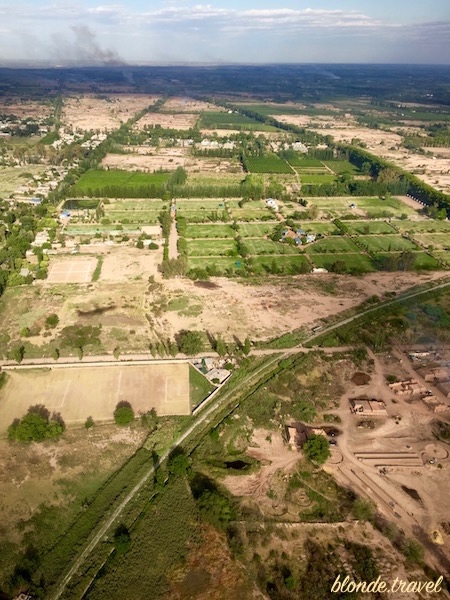
The city itself seemed grey and dusty, but as soon as we left it behind, the muted views gave way to even green fields.
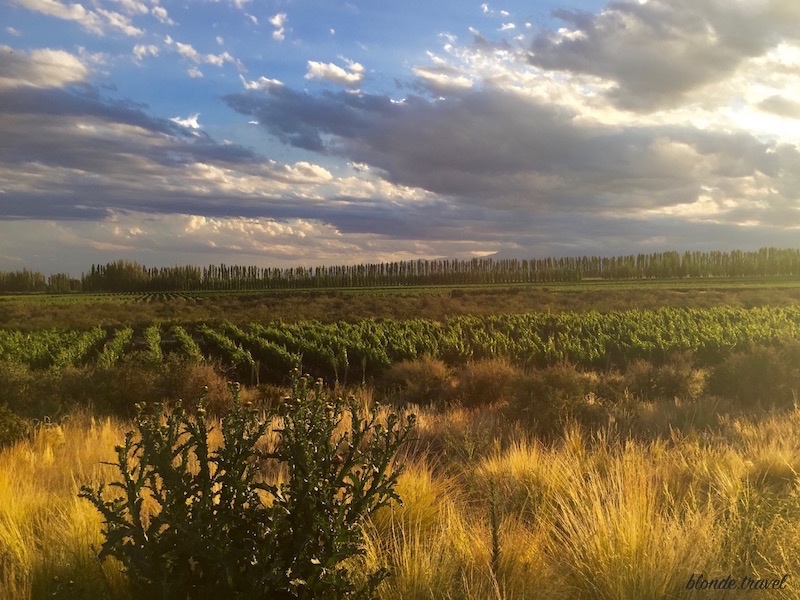
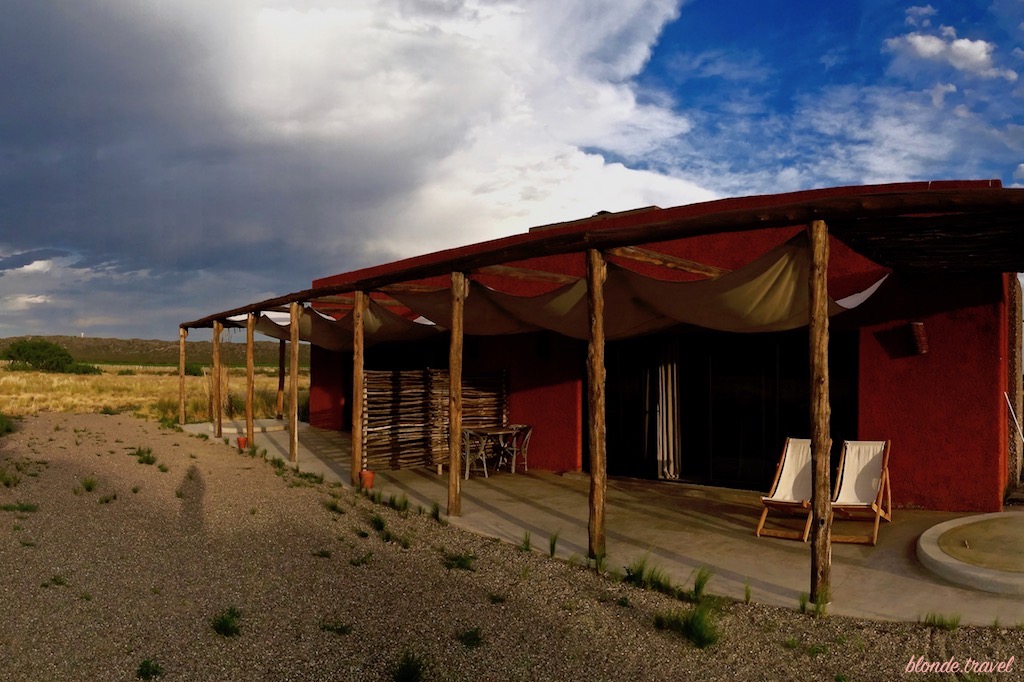
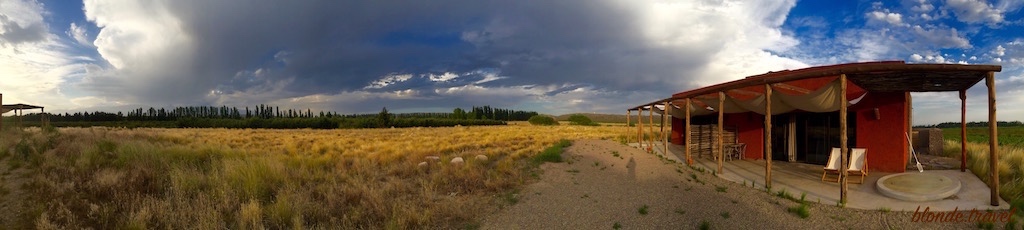
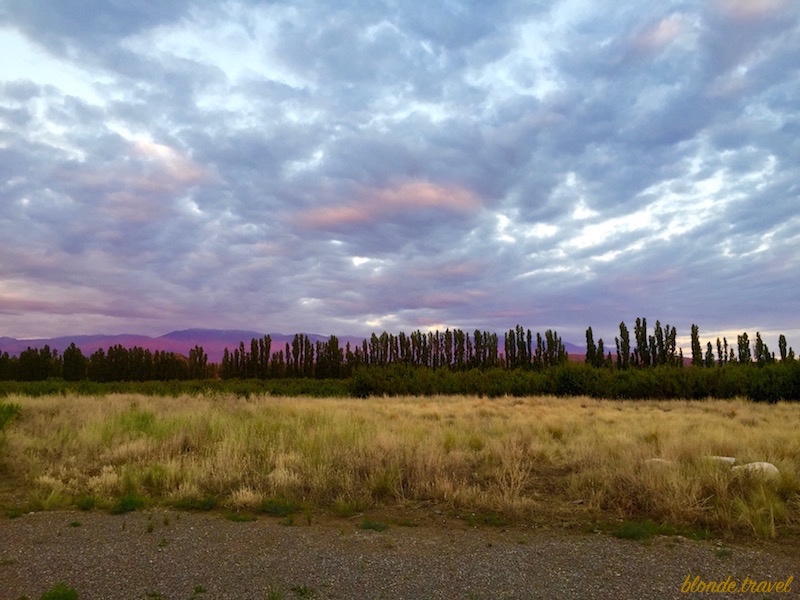
The drive took about an hour. All the way, I could not stop admiring the magical vineyards set against beautiful snow-capped mountains. At last, after passing a grove of poplars, the car stopped on a gravel road somewhere in the middle of those boundless green vines. A few authentic Atamisque lodges stood in the distance—alone, although in this setting they seemed more proud than lonely—against the absolute peace and stillness of nature. There was not another soul around. Only a member of staff, appearing in the doorway of one of the buildings, welcomed us, hurried to collect our luggage, and invited us to follow.
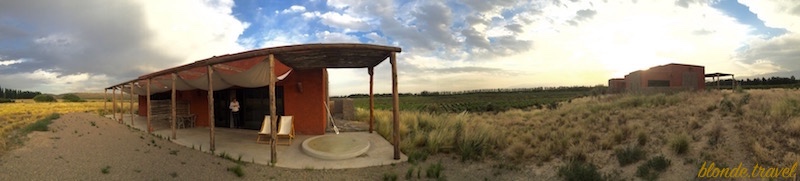
It was early December—spring in the Southern Hemisphere—but summer was already making itself felt. The air grew quite warm during the day, with temperatures reaching 30°C. Evenings brought coolness and fresh mountain air. The climate was delightful.

It seemed as though nature herself had worked carefully here to create every condition needed for high-quality grapes and world-class wine.
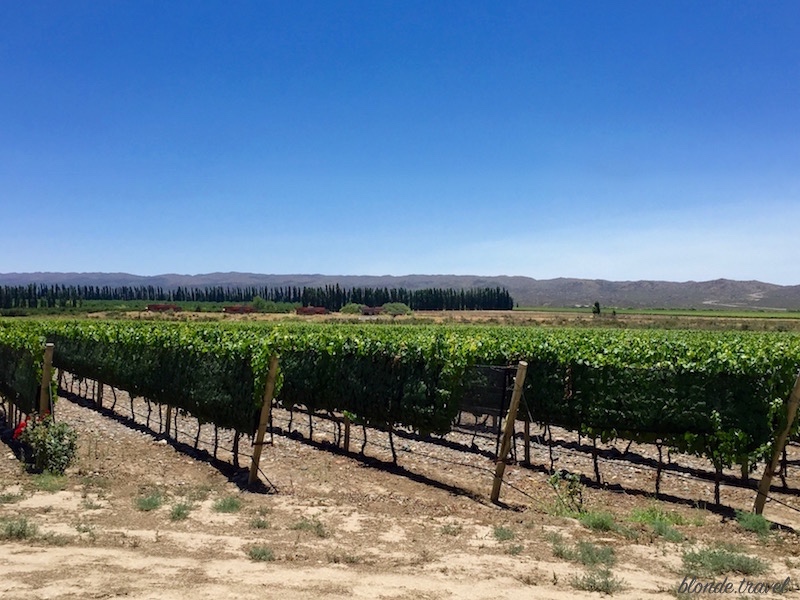
Mendoza’s hot, dry, almost desert-like days, cooler nights, more than 300 days of sunshine a year, and stony clay soils all play their part. So do the surrounding Andes: the mountains shape a distinctive microclimate and provide vital meltwater, channelled through a natural irrigation system of rivers and canals. Together, these conditions helped Mendoza become one of the Great Wine Capitals of the world. The vineyards also sit at elevations of roughly 900 to 1,700 metres, creating a unique relief that sets the region apart. Winemakers still debate how much altitude improves the quality of the grapes themselves, but in my view that is ultimately a matter of taste. I tell more stories about Mendoza’s winemaking and wines elsewhere; first, let me introduce this astonishing little paradise where I found myself.
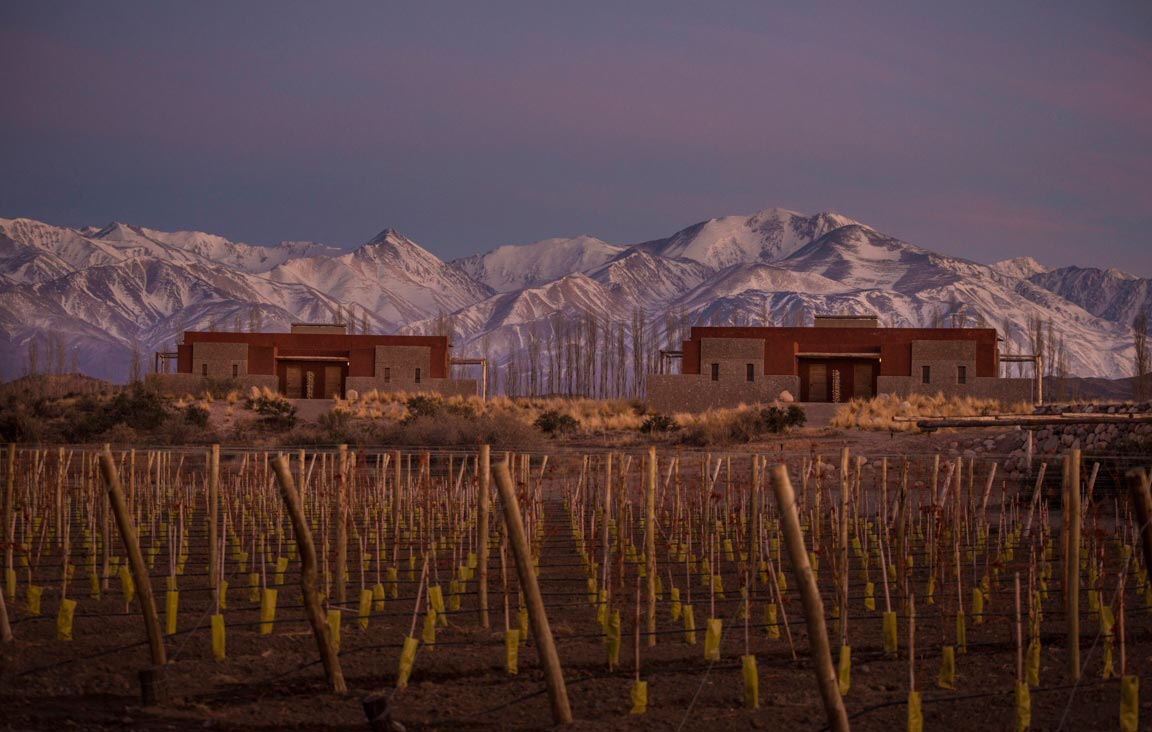
Atamisque is a vast estate. Beyond its vineyards and Bodega Atamisque winery, it encompasses seemingly endless land: wooded plains, lakes, poplar groves, fields of crops, fruit trees, a cherry orchard, and Atamisque Lodge, then made up of six characterful guest houses. A trout farm was also built on the clear mountain waterways. The estate’s greatest treasure was its 70 hectares of vineyards at an elevation of 1,300 metres. Alongside classic Malbec, the cooler climate was used to grow Chardonnay, Sauvignon Blanc, Pinot Noir, Merlot, and Cabernet Sauvignon.

This picturesque corner became the property of Frenchman John Du Monceau in 2006. After visiting once, he fell in love with the almost unreal beauty of the landscape and decided to settle in the Tupungato area with his wife. Construction of the Atamisque winery began in 2006, and the first harvest followed in 2007.
And what hospitality! We were welcomed like cherished guests. At the time, we were the only people staying there, so throughout our visit we enjoyed an abundance of attention and care.


Each house at Atamisque Lodge had its own distinctive style and sat in complete harmony with the landscape.

To say that I loved the interior would be an understatement.
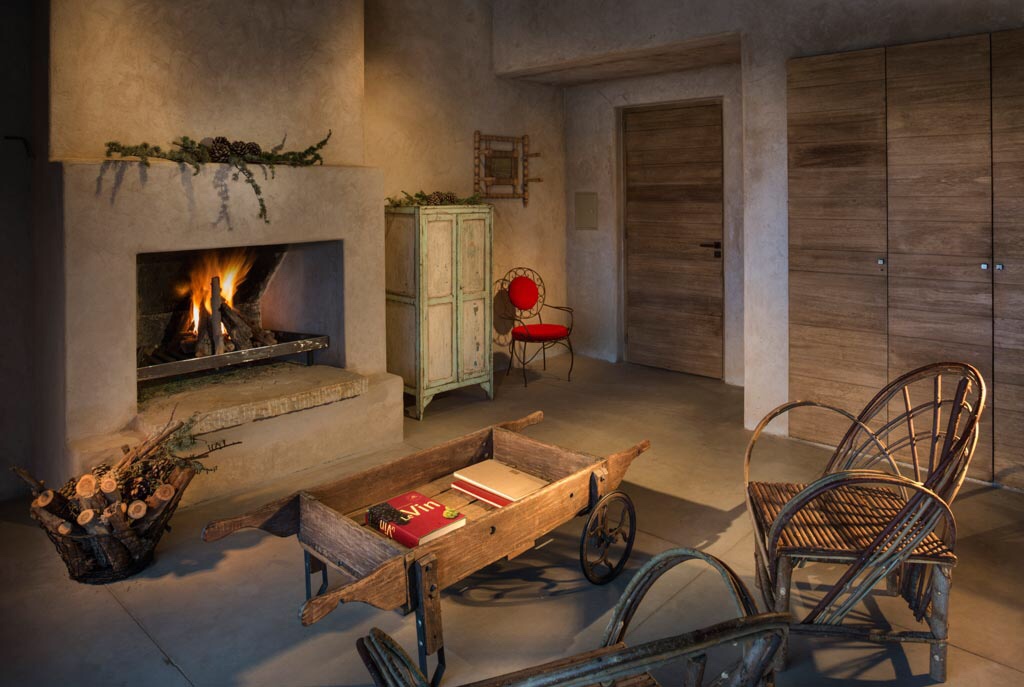
It was minimal, yet every single detail delighted me: simple rustic furniture; a genuine country cart repurposed as a table; an old copper kettle; a plain rectangular wooden cupboard on legs, decorated with a pine branch and two large cones; wrought-metal accents; a fireplace and chimney with a neat bundle of firewood beside it; and, outside on the terrace, a hot tub facing the mountain range.
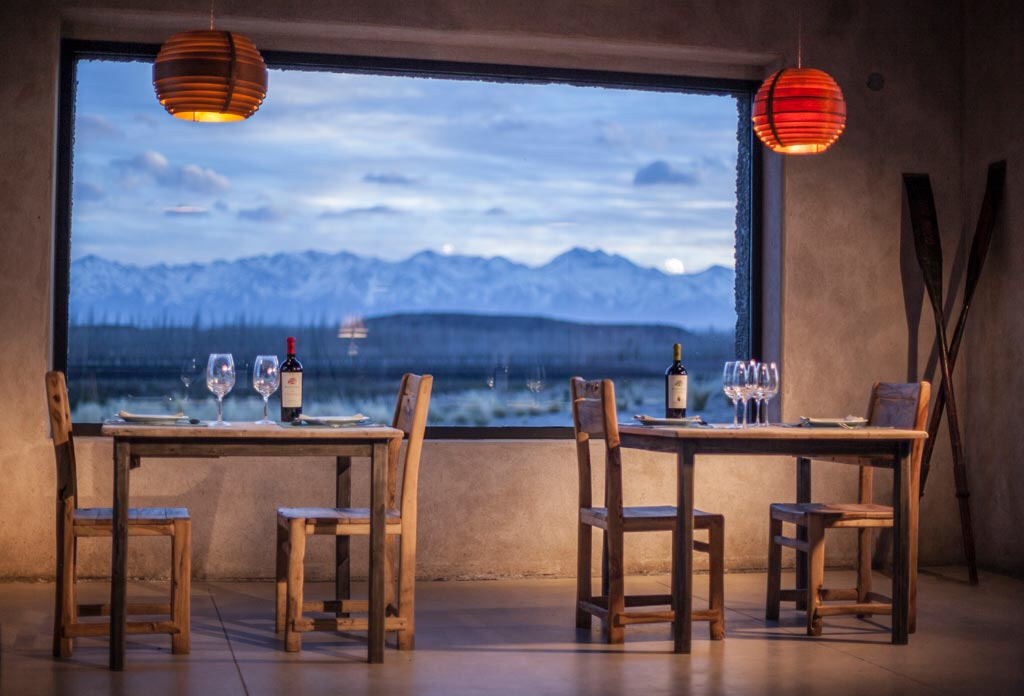
Wall-to-wall glass doors looking towards the Andes resembled an enormous painting. Everything felt warm and harmonious.

When I stepped onto the terrace and saw two reclining chairs made for doing absolutely nothing, I settled into one and slowly began to take in the unreal sense of peace and beauty that had suddenly appeared around me, as if the scene had slipped out of a picture. Time seemed to stop here…

Atamisque seemed created for the pleasures of country life in Mendoza: sunshine, warm days and cool evenings, peace and quiet, vines and fruit trees all around, the magnificent Andes on the horizon, and a night sky covered in stars. Each of those things is a story in itself—a part of life at Atamisque and a source of unforgettable emotion. Together, the details made a stay here incomparable.
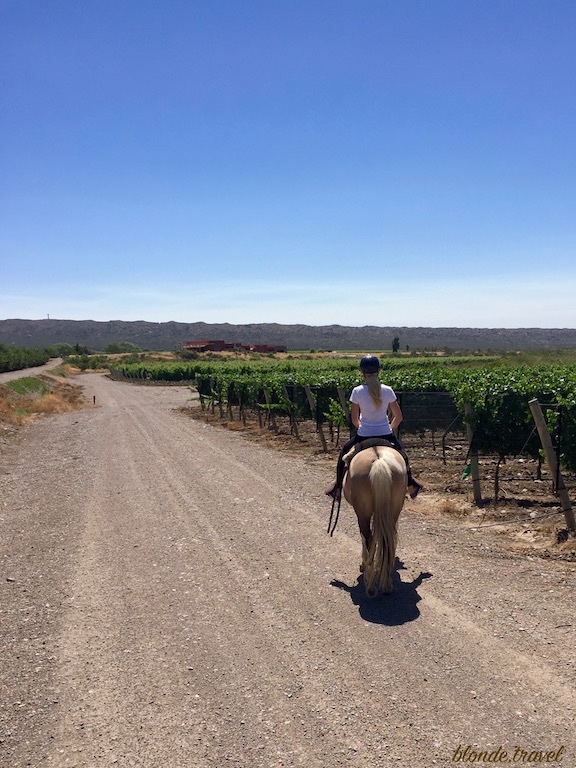
Naturally, we could not refuse the offer of exploring the estate on horseback.

The following morning was sunny and fresh, and we had a ride planned before lunch. Once we had mounted the horses and passed beyond the vineyards, we followed a narrow forest path, admiring the incredible beauty around us.

We were shown one of the estate’s prides: the trout farm, where the fish’s entire life cycle was managed, from pools of tiny fry to a large pond for the mature trout. The final stop in that fascinating chain, incidentally, was our lunch table, where the fish arrived in a divinely prepared dish. I confess that my Spanish was poor then and, without realising how closely the name resembled the English word, I was rather dismissive of a fish called trucha—even though it was the star of the menu. House-smoked trout, grilled trout, trout cooked in its own juices, and the chef’s trout were only a few of the variations. On the handful of days when we stayed at the estate for lunch or returned before dinner, Atamisque’s cooking won us over from the first course. No wonder: everything came from the garden, fresh and fragrant, and the chef worked wonders. The wine came from the estate’s own cellar and winery, made from grapes grown right there.
Later that day, riding back with the beautiful lake behind us and still speechless at the unimaginable beauty and calm, I looked more closely at the trees standing in even rows to the right of the path. Cherries! A whole cherry orchard! The branches were covered in enormous red fruit peeking through the leaves. Soon we drew level with farmers gathering the harvest into wooden crates, some already filled to the brim and stacked high. While I was trying to resist the urge to pick one or two cherries, my horse seemed to read my thoughts and leaned towards a branch, bringing me closer. Then one of the farmers appeared with a huge handful for us. Such are the trials of a country holiday 🙂
We devoted one day to the sacred pursuit of this region: exploring Mendoza’s vineyards and wineries. We visited the legendary Catena Zapata and the magnificent Achaval Ferrer. Those stories are available in the Russian-language archive.
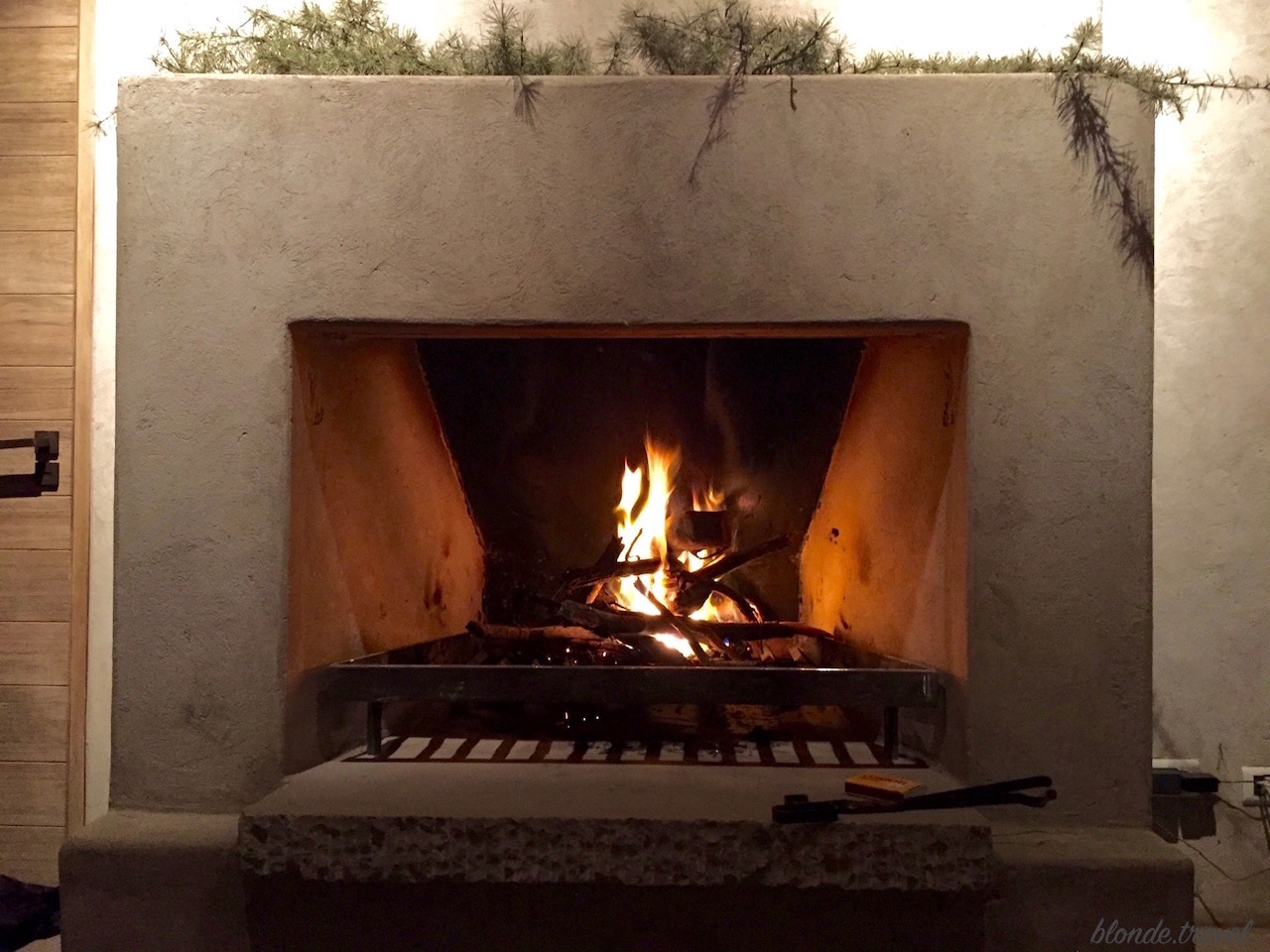
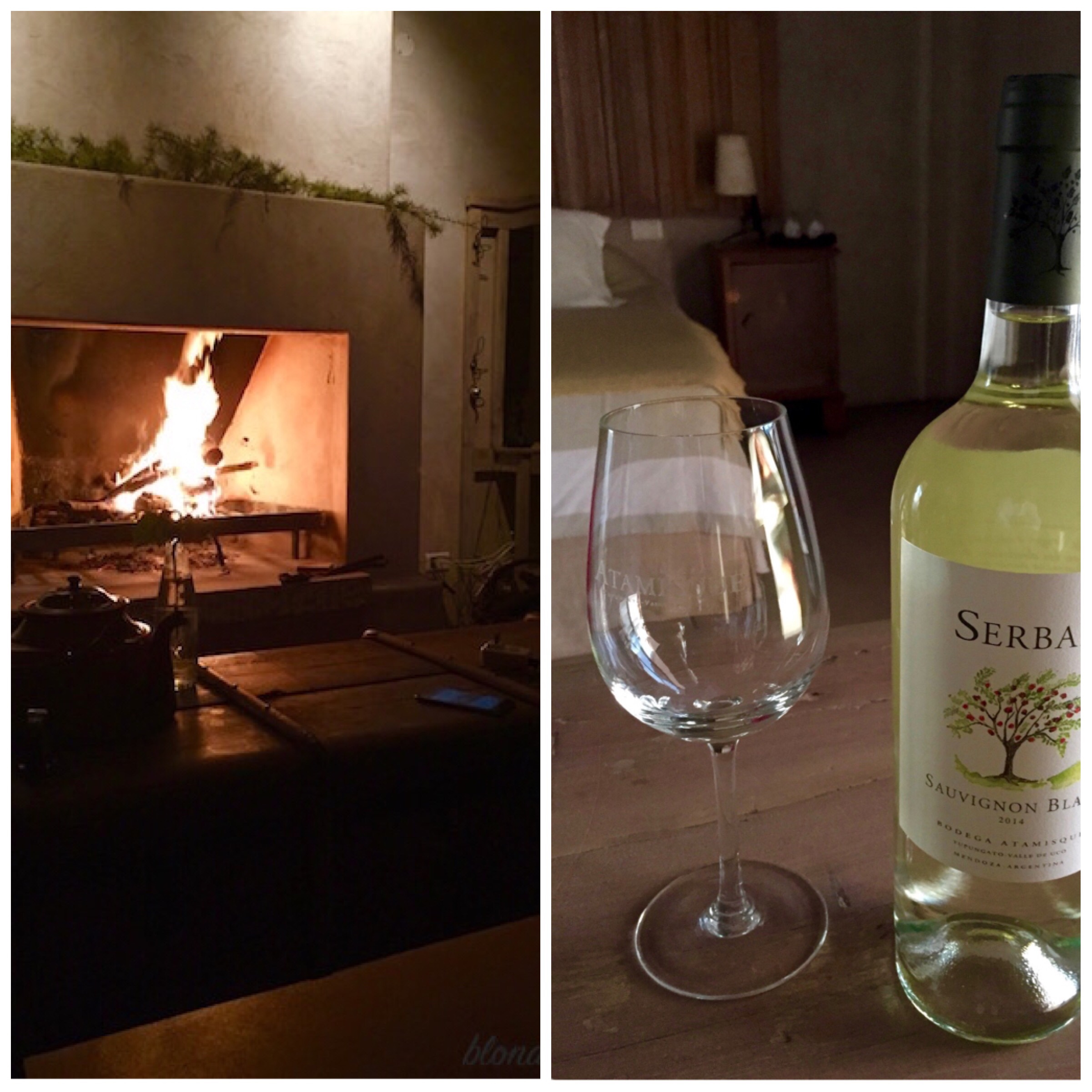
We spent our evenings by the fireplace, listening to the wood crackle, tasting masterpieces of winemaking, and watching the flames dance.
In the mornings, I rose at the earliest hour because I could not miss the most beautiful sunrise of my life. Rays from a sun that was still invisible first painted the sky in unreal shades of pink, then crept towards the snowy peaks of the Andes and coloured them too. Finally the sun appeared over the horizon, and the shifting tones of sky and mountain, the narrow band of slender trees in the distance, and the vineyards below became impossible to put into words. I know I will never forget the beauty of this place.

When I think of Atamisque, I return to that early hour: the sun still below the horizon, the Andes turning pink, and the vineyards beneath them. Country hospitality and landscape had become the same experience. I still want to return.
