
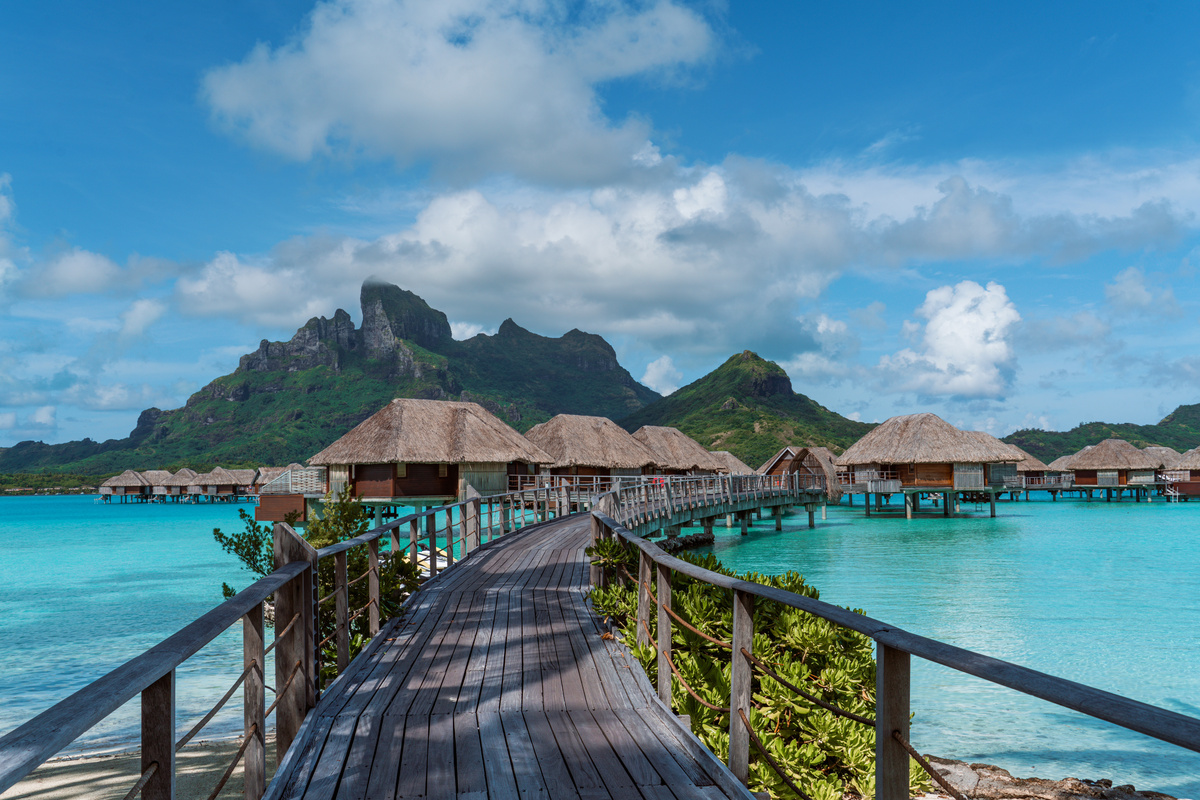
For years, Bora Bora lived on my computer screen. Then the wallpaper came alive.
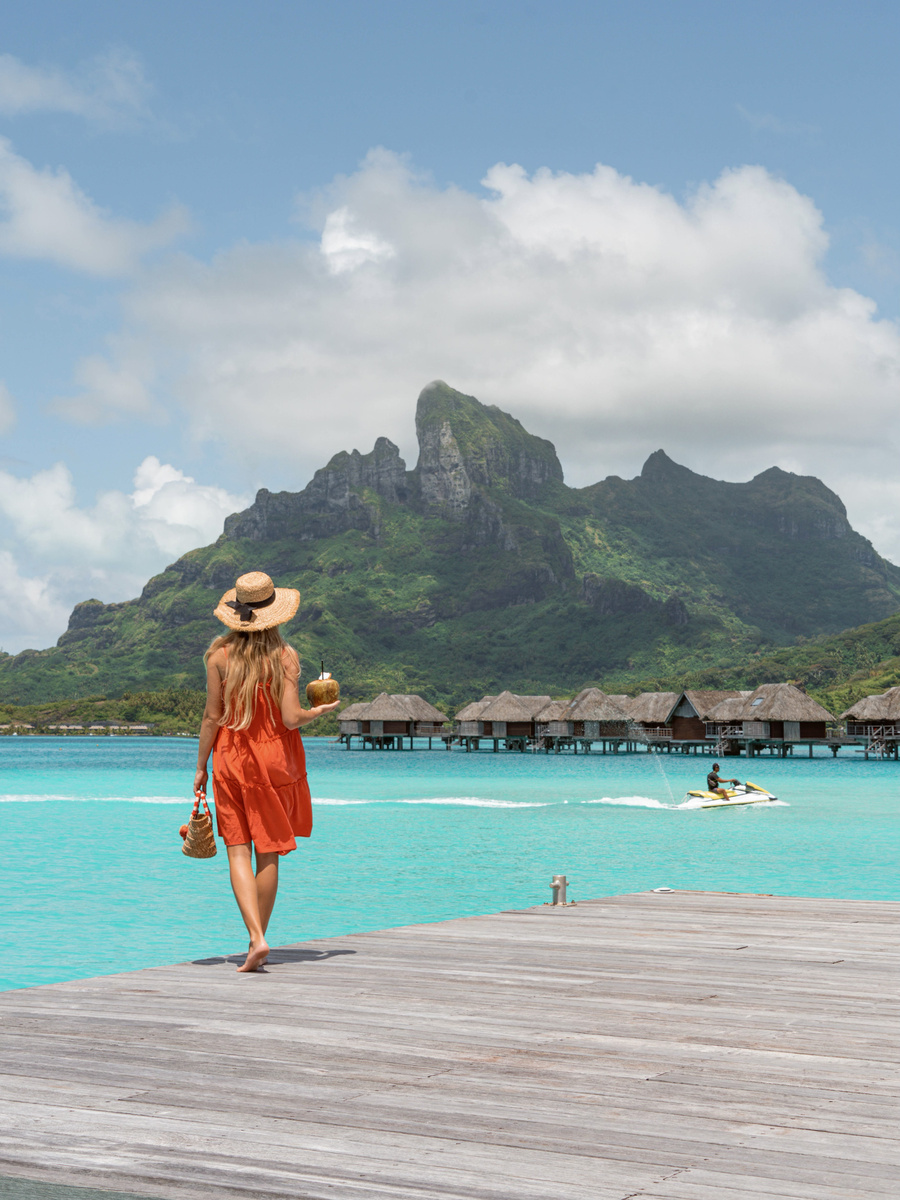
Mount Otemanu stood beyond water in shades of blue I had assumed belonged to editing software. I had wanted to see this island for so long that reality ought to have struggled against the picture in my head. It did not. Bora Bora was more beautiful than the photographs, and the Four Seasons gave me the rare pleasure of living inside the view rather than merely looking at it.
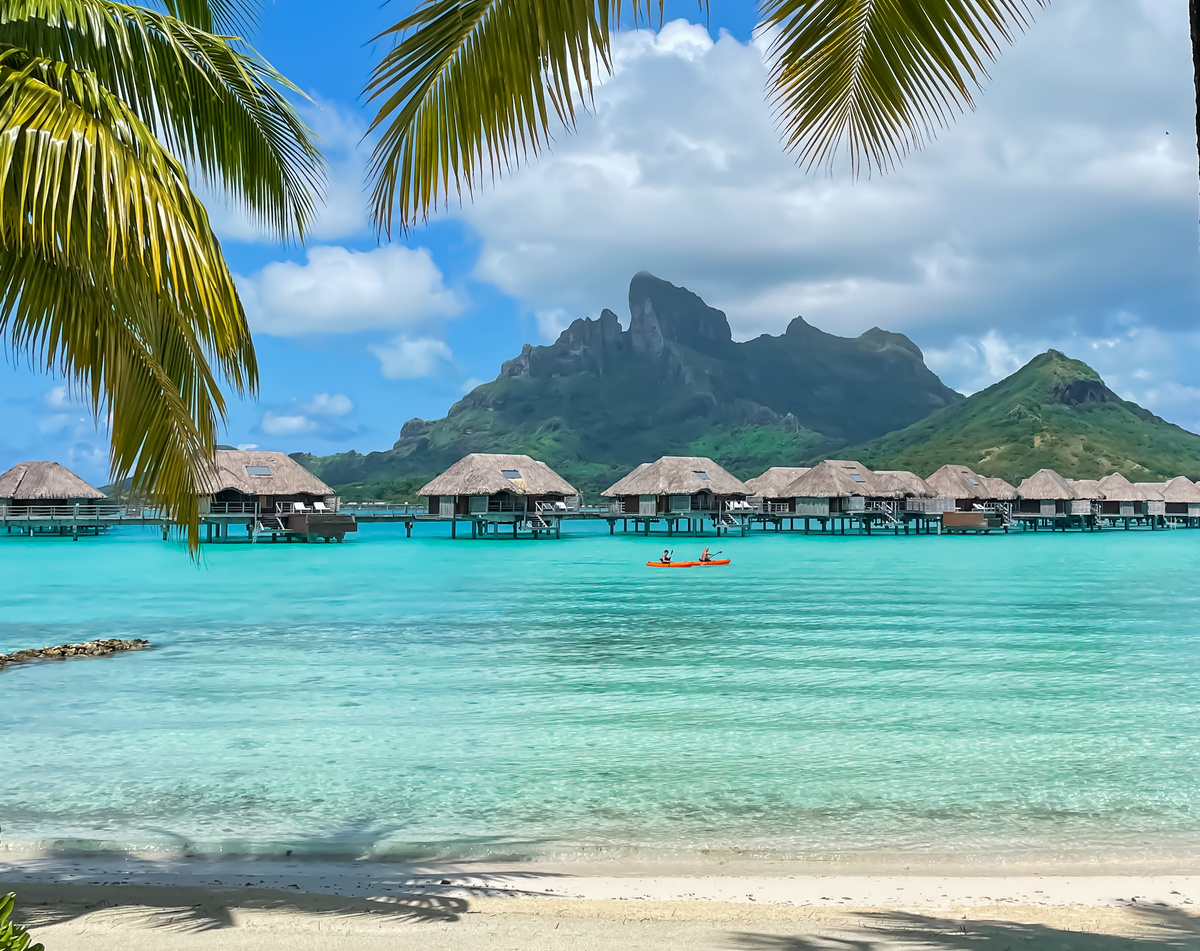
French Polynesia has held me ever since. I love its early mornings, the sound of water beneath a bungalow, the coconut that finds its way into almost every meal. Bora Bora is one of my favourite places on Earth. The terrace at Four Seasons, facing Otemanu, remains my idea of a very good place to spend a morning.
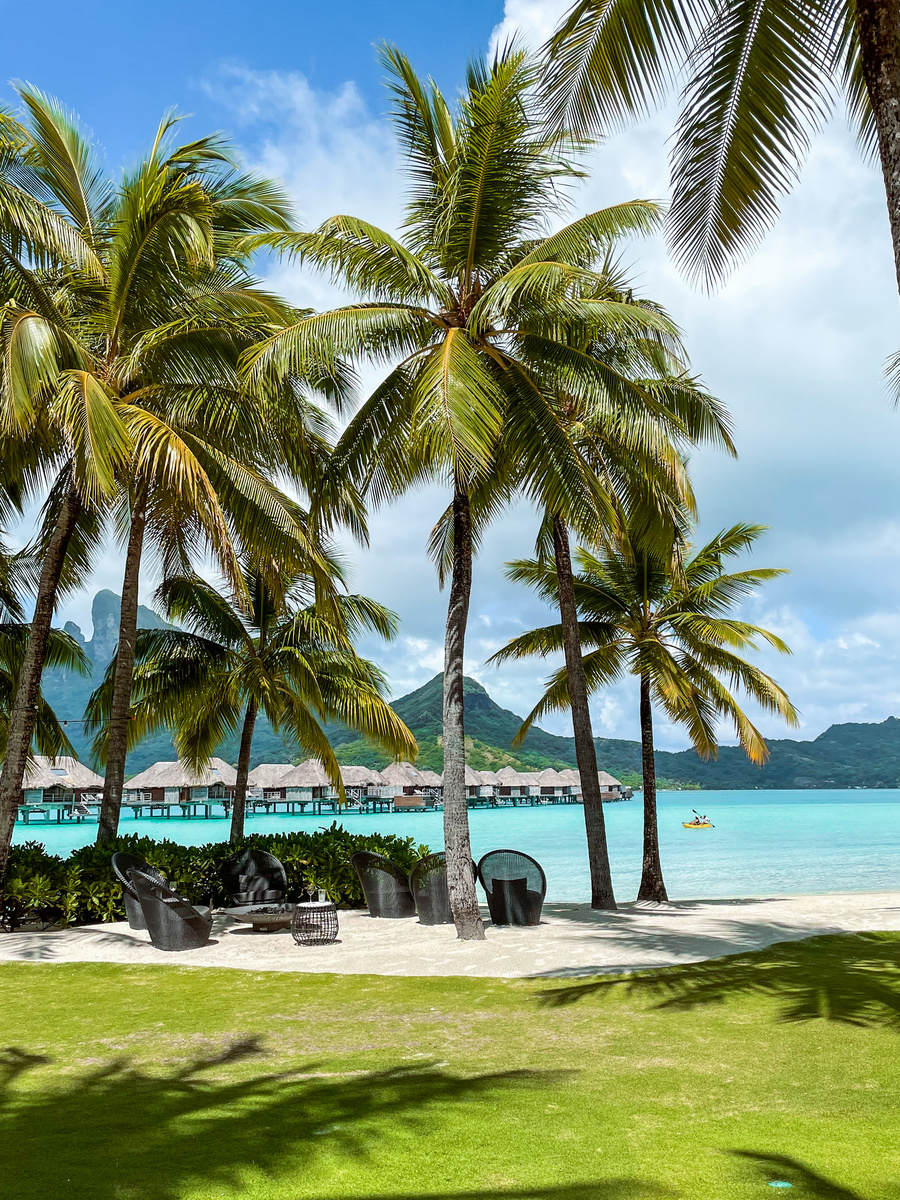
An overwater bungalow facing Otemanu
Our overwater bungalow faced Otemanu. The mountain was there from the bath, from the bed and from the terrace, changing character as the light moved across it. The bungalow itself did not need to compete. Timber, woven textures and a high roof gave it warmth, while the lagoon supplied all the theatre.
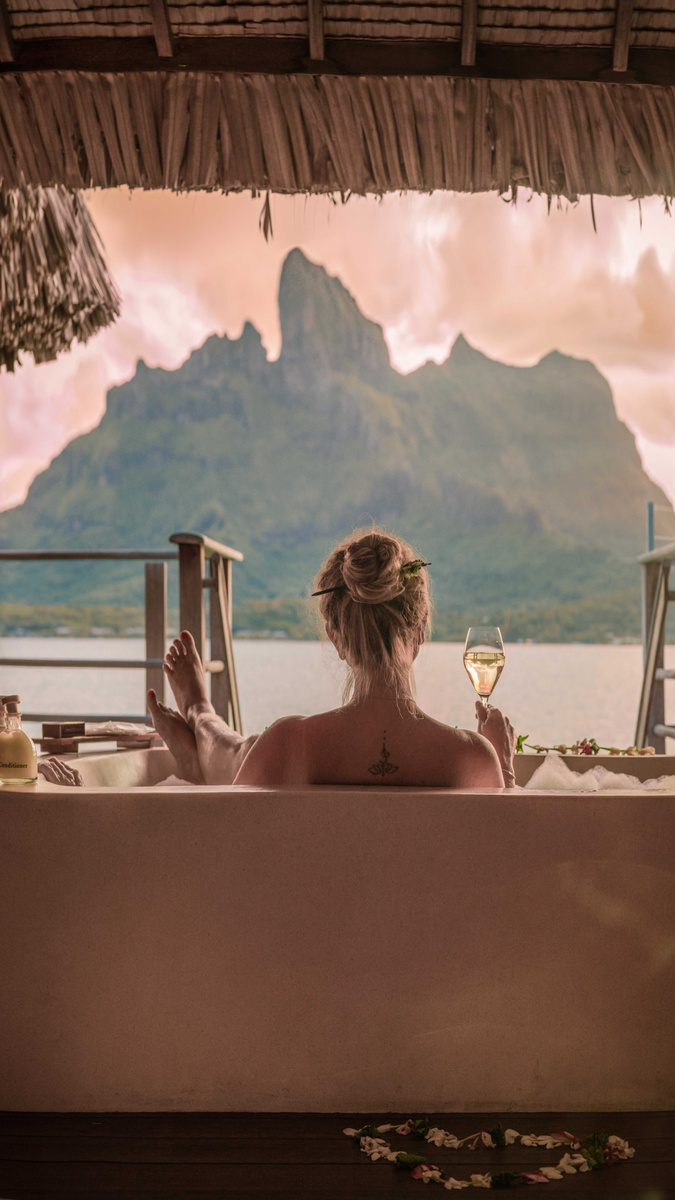
The pleasure of an overwater bungalow lasts well beyond the first swim from the deck. What stayed with me was falling asleep and waking to the sound of water, then taking the morning outside before doing anything else.
That view is a booking decision. The one-bedroom overwater suites start at 100 m², with separate living and sleeping spaces, a large bathroom and a private terrace. Beach-view, lagoon-view and mountain-view categories share the same essential idea, but put a different Bora Bora beyond the doors. I would put Otemanu ahead of a plunge pool on my wish list. The larger Otemanu suite combines both, while the two-bedroom overwater suites and beachfront villa estates give families more room.
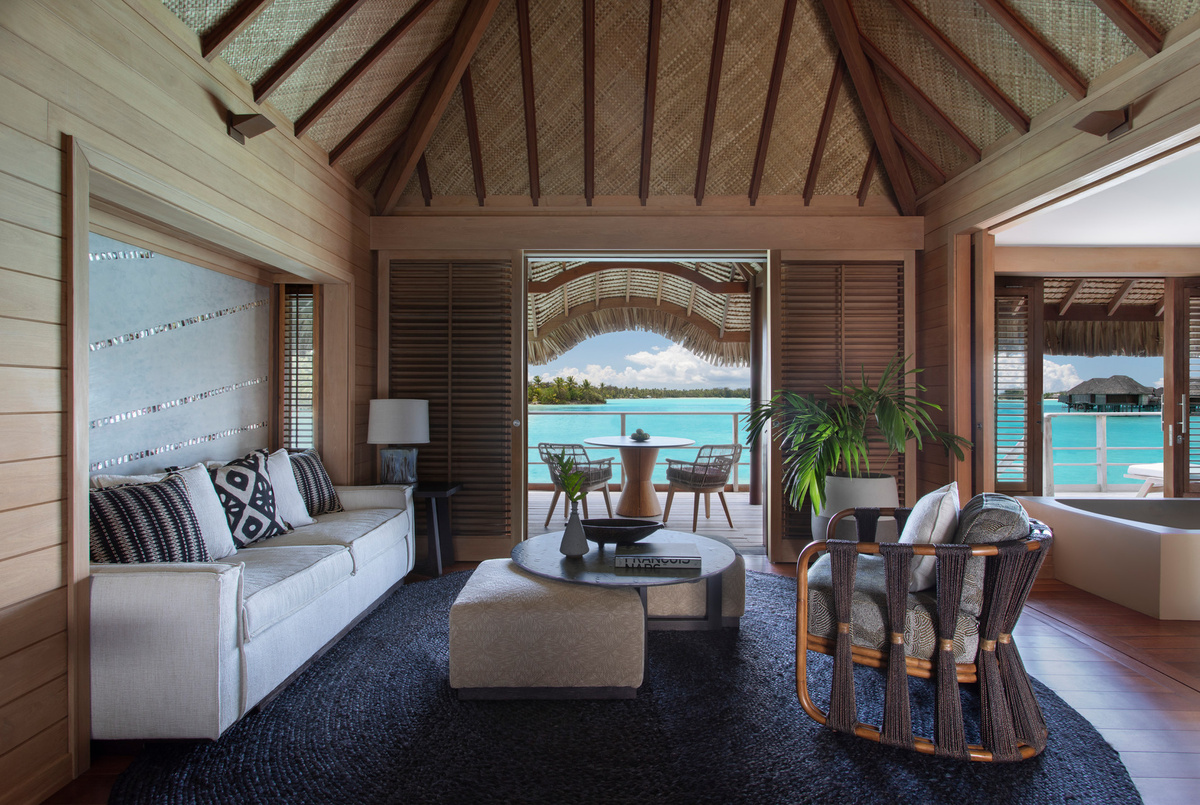
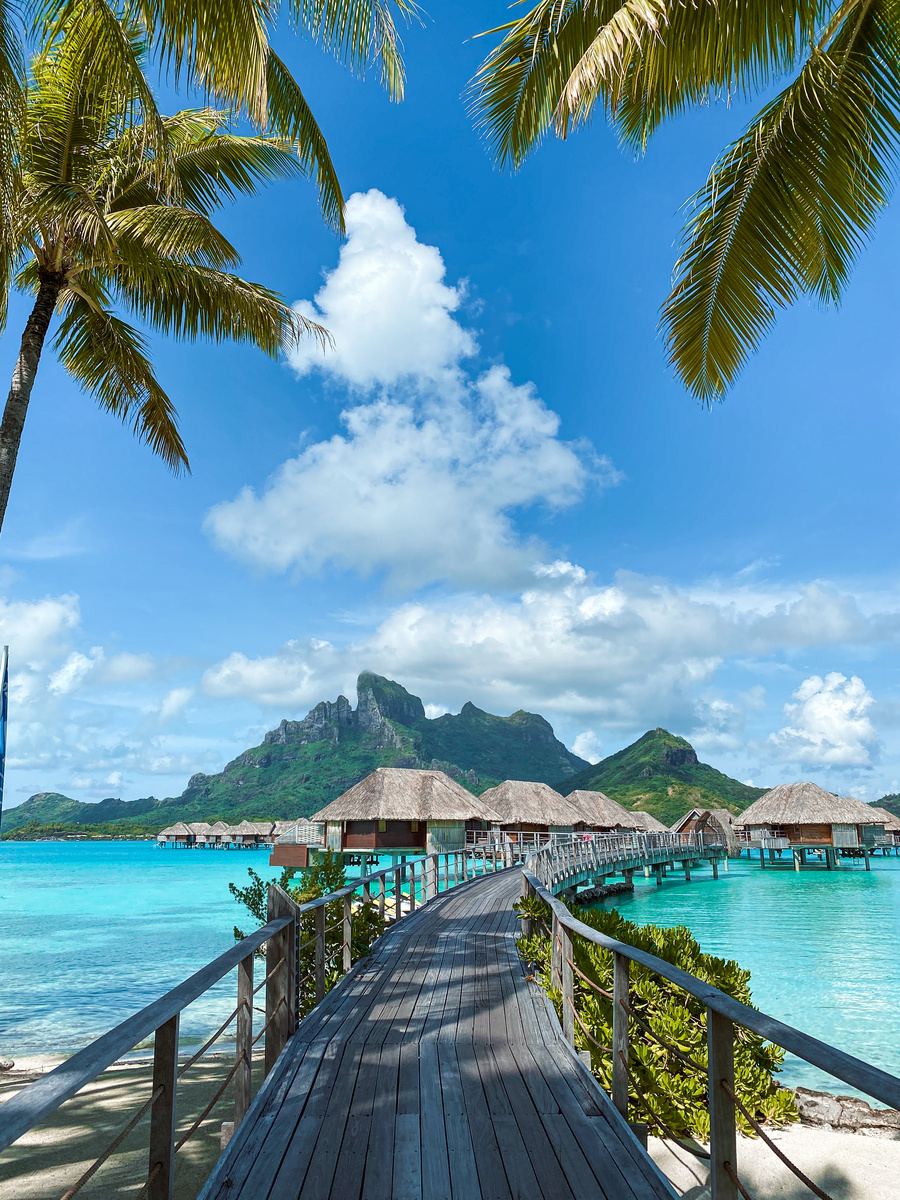
Position along the pontoon matters too. A bungalow farther out means a longer walk to breakfast; one nearer the shore makes returning for a forgotten book less of an expedition. Buggies connect the resort. Decks face shared lagoon water, so an overwater address alone does not guarantee complete seclusion. Ask about the precise outlook and neighbouring decks as well as the room category.
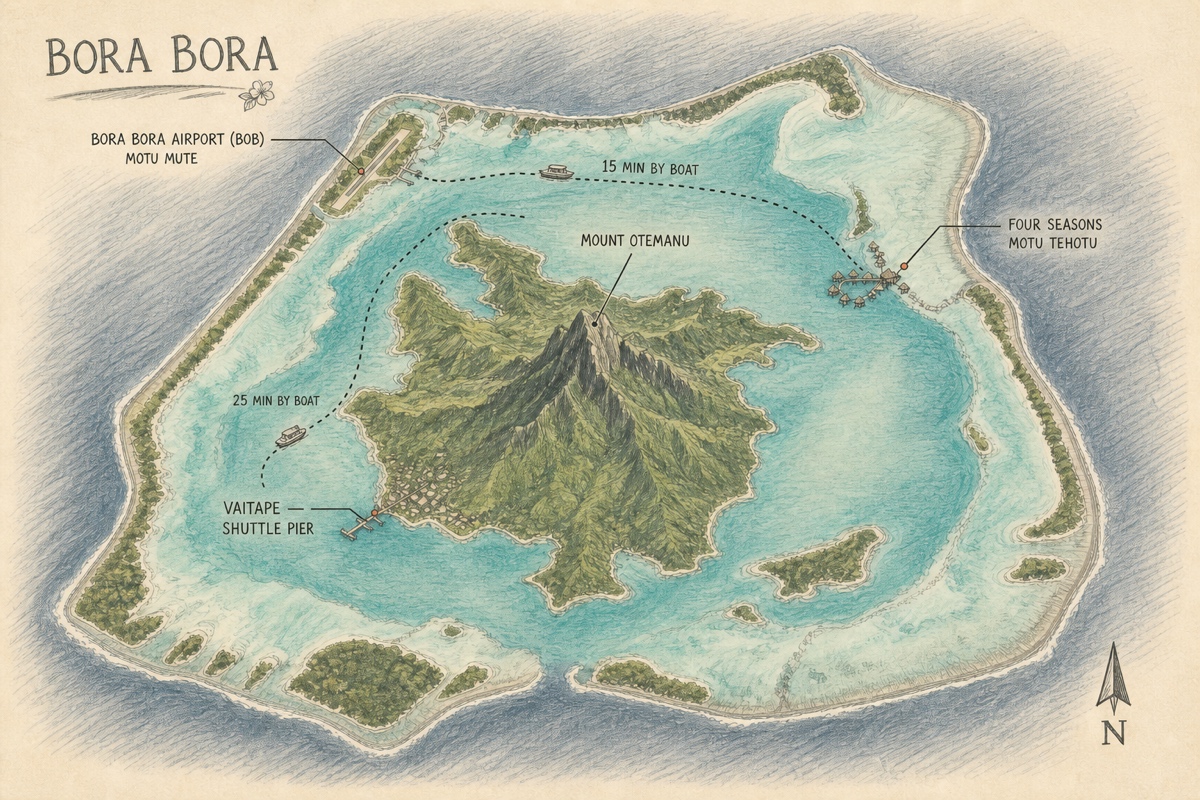
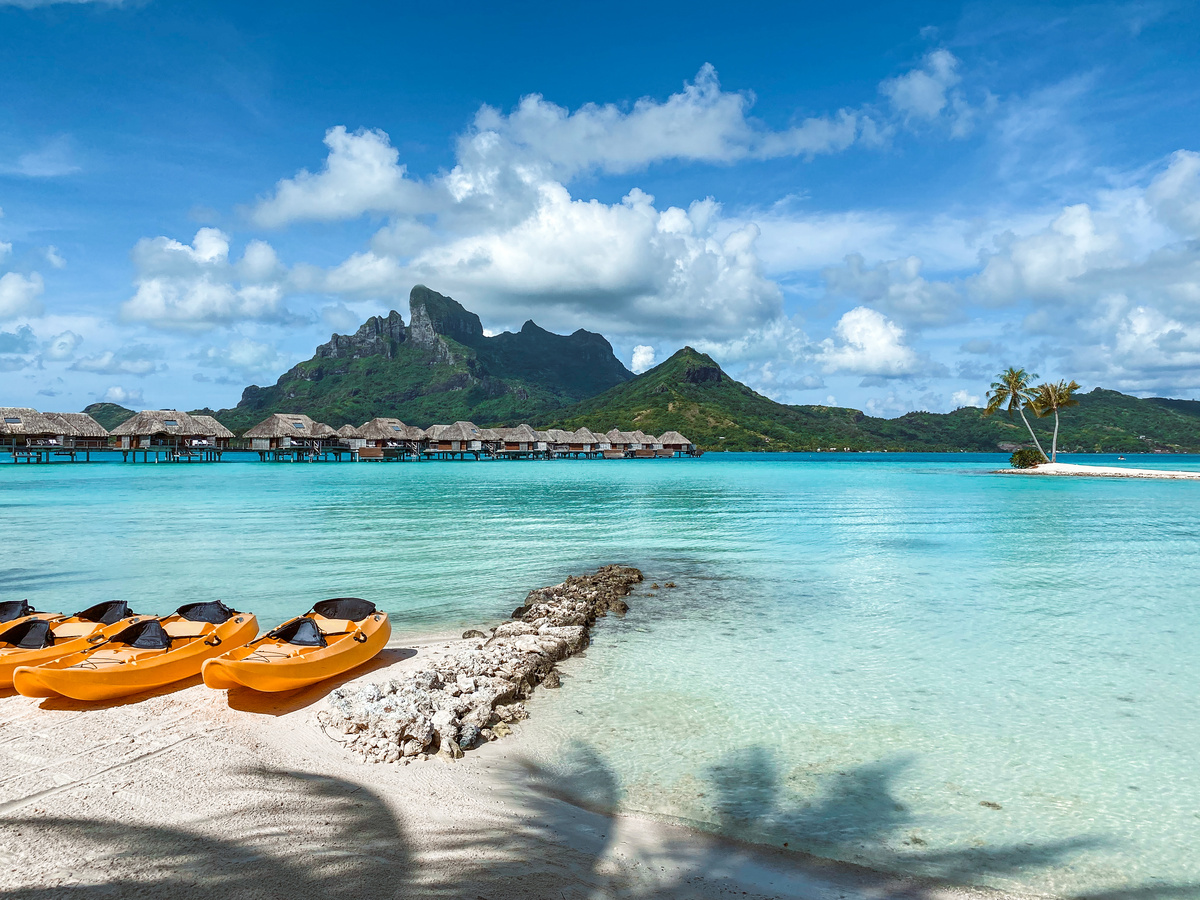
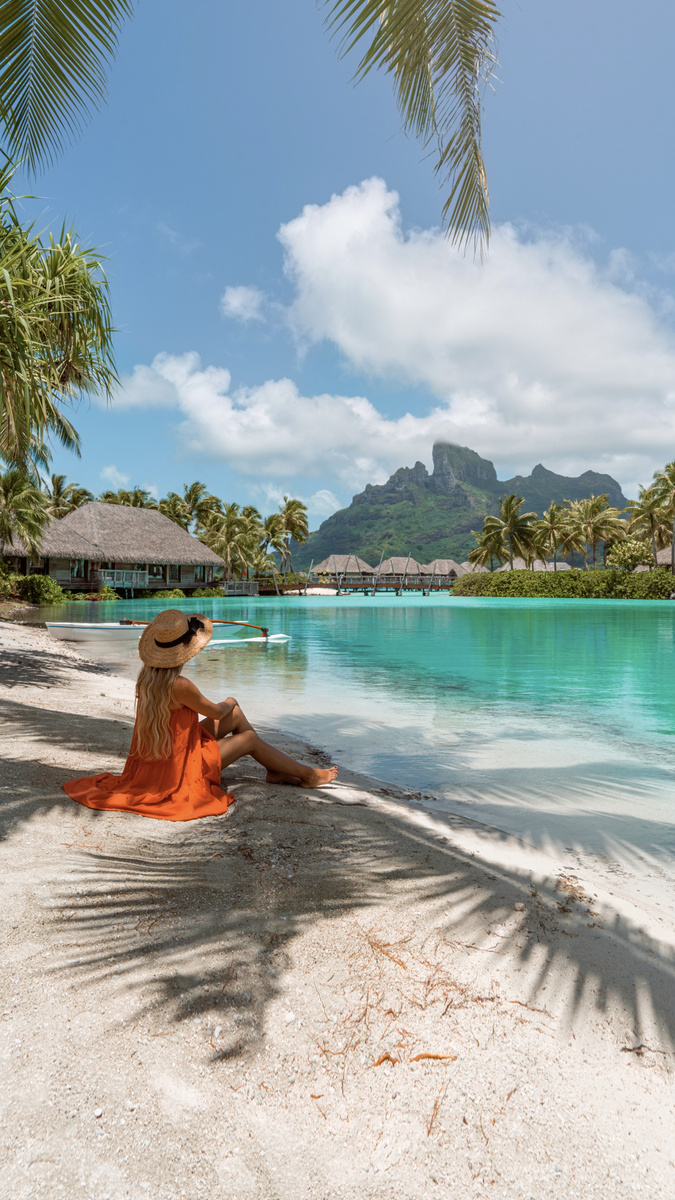
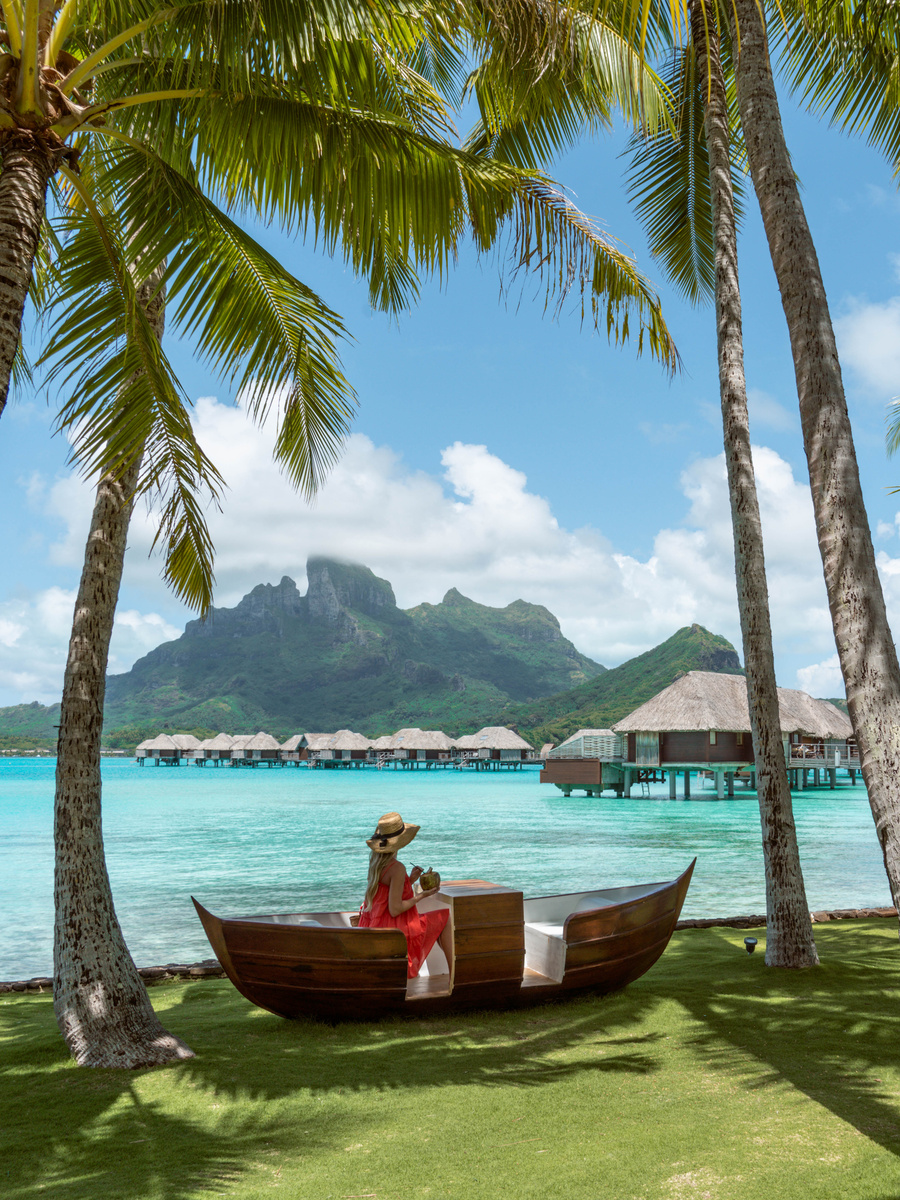
Four Seasons occupies Motu Tehotu, separated from Bora Bora’s main island by the lagoon. Opened in September 2008, it has 108 overwater bungalows and seven beachfront villas. Architects Didier Lefort and Pierre-Jean Picart, working with interior designers BAMO, drew on a Polynesian village: pandanus thatch, teak, high roofs and rooms that open towards the water. Tattoo-inspired textiles and mother-of-pearl details bring that local vocabulary indoors.
Before the island wakes
I loved the early mornings most. Birds arrived before the heat. I would take coffee and coconut biscuits onto the terrace and watch the first light reach Otemanu. Nothing important seemed to require an answer.
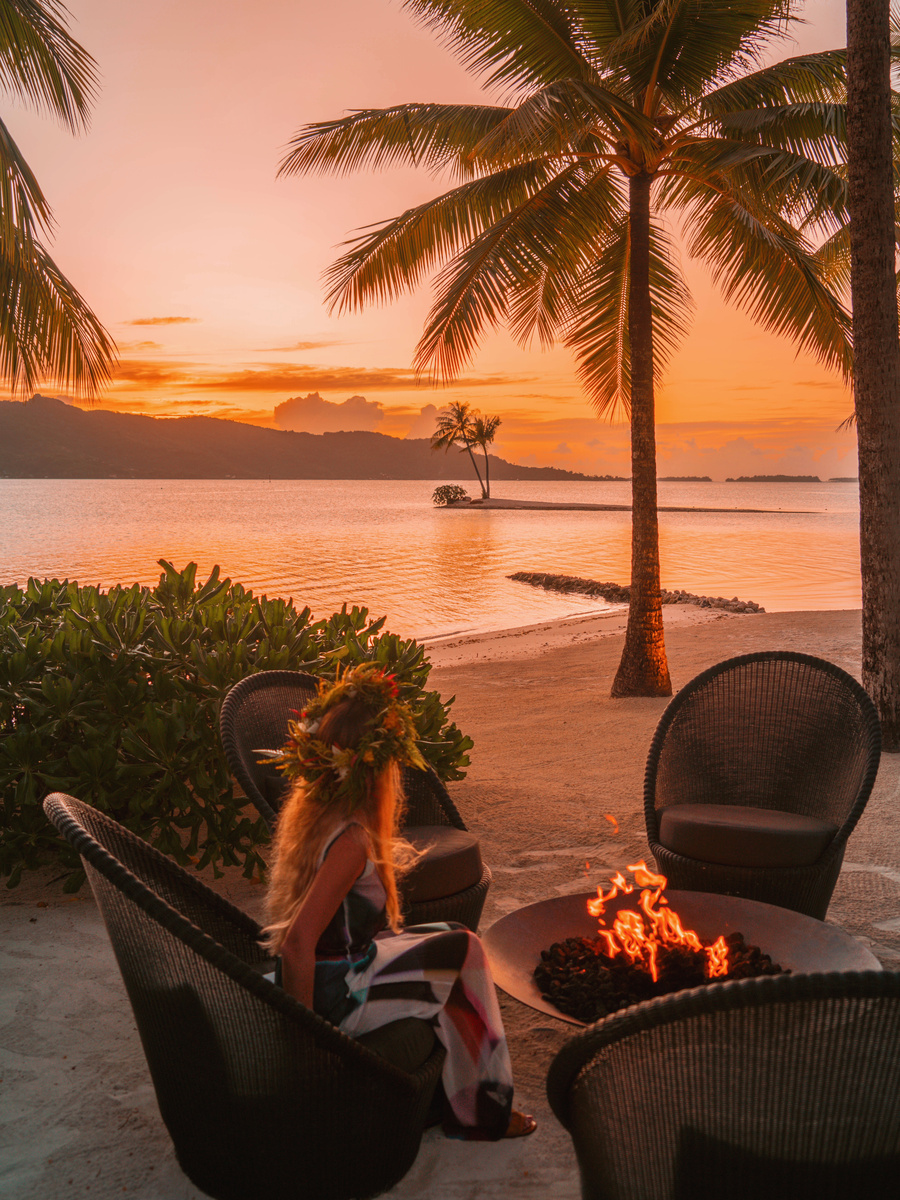
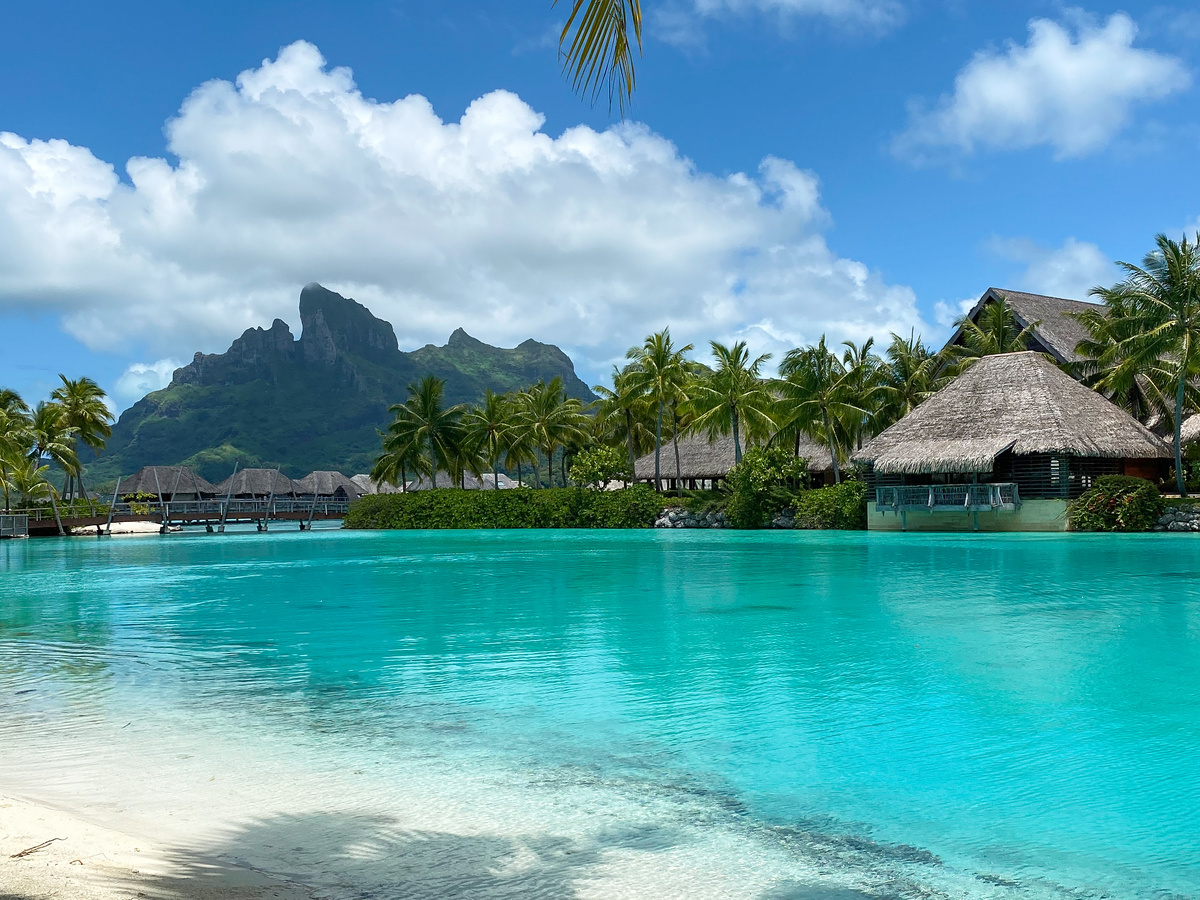
This is where the Four Seasons made sense to me. There was time to linger on the terrace, take the long way across a boardwalk or stop on the beach. The view made even a quiet morning feel like a considerable event.
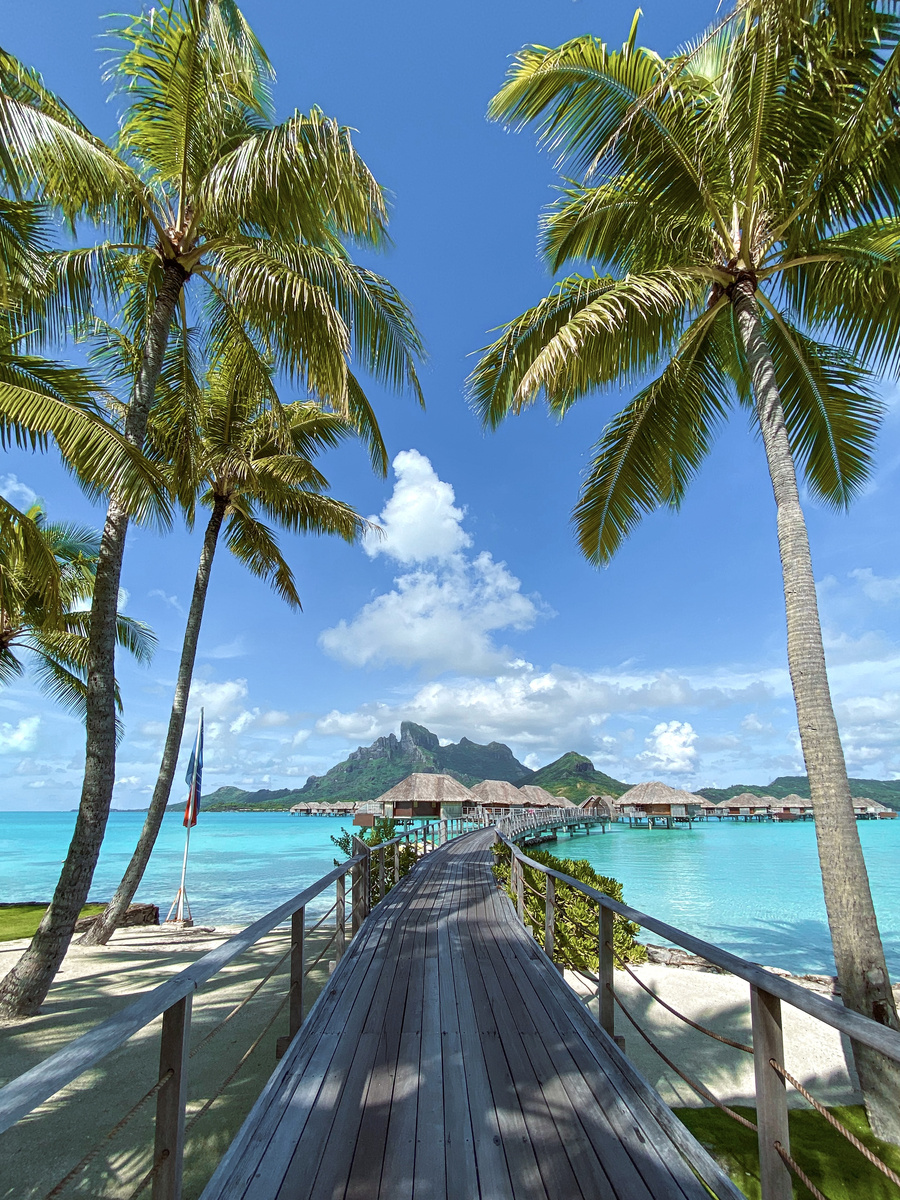
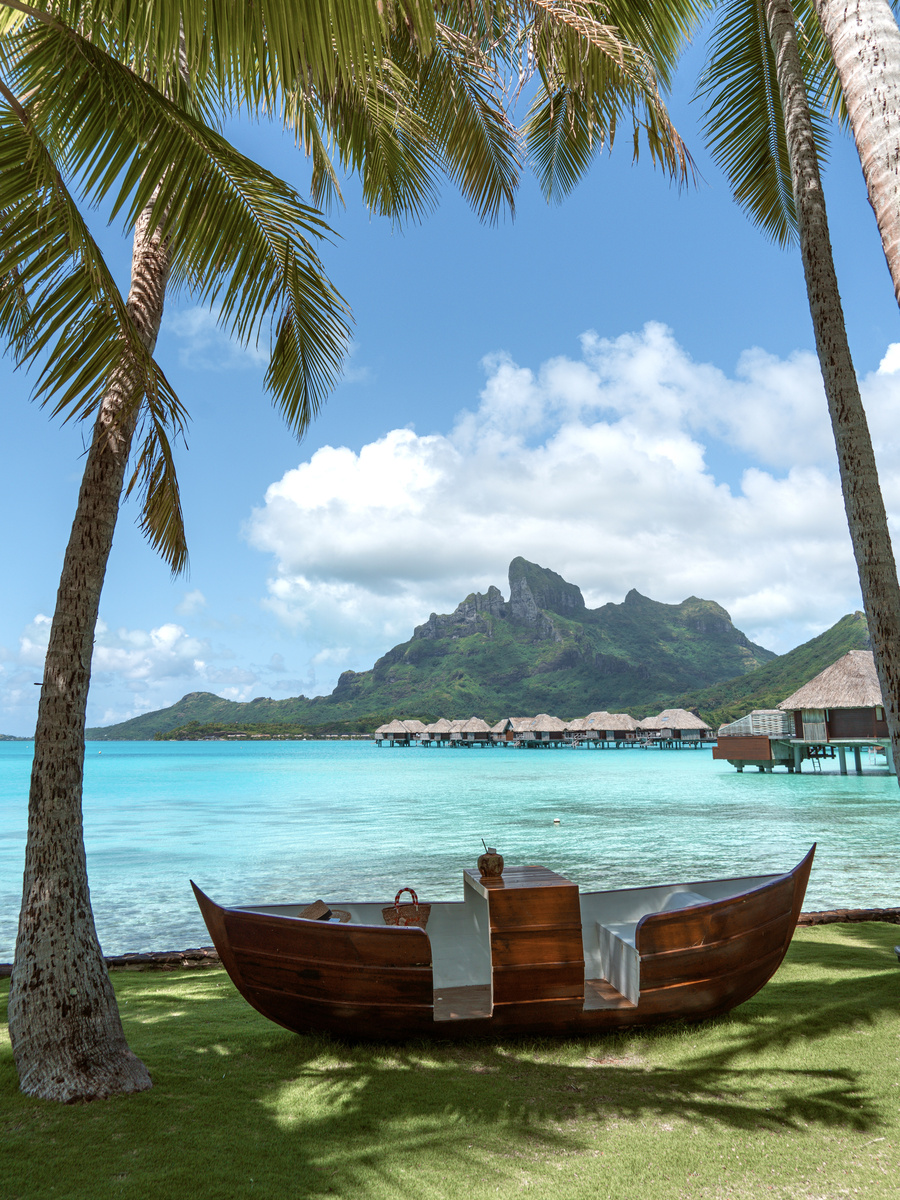
The resort is large, but water breaks it into smaller scenes. One turn leads towards the beach, another towards the bungalows, another to a quiet channel of the lagoon. The buildings remain low enough for Otemanu to hold the horizon.
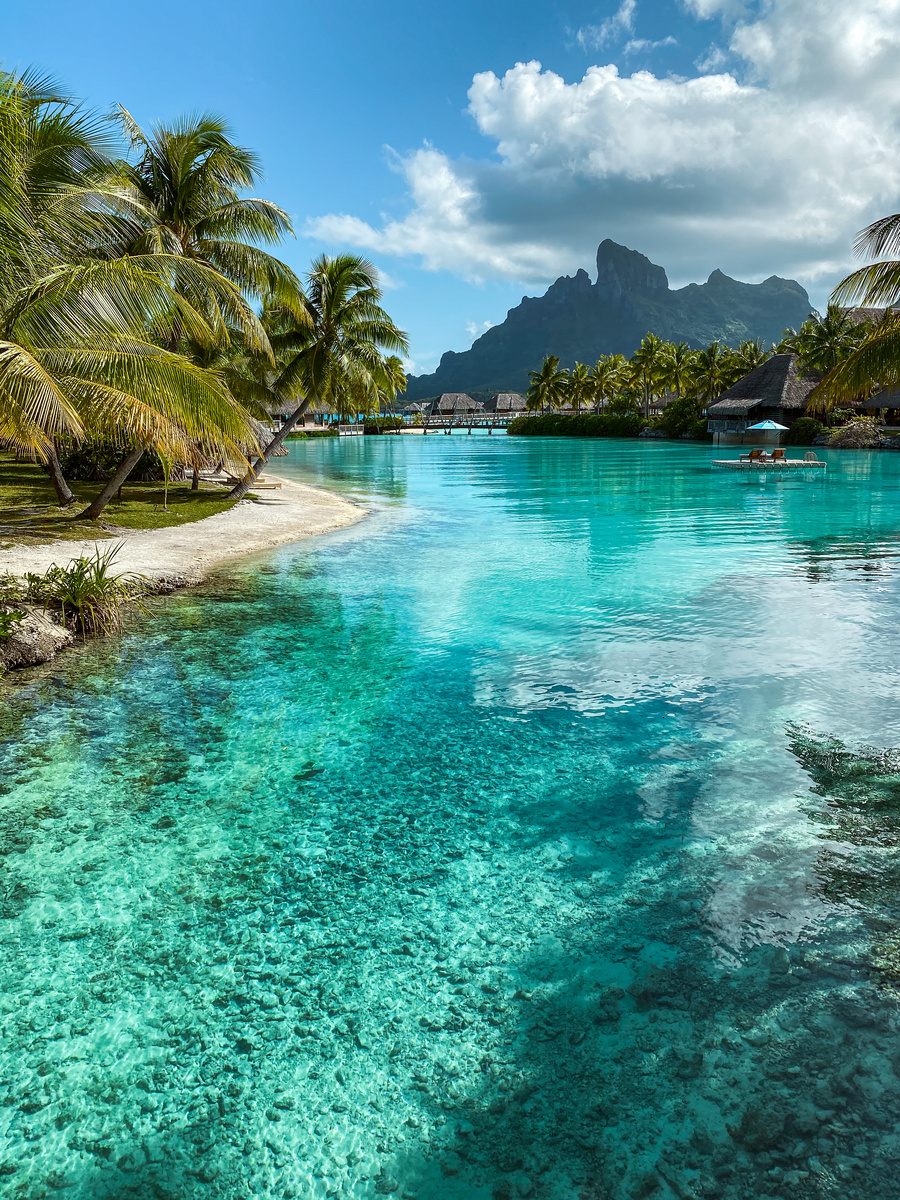
Out into the lagoon
We bought one excursion through the hotel: a boat ride into the lagoon to snorkel with blacktip reef sharks and stingrays. It was the right activity to choose because it took the view that surrounded us and made it physical.
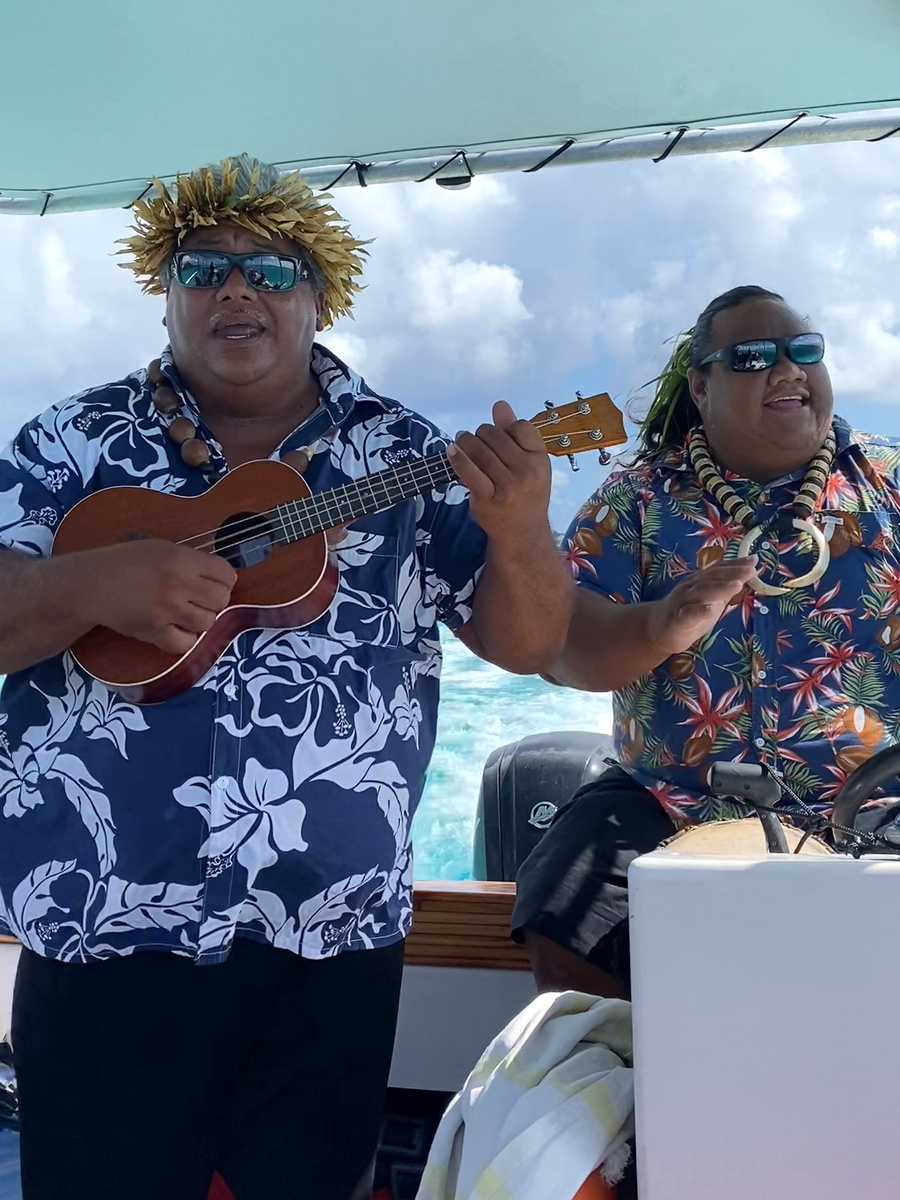
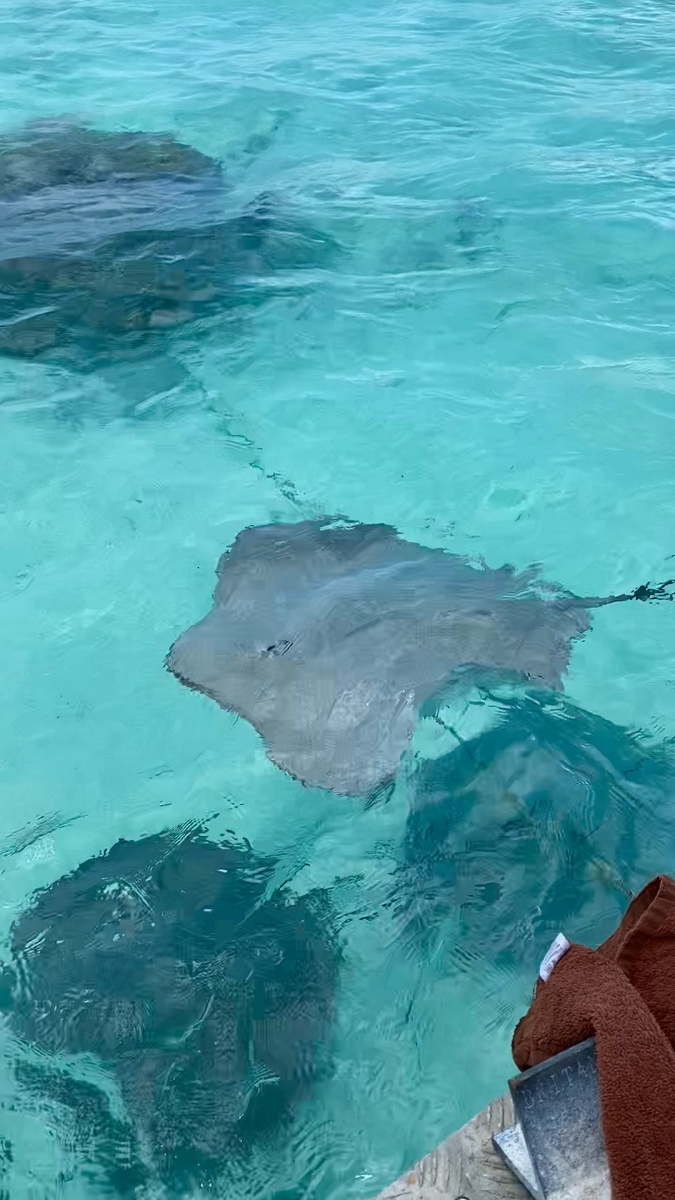
Our guide played a ukulele aboard the boat; in the water, the excursion brought us close to sharks and stingrays. This was the outing I wanted alongside the quiet hours at the hotel. It gave the lagoon a life beyond the view from our bungalow.
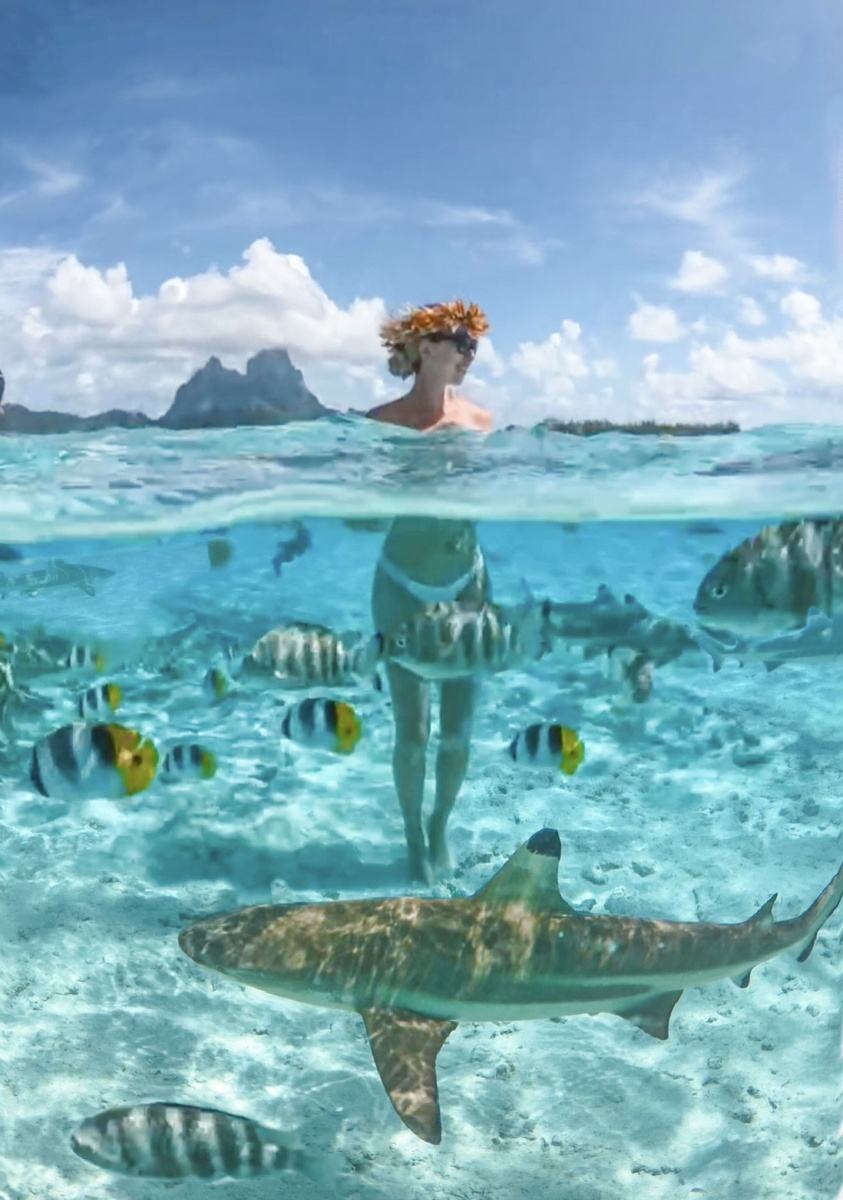
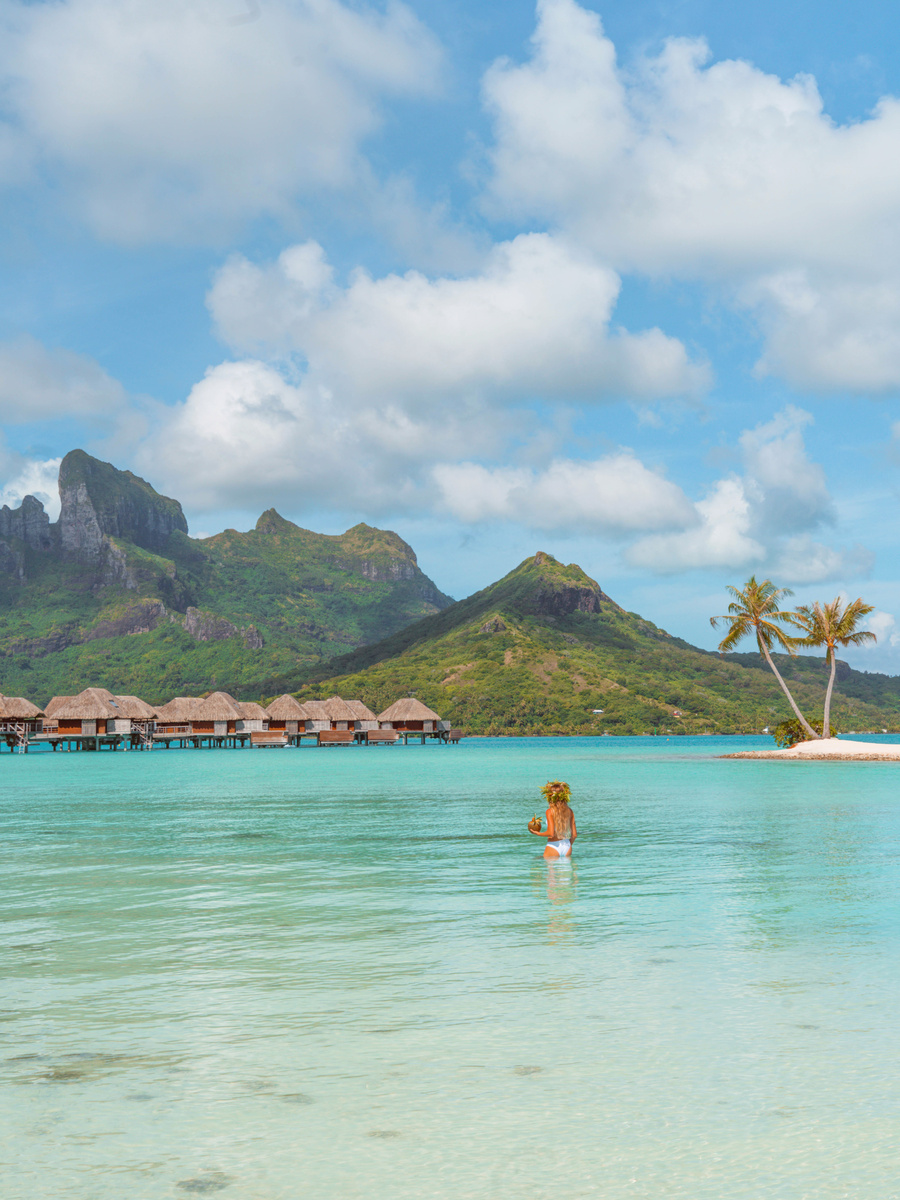
For a first visit, I would keep time for an outing like this. The resort’s lagoon excursions include shark-and-ray safaris, guided visits to coral gardens and a boat with a captain who can shape the day around swimming stops or a visit to Vaitape.
Coral gardens and Polynesian afternoons
The Lagoon Sanctuary deserves time of its own. More than 100 species of marine life inhabit this sheltered part of the resort, where marine educators lead snorkelling sessions and introduce guests to coral grafting and Polynesian ecology. Swimming from a bungalow deck and exploring a coral habitat are different pleasures; the sanctuary gives the second a place within the hotel.
The hotel’s current notice suspends its marine-biology activities from 24 September while the sanctuary is enhanced. Confirm the programme’s reopening with the resort when planning a visit.
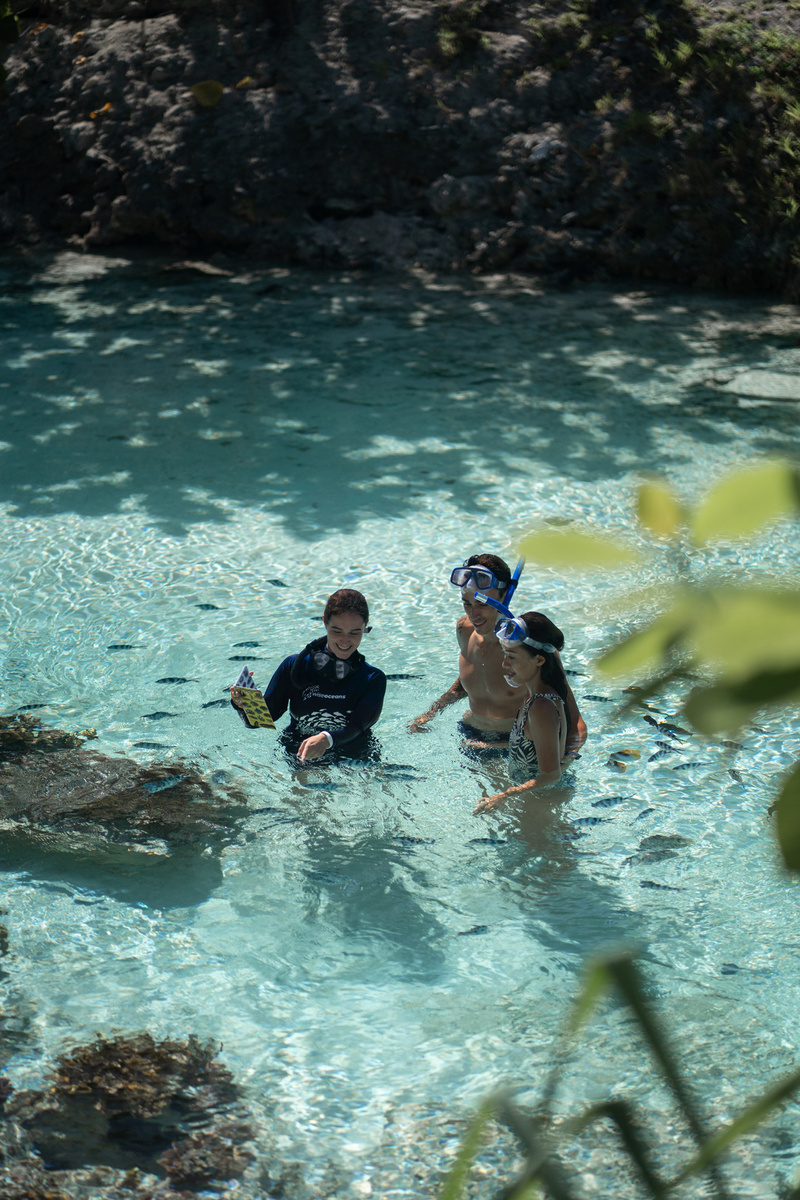
Kayaks, paddleboards and snorkelling equipment make it easy to spend more of the day on the water. For a deeper exploration, the on-site DIVEASY centre arranges introductory scuba sessions, certification courses and dives for qualified guests. Anau is known for its manta-ray cleaning station; Toopua offers coral gardens and the possibility of spotted eagle rays. These are worthwhile reasons to look beyond the water immediately beneath the suite.
On land, there are two tennis courts, a fitness centre and yoga by the lagoon. The Hiroa Tumu cultural programme, led by Samuel Fiu, offers classes and workshops in Polynesian traditions. A self-guided botanical trail identifies plants and trees at 35 stops. It is a small invitation to learn what grows on the motu between swims.
Bora Bora’s romantic reputation can obscure how well the resort accommodates families. The separate living room in a bungalow gives parents and children some space; the beachfront estates add gardens and private pools. Tamarii Club currently runs a supervised programme for ages five to twelve on weekends and holidays, with crafts, games and a splash pad. Children under five eat free. Club schedules and age limits matter more than a broad promise that a hotel is family-friendly, so establish those details when booking.
Te Mahana Spa, between lagoon and ocean
Te Mahana Spa introduces another side of the motu. Across the gardens from the sheltered lagoon, the open Pacific gives the setting a different scale. Raised walkways pass above pandanus trees to treatment rooms and open-air pavilions; the Fare Miti couples’ suite reaches out over the water. Glass panels beneath the treatment beds keep the lagoon in sight, and an outdoor bath faces Otemanu.
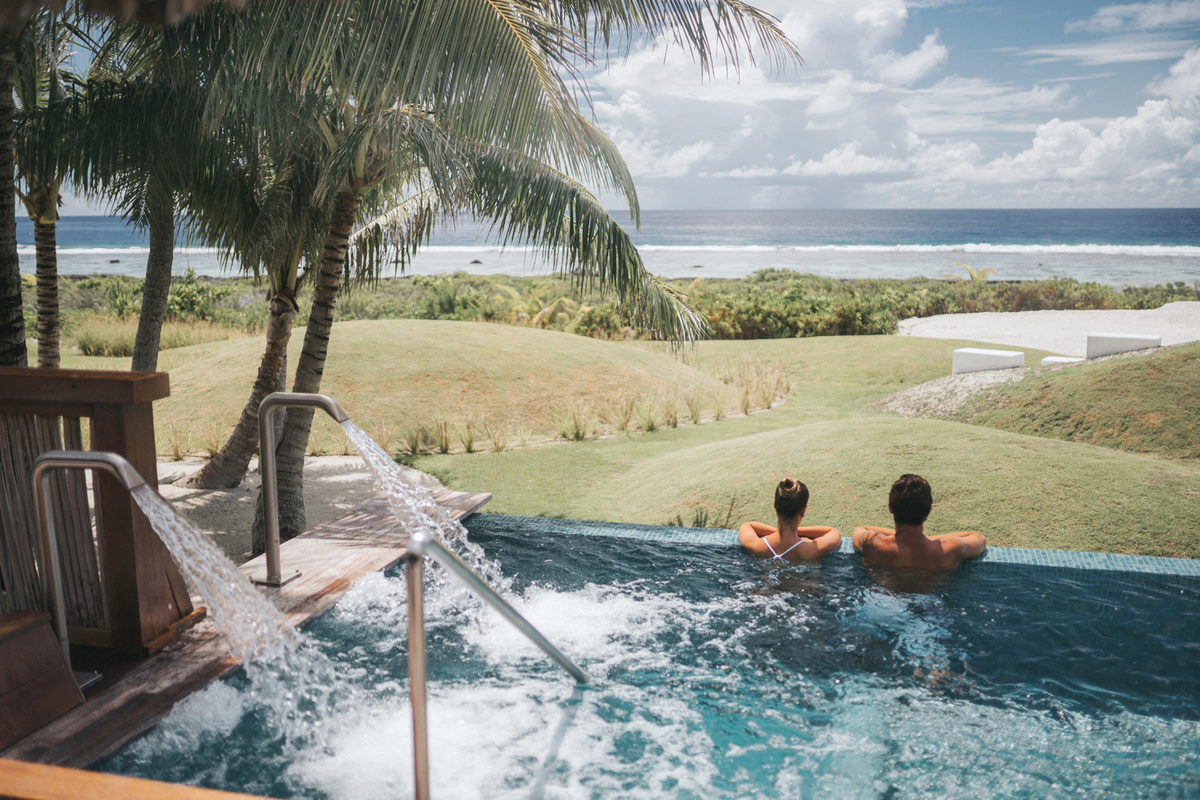
The Taurumi Mind and Body ritual takes two hours, beginning with a body scrub before a Polynesian-inspired massage. Other treatments draw on coconut and Tahitian black-pearl powder; facials use myBlend or ISUN. There are also a sauna, steam room and outdoor whirlpools. Leave space around an appointment: the attraction is as much the setting for an unhurried afternoon as the treatment itself.
Restaurants and a very good coconut diet
On Bora Bora, I joked that I was following a strict coconut diet. Coffee came with coconut biscuits. There was raw tuna with coconut milk, coconut water, shrimp with coconut and vanilla, and po’e, the soft Polynesian fruit pudding served with coconut milk. It was not a hardship.
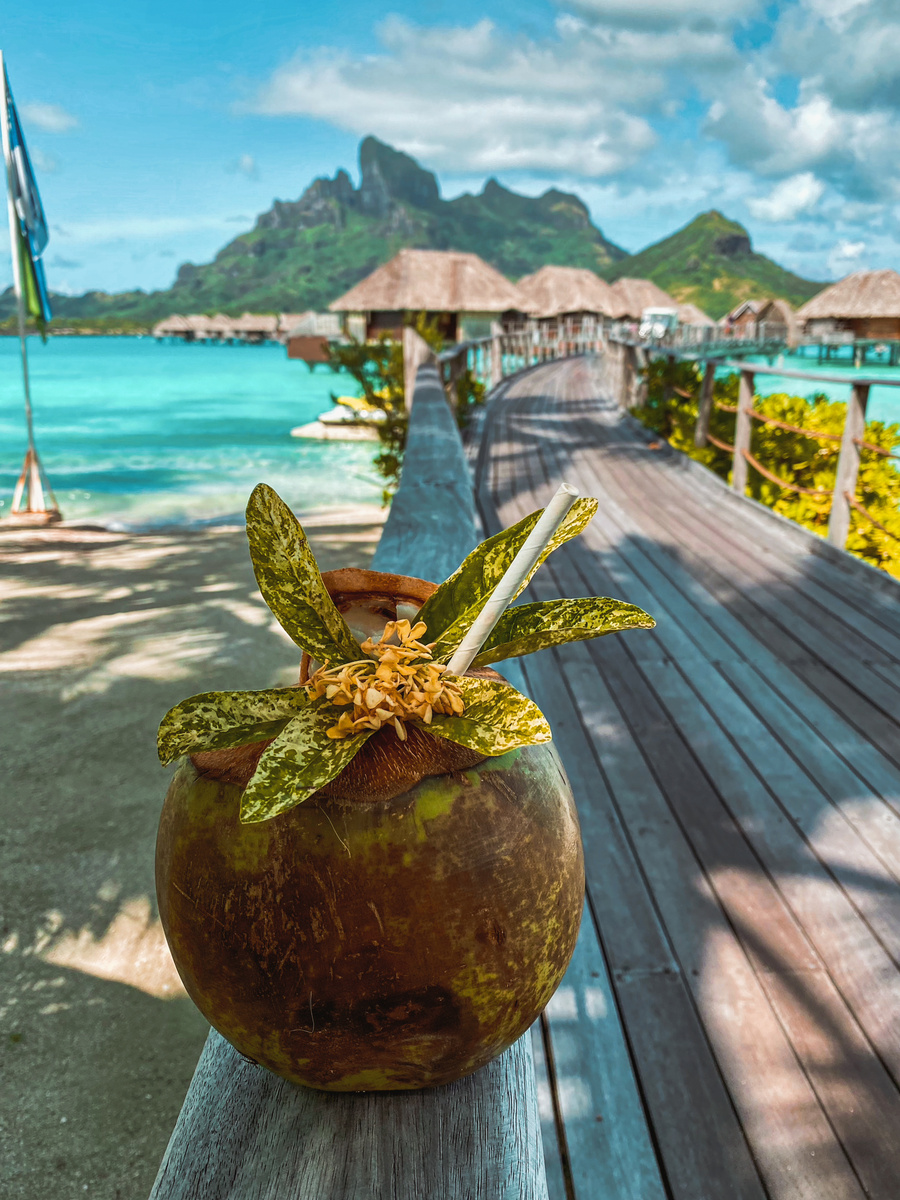
Poisson cru is the dish I associate most closely with these islands: raw fish dressed with lime and coconut milk, with the freshness that makes sense in this climate. The coconut joke contains a real affection for Polynesian food.
At the resort, the four principal restaurants give the day several settings. Tere Nui serves breakfast in an open-sided room facing Otemanu. Faré Hoa Beach Bar & Restaurant keeps lunch and dinner close to the sand, with grilled fish, seafood and meat. Arii Moana turns towards Mediterranean cooking for a more dressed-up evening. Vaimiti stands over the water, with Asian dishes and a natural place for sunset cocktails.
Oro’a adds a Polynesian dinner and dance performance to the choices. For something more private, the hotel arranges beach and motu dinners, while in-bungalow dining runs around the clock. Breakfast can even arrive by canoe. On a resort reached by boat, restaurant variety is more than a convenience; it is worth choosing a few dinners in advance rather than leaving every evening to chance.
Planning a stay on the motu
The journey normally runs through Tahiti’s Faa’a International Airport, followed by an inter-island flight to Bora Bora and a hotel boat from Motu Mute. Four Seasons gives the boat journey as about fifteen minutes. Its current accommodation rates include return airport transfers and daily breakfast at Tere Nui. That is useful to know when comparing quotations: a room-only price elsewhere may leave both to be added.
The resort is not automatically all-inclusive. Lunch, dinner, spa treatments and paid excursions need their own budget unless the chosen package covers them. The current offers include an Inclusive Plunge Pool Escape with three daily meals, alongside breakfast-based stays. Compare the actual inclusions, cancellation conditions and room view rather than the headline nightly figure.
There is a practical limitation to life on a private motu. Spontaneous evenings on the main island require more thought than stepping outside a city hotel. The scheduled boat to Vaitape Harbour takes about twenty-five minutes and currently runs twice daily, Monday to Saturday. Arrange the return before setting out. Guests who need step-free access should also discuss the boats and the specific bungalow with the hotel before booking.
For weather, May to October is generally the drier season; November to April brings more humidity and tropical showers. Boat and diving plans still need some flexibility. I would reserve the room view first, choose a lagoon excursion and leave enough unclaimed time to enjoy the place I had travelled so far to reach.
The blue I still miss
The room choices, restaurants and excursions deserve their research. But the reason I still think about Four Seasons Bora Bora is simpler: I loved being there.
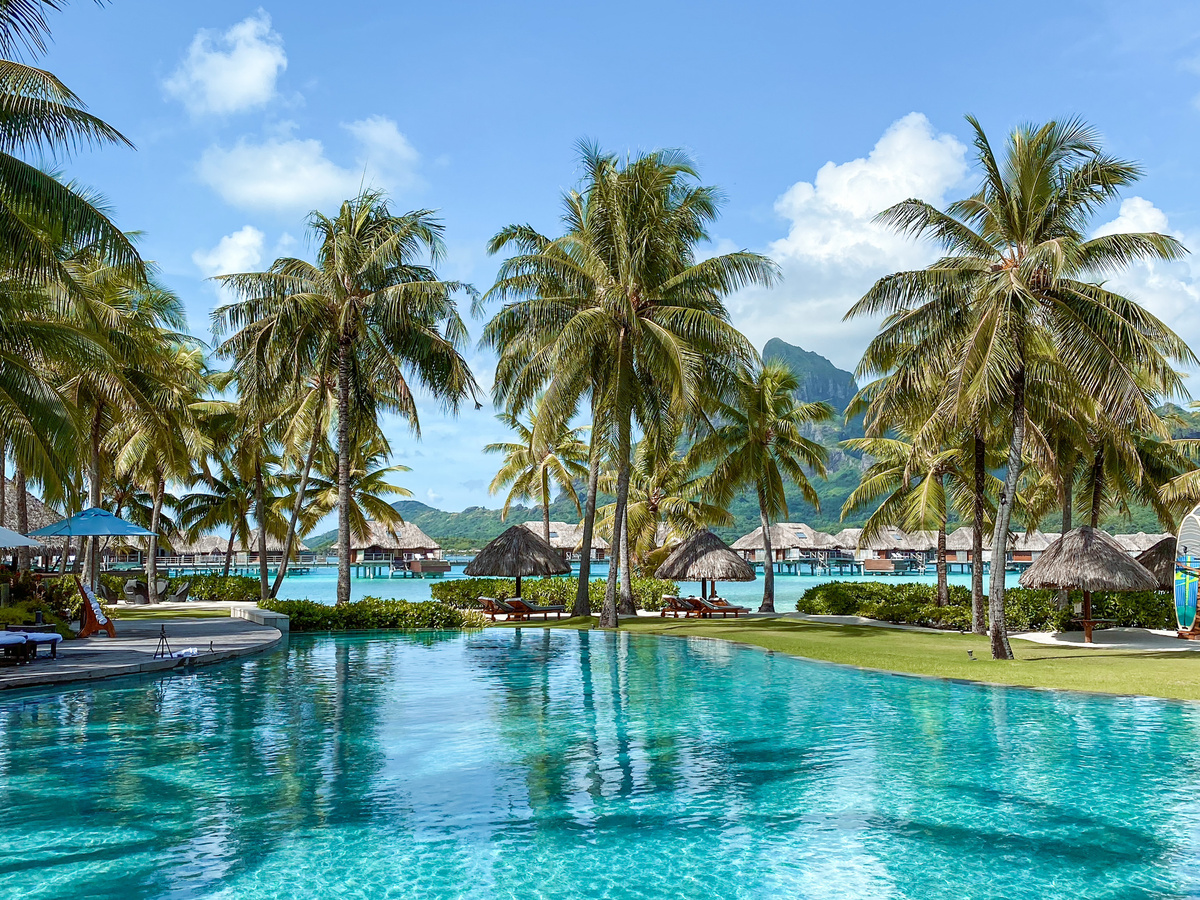
I remember the flower crown. I remember bicycles and coconut biscuits, the shock of seeing a shark beneath me, and mornings when Otemanu appeared to float above the water. I remember how many blues could exist together without any of them looking exaggerated.
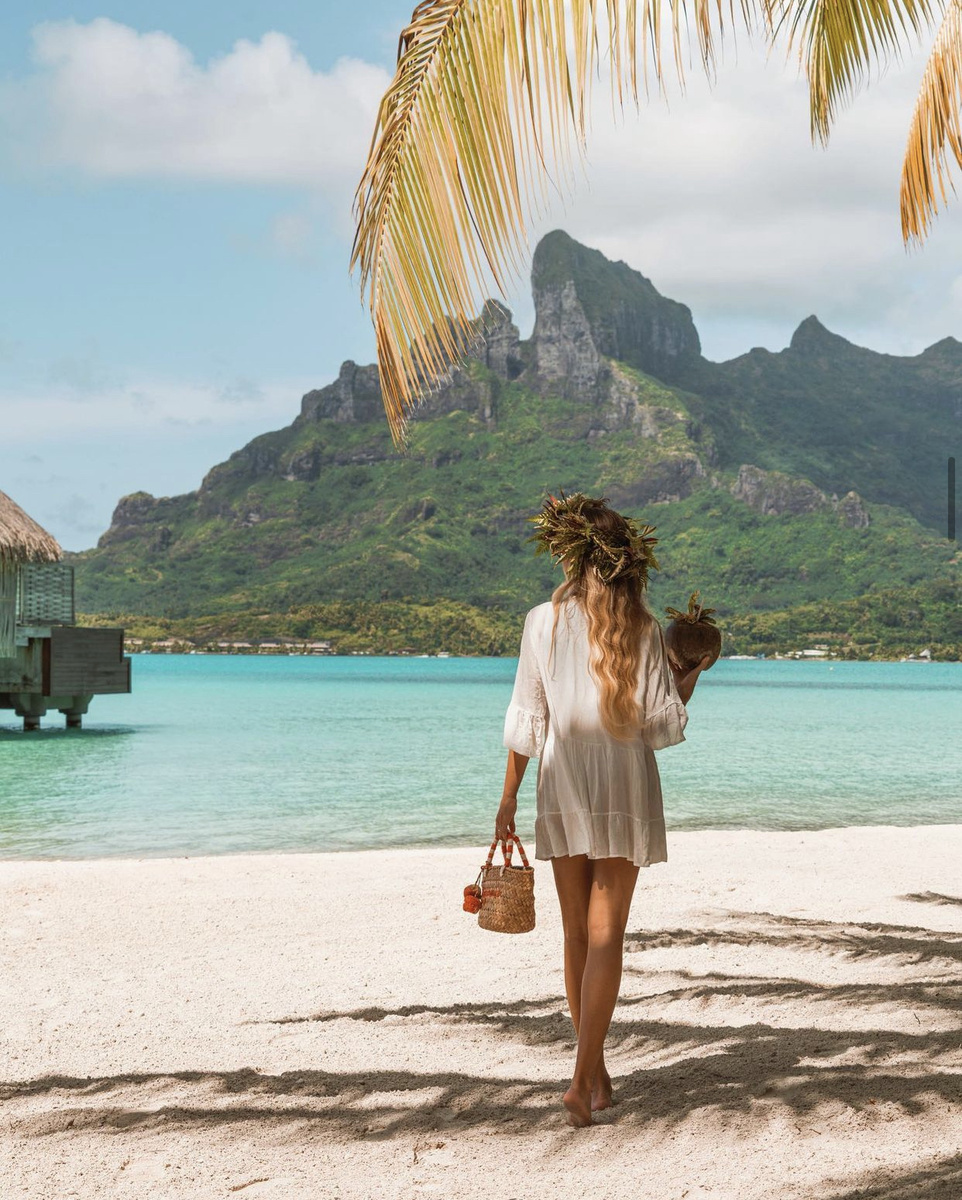
Most of all, I remember the calm certainty that I had reached somewhere I would love long after leaving. The mountain that once lived on my screen had become a view I could miss.