
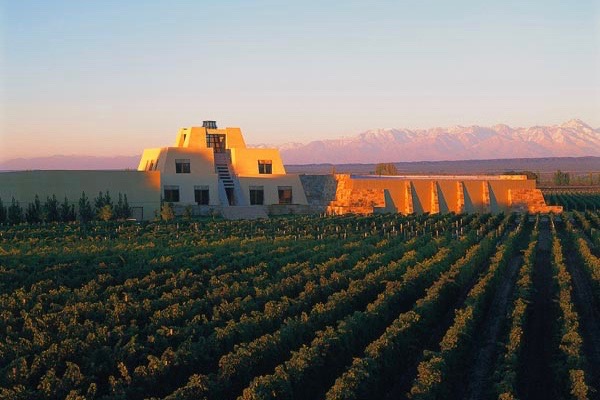
On our third day at Atamisque, we finally set out to visit the wineries that had drawn us to this part of Argentina. I had been looking forward to seeing how Mendoza’s wines were made, and to tasting them where they began.
There were so many estates that visiting several a day seemed enough to occupy a whole year. We chose two very different wineries: Catena Zapata and Achaval Ferrer. Catena came first.
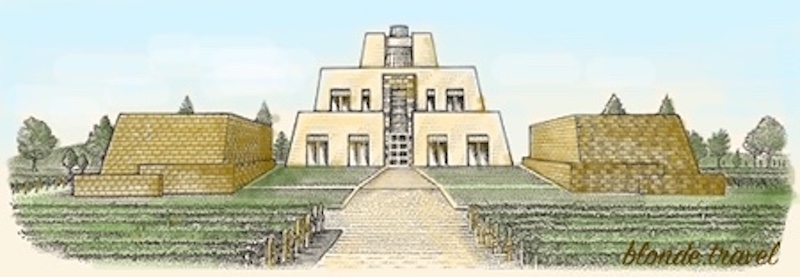
The pyramid among the vineyards
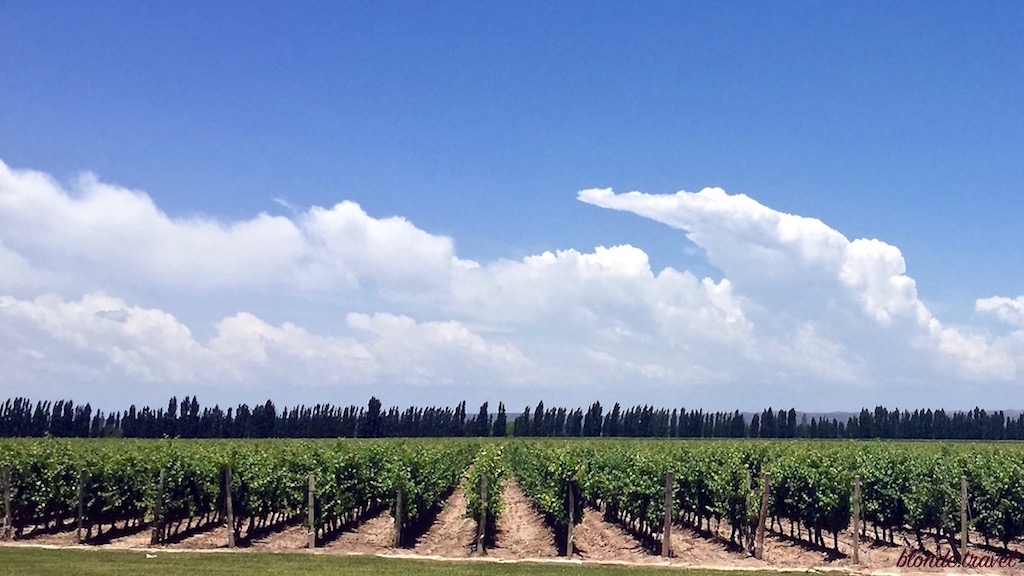
After a few days in Mendoza, its stillness begins to feel entirely natural. My eyes had grown accustomed to the gentle countryside, the seemingly endless vineyards and the snow-covered Andes at the horizon. The sudden appearance of a monumental stone building, modelled on a Maya pyramid, came as a surprise.
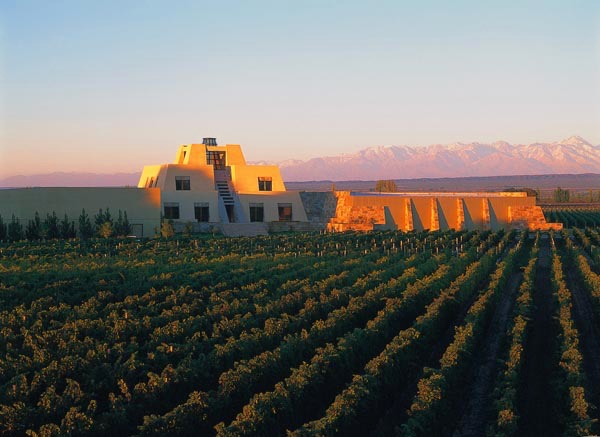
Bodega Catena Zapata was already much more than a famous Argentine winery. Behind it lay more than a century of work and four generations of one family. Its history began in 1898, when Nicola Catena sailed from Italy to Argentina. Four years later, in 1902, he planted his first Malbec vineyard in Mendoza.
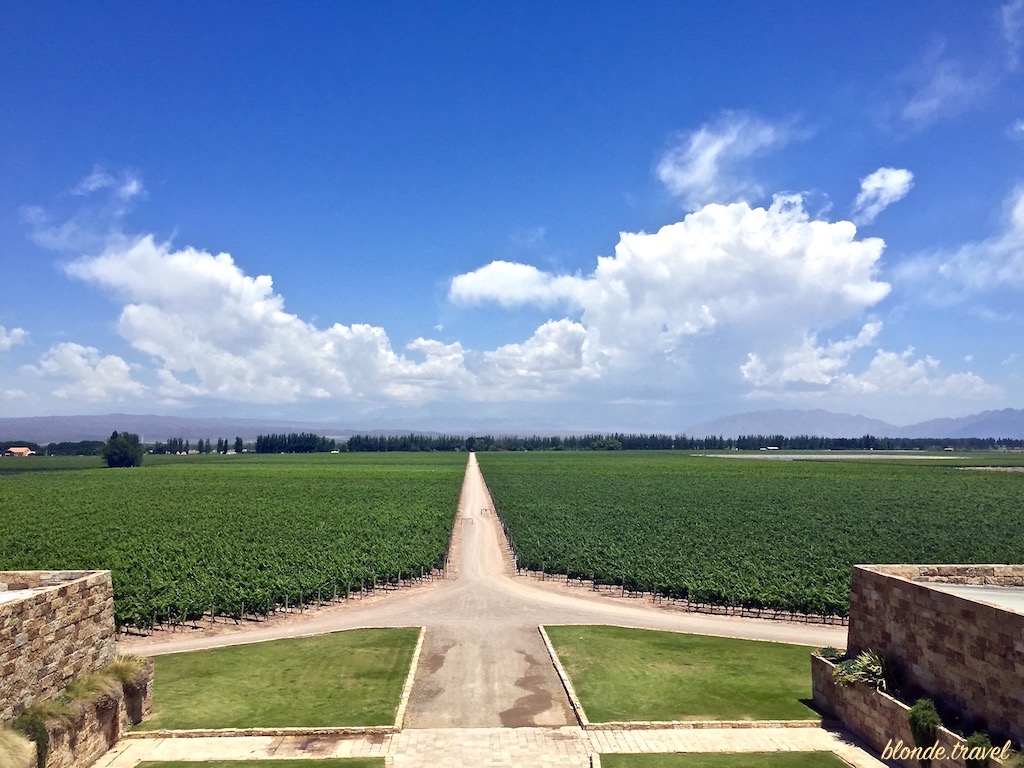
That history felt more immediate once we were there. The devotion of Nicolás Catena and his daughter Laura to their life’s work seemed to run through the place. Zapata was the maiden name of Nicolás’s mother, Angélica; the family name was woven into the wines as well as the winery.
What particularly interested me about Nicolás was his appetite for experiment. He seemed willing to investigate the smallest detail of viticulture or winemaking if it might improve the wine. His guiding conviction was simple: wine begins in the vineyard.
Nicolás Catena’s search for better wine
Mendoza gave him an unusually varied landscape in which to pursue that idea. The same grape variety could develop a different aromatic profile and structure at different elevations. Even the low-fertility soils near the Andes, which earlier European settlers had often passed over, could prove valuable for viticulture. They could help restrain vine vigour and yields, provided the vines had enough water and nutrients to ripen their fruit.
The dry climate brought another important element: irrigation. By managing the water supply, growers could influence vine growth and ripening rather than depend on rainfall alone. Aridity did not make the work effortless; it made the management of water central to it.
Nicolás’s time in California changed his ambitions. Inspired by Napa Valley, he returned to Mendoza convinced that Argentina could make wines to stand beside the best in the world. Many of his colleagues were sceptical. Table wine dominated the business, yet he sold the family’s table-wine operation and concentrated on fine wine, accepting the risk of a very different course.
He also pushed the geographical limits of vine growing. Malbec and Chardonnay planted at almost 1,500 metres ripened successfully despite predictions that the conditions would be too cold. That willingness to test an unfashionable idea became central to the Catena story.
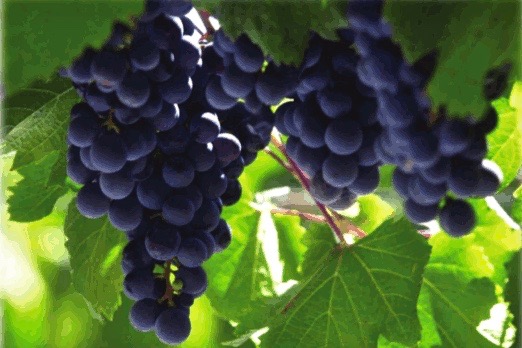
Nicolás explored the differences between grapes of the same variety grown at different heights. Blending the resulting wines offered a way to bring those differences together. I thought of it as blending microclimates: combining the fruit character, freshness and structure of distinct sites to create a more complex whole.
Laura gave this enquiry a scientific framework through the Catena Institute of Wine. Its work helped explain how altitude, sunlight, soils and the vines themselves influenced what eventually reached the glass.
Six vineyards, many expressions
The six historic vineyards behind the family’s wines were spread across Mendoza: Angélica, La Pirámide, Domingo, Adrianna, Nicasia and Angélica Sur. Their differences in elevation, soil and climate offered a much richer picture than a single regional name on a label could suggest.
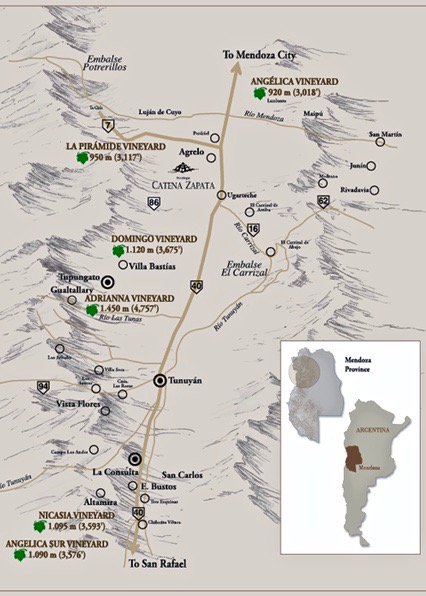
Adrianna, named after Nicolás’s youngest daughter, became a symbol of his high-altitude experiments. It lies at about 1,450 metres in Gualtallary, in the Uco Valley. The concentration, structure and ageing potential of its wines helped demonstrate what these cooler sites could achieve.
Altitude matters through the conditions it creates. Cooler temperatures can slow ripening and help preserve acidity, while intense sunlight influences the grapes’ skins and phenolic development—the compounds that contribute colour and tannin. The combination helps explain how a wine can have both considerable concentration and a sense of freshness. Soil, water and vineyard management remain part of the equation.
Yet La Pirámide was the vineyard that stayed most vividly in my memory, because it was here that we encountered the winery itself. To me, it felt like a temple to winemaking: a place of beauty, harmony and inspiration, and a treasury for the wines inside.
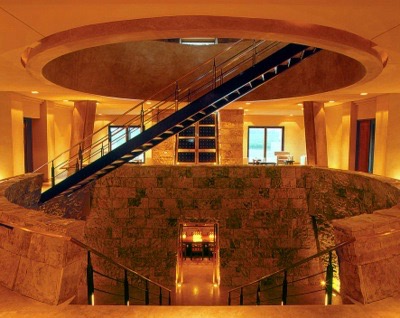
The interior had a disconcerting effect on me. It seemed to belong to antiquity and the future at once: an Indiana Jones adventure, then a spacecraft, or the set of a science-fiction film. The stairs leading up and down only strengthened the feeling that another world might be waiting beyond them.
The scale, the workmanship and the audacity of the design were remarkable. The Catenas had made a magnificent setting for their craft, like an elaborate setting for a precious stone.
Down into the cellar
Listening to the family’s story, we descended the broad staircase—or perhaps passed through a portal into another dimension. The cellar felt like a labyrinth, its curving paths drawing us further inside.
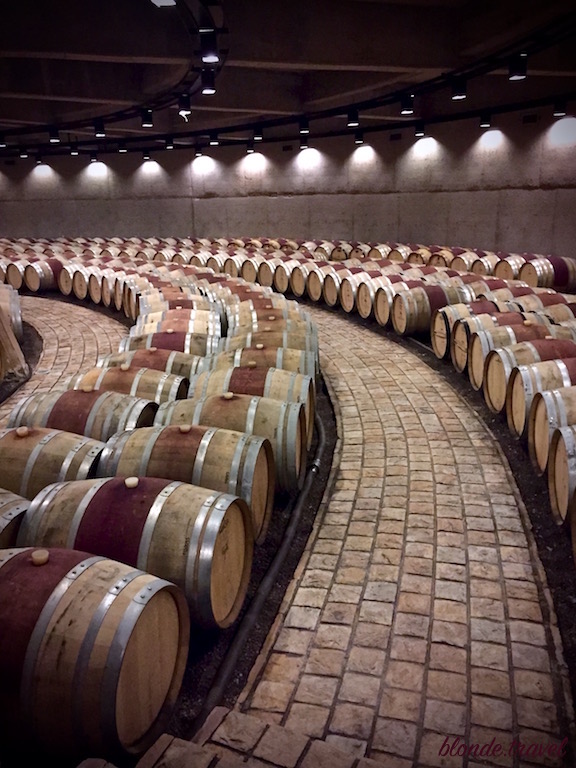
There was precision behind the theatre. Catena’s technical account of Nicolás Catena Zapata 2010 describes fermentation in 225–500-litre French oak vessels, using both new and previously used oak. Vineyard rows and harvest dates were vinified separately, allowing the team to work with small, distinct components before blending.
The sheet specifies 18 days of fermentation for that wine, with temperature control and gentle handling of the cap—the grape skins that rise during fermentation. Extraction draws colour and tannin from the grapes. Oak can contribute tannins and aromatic compounds too, while subsequent ageing helps the wine develop. These are separate parts of the process, and their balance matters more than the presence of new barrels alone.
We were invited to linger here for our first tasting.
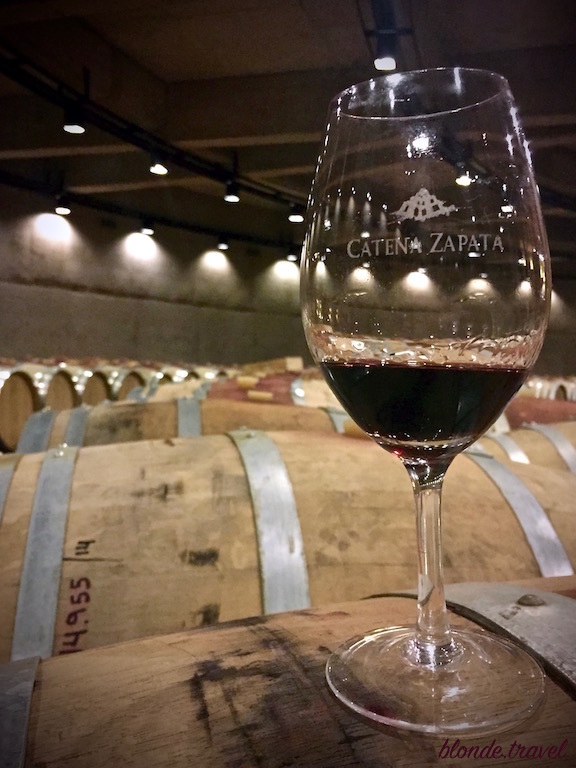
I had only begun paying proper attention to Malbec after arriving in Argentina. Now I had the opportunity to explore its range of fruit flavours and the velvety feel of its tannins. This was our first winery of the day, and I was still full of energy, ready to concentrate on the different aromas and the way each wine unfolded.
Leaving the cellar, we entered a room where bottles filled shelves from floor to high ceiling. It gave me a sense of the scale of the operation and the breadth of the wines being made. By then, the family’s ambition to put Argentine wine among the world’s best seemed entirely within reach.
Back upstairs, we continued tasting. The experience took on a more elegant, composed character, with the same warm welcome that had accompanied us through the visit.
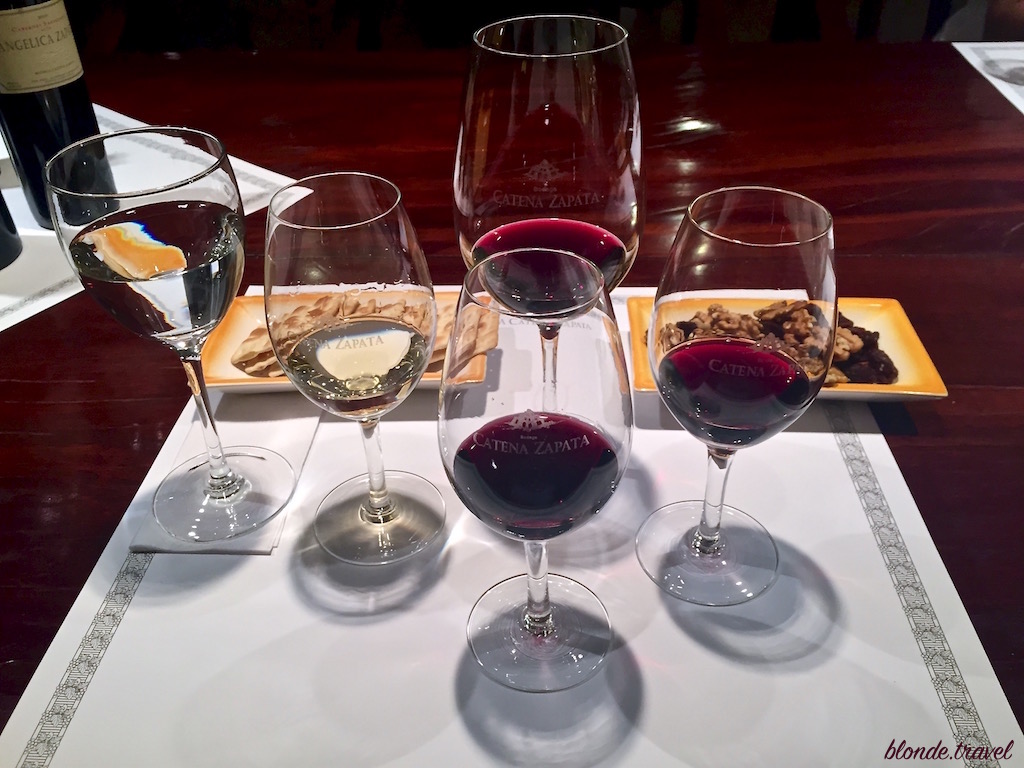
An extraordinary winery, vineyards beneath the snowy Andes, wines that held my attention and generous hospitality: those were the impressions I carried away from Catena Zapata.
And then there were the wines themselves.
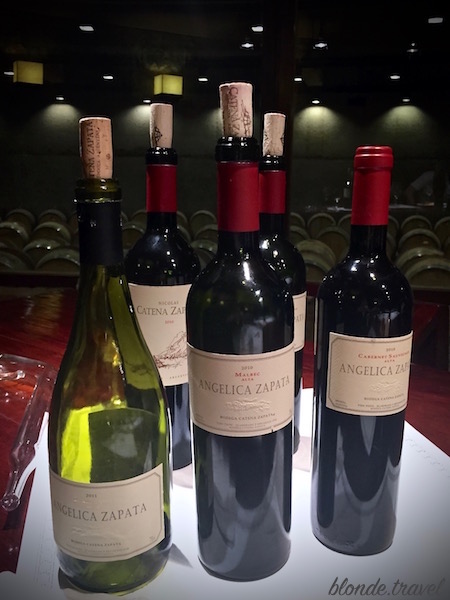
Two wines I remembered
Angélica Zapata Malbec 2013
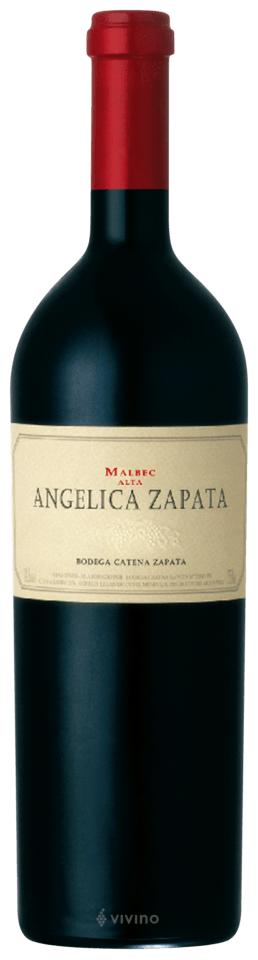
Ripe plum, bright acidity and velvety tannins were the impressions I took away from this wine. The freshness gave definition to the fruit, while the texture made it particularly appealing.
The winery’s report on the 2013 harvest describes cooler nights and a longer ripening period, producing wines with lively acidity, expressive aromatics and supple tannins. That account fits the freshness and texture I remember in the glass.
Nicolás Catena Zapata 2010
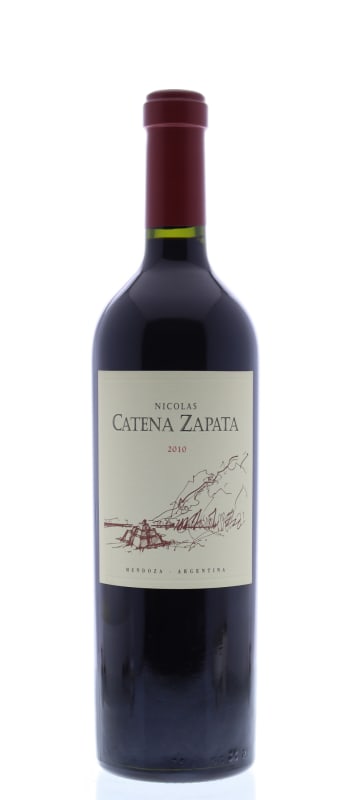
This was the wine that stood out most. A blend of Cabernet Sauvignon and Malbec, it had an intense blackberry character, a full, rich palate and a long, soft finish. What I admired was the balance: ripe fruit, alcohol and tannin held together without any one element overwhelming the others.
My notes record 24 months in French oak followed by another 24 months in bottle before release, an ageing sequence also described in Catena’s older presentation of the wine. In the glass, the structure and concentration suggested considerable ageing potential, yet the finish was already supple.
The estate’s 2010 harvest report records a cold spring and scattered frosts, with reduced yields followed by concentrated fruit. Those conditions produced rich, balanced wines with the tannic structure to develop over time. Nicolás Catena Zapata was a particularly memorable expression of that vintage for me.
Recognition since my visit
The years since have brought further recognition for both the vineyards and the wines. In its October 2024 feature, Wine Spectator highlighted Adrianna Vineyard among its editors’ additional twenty vineyards of distinction, praising the quality of the Malbec produced from its parcels.
In Decanter’s Wines of the Year 2025: South America, published in January 2026, regional editor Ines Salpico selected Catena Zapata’s Birth of Cabernet 2021. It is a welcome reminder that the family’s achievements extend beyond Malbec.
Then, in March 2026, Drinks International named Catena Zapata the World’s Most Admired Wine Brand for the second consecutive year. That distinction reflects the votes of wine professionals, including sommeliers, buyers, Masters of Wine and writers.
When we left La Pirámide, we still had another winery ahead of us. From Catena Zapata, our route continued to Achaval Ferrer.

Continue to Achaval Ferrer: The Art of Single-Vineyard Malbec.
Adapted from my original article, published in October 2016. Wine reporting updated in September 2026.