
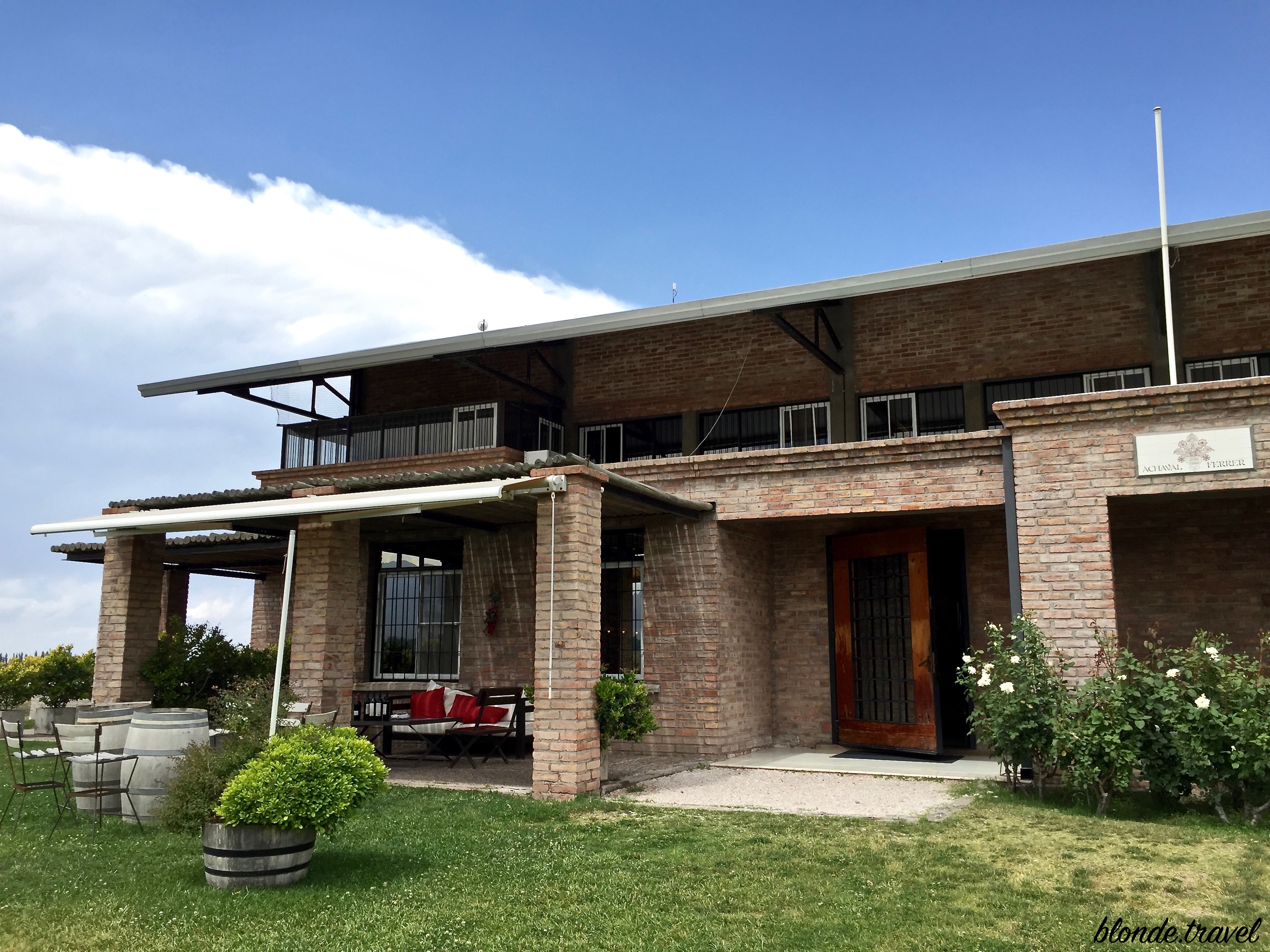
After spending the morning at Catena Zapata, we continued to Achaval Ferrer in Luján de Cuyo. I was still impressed by the scale and ambition of Catena’s operation. Arriving at this smaller, more intimate winery brought a striking change of mood: there was a quiet luxury here, and an elegance quite its own.
Achaval Ferrer made fine red wines in limited quantities. At the time, 85% of its production was exported, including 40% to the United States. Yet what surprised me most was the estate’s youth. From the moment I arrived, I had the impression of a place shaped by generations of knowledge, with its own long-established methods and closely guarded secrets. I would readily have believed it was much older.
In fact, the project began in 1998. Santiago Achával and Manuel Ferrer, both Argentinian, joined forces with Italian friends, among them the Tuscan-based winemaker and oenologist Roberto Cipresso. Their first vintage followed in 1999. The vines, however, had been there long before them.
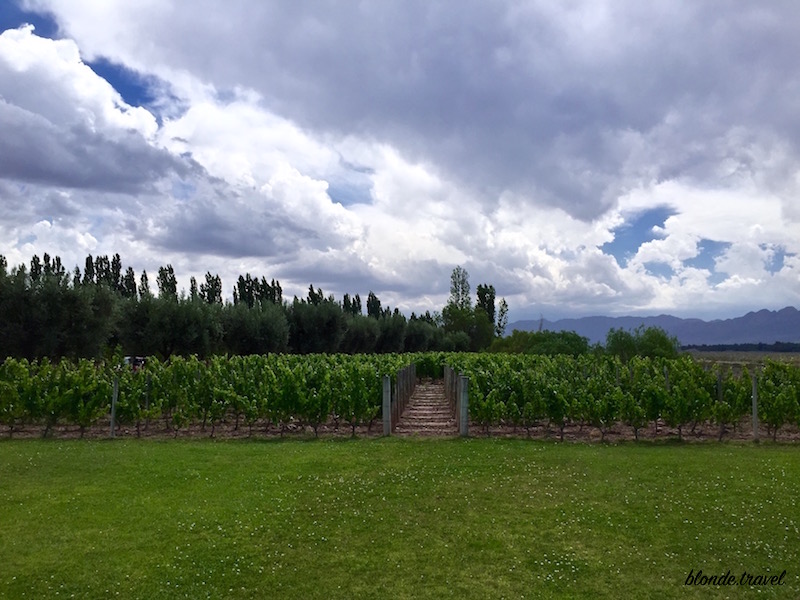
Nature had given these winemakers a promising starting point. Mendoza’s altitude, sunshine, cool nights and mountain water all helped shape the grapes; I had written more about the region in my account of Argentina’s wine country. At Achaval Ferrer, the next question was what the people tending those vineyards chose to do with them.
Old vines and small harvests
Low yields were fundamental to the estate’s approach. Its old, ungrafted vines were valued for the concentration of their fruit: the depth of colour and aroma, the complexity, and the potential for the wines to develop with age.
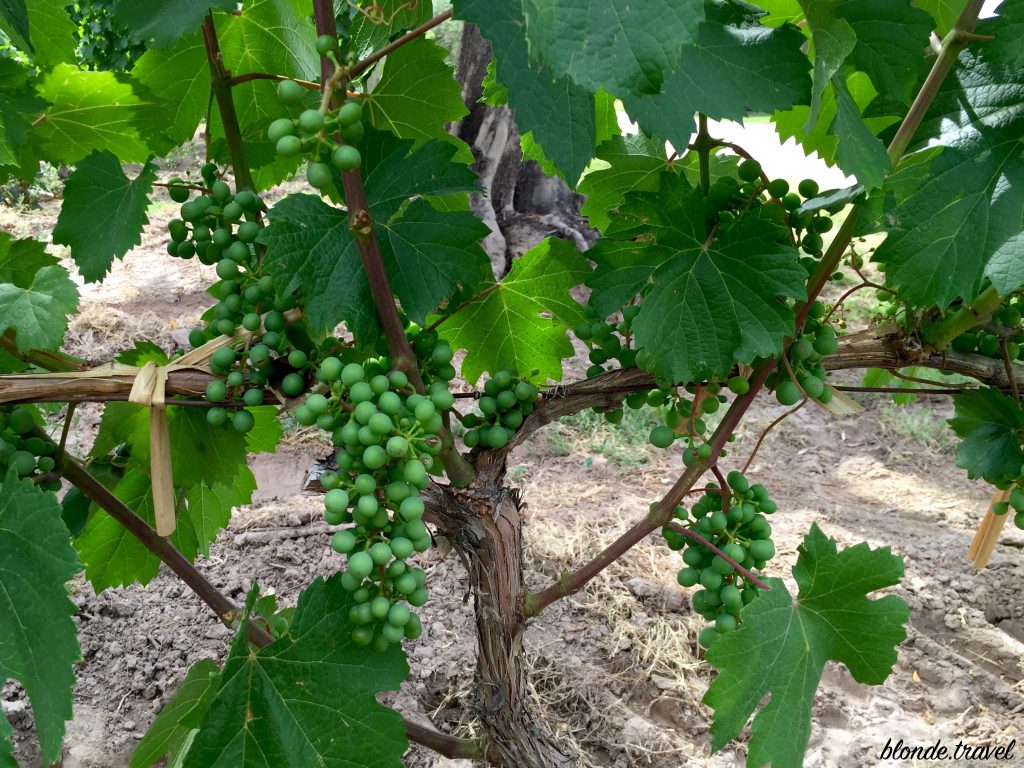
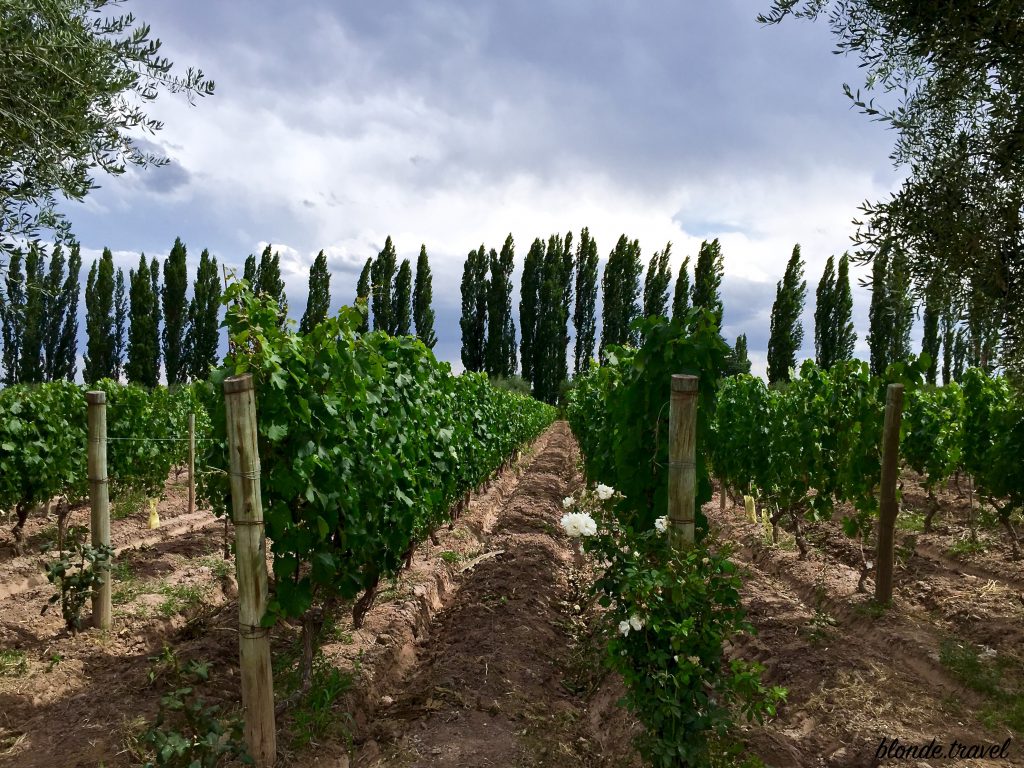
Bella Vista was planted in 1910, Mirador in 1921 and Altamira in 1950. These were vineyards to be understood and cared for over time. Altamira, in particular, produced very little fruit, but its concentration and depth of flavour helped explain the attention it received.
Closely spaced planting was another part of the method. At Altamira, the figure was around 400 grams of grapes per vine—a very small crop, far below the usual yields in Mendoza. The aim was to concentrate the character of the fruit, even at the cost of a much smaller harvest.
The same care continued in the cellar. Grapes were picked early in the morning, while the air was still cool. French oak was the principal choice for ageing, and the use of smaller barrels increased the contact between wine and wood, influencing the tannins and flavour the oak contributed. A Wine Advocate report published in 2015 describes the use of 160-litre barrels for the estate’s top wines.
Tasting guided the winemakers’ decisions about when the wine had reached the balance they wanted. What interested me was the patience of the process: allowing the wine to develop, paying attention to small differences, and judging the result in the glass. It was a matter of taste and experience, rather than simply following a recipe.
The wines were bottled without filtration. Preserving the fine aromas and depth that Cipresso valued mattered more than avoiding every trace of sediment. A deposit in the bottle was an accepted consequence of that choice.
Four vineyards, four settings
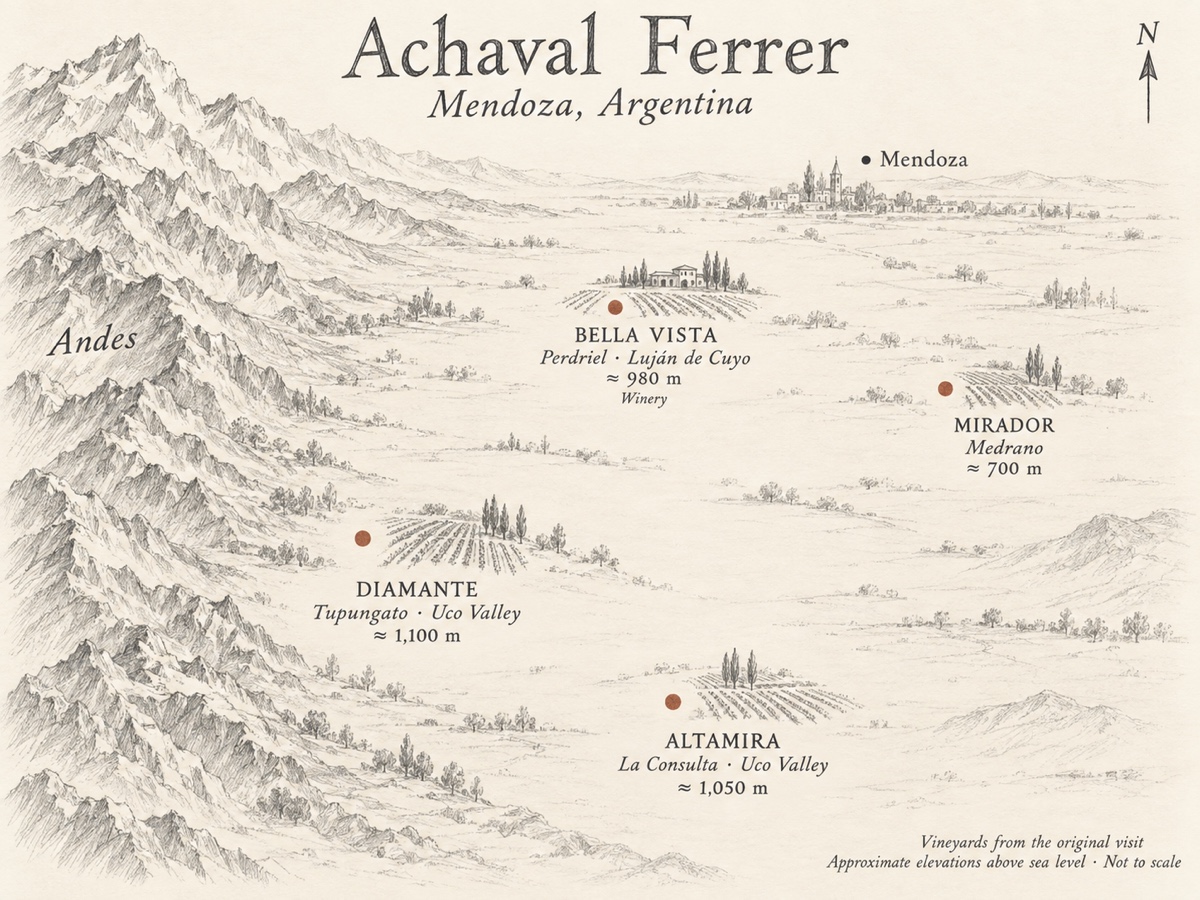
The estate’s vineyards were far from interchangeable. Four names shaped my introduction to Achaval Ferrer, each with its own position in Mendoza and its own part in the wines.
Mirador
Mirador lay in Medrano, at about 700 metres above sea level. Established in 1921, it was described during this period as four hectares of Malbec, surrounded by olive trees, quince and rosemary. It was the lowest of the four sites in my account.
Bella Vista
Bella Vista was the home of the winery we visited, in Perdriel, Luján de Cuyo, at roughly 980 metres. Its vines, planted in 1910, were already more than a century old. This was the setting in which we encountered the estate’s wines, with the mountains giving the visit much of its beauty.
Altamira
Altamira, in the Uco Valley near La Consulta, lay at about 1,050 metres in the estate’s descriptions from this period. Its closely planted vines and exceptionally small harvests seemed to hold a particular fascination for Cipresso. It was also where the Achaval Ferrer project began: an old vineyard whose fruit suggested what the winery might become.
Diamante
Diamante was the highest of the four, at approximately 1,100 metres in Tupungato, also in the Uco Valley. Its 19 hectares extended the estate’s possibilities beyond its celebrated single-vineyard Malbecs, with Merlot, Cabernet Sauvignon and Cabernet Franc contributing to its blending repertoire.
These were the four sites behind the estate as I first encountered it. Its holdings have since expanded, but the differences between vineyards remain central to understanding the wines.
Understanding Finca, Quimera and Mendoza
The range was organised around three ideas: Finca, Mendoza and Quimera. Together, they formed a kind of triptych, each approaching the same landscape from a different angle.
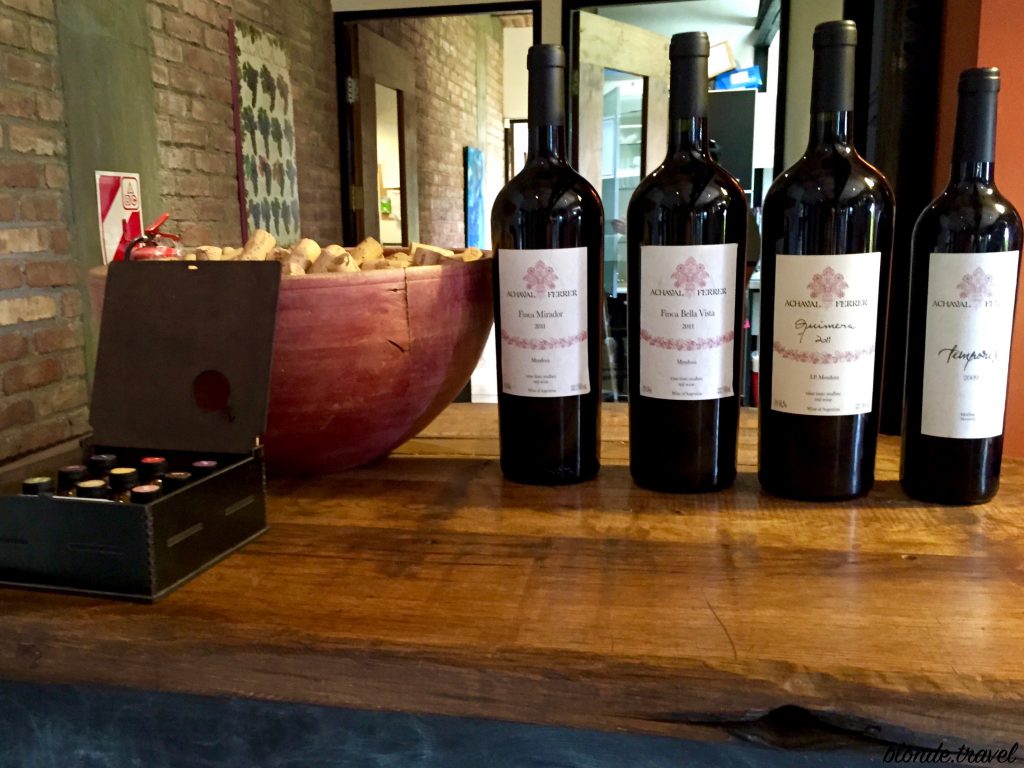
The Finca wines came from individual vineyards. Here, the point was to let the particular place speak through Malbec. Mendoza was the varietal range, bringing together one grape variety from different parts of the region; it included both Malbec and Cabernet Sauvignon.
Quimera was the blend, and the most intriguing of the three approaches for me. Its beginnings lay in the vineyards. Santiago Achával and Roberto Cipresso tasted grapes before the harvest, judging which fruit and which proportions would contribute to the wine. The estate’s contemporary importer notes describe that work across the vineyard sites.
This was the approach described as a “warm blend”. The components were brought together early, before malolactic fermentation and barrel ageing, so that they developed together. The blend was conceived while the fruit was still on the vines, with the proportions reconsidered from one harvest to the next.
Three wines on the veranda
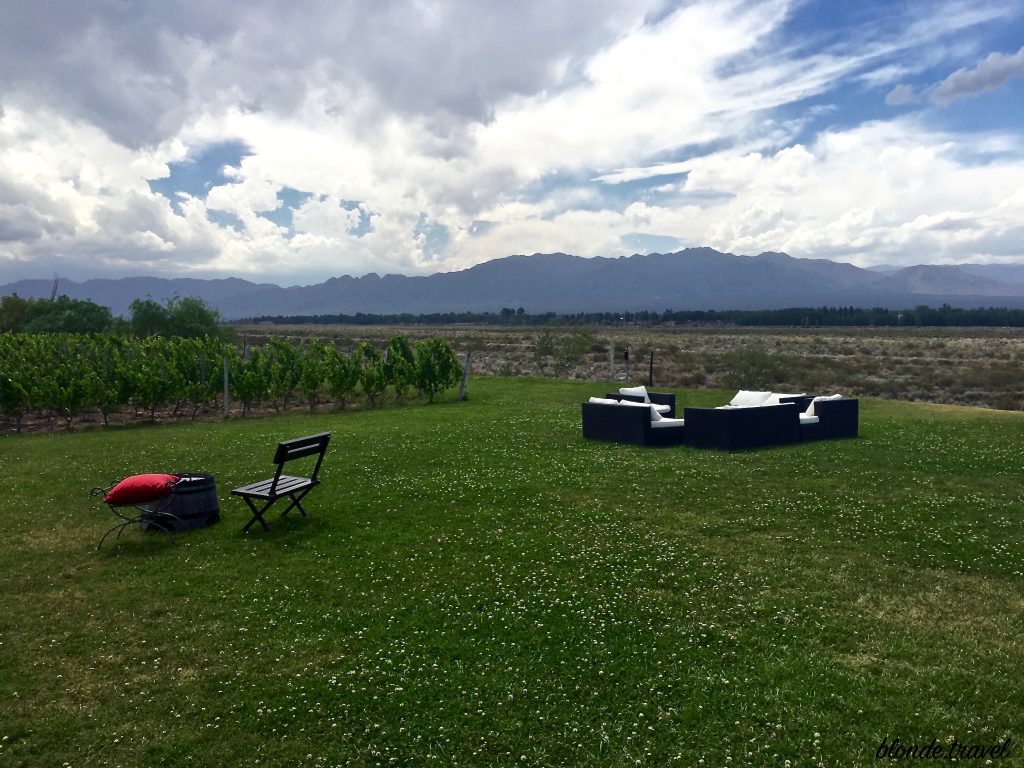
By then we had reached the part of the visit I had been looking forward to most: the tasting. We settled into soft chairs on a shaded veranda, in a setting that felt comfortable and informal.
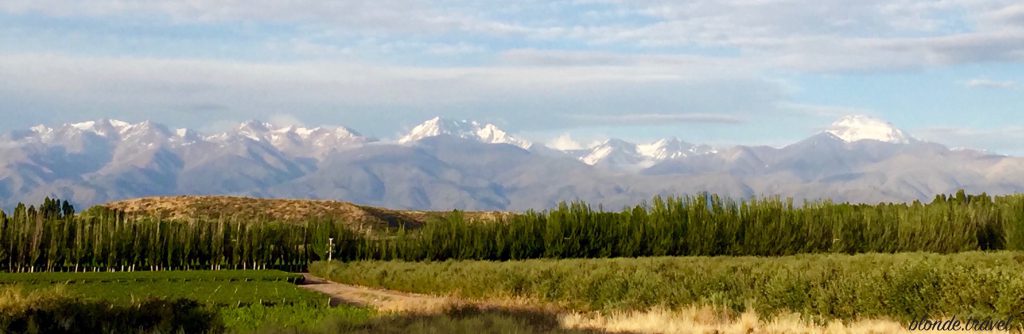
After several days in Mendoza, I still had not grown accustomed to its beauty. There was something almost unreal about the peace of the place, the sense of space and the snow on the distant Andes. I could not stop looking towards the mountains.
Quimera 2007
The first glass was ruby red: a rich, interesting blend, with aromas of blackcurrant and ripe plum and a soft finish. Malbec, Merlot and Cabernet Sauvignon were joined by Cabernet Franc.
Finca Altamira Malbec 2007
Altamira was a single-vineyard Malbec of deep ruby colour, with sweet-fruit aromas and a sharp herbal edge. What I liked was the combination of very good acidity, concentration and depth. I put it firmly among the wines I would remember.
Finca Mirador Malbec 2007
Mirador reminded me how many different expressions Malbec could have. It was the same grape and the same vintage as Altamira, but grown in another vineyard, and blackberry led the flavour here. I found the balance impeccable, with plenty of concentration and a long finish.
Comparing the two made the differences between their vineyards much easier to grasp.
Recognition, then and now
The ambition behind these wines was to express the character of their vineyards at the highest level. The early recognition was substantial: the winery’s historical account of Finca Altamira records Wine Spectator scores of 96 points across four vintages. Finca Altamira 2009 went on to receive 99 points from The Wine Advocate, in its 2011 assessment.
Another precise landmark followed: Finca Bella Vista 2010 earned 95 points and tenth place in Wine Spectator’s Top 100 of 2012.
More recent tastings show the continuing strength of the single-vineyard wines. In his March 2024 review, Jamie Goode awarded 96 points to both Finca Altamira 2020 and Finca Bella Vista 2019. His tasting also included Quimera and Mirador from 2007, an interesting later encounter with two of the vintages I had enjoyed.
The attention now extends beyond Malbec. In a Decanter review reproduced by Jeroboams in May 2026, Ines Salpico praised Quimerino Blanco 2023 for its freshness, intensity and vivid acidity. Decanter’s recent reviews also include the 2021 Finca Altamira. These later wines belong to a new chapter of the estate, beyond the bottles on our veranda that afternoon.
Something to take back to Atamisque
The estate’s curiosity extended beyond those reds. There were other varietal wines, sweet, aromatic red wine made from dried grapes, and olive oil. The oil was too good to leave behind. We bought some along with several bottles of red, and enjoyed its flavour long after the visit.
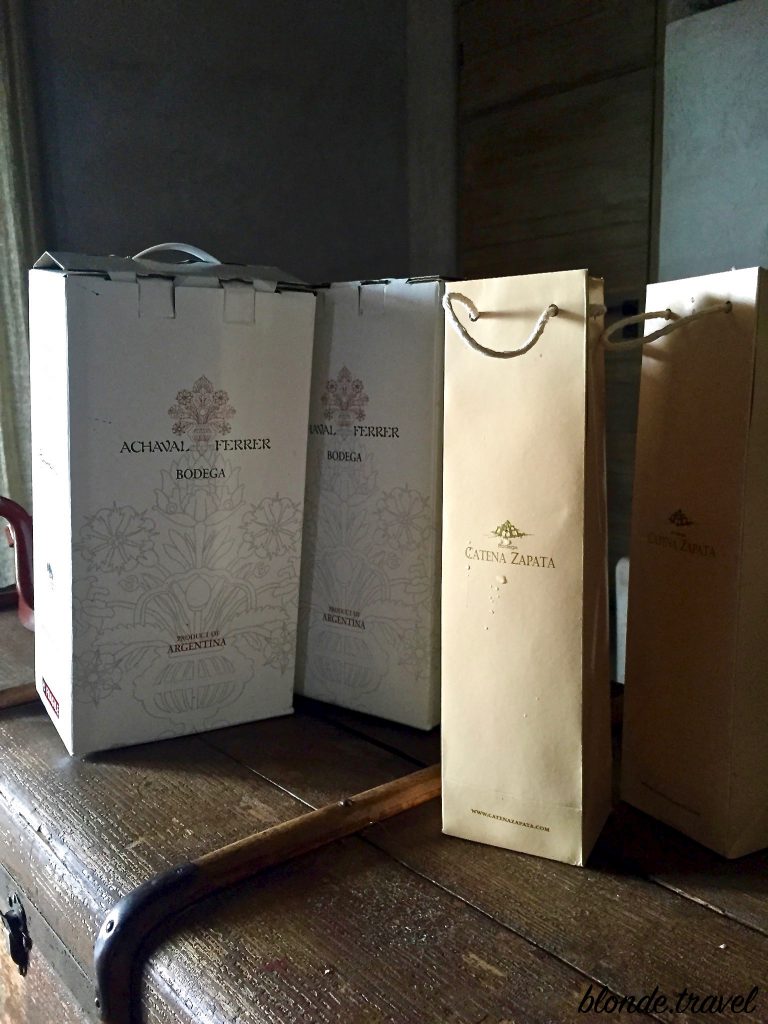
We returned to Atamisque Lodge with boxes and bags from two of Mendoza’s celebrated wineries: the grand Catena Zapata and the more intimate, refined Achaval Ferrer.
Both had welcomed us warmly. The day had given us much more than a chance to taste famous wines: we had begun to understand the choices behind them, and how differently the same region could find its way into a glass. I came away full of impressions, with the landscapes and flavours still vivid—and a few bottles and some very good olive oil to prolong the pleasure.
First published October 2016. Ratings updated September 2026.