
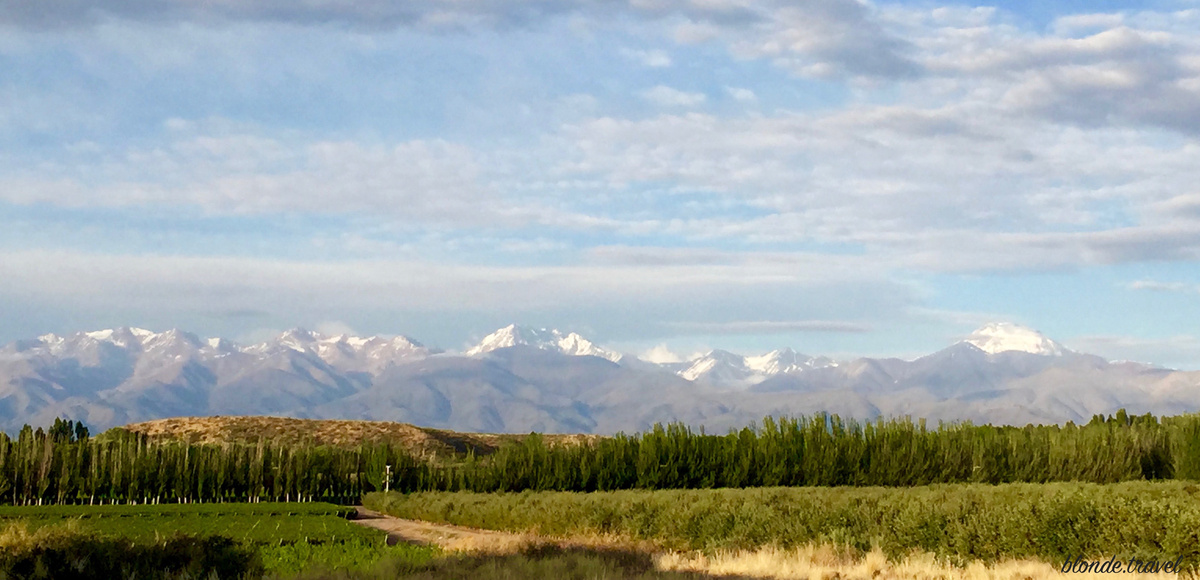
We went to Mendoza to taste the wines that had made Argentina famous and to see where they came from. Of all its wine country, the Uco Valley won me over from the first day. There was a quietness to it that made me want to stay.
Small hotels, good restaurants and an unhurried pace gave the valley an appeal well beyond its cellars. You could come with a serious interest in wine, or simply for the pleasure of spending time somewhere beautiful. I was drawn to both.
The appeal of Mendoza begins with the landscape, but the more closely you look at its vineyards, the more interesting the wines become. Altitude, water, soil and the choices made by growers all leave their mark. Malbec is the obvious introduction. It is far from the whole story.
Argentina’s place in the wine world
Wine growing in Argentina reaches back to the sixteenth century. Today its vineyards extend from the high valleys of the northwest to the cooler, windswept country of Patagonia. That geographical range helps explain the diversity behind the familiar image of a generous Argentine red.
A few figures give the scale. For 2025, Argentina’s National Institute of Viticulture recorded 196,220 hectares under vine. The International Organisation of Vine and Wine’s preliminary figures for the same year put production at 10.8 million hectolitres and domestic consumption at 7.5 million hectolitres. A hectolitre is 100 litres.
That made Argentina the world’s sixth-largest wine producer and the largest in South America. It also remained a substantial wine-drinking country in its own right, ranked eighth by consumption. These are annual figures, rather than permanent positions in a league table; harvest conditions and demand can change them considerably. The OIV’s 2025 report provides the international comparisons.
Mendoza accounts for the largest share of Argentina’s vineyards: approximately 140,682 hectares, or nearly 72% of the national total at the end of 2025. Its scale is considerable, but the province is also varied. A bottle labelled simply “Mendoza” may draw on quite different altitudes, soils and growing conditions.
The Uco Valley, at the foot of the Andes
The Uco Valley lies south and southwest of Mendoza city, roughly 100 kilometres away depending on where you are heading. It encompasses the districts of Tupungato, Tunuyán and San Carlos. Together, they had approximately 30,000 hectares under vine at the end of 2025.
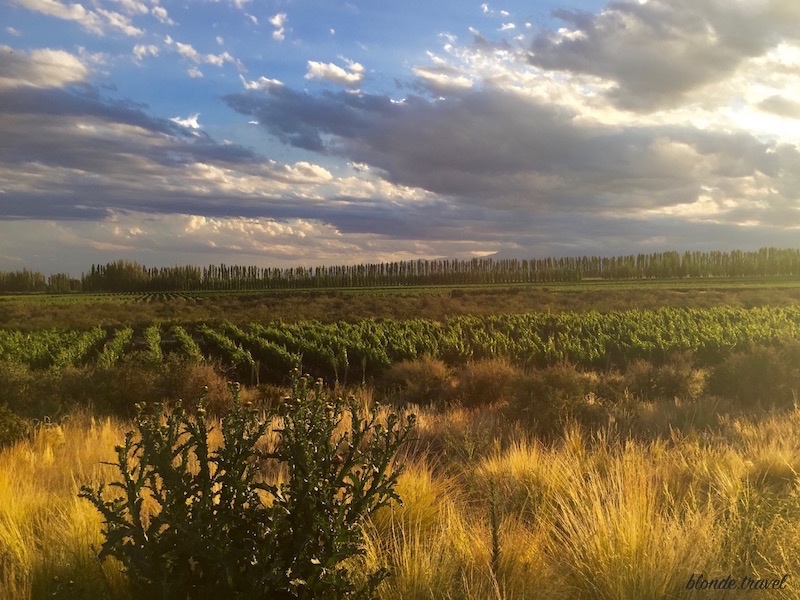
When we visited, the valley’s spaciousness and calm were a large part of its charm. The wine gave us a reason to come; the atmosphere made it a place to linger. Atamisque Lodge belonged to that experience, with the vineyards around it and the Andes beyond.
Many Uco vineyards lie between 900 and 1,700 metres above sea level. Yet elevation is only one part of their identity. The slope of the ground, its exposure to the sun, the depth of the soil and the movement of cold air can make neighbouring sites behave differently.
The wine term for this relationship between place and character is terroir. It brings together soil, climate and topography, along with the way the vineyard is cultivated. Understanding terroir means looking closely enough to distinguish one growing site from another, even when both are planted with Malbec.
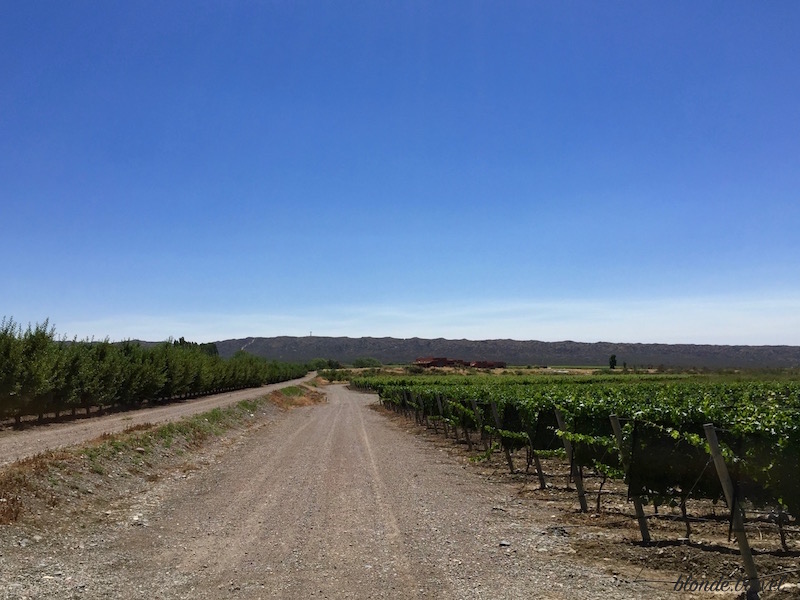
Sunshine, cool nights and the importance of altitude
Mendoza’s abundant sunshine allows grapes to ripen, while altitude moderates the heat. The difference between daytime and night-time temperatures—the diurnal range—also matters. Cooler nights help the grapes retain acidity as they ripen, supporting freshness in the finished wine.
Sugar ripeness and flavour development are related, but they are not identical. During fermentation, yeast converts grape sugar into alcohol. The grower must therefore consider how much sugar has accumulated alongside acidity, flavour and the condition of the skins and seeds when choosing the harvest date. Picking later does not automatically mean making a better wine.
High-altitude sunlight adds another influence. The Catena Institute of Wine’s research has examined how ultraviolet exposure affects phenolic compounds in Malbec grapes. These include anthocyanins, the pigments responsible for red wine’s colour, and compounds that contribute to its structure. Catena Zapata was already on our itinerary; there was plenty to be curious about before we reached the winery.
The advantages come with difficulties. Frost can damage emerging growth, and hail can devastate a crop. A dry climate does not make a vineyard immune to weather. Nor is there a universal elevation above which grapes cannot ripen: latitude, exposure and local conditions must be considered together.
Water in a dry landscape
The Andes intercept moisture arriving from the Pacific and leave Mendoza in their rain shadow. Rainfall alone is insufficient for much of its viticulture. The vineyards depend on water brought to them.
Seasonal snowmelt is an essential source, feeding rivers and the irrigation network; groundwater is also used. Canals, reservoirs and modern irrigation systems connect the mountain water supply to the cultivated land below. Careful management is needed to deliver water when the vines require it and avoid wasting a limited resource.
The green of the vineyards can make it easy to forget how dry the surrounding country is. Their appearance is the result of cultivation and irrigation as well as climate. Mendoza’s wine landscape owes a great deal to the people who learned to work with that contrast.
Alluvial soils and the character of a site
Much of the Uco Valley’s vineyard soil is alluvial: material carried down from the Andes and deposited by water over time. Sand, silt and clay occur alongside gravel and larger stones. The proportions, depth and arrangement of these layers vary from place to place.
Some sites contain significant calcium carbonate deposits and are described as calcareous. These soils have attracted particular interest in areas such as Gualtallary and Paraje Altamira. Their significance lies in how they influence the vine’s growing environment, including water availability and rooting conditions.
Well-drained soils and controlled vine growth can help a grower achieve the desired fruit quality. But “poor soil” is not a recipe on its own. The vine still needs enough water and nutrition to ripen a healthy crop. This is why serious vineyard work involves understanding individual parcels rather than treating an entire valley as one uniform terroir.
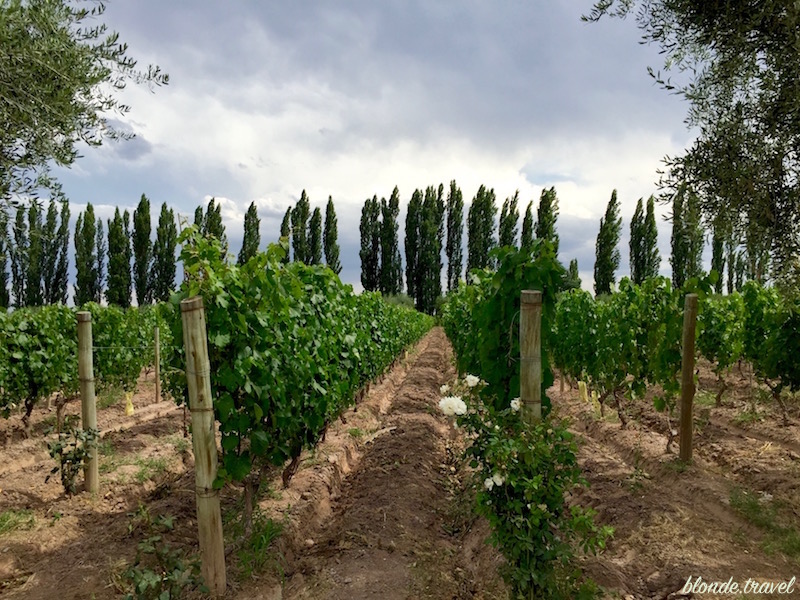
Malbec’s Argentine home
Malbec originated in southwestern France and retains a strong association with Cahors, where it is also known as Côt. Its history includes Bordeaux as well. Argentina’s success with the grape is a story of adaptation and commitment, rather than a variety that simply failed in France.
Its introduction to Argentina is generally credited to the French agronomist Michel Aimé Pouget in 1853. Over generations, Malbec became closely associated with Mendoza and eventually the country’s best-known wine internationally.
That prominence is reflected in the vineyards. At the end of 2025, Argentina had 46,890 hectares of Malbec, according to the INV’s Malbec report. It represented 23.9% of all land under vine and 42.6% of the area planted with red varieties suitable for winemaking. The first figure covers all grape-growing land; the second concerns red wine varieties alone.
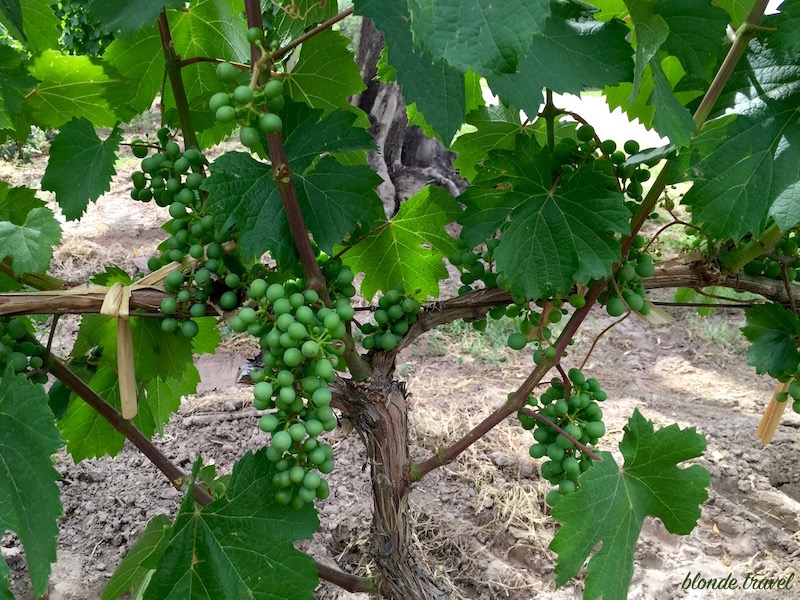
Colour, fruit and tannin
The familiar Argentine style has a deep ruby colour, often with purple highlights when young, and ripe plum and blackberry flavours. Floral notes, including violet, can add lift; peppery spice may linger on the finish. Depending on the site and the producer, the fruit can feel fresh and precise or riper and more opulent.
On the palate, Malbec often has generous body and a supple texture. Body is the sense of weight in the mouth. It is distinct from the drying grip of tannins and from acidity, which makes the mouth water. A wine may be full-bodied while its tannins feel finely textured; another may have firm tannins without an especially heavy body.
The tannins in red wine come principally from grape skins and seeds, with stems and oak potentially contributing too. Their extraction during fermentation and maceration—the period of contact between juice or wine and the grape solids—helps shape the finished texture. Ripeness provides the raw material; winemaking determines how that material is handled.
This is the pleasure of looking beyond a general description such as “rich” or “powerful”. Ripe fruit, sufficient acidity and well-integrated tannins can give a wine depth without making it cumbersome. The finish is the impression left after swallowing or spitting, including the persistence of flavour and the balance of those sensations.
What gives a wine the ability to age?
Colour and concentration can suggest substance, but a dark wine is not necessarily one to keep for years. Ageing potential depends on the wine as a whole: the quality and concentration of its fruit, its acidity, its tannic structure and the balance between them.
With suitable bottle ageing, some reds develop more savoury, earthy or dried-fruit notes, while their tannins can feel softer. Other wines are made for the freshness of their youth. Keeping them longer may simply diminish the qualities that made them appealing.
Oak is a separate consideration. Depending on the vessel’s size, age and treatment, it can contribute flavours such as vanilla, toast or baking spice and influence the wine’s development. Those flavours should not all be attributed to the grape or the vineyard. Nor does pronounced oak flavour, by itself, indicate a superior wine.
Torrontés and the wines beyond Malbec
Torrontés offers a very different expression of Argentina. Its floral perfume can be striking: rose and jasmine, often accompanied by peach and other stone-fruit notes. The aroma may suggest sweetness, yet many examples are dry on the palate.
Argentina recognises three varieties bearing the name: Torrontés Riojano, Torrontés Sanjuanino and Torrontés Mendocino. Riojano is the one most closely associated with the expressive aromatic wines that brought Torrontés international attention. Salta, particularly Cafayate, and La Rioja are important places to look for it.
Mendoza’s whites broaden the picture further. Chardonnay is an important variety, and the Uco Valley also produces wines from Semillón and Sauvignon Blanc. Young, unoaked whites may be pale lemon in colour, sometimes with greenish reflections. Their freshness and texture vary with the variety, vineyard and harvest date; barrel fermentation, oak maturation or contact with the lees—the spent yeast after fermentation—can alter their character further.
Among the reds, Bonarda and Cabernet Sauvignon have long been important, while Cabernet Franc has gained attention in the Uco Valley. The latter adds another reason to look beyond a single grape when exploring Mendoza.
There is also the older tradition of Cereza and Criolla varieties, including pink-skinned grapes historically important for everyday wines. Skin colour does not determine a single finished wine style: pink-skinned grapes are not a measure of rosé production. Today, some producers are revisiting these varieties for distinctive, lighter wines, bringing renewed attention to a part of Argentina’s heritage that Malbec can overshadow.
From the domestic table to the international cellar
Argentina’s wine history long predates its export reputation. Vines arrived in the sixteenth century; later, European immigration brought growing and winemaking knowledge alongside a culture in which wine belonged at the table.
Railway connections were decisive for Mendoza’s expansion. The railway reached the province in 1885, making it easier to supply Buenos Aires and other large markets. Vineyards and wineries could grow because the wine could travel more efficiently to the people who drank it.
For much of the twentieth century, domestic demand supported substantial production of inexpensive everyday wine. The industry’s priorities were shaped by that market. From the 1990s, investment, modern equipment and greater attention to exports helped Argentine producers establish a wider international reputation.
Improvements in cellar practice mattered alongside work in the vineyard. Controlling fermentation temperature and managing oxygen exposure help preserve a wine’s intended character. Excessive oxidation can dull fruit and introduce stale aromas; controlled exposure during maturation can have a useful role. They should not be confused, any more than everyday wine should be assumed to be faulty.
Argentina now has an established place in fine wine. Its history still helps explain the range available: familiar wines for the table, ambitious blends and wines intended to express the character of a particular vineyard.
Old vines and living wine heritage
Some of that history survives in the vines themselves. The INV’s 2025 census records both extensive modern planting and parcels planted before 1940. Old vineyards matter for the plant material they preserve and the accumulated understanding of how those vines behave in their particular setting.
Many Argentine vineyards are ungrafted, meaning the vines grow on their own roots. Phylloxera, the root-feeding insect that devastated European vineyards, is present in Argentina. The survival of own-rooted vines should therefore not be mistaken for immunity to the pest.
Vine age alone does not guarantee wine quality, but a well-kept old vineyard can be an important inheritance. At Achaval Ferrer, old vines and the differences between individual sites became central to the story of our visit.
Argentina’s wine regions, from north to south
Mendoza was our focus, but the country’s other regions help put its wines in perspective.
- Salta, Jujuy and Catamarca: the high valleys of the northwest bring intense sunlight together with substantial differences between daytime and night-time temperatures. Salta is particularly associated with Torrontés and Malbec. Colomé’s Altura Máxima vineyard in Payogasta stands at 3,111 metres, an example of how far Argentine growers have taken high-altitude viticulture.
- La Rioja: separate from Spain’s Rioja, this is one of Argentina’s historic wine-growing provinces. Torrontés Riojano is an important part of its identity, although the province also grows red varieties.
- San Juan: north of Mendoza, it includes warm valleys as well as cooler elevated sites such as Pedernal. Syrah, Malbec and Bonarda are among its important reds. The range of conditions is much broader than a simple description of a hot region suggests.
- Mendoza: Argentina’s largest wine-growing province includes established areas such as Luján de Cuyo and Maipú, the elevated Uco Valley, and extensive vineyards farther east and south. Its wines vary with both origin and the ambitions of the producer.
- Patagonia: Río Negro, Neuquén and Chubut offer another set of growing conditions, where southerly latitude becomes an important source of coolness. Pinot Noir and Chardonnay are part of the region’s appeal, alongside other varieties. Río Negro is an important historic centre, rather than the southern limit of Argentine wine.
Malbec also has its own date in the calendar. Malbec World Day falls on 17 April. The celebration was launched by Wines of Argentina in 2011 and commemorates the presentation, on that date in 1853, of the proposal for an agricultural school and model farm in Mendoza. It is a fitting reminder that the grape’s success depended on people bringing knowledge, plants and ambition together.
For me, the Uco Valley’s attraction remained more personal. I had come for the wine and been captivated by the place from the first day. The next step was to visit the wineries themselves: Catena Zapata, followed by Achaval Ferrer, and taste the wines behind those vineyard names.
Originally published in Russian in October 2016. Wine background and statistics updated in September 2026.