
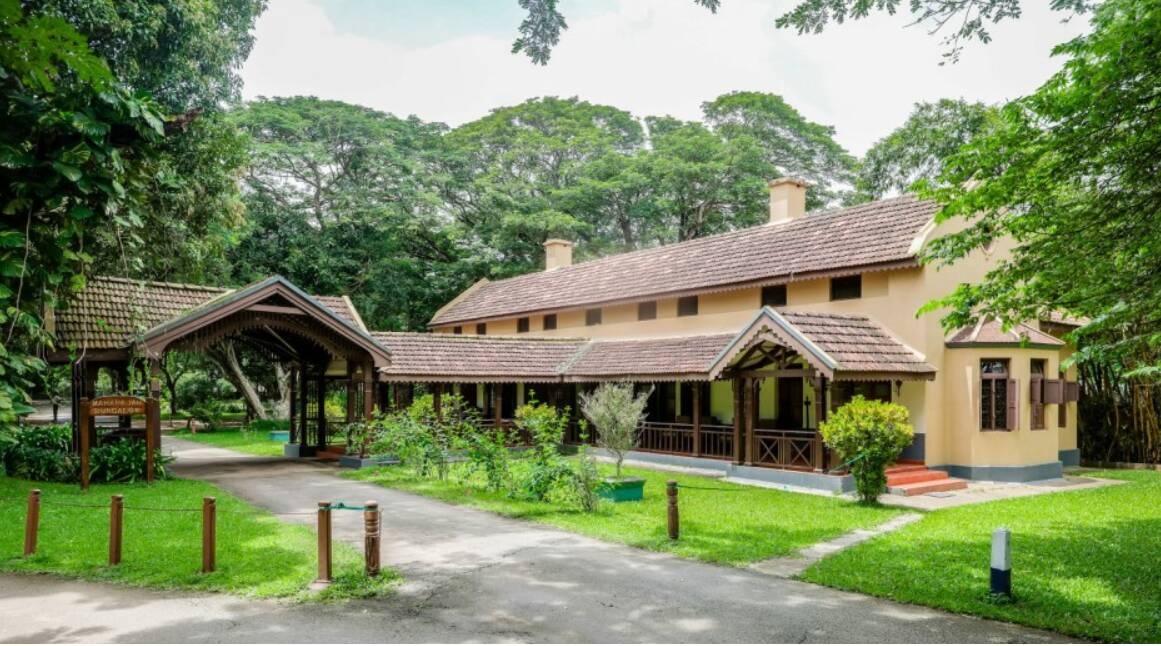
Kabini River Lodge. Photograph: Jungle Lodges & Resorts, via The Better India.
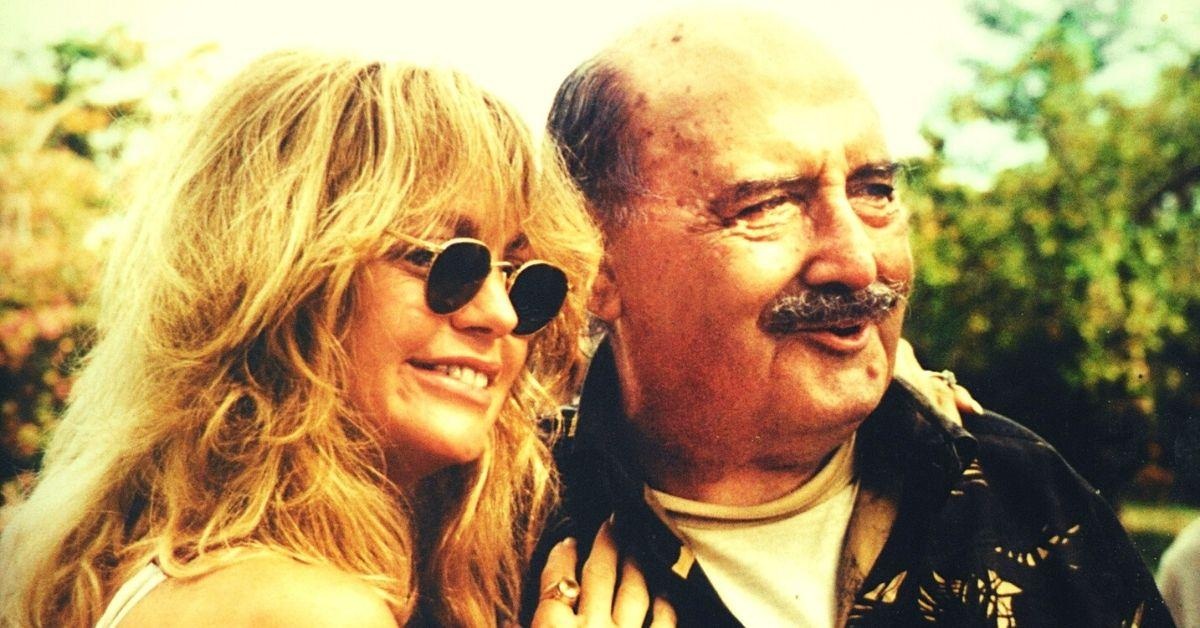
After John Wakefield died, his favourite armchair remained on the porch of the bar that carried his name. A 2013 account of Kabini River Lodge found his presence in photographs, in conversations and in the fierce affection of the people who had worked with him. The building offered one kind of memorial. The staff offered another: they were still running the place as he had taught them.
For a man remembered as “Papa”, this was an appropriate afterlife. Wakefield’s achievement required people to get up early, welcome strangers, understand animals, prepare meals and do it all again the following morning. His contribution to Indian wildlife tourism took the form of a functioning establishment.
A tiger could make someone dream of India. Someone still had to make the journey worth buying.
India’s conservation history has its great political moment: Indira Gandhi’s government, the wildlife legislation of 1972, Project Tiger the following year. Behind those decisions stood naturalists, campaigners and officials who had made the danger impossible to ignore. They secured the foundations on which a future visitor economy could stand.
Building that economy was another undertaking. A protected forest needed guards and scientific knowledge. A destination also needed beds, bookings, dependable meals, transport and a person capable of explaining why an apparently empty stretch of woodland deserved your attention. The interval between saving an animal and making a living from its survival could be long.
Wakefield spent much of his later life working in that interval. Guests paid to watch wildlife; their spending supported the people who made the visit possible. Keeping the forest alive became part of keeping the lodge in business.
From hunting ground to safari lodge
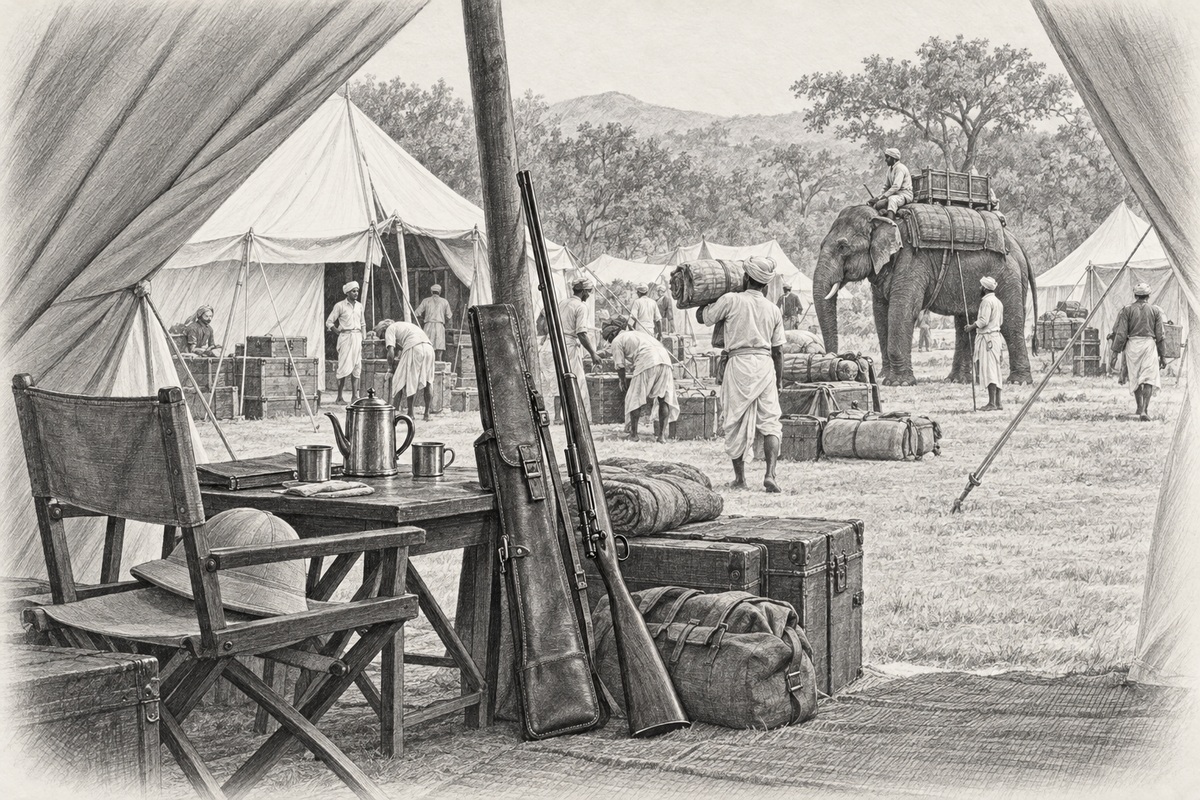
Born in Gaya, Bihar, in 1916, he grew up within the orbit of the Maharaja of Tikari, whose estate his father managed. Belinda Wright, the conservationist who knew him throughout her life, recorded that he shot a leopard at nine and a tiger the following year. He later served in the army, including during the Burma campaign. The forest entered his education through hunting, work and war.
That background gave him an unusual inheritance. He knew the old attraction of an expedition: the knowledge required to find an animal, the excitement of approaching it, the camp to which everyone returned. He also lived long enough to find new uses for those skills.
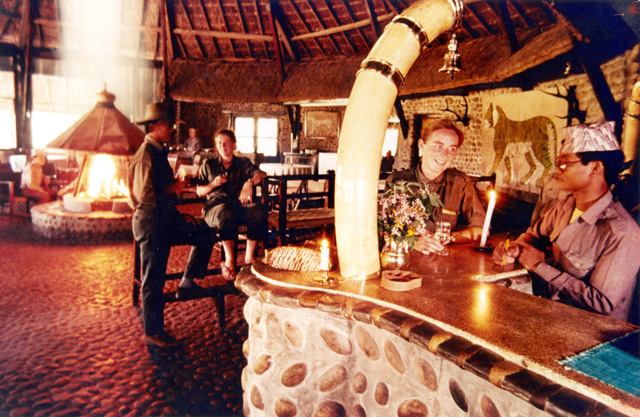
By 1967 he was working in wildlife tourism. In 1978 he joined Tiger Tops, the Nepalese safari enterprise associated with Jim Edwards. Here was an example of wilderness already assembled into an international travel business: a lodge, excursions, a reputation, guests who crossed borders to come.
Nepal would provide Karnataka with a remarkably direct demonstration.
In 1978, R. Gundu Rao, then Karnataka’s tourism minister, travelled to Nepal for a Pacific Asia Travel Association conference. According to Jungle Lodges & Resorts’ own history, his stay at Tiger Tops impressed him particularly because of the overseas visitors it attracted. Karnataka possessed forests, elephants, big cats and abundant other wildlife. He invited the company to develop a similar operation at home.
The episode belongs as much to the history of hospitality as to conservation. A minister had encountered a product he wanted his state to offer. The forest was becoming a reason to book a room.
The resulting partnership between Karnataka and Tiger Tops opened Kabini River Lodge in 1980. Its setting included a former royal hunting property beside the Kabini River, close to Nagarhole’s forests. Accounts associate Wakefield and Ramesh Mehra with developing the venture; Wakefield subsequently became its enduring host and guiding personality.
The old hunting lodge gave this change a tangible form. The destination retained the intimacy with wild country that had brought earlier guests there. Its commercial future now depended on visitors leaving the animals behind.
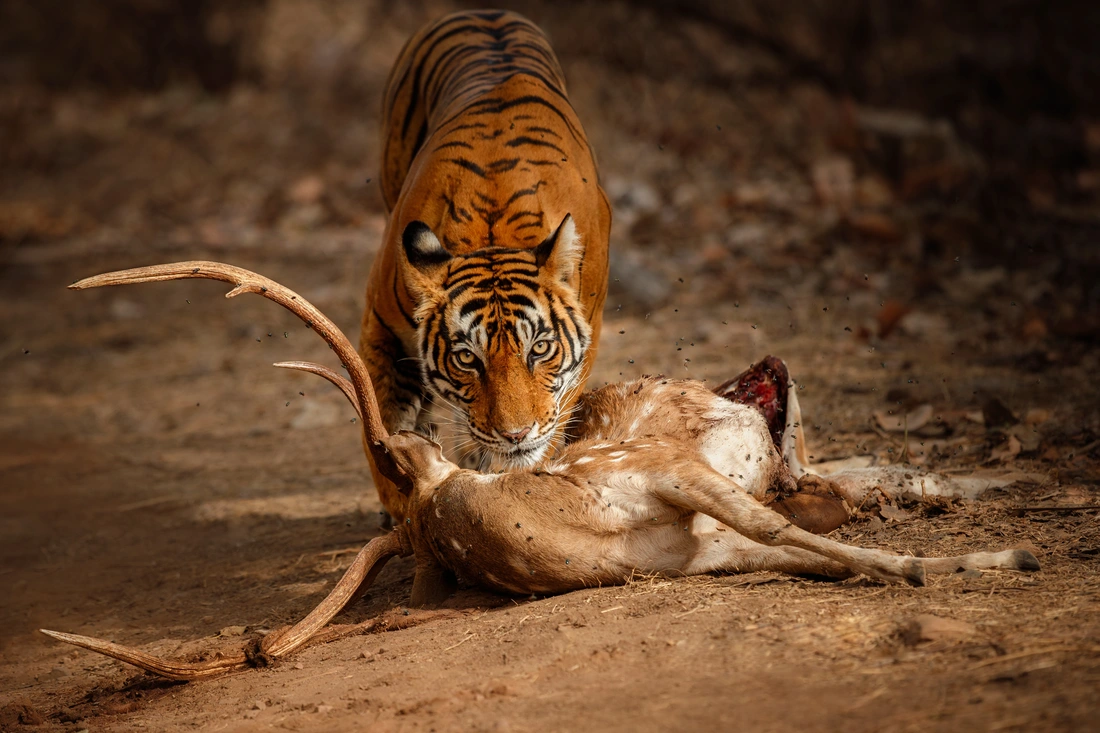
Teaching visitors to look
There was considerable work concealed inside that transformation. A hunting expedition had a clear objective and a dramatic conclusion. Watching wildlife offered uncertainty. An animal might fail to appear. Rain might intervene. A guest might spend an expensive morning seeing little that they knew how to value.
A safari business therefore had to cultivate perception as carefully as it arranged transport.
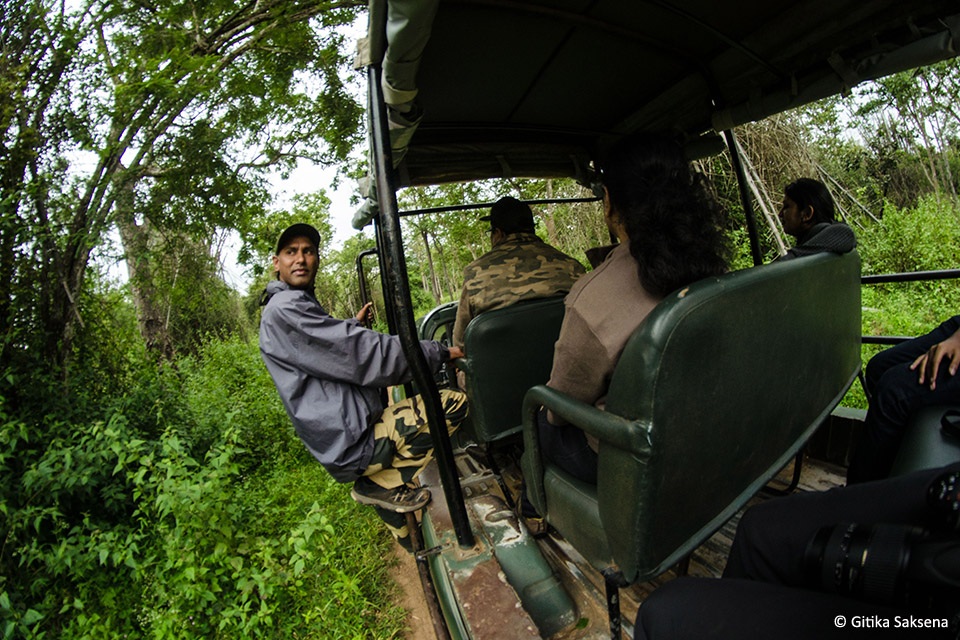
Wakefield’s most useful legacy may have been the importance he gave to the naturalist. In 1986 he recruited Sundar as head naturalist, with responsibilities that included taking guests into Nagarhole and teaching local people to guide. An account drawing on the anthropological collection Animals in Person describes the resulting work: bird walks, explanations of elephant behaviour, and introductions to the trees around the visitors.
These apparently modest activities changed what the customer received. A drive could contain a succession of discoveries. A guide could make a sound meaningful, connect a track with an animal’s movements, or explain the purpose of something the guest would otherwise have passed without noticing.
The tiger remained a powerful attraction. Knowledge gave the rest of the forest a chance.
Years later, a Kabini naturalist named Prasanna recalled Wakefield’s two essentials: make guests comfortable, and share what you know. Prasanna’s own father had worked at the lodge; childhood visits had helped draw him into the profession. Another employee remembered that electricity only arrived in 1986.
Comfort, in that setting, was an exacting craft. It depended on attentiveness and competence. Guests needed to feel looked after in a place where the ordinary assurances of a city hotel could disappear.
Wakefield supplied something else a remote lodge cannot order from a supplier: company. Geeta Doctor’s obituary remembered a gifted storyteller who softened the rigours of the forest with humour and convivial evenings. He could prepare people for insects, unfamiliar noises and missing conveniences, then give them a good dinner and a story to carry into the night. His particular affection was for elephants.
His personality helped set the terms of the visit. The forest was allowed to remain itself. The host’s job was to help people enjoy being there.
For travellers, this is a recognisable kind of luxury. It lies in access to someone who understands a place: the assurance that the person beside you knows what a sound means, when to wait, when to withdraw. At its best, a safari buys temporary entry into another person’s depth of attention.
A living forest, a working livelihood
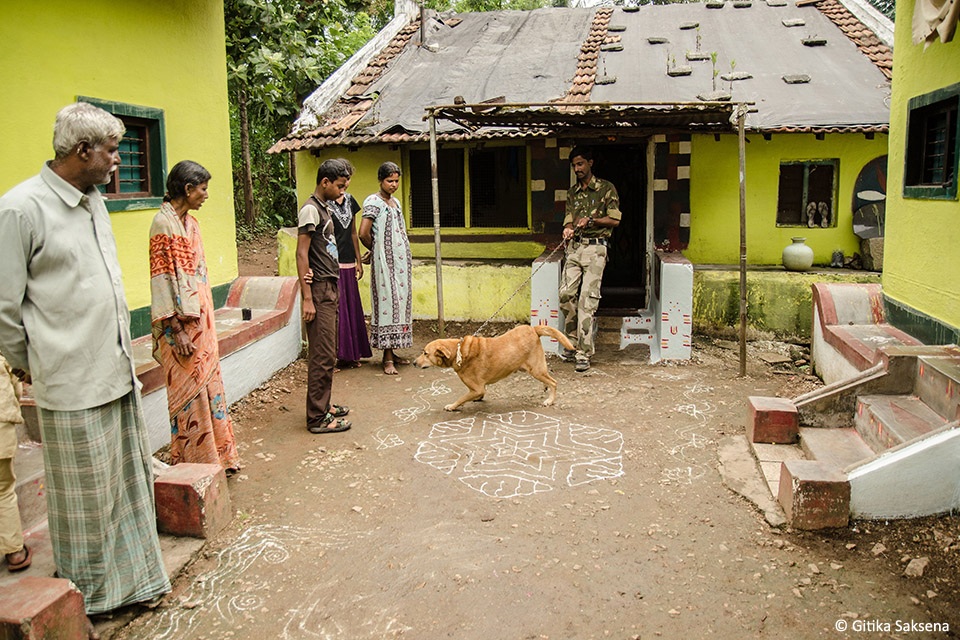
Wakefield also understood that the people living near the lodge had to occupy a meaningful place in its business. The 2013 staff portraits describe Somanna, retiring after thirty years of service, and his son Vijay, working as a naturalist. They record Anna Mary’s long career in housekeeping and describe a workforce drawn overwhelmingly from nearby communities.
These are small biographical facts with large economic implications. A forest could support a household through wages, professional skills and purchasing. A young person could imagine a career built around knowing it well. Conservation acquired relationships that continued after the visiting jeep had gone.
Such employment could never settle every dispute over protected land. Families living beside wildlife face costs that hotel guests seldom experience, and a lodge’s benefits do not automatically reach everyone. What Kabini demonstrated was a practical way to make some of the forest’s value circulate through the surrounding economy.
The business itself had to survive. In 1987 Tiger Tops withdrew, selling its interest to Karnataka. Jungle Lodges & Resorts continued as a wholly state-owned company. This complicates the familiar entrepreneurial fairy tale. Kabini’s endurance required public backing as well as the skill of an exceptional operator.
A tribute published in TigerLink credited Wakefield with giving the project “credibility and profitability”. Both words matter. A place could possess magnificent wildlife and still fail as a hospitality business. Equally, an enterprise might sell plenty of beds while eroding the qualities for which guests had travelled.
Wakefield’s work was to hold those demands together through the ordinary disciplines of running a lodge.
The next morning’s guests
By 2009, Civil Society described Kabini as the central achievement behind a wider organisation, and Wakefield as an advocate of controlled tourism and respect for the forest’s limits. Its account stressed the naturalist’s ability to draw attention to tracks, droppings and even spider webs—small observations through which a visitor could begin to understand an environment.
The scale of the ambition was larger than it first appeared. The business was teaching customers what to want.
That lesson remains pertinent to tiger tourism. An encounter with a large cat can be overwhelming. It can also become the only measure by which a visitor judges a journey, turning every drive into a pursuit and every other animal into an interruption. The naturalist’s patient work offers a richer contract: come for the tiger, and discover how much there is to see while looking.
Kabini’s influence became visible beyond the original lodge. Reporting in 2014, The Indian Express described a destination with new camps and hospitality investment along the river, while crediting Kabini River Lodge with first establishing the area on the tourist map. The lodge also played a central role in organising access to the forest for surrounding resorts.
A destination had grown around the early experiment. Its fortunes were now connected to the continuing attraction of living wildlife.
This was one regional achievement within India’s much larger safari story. At Kanha, the Wright family developed Kipling Camp; the Sankhala family built its own wildlife lodges. Park managers, drivers, naturalists and entrepreneurs created different versions of the business in different places. Wakefield’s distinction lies in the example he sustained at Kabini, and in the people who learned how to operate it.
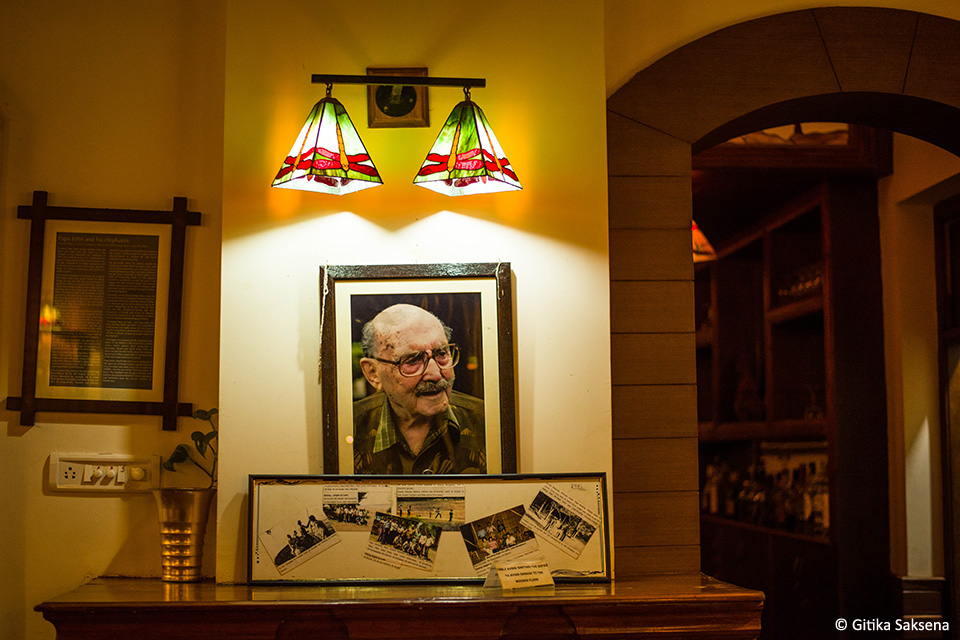
He died there on 26 April 2010, aged ninety-four. His life had stretched from the households of princely India to an age in which tourists travelled with cameras in search of the animals he had once hunted.
The distance between those worlds was measured in more than a change of equipment. It required a new arrangement of work and reward. The tracker’s knowledge could become a profession in guiding. The hunting lodge could become a base for watching. A forest could bring guests back, and those guests could help keep a business—and the livelihoods around it—going.
Wakefield’s armchair was left on the porch. Beyond it, there were still rooms to prepare, meals to serve and people waiting to be taken into the forest.
The next morning’s guests would need someone to show them how to look.