
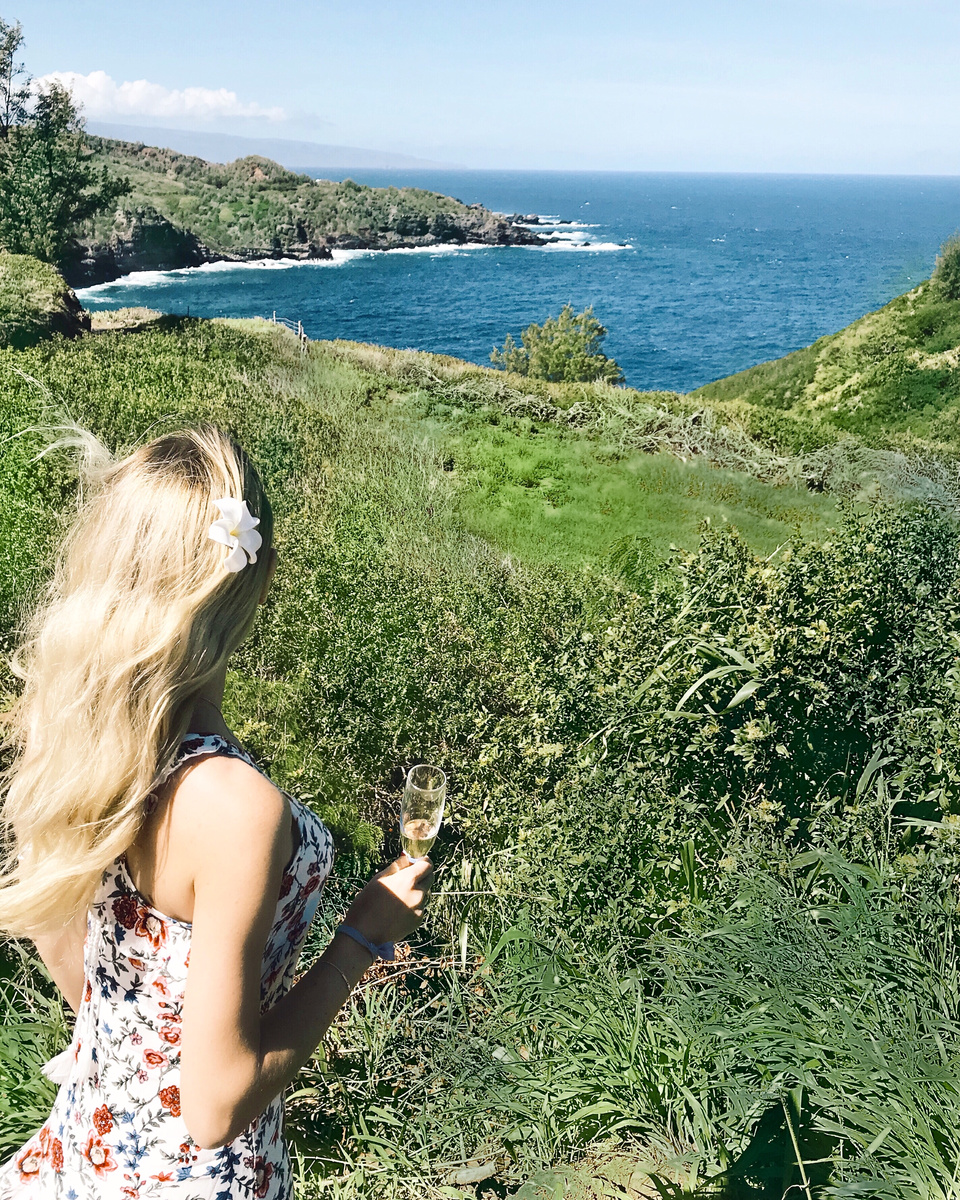
Hawaii is a dream for anyone who loves volcanoes, surfing and adventure. These are fairy-tale islands, astonishingly beautiful and alive. Once you are here, the rest of the world disappears somewhere far beyond the horizon.
Maui was my second Hawaiian island.
You can read more about the cruise on Pride of America in my story about the ship.
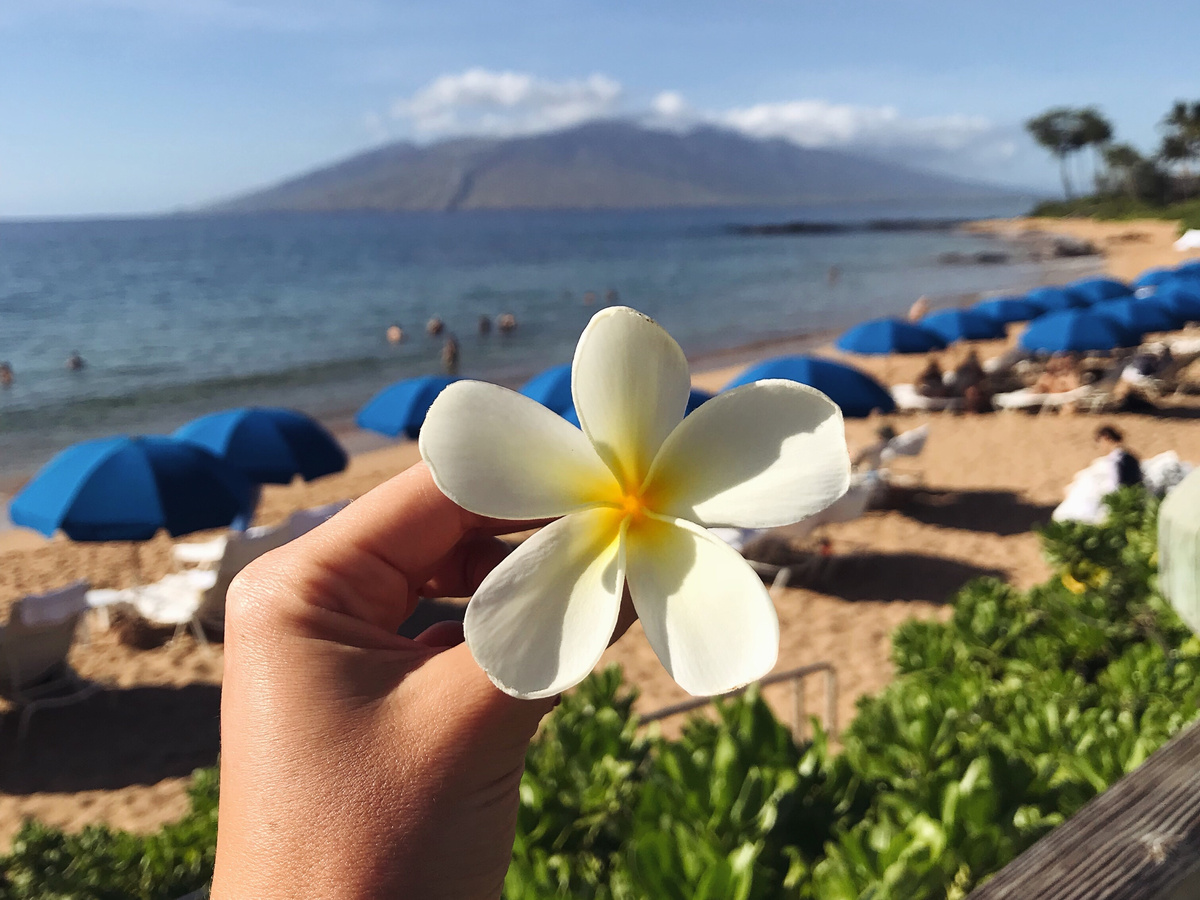
Arriving on Maui by cruise ship
My first morning began with a 4:30 wake-up, thanks to the six-hour time difference with the Dominican Republic.
Maui was still three hours away. I went out onto the balcony, leaned on the rail, breathed in the cool sea breeze, and suddenly caught a movement in the water out of the corner of my eye. Dolphins! It was so unexpected that I stood there watching them without moving. There were so many of them. They were not in the least afraid of the enormous ship and swam alongside it, leaping out of the water again and again. It was unforgettable.
Day was breaking. Soon the ship came into Kahului.
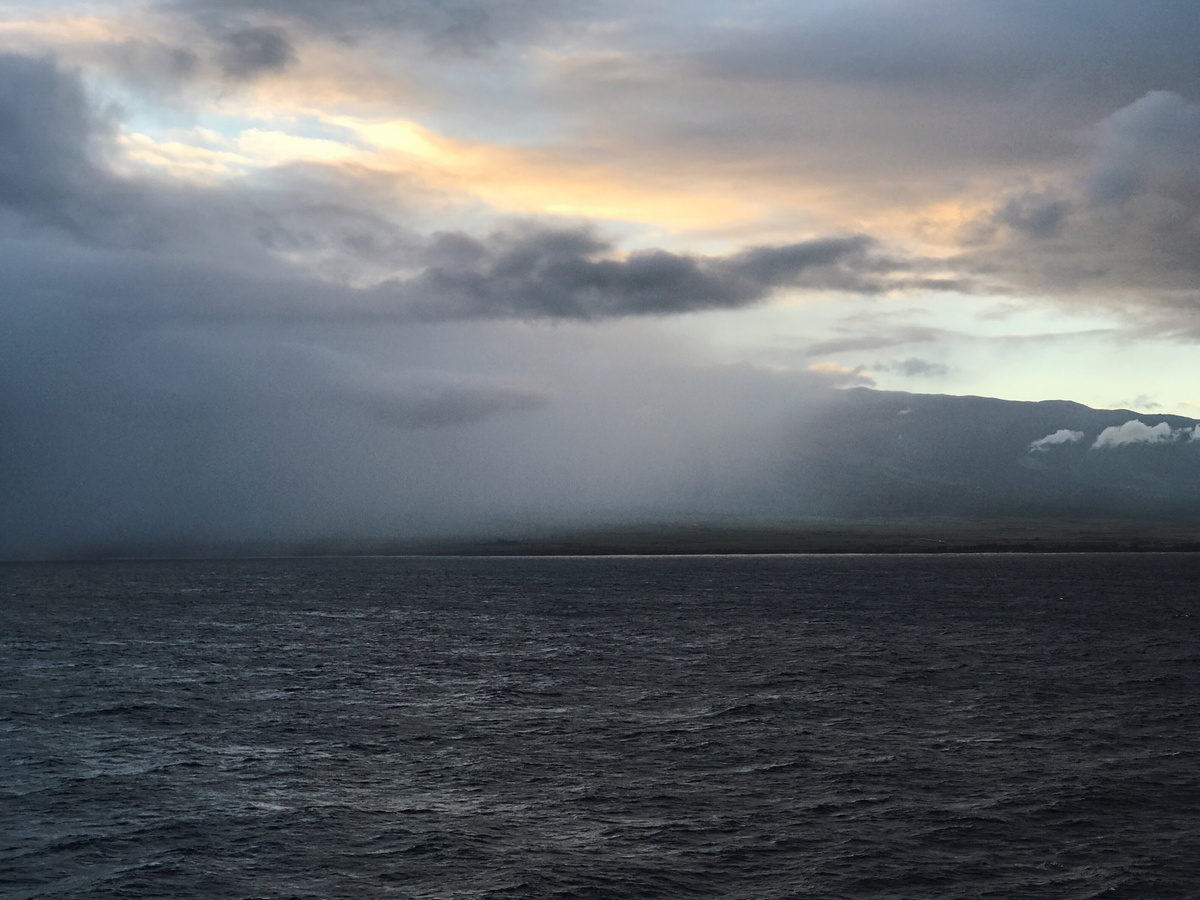
The stop on Maui lasts two days, from 8 a.m. on Sunday to 6 p.m. on Monday.
Here is how we spent that time, and what you can manage on Maui in two days.
Two days on Maui
The plan, and what really happened
As I described in my story about the cruise, we rented a car.
By 9 a.m. we had walked to the Hertz office at the Maui Beach Hotel, collected our blue Mustang (instead of the 4×4 we had booked) and set off.
The plan was simple: drive around the island clockwise along the sea, stopping at every place I had marked on the map beforehand. By sunset we would reach the west coast and watch the sun go down over the sea in Wailea or Lahaina, depending on how far we managed to get. Since we planned to watch the sunrise on Haleakalā the next morning, I decided not to go to the national park on the first day. We would leave it for the second, if the sunrise made us want more. If not, we would spend the rest of the second day on the west coast in Kāʻanapali.
Those were the expectations. Reality turned out quite differently.
My route around Maui at a glance
Day 1: Kahului → Paʻia → the Road to Hāna → Waiʻānapanapa → Kīpahulu → the Piʻilani Highway → back to Kahului over the slopes of Haleakalā.
Day 2: Haleakalā at sunrise → Kahakuloa → Wailea → Kīhei → Kahului Harbor.
What to know before you drive around Maui
1. Going all the way round the east coast and stopping at waterfalls, beaches and other beautiful places took a very long time. The Road to Hāna turned out to be much more interesting than I had expected, and I wanted to stop everywhere, and to walk in the jungle too. There are countless trails. Everything is signposted, accessible, well organised and very popular. Google Maps optimistically estimated the whole route at two and a half hours, but with all the planned stops it took many times longer. So we decided to watch the sunset from the nearest beach, in Wailea. Not so fast. It turned out that you cannot drive there around the island. It is plain on the map; I do not know how I miscalculated. I probably assumed there was some small road that Google Maps was not showing because we had no internet.
2. You cannot drive around the whole island. You have to go back to Kahului and drive from there to Wailea.
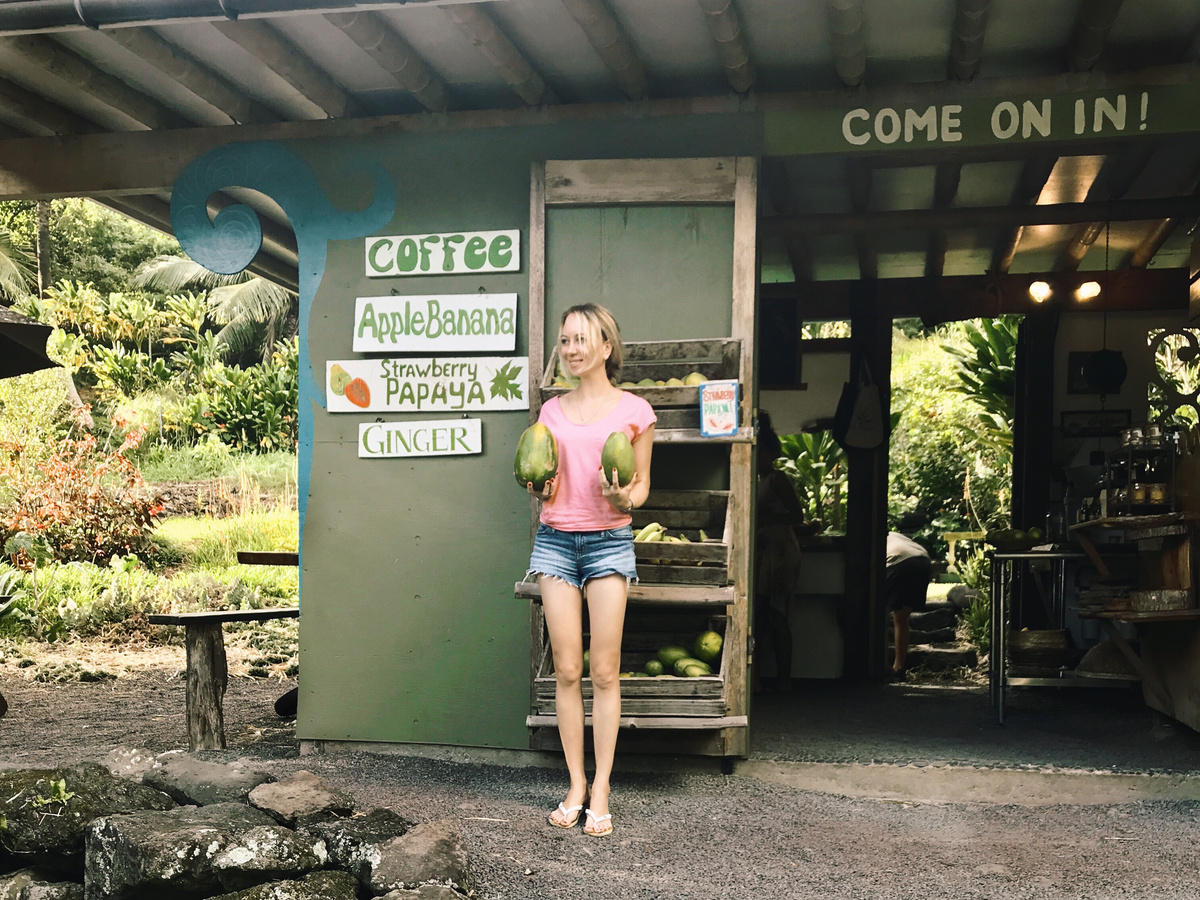
3. There are very few restaurants on the east coast, and they are not easy to spot. We decided not to stop at the first one we saw, expecting something better, and ended up with no lunch at all. There were plenty of fruit stands along the way, though, and fruit is what we ate to keep hunger at bay. This part of the island is almost uninhabited, the complete opposite of the west coast.
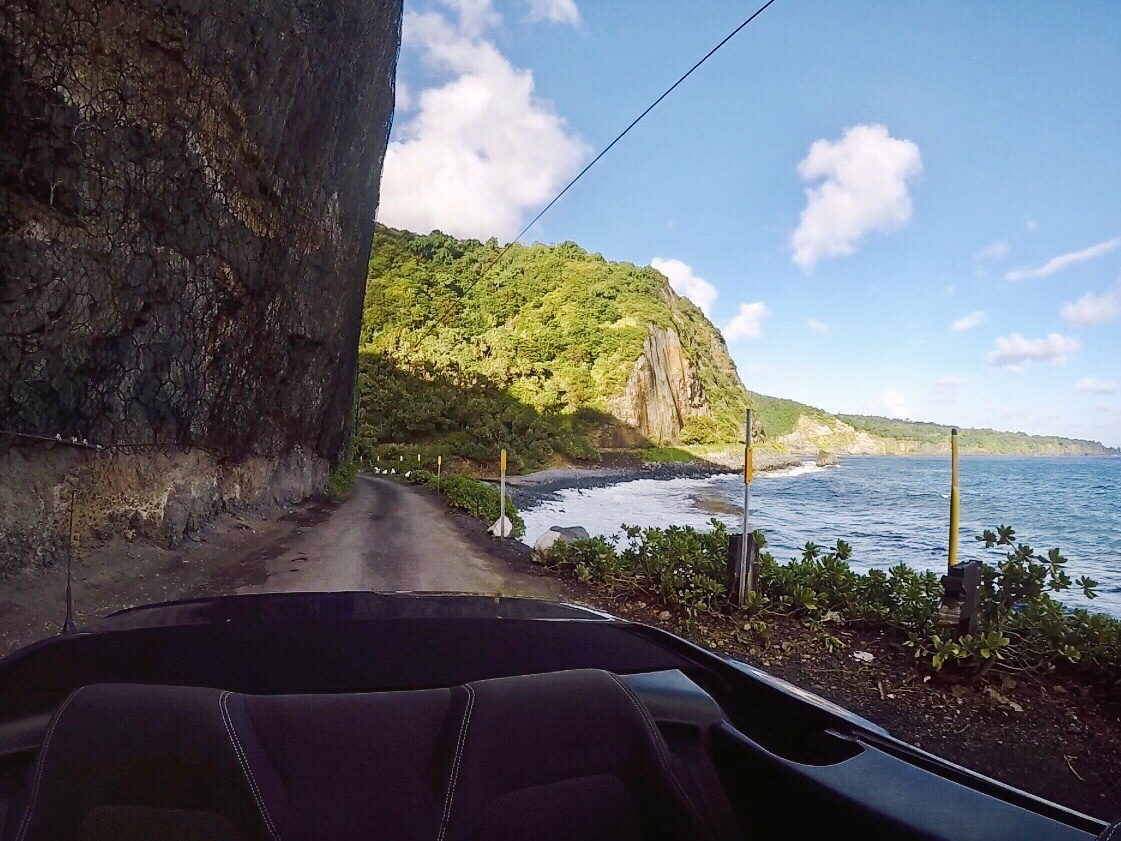
4. After Kīpahulu, in Haleakalā National Park, the road becomes brutal. It was narrow even before: two cars often could not pass, and one of them had to give way by reversing into a pull-out. Then it becomes narrower still, in places a single lane, running along the edge of a cliff, and its surface is just right for the 4×4 we never got. Only after I returned home did I read that this road appears on lists of the most dangerous roads in the world. But the scenery there is superb.
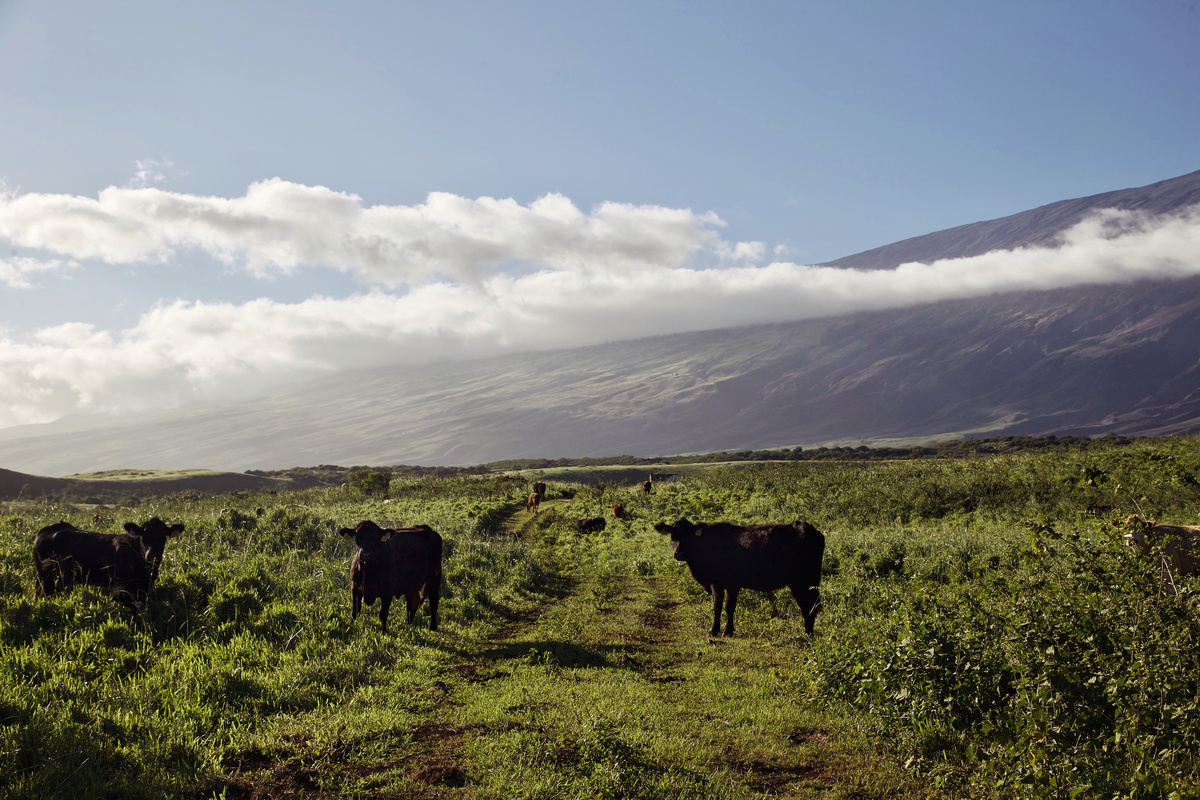
5. On the second day we tried once more to reach Wailea, this time driving the other way from Kahului, towards Kāʻanapali and Lahaina. The funniest part is that this way we did not get there either. After an hour and a half of tough hairpin bends, we came up against a sign saying the road ahead was closed for roadworks. We went back to Kahului and drove straight to Wailea from there.
In fact we were lucky. That morning we had thought of going to Wailea first and then, towards evening, returning to the port via Kāʻanapali. Had we done so, the unexpected obstacle on the road would have made us miss the ship.
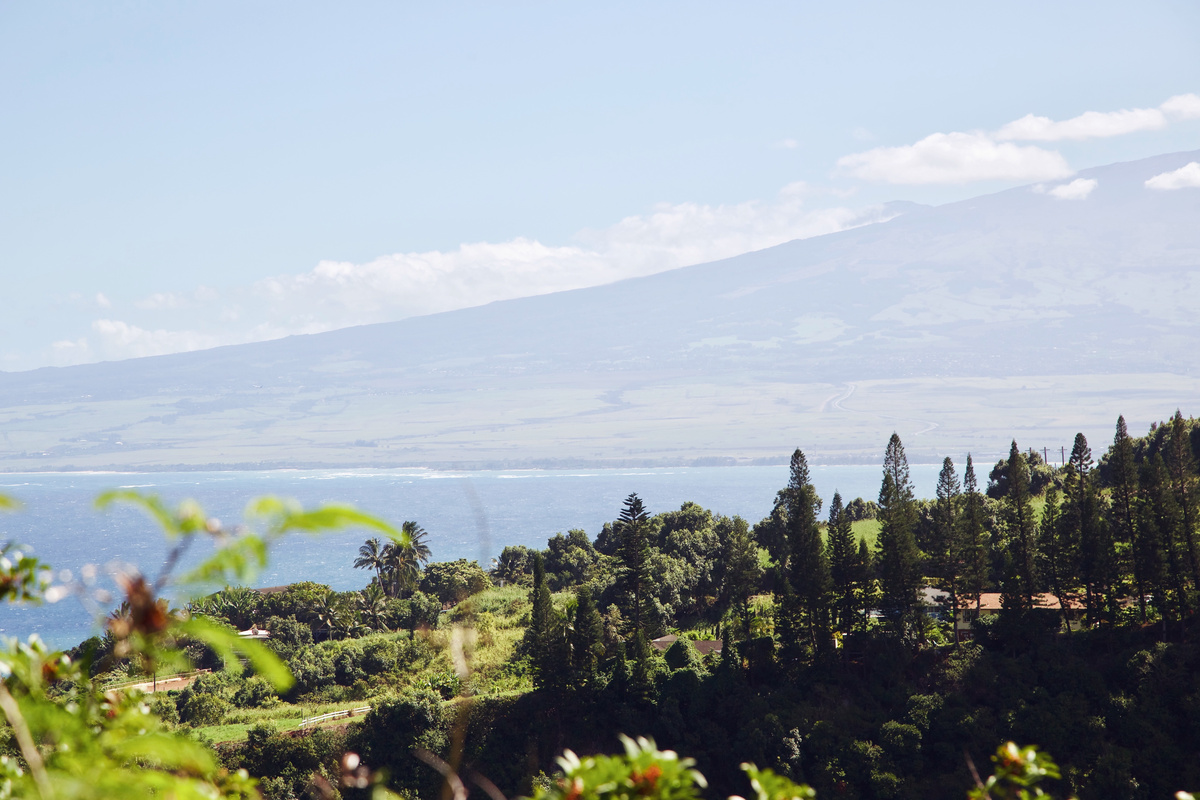
For all our misadventures, Maui gave us an extraordinarily beautiful route full of wonderful stops. The island’s landscapes never stopped delighting and surprising me. The road wound along high mountains covered in jungle so dense it seemed impossible to push through. And the views of the ocean!
Ten places I recommend on Maui
1. Haleakalā
Do make the effort to watch the sunrise on Haleakalā, one of the most beautiful sunrises in the world. It is the most epic sight on Maui. Even if I had managed to see nothing else, I would still have unforgettable memories of this island. I will keep the details for another story, but here is the beauty of that sunrise.
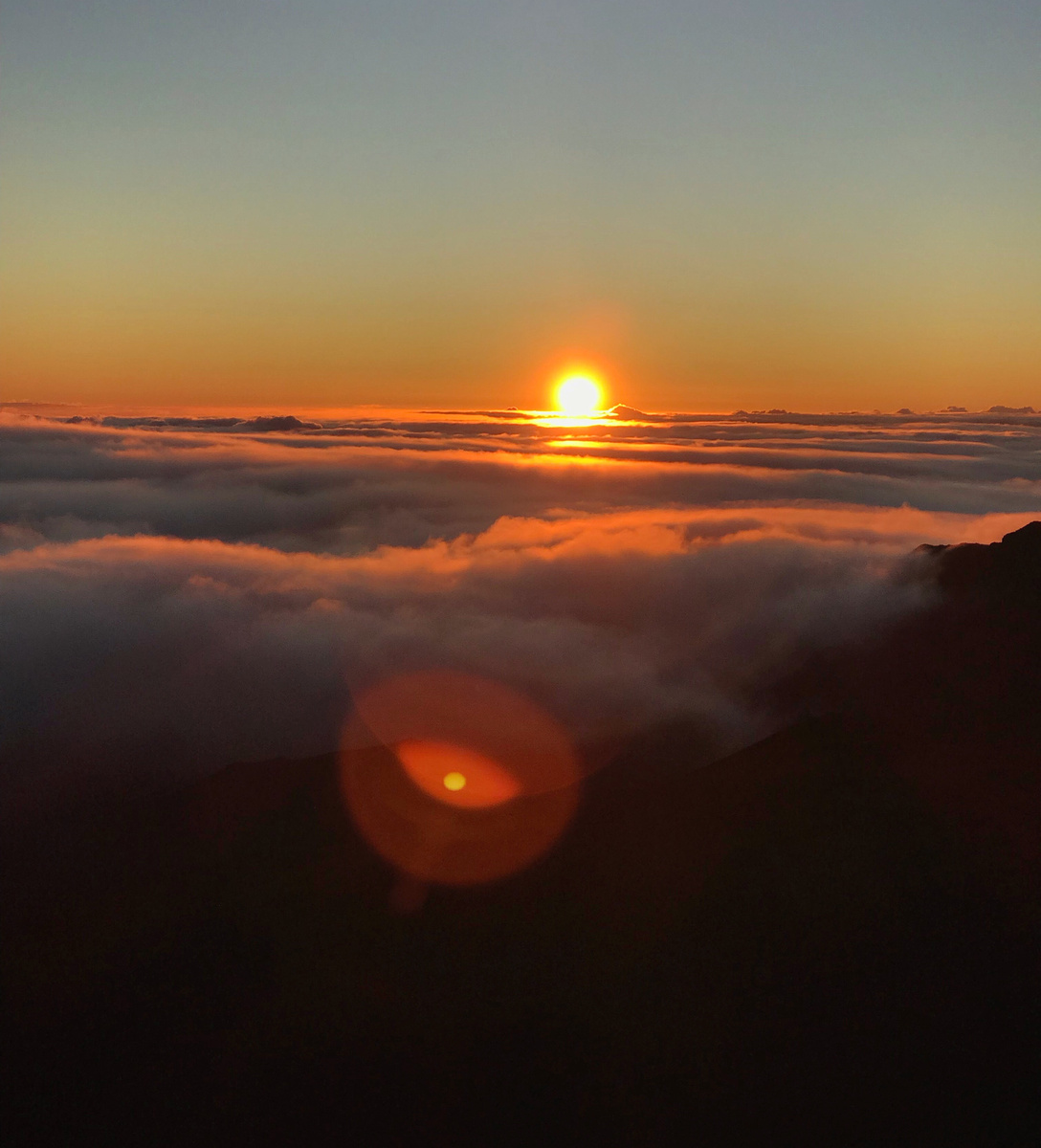
The summit, at 3,055 metres, is open for sunrise only to cars with a reservation, which costs $1 per vehicle and is released on Recreation.gov 60 days ahead and again two days before; the park entrance fee of $30 per car is paid separately. Dress for near-freezing cold. If you would rather leave the dark switchbacks to someone else, this guided Haleakalā sunrise tour collects guests from hotels and condos and ends with breakfast.
2. The historic town of Paʻia
Two beaches drew me here. The first, Baldwin Beach, was our first stop on Maui and the first beach I visited in Hawaii. This was more or less how I had imagined Hawaiian beaches: a broad shoreline running to the horizon, calm waves rolling evenly onto the sand, a couple strolling along the soft sand, a dog playing, and a feeling of freedom and peace.
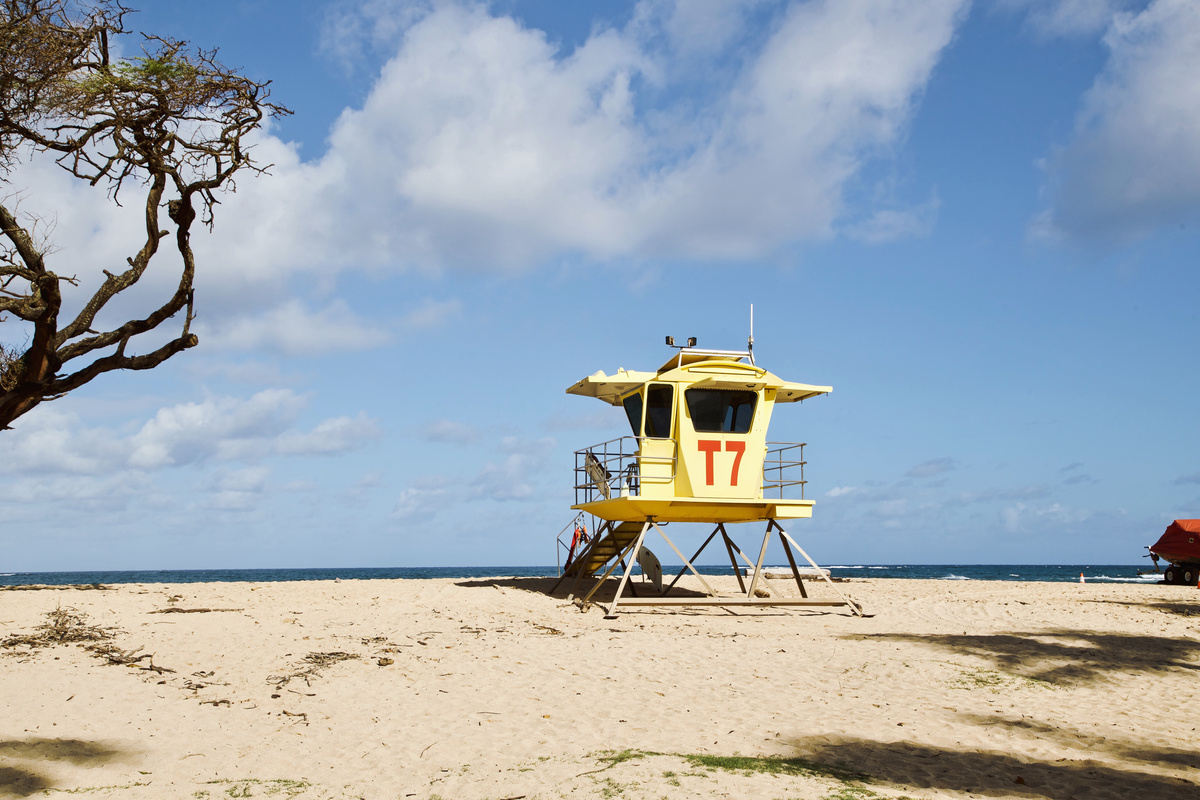
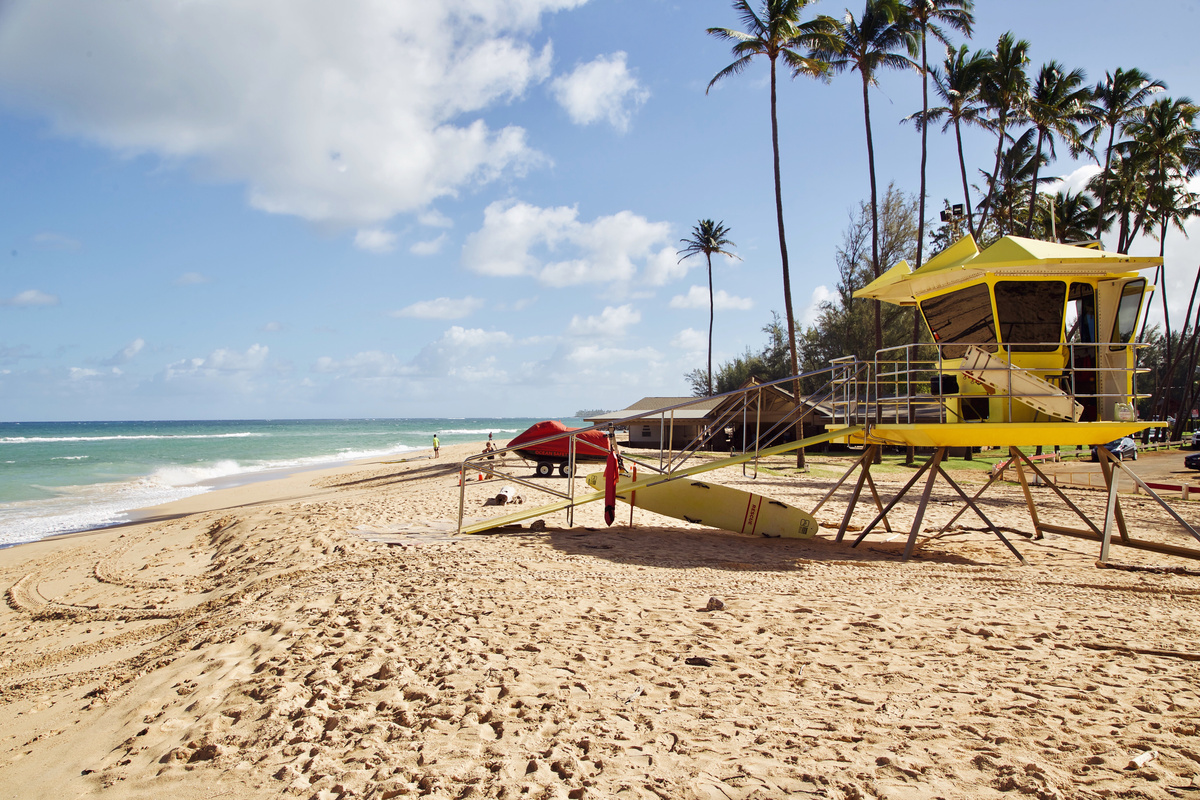
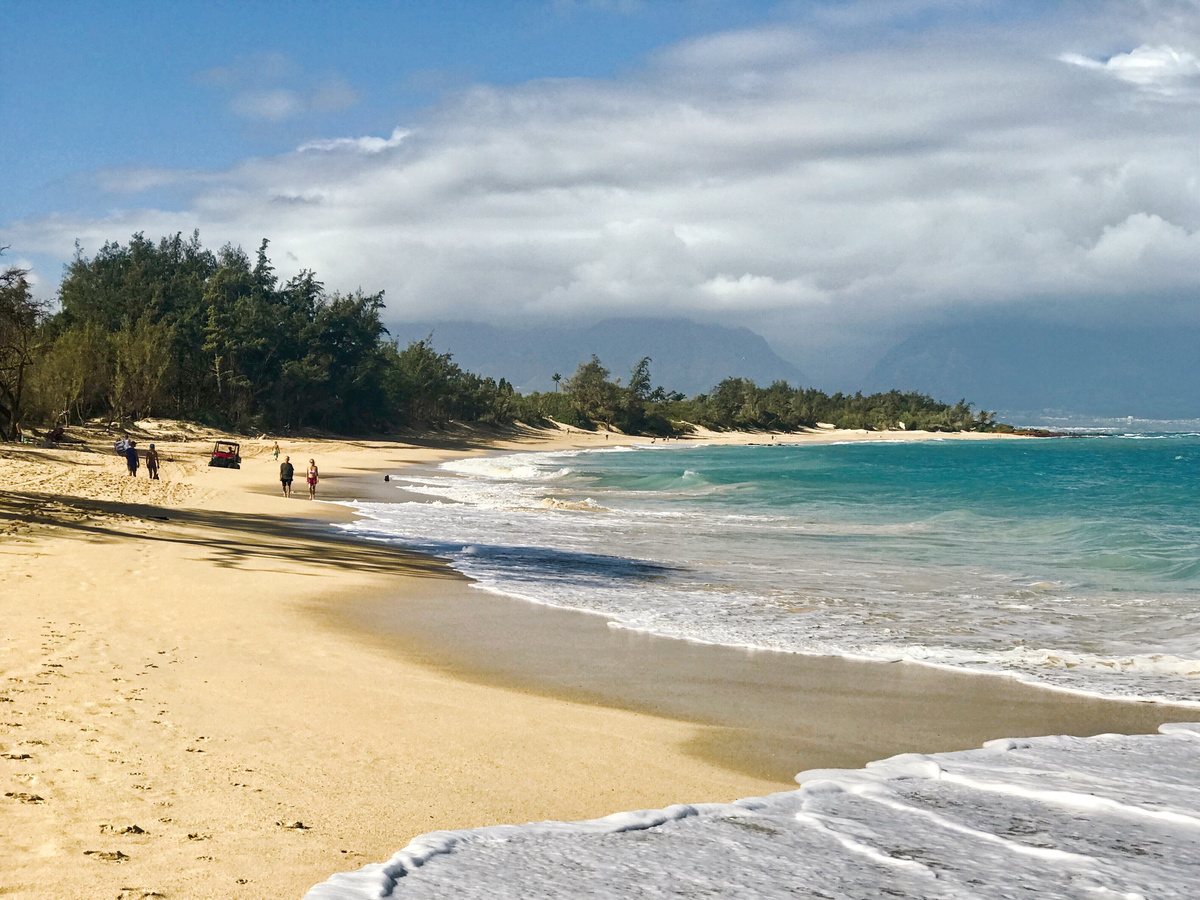
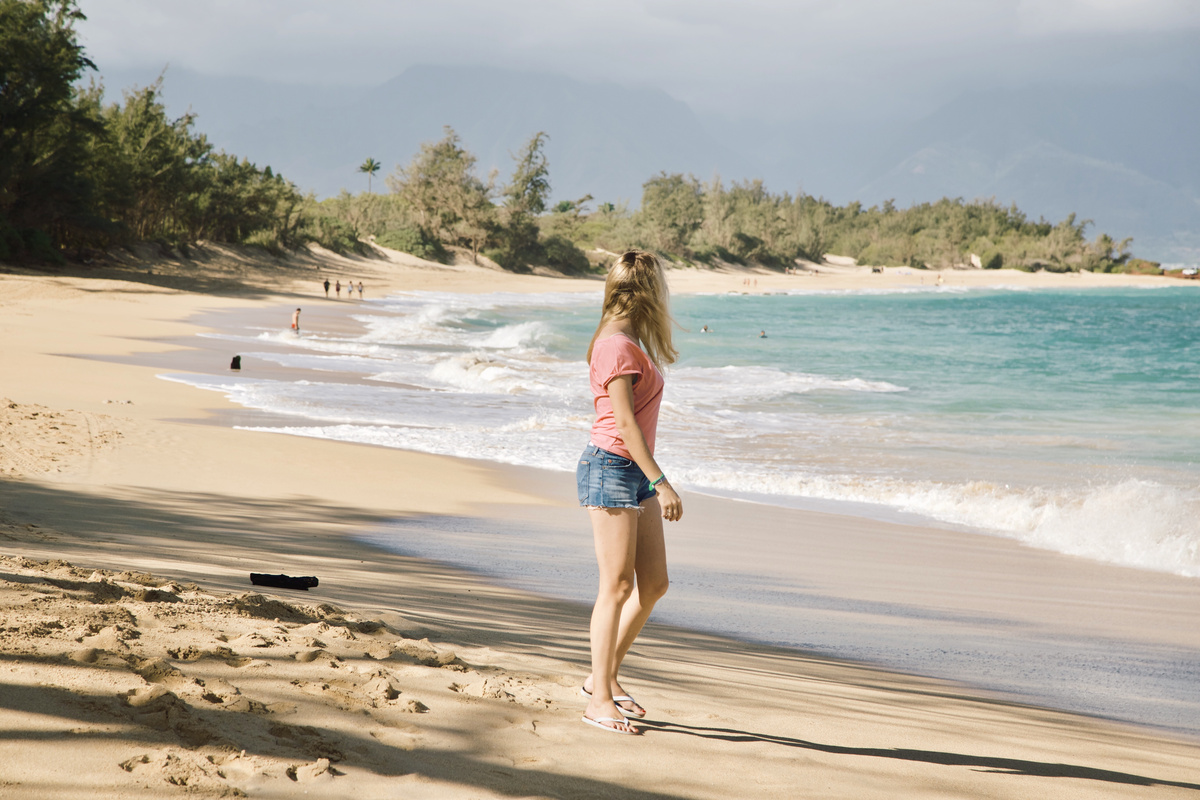
The second, Hoʻokipa Beach, is quite different. It is a mecca for surfers, kitesurfers and windsurfers. I saw only surfers that day, sitting in the water like little bumps as they waited for a wave. But in winter the place is filled with the spirit of the mighty ocean. From the beach you can climb a rise and watch the waves breaking against the rocks along the shore. The sea here is deep, deep blue, melting into the blue of the sky somewhere on the horizon.
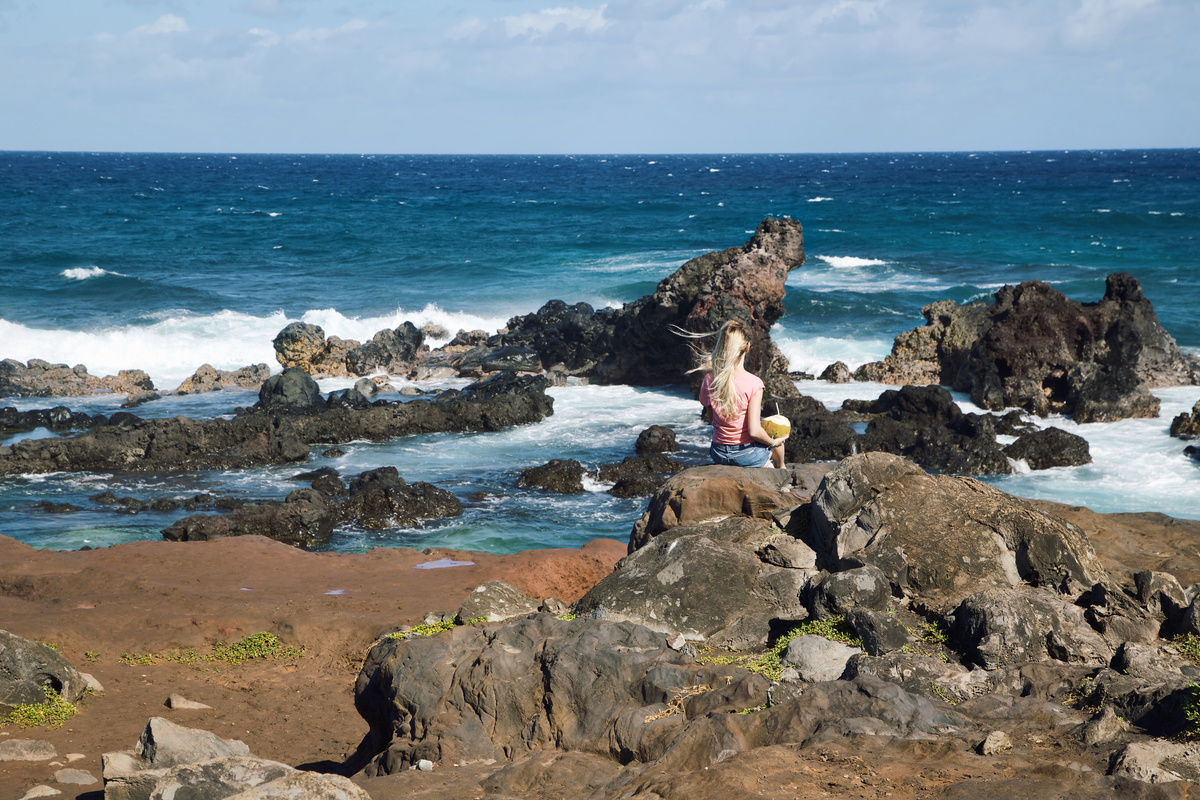
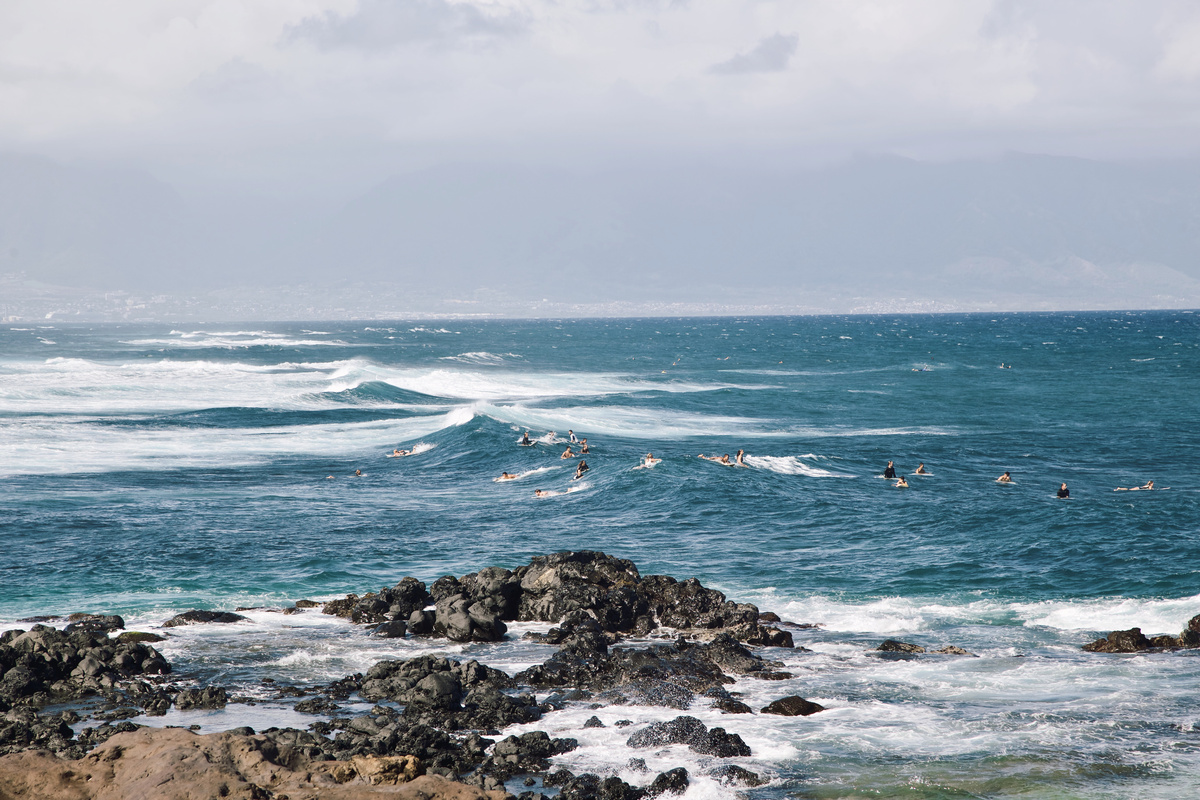
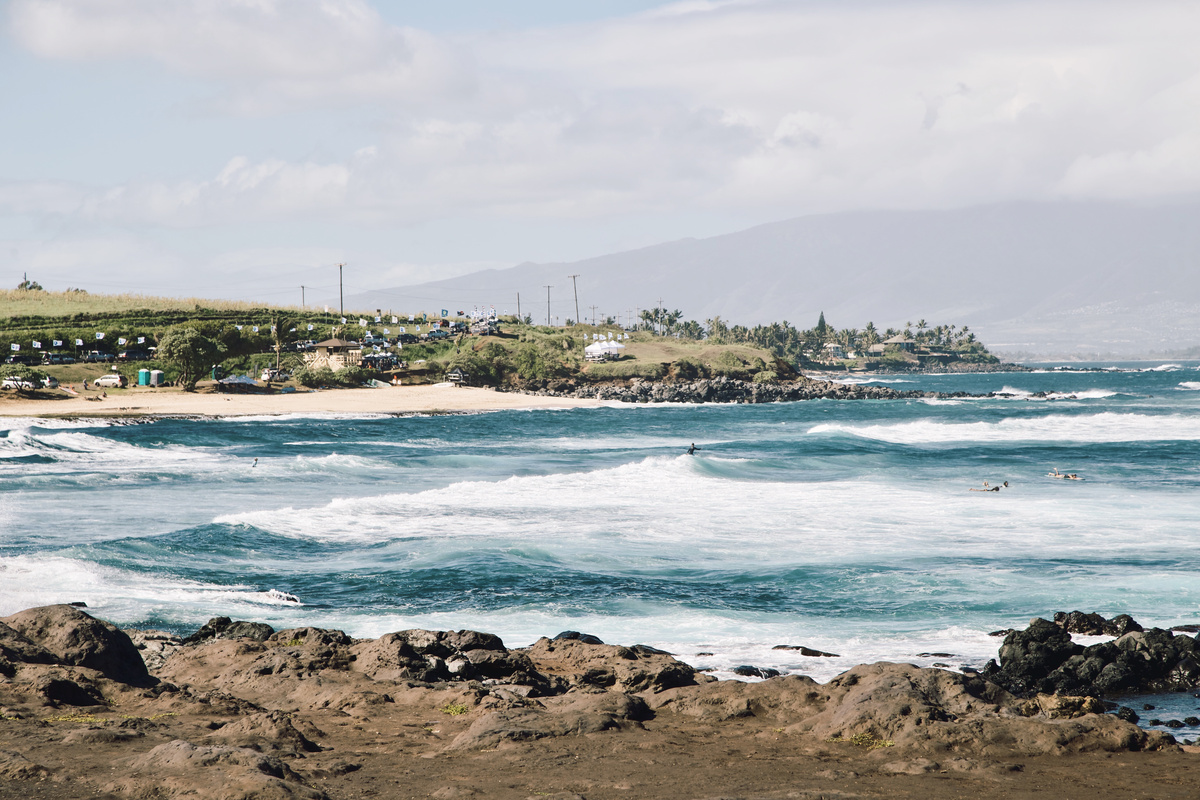
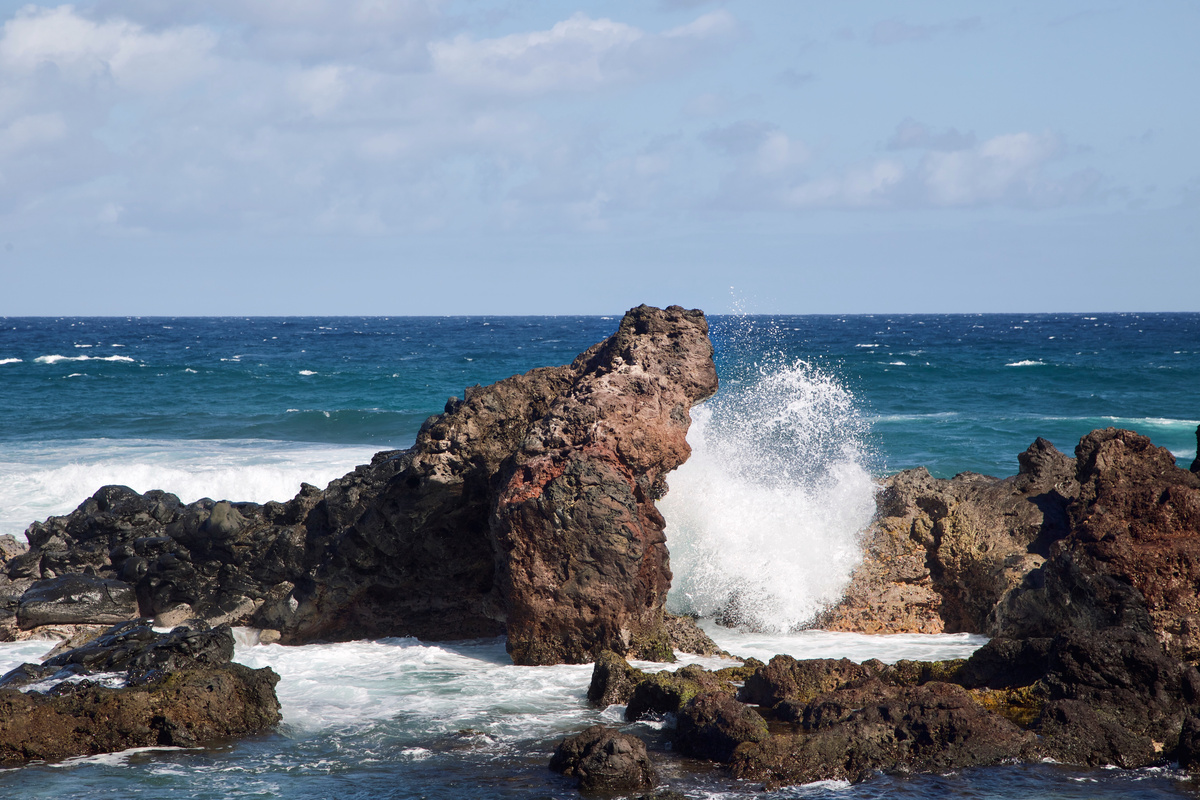
Near the cliff you can also find Hawaiian green sea turtles, the honu. The trick is to look carefully, because they disappear among boulders of much the same colour and size. They come out mostly in the evening, to share the lovely sunset you can watch from here. They are protected; keep at least three metres away.
Paʻia is the last town before the Road to Hāna, and I would recommend picking up lunch or a snack here for later, for example at Paia Bay Coffee, which has since moved to larger premises on Hāna Highway, beside Charley’s.
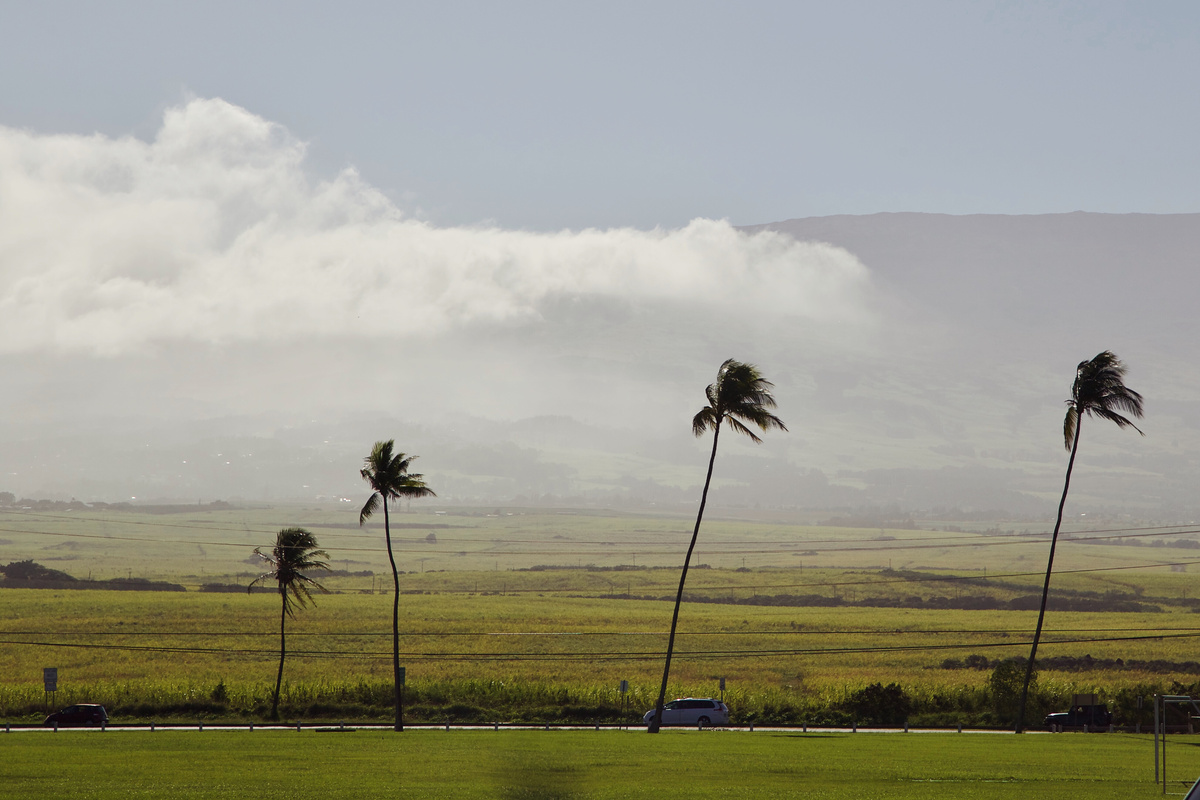
3. The Road to Hāna
Let me begin with what it is. Almost everyone who has been to Maui talks about it, yet what it actually means to “see the Road to Hāna” was not at all obvious to me.
The Road to Hāna is the Hāna Highway: 103 kilometres from Kahului, through Paʻia and Hāna, to the Kīpahulu side of the national park, along Maui’s east coast. Along it lie many of the island’s natural wonders: waterfalls, rivers, bamboo forests, tropical thickets and beaches. Some are reached by trails of different lengths; others are right beside the road. There are so many that I had to choose in advance where we would stop, so as to spread our time well.
The Road to Hāna is perhaps the most rewarding place on the island for anyone who loves wandering through the jungle and adores waterfalls and the wild.
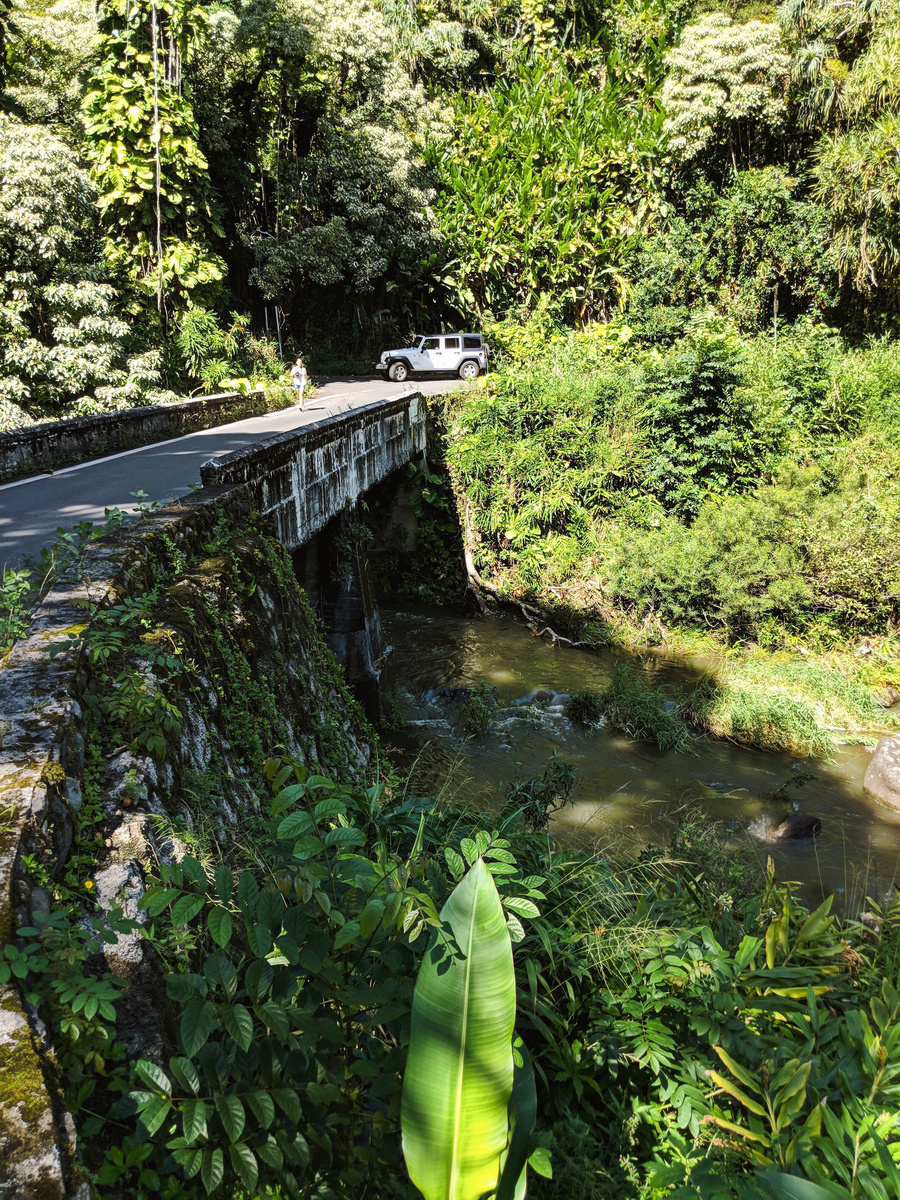
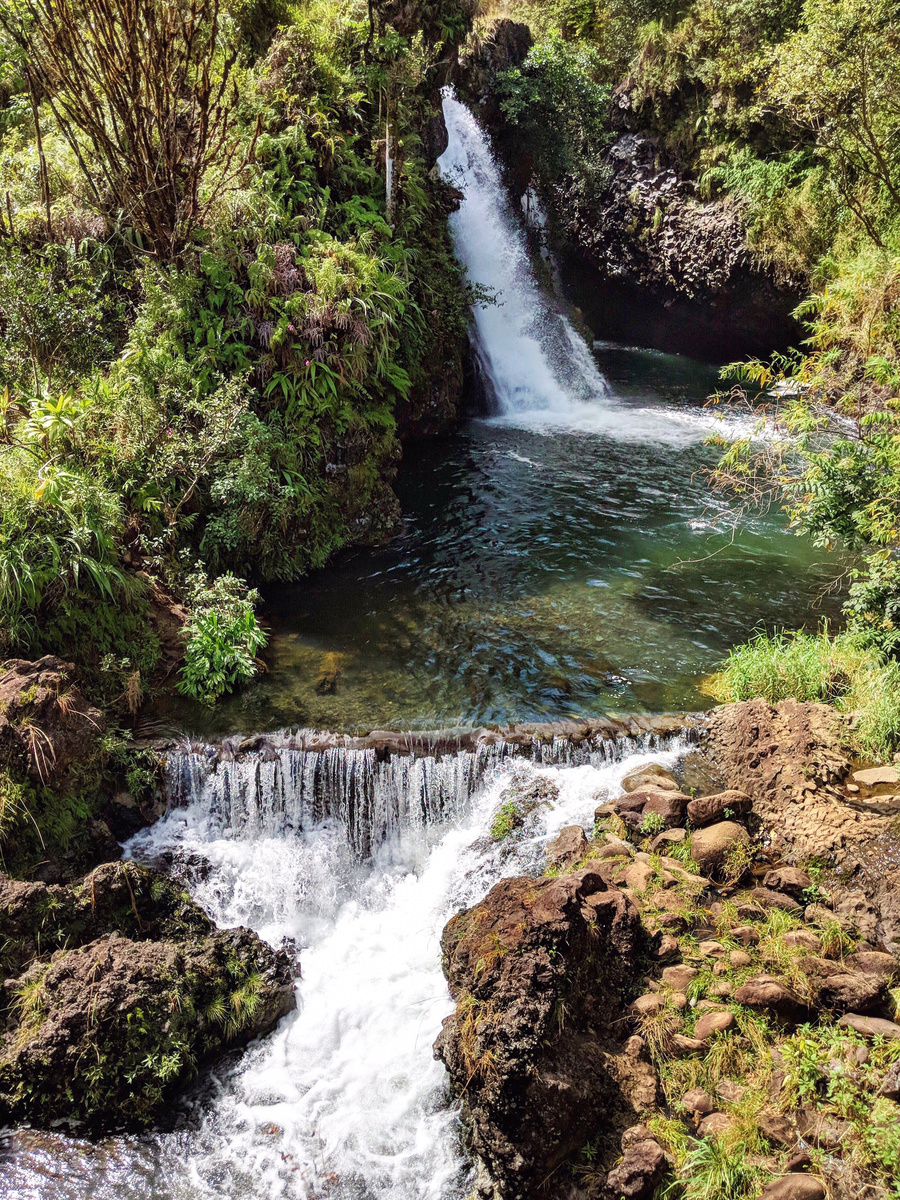
What struck me at once was how green Maui is. The whole eastern side is covered with green mountains. The road, winding in steep bends along the foot of the cliffs, is smothered in foliage. The treetops form a living tunnel, and it seems that at any moment monkeys will start leaping through the branches and pythons will slide down. The landscape reminded me of Jamaica’s Blue Mountains, only many times lusher and denser.
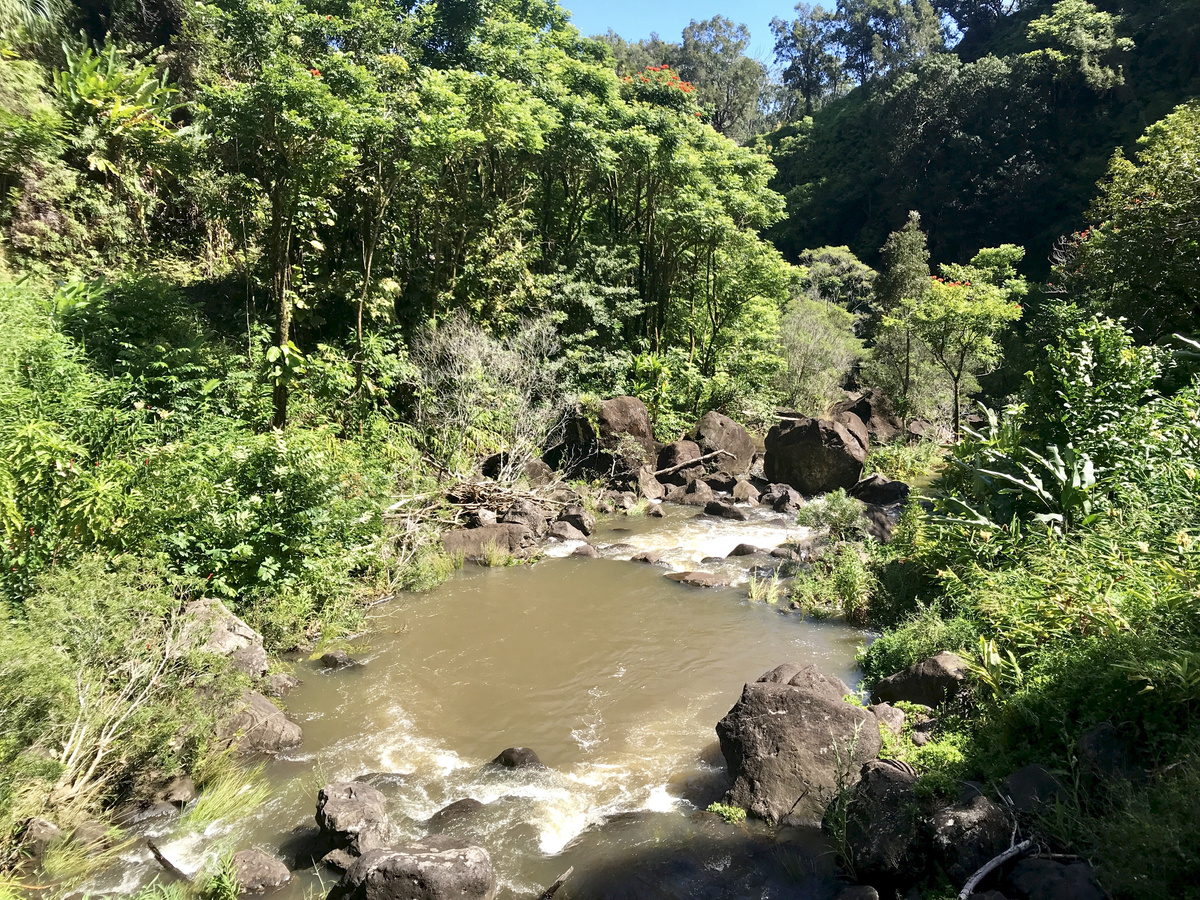
The road surface is perfect. The only catch is that it is very narrow: oncoming cars sometimes cannot pass, and either we or they had to reverse into a pull-out to let the other through. If you would rather not drive it yourself, this small-group Road to Hāna tour collects passengers from Kahului Harbor as well as from Maui’s hotels, with breakfast and a Hawaiian barbecue lunch on the way.
Our first walk was to Twin Falls. It is very close to the car park, and the whole walk there and back took about 45 minutes. The waterfall is formed by a fast, foaming stream.
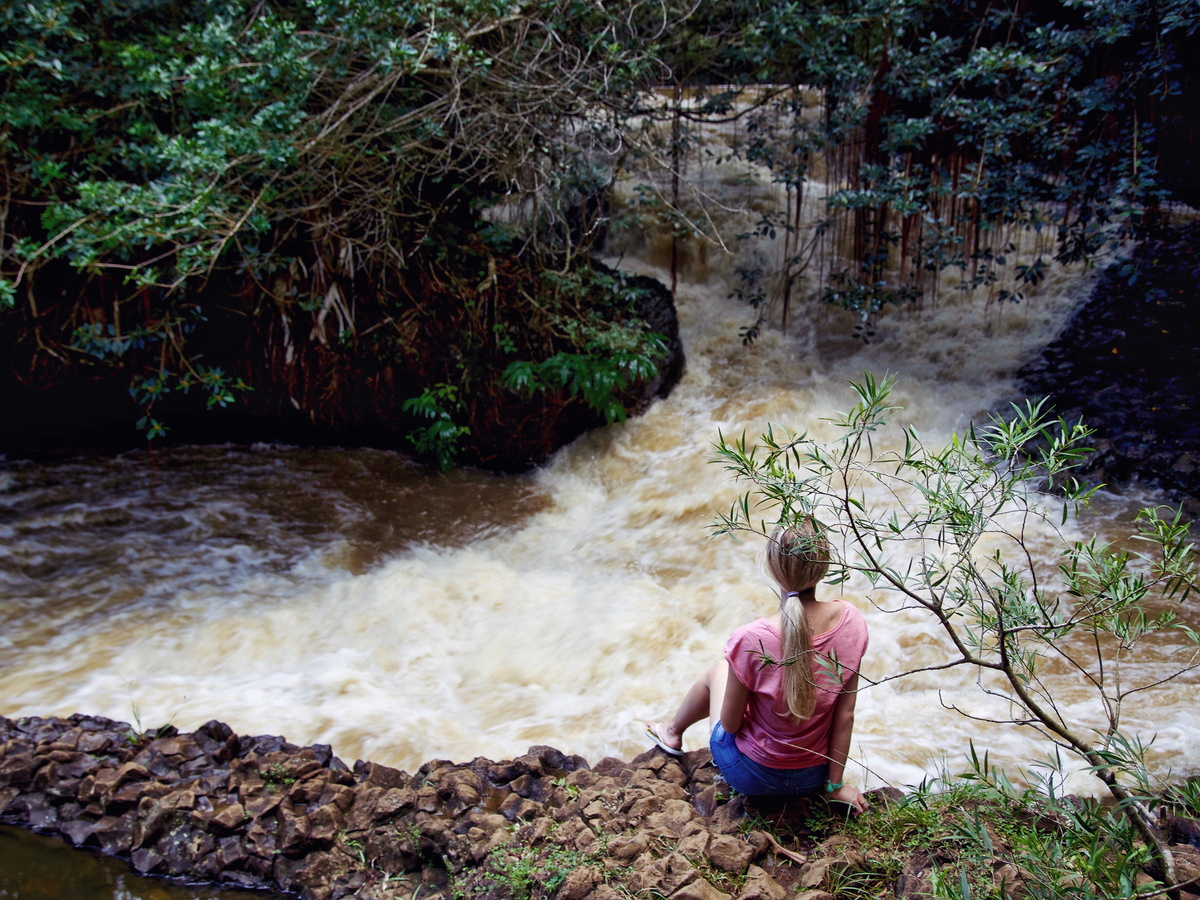
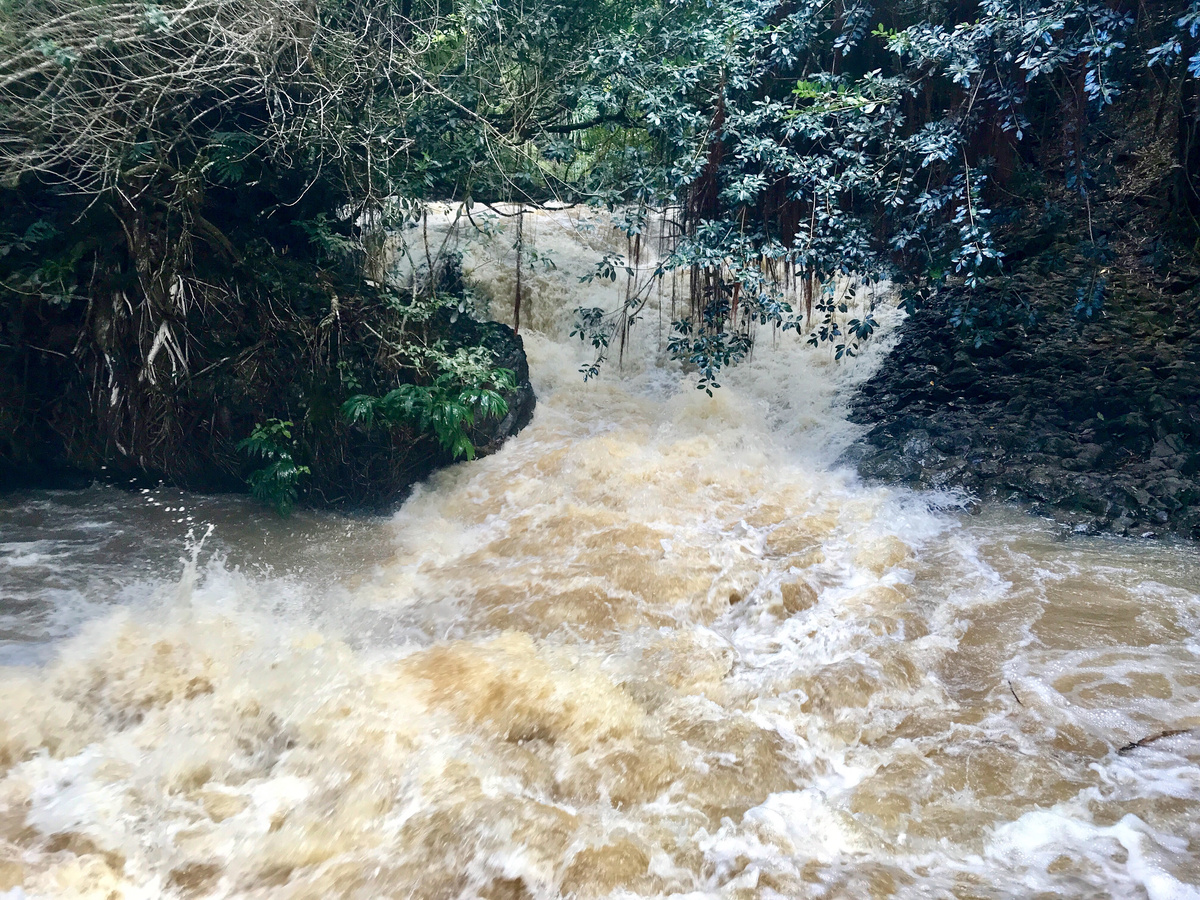
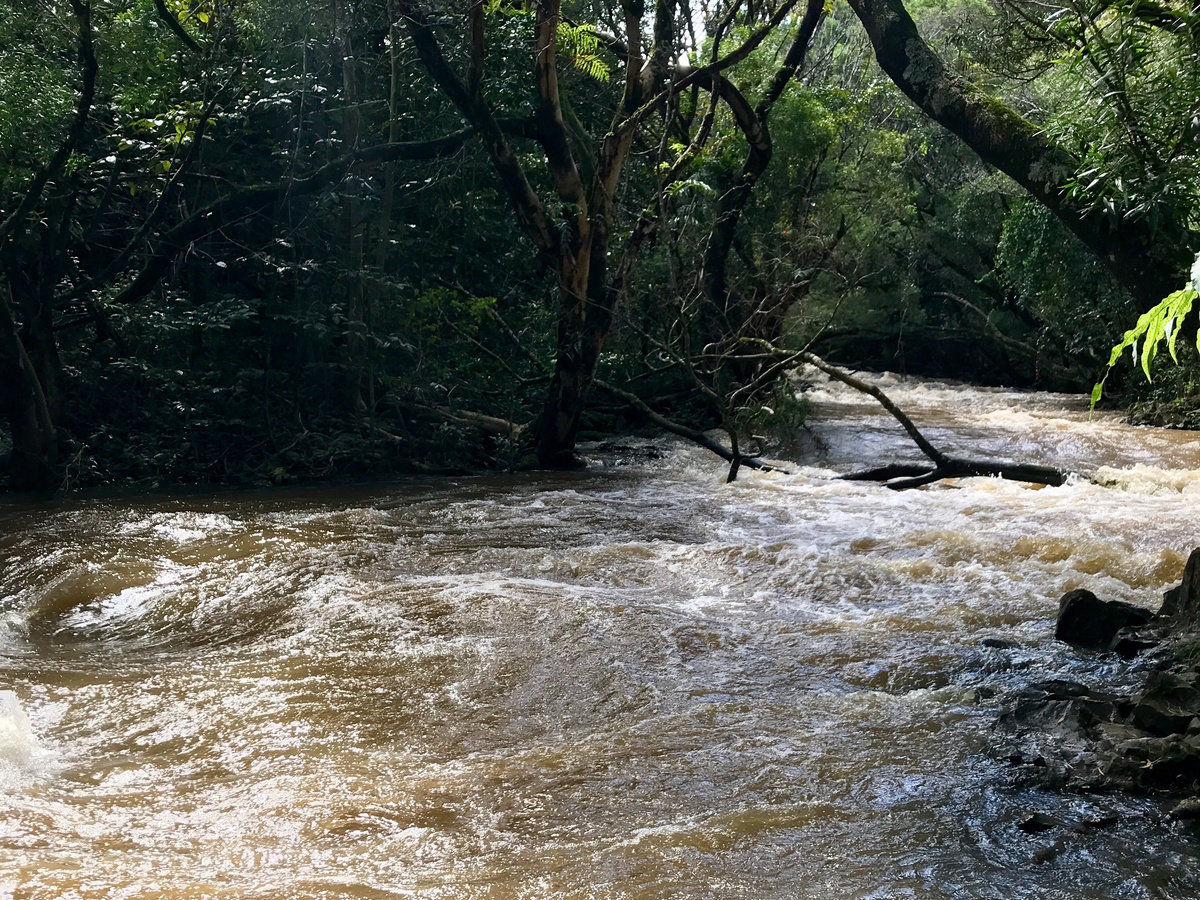
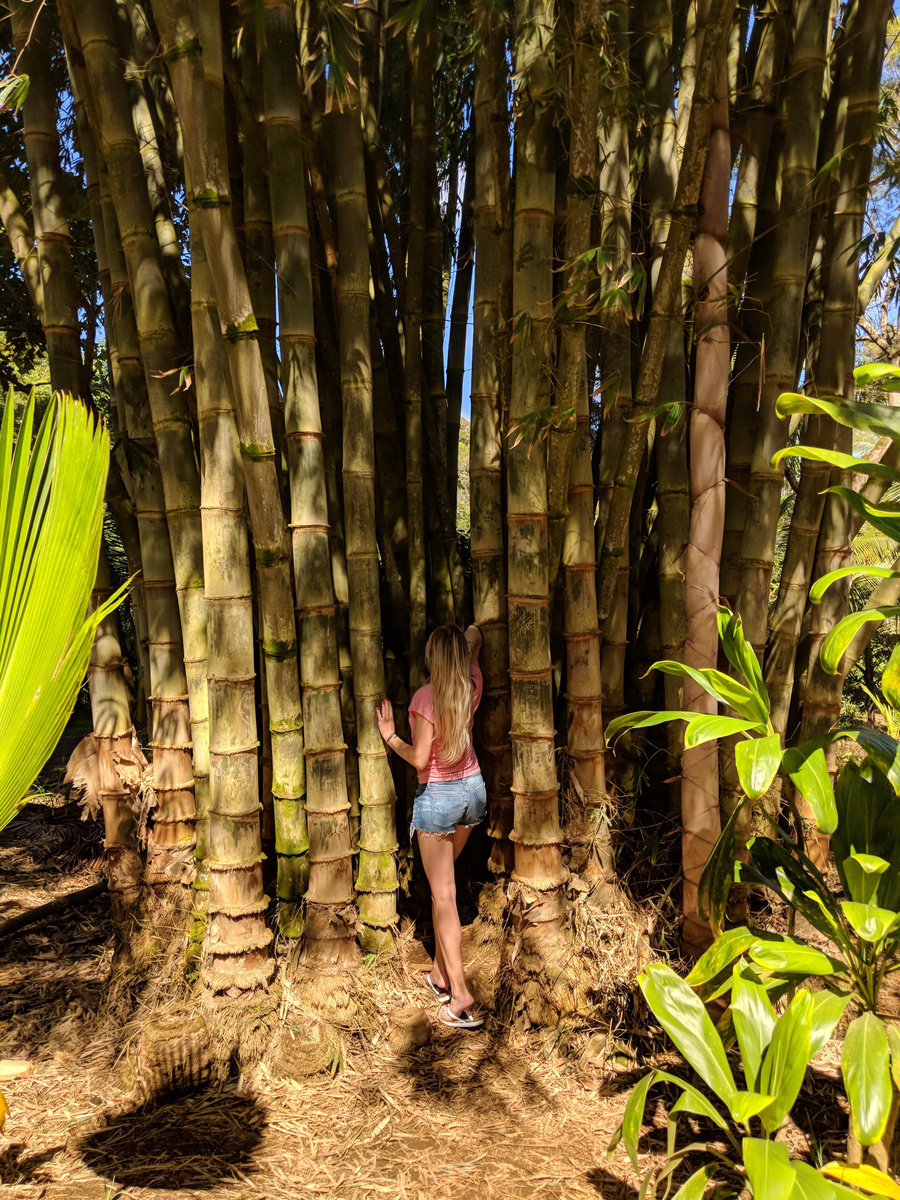
The path passes thickets of bamboo. The massive stalks creak loudly as they sway in the wind.
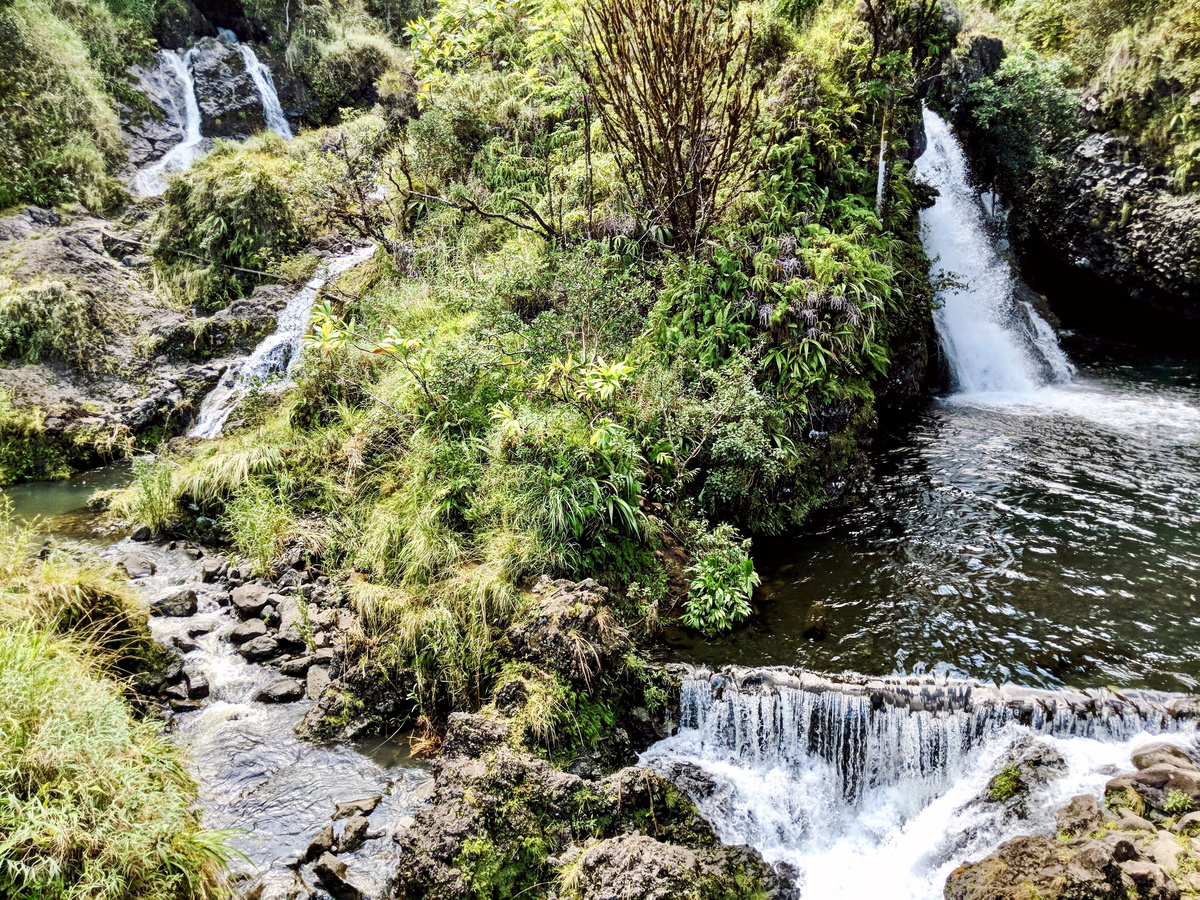
Hanawi Falls: we found this lovely waterfall straight from the road as we crossed a bridge. There is no need to walk anywhere; just park with care.
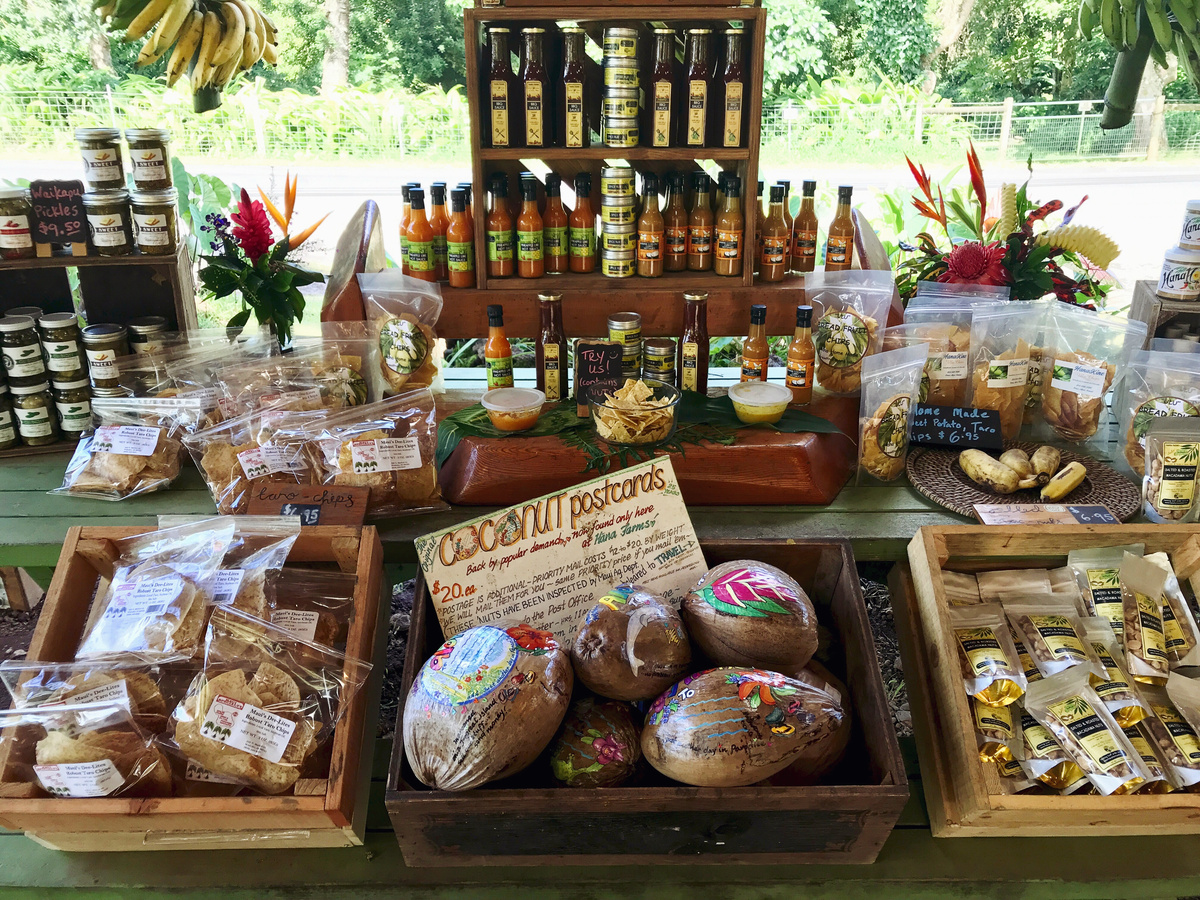
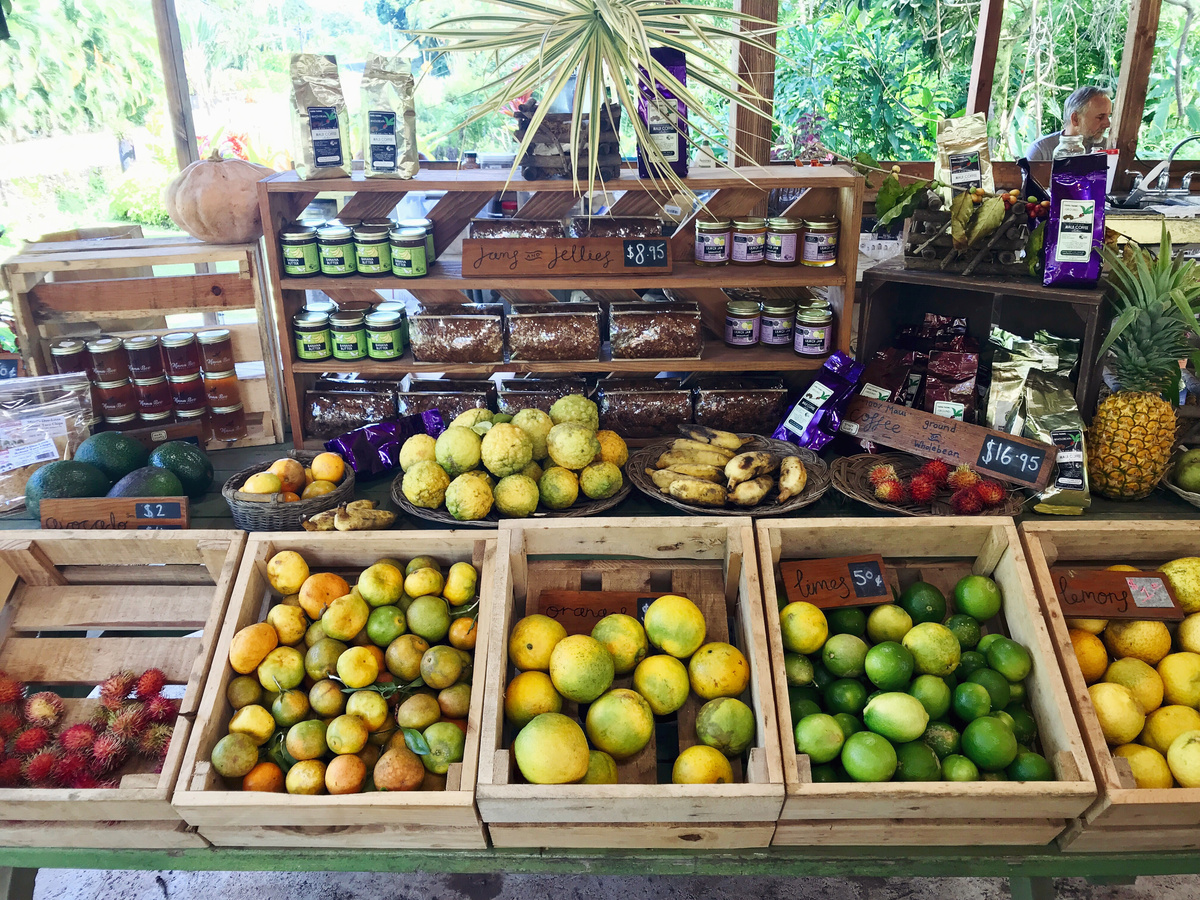
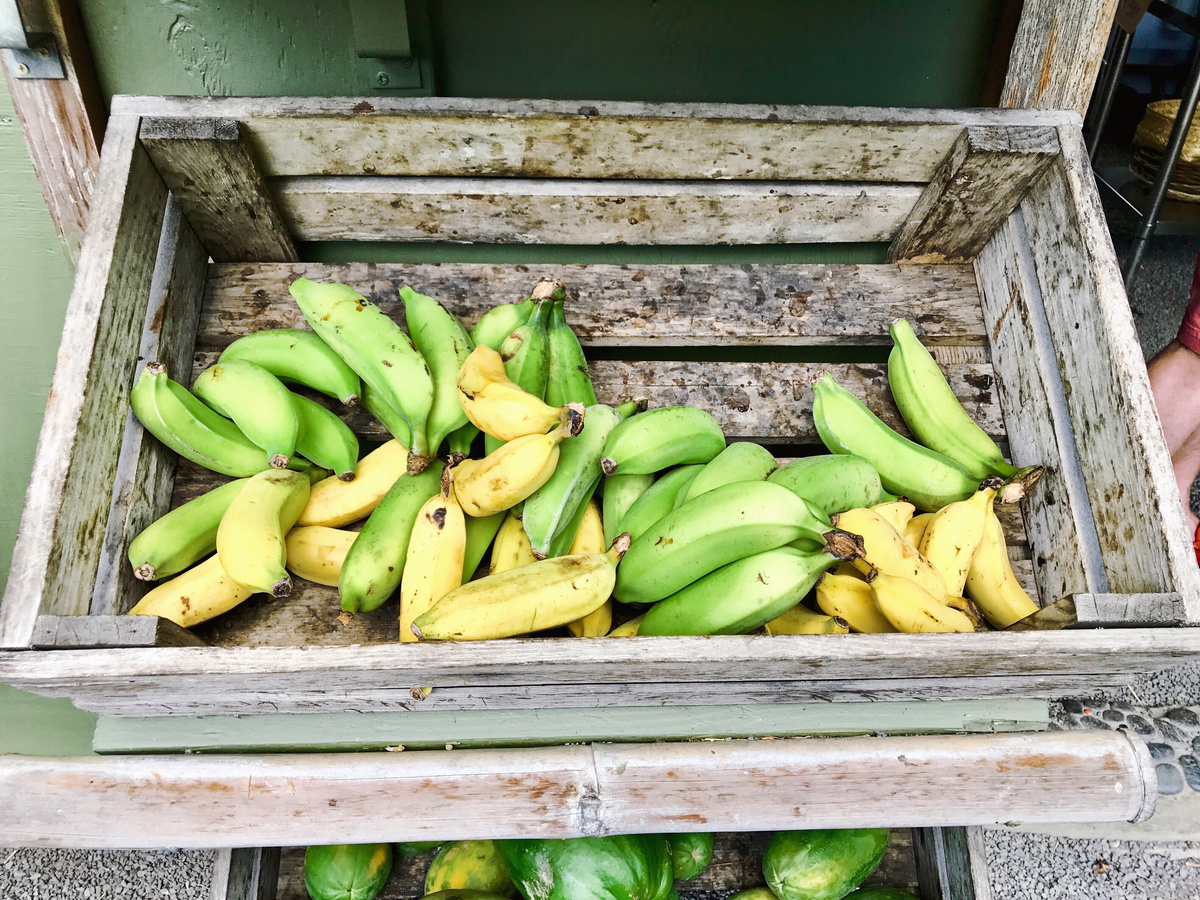
Hāna Farms. From the start of the drive we had wanted to stop at a local fruit stand and try the bananas everyone praises. This one was perfect for that. Besides bananas, you can buy other local fruit grown on the farm, banana bread, the famous macadamia nuts (delicious, by the way) and local juices; I chose a ferociously strong ginger juice mixed with soda.
4. The black sand beach: Waiʻānapanapa and Pailoa
Waiʻānapanapa is a legendary historic place on Maui. Remains of an ancient Hawaiian settlement have been found here: cave entrances, petroglyphs, house foundations and burials.
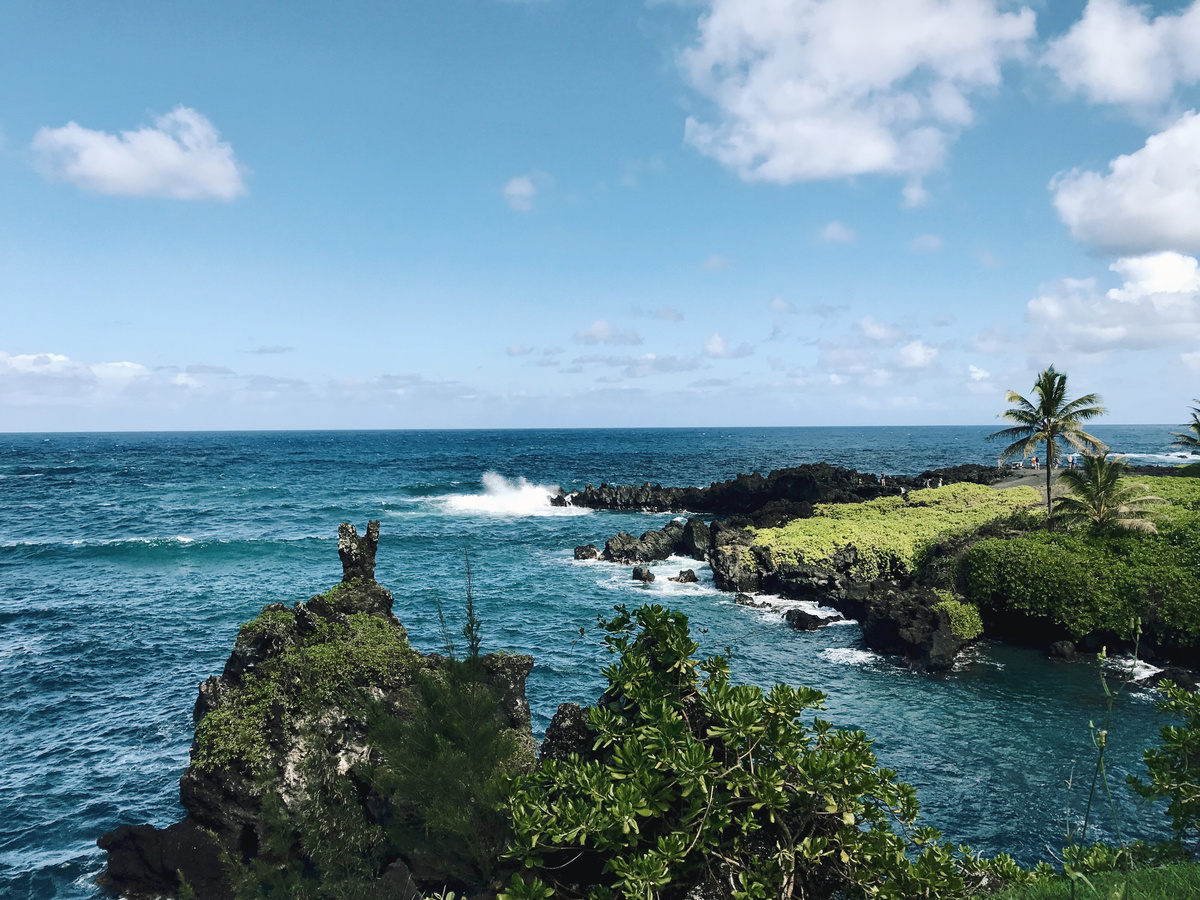
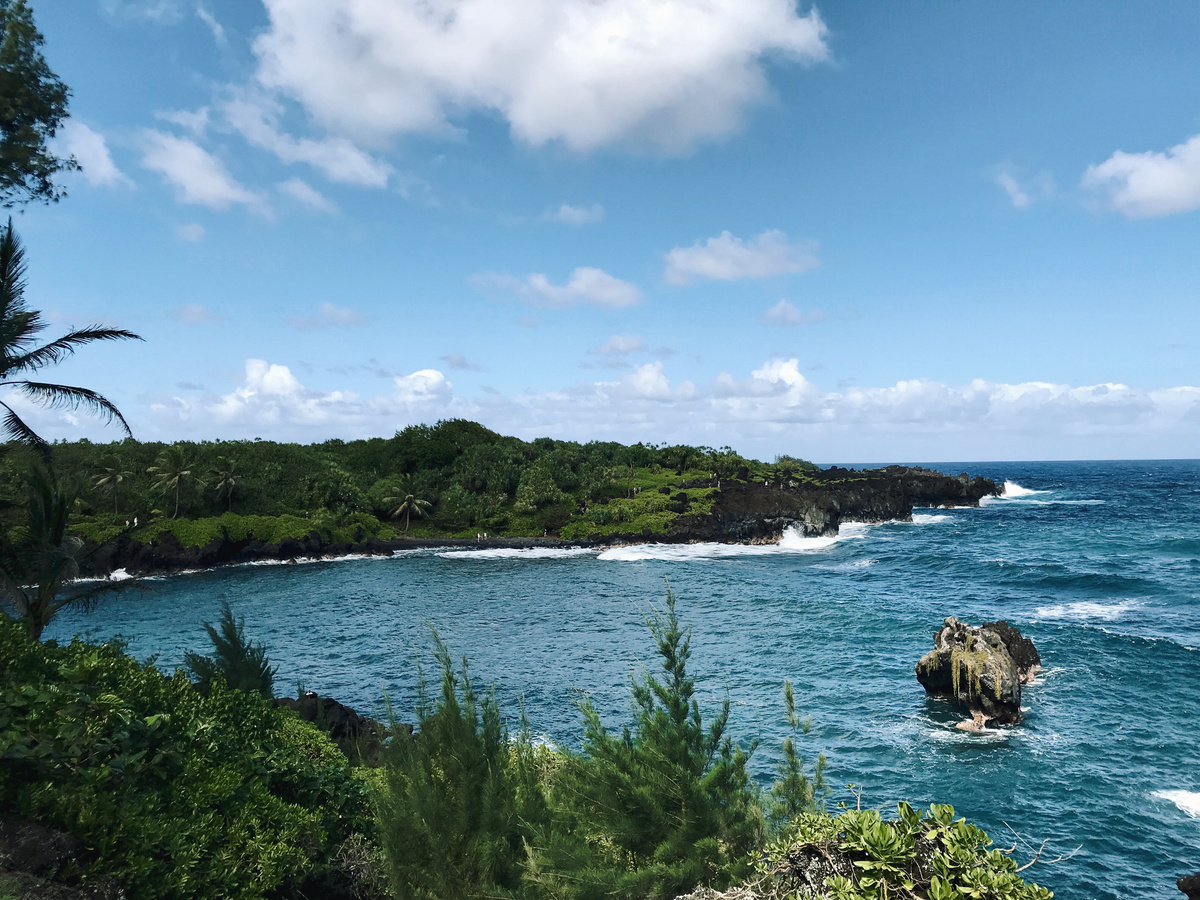
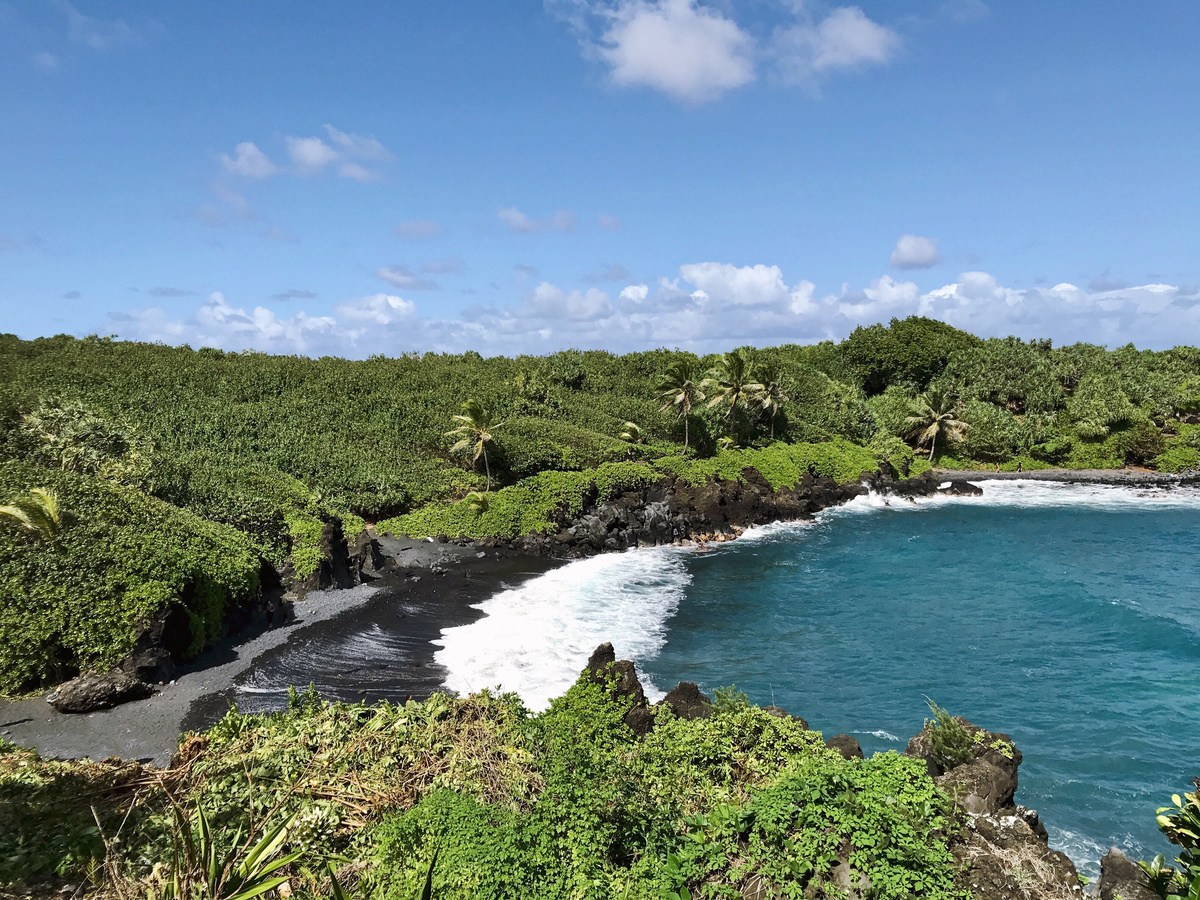
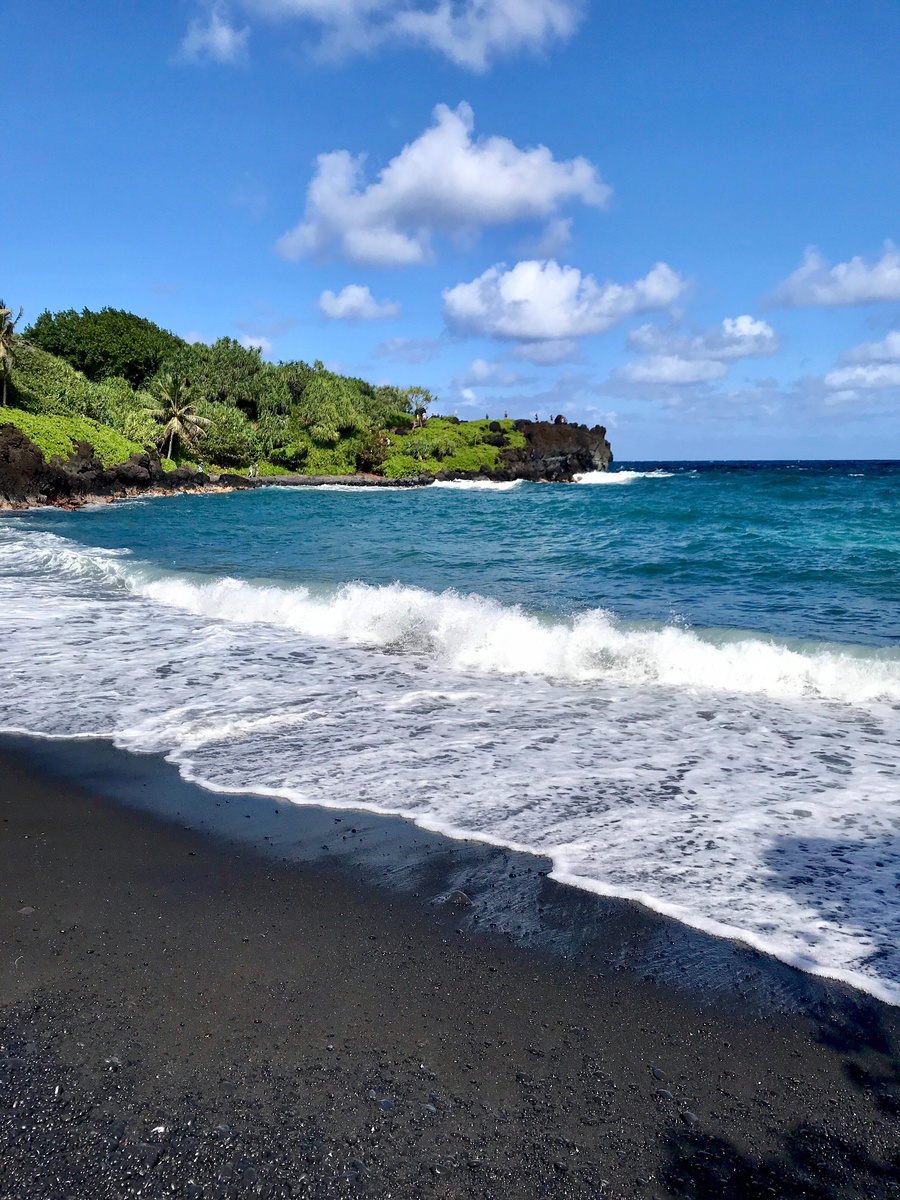
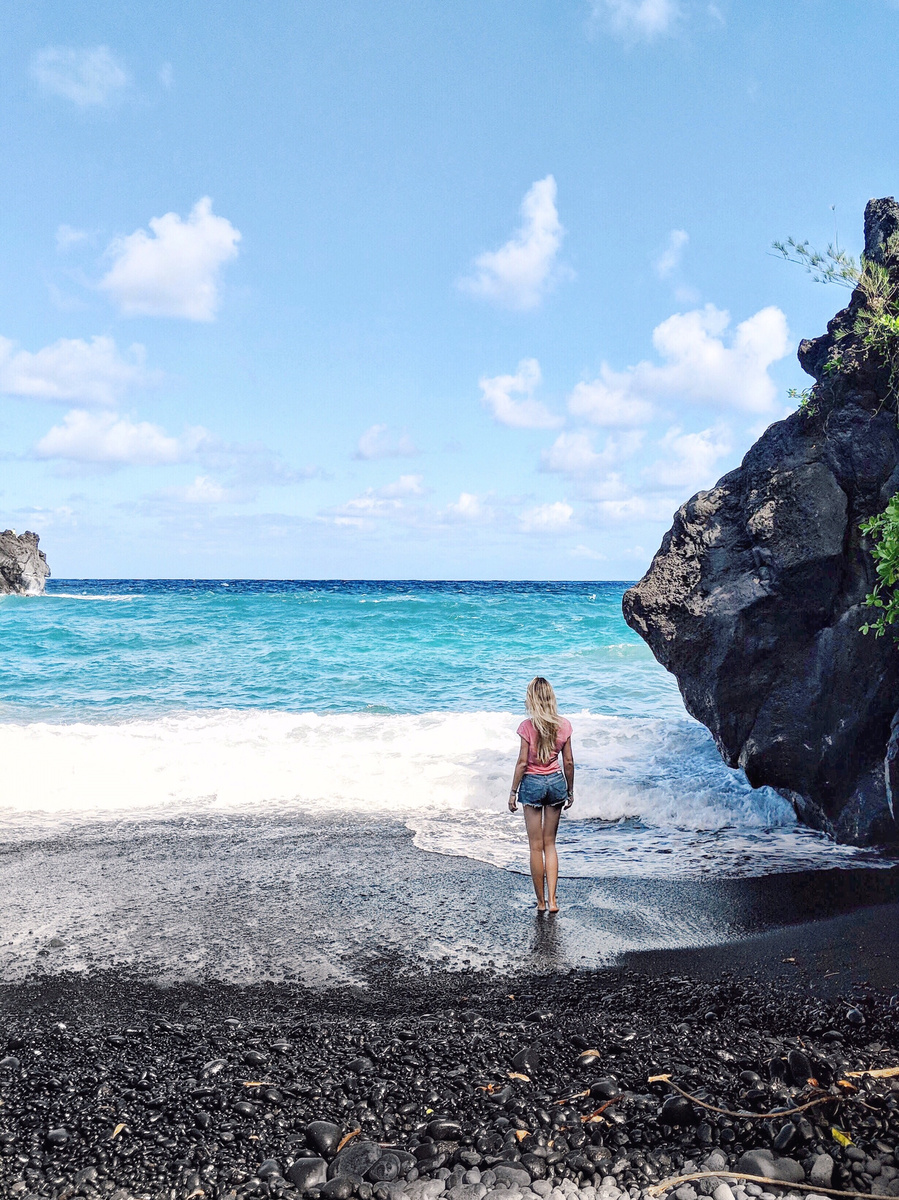
Pailoa Beach is a beach of black volcanic sand, or rather pebbles, whose colour and texture surprised me.
I had seen black beaches before, and they all had one thing in common: the sand was very fine and left marks on everything. What sets this Maui beach apart is that its colour comes without the help of volcanic ash. It is made of small black pebbles that glisten like black pearls, and it leaves no trace at all. And what a contrast between the sand and the dark blue surface of the ocean. The name Waiʻānapanapa means “glistening waters”.
Rocky shores with caves frame the beach, and there is a lava arch in the water.
5. Kīpahulu, Haleakalā National Park
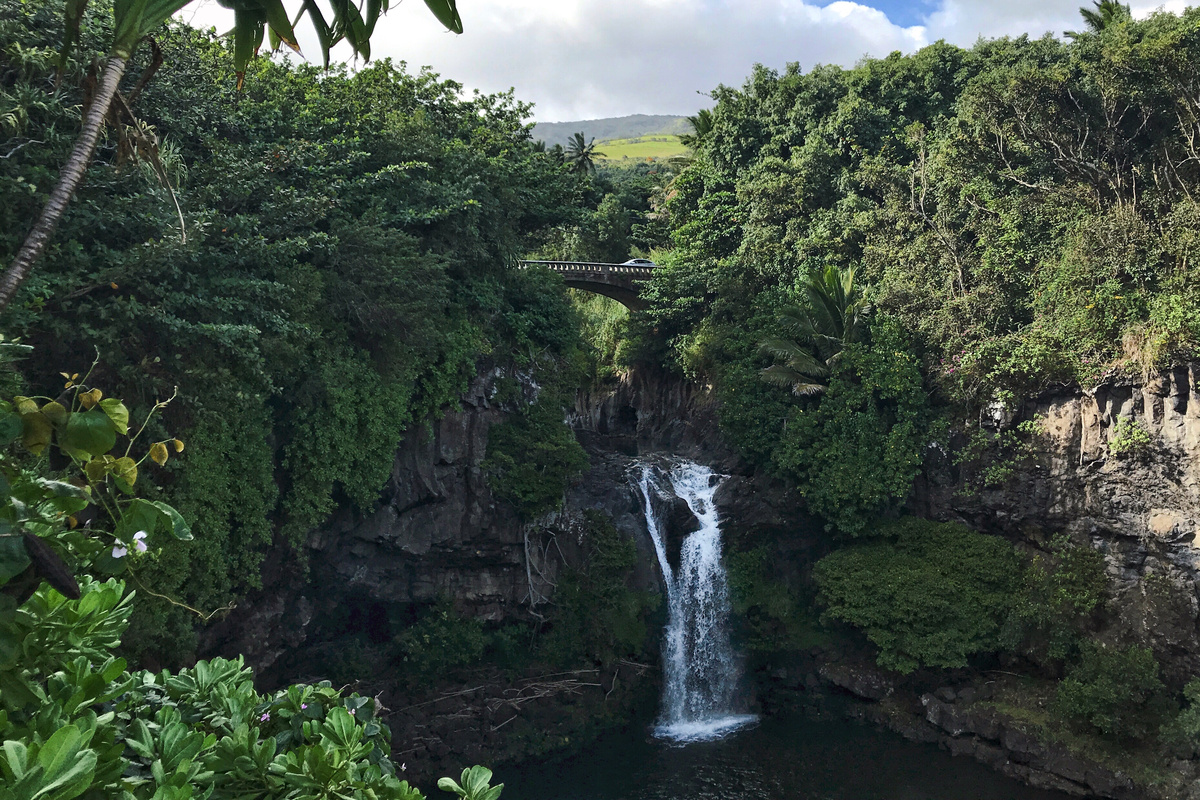
We stopped here to see the Seven Sacred Pools of ʻOheʻo, but they turned out to be closed after an earlier landslide, to keep visitors safe.
Instead, we found a lovely view of a waterfall and of the bridge we had just driven across.
6. Hawaii Route 31: the Piʻilani Highway
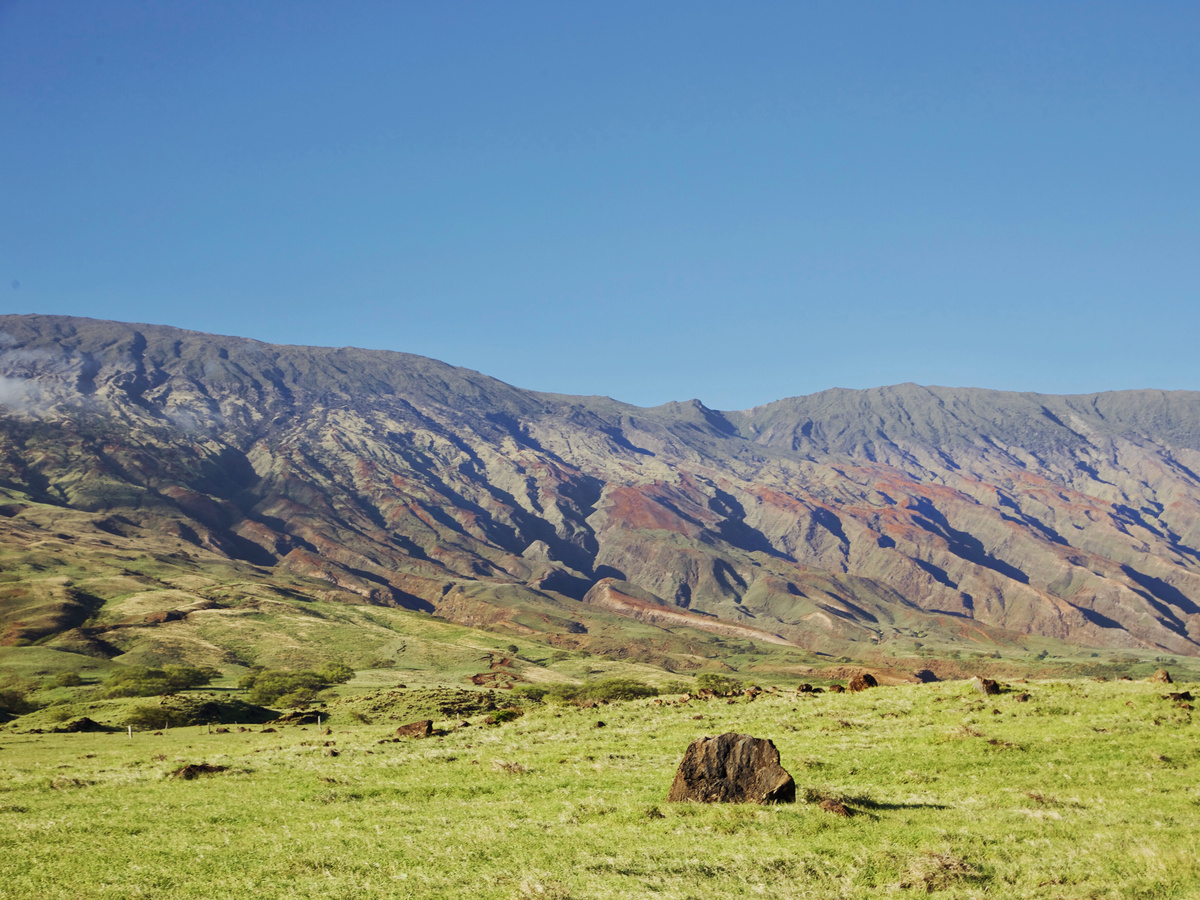
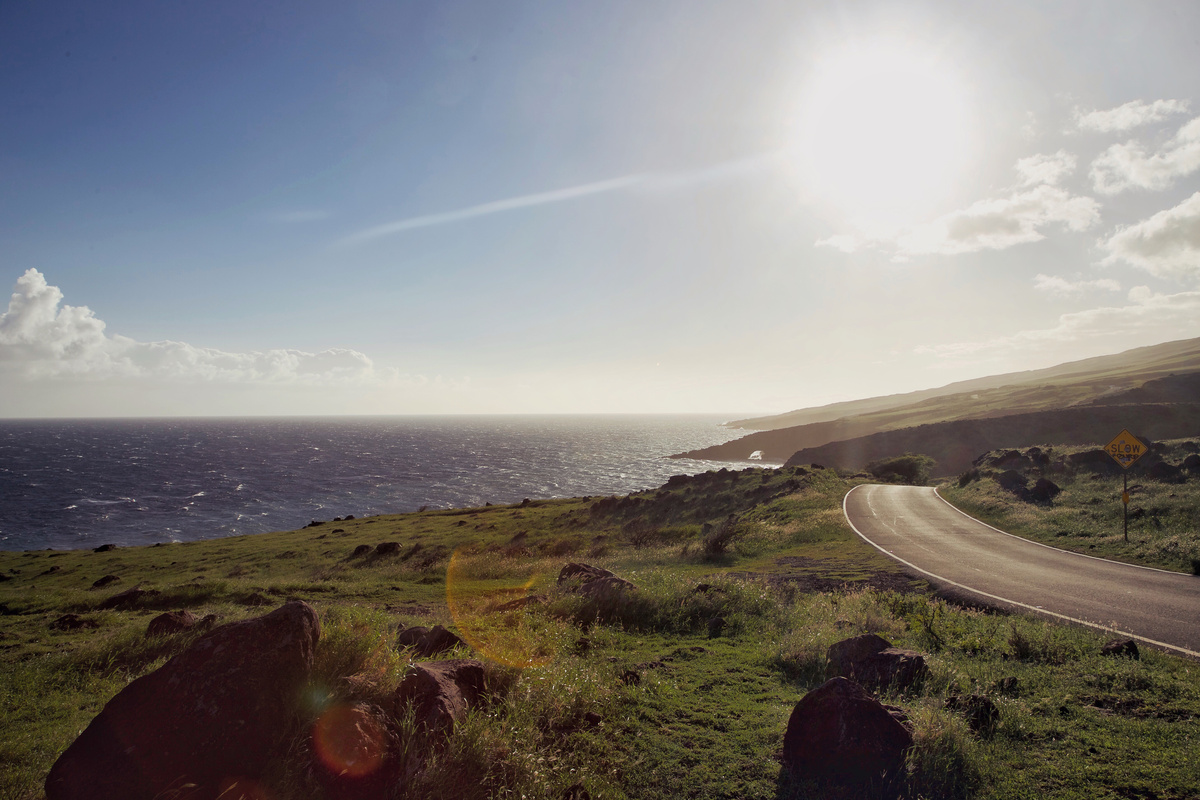
This scenic road of about 60 kilometres runs along the island’s southern coast and is known as Hawaii Route 31. You really must drive it. It was probably here that I felt the inimitable, free spirit of an island far from the rest of the world. The scenery around, with the volcano on one side and the ocean on the other, is dazzling.
The road is wild. It twists in hairpin bends, then runs along a cliff above the drop, wide enough for only one car, then stretches across dusty potholes. But at those moments you never stop marvelling at the beauty around you.
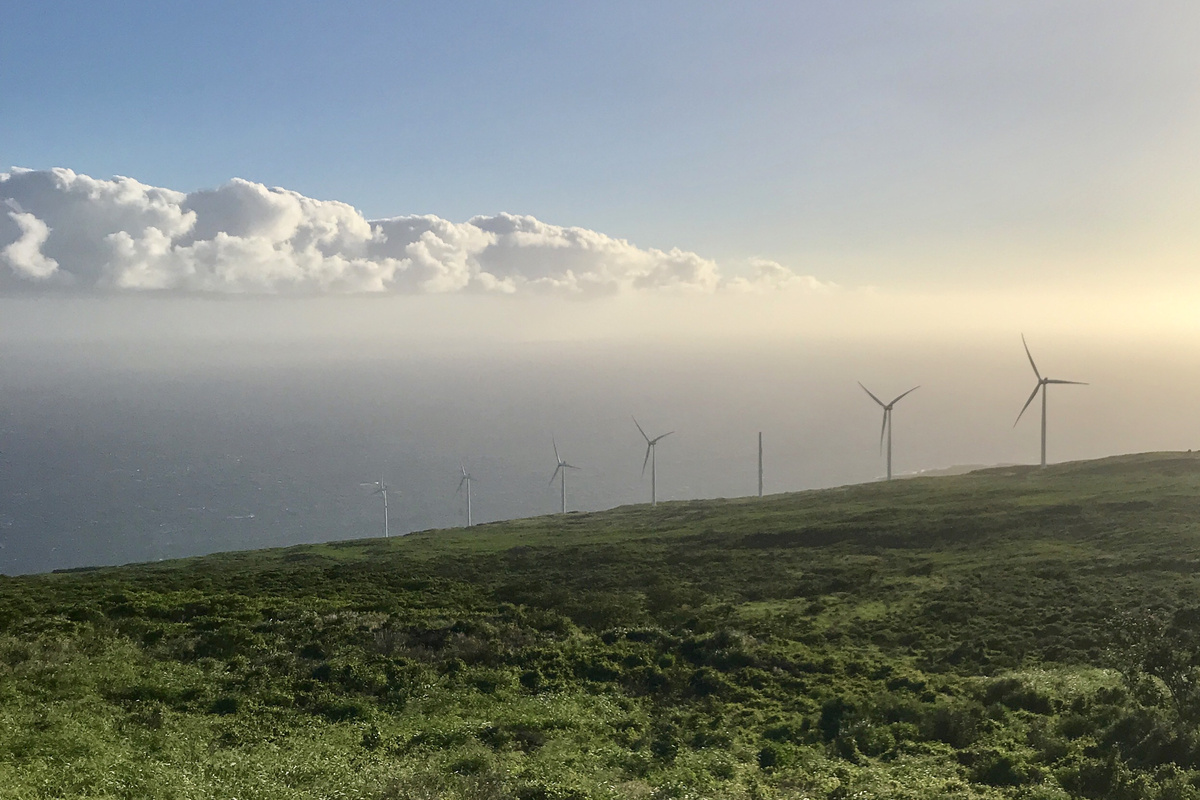
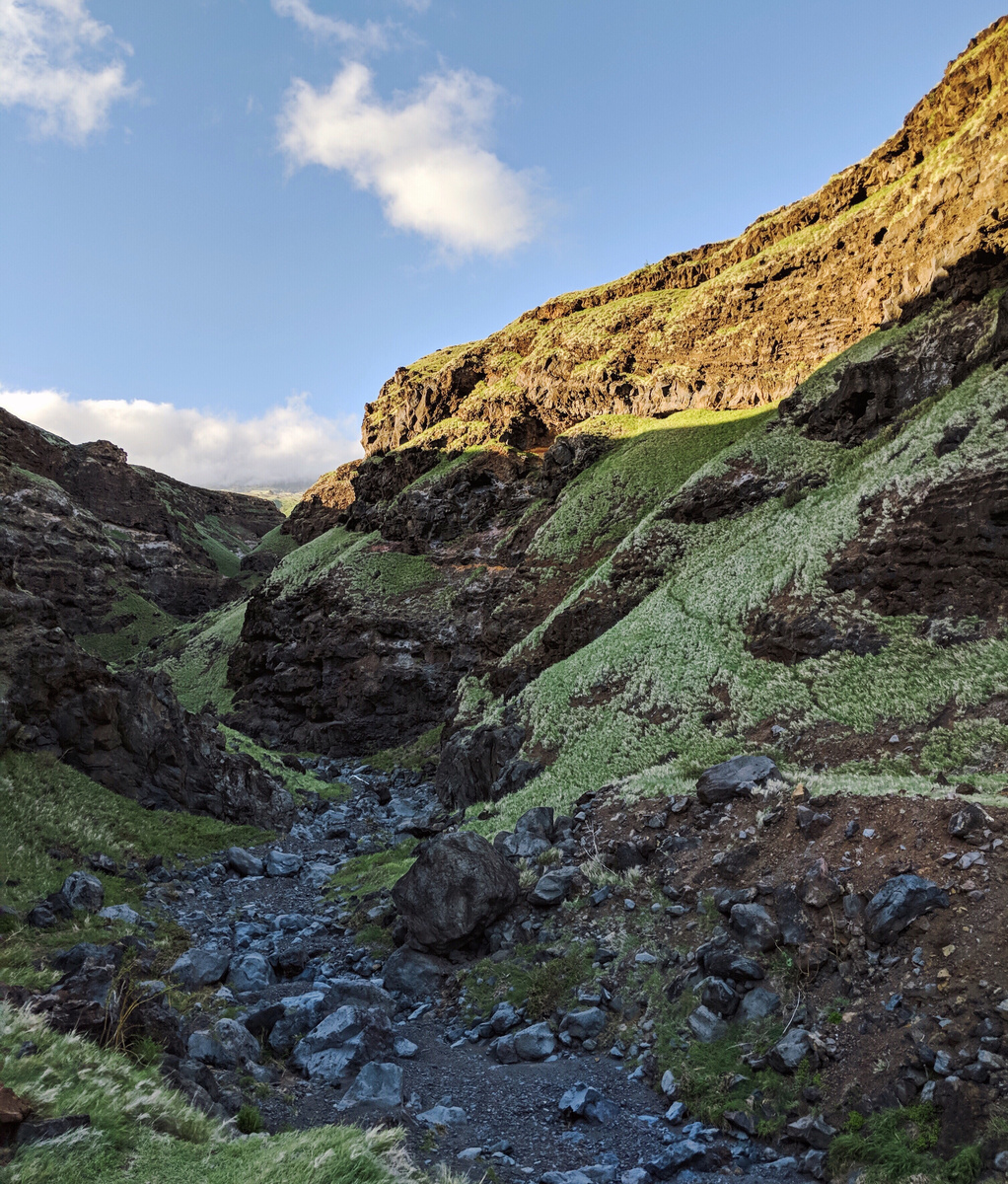
Stretches of the Piʻilani Highway close after heavy rain and rockfall, so I would check the Maui County road notices on the morning I set out.
7. Kahakuloa Bay
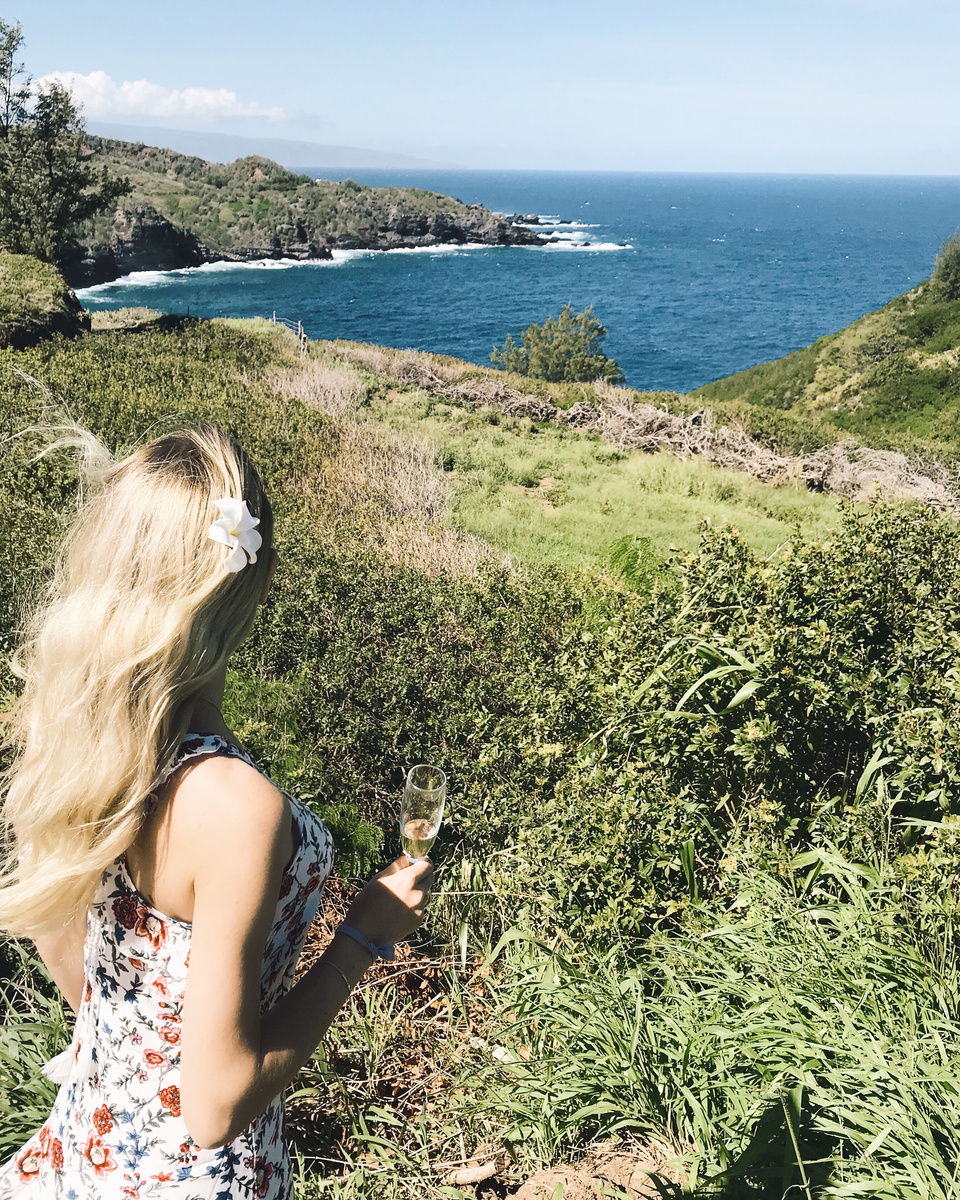
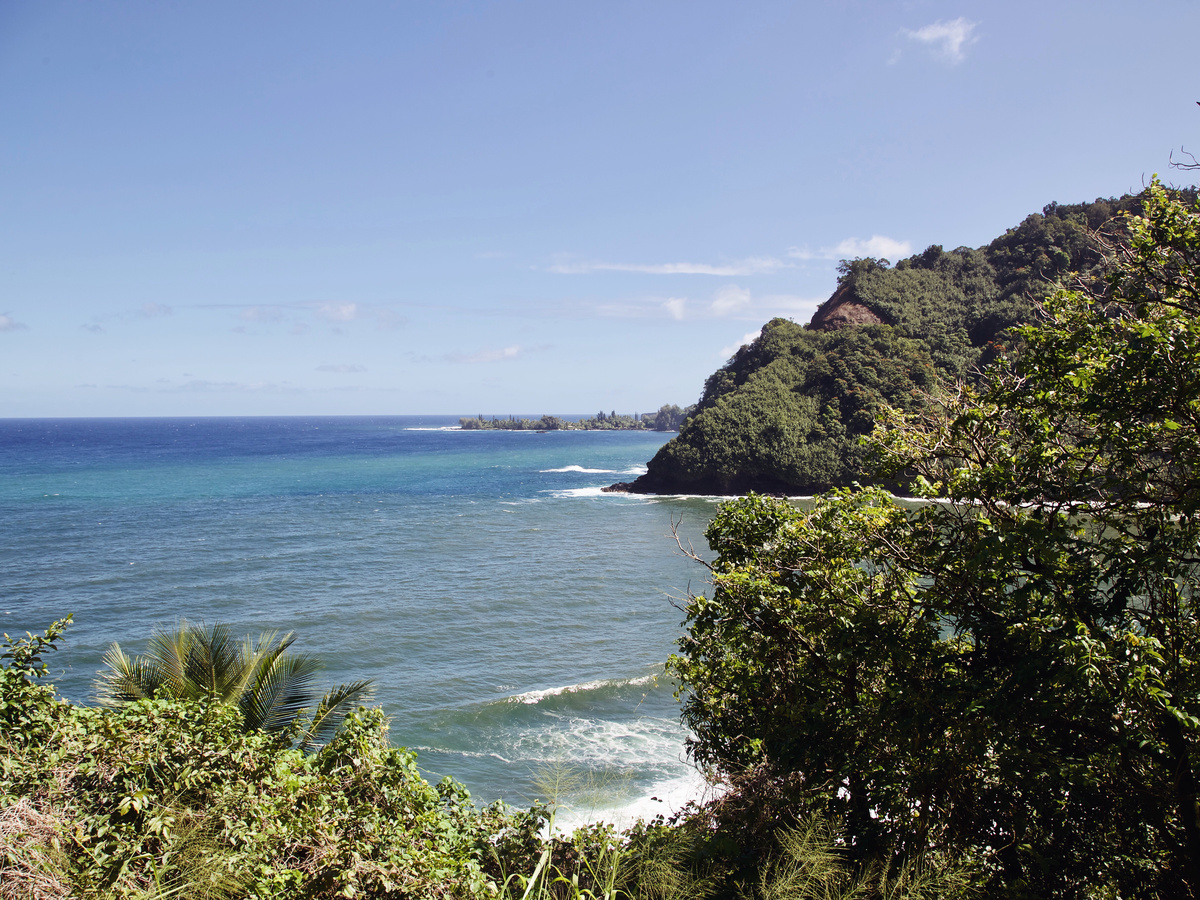
A hair-raising road leads to this beautiful place, all wild hairpin bends, narrow stretches and sharp turns. We took it hoping to reach Kāʻanapali Beach, but we did not manage it, because the road was closed halfway. Still, thanks to the incredible beauty all around, we had no regrets.
8. Wailea Beach Path
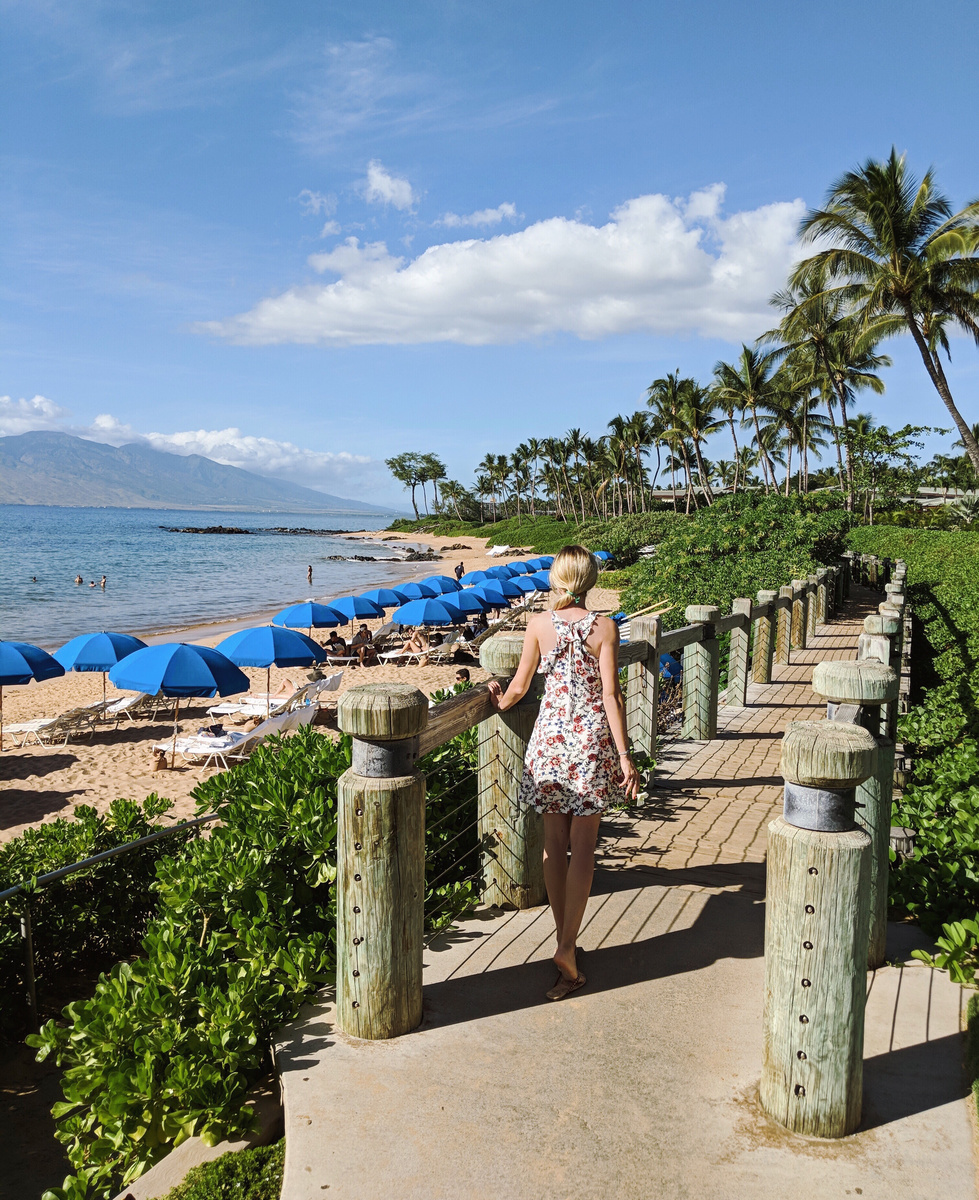
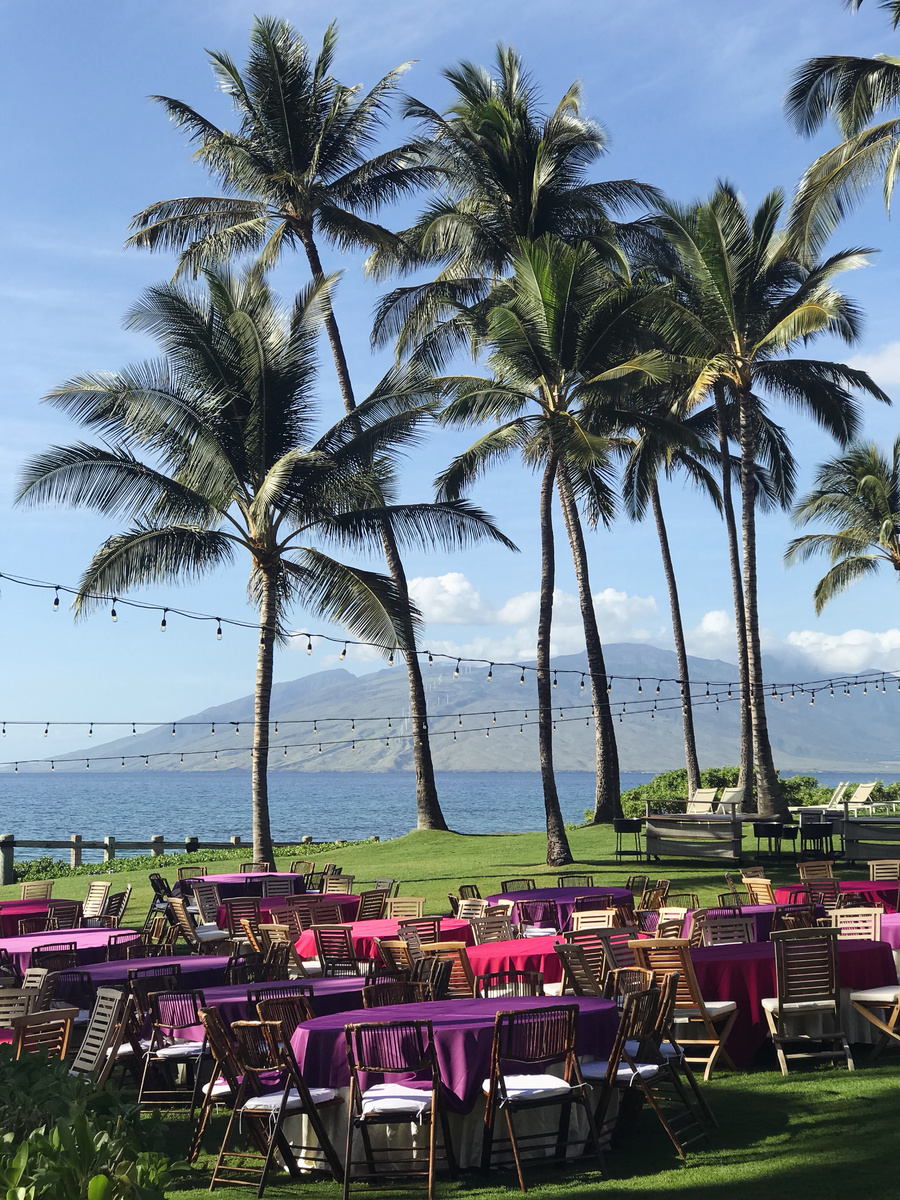
What I remember best about the famous Wailea Beach is the path of about two and a half kilometres that runs along the ocean. Now it comes out onto soft sand, now it dives into the greenery over little wooden bridges. If you stay in this area, it makes for wonderful morning walks.
9. Where to have lunch in Wailea: Morimoto Maui
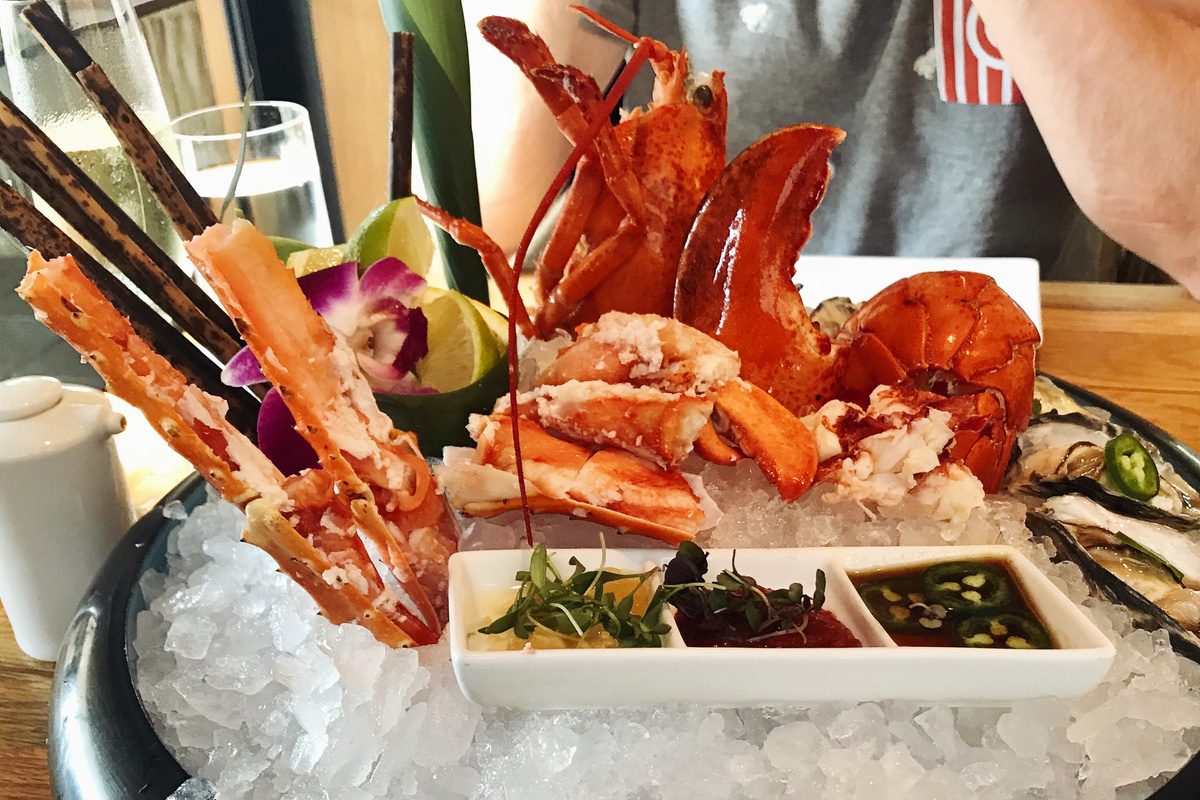
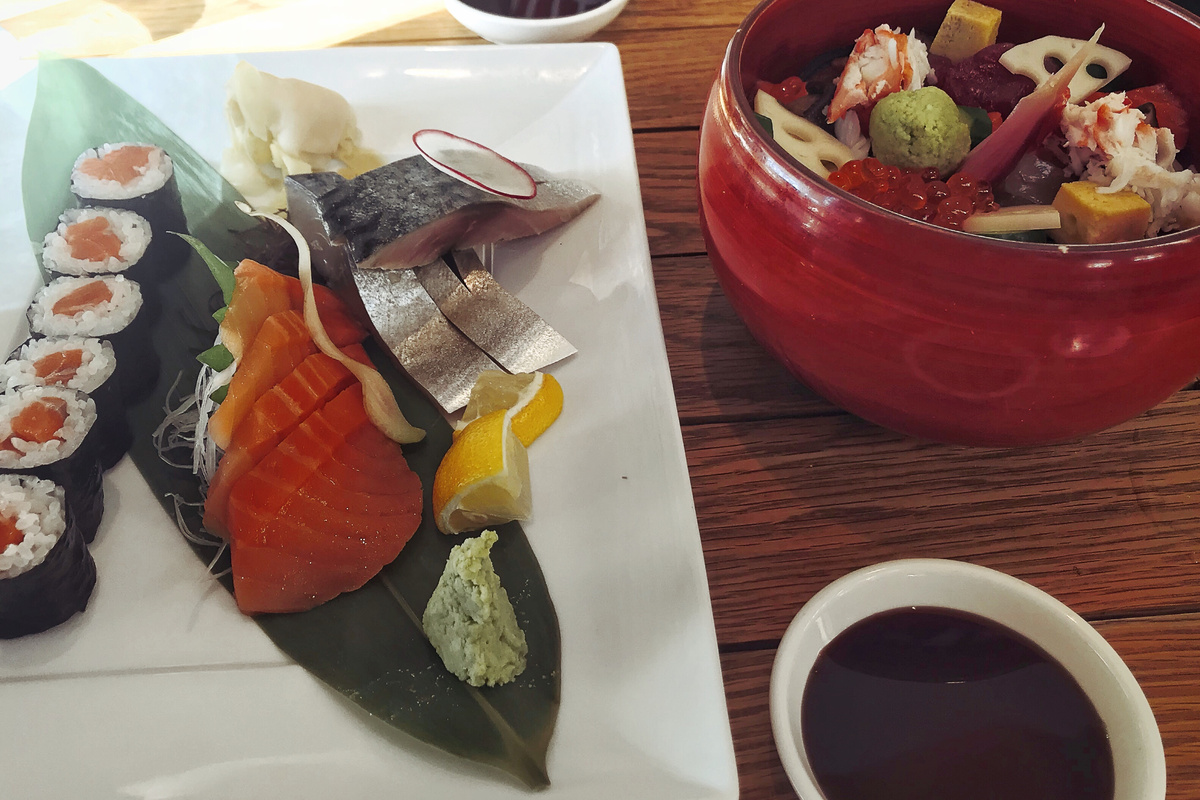
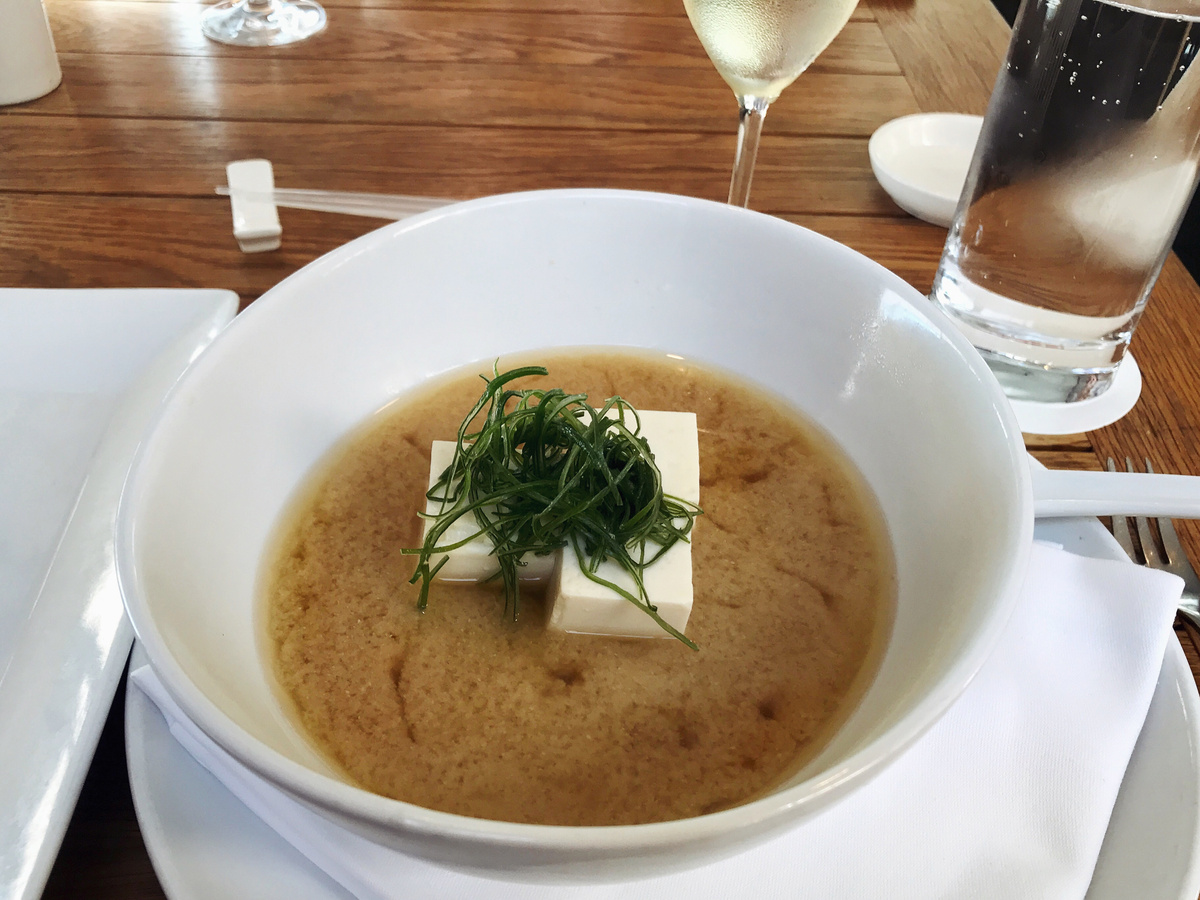
When we learned that the famous Japanese chef Masaharu Morimoto has a restaurant in Wailea, at the Andaz Maui, we went there for lunch. A poke of salmon, tuna, crab and roe, with fresh cucumber, daikon, wasabi and tofu, won my taste buds over. We also ordered sashimi of a very rare little fish, Japanese mackerel.
10. Hawaiian shave ice at Ululani’s Hawaiian Shave Ice
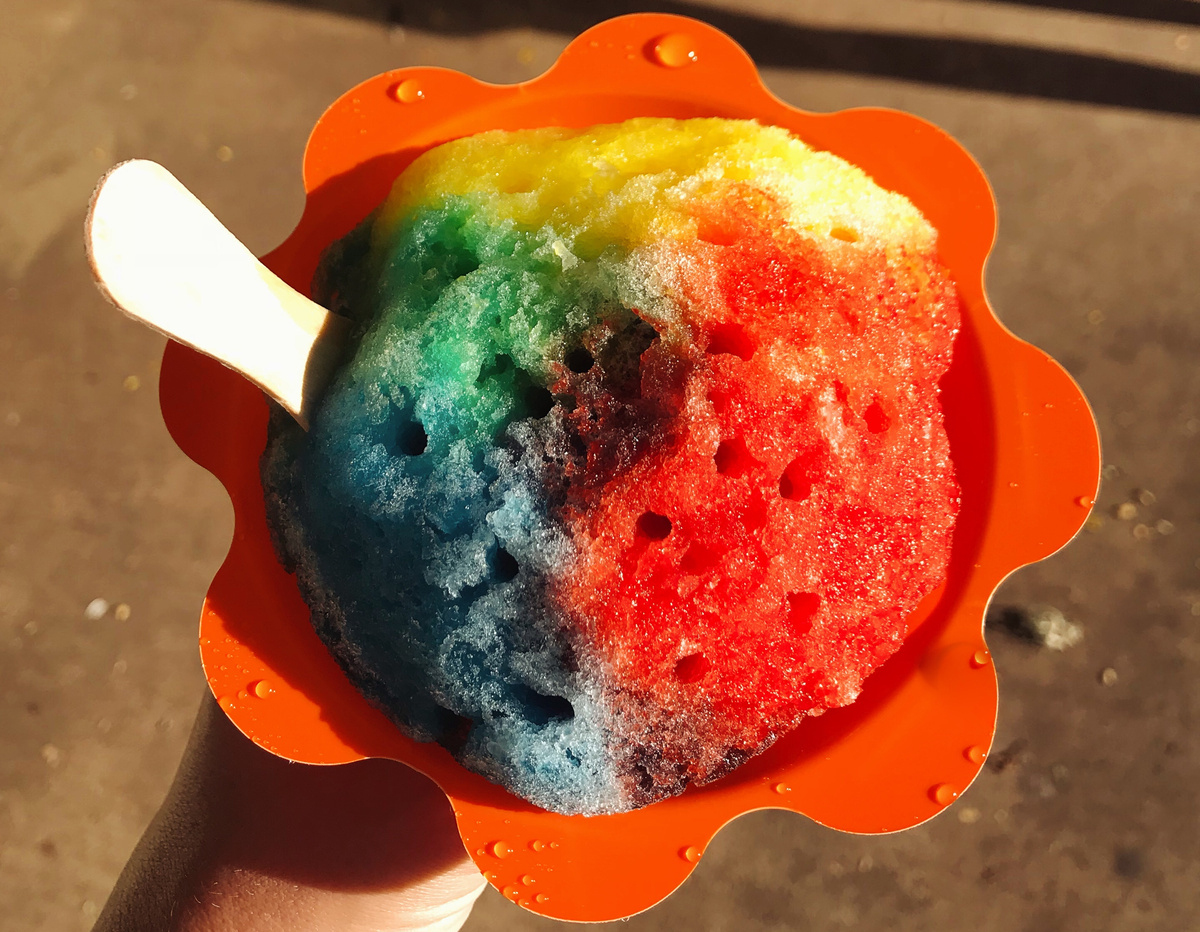
Shave ice is Hawaii’s dessert of finely shaved ice with natural fruit flavourings. It is the moment when a childhood dream comes true and you are officially allowed to crunch ice and eat snow. It is sold on every Hawaiian island and is easy to find. You really must try it.
The two days on Maui turned out to be extremely full. At that moment I could say with confidence that this was the most beautiful, the most vivid and the most memorable island of my life. And that was true, at that moment… until I reached the next Hawaiian islands.