
The only one who seemed sure of the way was the satnav. It wanted us to turn off the road at a thoroughly unpromising spot, cross a stony bank and head into a tangle of bushes. There were no signs. We drove slowly past the marked destination twice, watched it recede behind us, turned around and tried again. Finding The Peninsula House was beginning to feel like a task on Fort Boyard.
Eventually we gave up and called. The voice on the other end described every small landmark and the concealed turn with such confidence that I suspected we were not the first to get lost. A few minutes later, we were facing wrought-iron gates deep in the greenery. They began to open with a soft hum. I watched, spellbound, and was still staring after they had stopped. We could go in. Or rather, drive in.
Gravel crunched beneath the tyres as we pulled up beside the house. A man in jeans and an untucked white shirt came out to meet us, barefoot, with an enormous golden Labrador. While I was still taking in the bare feet and the dog, he introduced himself as Thomas, picked up our luggage and waved us inside.
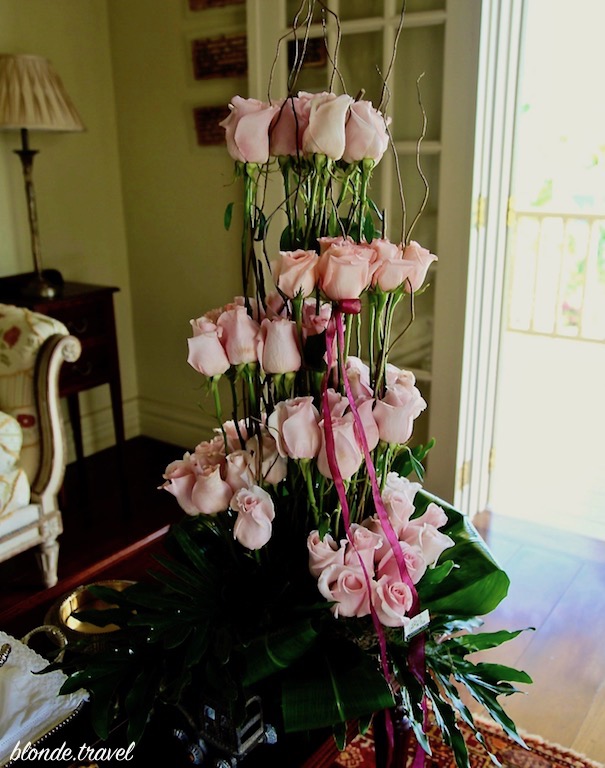
I stopped in the drawing room, looked around and reminded myself to breathe. Thomas had already gone upstairs to open our room.
A house above the palms
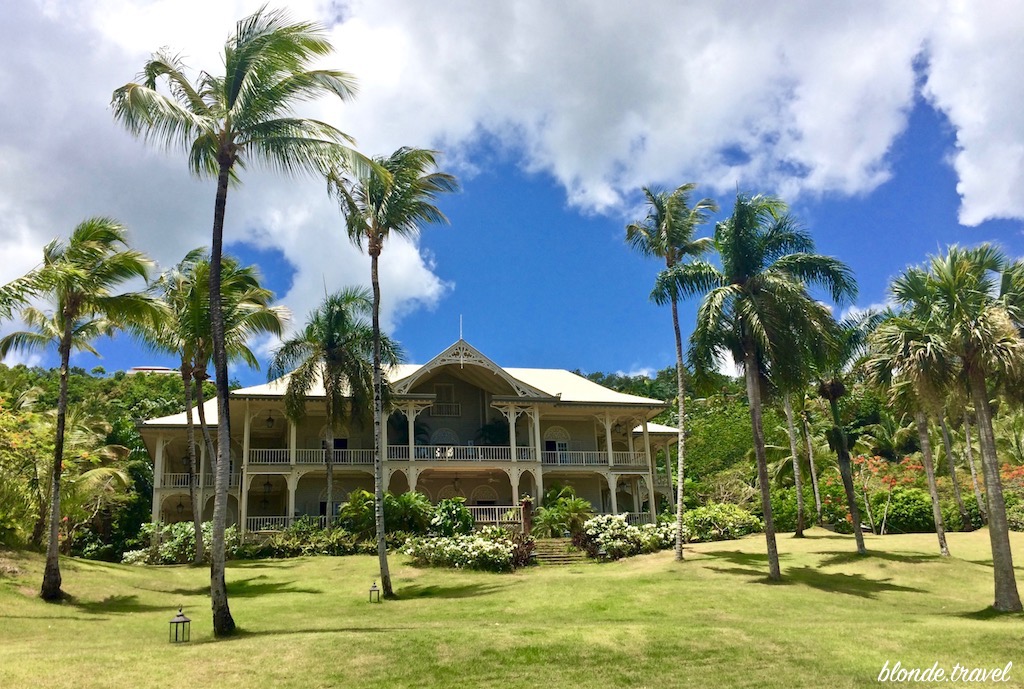
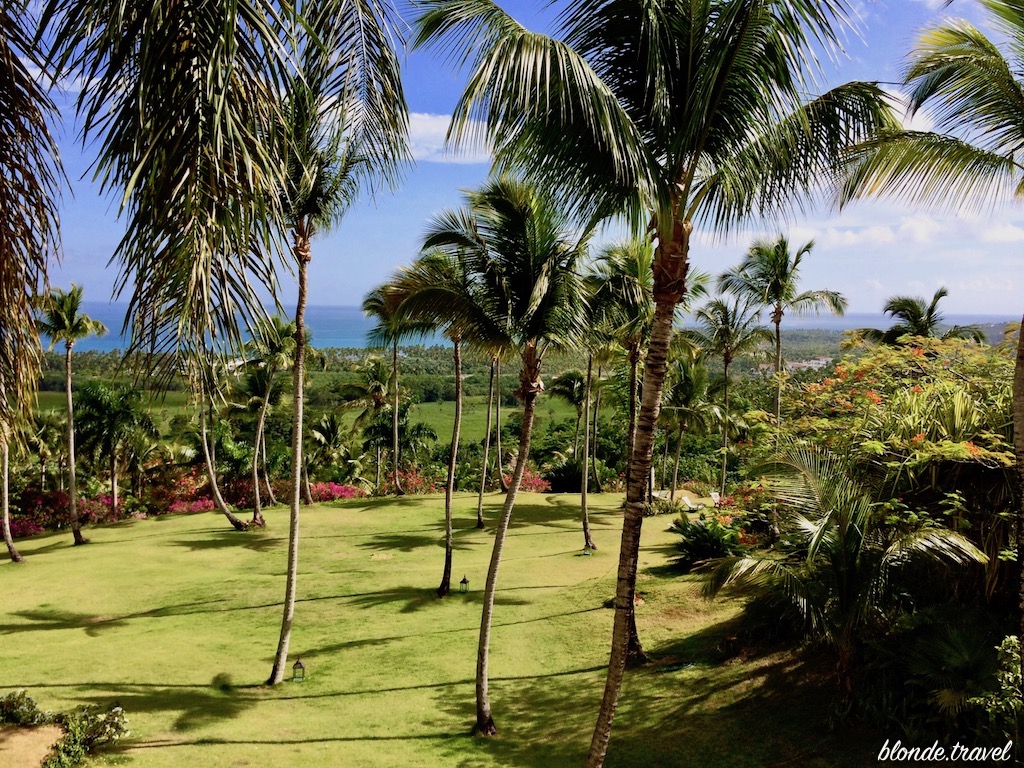
The house stood on a hillside above Cosón, near Las Terrenas on the Samaná Peninsula. Coconut palms concealed it from the road while leaving the Atlantic open to view. The difficulty of finding it suddenly made more sense.
Las Terrenas had grown from a fishing village into a town of small hotels, cafés and beach restaurants, with a sizeable community of Europeans who had made their homes there. The Peninsula House felt removed from all of it. Even calling it a hotel seemed a little inadequate.
Thomas Stamm had grown up in South Africa, studied in Johannesburg, lived in India and France, and practised law in New York. Wherever our conversation took us, he spoke about the country as though he had spent a lifetime there. His curiosity seemed inexhaustible. Samaná was where he had eventually chosen to stay.
The house had begun as a family retreat. There had been partners in the project, but their interest waned as Thomas’s grew. He wanted to live here and share the pleasure of this Caribbean life with guests. The Peninsula House opened in 2007, with just six guest rooms.
A collection to live among
French designer Serge Robin worked on the interiors. The Victorian-style house had an inner courtyard, a library, a billiard room and a veranda running around it. But it was the collection inside that stopped me in my tracks.
Thomas’s mother, Marie-Claude, had begun collecting at twelve and had kept an antiques shop in Paris. Here, the things she had brought back from her travels became part of a home. Chinese porcelain, South African masks, Louis XV furniture, Indian cabinets, Indonesian puppets, Mongolian drawings and Turkish carpets shared the rooms with paintings by Pierre Soulages. I kept looking closer. There was always another detail.
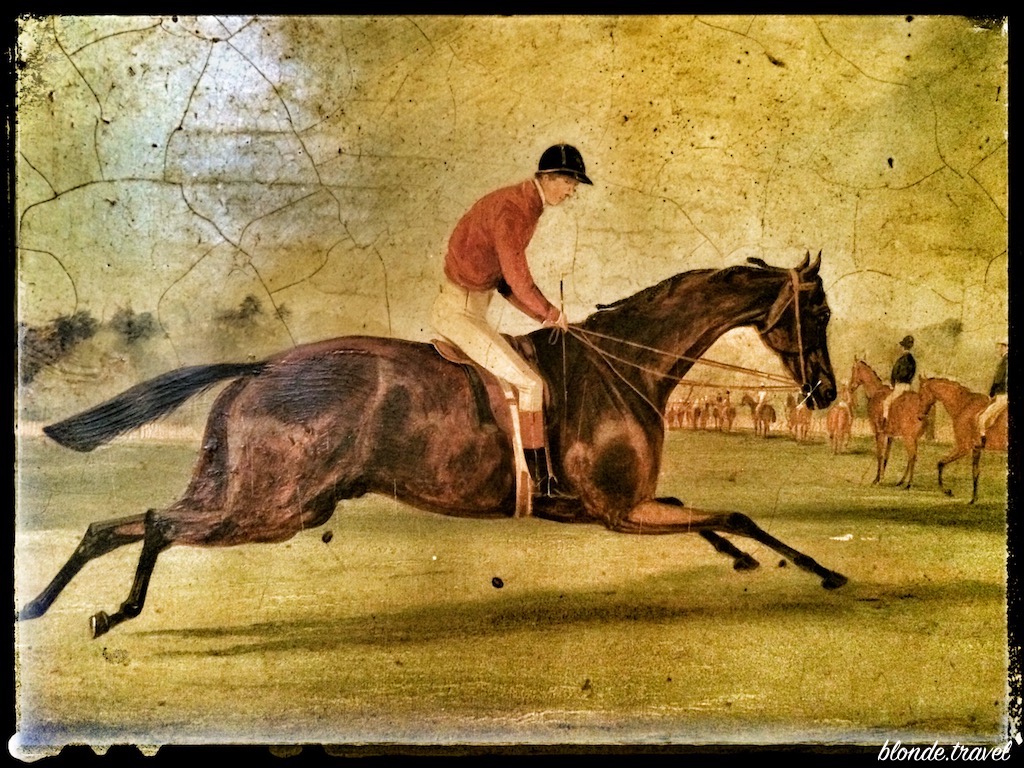
It felt like Aladdin’s cave, with centuries overlapping. Yet the rooms held together. The pleasure was in seeing how all those different objects could belong in the same house, rather than in counting the treasures.
The library alone could have detained a book lover for hours. If you managed to reach the ground-floor terrace, there were telescopes to distract you next. Beyond it lay the garden, a chess set on the lawn and an infinity pool overlooking the ocean. Thomas, a collector himself, lived here among it all.
Six rooms, and a bed worth lingering in
Each of the six rooms had its own colours and character. What impressed me was how comfortably the old furniture and Victorian setting accommodated the things a guest actually needs. The house was full of antiques, but the bed and bathroom had received just as much thought.
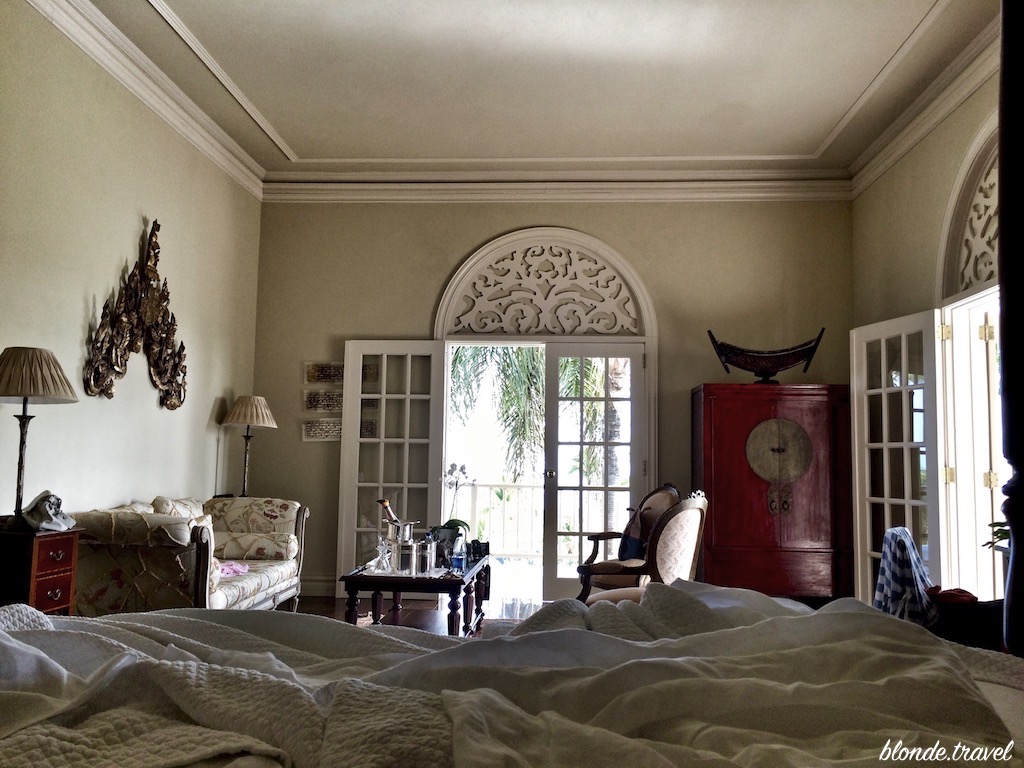
Our wrought-iron bed took up much of the room. Its deep mattress, Frette linen and handmade cover made getting up in the morning an unattractive proposition. The bathroom was the size of an ordinary hotel room, with a generous bath, a comfortable shower and fittings that belonged naturally to the house.
There was a profound ease about the place. I felt I could entrust it with a celebration or one of those private occasions for which the setting really matters.
Breakfast in the house, lunch by the sea
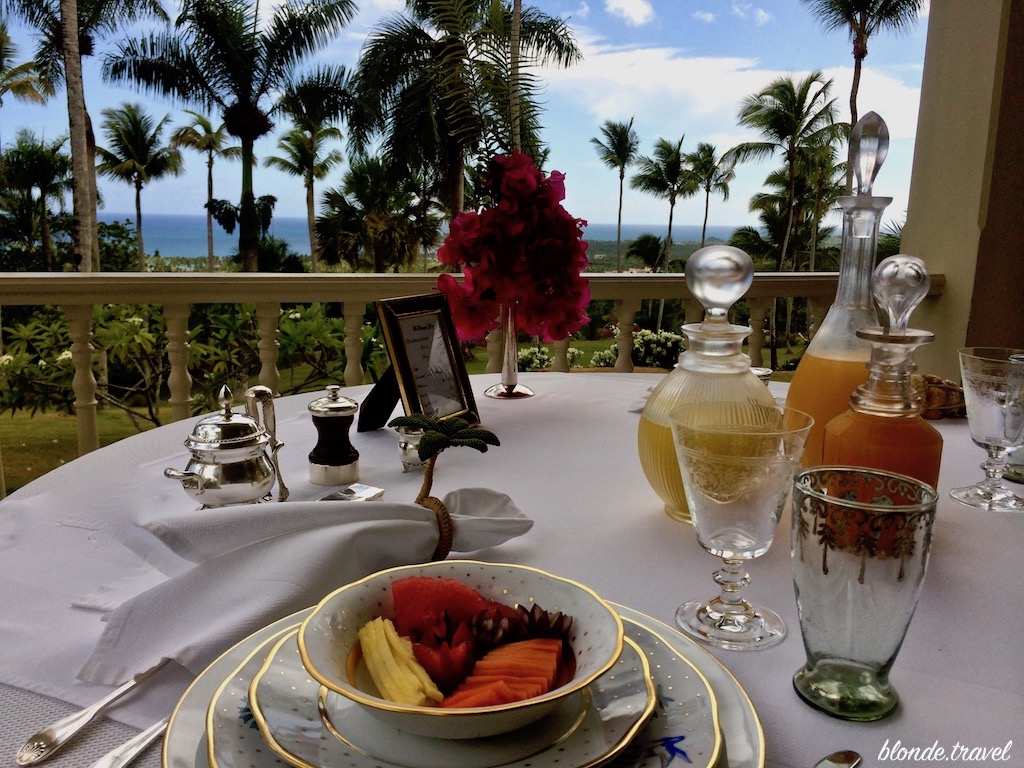
Sophie and Jérôme managed the house. Breakfast and dinner were served on the veranda; dinner was arranged in advance, with the menu discussed around the guest’s preferences. Jérôme went to local suppliers each morning for fresh produce, vegetables and herbs, and planned the day’s food around what he found.
Breakfast became a small daily ritual. The china changed from one morning to the next, and the table was set with silver. It was a pleasure to linger there, looking beyond the garden and palms to the ocean. In the evening, the same veranda became a place for dinner beneath the stars.
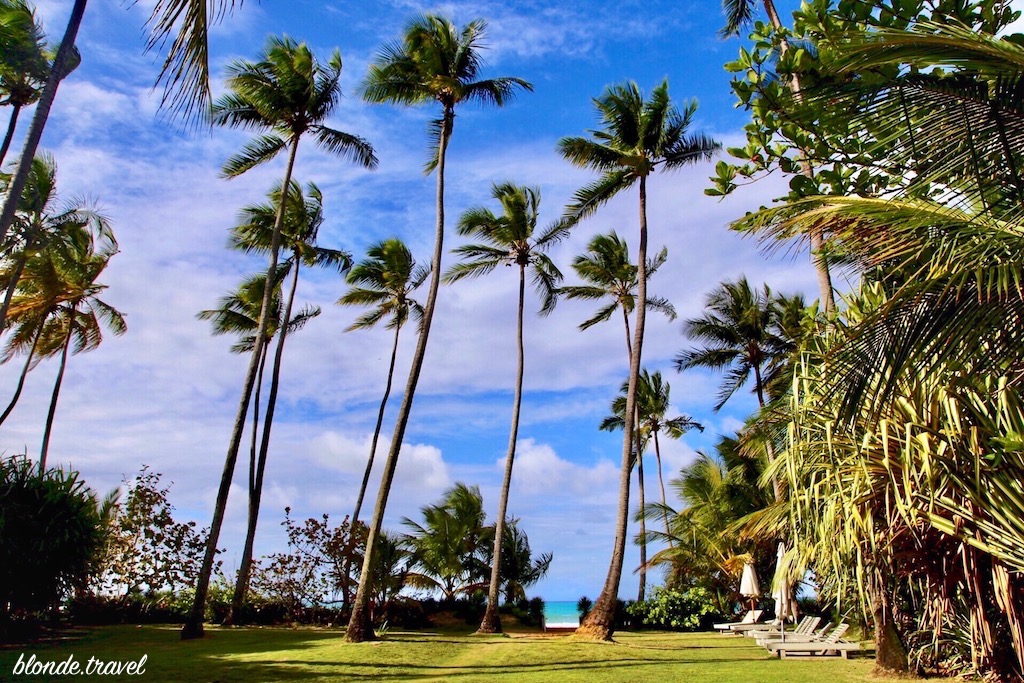
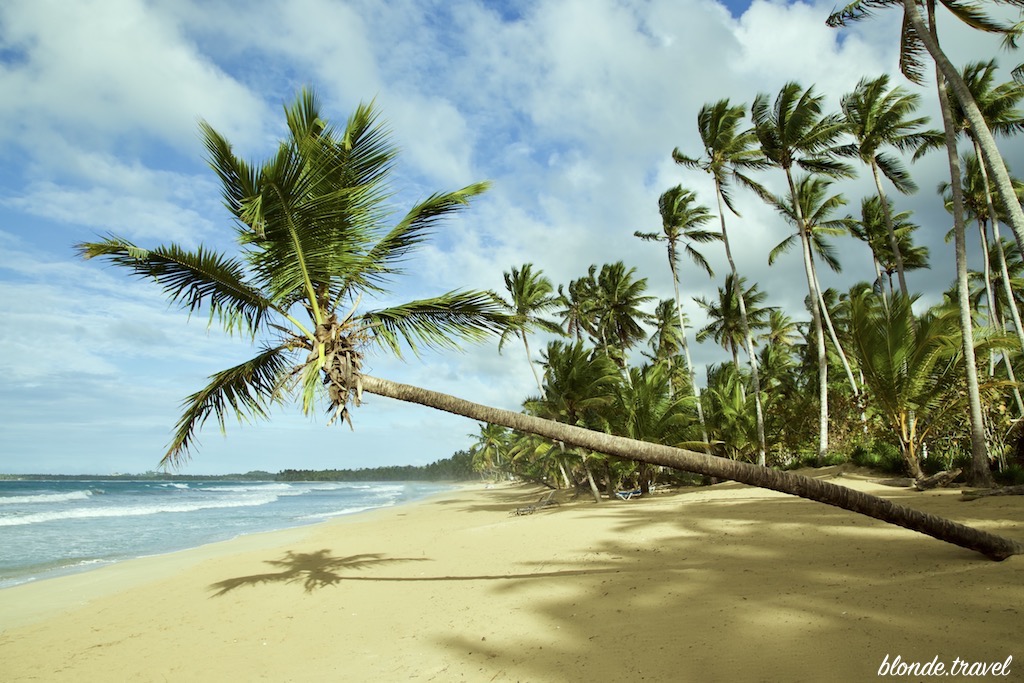
Lunch took us down to Cosón beach. The house’s restaurant, The Beach, was about ten minutes away by car and almost as difficult to find as the house itself. Thomas often offered to drive guests down or show them the way. This quiet stretch of shore made it easy to stay after lunch and spend the afternoon by the sea.
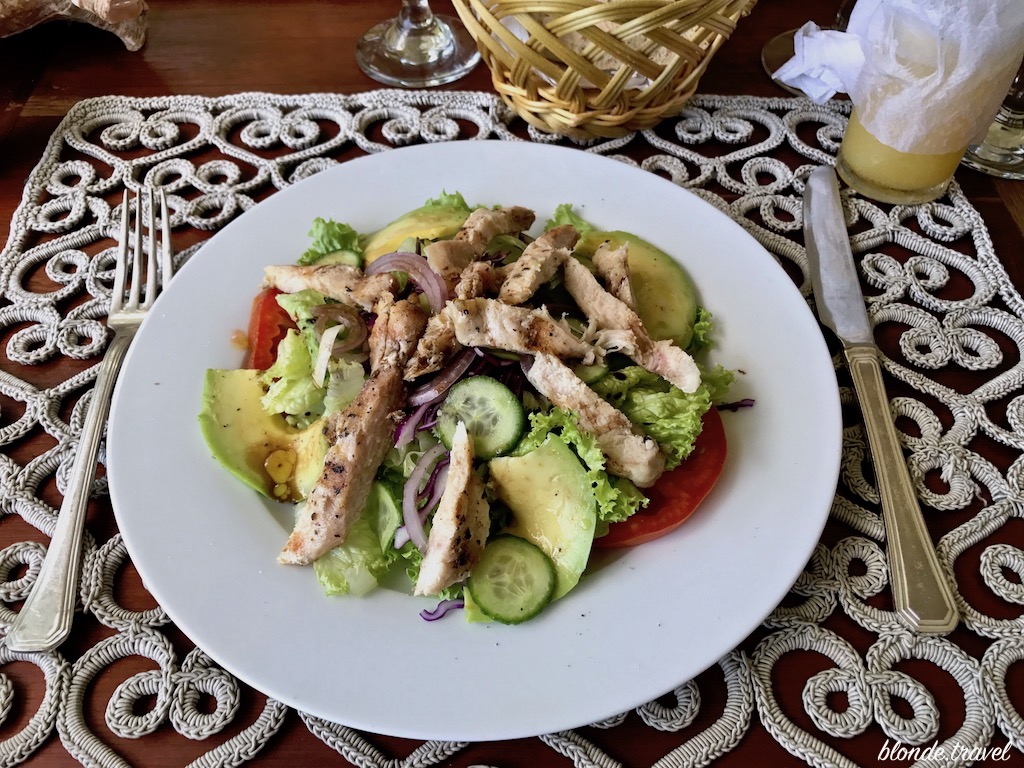
The cooking had the reassuring generosity of lunch at a grandmother’s house. I sat in the shade over a salad of fresh leaves and seasoned chicken. Only a few tables were occupied, but there was plenty of conversation: Thomas meeting new guests, then greeting friends who had been before.
Watching him, I understood why people returned. I wanted to come back myself. The attraction was the prospect of feeling this way again, with the anticipation of visiting old friends. Thomas and his team had given a house full of remarkable things a warmth that was entirely their own.
For me, The Peninsula House combined the comfort of a fine hotel with the freedom of being in a friend’s home in the Caribbean. That was its real treasure.