
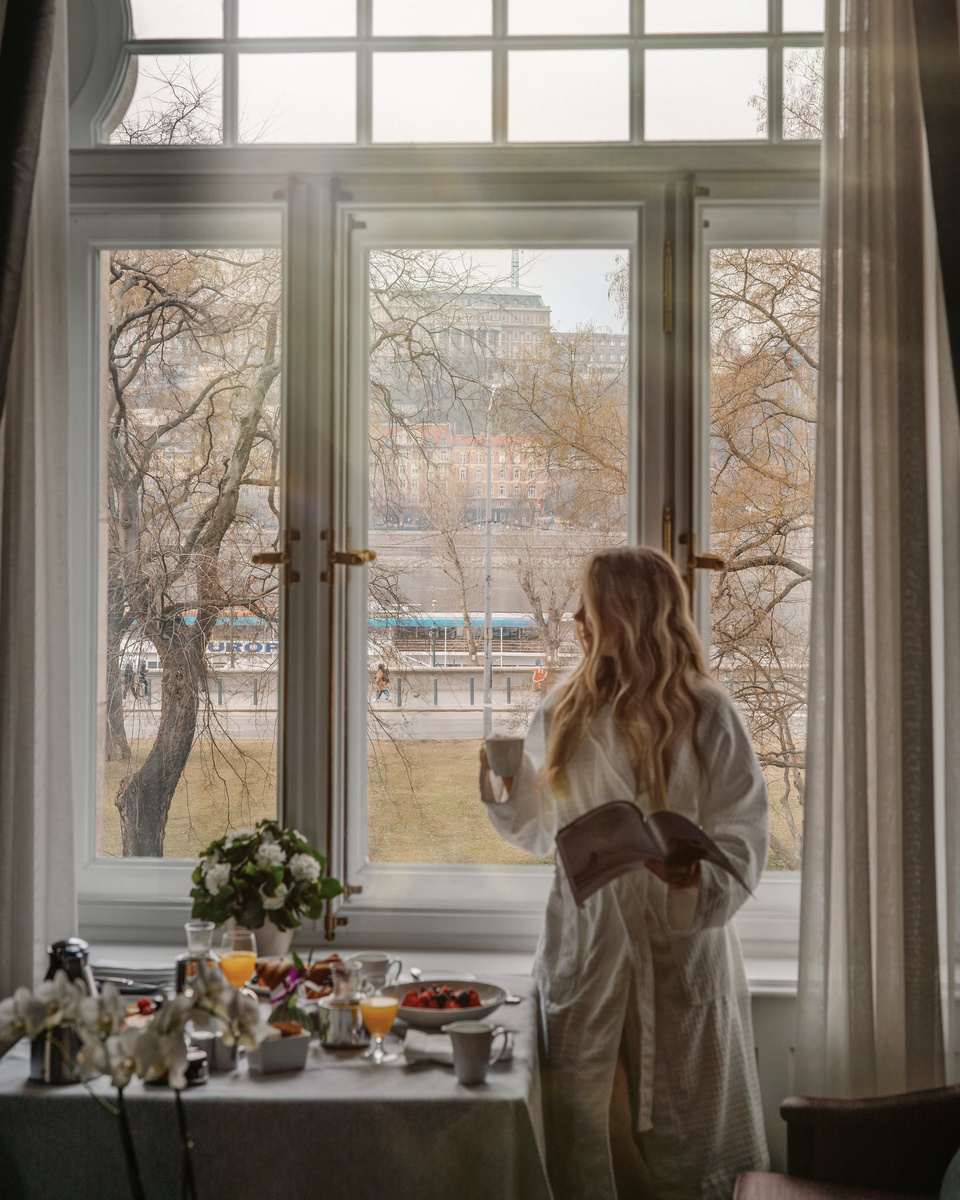
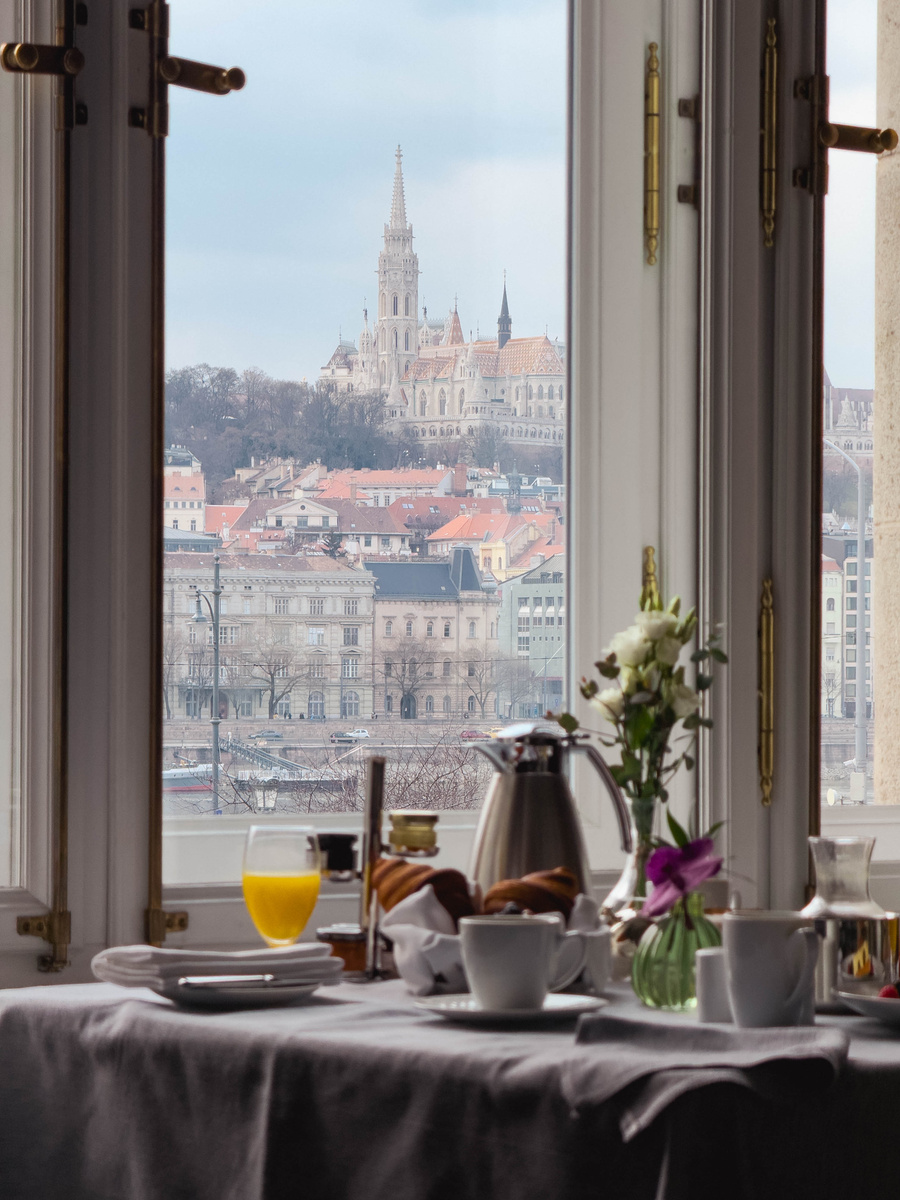
In the morning, I pulled back the curtains and Budapest arranged itself in the window: the Danube below, the Chain Bridge almost at my feet, and Matthias Church rising across the river. Breakfast arrived, but the view made sitting down difficult.
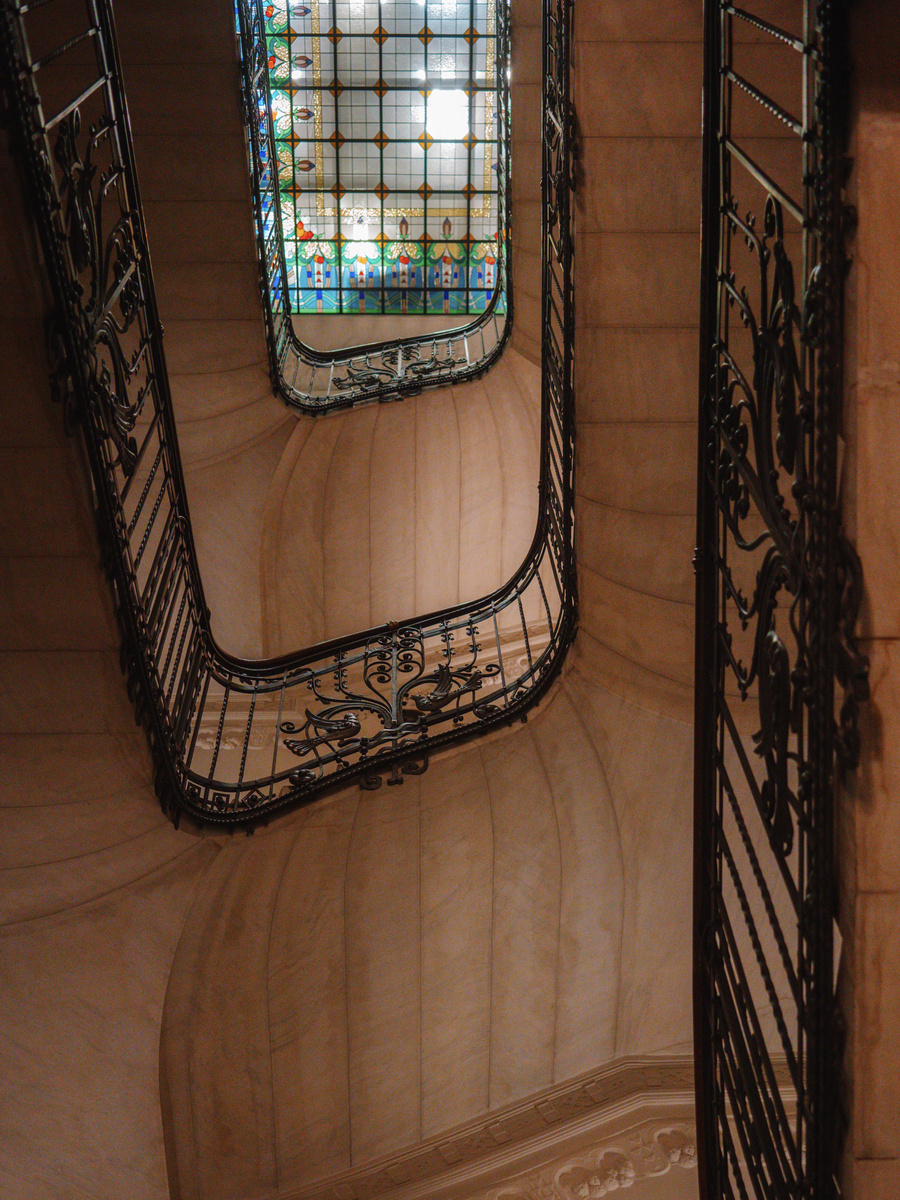
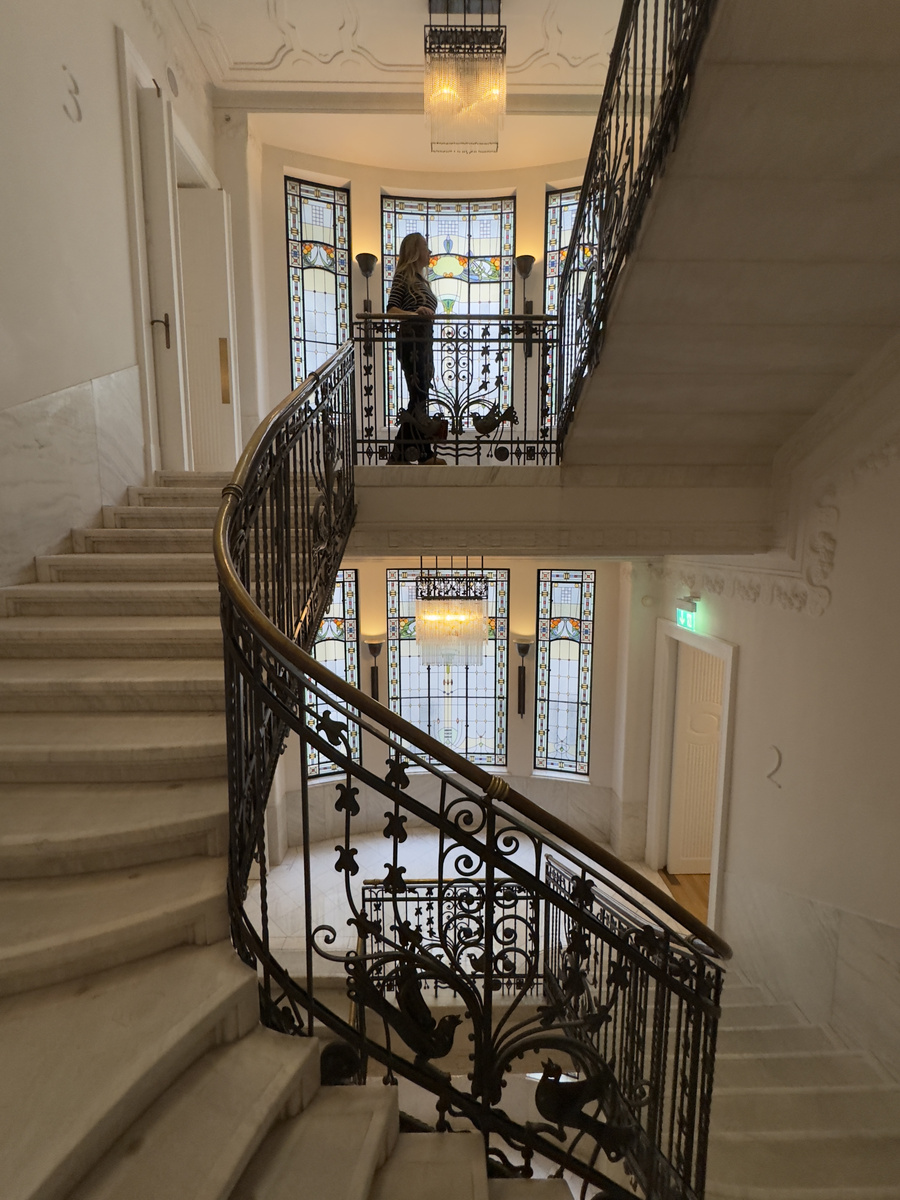
Four Seasons Hotel Gresham Palace Budapest has the rare advantage of being both a grand city hotel and one of the city’s sights. Its beauty is not confined to a façade seen on the way in. The ironwork, glass, mosaics and long staircase keep interrupting ordinary hotel life. I swear I tried to hurry, but that staircase would not let me.
A palace made for arrival
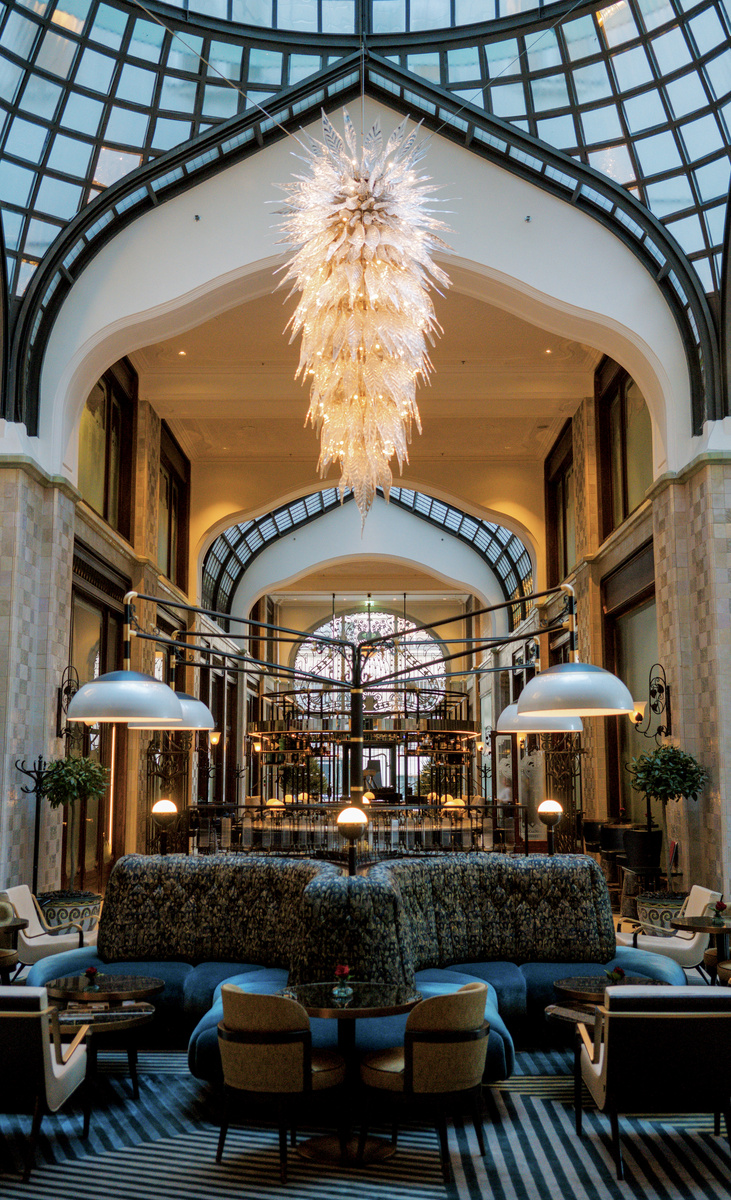
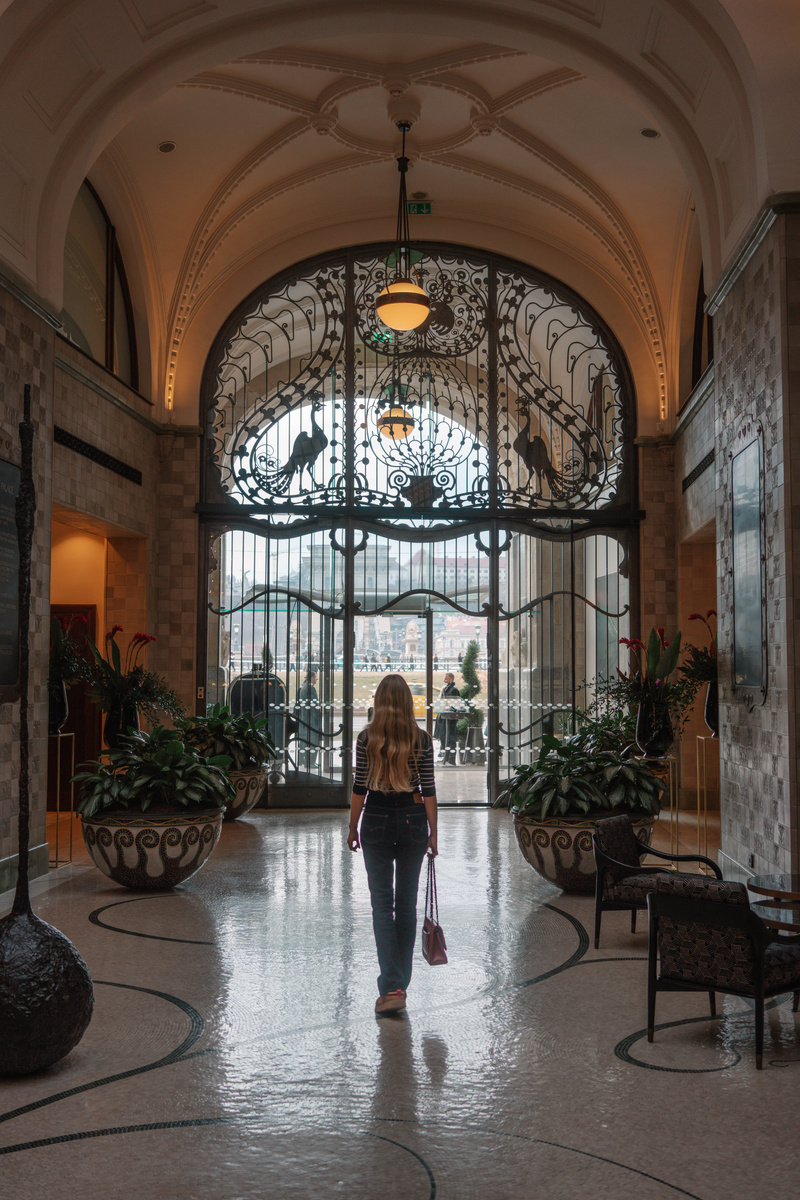
The building opened in 1906 as the Budapest headquarters of the Gresham Life Assurance Company. Four Seasons restored it as a hotel in 2004, retaining the Secession-era structure and its most expressive details: wrought iron, stained glass, mosaic floors and the great glazed passage that now holds the lobby and MÚZSA.
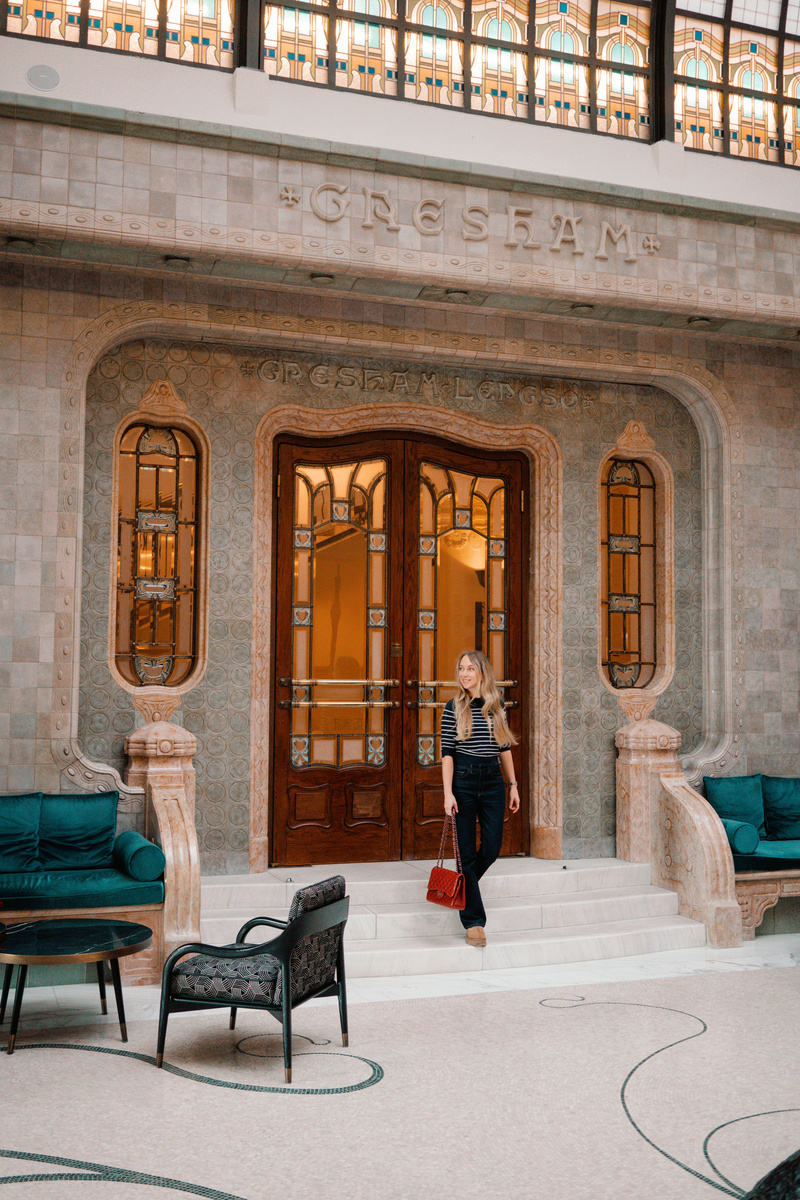
There are grand hotels whose history survives mainly in the brochure. Here it remains in the route through the building. Peacock gates open from Széchenyi Square; the lobby rises beneath glass; stair rails curl around landings and coloured windows. Even the door marked Gresham feels like part of the architecture rather than hotel branding added later.
The restoration is highly finished, and that polish matters. This is not a faded palace trading on atmosphere. Its public rooms feel composed and glamorous, but the old craftsmanship still gives them tension. The building is ornate without becoming a costume.
A Danube-view room
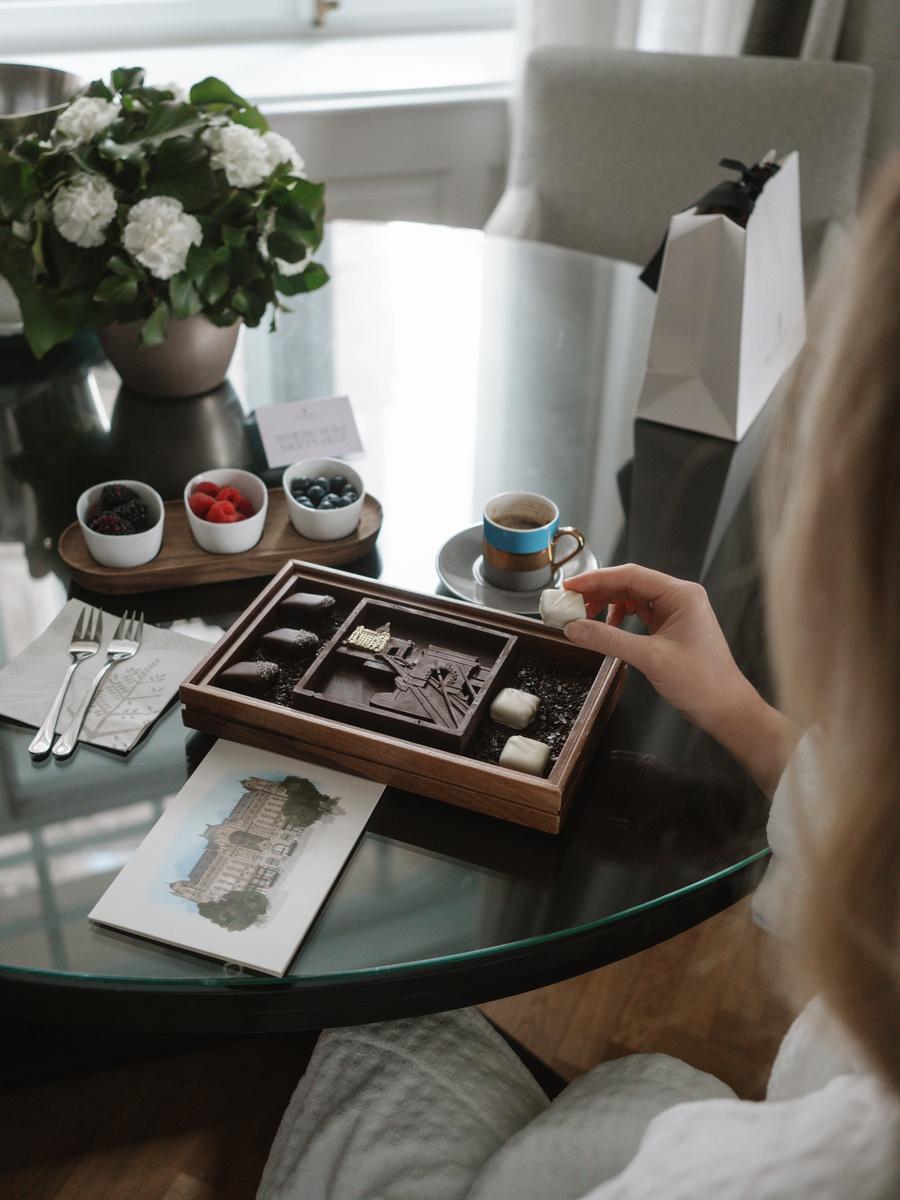
My room was calm after the scale of the lobby. I remember the pale bed, the tall windows and the small signs of care: welcome chocolates, evening turn-down and everything set back in order for the night. The river-facing position was central to the experience.
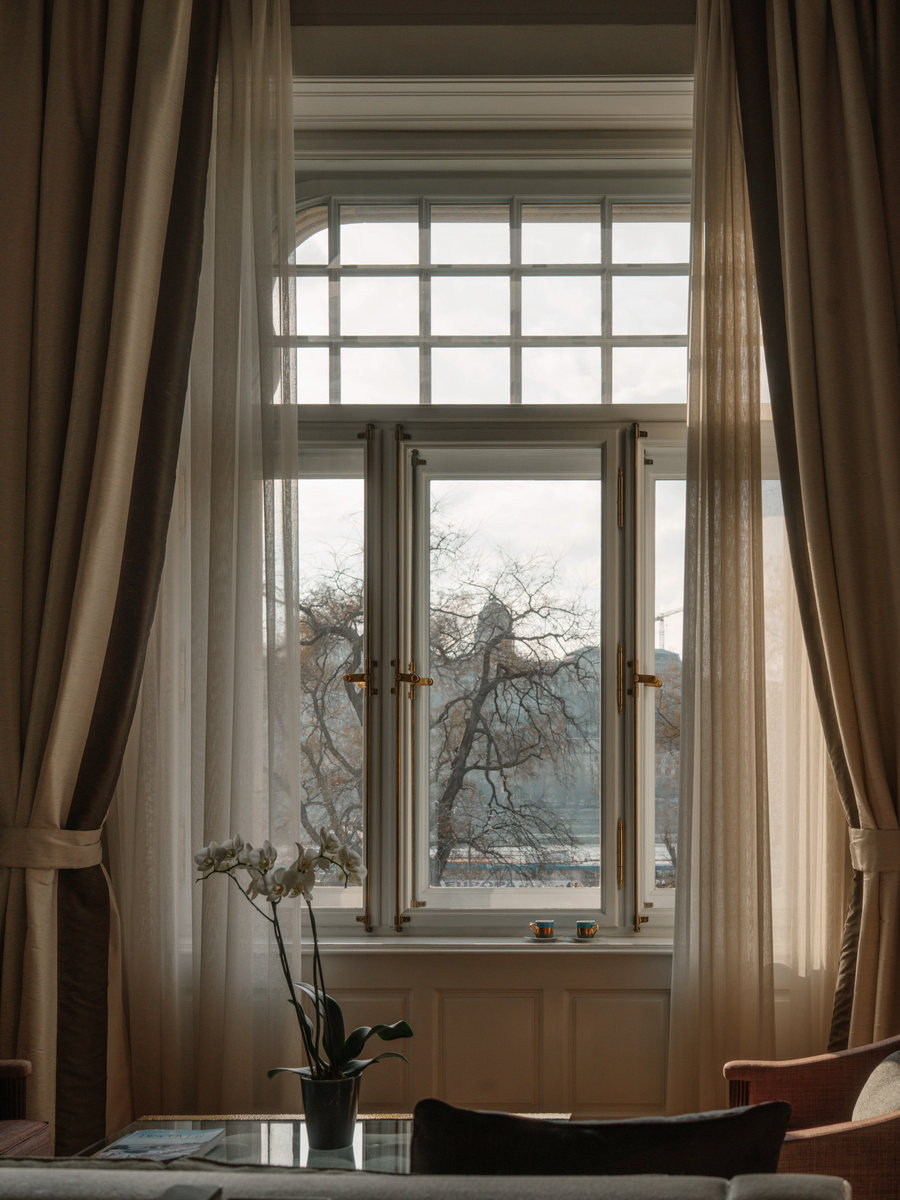
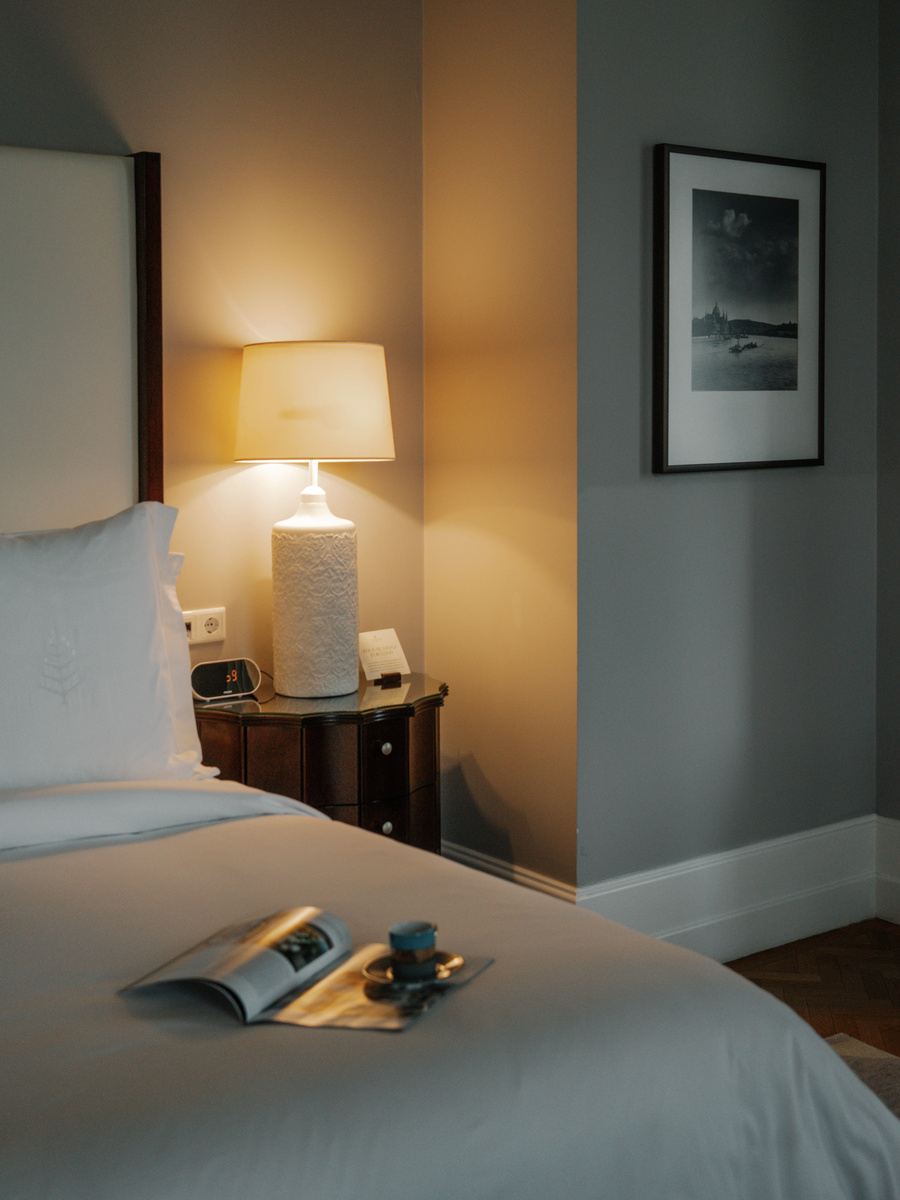
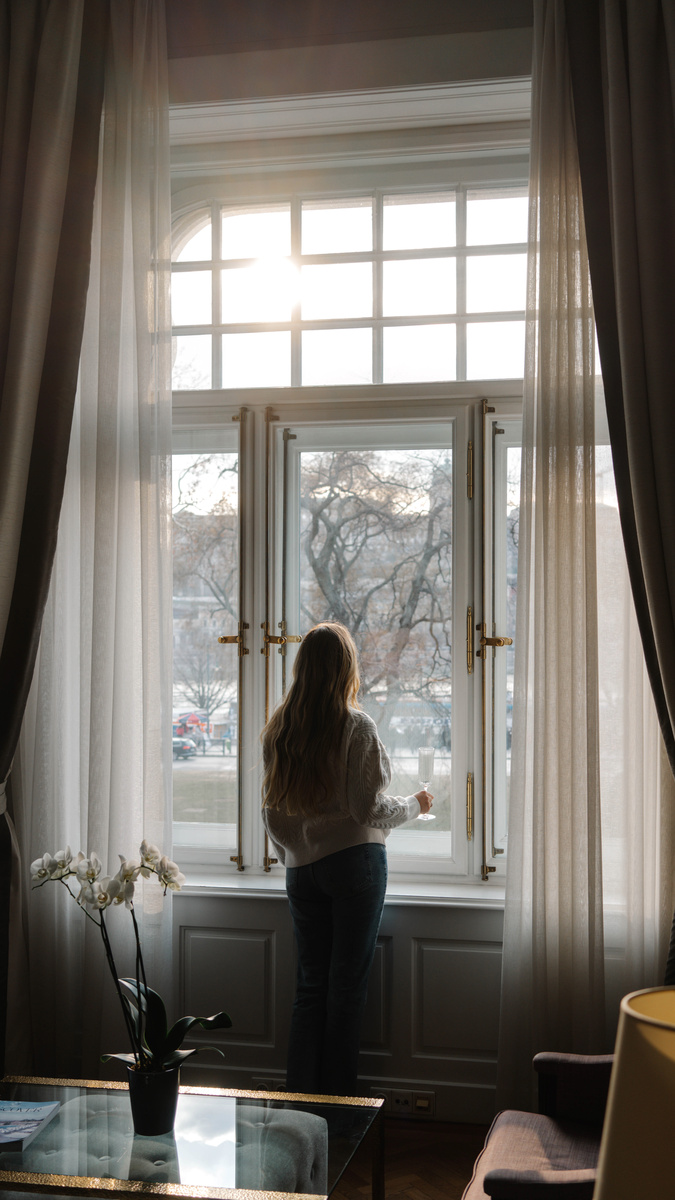
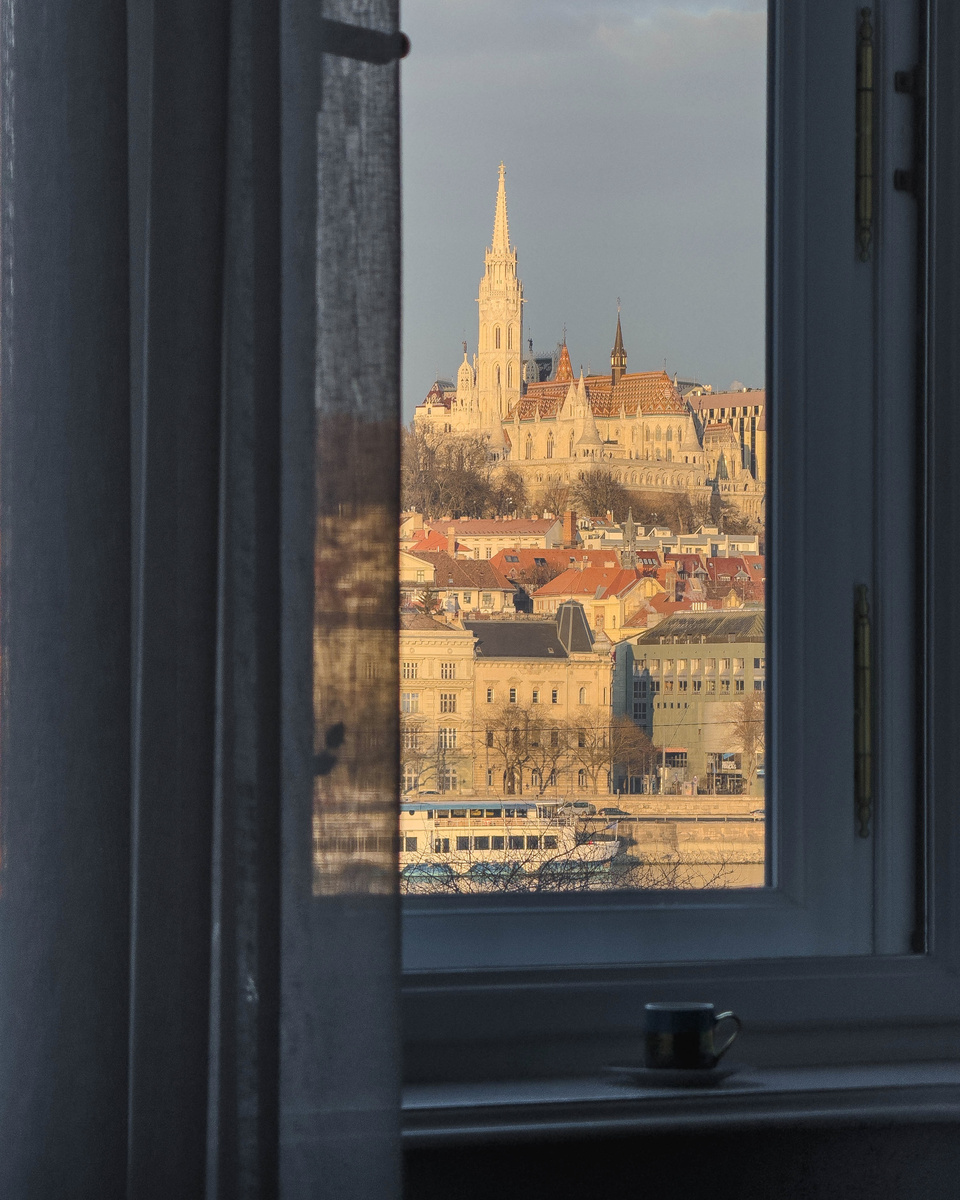
That view changes the rhythm of the stay. It is possible to drink coffee in bed, have breakfast brought in and still feel involved in Budapest. Boats move along the Danube; the stone of Buda changes with the winter light; the bridge keeps the two banks connected in the frame.
If I were booking, I would ask precisely what the windows face. Gresham Palace is compelling in any direction, but a Danube view turns the room into part of the city rather than a retreat from it.
For a similar outlook, I would begin with the Danube River-View Room, then confirm the particular room’s position. Four Seasons currently lists this category at 33–42 m², with a full marble bathroom.
Breakfast in the room—and at KOLLÁZS
My clearest morning was breakfast in the room. The peacock was not confined to the gates. It returned on the waffle, pressed into the batter as the palace’s emblem—an unusually cheerful piece of hotel heraldry. The pleasure was simply time: a proper breakfast, the table left intact, and no reason that morning to exchange the view for a restaurant downstairs.
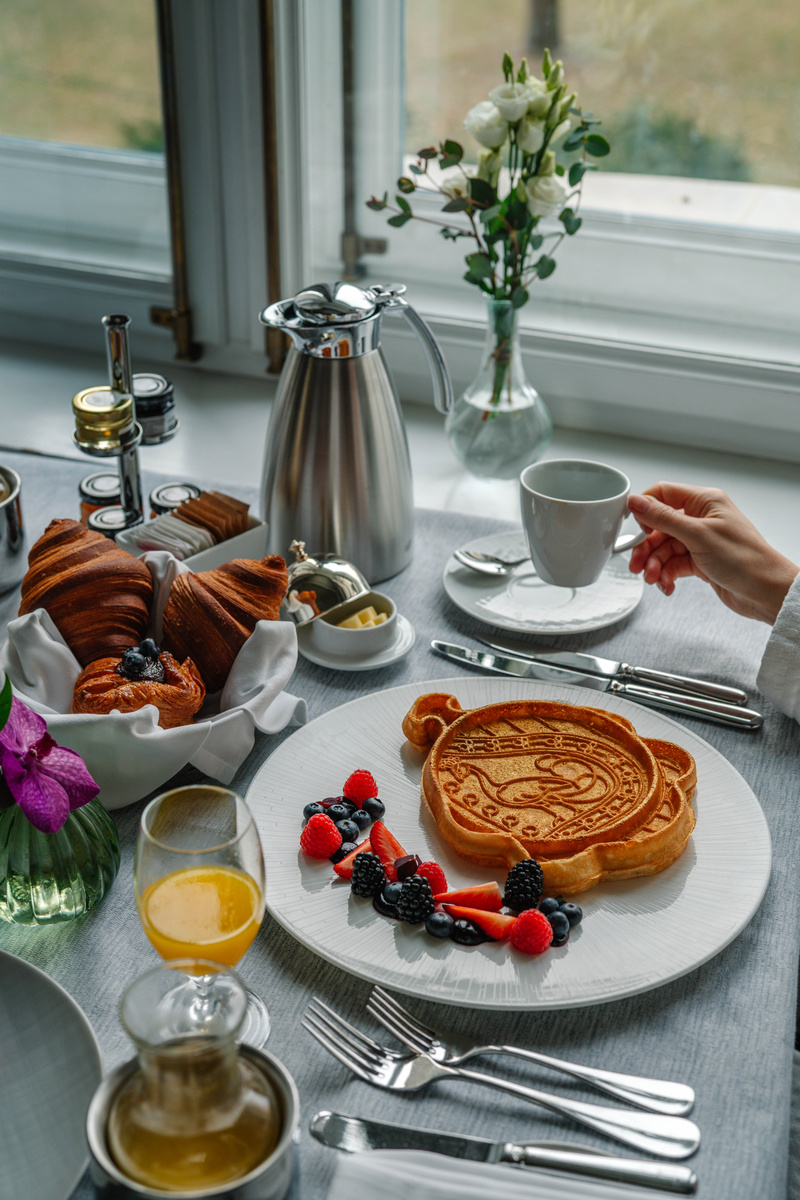
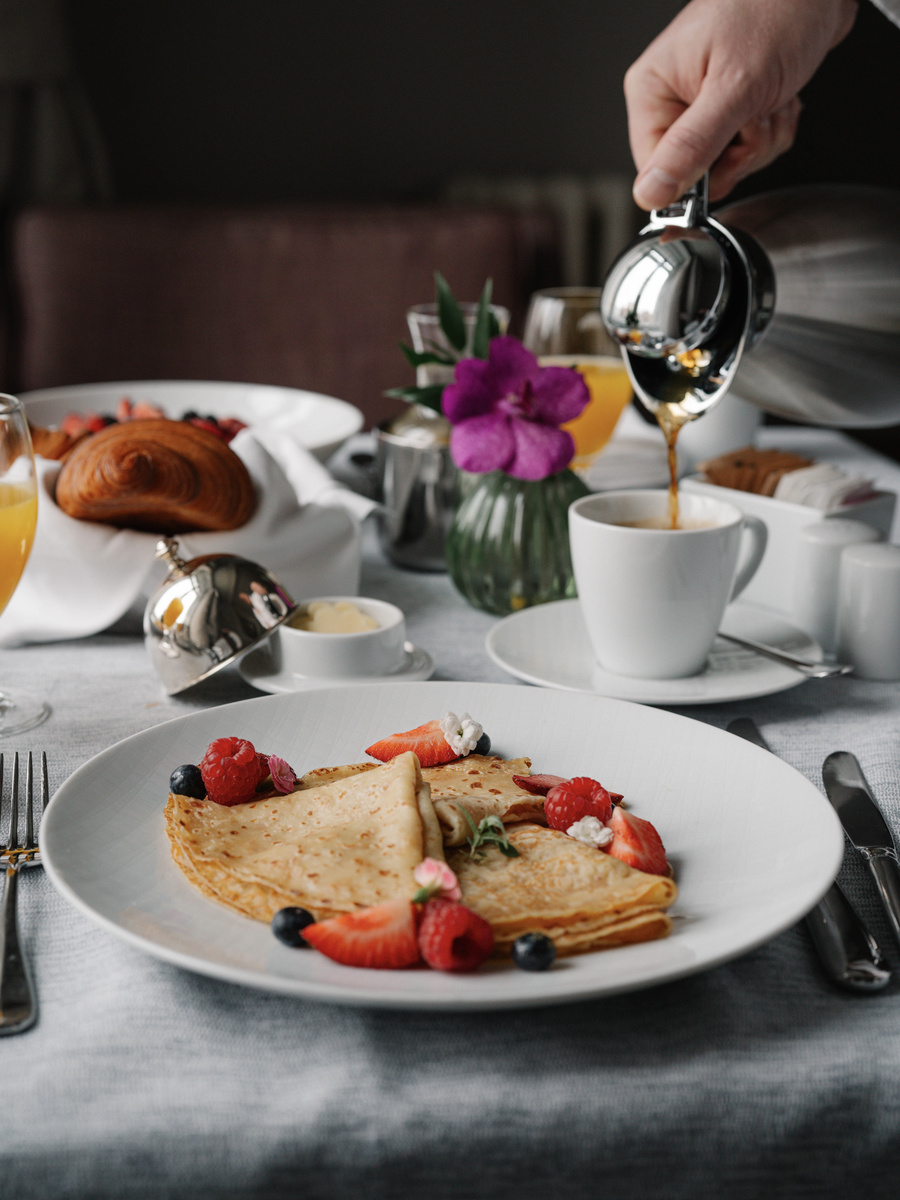
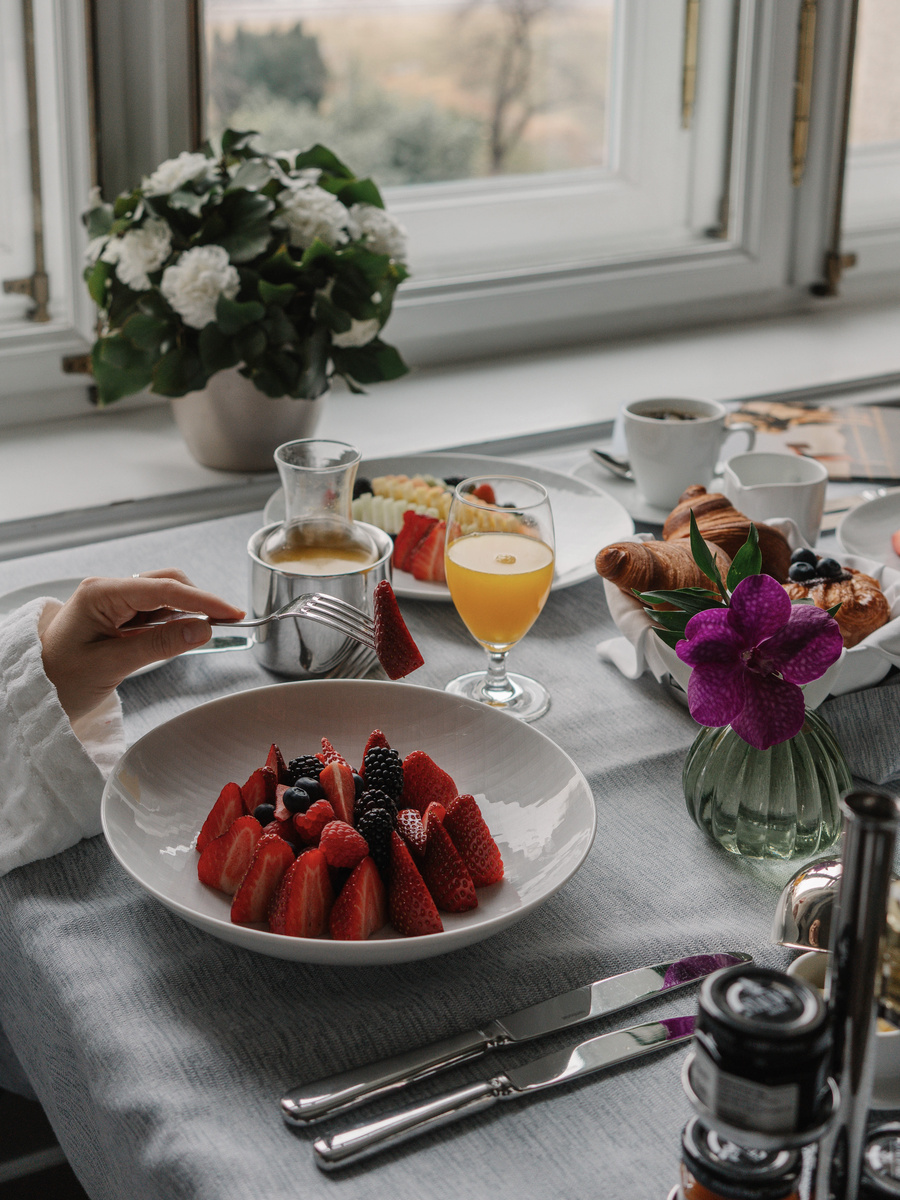
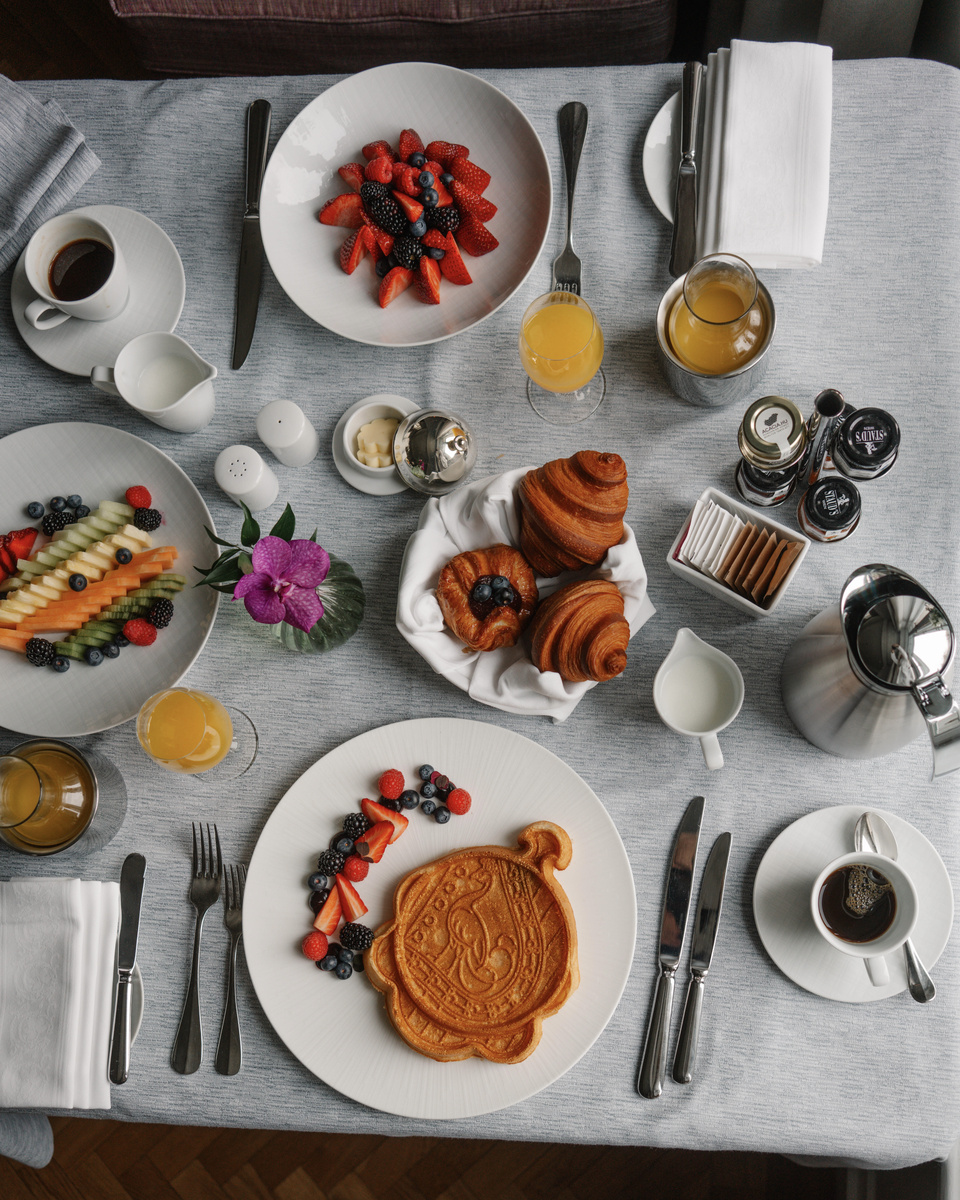
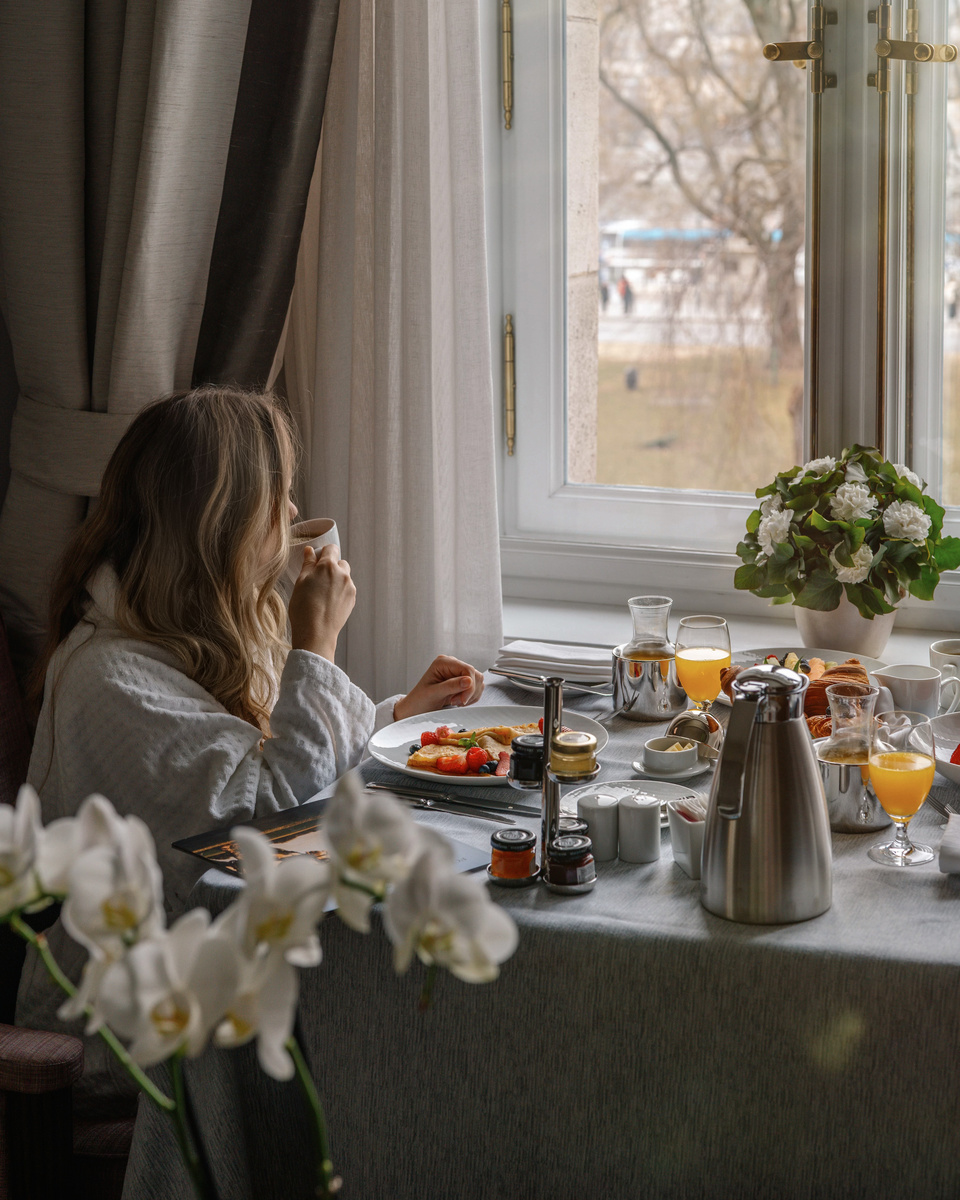
The next morning, we went downstairs to KOLLÁZS for breakfast. The brasserie now offers a buffet from 7 to 11 a.m. and à la carte breakfast until noon. The current breakfast menu is worth checking alongside the inclusions of your room rate.
Dinner at KOLLÁZS
The hotel’s principal restaurant, KOLLÁZS, is a contemporary French brasserie with Hungarian wines. We began with foie gras. Then came beef tartare, mixed at the table by the man looking after us. He understood very quickly that the shortest route to Konstantin’s heart was through a properly seasoned tartare and an interesting bottle. Only later did we realise that our “waiter” was the restaurant’s sommelier. That explained both the confidence and the speed with which dinner found its direction.
We finished with the Gresham Cake, the hotel’s signature dessert, made with chocolate produced specially for the palace in Sopron. Between the tartare, the wine and a dessert confident enough to carry the building’s name, dinner became part of the evening rather than a dutiful meal downstairs.
The indoor pool and spa
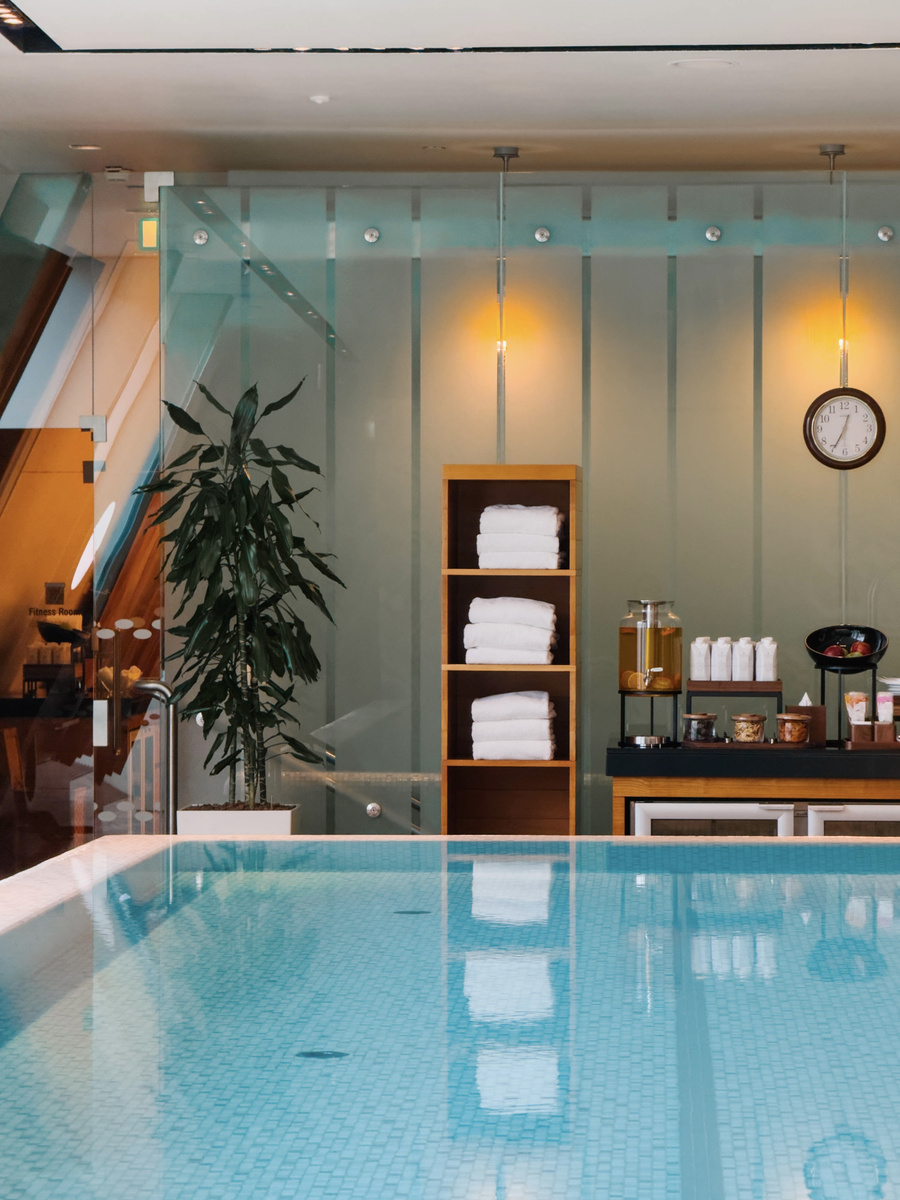
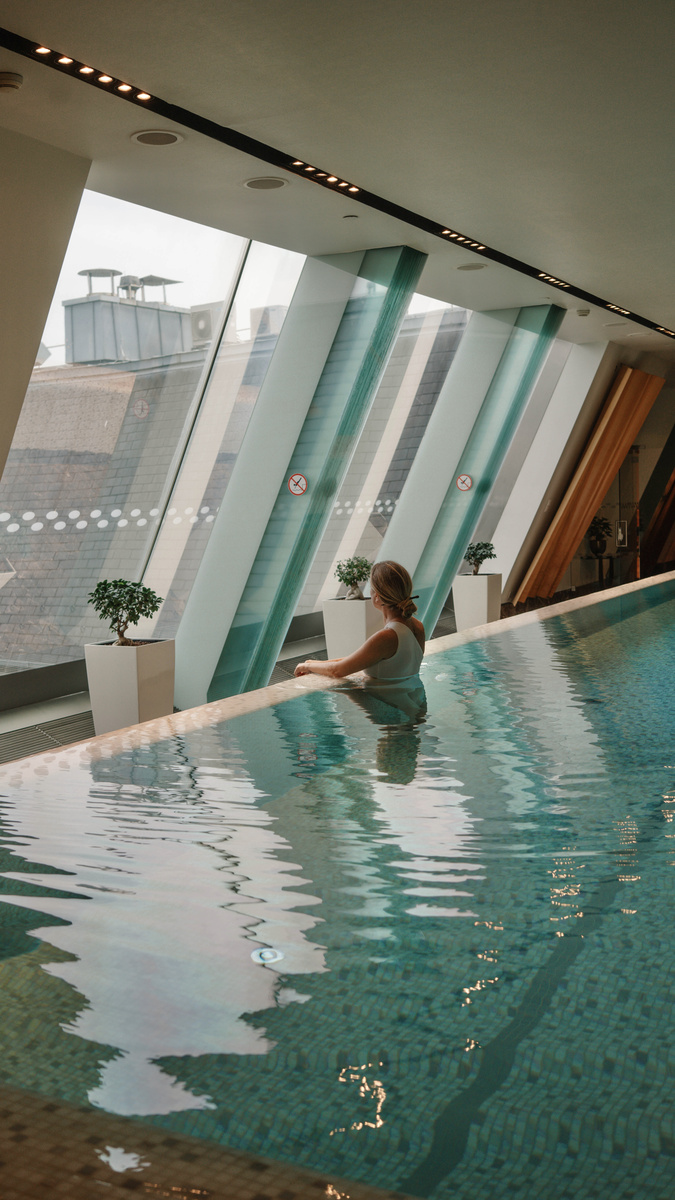
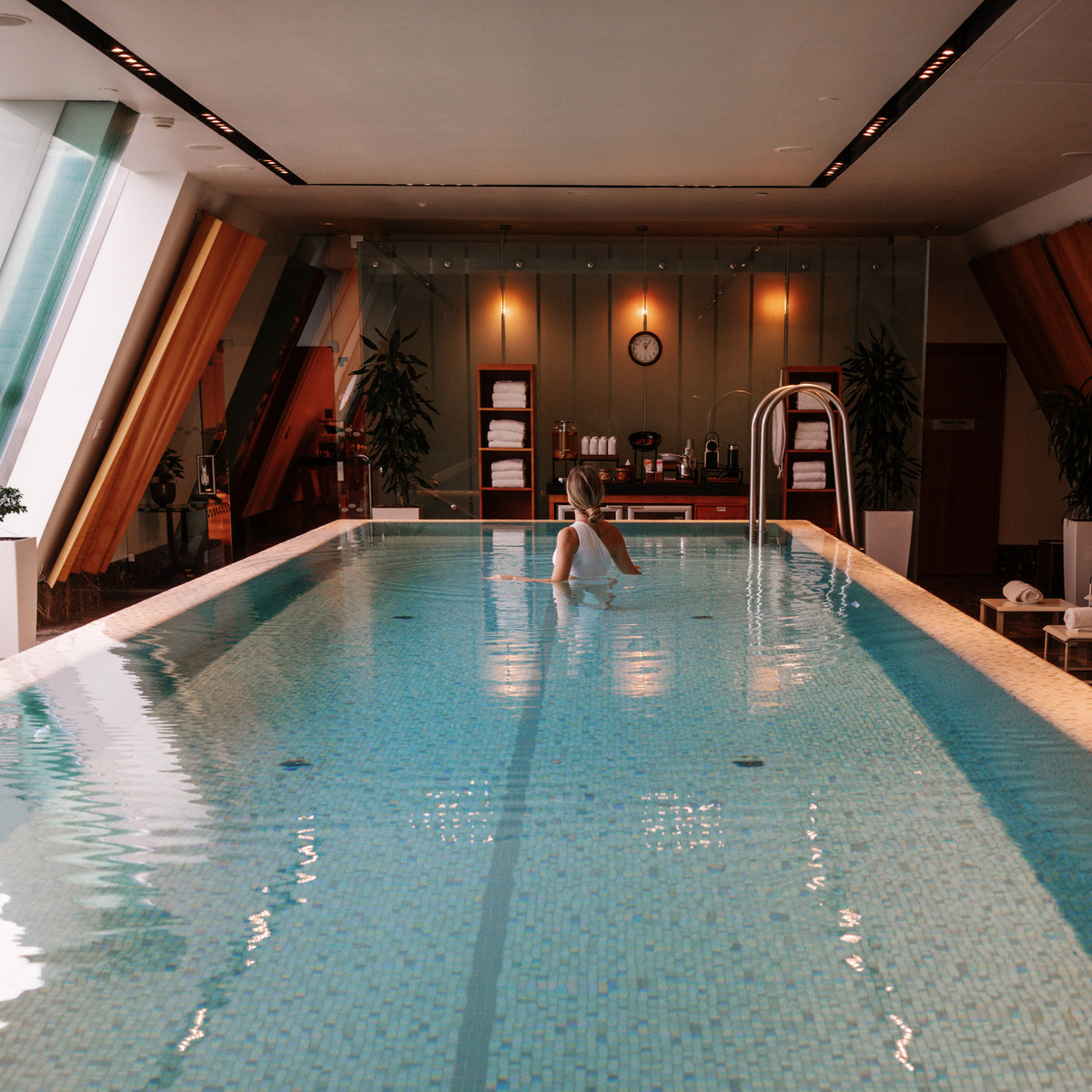
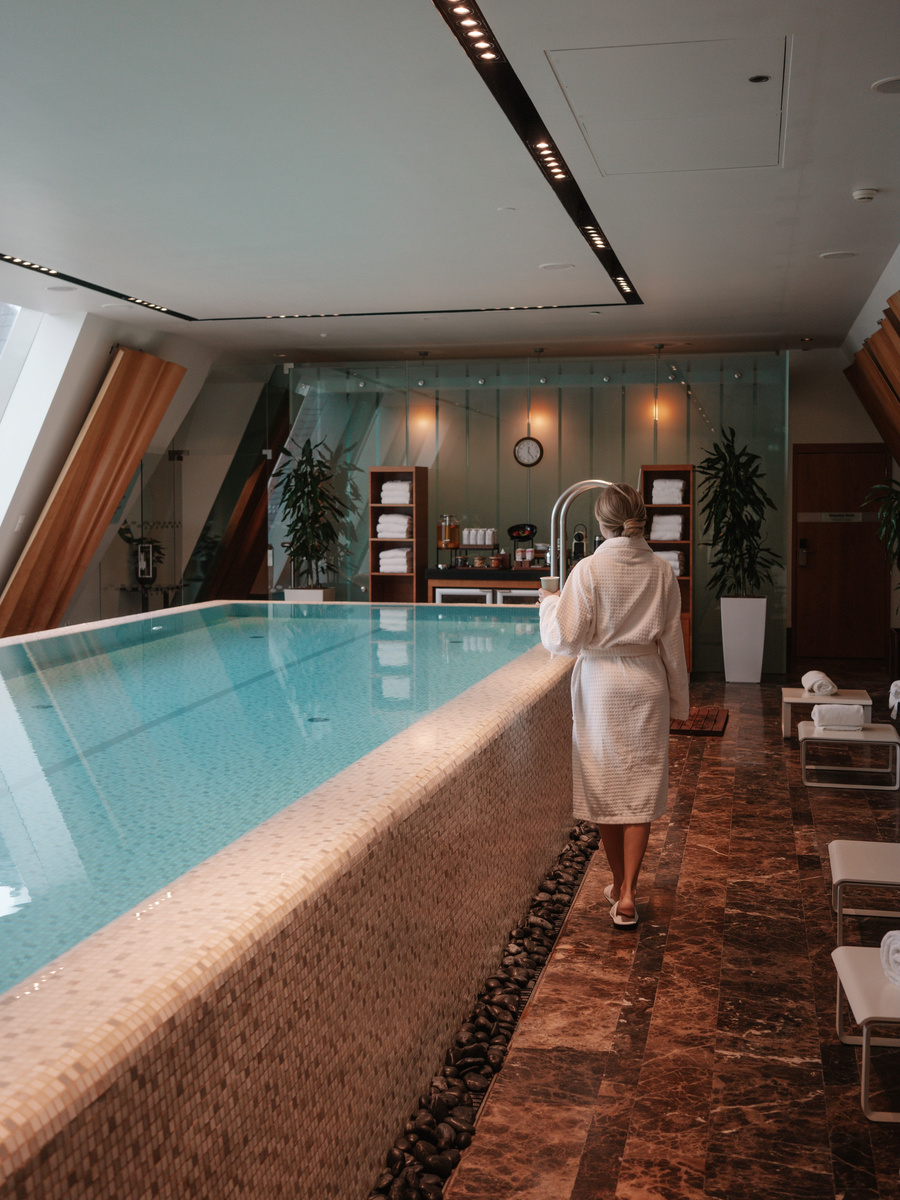
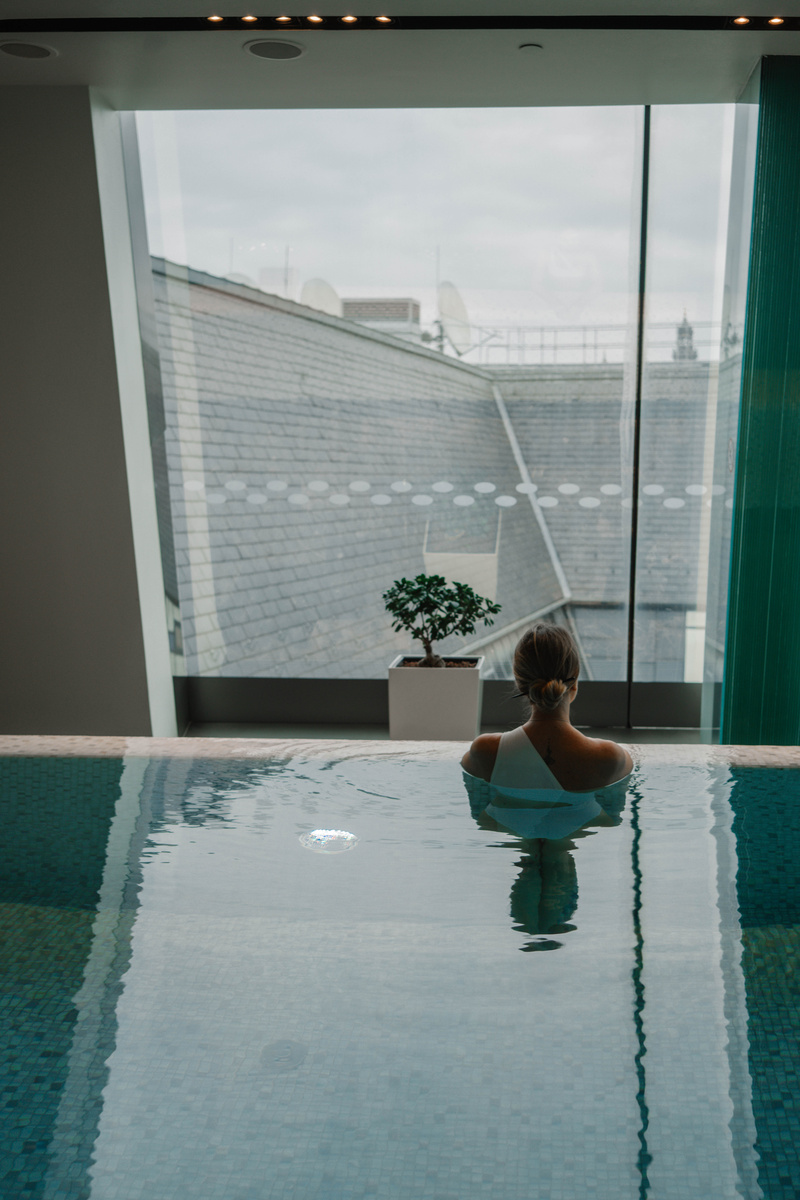
The indoor pool gave the stay a quieter register. Budapest already has famous thermal baths; the hotel spa does not try to reproduce that civic ritual. It offers something more private: warm water, a long swim and an hour in which the city can wait.
I used it between the room and the evening, not as a destination in itself. That is probably the right scale for the hotel. Gresham Palace gives you many reasons to remain inside, but its best luxury is how easily you can leave and return.
There is enough here for a longer pause: the 12-metre indoor infinity-edge pool has an adjacent whirlpool, with saunas and steam rooms in the spa. Pool use is complimentary for hotel guests, so a swim can remain an easy interval between plans rather than a separate appointment.
MÚZSA after dark
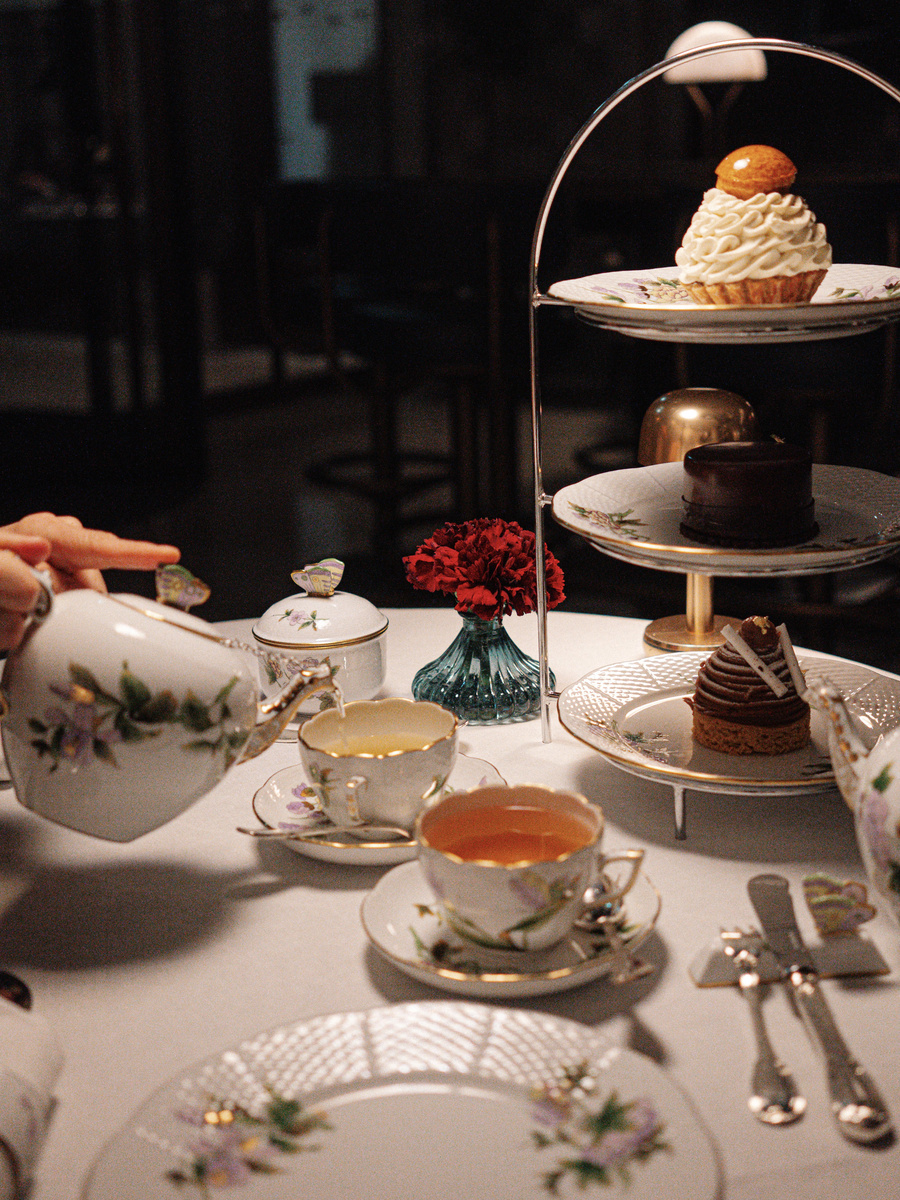
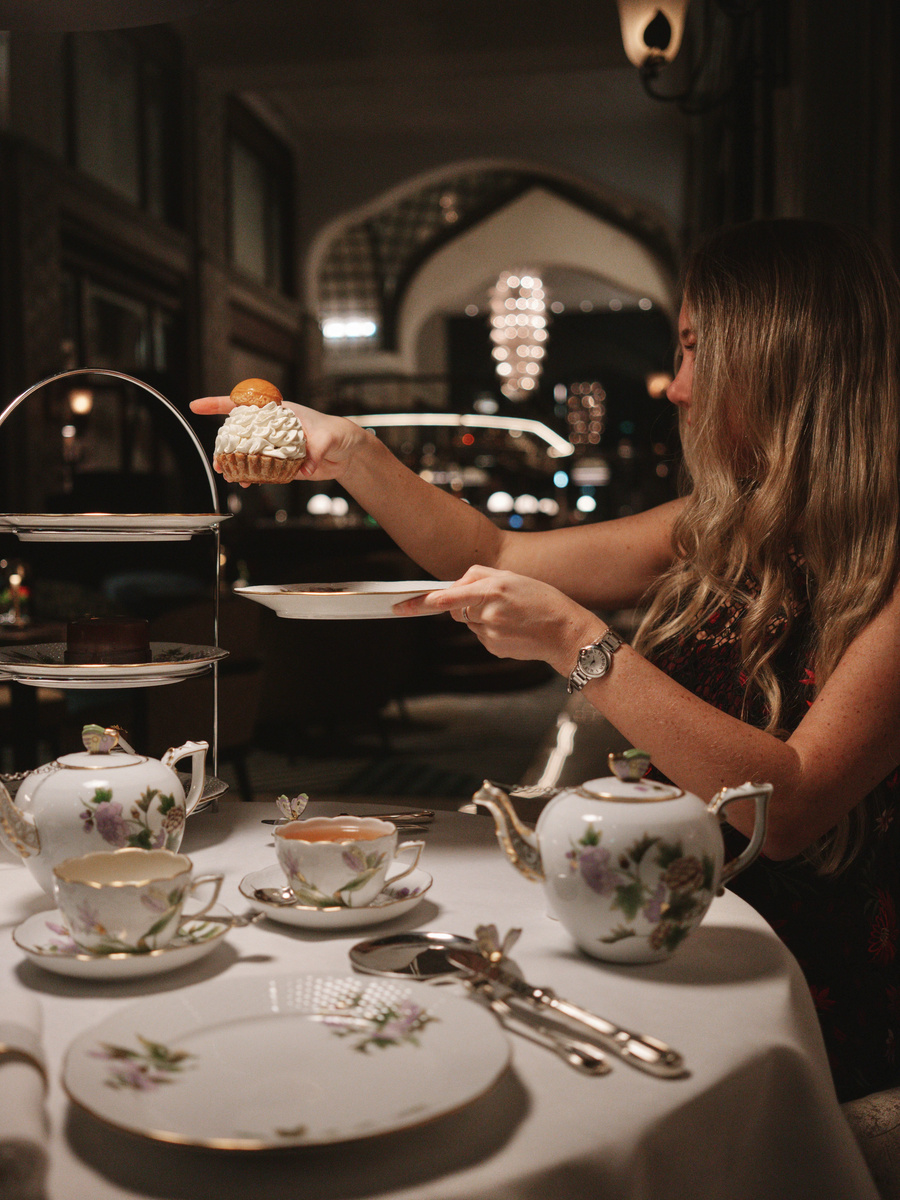
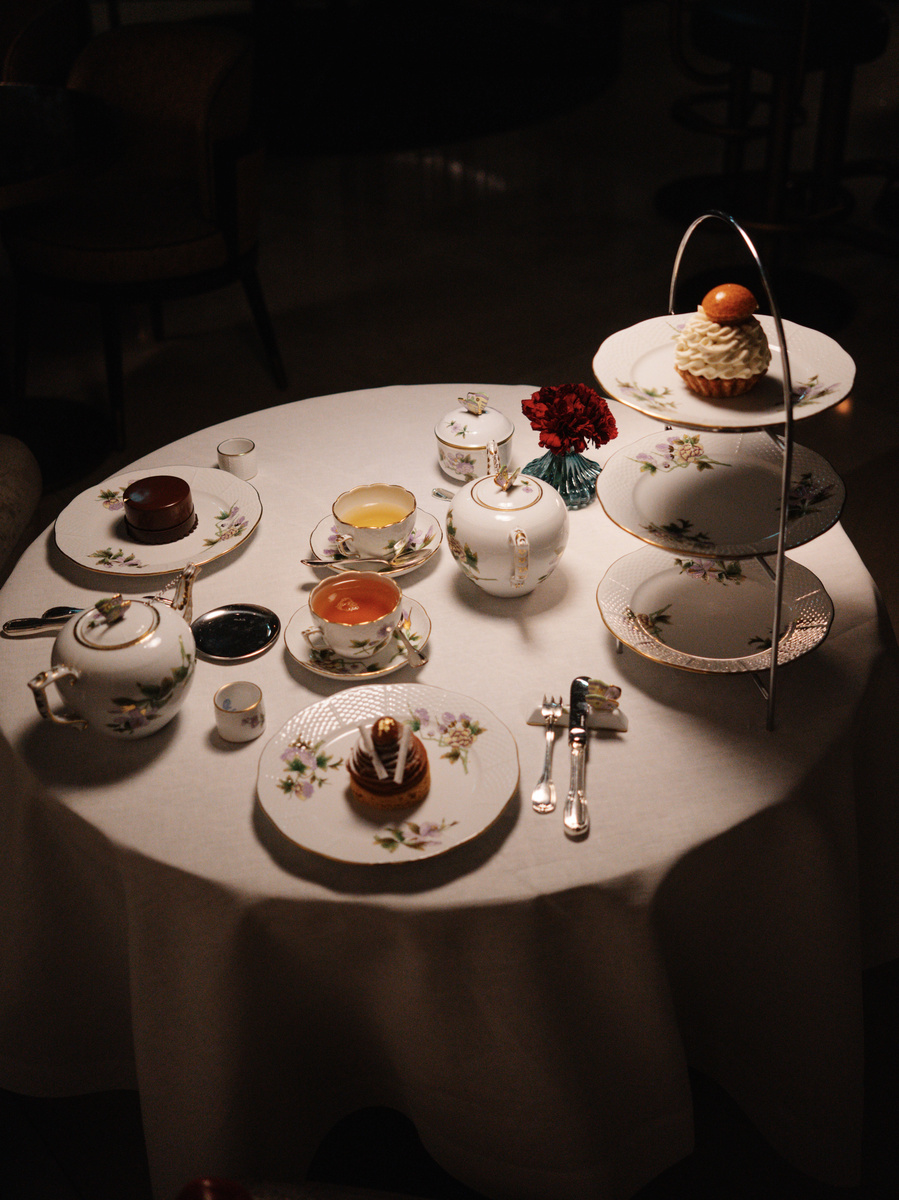
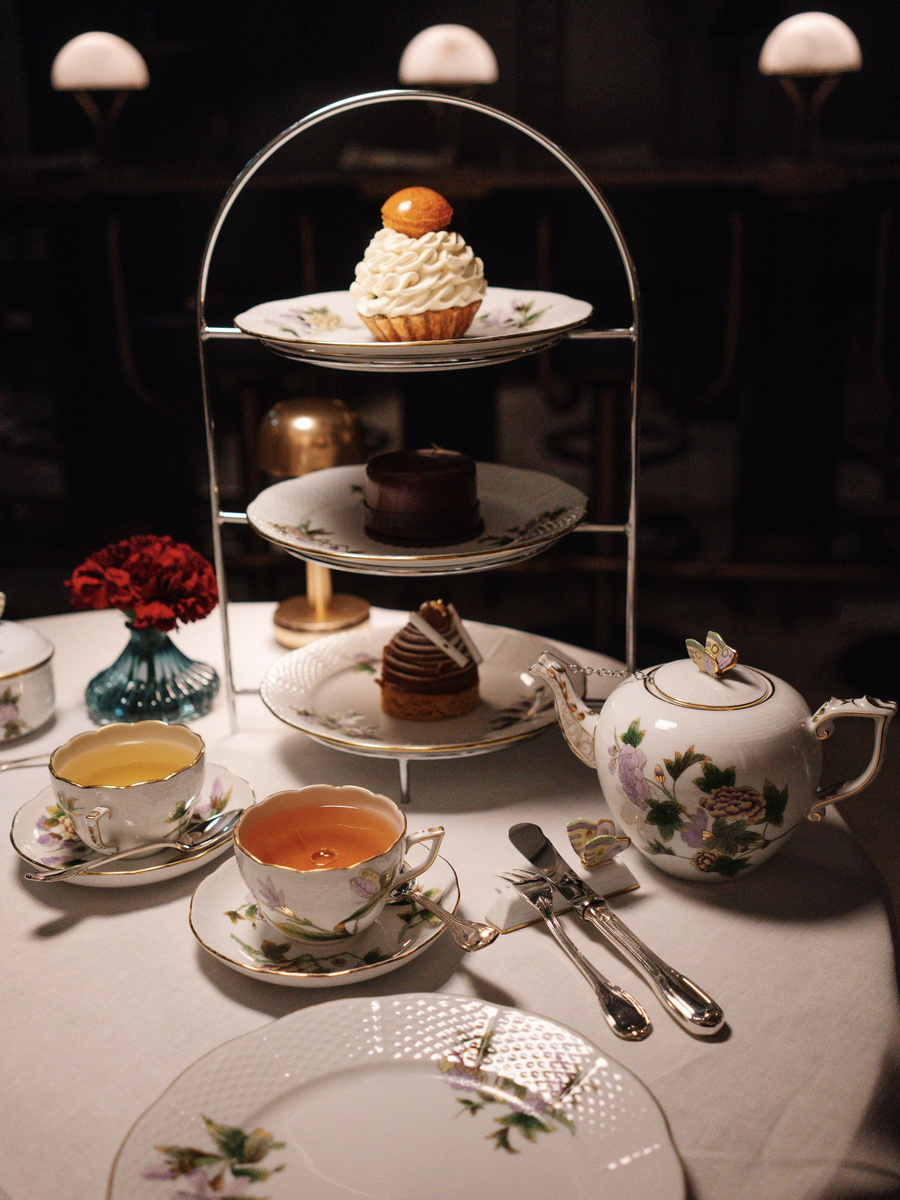
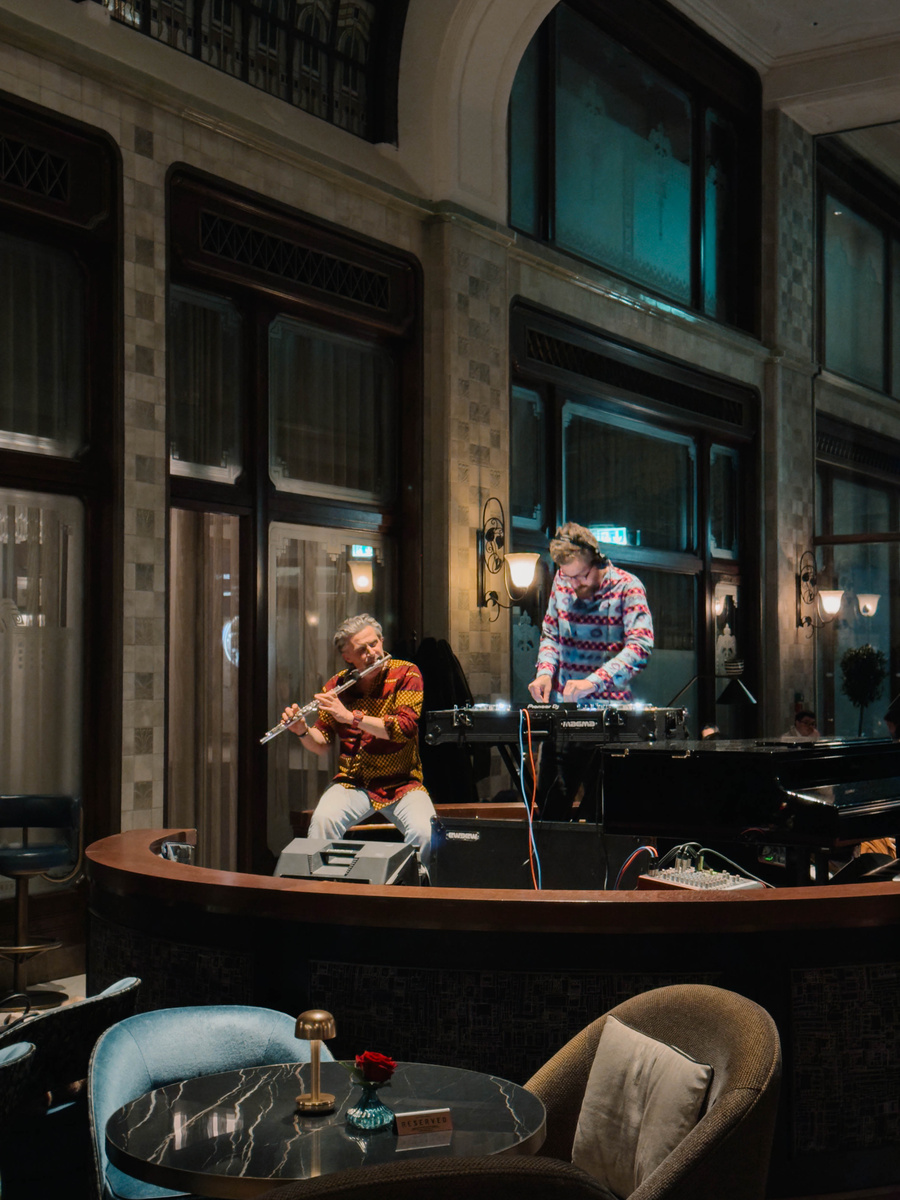
At night, the lobby changes character. MÚZSA sits beneath the glass roof as an Art Nouveau cocktail lounge, with live piano, elaborate drinks and afternoon tea served earlier in the day. I had tea there, then returned for cocktails and live music. The second visit was the one that made the room make sense.
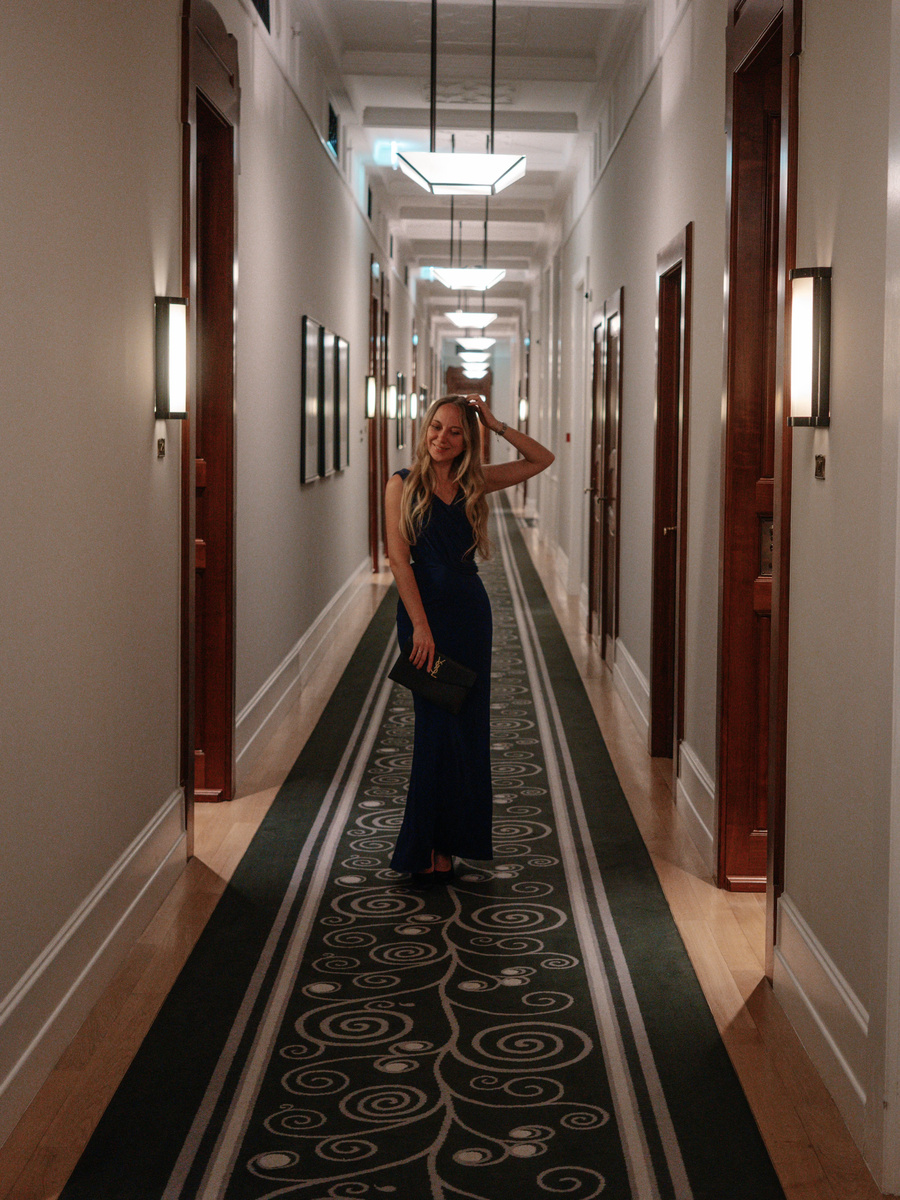
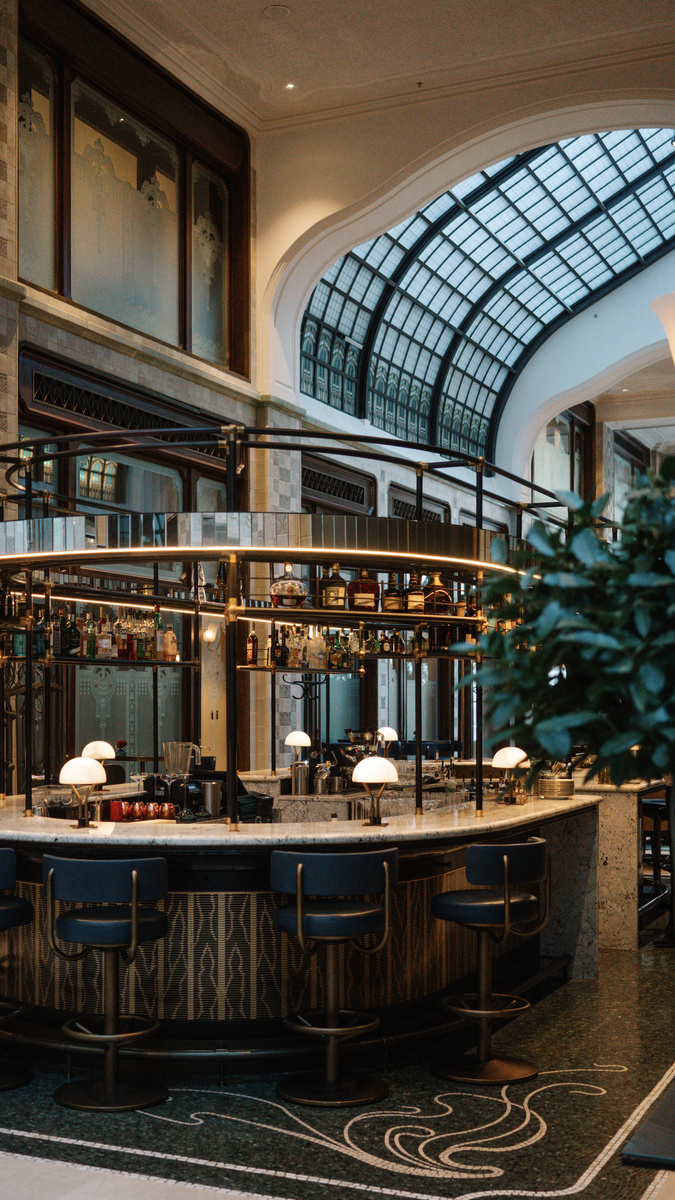
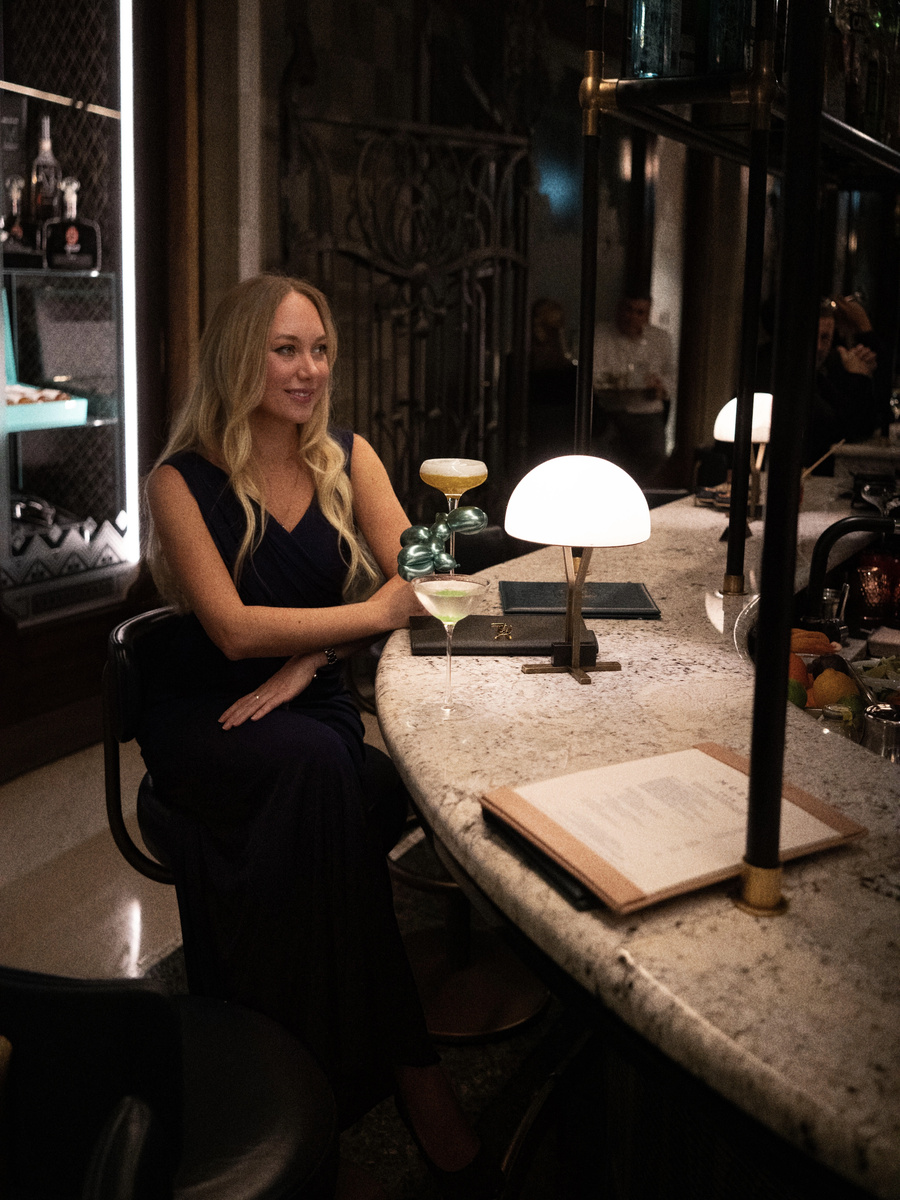
Behind the bar, arches and mirrors turn every bottle into part of the architecture. The cocktails are theatrical, but the room can carry them. Had the same drinks arrived in a neutral modern lounge, they might have felt overworked. At MÚZSA, they belonged to the gold, glass and evening light.
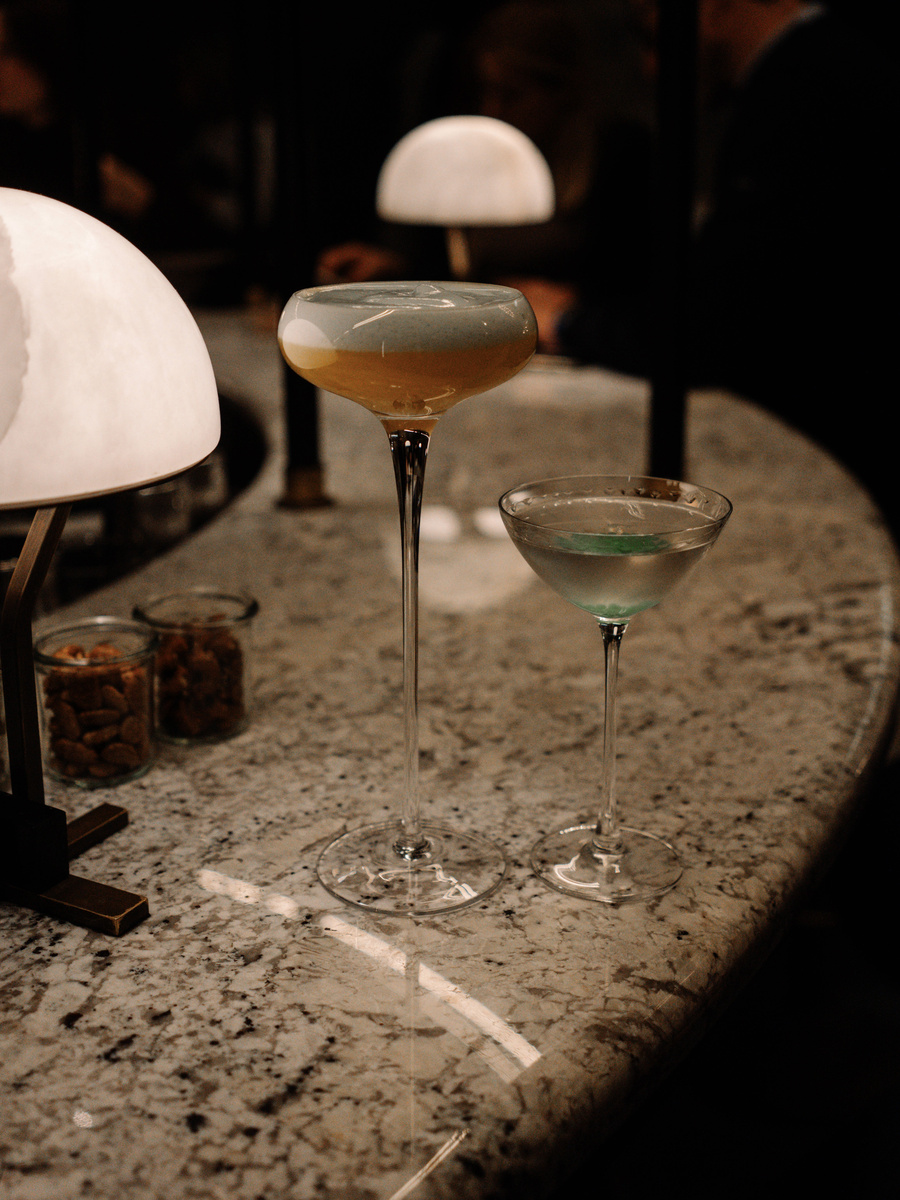
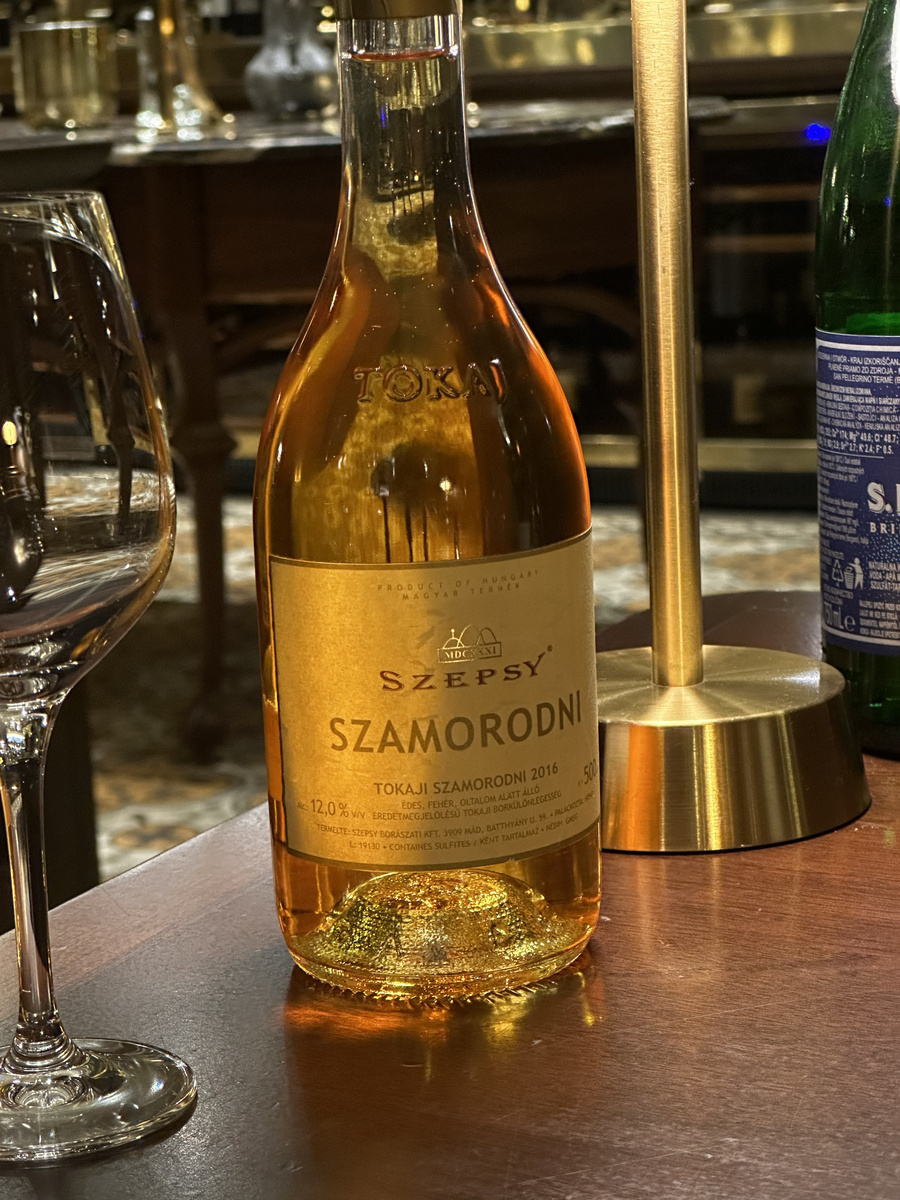
Konstantin noticed another detail: a bottle of Szepsy Szamorodni from Tokaj. It was a small, distinctly Hungarian note among the international rituals of a palace hotel—the sort of frame that rewards looking past the chandeliers.
Returning with a child
I was not yet a mother when Konstantin and I stayed here. Now I would look at the same hotel with a few more questions, beginning with the room arrangement. Four Seasons offers selected connecting rooms and suites, cots and children’s amenities, as well as children’s menus at KOLLÁZS and babysitting on request. Before returning with a child, I would confirm the room’s occupancy and the services we needed. An evening at MÚZSA would take a little more planning now.
Budapest beyond the peacock gates
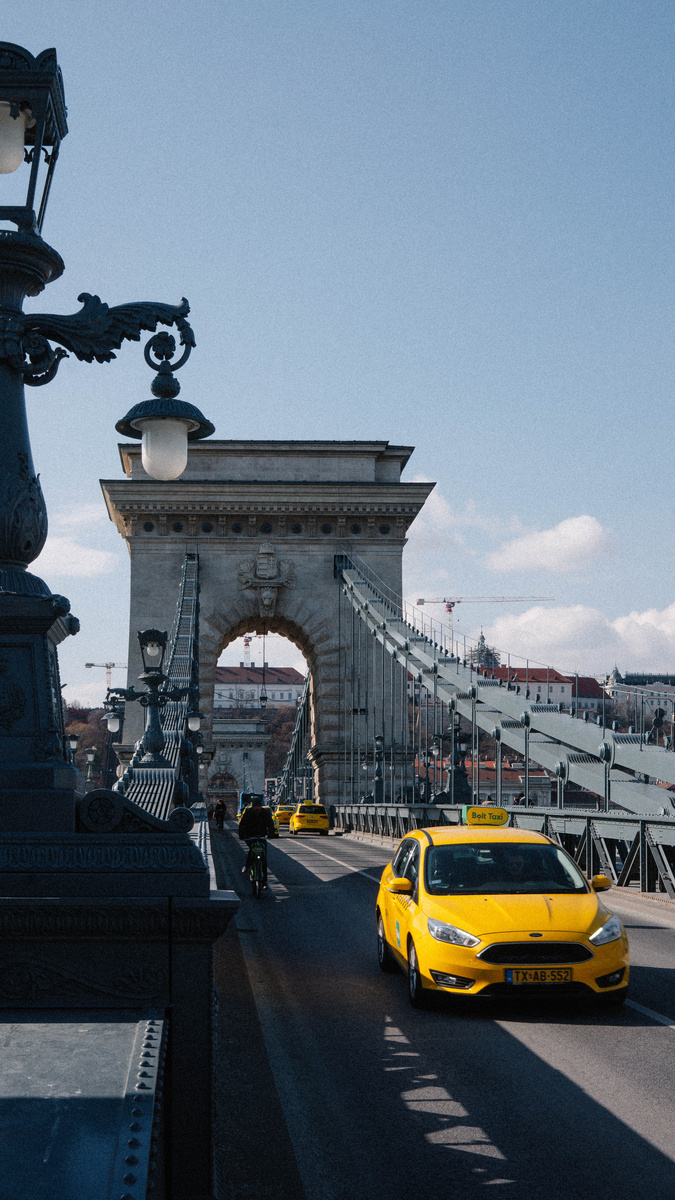
The hotel stands at the Pest end of the Chain Bridge, so the geography of Budapest is legible before you consult a map. Cross the river and Buda Castle rises above you, with the Hungarian National Gallery in the Royal Palace. Stay on the Pest side and the city centre begins immediately behind the hotel.
St Stephen’s Basilica is about 500 metres away, roughly seven minutes on foot according to the hotel’s location guide. For a return during Advent, the Christmas market beside the basilica would give me another reason to step outside. Four Seasons highlights it among its nearby seasonal experiences; I would check the market dates before choosing a festive stay.
This is not merely convenient. The address explains Budapest’s scale: river, bridge, hill and palace all belong to the same walk. I would cross early, before the viewpoints become busy, then return over the bridge as the façade of Gresham Palace comes back into view.
On another visit, I would also take that view onto the water, with an evening Danube cruise before returning to the palace. The concierge can arrange river cruises; I would confirm the departure dock when booking, since boats leave from different points along the river.
Hungarian art in the Royal Palace
The Hungarian National Gallery is the serious reason to continue into Buda Castle rather than stop at the viewpoints. Its collections keep Hungarian art in one long conversation: medieval work, nineteenth- and twentieth-century painting, sculpture, prints and contemporary art. Seen from Gresham Palace, the Royal Palace is part of the skyline. Inside the gallery, that skyline acquires a cultural history.
If I were returning today, I would give the collection at least two unhurried hours. The hotel makes this easier than it appears from the hill: cross the bridge on foot, go up by funicular or taxi, and let the return journey bring Gresham Palace back into view.
An afternoon inside the Opera House
The Pest-side counterpart is the Hungarian State Opera, an easy walk from the hotel along the streets leading to Andrássy Avenue. I went inside during this stay. The red-and-gold auditorium rises beneath Károly Lotz’s painted dome, and the grand staircase makes progress deliberately slow. It is the same civic confidence as Gresham Palace in another language: Neo-Renaissance rather than Secession.
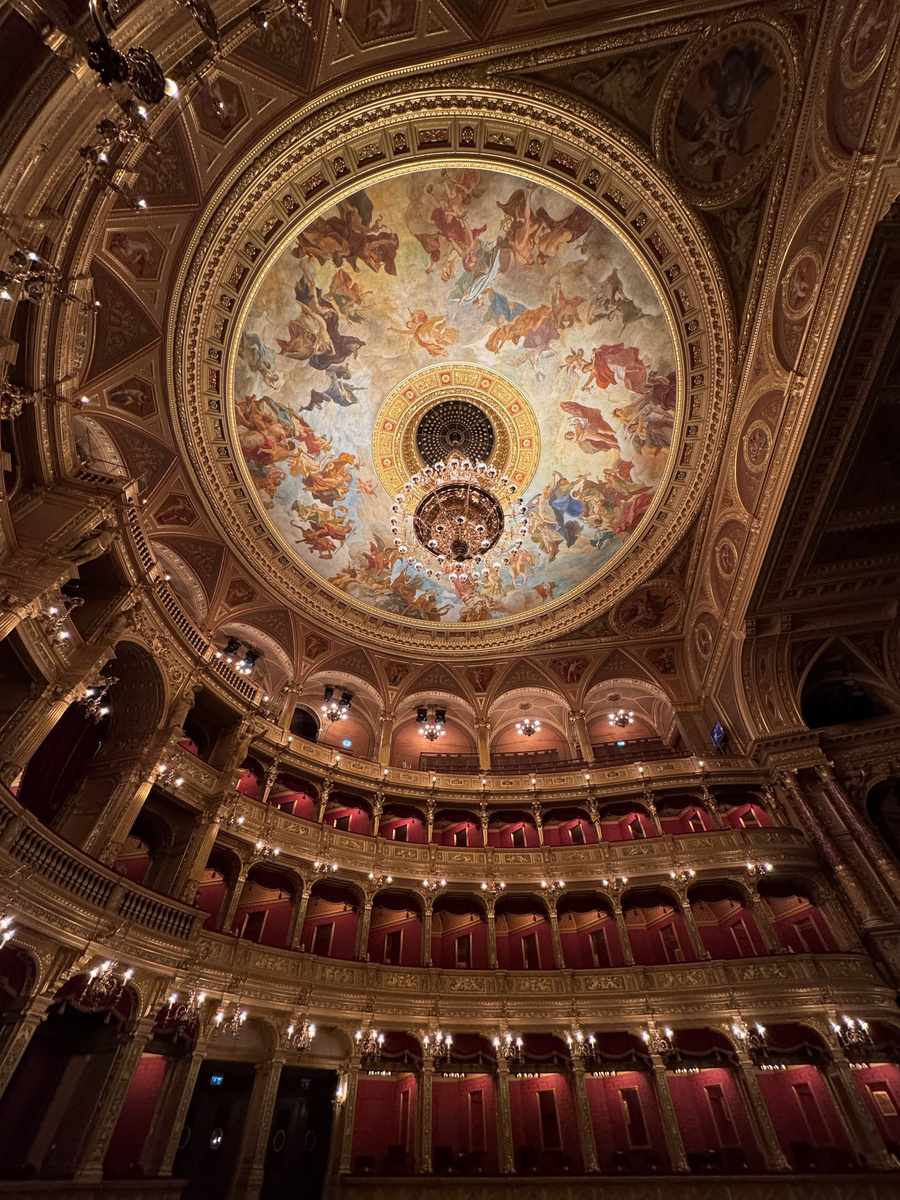
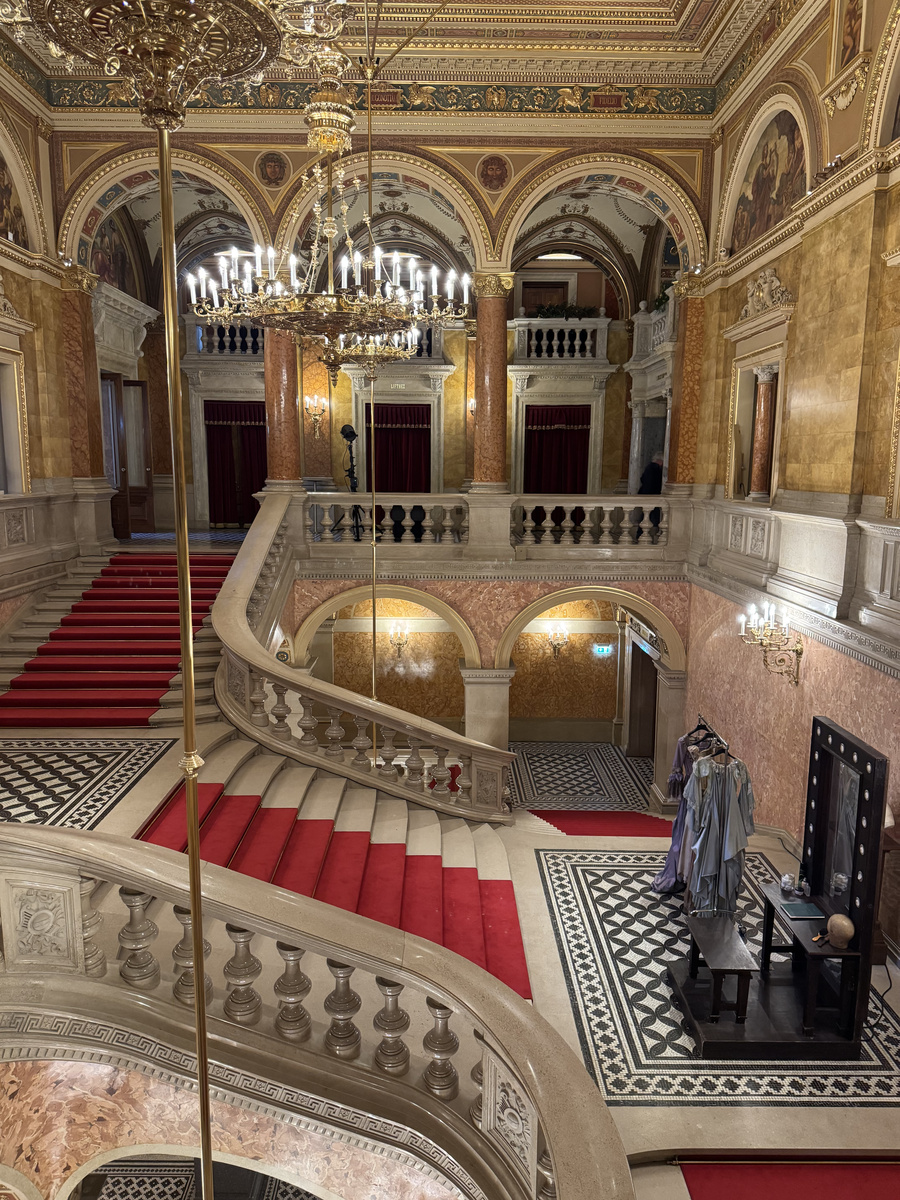
A performance would be my first choice, but the building does not require an evening ticket. The Opera’s current 60-minute tours include a short concert; the auditorium can close during rehearsals, so this is one plan worth asking the concierge to secure rather than improvising.
A market for contemporary Hungarian craft
When the calendar aligns, Makers’ Market Budapest is the market I would choose. This is not a row of generic souvenirs. Its curators select Hungarian designers and makers working in jewellery, ceramics, textiles, graphics, fashion and objects for the home, and the person selling a piece is often the person who made it.
The fair is monthly but moves between venues, with Fény Street Market among its regular settings. Ask the hotel to check the current date and location. It may require a short taxi ride, but it offers something the palace cannot: a view of what Budapest is making now.
For Hungarian cooking outside the hotel, Stand25 is the useful counterpoint on the Buda side. Michelin describes its cooking as traditional Hungarian food sharpened by Mediterranean influences. It is not the closest dining room, but it offers a clearer local argument than choosing another international hotel restaurant.
Four Seasons Gresham Palace could easily overwhelm its own city. It has the history, architecture, restaurants, spa and theatre of a complete destination. The reason it works is the opposite: Budapest keeps entering the experience. It appears through the room windows, beyond the front doors and at the end of the bridge.
I remember welcome chocolates and turn-down details, cocktails under glass, a swim, and breakfast waiting while I looked across the Danube. Yet the building itself remains the strongest impression. Budapest’s golden age has been restored here with considerable confidence. Behind the peacock gates, it still feels alive.