
I had spent months arranging my birthday at Machu Picchu. For years I had wanted to stay close enough to let the day-trippers leave and see what remained: the ruins, the mountains, the llamas, and perhaps a little silence. Now it was finally happening. We had reached Cusco, and the next day we would continue towards Machu Picchu.
I was ready for wonder. I was less ready for 3,400 meters.
By the time I arrived at Monasterio, my eyes felt as though they were trying to leave their sockets. Between the coca tea, the muña tea, and the oxygen system in the room, I began to feel all right again.
The excitement took an alpaca.
A monastery, without the stage set
Monasterio stands at Calle Plazoleta Nazarenas 223, close enough to the Plaza de Armas that I could leave the hotel and simply start walking. There was no grand approach. Cusco’s narrow streets delivered me to a heavy doorway; on the other side, the noise dropped away.
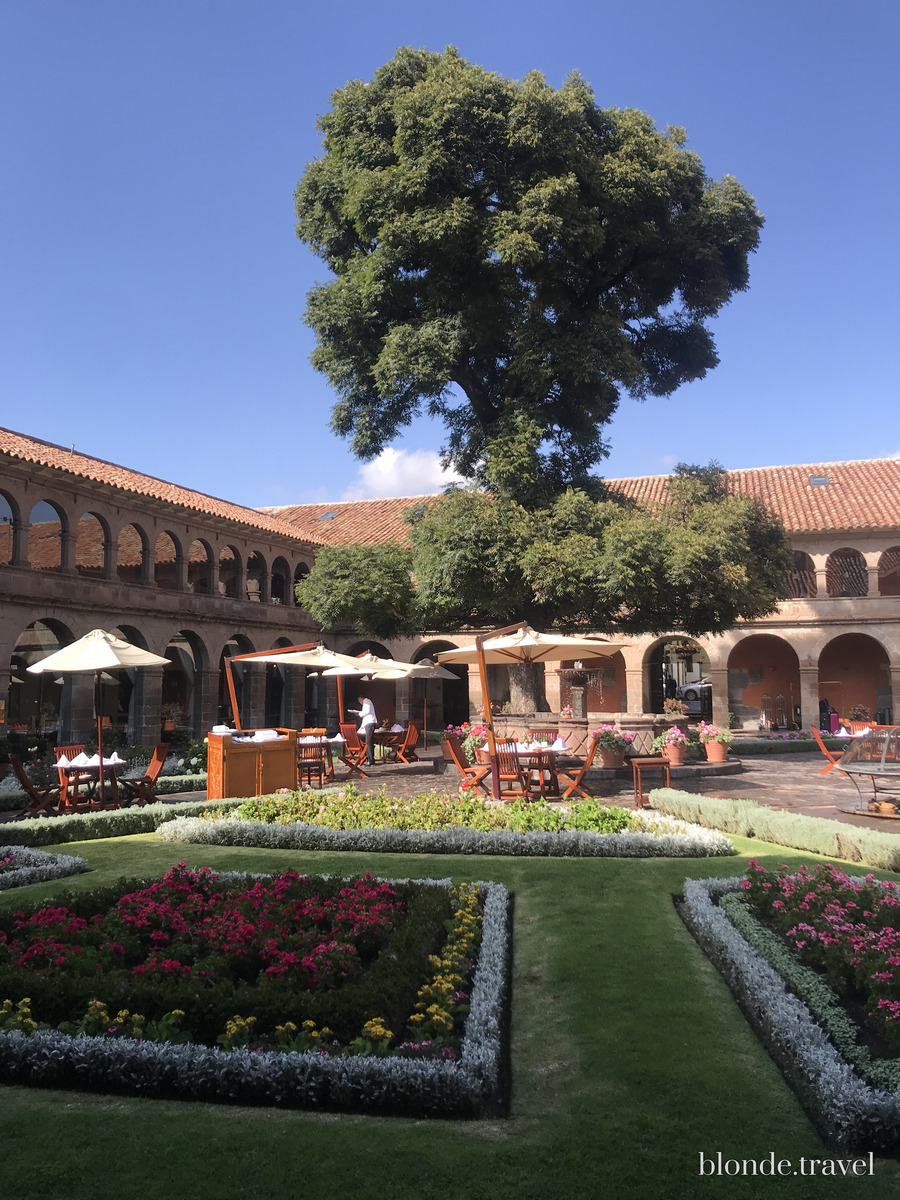
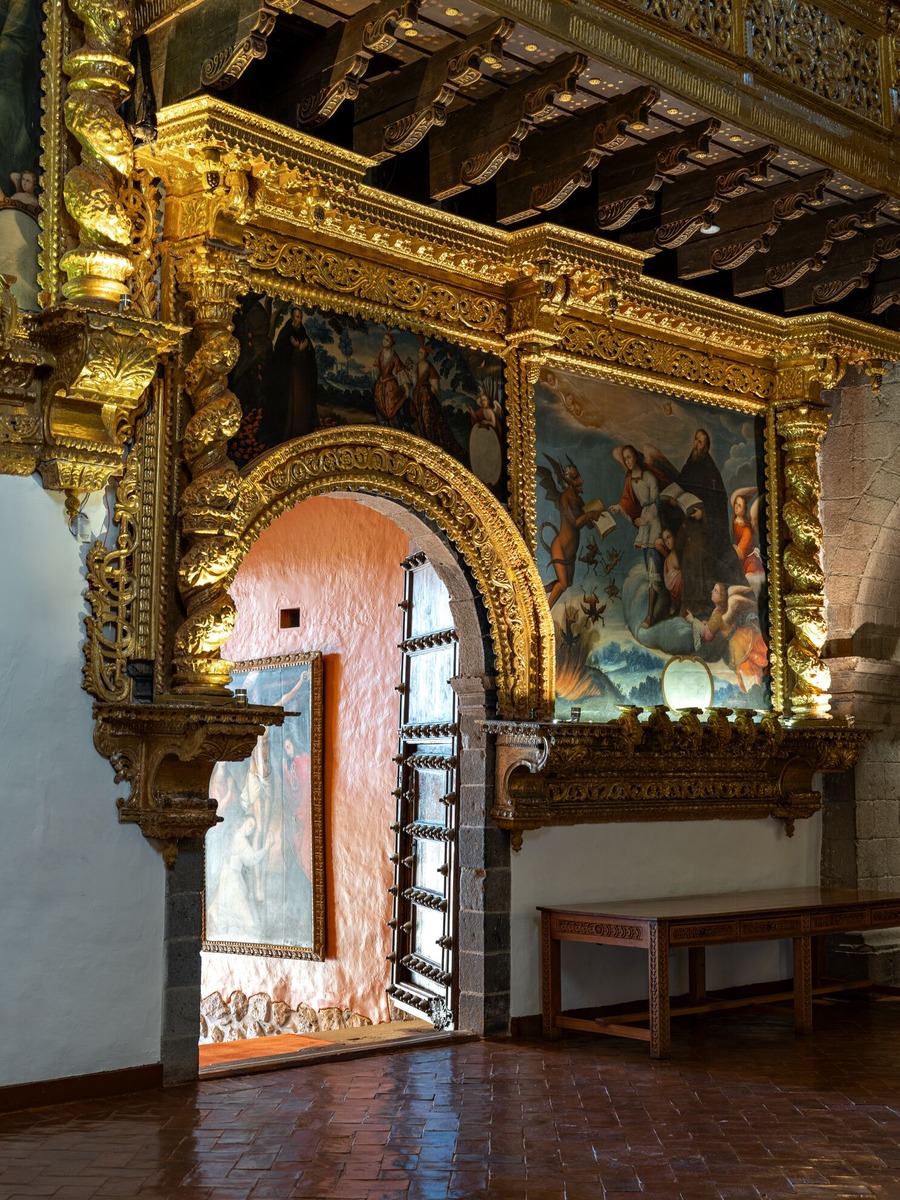
The facts are dramatic enough without help. The building stands on foundations associated with the palace of the Inca Amaru Qhata. It became the San Antonio Abad Monastery in 1595 and a hotel in 1965. The main courtyard still turns around a cedar some 300 years old. Inside are a gilded chapel and a collection of Cusco School paintings.
But dates were not what made the place work for me. It was the scale of it: stone arches, dark timber, terracotta roofs, clipped garden beds, and that enormous tree rising through the middle. It felt historic because the old plan still controlled the day. I crossed cloisters to reach my room. Breakfast happened beside the courtyard. The garden was not decoration added to a hotel; the hotel gathered around it.
On a return, I would book the hotel’s guided tour of its Cusco School paintings. It currently takes 45 minutes, begins at 5:30pm daily, and requires advance booking. There is something appealing about giving the collection that time before heading out into the city.
What the address buys you
Plazoleta Nazarenas is particularly kind when the altitude has made you less ambitious than your itinerary. The Museo de Arte Precolombino, or MAP Cusco, is on the same square, at number 231. Its objects come from the Museo Larco collection in Lima, with rooms devoted to wood, shells, silver, gold, and cultures including Nasca, Paracas, Mochica, Huari, and Inca. You can see something substantial without turning the first day into an endurance test.
If the paintings and old textiles at Monasterio make you want to keep looking, Mantay Modern Art Gallery on Calle San Agustin shows modern Peruvian and Latin American painting, printmaking, sculpture, and photography. The Museo Maximo Laura on Santa Catalina Ancha takes the textile route into contemporary Peruvian tapestry; admission is currently free and no reservation is required. I would save both for a return. On this stay, Machu Picchu occupied all the available space in my head.


The room, and the oxygen
Belmond offers oxygen enrichment in selected room categories. Our room had the system, and I was grateful for it. For another stay, I would make sure the reservation explicitly said “with oxygen”.
That did not make it a substitute for acclimatization. The CDC’s current high-altitude guidance is clear that acclimatization takes time and the speed of ascent matters. A room with an oxygen option is still not an altitude plan.
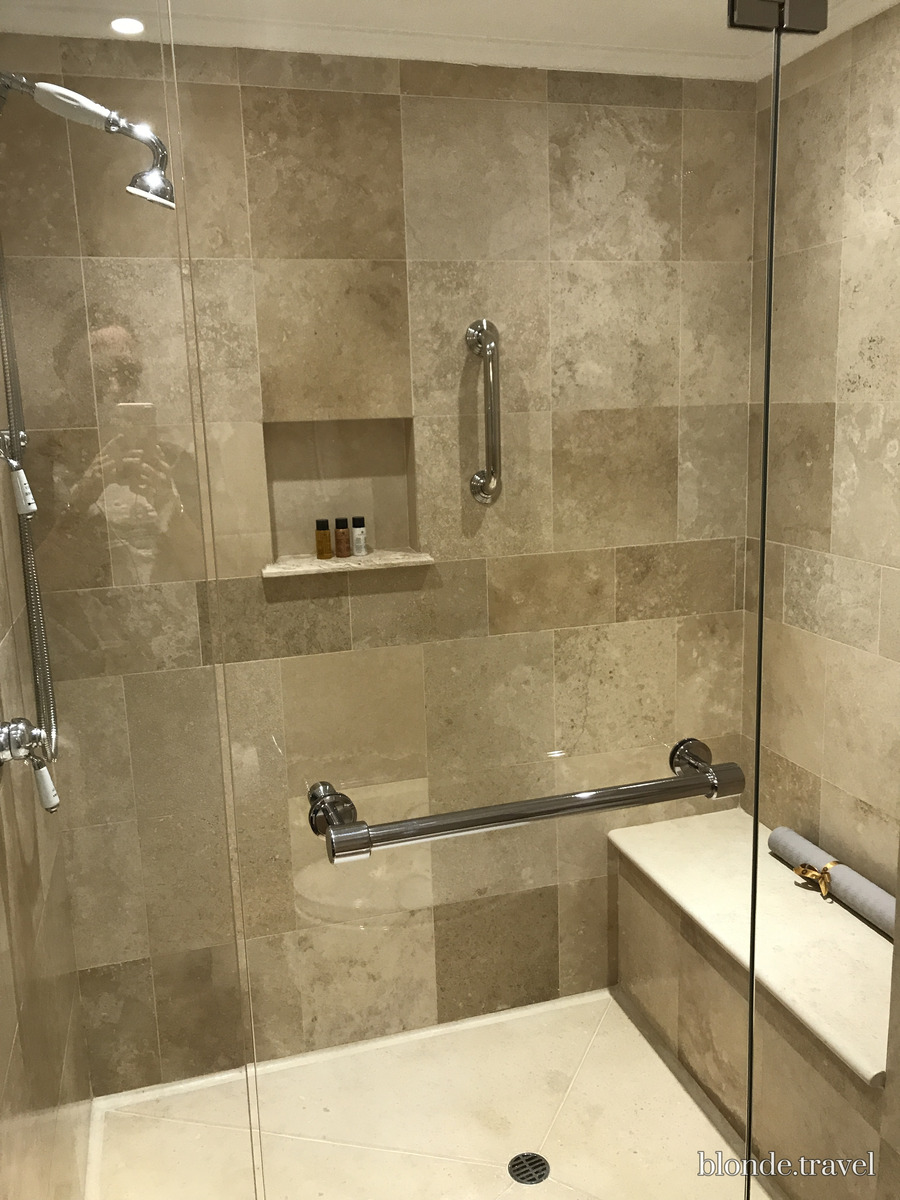
Choosing among the Superior and Deluxe rooms, Junior Suites, and One Bedroom Suites, I would look beyond the category name. Superior rooms are the more compact option; Deluxe rooms give you more space, while One Bedroom Suites have a separate living area. Views vary too: some rooms face the courtyard, others the city or an internal outlook. I would ask for the proposed room’s layout and view before deciding.
The old building also makes access worth discussing when you book. There are two specially equipped rooms, and most public areas have wheelchair access. If stairs matter, ask about both the route to the room and any steps inside it, as well as the bathroom arrangement.
For a quieter afternoon, the hotel has a treatment suite offering massages and facials. I would arrange a treatment around the art tour or dinner, leaving the rest of the afternoon free.
Breakfast, while already thinking about tomorrow
Breakfast was served beside the cloister, under the cedar. The plate was familiar hotel food; all my drama was elsewhere. I was looking through the arches at the garden and, in my head, I was already on the way to Machu Picchu.
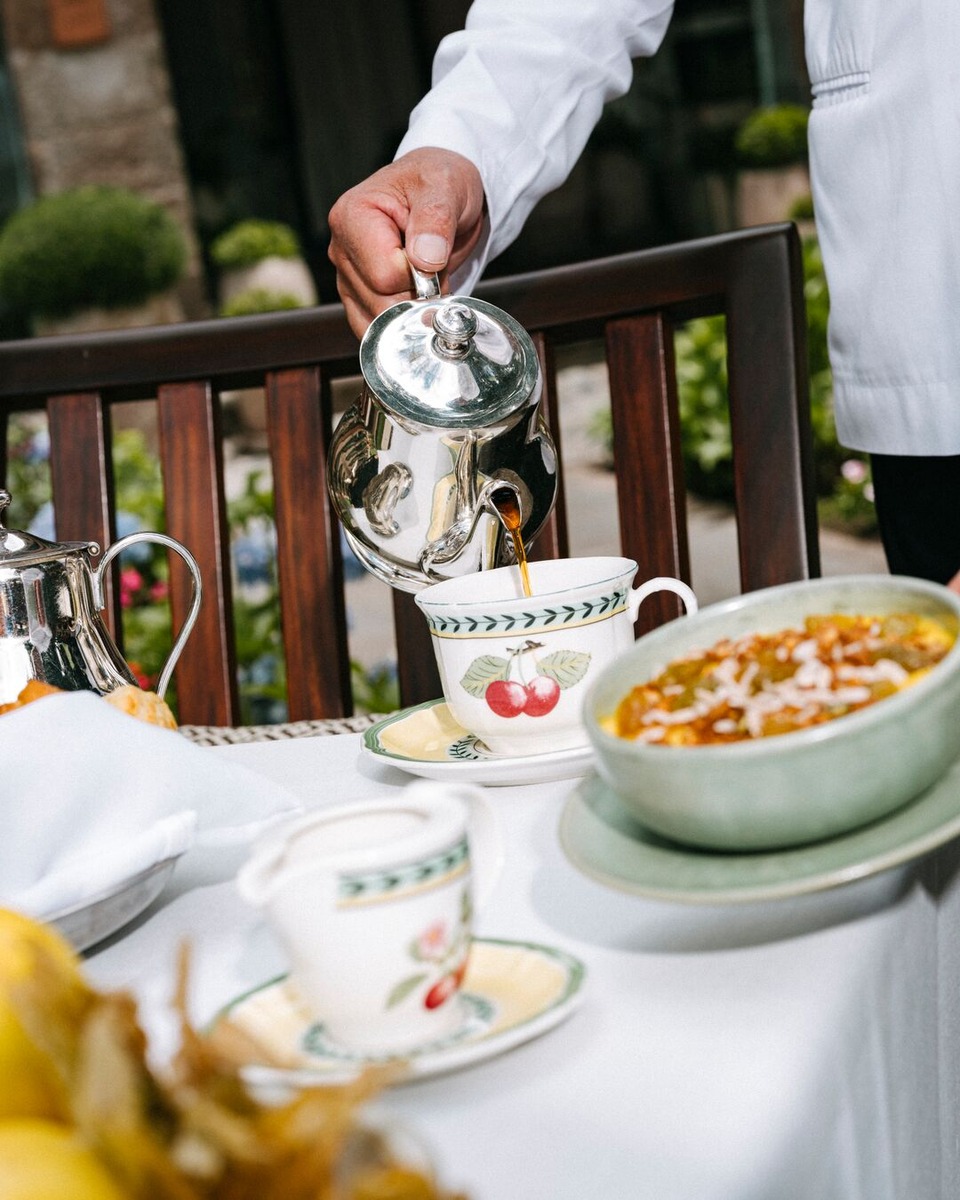
A Cusco breakfast can be much more formidable. The local repertoire includes adobo cusqueño, pork marinated with chicha de jora and served with Oropesa bread, as well as substantial broths. Monasterio’s current event menus also list Cusquenian tamales and Andean potatoes. That does not promise either dish on the guest buffet every morning, but it gives you the right question to ask: what is local today? Oqre currently serves breakfast from 5 to 10:30am.
We were travelling on the Hiram Bingham, where dining is part of the journey: Belmond currently includes brunch on board. For a departure before the hotel starts serving breakfast—an early road journey towards Lake Titicaca, for example—I would ask the concierge the evening before what could be arranged. The same applies to an early train if your ticket does not include a meal.
For the market version, go to Mercado Central de San Pedro in the morning. This is a working covered market with 1,180 stalls selling fruit, bread, cheese, meat, herbs, prepared food, and handicrafts. It is not a polished food hall, which is rather the point. Go hungry; breakfast in Cusco can easily become soup.
This is the strange difficulty of staying somewhere memorable on the eve of something you have wanted for years. Monasterio invited me to slow down. I was delighted to be there and incapable of being entirely present. Every quiet corner seemed to say, stay. Every thought I had said, tomorrow.
We went out into Cusco. I felt I could walk its narrow streets forever; the city had an atmosphere and a kind of magic I could not compare with anywhere else. Coca tea, muña tea, and the room’s oxygen had made me feel all right again. Then I hugged a white alpaca decorated with colored pom-poms, and the excitement came back too.
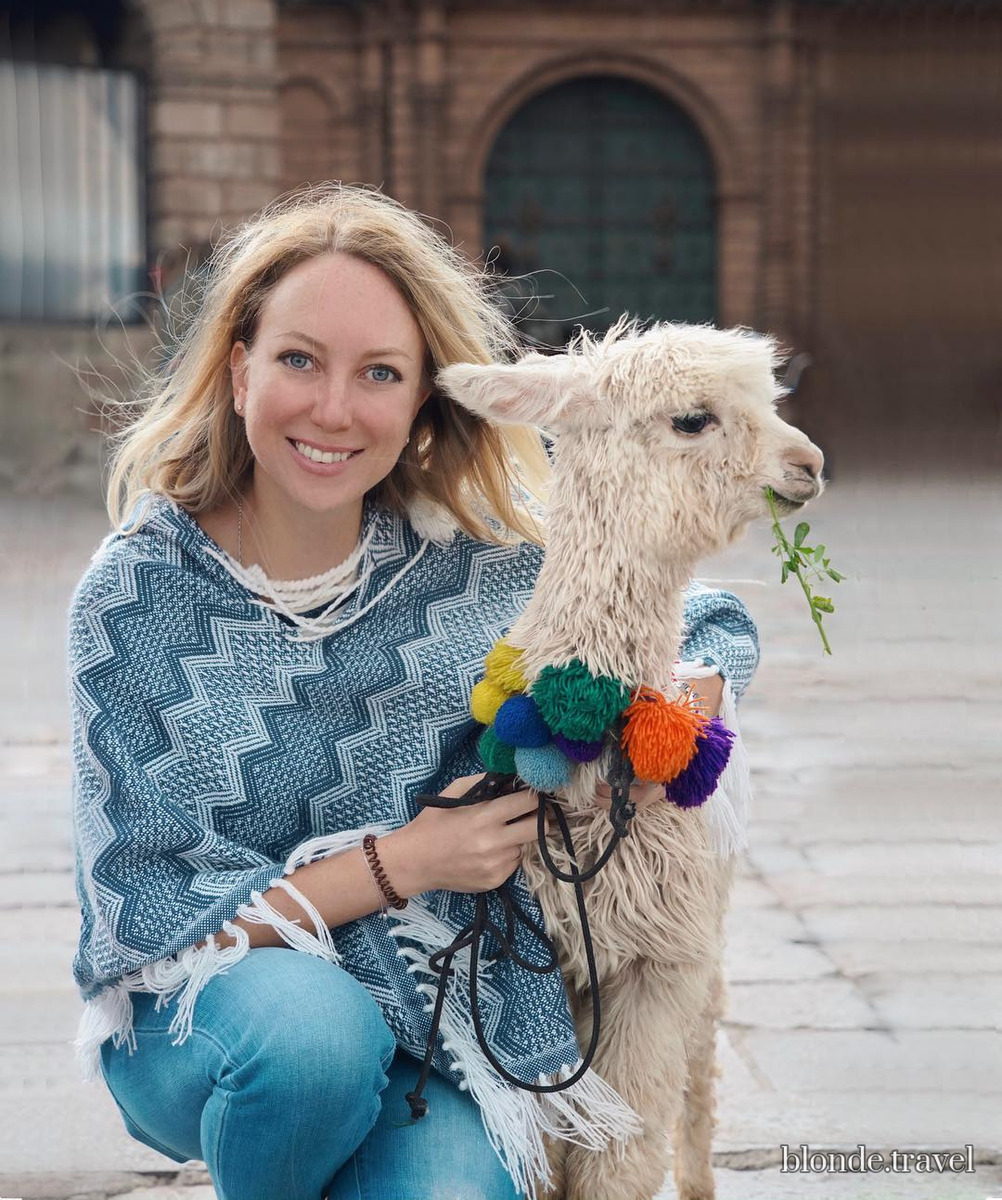
In any difficult situation, hug a llama. This remains more useful as a travel philosophy than as medical advice.
Oqre and El Tupay: dinner and opera
The restaurants have changed since my stay. Oqre, the hotel’s all-day restaurant, is currently led by Peruvian chef Jorge Muñoz. His menu travels beyond the Andes through Peru’s coast, highlands, and jungle. The house gyoza is filled with Cusco-style adobo pork and served with uchucuta; paiche comes with banana tortellini and cocona. Those two dishes explain the idea better than the usual promise of “local ingredients.”
Muñoz previously led Pakta in Barcelona, which held a Michelin star. The star belonged to Pakta, not Oqre; Monasterio appears in the MICHELIN Guide’s hotel selection, but Oqre is not presented there as a starred restaurant. It is a small distinction, and a useful one when every second hotel description seems determined to borrow a star from somewhere.
El Tupay is the more theatrical choice: dinner under the stone arches with live opera. Belmond currently schedules opera from Thursday to Saturday at 7:30pm, with no separate performance charge beyond dinner. I would confirm the programme for my dates, then book the table around it.
Somewhere quiet to wait
My birthday trip had been difficult to arrange, and by Cusco the anticipation had become almost physical. Monasterio gave that excitement somewhere quiet to wait: cloisters around the cedar, breakfast in the courtyard, and old Cusco just beyond the door.
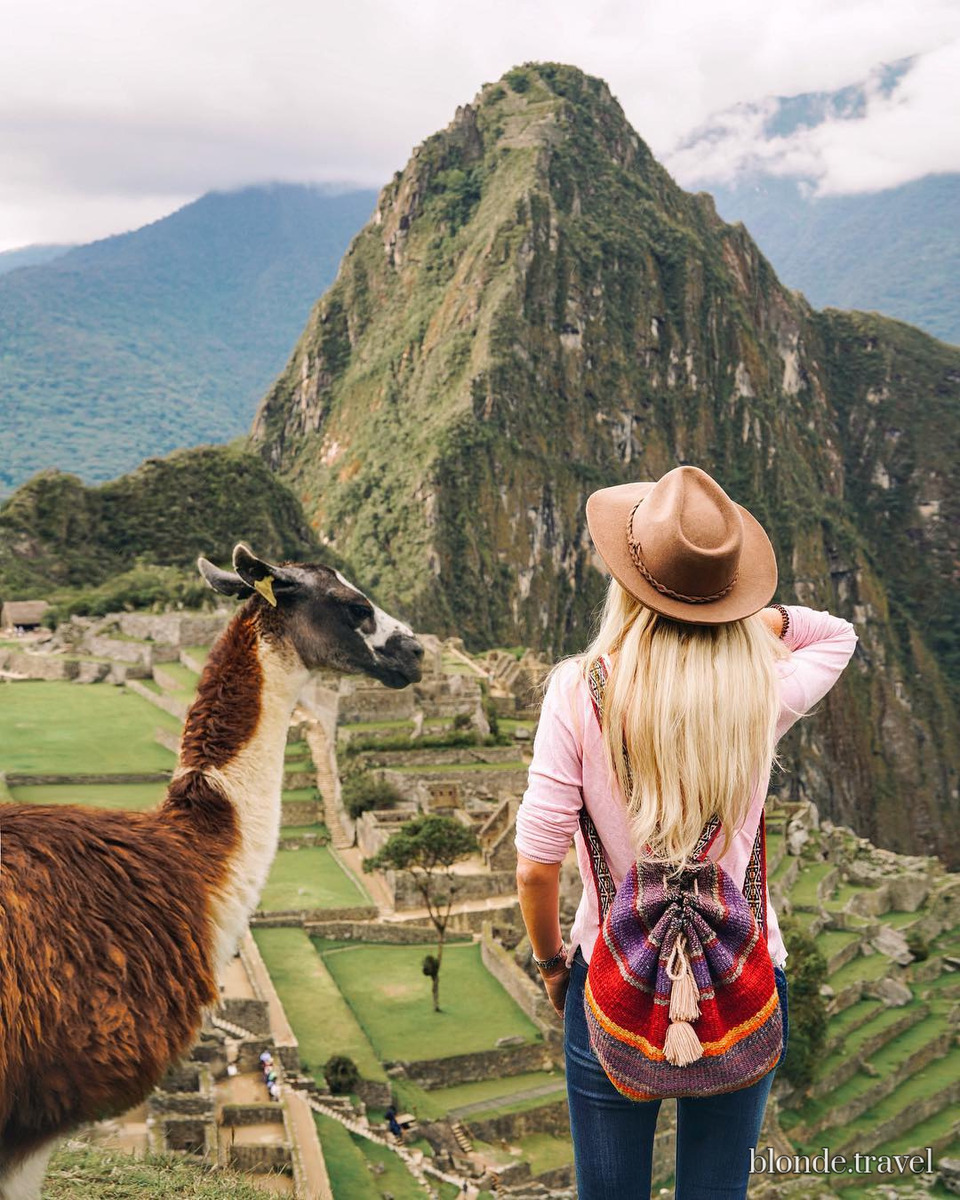
The next day we boarded Belmond’s Hiram Bingham train for Machu Picchu and stayed at Sanctuary Lodge beside the citadel. There would be a birthday, a cake, llamas in the ruins, mountains passing in and out of cloud, and eventually the silence I had hoped to find. It took me weeks to turn that day into words.
The teas and oxygen had made me feel all right again. The alpaca had returned the excitement. Then it was time for the Hiram Bingham.