
July is often when we travel for my husband’s birthday. In 2018, we chose Istanbul and Four Seasons Hotel Istanbul at Sultanahmet because neither of us wanted a hotel that could have stood in any city. This one had been a prison.
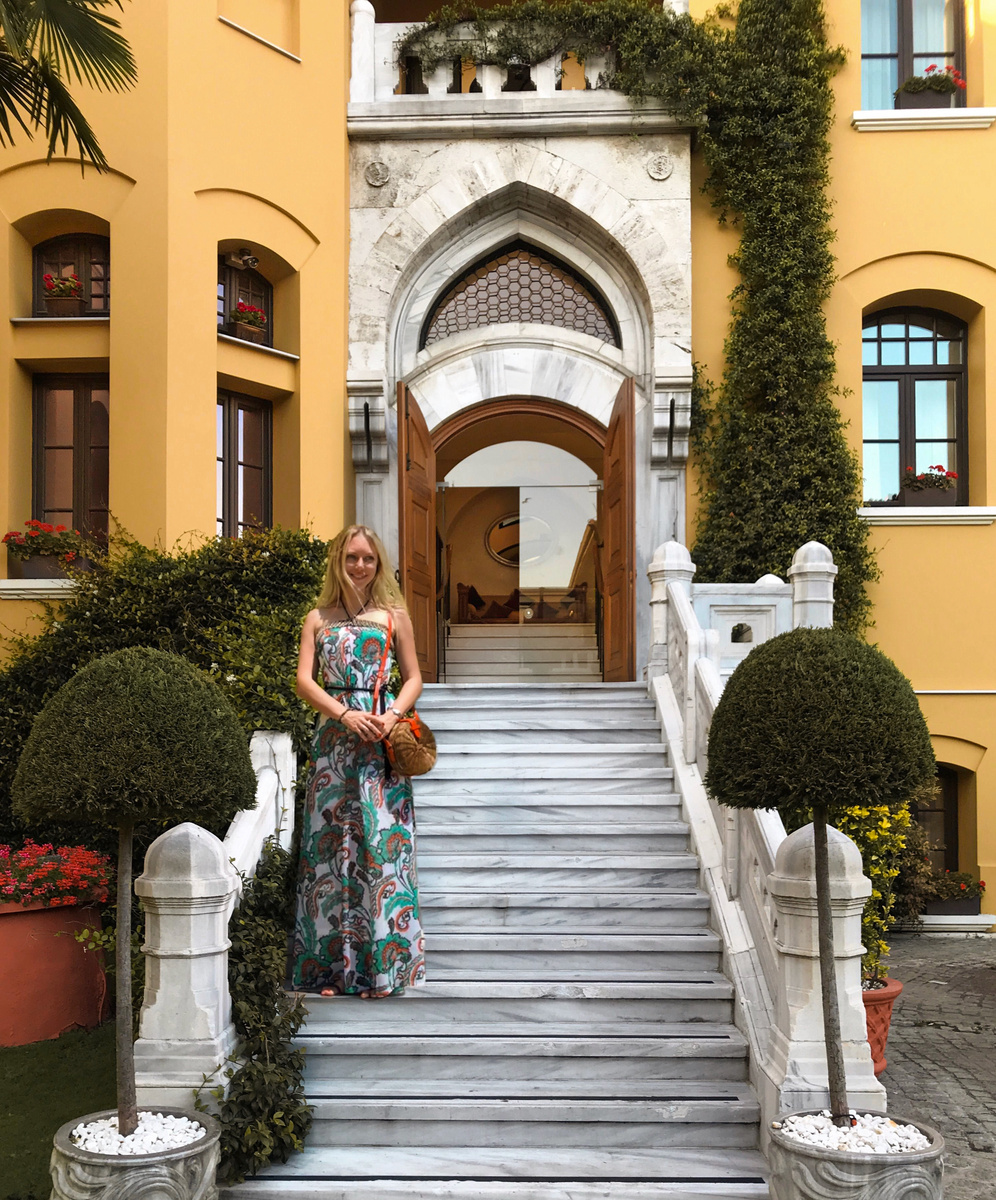
The history remained visible. The ochre walls still enclosed a courtyard; narrow arched windows and corner towers gave the building its gravity. We came for a birthday, and the hotel gave the occasion a setting.
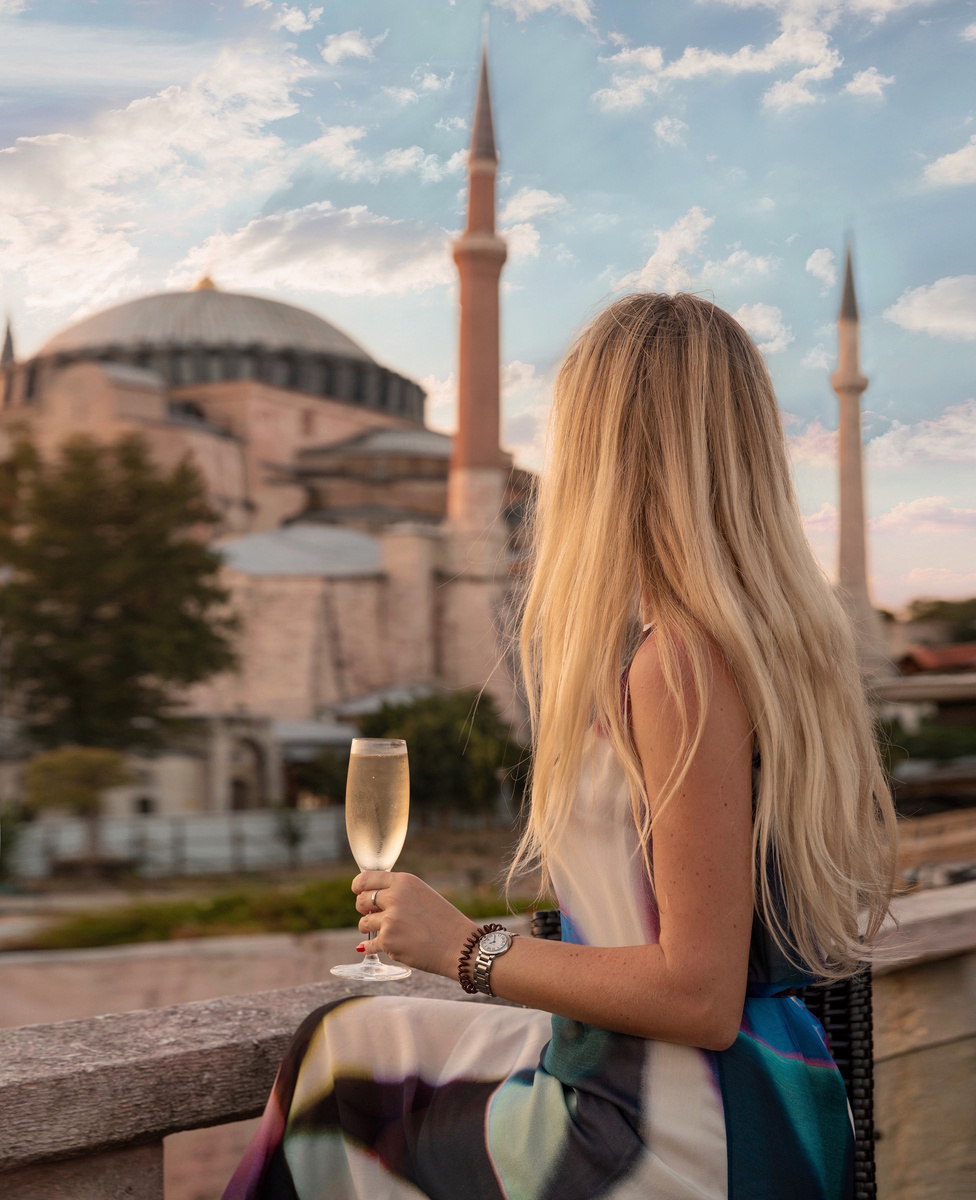
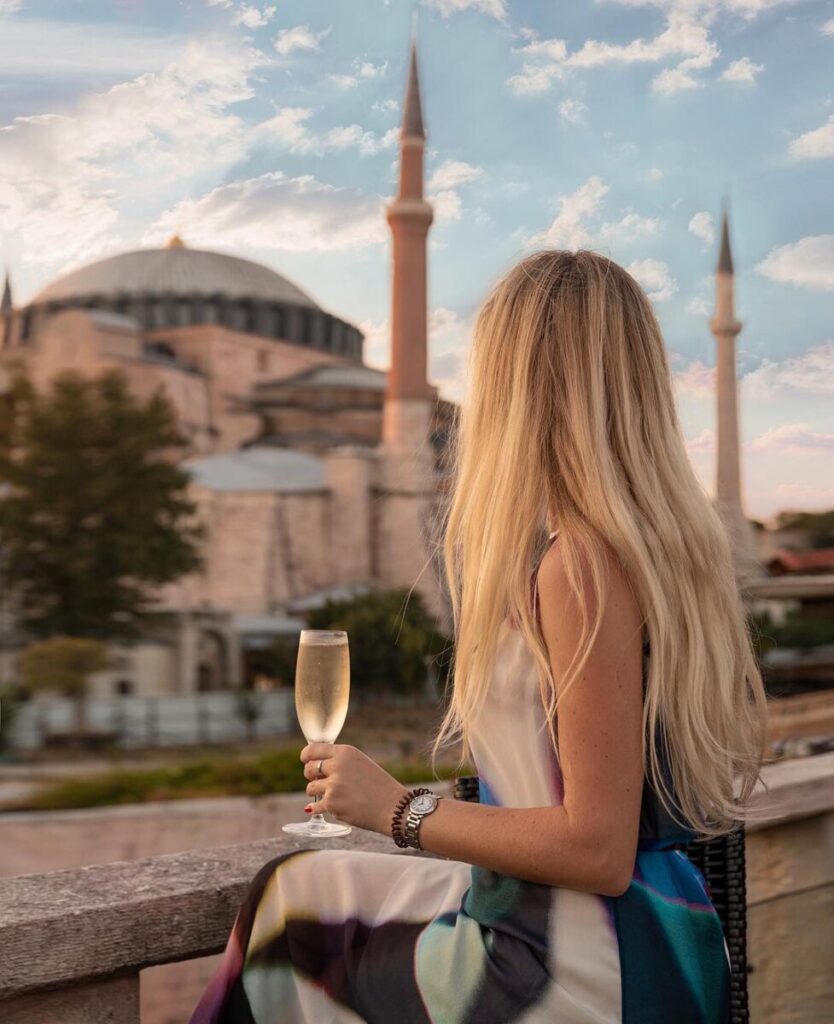
During the stay, I went up to the roof at sunset. Hagia Sophia turned pink across the old city, the call to prayer carried over the rooftops, and gulls circled above the dome. Years later, that is the clearest part of the hotel in my memory.
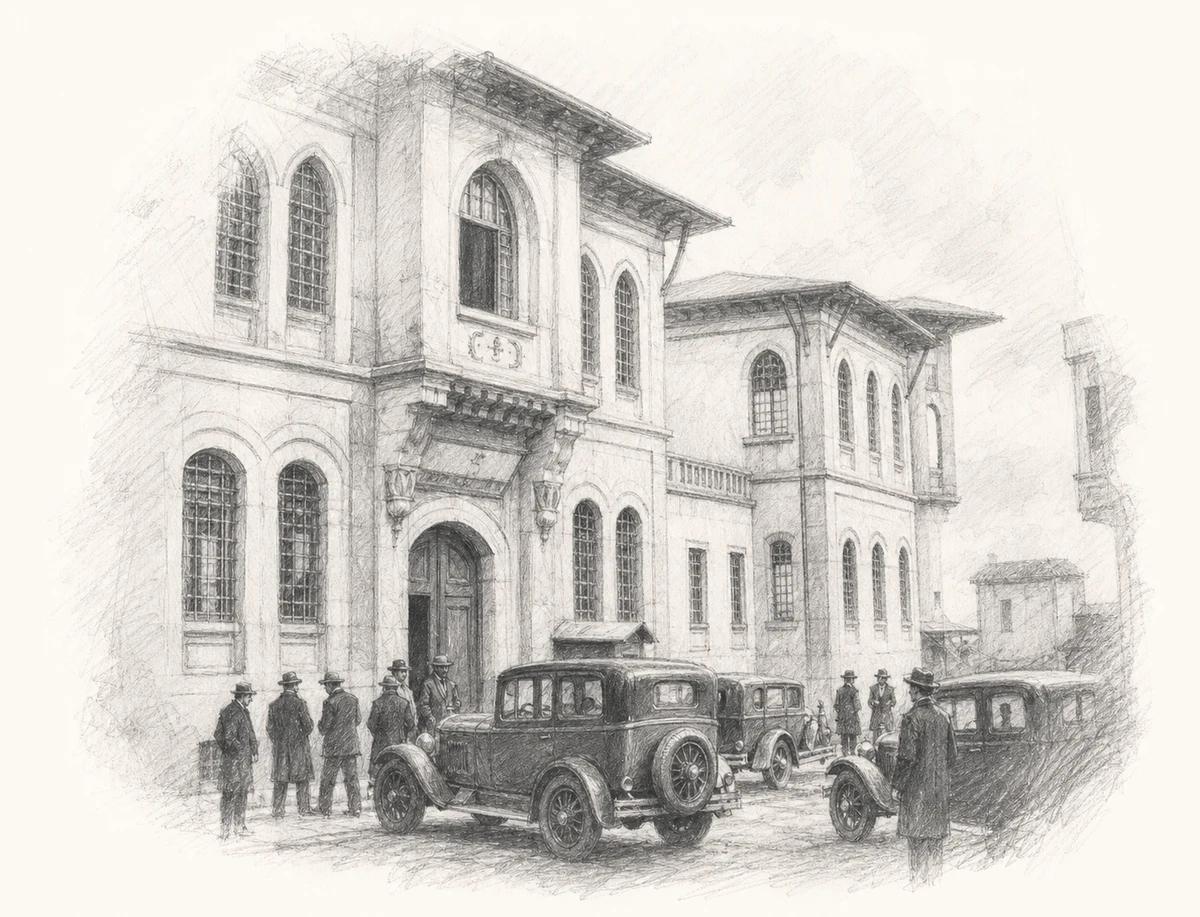
The former prison beneath the hotel
The building was constructed as a prison in 1918 and 1919. Four Seasons converted it into a hotel in 1996, preserving the strongest historic features in the southwest wing, where the lobby, bar and reception now stand.
It was an irresistible idea for us. We have always liked hotels with a previous life, where the building matters as much as the room. At Sultanahmet, the old plan still directed the experience. Arched corridors led through the interior; the main stair rose beneath a pointed stone doorway; the courtyard sat protected at the centre.
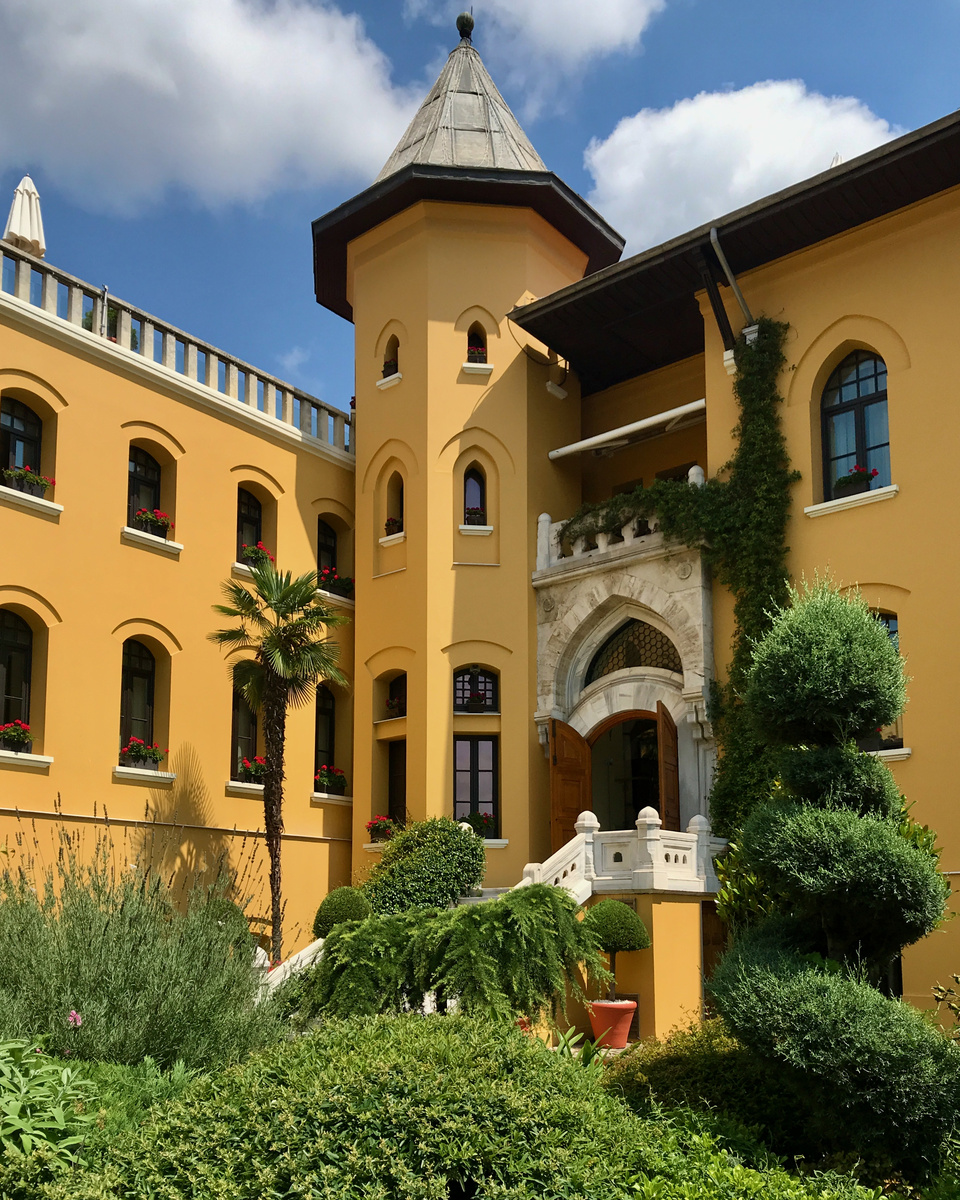
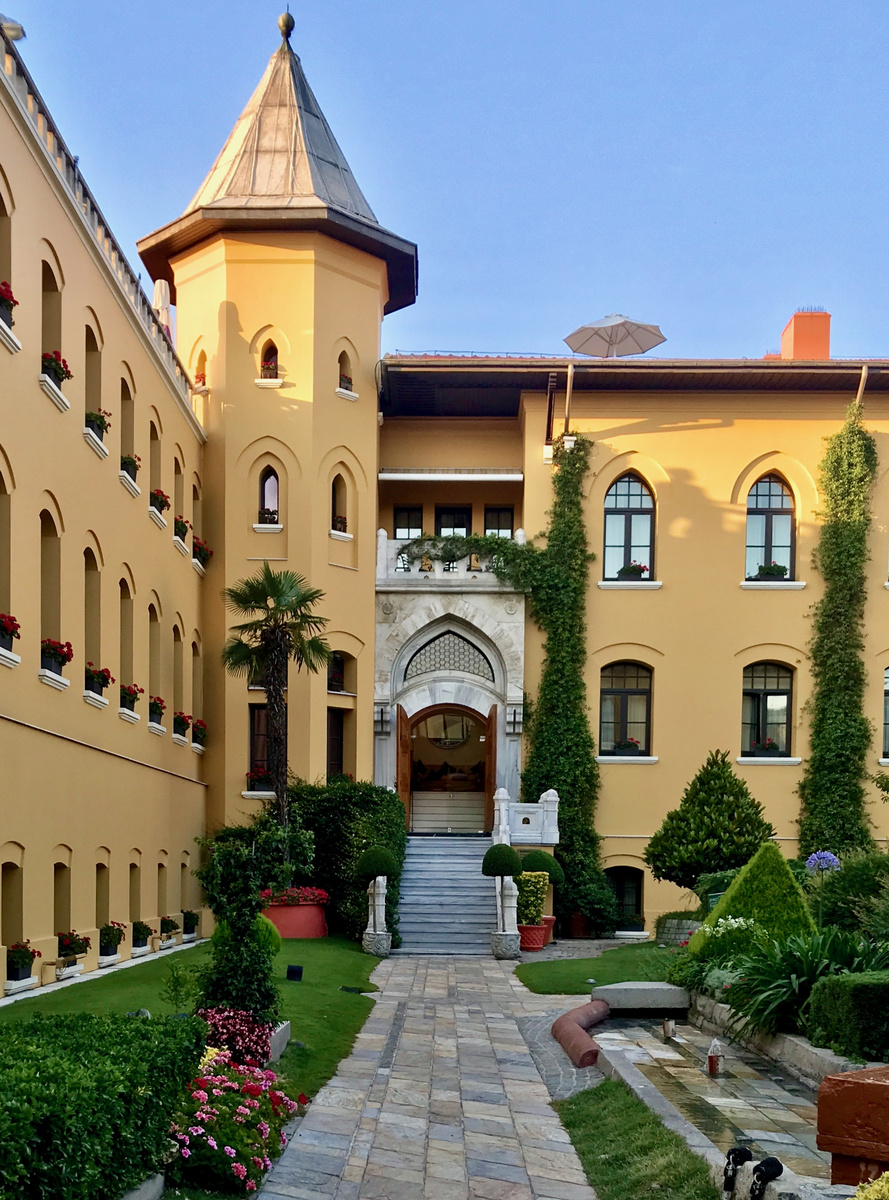
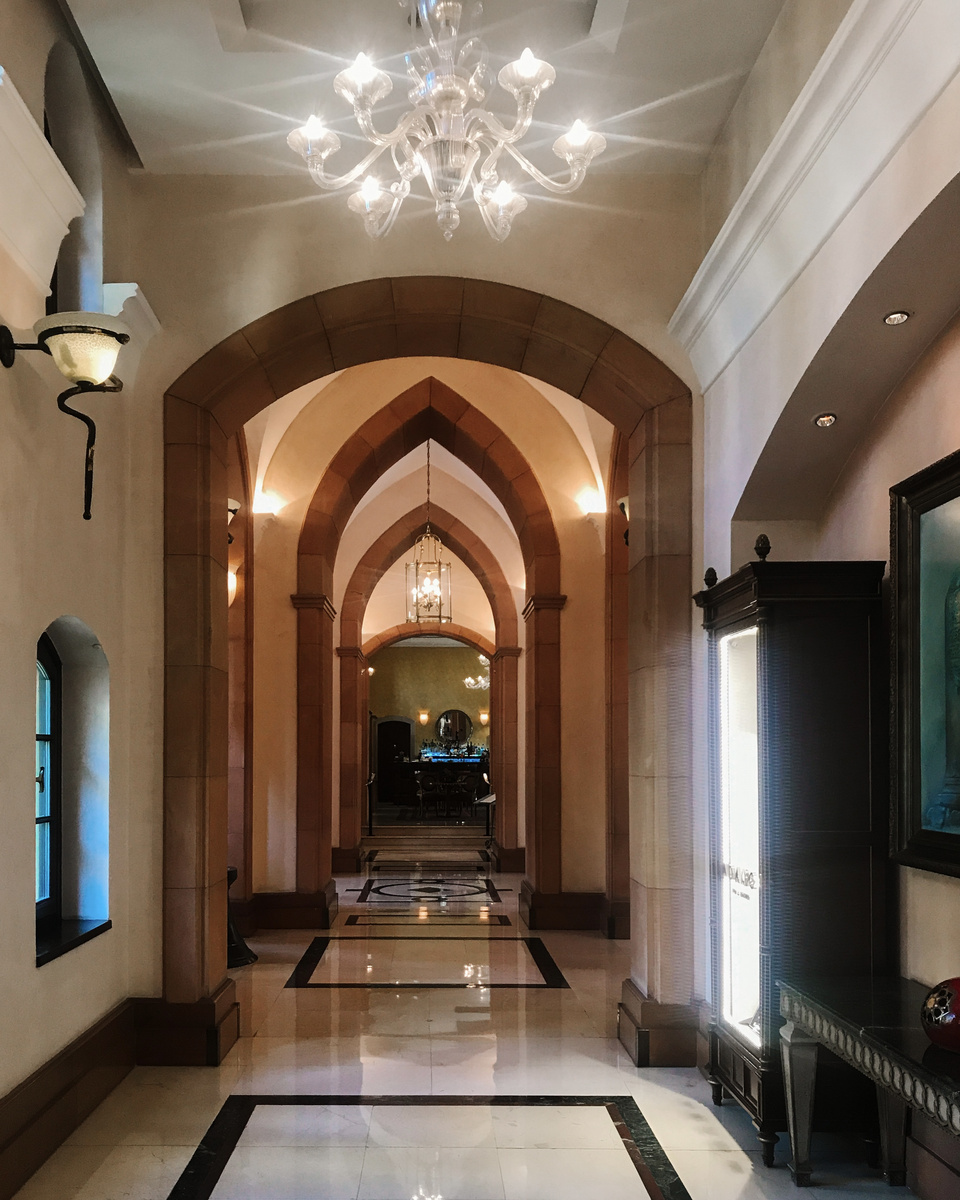
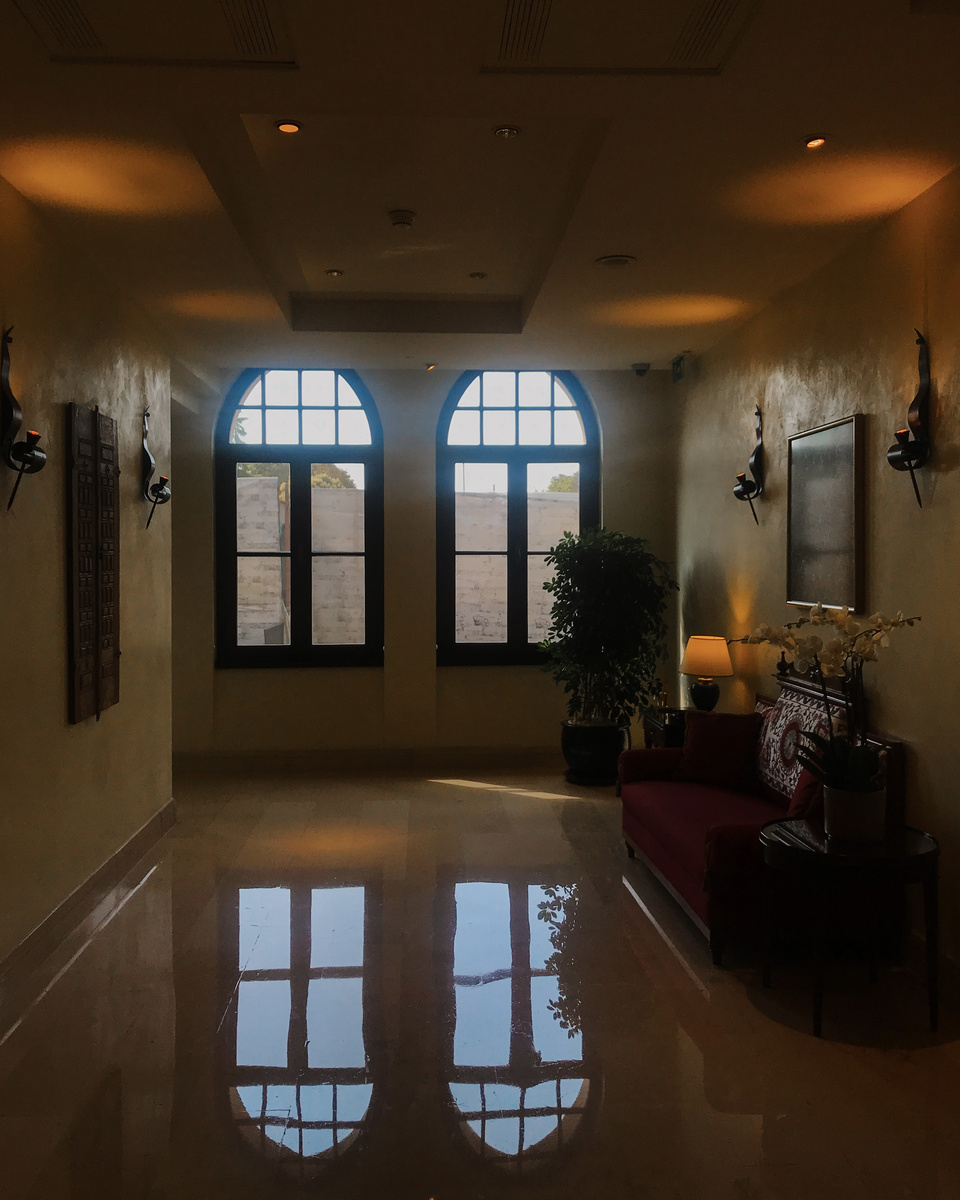
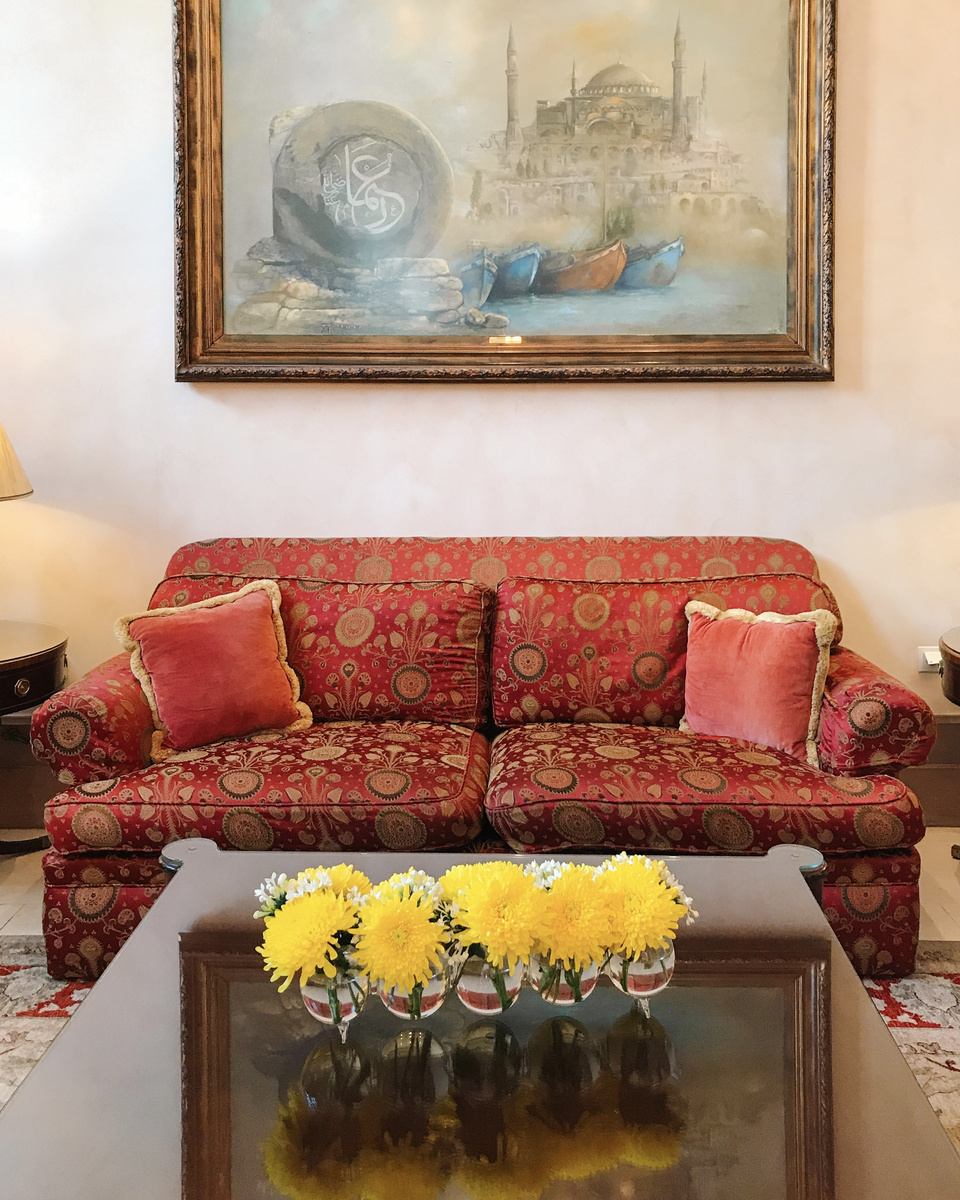
The transformation was certainly polished, but in 2018 it did not feel as though the prison had been erased. Its strict geometry remained visible beneath the garden, marble and flowers.
Exploring Sultanahmet from the hotel
Hagia Sophia is more than the largest monument in the view. Emperor Justinian opened the present building in 537 as the cathedral of Constantinople. It became a mosque after the Ottoman conquest in 1453, a museum in 1935 and a mosque again in 2020. Its immense dome influenced generations of churches and later mosques. In Istanbul, one building holds together the city’s lives as capital of two empires.
Four Seasons Sultanahmet stands among the great monuments of the historical peninsula. Hagia Sophia is almost immediately outside; the Blue Mosque, Topkapı Palace and the Hippodrome are all within the same compact old-city geography.
For foreign cultural visitors, the present visit follows a ticketed upper-gallery route, introduced in 2024 to separate visitors from worshippers. From there, the prayer hall, Ottoman additions and Byzantine mosaics can be seen. Hagia Sophia and the Blue Mosque are a few minutes away on foot. Its concierge can arrange a private guide and translation services; Hagia Sophia itself remains a public visit, with no hotel-only entrance or after-hours opening. With major restoration now in progress, I would ask the concierge to confirm the day’s route.
The useful privilege is control over time. I would walk over for opening, adjust around prayer times, and return after dinner to see the exterior at night without another journey across the city. I would leave the middle of the day unhurried: one monument, lunch, then back to the courtyard before going out again. That is what this address buys beyond convenience: the freedom to give each place its own time.


The rooftop bar above Sultanahmet
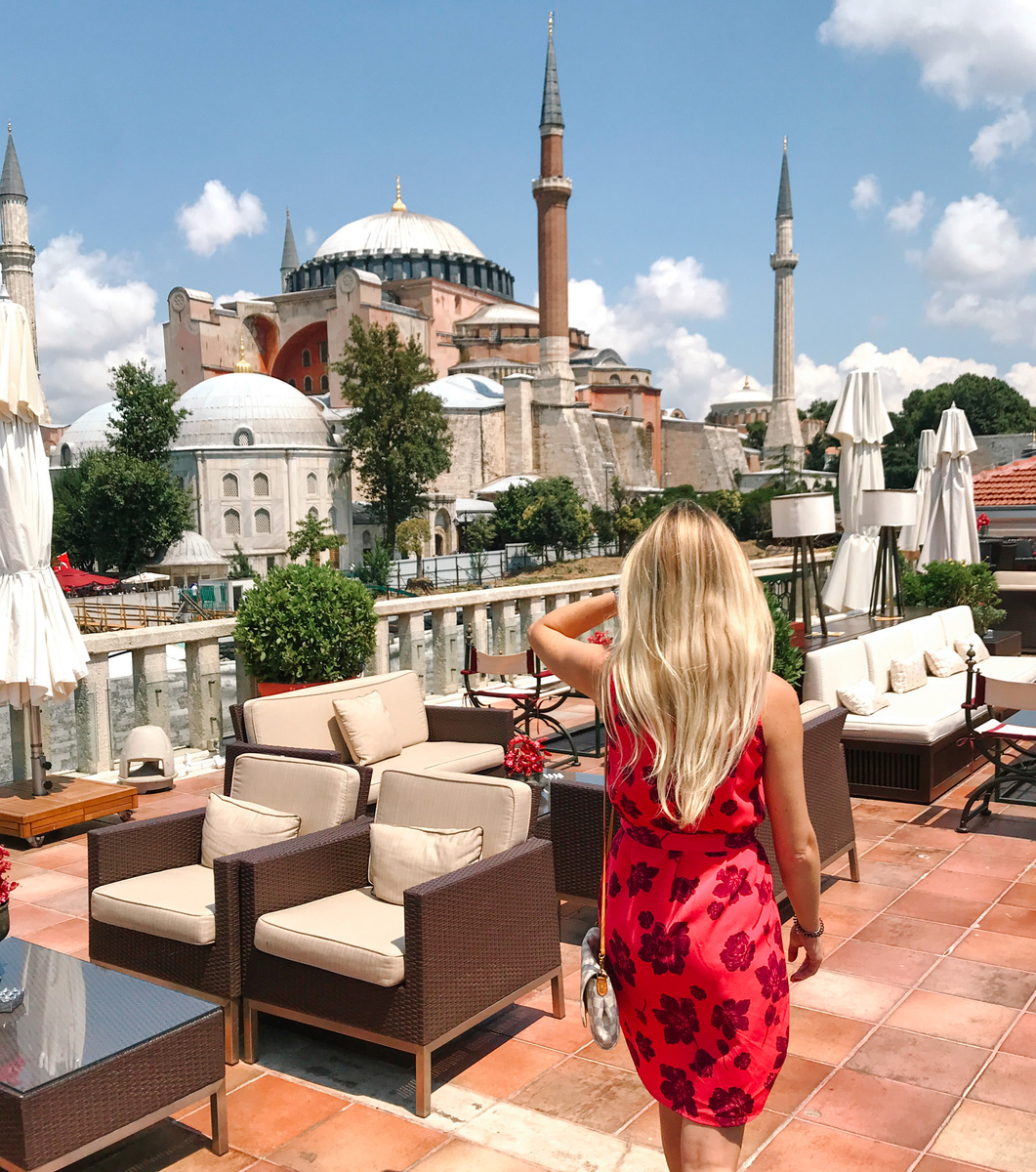
The location is practical, but the roof made it emotional. In daylight, the terrace looked directly toward Hagia Sophia. At sunset, the stone and plaster changed colour while the minarets became silhouettes. I would go up in the evening with a glass of sparkling wine and stay for the muezzin and the gulls.
Istanbul has always been one of the cities where I feel at home. From that roof, its layers were immediate. Byzantine dome, Ottoman minarets and the former prison were all in one frame.
The bar is now called The Rooftop, with published hours of 3–11 p.m. daily. Sunset would still be my choice. For a drink without an overnight stay, I would contact the bar first to arrange a table and confirm access for that evening.
Breakfast, shaped by Istanbul
The photographs remember the morning more precisely than I do now. They show olives and cheese, cucumber and tomatoes, honeycomb and preserves, sesame bread and pastries, eggs and dark tea. The table is Turkish, but its abundance follows an Istanbul logic.
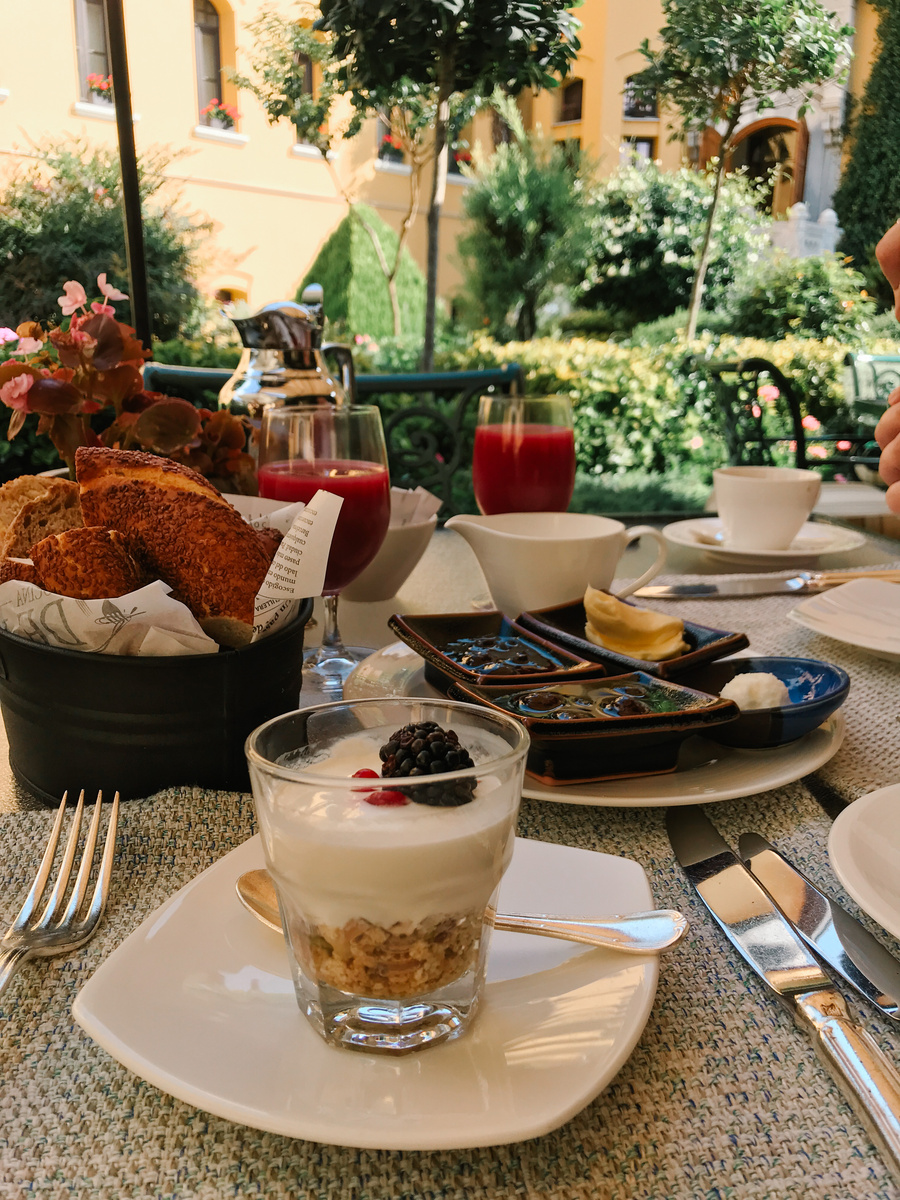
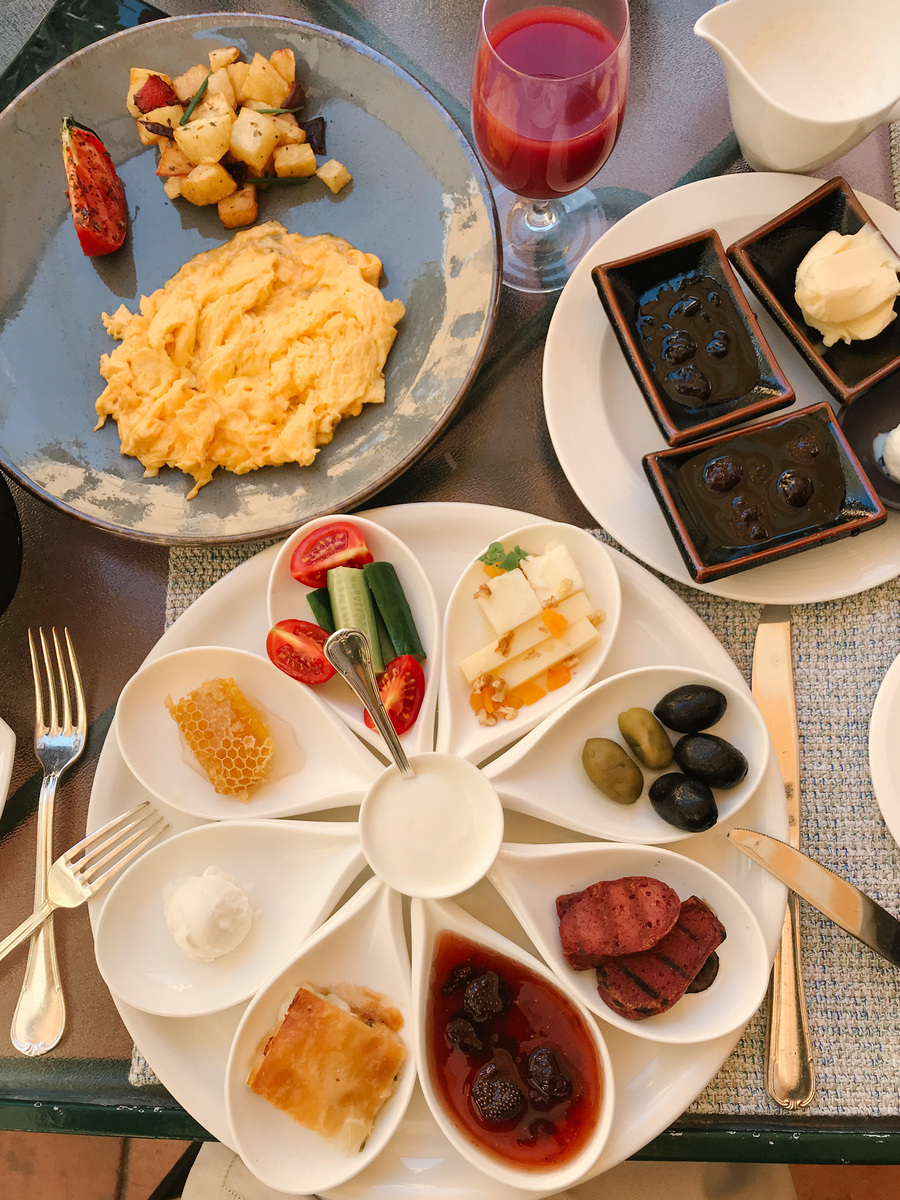
The city can make breakfast as brief as tea and simit on a ferry, or let it occupy the whole morning. The famous serpme kahvaltı is spread across the table in small dishes: cheeses, olives, vegetables, eggs, börek, honey, kaymak and preserves. There is no single centre. The point is variety, company and time.
Istanbul has always drawn people and food from across the country. Families arriving from Anatolia kept their ties to home through grains, preserves and regional provisions; in time, those products also entered the habits of the wider city. Breakfast became a map of that movement. On working days, Istanbul chooses speed. When the table is full and the tea keeps coming, it chooses ceremony.
Today, Avlu serves breakfast from 7–11 a.m. The hotel also advertises a Turkish and international breakfast buffet; its published buffet experience does not include an à la carte menu during that service. When choosing a room rate, I would check both the breakfast arrangement for my dates and whether it is included.
The courtyard within the walls
Outside, the enclosed courtyard softened the building. There were clipped trees and dense planting against the yellow walls, striped awnings, wrought-iron chairs and tables set beneath umbrellas. The contrast was the charm of the place: severe architecture turned inward around a garden.
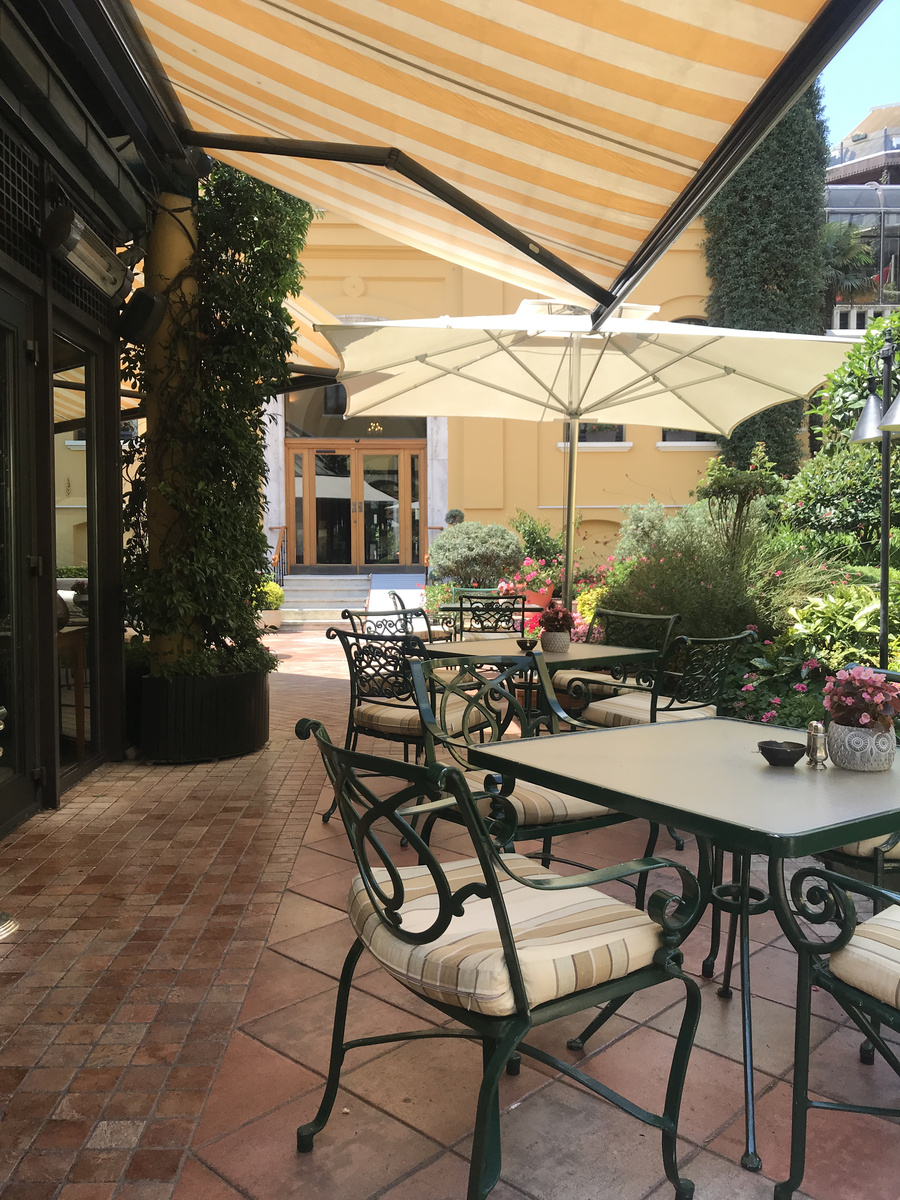
What endured from our stay was the former prison, the courtyard, breakfast, the roof and a birthday in the middle of old Istanbul.
What changed after our stay
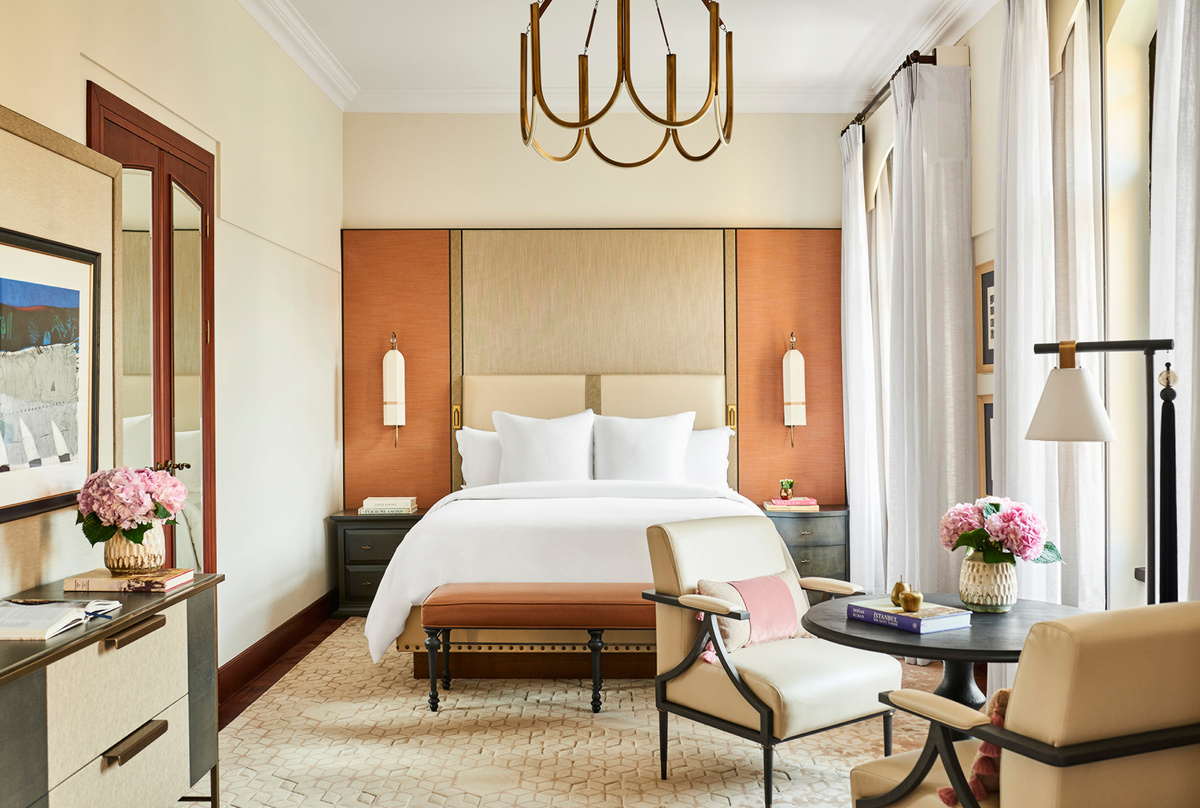
The hotel I knew in 2018 no longer exists in precisely that form. Four Seasons closed the property for a hotelwide renovation and reopened it in 2022 with interiors by Goddard Littlefair.
The current hotel has 65 rooms, including 17 suites. Its new design borrows from the building and its surroundings: old prison bars informed some furniture, Hagia Sophia inspired lighting and basin forms, and Ottoman and Seljuk motifs appear through the interiors. The building, enclosed garden and position among the monuments remain the continuity.
Choosing a room for a return visit
My 2018 photographs belong to the hotel’s earlier interior. Booking now, I would begin with the outlook. The Premier Rooms offer courtyard, garden or street views, so the category alone does not settle which way the windows face. I would ask for a room looking inward towards the garden.
For a terrace of my own, the St. Sophia Suite would be tempting: it has three private terraces and views of Hagia Sophia and the surrounding neighbourhood. The Beyzade Suite makes a different choice, with living space below and its bedroom and bathroom upstairs. That separation offers privacy, but I would choose another layout if stairs were inconvenient.
Avlu and Lingo Lingo
On a return visit, I would reserve an evening for Avlu. Its contemporary Anatolian cooking gives the courtyard another reason to hold me there after dark. The restaurant is selected by the Michelin Guide, and dinner is currently served from 7–10.30 p.m. Lingo Lingo, the hotel’s lounge, offers lighter dishes for a less formal pause.
Kurna Spa and the Bosphorus hotel
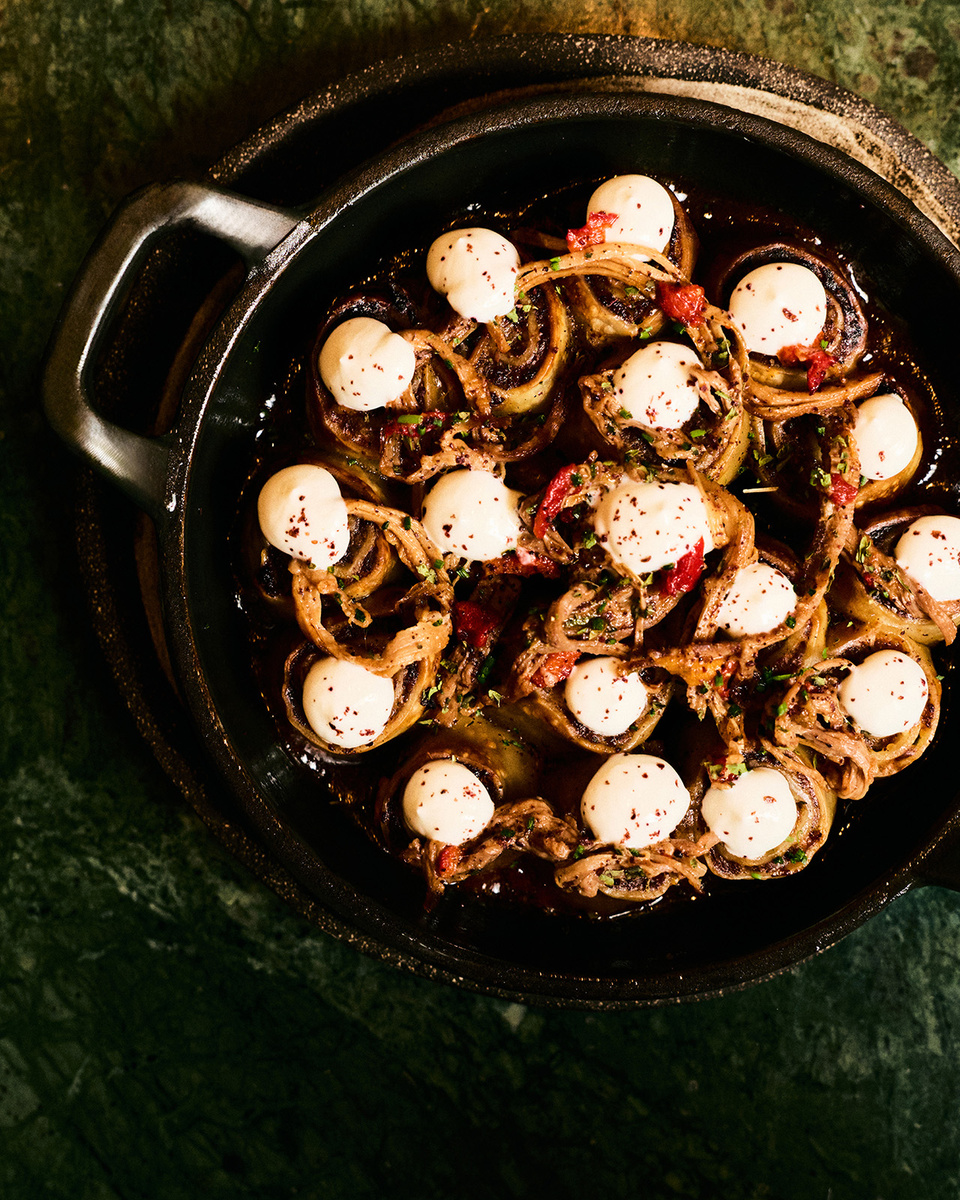
After walking through the old city, I would consider a Turkish hammam at Kurna Spa. The spa now offers traditional hammam rituals alongside massages. I would reserve a treatment in advance and leave enough time to enjoy it.
We went to Four Seasons Hotel Istanbul at the Bosphorus for lunch outdoors rather than a swim. The restaurant felt like a sunny-day playground for Istanbul’s jet set, full of local life. I enjoyed the bustle and the people-watching.
For a swim, Sultanahmet guests have complimentary access to the indoor and seasonal outdoor pools at this sister property, on the waterfront in Beşiktaş. The hotel can arrange private land or sea transfers; I would settle the departure point, return journey and transport cost with the concierge before leaving.
The old city in art and objects
I would begin at Caferağa Medresesi. Mimar Sinan built the madrasa in 1559; today its fifteen workshops teach and exhibit traditional Turkish arts, including calligraphy, illumination, miniature painting, marbling, ceramics, tiles, glass and mosaic. It is a working art centre rather than a row of generic souvenir shops, and its gallery sells work made within that tradition.
For a museum, the Museum of Turkish and Islamic Arts is the most natural companion to the hotel. It occupies the sixteenth-century Ibrahim Pasha Palace and holds an exceptional carpet collection alongside manuscripts, glass, metalwork, ceramics and ethnographic material.
The Istanbul Archaeological Museums, beside Topkapı Palace, demand more time. The complex combines the Archaeology Museum, the Museum of the Ancient Orient and the Tiled Pavilion, with close to a million objects across their collections. Several galleries are currently closed, so I would check the official page before deciding how much of a day to reserve.
Turkish cooking beyond the tourist tables
Sultanahmet is full of restaurants aimed at passing visitors. I would choose those with a clear culinary argument.
Matbah, next to Caferağa Medresesi, revives documented Ottoman recipes; look for the lentil-stuffed cabbage from an 1844 recipe and the goose kebab traced to 1539. Deraliye is another serious address for Ottoman palace cooking, while Khorasani is the simpler choice when the priority is traditional grills and kebabs rather than ceremony.
For a longer walk, Pandeli sits above the Spice Bazaar behind blue-tiled walls. It remains focused on traditional Turkish dishes: dolma, vegetables, yoghurt, pastry and the repertoire of an old Istanbul dining room.
Before booking
The hotel’s published check-in time is 3 p.m., with checkout at noon. For an early flight into Istanbul, I would arrange room access beforehand: if immediate access matters, book the previous night. Otherwise, it offers luggage storage and use of the fitness facilities to freshen up while waiting.
Sultanahmet can feel removed from the restaurants and nightlife that draw people towards the Bosphorus after dark. Four Seasons makes a different bargain. It puts the old city first.
Many hotels nearby offer a convenient address. Four Seasons adds a building that belongs to the city’s difficult twentieth-century history, then opens its roof towards much older Istanbul. The rooms have changed since 2018; the relationship between the prison walls and that skyline has not.
For that birthday trip, the choice was right. What lasted was not a thread count or a list of amenities. It was a garden held inside prison walls, breakfast set out in small dishes, and Hagia Sophia turning pink while the gulls crossed the sky.
Shared on

The post and its conversation
The photographs as they appeared on Instagram, with what readers said there. Likes and replies open on Instagram.



 Join the conversation on Instagram