Courtesy of Tortuga Bay
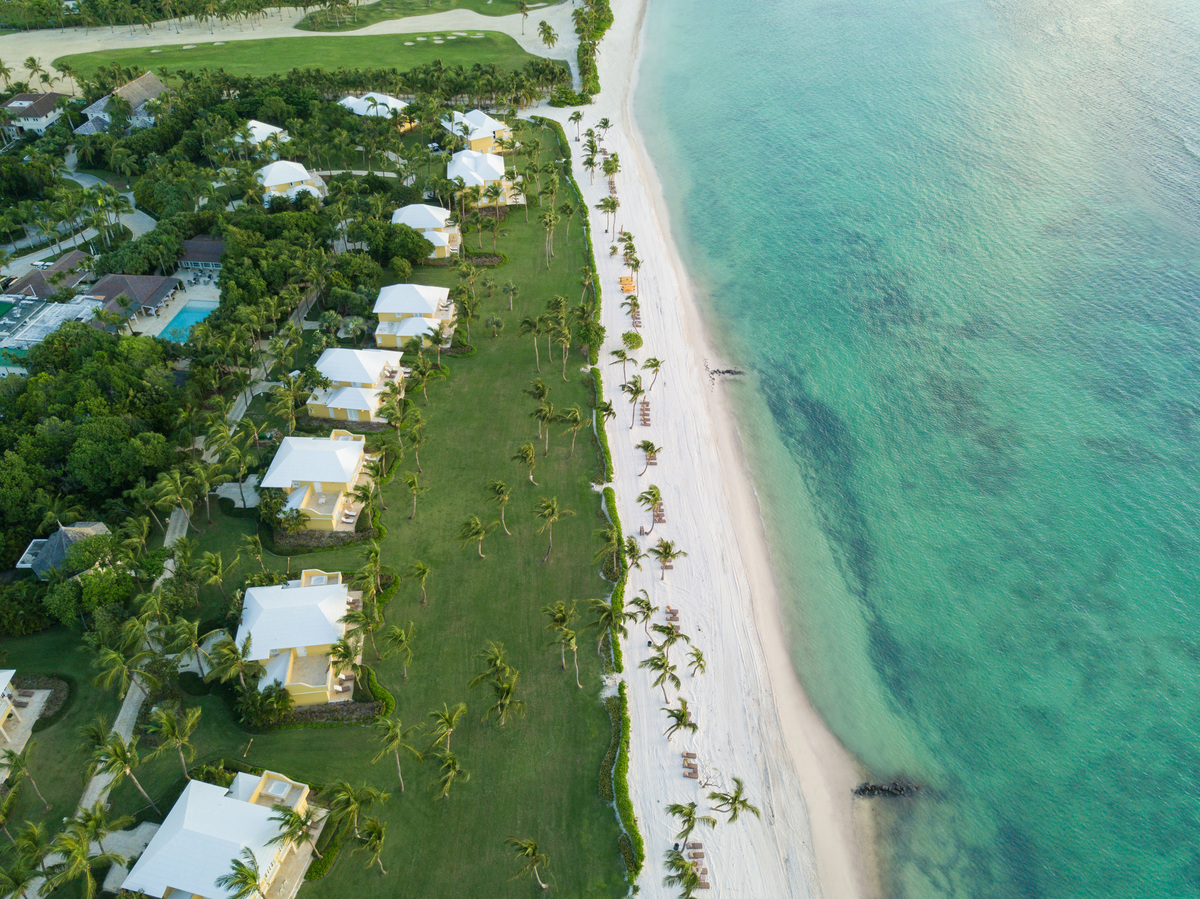
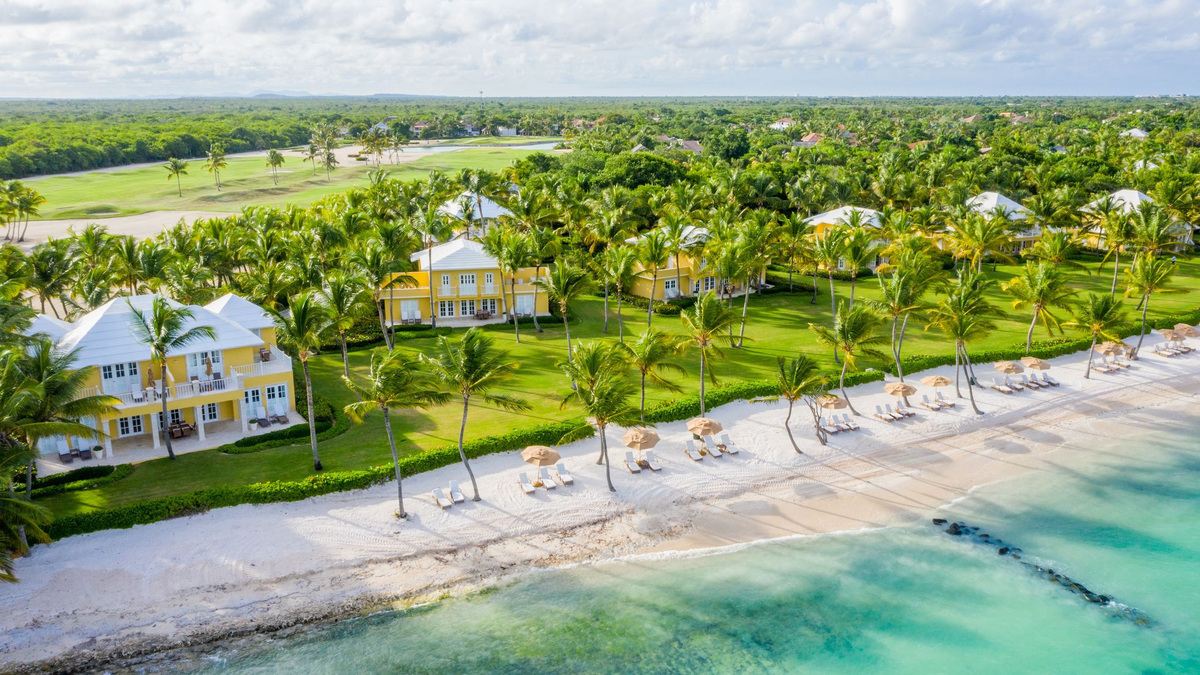
Thirteen villas occupy a stretch of Punta Cana coastline that many hotel owners would have filled several times over. At Tortuga Bay, the lawns run down to the sand with an extravagance of space that becomes more remarkable as the rest of the coast grows busier. There is room here to do very little, with no pressure to do anything else.
Tortuga Bay belongs to Grupo Puntacana, the company that helped turn this remote corner of the Dominican Republic into an international destination. This small hotel is its cherished child. The generosity that can seem almost unreasonable on a hotel balance sheet makes more sense when you see it that way.
The Dominican Republic was my home for almost ten years and the place where I met my husband. He spent two decades here, much of that time in a house within the Puntacana estate.
We stayed at Tortuga Bay several times and returned dozens more for The Grill, the spa, La Yola, the equestrian centre and the tennis courts.
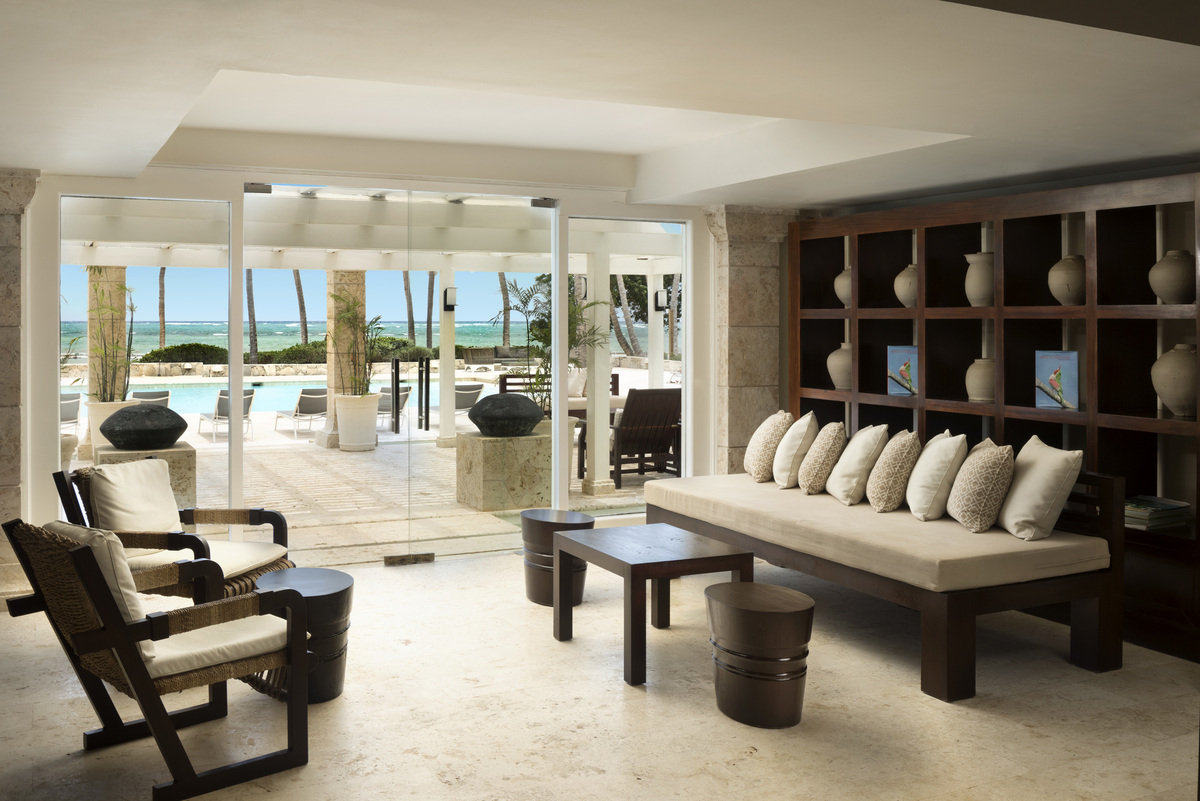
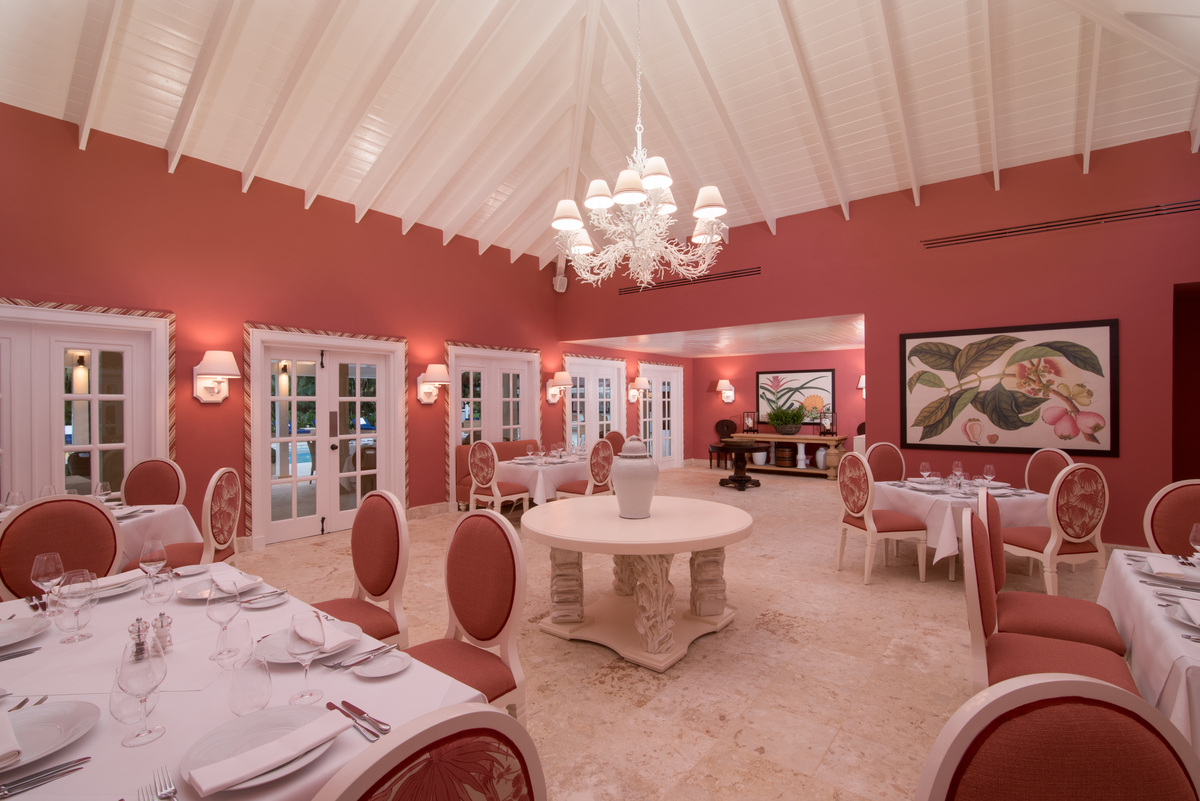
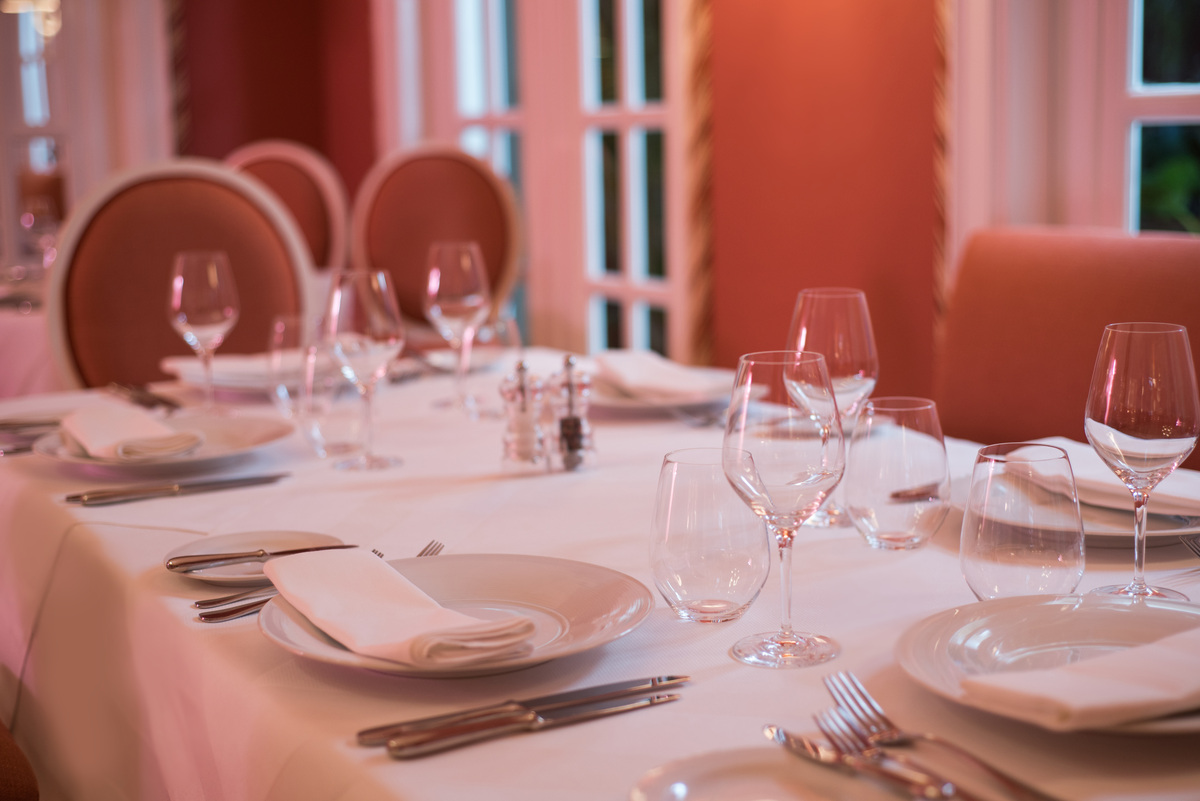
The photographs from our family archive were taken in 2007, a year after the hotel opened. They preserve its original interiors from Oscar de la Renta’s lifetime.
The family behind the beach
Grupo Puntacana’s story begins in 1969, with Frank Rainieri, Theodore Kheel and their partners, long before Punta Cana became a familiar name on departure boards. Their early resort opened in 1971. Club Med bought a parcel of their land later that decade and became one of the first international arrivals on this coast. The airport followed in 1984.
Club Med received a beautiful stretch of sand. To my eye, Grupo Puntacana kept the best for themselves. The beach is reserved for Tortuga Bay’s guests, so all that space is shared by remarkably few people.
Tortuga Bay is currently the Dominican Republic’s only member of The Leading Hotels of the World, a distinction in which Grupo Puntacana takes considerable pride.
Your hosts own the airport
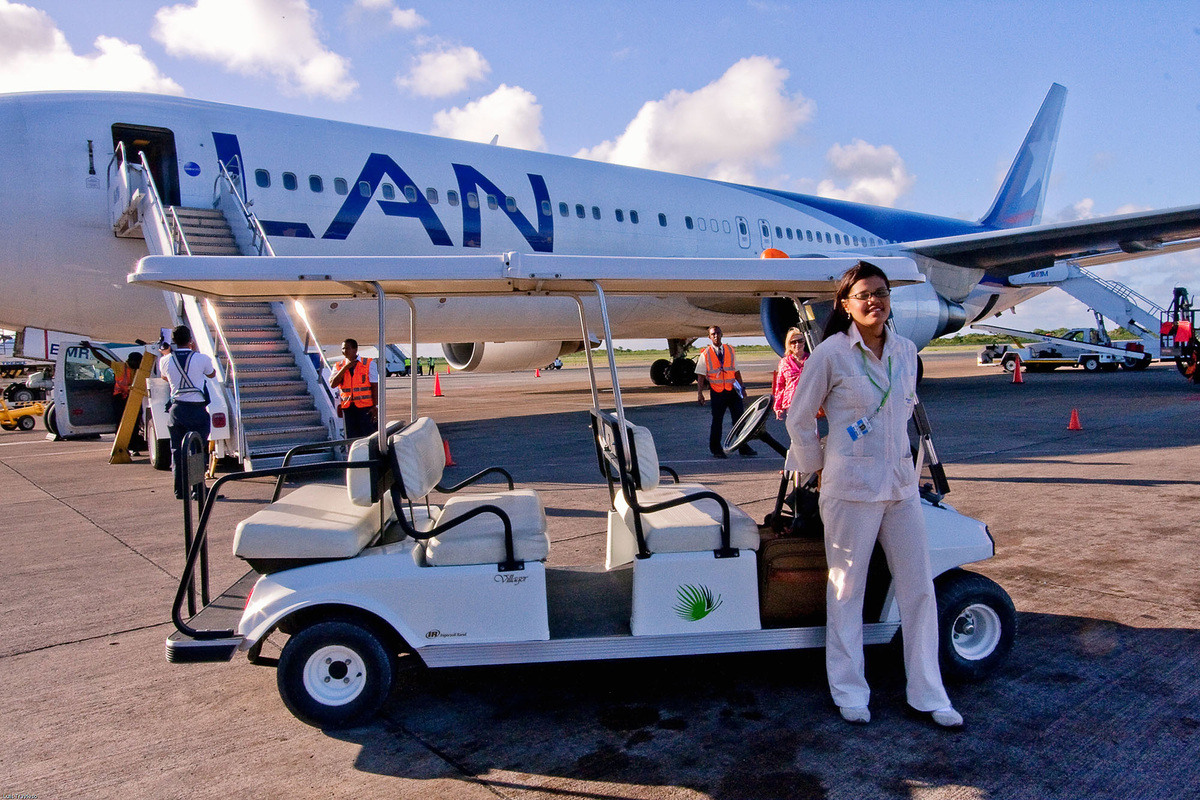
The welcome begins as you leave the aircraft. Tortuga Bay arranges VIP assistance through immigration, baggage collection and customs, followed by a private transfer to the hotel. You receive this treatment even when arriving on an ordinary commercial flight.
Punta Cana International Airport belongs to the same group. Send the hotel your flight details beforehand so it can coordinate your arrival all the way to the villa.
The drive itself is unusually short. I think of it as roughly seven minutes, although I would allow around ten and leave the exact timing to traffic and the terminal. Club Med and The Westin are close to the airport too; this is the original Puntacana resort area, south of the long hotel strip that many visitors picture when they hear the name.
Oscar de la Renta’s villas
Oscar de la Renta was Dominican, a partner in Puntacana and a resident of the estate. He knew this way of living from his own home here.
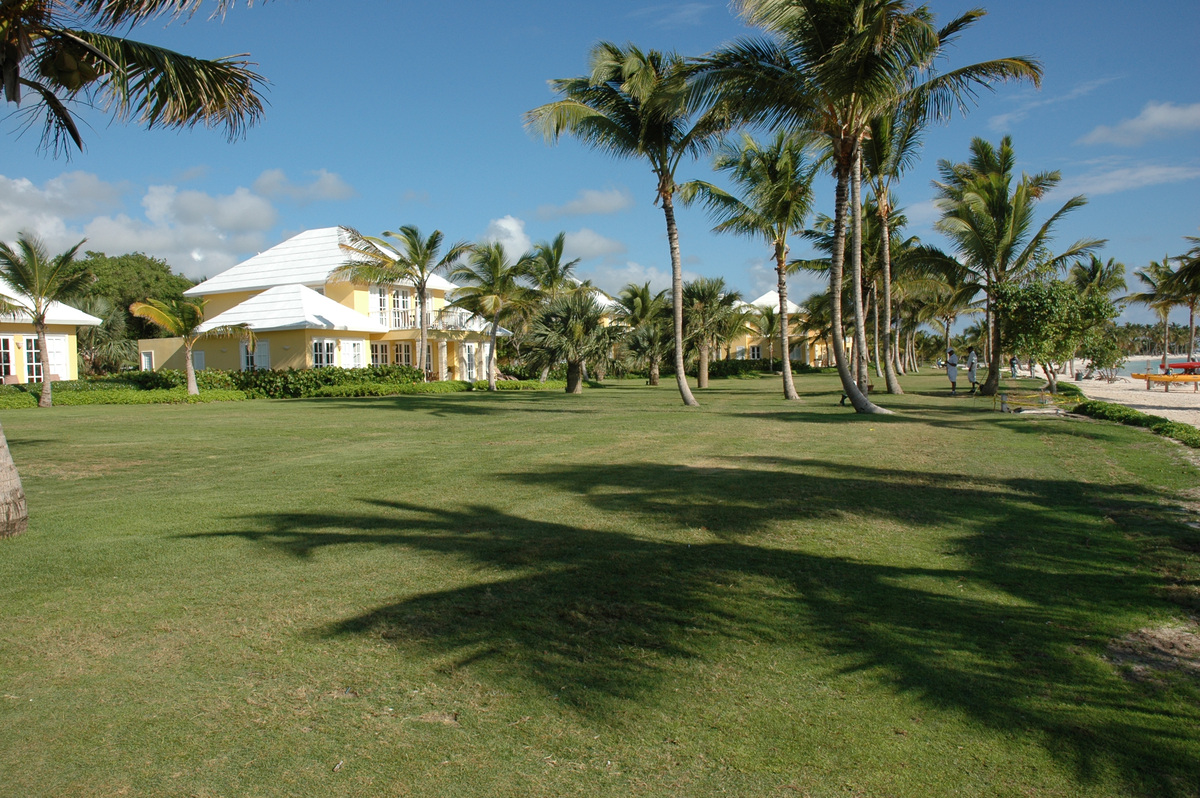
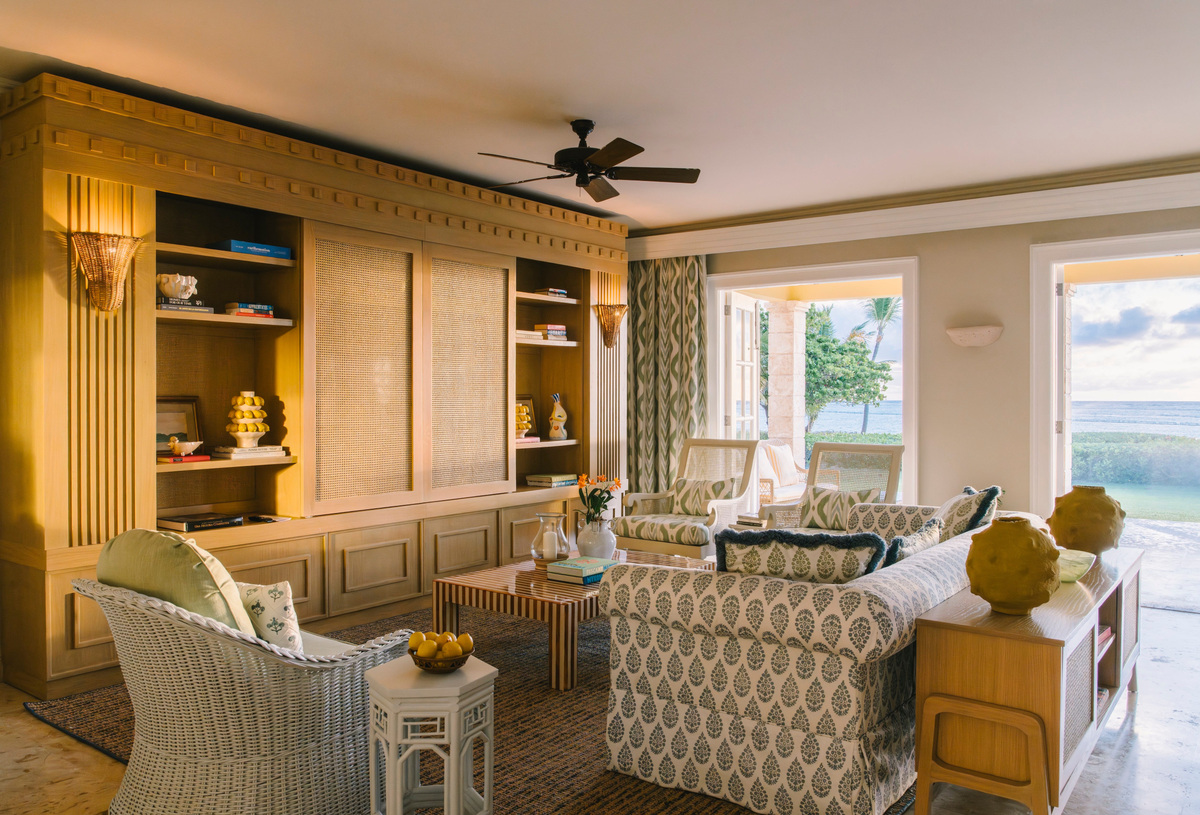
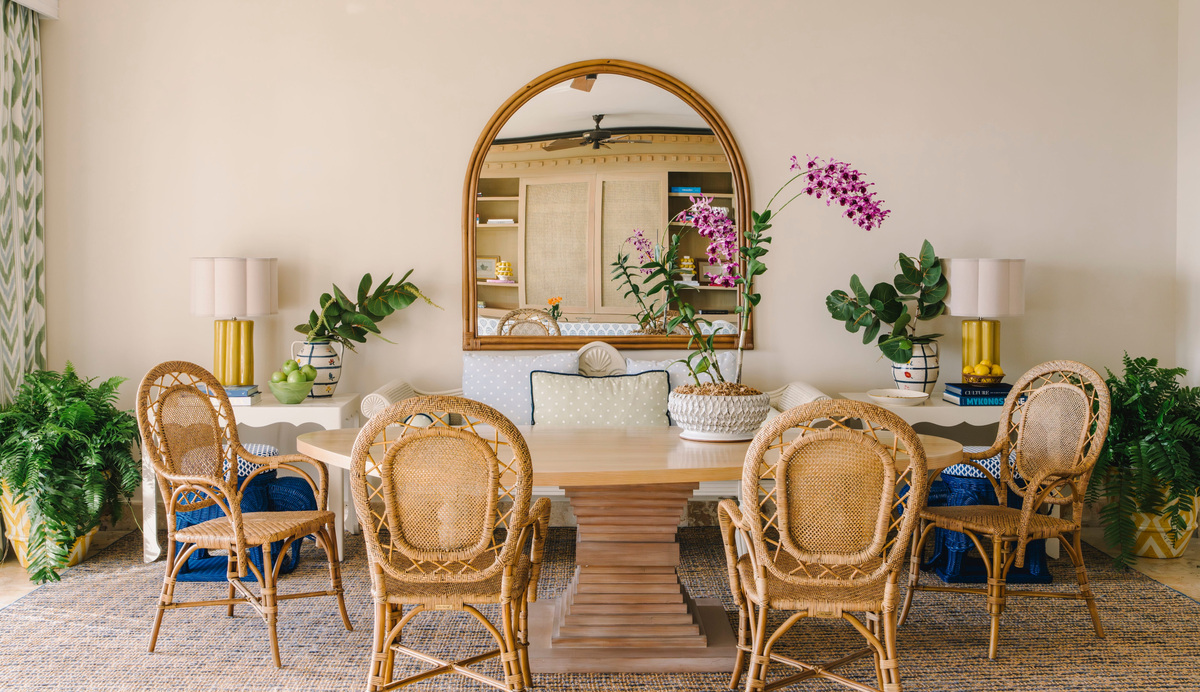
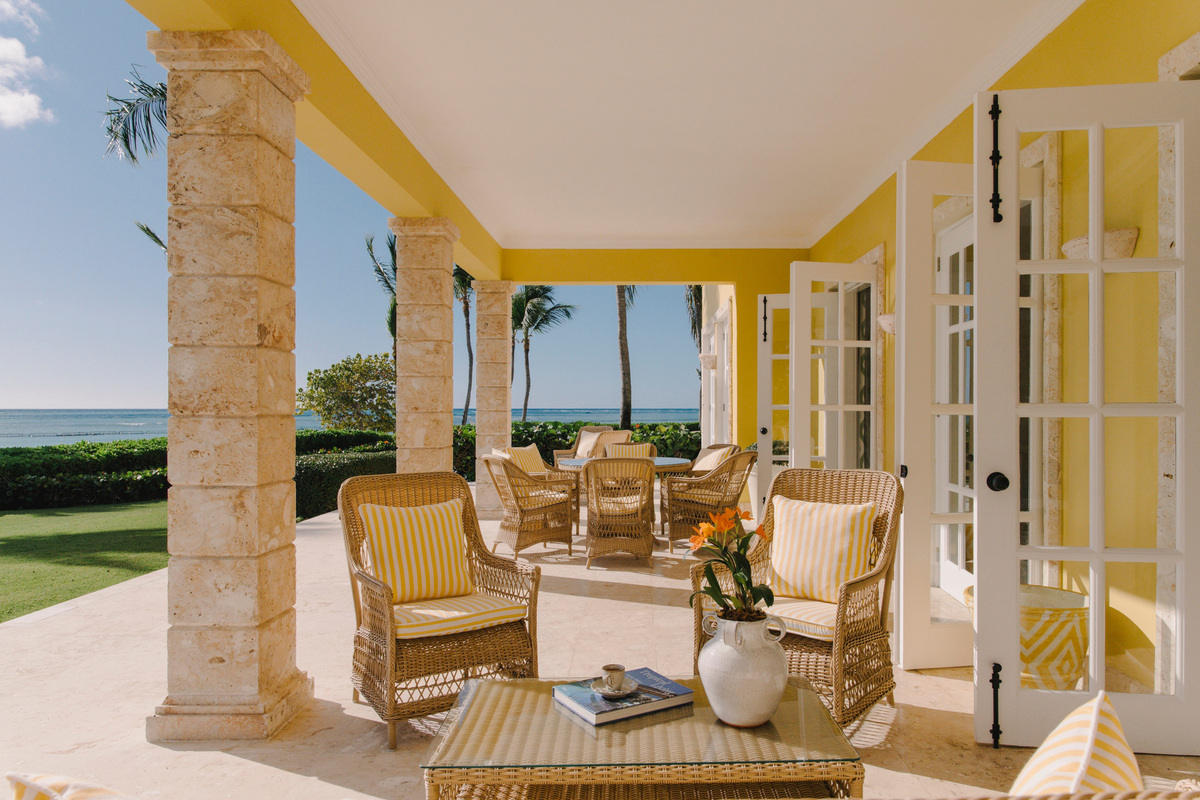
The domestic scale is what I like: terraces, gardens and room to settle in. Even the smallest category, the upstairs Junior Suite, is listed at 105 m². The two-bedroom suites have direct access towards the beach, while larger families can take three- or four-bedroom arrangements.
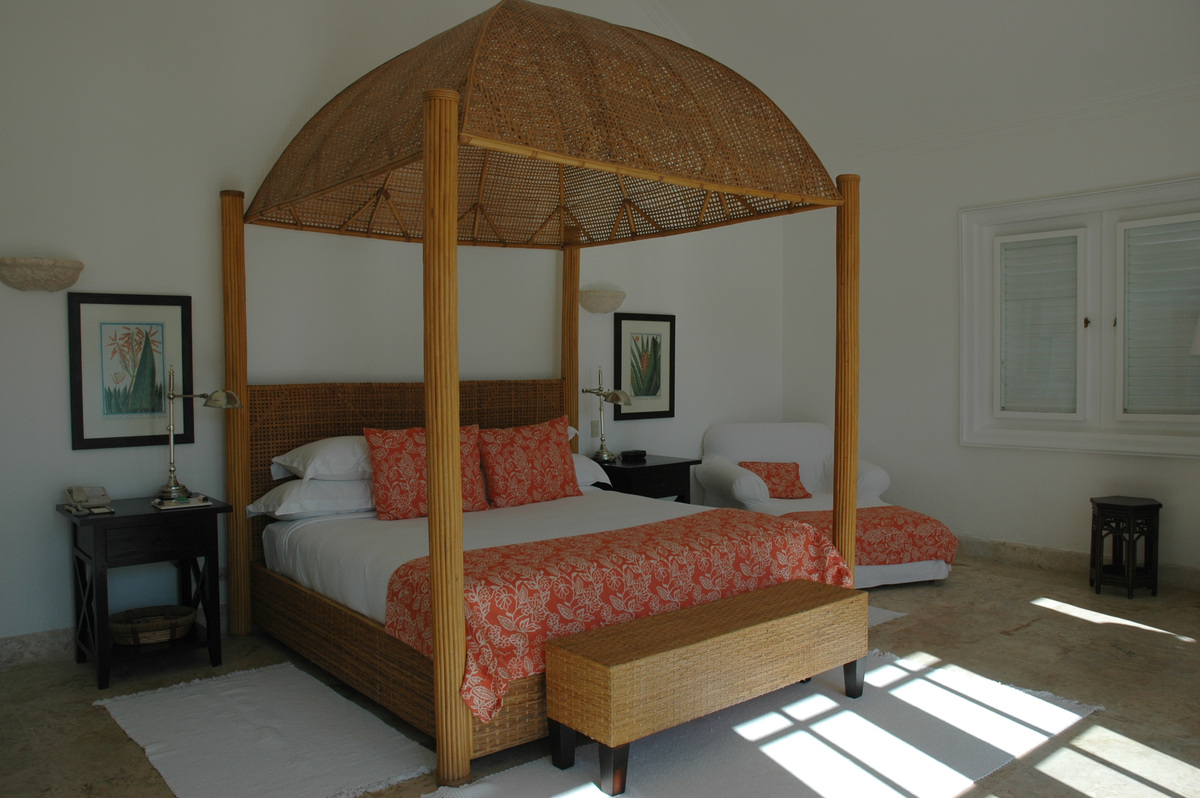
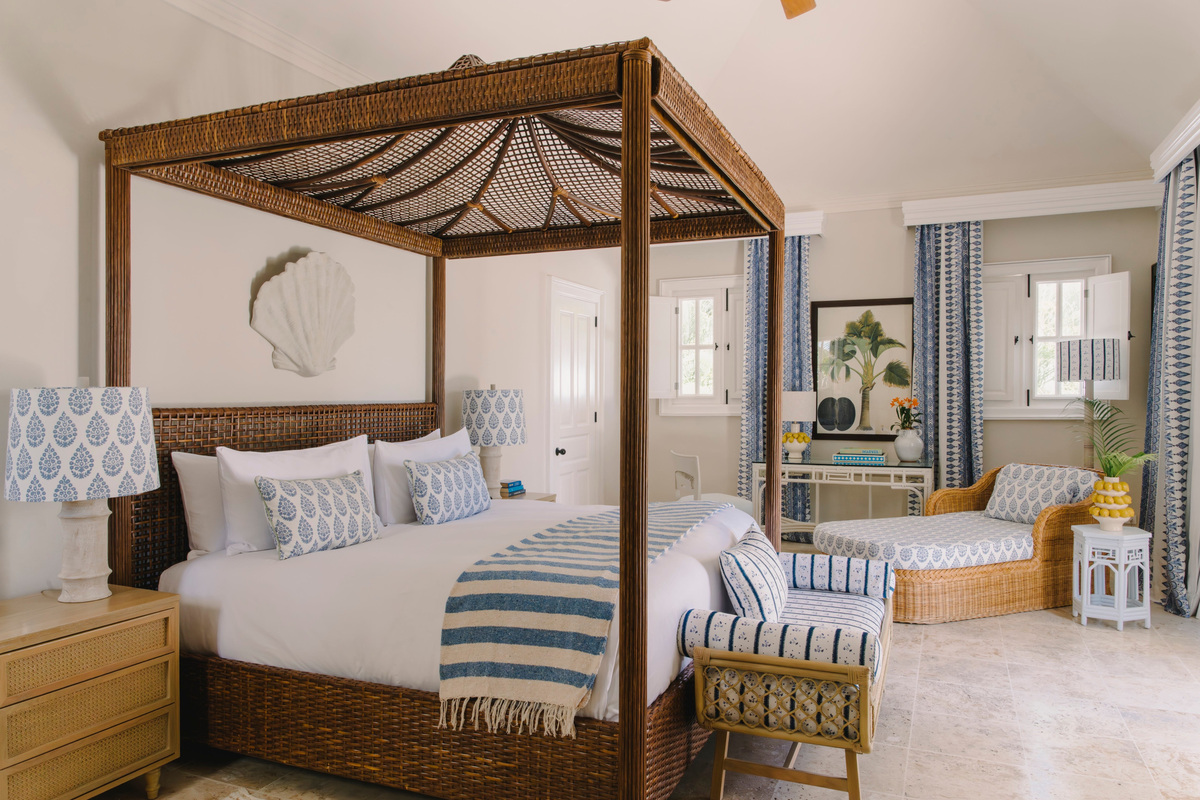
Booking a suite does not necessarily mean taking an entire villa. Look carefully at the floor plan: the third bedroom in the three-bedroom arrangement is reached by an exterior staircase. A layout that suits older children or friends may be less convenient with a small child.
Oscar de la Renta died in 2014. Markham Roberts refreshed the villas in 2017 while preserving his approach, and another refurbishment followed, reported in 2026. The furnishings have evolved, but the interiors still have the character of a comfortable Dominican house by the sea.
A small hotel, a whole estate
Guests are welcomed into the wider Puntacana Resort. Playa Blanca, the La Cana Golf & Beach Club, Corales, the spa, the marina and La Yola all belong to the geography of a stay here. So does the Ojos Indígenas reserve. The group also offers an equestrian centre, with riding and lessons that can be arranged through the hotel.
These places are spread across residential neighbourhoods and open land. Moving between them is part of the pleasure of a stay.
Tortuga Bay provides golf carts and bicycles, as well as private transport within the resort. Your Embajador, the hotel’s personal host, can advise on cart routes and arrange outings further afield. For Punta Cana Village and BlueMall, I would book a car and the return journey through the concierge.
Access and payment are separate questions. Check which golf, treatments and meals your booking includes before making arrangements.
Lunch at The Grill
The Grill, at La Cana Golf & Beach Club, has a wonderful seafront setting. I spent many lunchtimes here while living in the Dominican Republic.
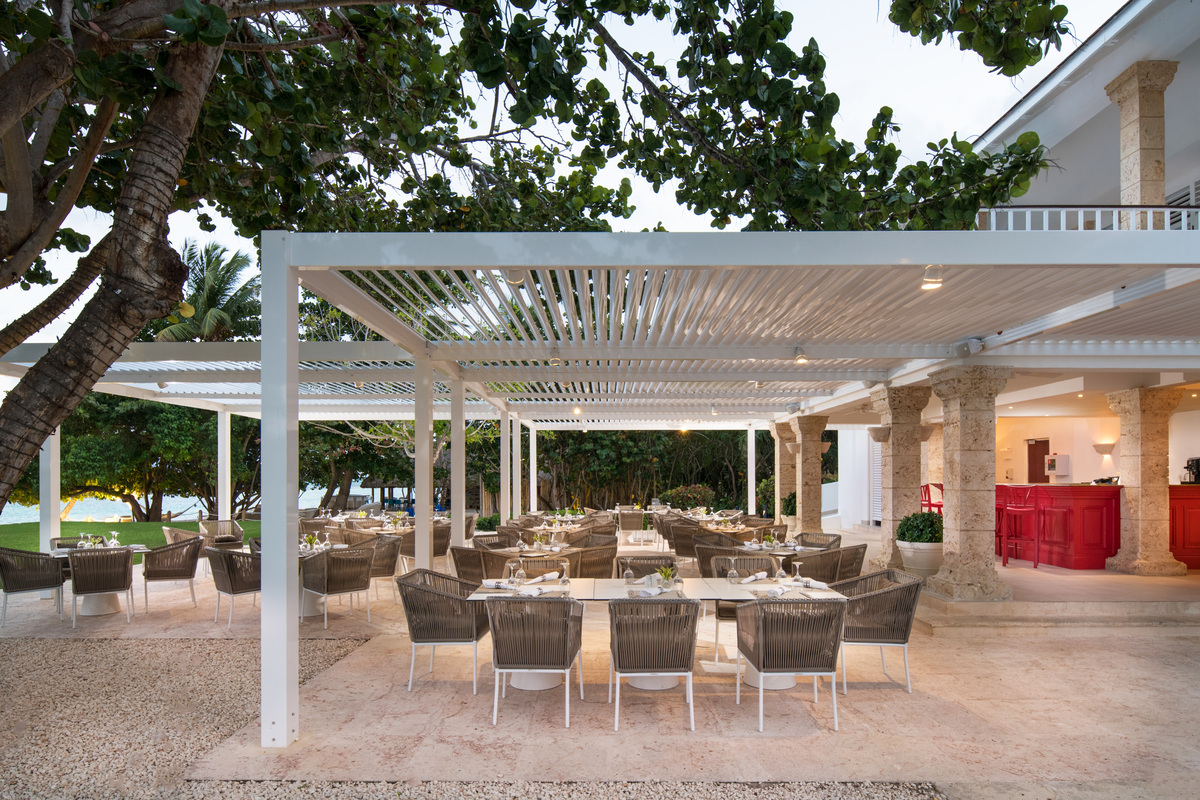
Weekends draw families who own homes on the estate, so it can be crowded and full of children. Choose a weekday for a quieter lunch. I like the weekends for people-watching: the residents enjoying their days off are part of the attraction.
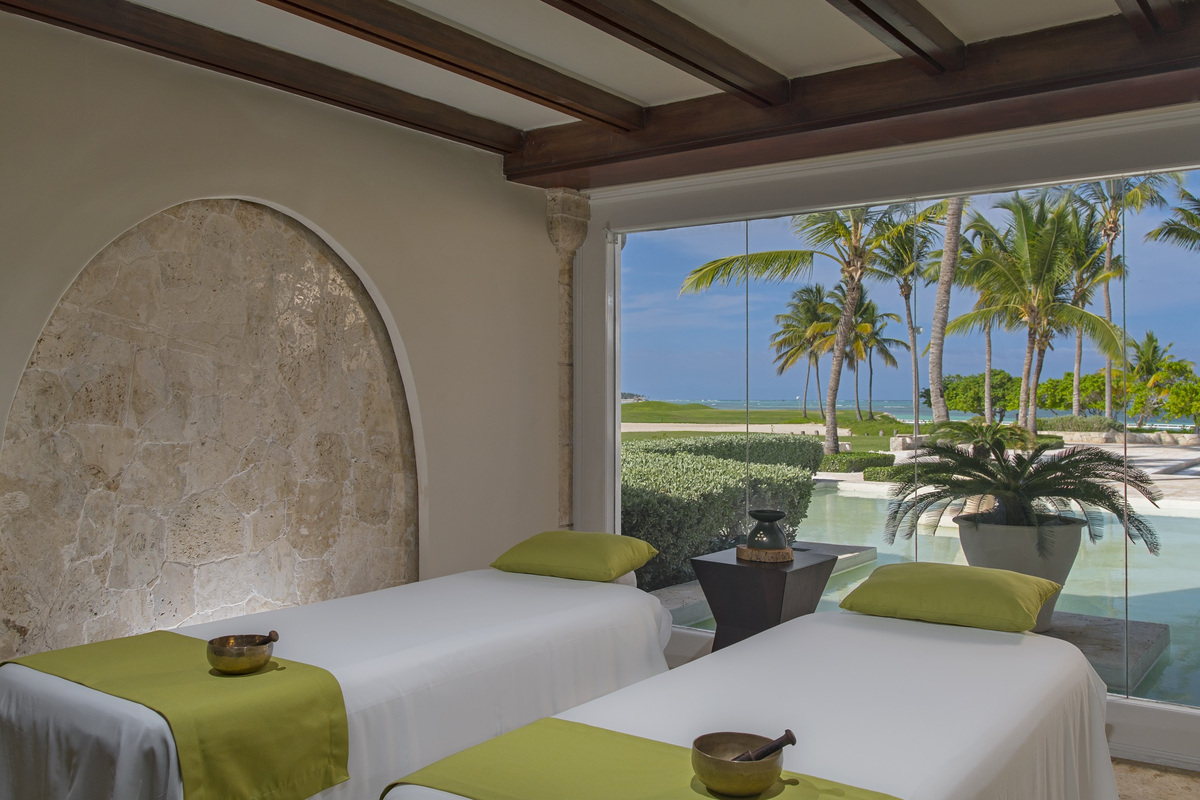
The spa’s Six Senses beginnings
The spa originally opened under the management of Six Senses, the Asian hotel and spa group.
My massage was given by a Balinese therapist. I had arrived in the Dominican Republic after working in Bali, so finding that connection here was a particular pleasure. I would place the standard of its therapists’ training among the best I have encountered in the country.
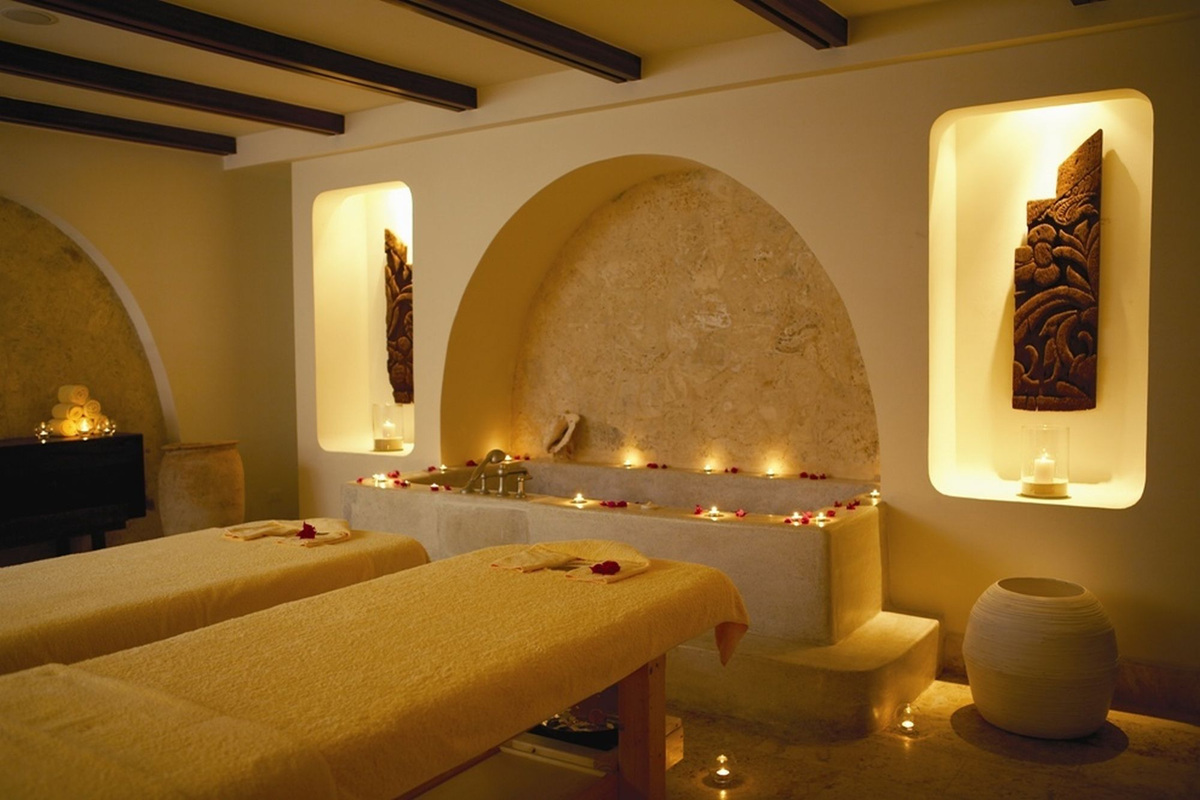
Today, the hotel presents it as The Spa at Puntacana Resort. It remains at La Cana, where a treatment can be followed by lunch at The Grill.
Ojos Indígenas
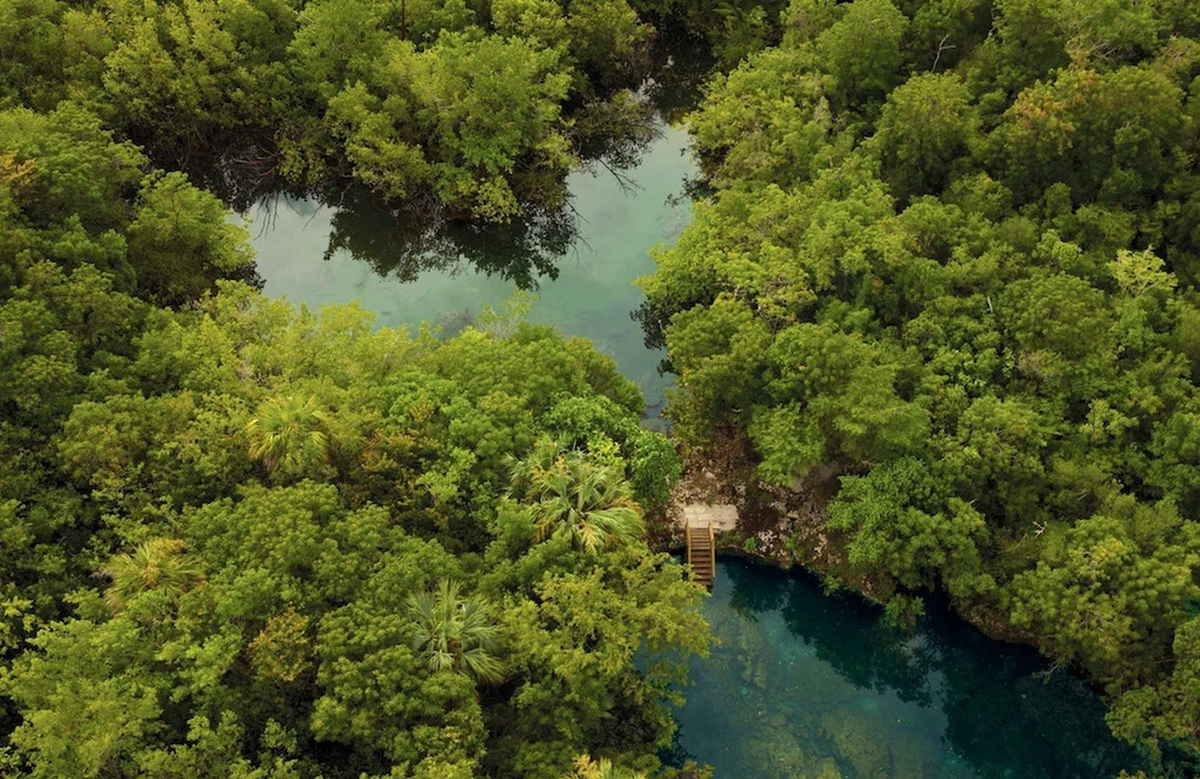
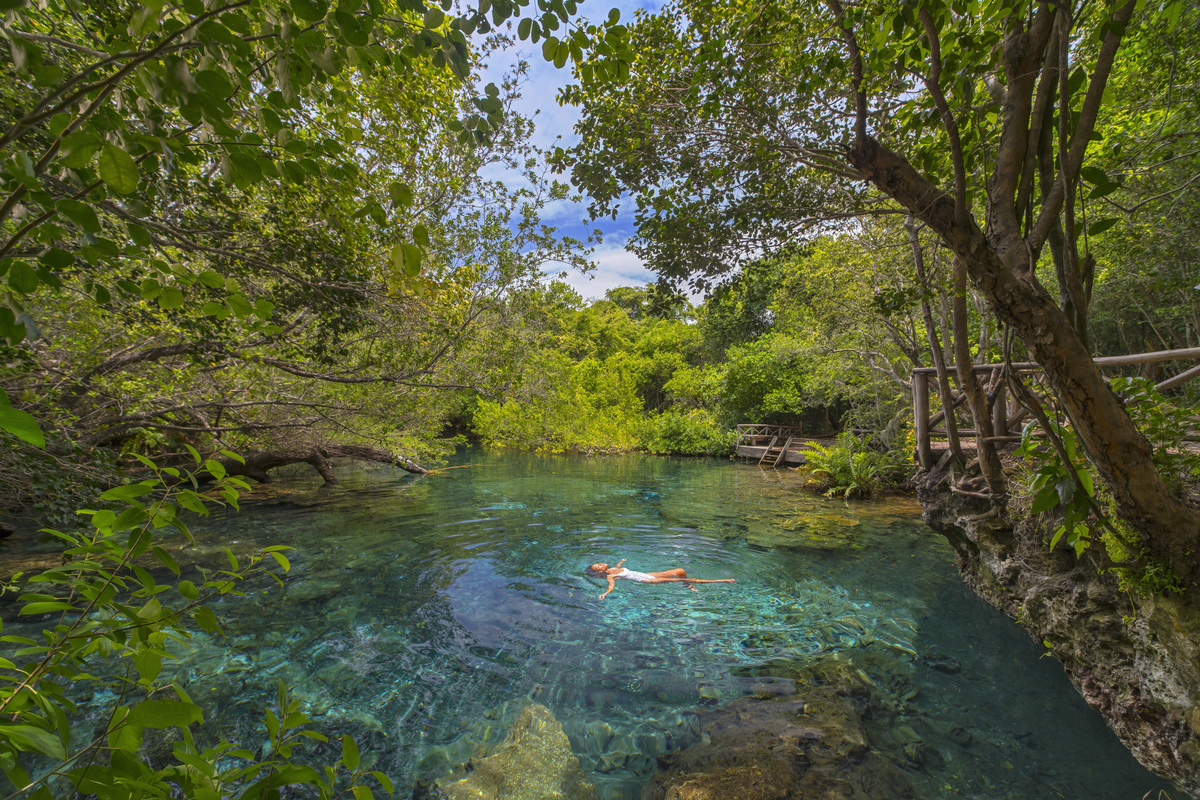
The great pleasure of Ojos Indígenas, the forest reserve near the marina end of the estate, is its cold freshwater lagoons, fed by underground springs. On a hot Dominican afternoon, that water is reason enough to go.
Many Dominicans prefer bathing in freshwater springs to the sea. The cooler water is more refreshing, and you come out without salt drying on your skin. Visitors who have travelled across the world for a Caribbean beach sometimes overlook this local pleasure.
Ojos Indígenas gives it the comfort of a private estate, with maintained access to the lagoons and carefully protected woodland. It offers the clean, quiet setting that appeals to local homeowners, away from the crowds and litter that can spoil a busy bathing spot.
The group’s foundation manages the reserve and its conservation work. The hotel can arrange your visit and explain the current swimming access, including the option of a guided Los Ojos Eco Journey.
Bamboo, and my argument for a late lunch at La Yola
Bamboo is the hotel’s own restaurant, beside the pool and close to the villas. It serves breakfast, lunch and dinner, with a Mediterranean direction and locally sourced ingredients.
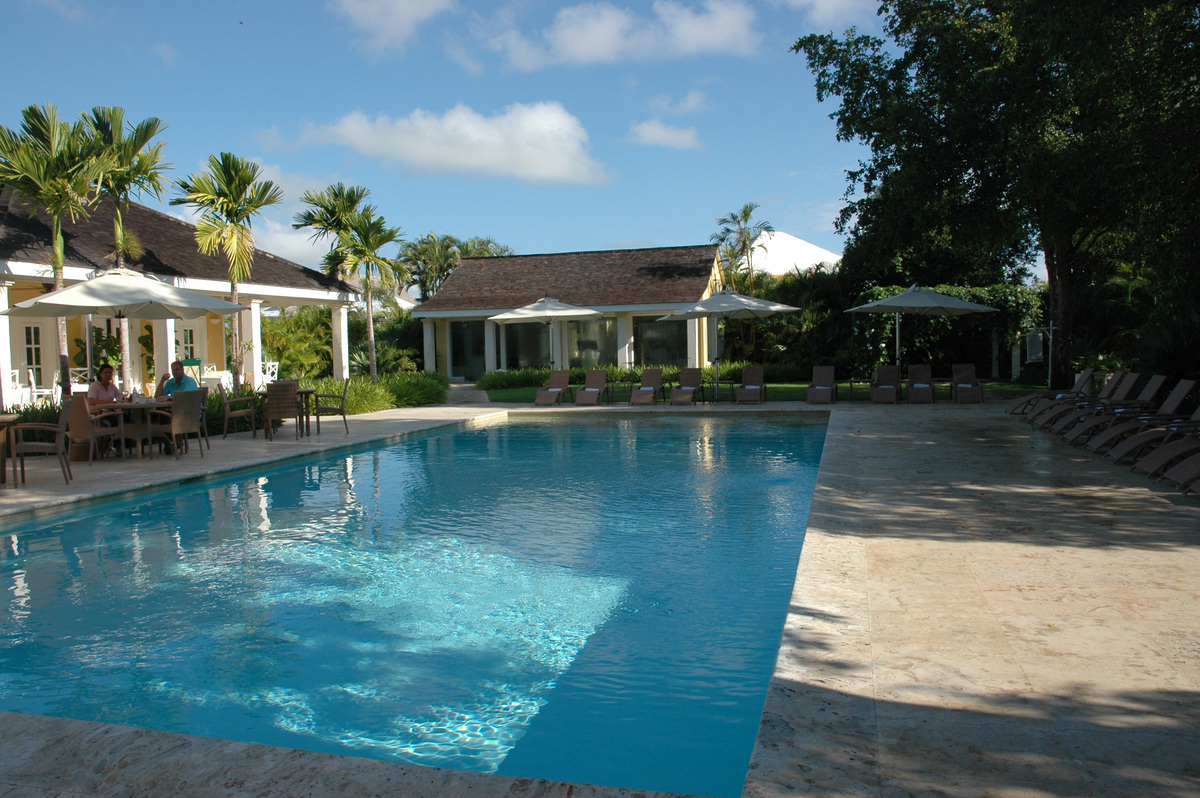
At least once, order the Dominican breakfast, listed on Bamboo’s menu as Los Tres Golpes: mangú, a smooth green-plantain purée, with fried eggs, fried cheese and Dominican salami. Ask for marinated onions and avocado alongside. Prepared with Bamboo’s care, it is delicious and substantial—the sort of breakfast that sets you up for a long day of swimming.
La Yola asks for a little more planning. It sits over the water at the Puntacana marina, on the other side of the estate.
My preference is a late lunch, with no hurry afterwards. The colour of the water is much of the attraction, and you lose it after dark.
Lunch at La Yola was always a slightly hidden option, the sort of thing that could start around two in the afternoon. Today, its published hours concentrate on dinner. Ask the Tortuga Bay concierge whether a late lunch can still be arranged before making it part of your plans.
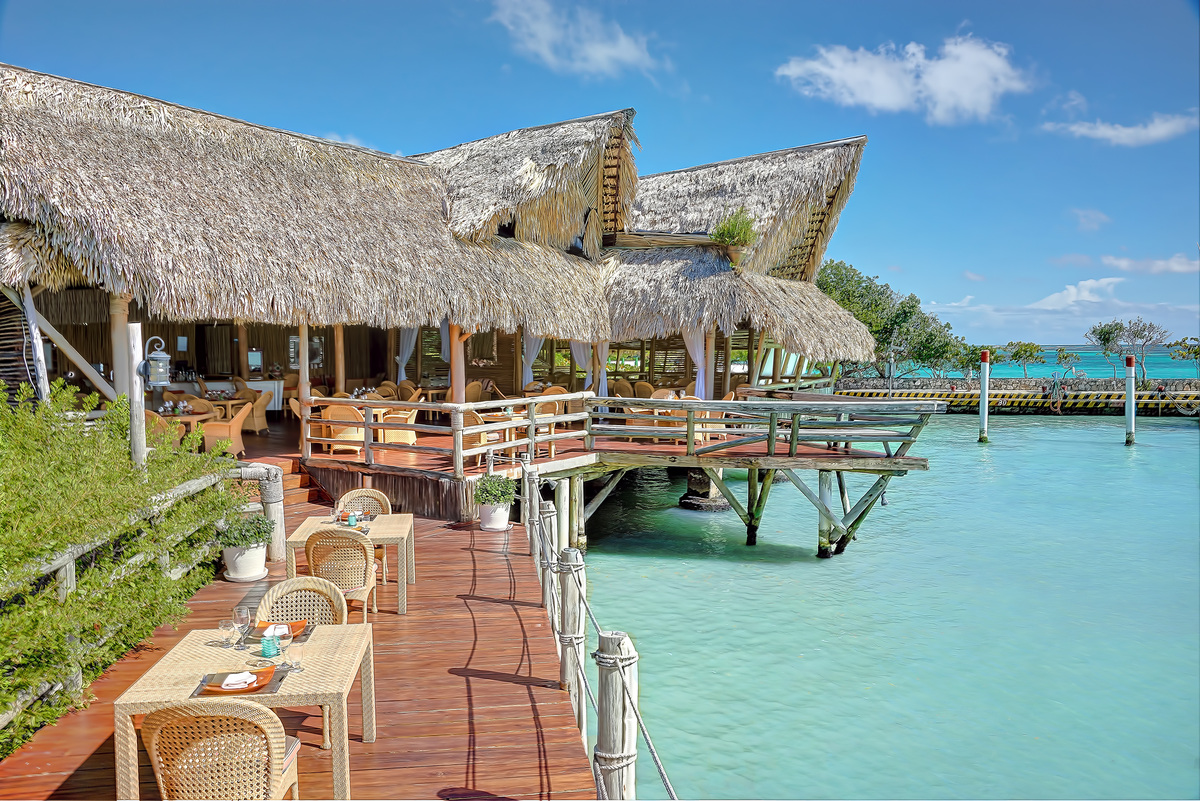
If it can, my order would be the catch of the day and a bottle of Chilean Sauvignon Blanc. Ask what has come in from the local fishing boats.
Then give it two hours. Order dessert.
If lunch is unavailable, Playa Blanca offers another inviting table beside the sea.
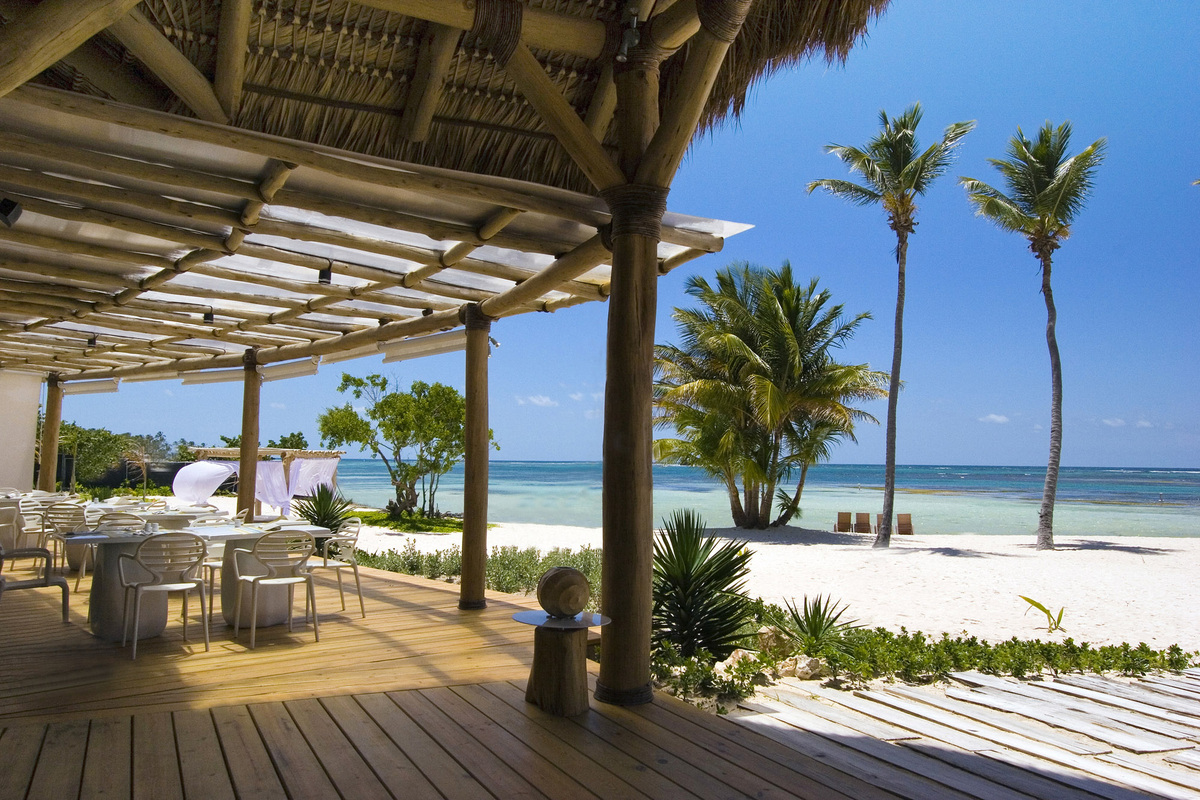
If you like beer with your beachside lunch, order a local Presidente, properly chilled—around −4 °C. Corona has its fans among younger locals, but Presidente is my choice for a Caribbean beach.
An evening among the people who live here
Punta Cana Village, developed by Grupo Puntacana near the airport, is a residential neighbourhood. Nearby BlueMall, a joint development with Grupo Velutini, has restaurants and shops that draw the local community.
Ask the concierge for a table at SBG Punta Cana in BlueMall, the restaurant I still think of as Bachata Rosa.
My order would be an Angus steak and a bottle from Argentina’s Achaval-Ferrer. Have the concierge check the current menu and cellar when booking.
The people are as much a reason to go as the food: prosperous Dominican families and friends enjoying a night out.
An evening here makes a good counterpart to the privacy of Tortuga Bay.
Golf, Corales and a matter of local pride
For golfers, especially those arriving from the United States, La Cana and Corales are a substantial part of Puntacana’s appeal.
La Cana, designed by P. B. Dye, has twenty-seven holes across the Tortuga, Arrecife and Hacienda nines. It is woven into the estate around the hotel and residential neighbourhoods. Corales, Tom Fazio’s eighteen-hole course, occupies a more exclusive enclave further away. Its coastal holes and the finish known as the Devil’s Elbow give it a formidable setting.
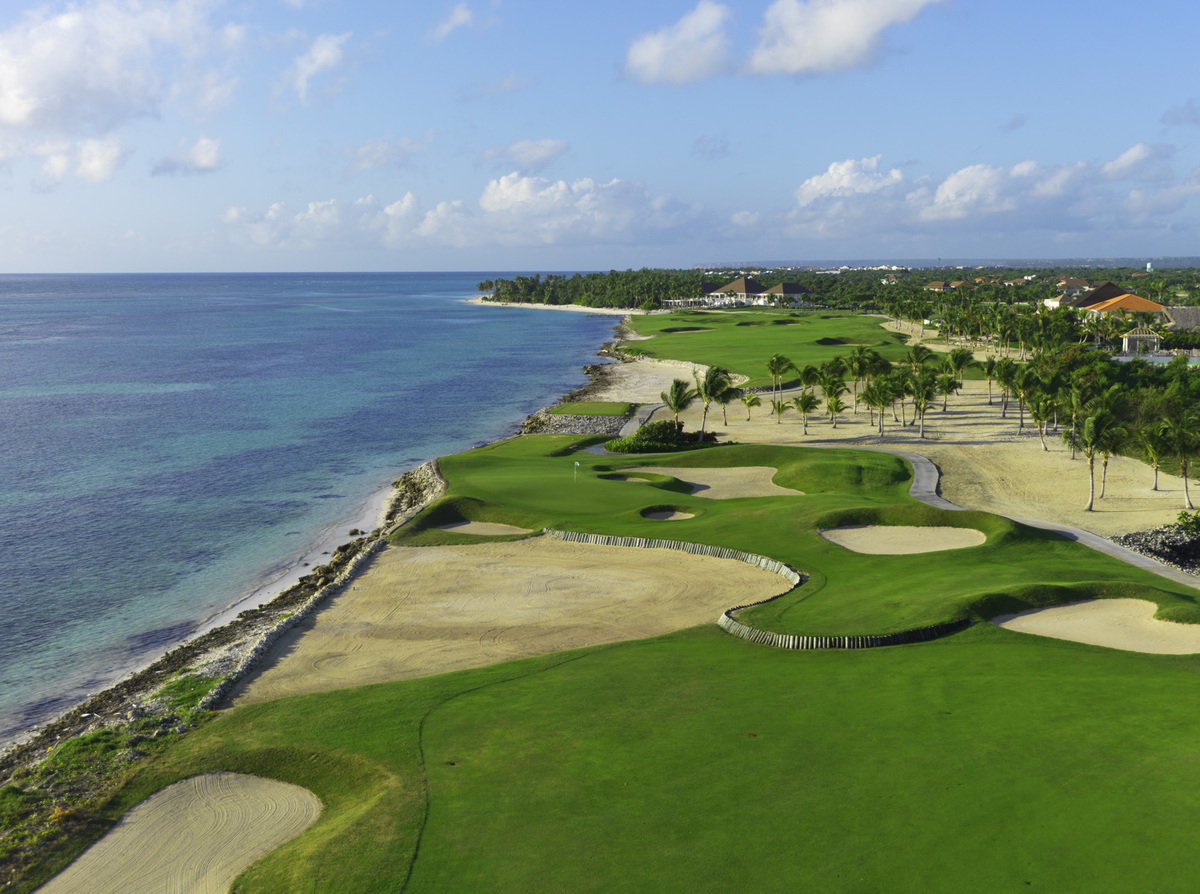
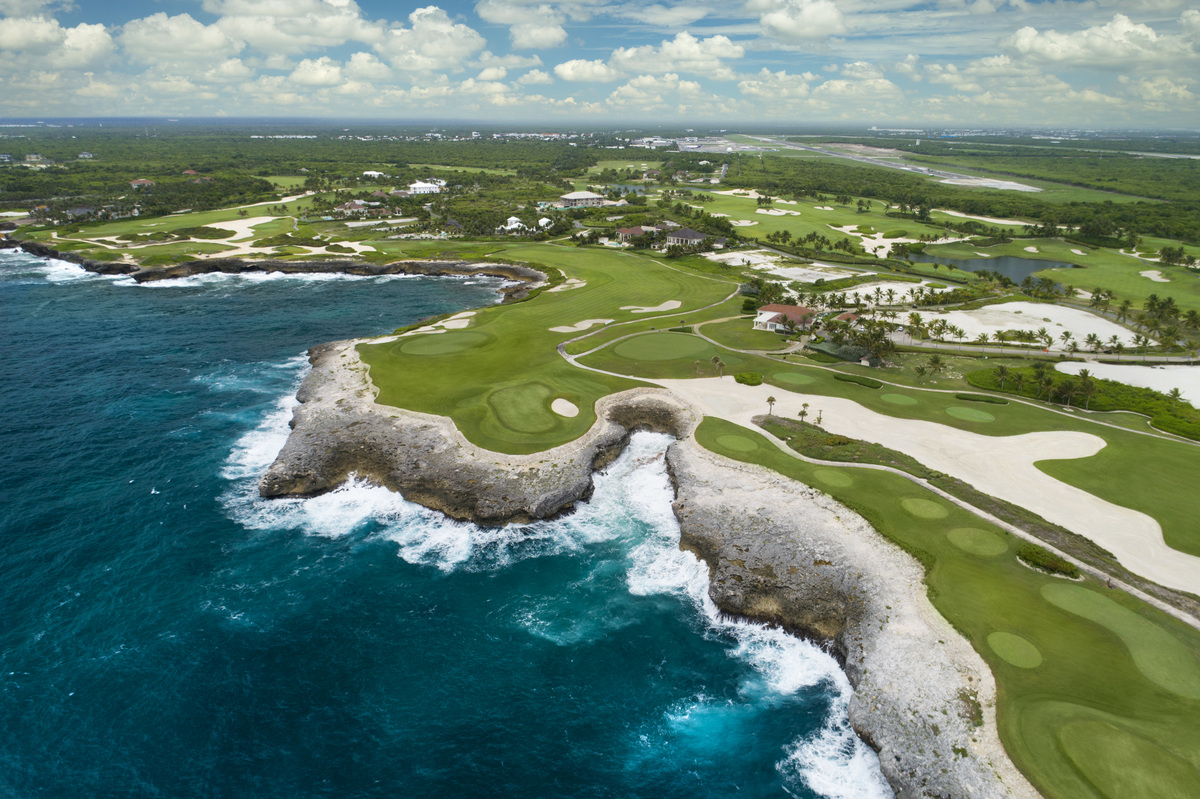
I remember when staying at Tortuga Bay did not automatically give you access to Corales. Today, the club explicitly welcomes the hotel’s guests, with tee times arranged through the resort. If playing here is an important reason for your trip, book before you arrive.
Casa de Campo, near La Romana and closer to Santo Domingo, has long been the great local rival, with its own distinguished golf heritage and Pete Dye’s Teeth of the Dog.
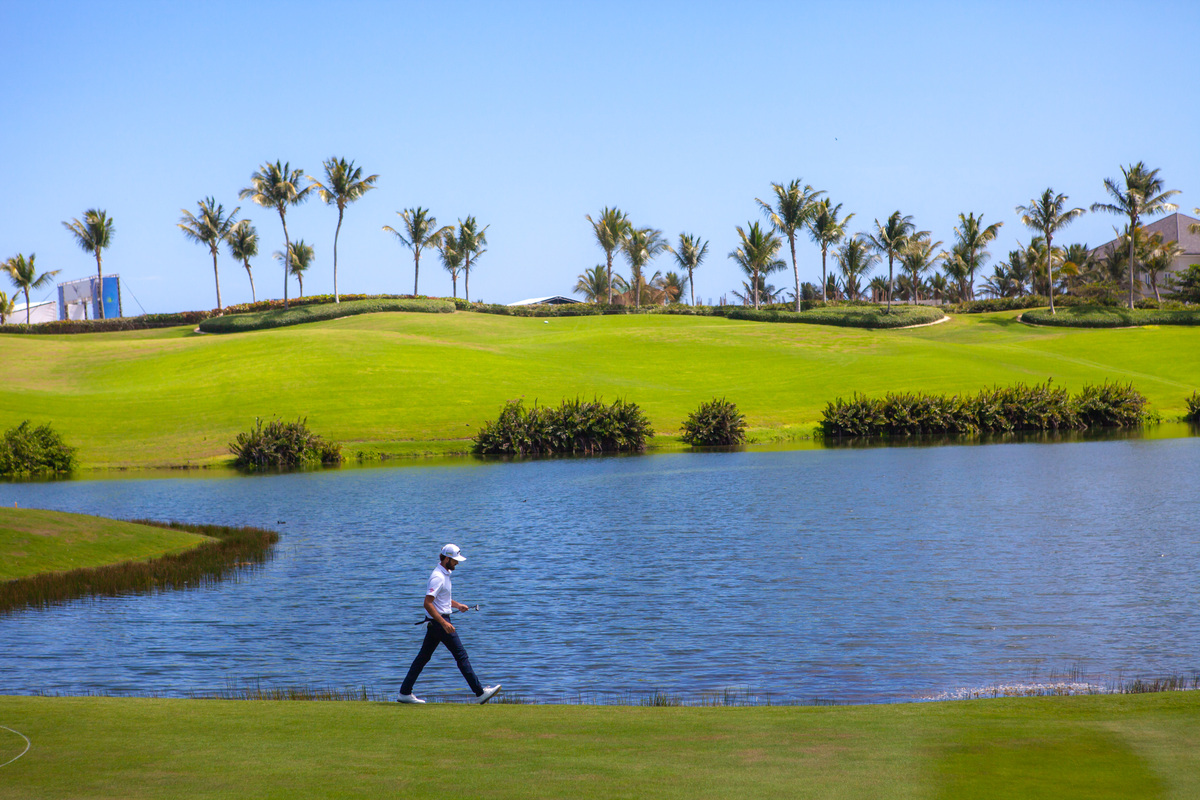
In 2018, Corales became the first course in the Dominican Republic to host a PGA TOUR event. Securing that tournament was a considerable achievement for Grupo Puntacana, and a source of local pride.
The Punta Cana I would come back for
I would come back for the space on the beach, for an afternoon allowed to run on over lunch, and for an evening out at SBG. It is a hotel I love in a country that will always be part of our family.