
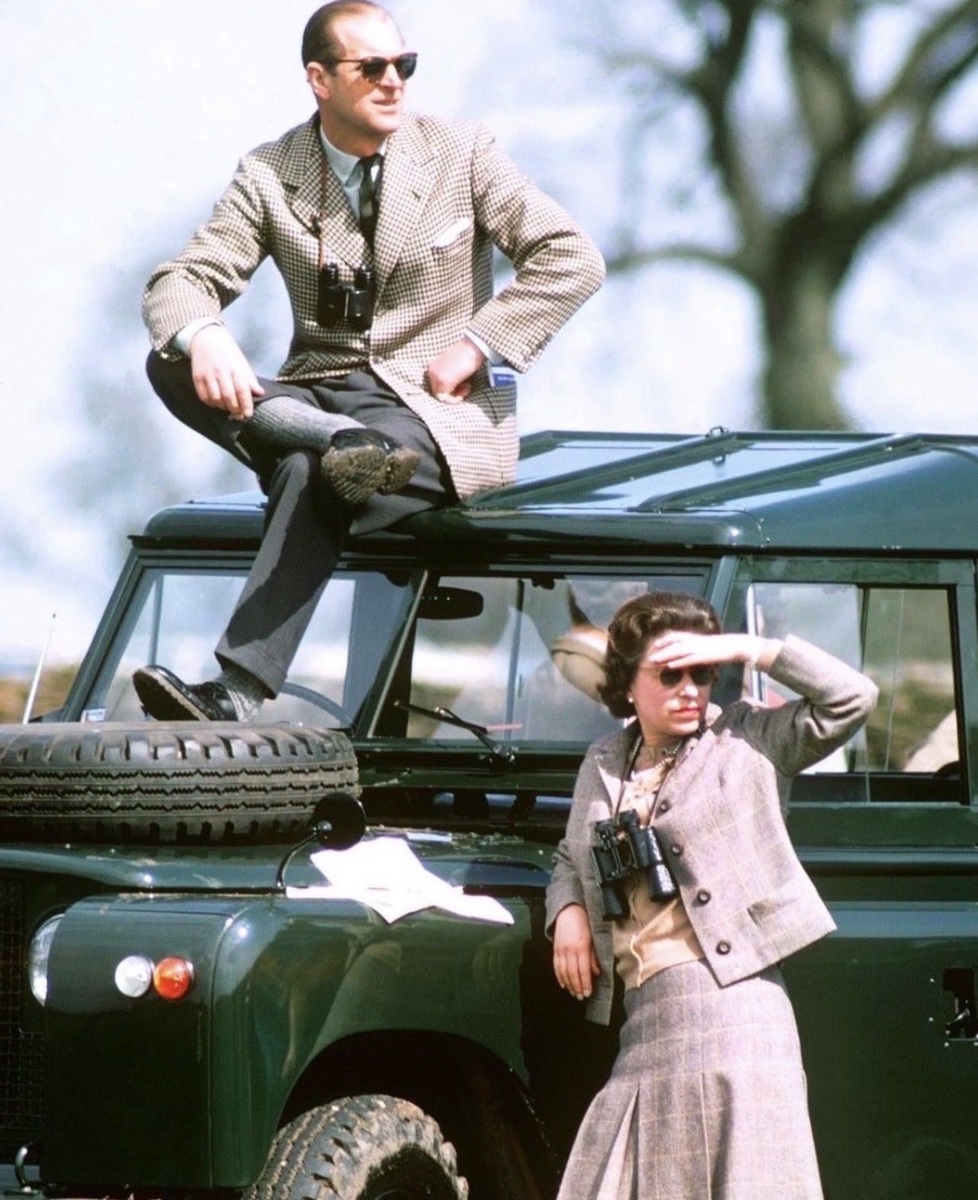
In 1965, Pan American World Airways explained baggage with the bureaucratic precision of an airline that was teaching the world how to travel by jet.
A First Class passenger was allowed 30 kilograms. An overnight bag counted. A briefcase counted. A typewriter counted. A radio counted. A hatbox counted. A heavy camera counted.
Then came the exceptions.
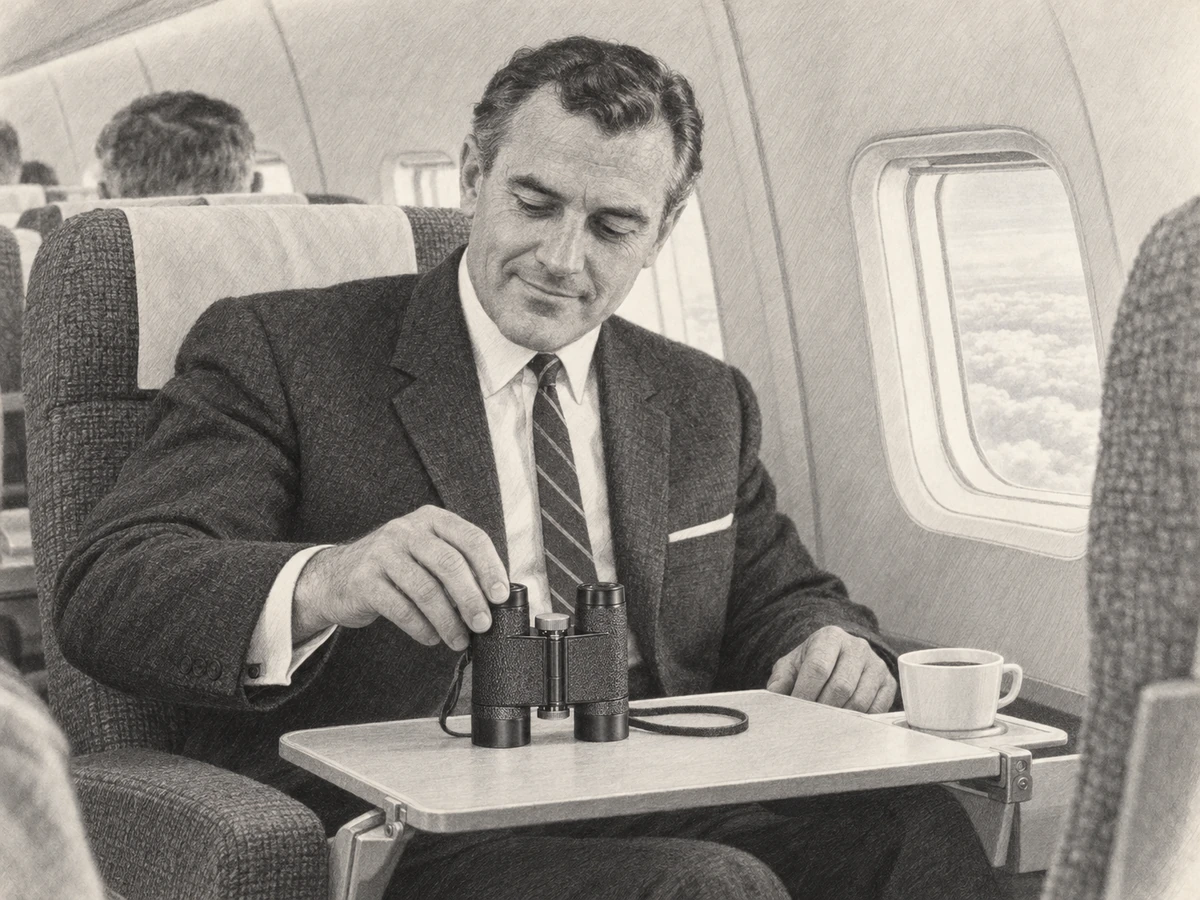
A handbag. An overcoat. An umbrella or walking stick. Reading matter for the flight. And, almost casually, “a small camera and/or a pair of binoculars.”
The distinction was between possessions that had to be weighed and those allowed to remain outside the calculation. A large camera belonged to the luggage system. A small camera and binoculars had crossed another boundary. Pan Am treated them almost as extensions of the passenger.
Its January 1958 timetable had already used much the same language, months before the airline’s first Boeing 707 passenger service. The jet did not invent the discipline of travelling light. But it brought that discipline to journeys that were becoming faster, more frequent and more ambitious. The traveller could cover greater distances while carrying the same finite allowance.
And in Wetzlar, Germany, a family of optical manufacturers was making the things with which that traveller would look at the world.
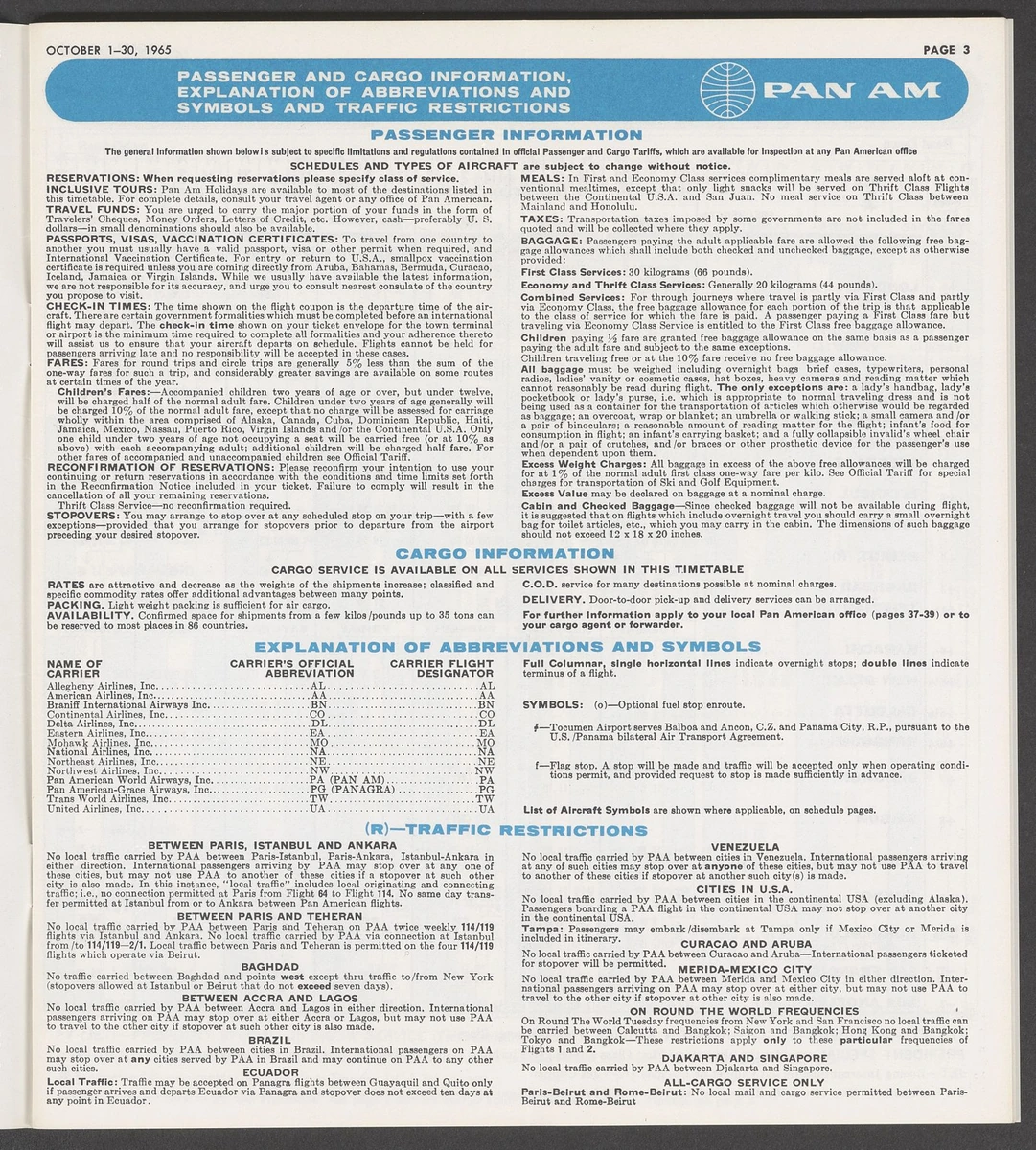
The family business of making the world portable
The name on the factory was Ernst Leitz. There had already been several of them.
Ernst Leitz I had turned a nineteenth-century optical workshop into a major microscope manufacturer. His son, Ernst Leitz II, made the decision for which the family became famous: to put Oskar Barnack’s small 35 mm camera into serial production. The Leica separated serious image-making from much of the bulk that had accompanied it. A camera capable of extraordinary work could hang from a strap and go into the street, onto a mountain, aboard a train.
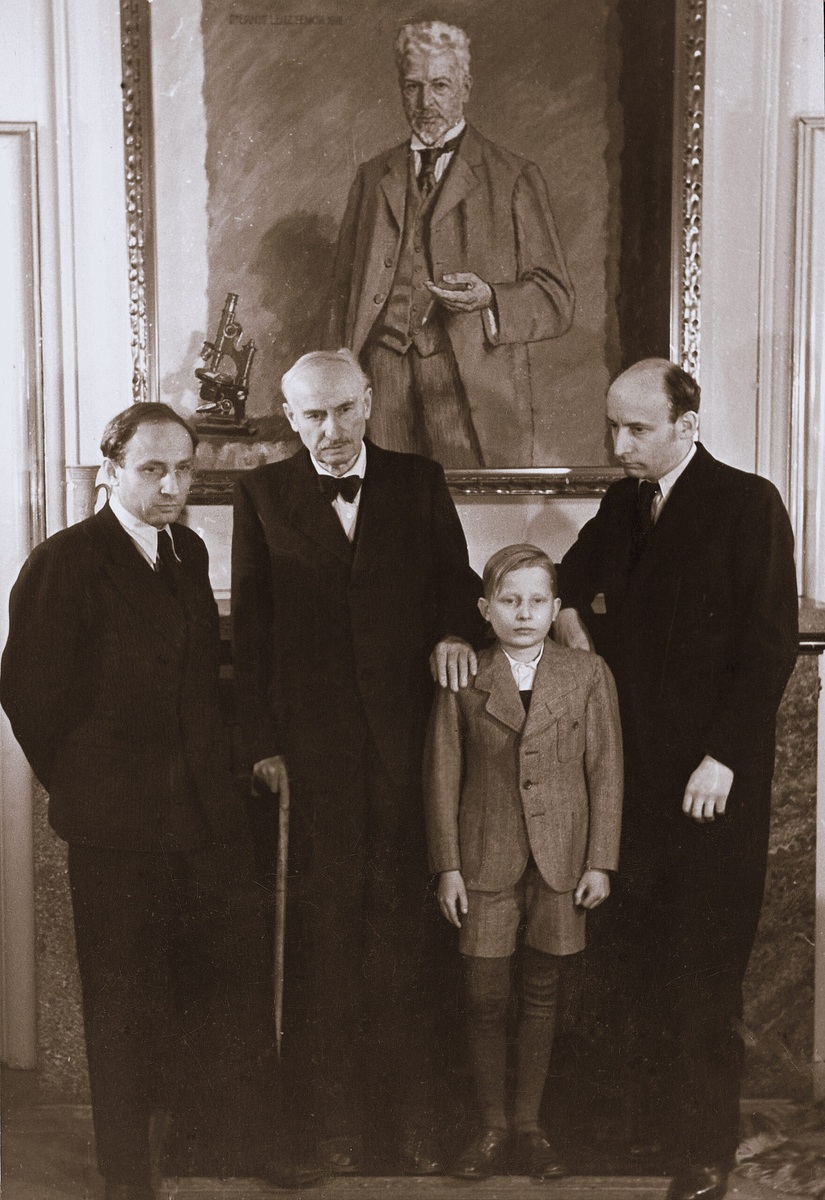
Ernst Leitz III inherited both the company and this demonstration of what portability could do. Born in Wetzlar in 1906, he trained in precision mechanics before studying physics in Berlin. In 1930, at twenty-four, he became a managing director with responsibility for technical affairs. When his father withdrew from active management in 1953, Ernst III became head of the business.
His route into management had passed through the workshop. An optical measuring instrument developed to check the tools used in Leica production attracted other manufacturers’ interest; in 1931, precision measurement became a business department of its own. Here was a useful expression of his kind of enterprise: a manufacturing problem could become a product.
He worked with his brothers Ludwig and Günther and the experienced managing director Henri Dumur. Engineers and designers did the detailed work; owner-managers with technical knowledge decided which developments the firm could afford to pursue. Glass research, new production methods and overseas factories all demanded patience as well as money.
Technical ambition did not always bring an immediate commercial return. The difficult development of aspherical camera lenses under Ernst III produced knowledge that would prove valuable much later, while the first Noctilux sold in small numbers. Precision could be an expensive conviction.
With binoculars, the challenge was to make that conviction easy to carry.
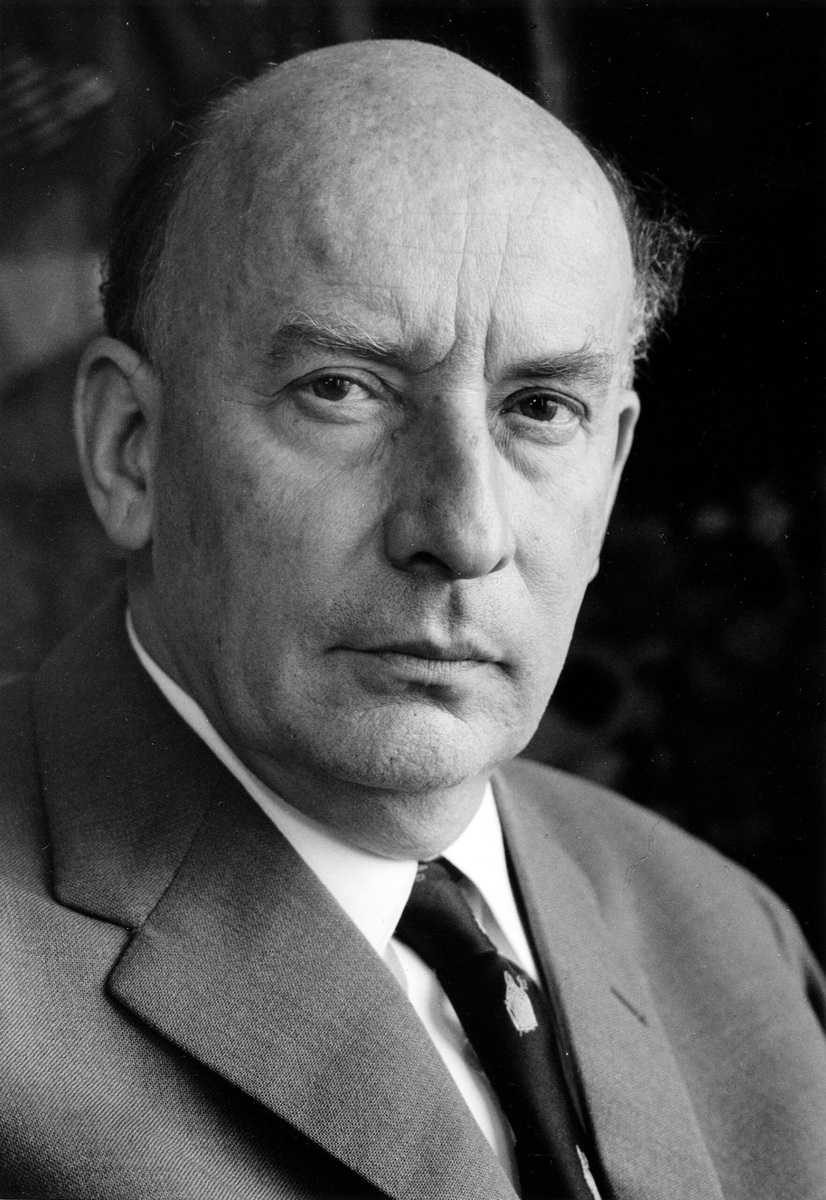
Before the binocular became something you wore
Binoculars had a formidable pedigree long before the 1960s. They belonged on ships, in observation posts, on hunting estates and around the necks of naturalists. Leitz itself had made them since 1907. These were serious instruments because the work they did was serious.
They also tended to look the part. The familiar Porro-prism field glass had offset barrels and broad shoulders. Good examples could be beautifully made, but their geometry announced equipment. You carried them because you intended to use binoculars.
A traveller constantly decides what deserves to come along. Every gram, every case and every object that requires its own ritual of packing competes for a place in the journey. The great luxury systems of railways and ocean liners had made it possible for wealthy passengers to travel with trunks because porters, baggage vans, holds and hotel staff existed to move them. Aviation made weight visible. Airlines printed it in timetables.
The new luxury was not necessarily owning less. It was owning things so well designed that they no longer felt like luggage.
Leitz had explored alternatives to the broad field-glass form before the range that made the Trinovid name familiar. Leica dates the first Trinovid production to 1958. Those early instruments should not be confused with the compact family presented in 1963: the 6×24, 8×32 and 10×40.
The figures name the magnification and the diameter of the front lenses in millimetres. What mattered to the person packing was the weight. Leitz’s contemporary brochure put the 6×24 at about 440 grams and the 8×32 at 490. For the 10×40, it offered a particularly satisfying comparison: 550 grams against 960 for the company’s older binocular of the same magnification and lens diameter. Nearly half a kilogram had disappeared.
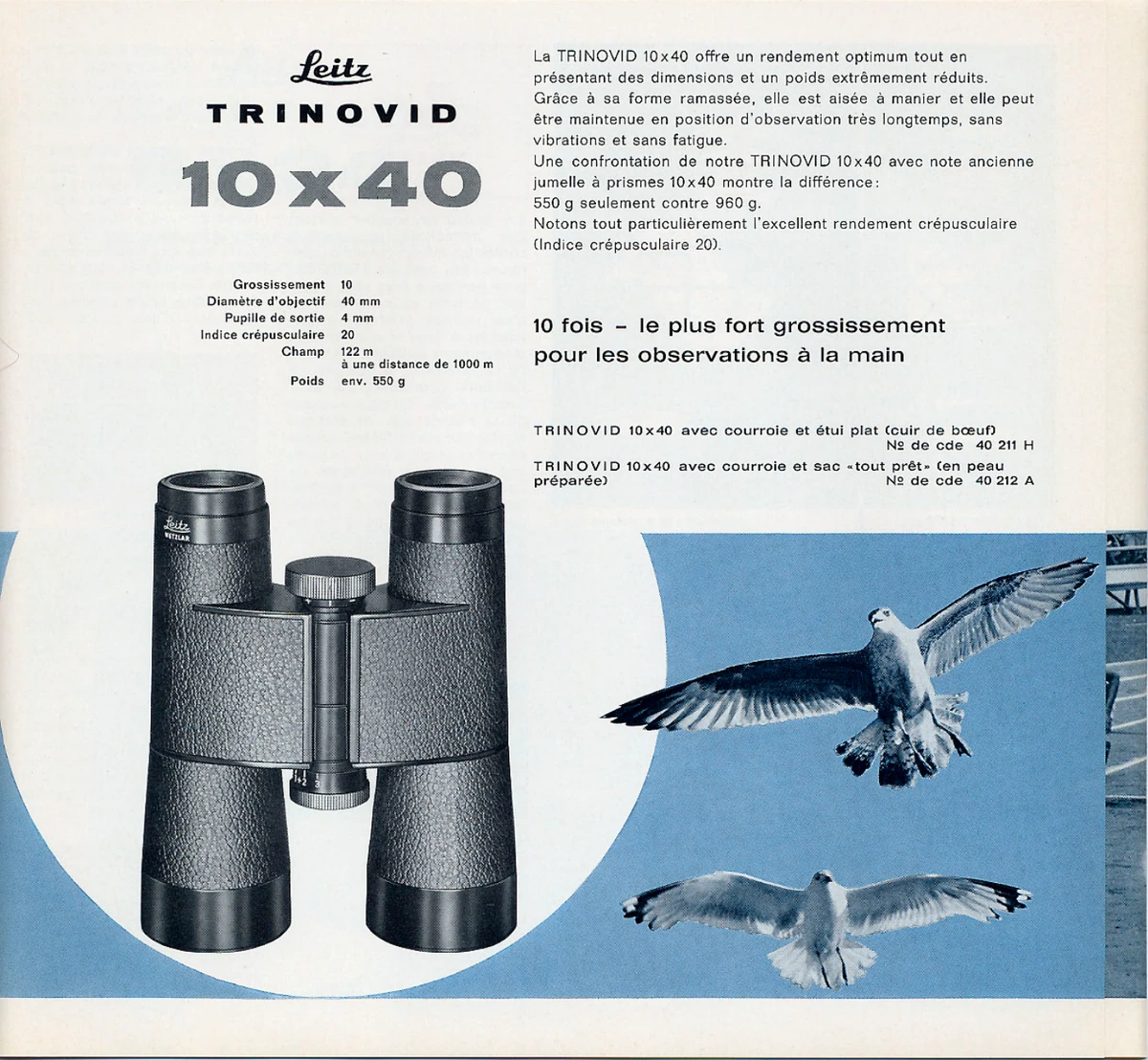
The narrow shape was part of the engineering. Internal focusing kept the adjustment mechanism within the instrument, helping protect it from water and dust. Straight barrels brought the lenses into a compact outline. The new glass belonged as readily to an excursion as to a deliberately equipped expedition.
A permanent companion
Kurt Jensen had been working on internal focusing since the mid-1950s. Helmut Becker, Walter Rinker and others continued the development. A later American patent, continuing an application filed in December 1962, names four inventors: Becker, Jensen, Ernst Leitz and Rinker. One of its explicit aims was to reduce the instrument’s overall dimensions.
Ernst’s name appears among the inventors, separately from the company to which the patent was assigned. He shared the technical credit with three engineers; as head of the business, he could also commit the firm to turning such work into a product range.
The travel proposition appears most clearly in the 1963 brochure. The little 6×24 was offered for travel and excursions, particularly mountaineering, but also for the theatre and sporting events. Leitz imagined it passing between uses. It need not spend most of its life waiting in a cupboard for the right sort of holiday.
The 8×32 carried the more revealing promise. The French copy described a binocular that could travel unnoticed in a pocket and therefore remain always accessible—a permanent companion.
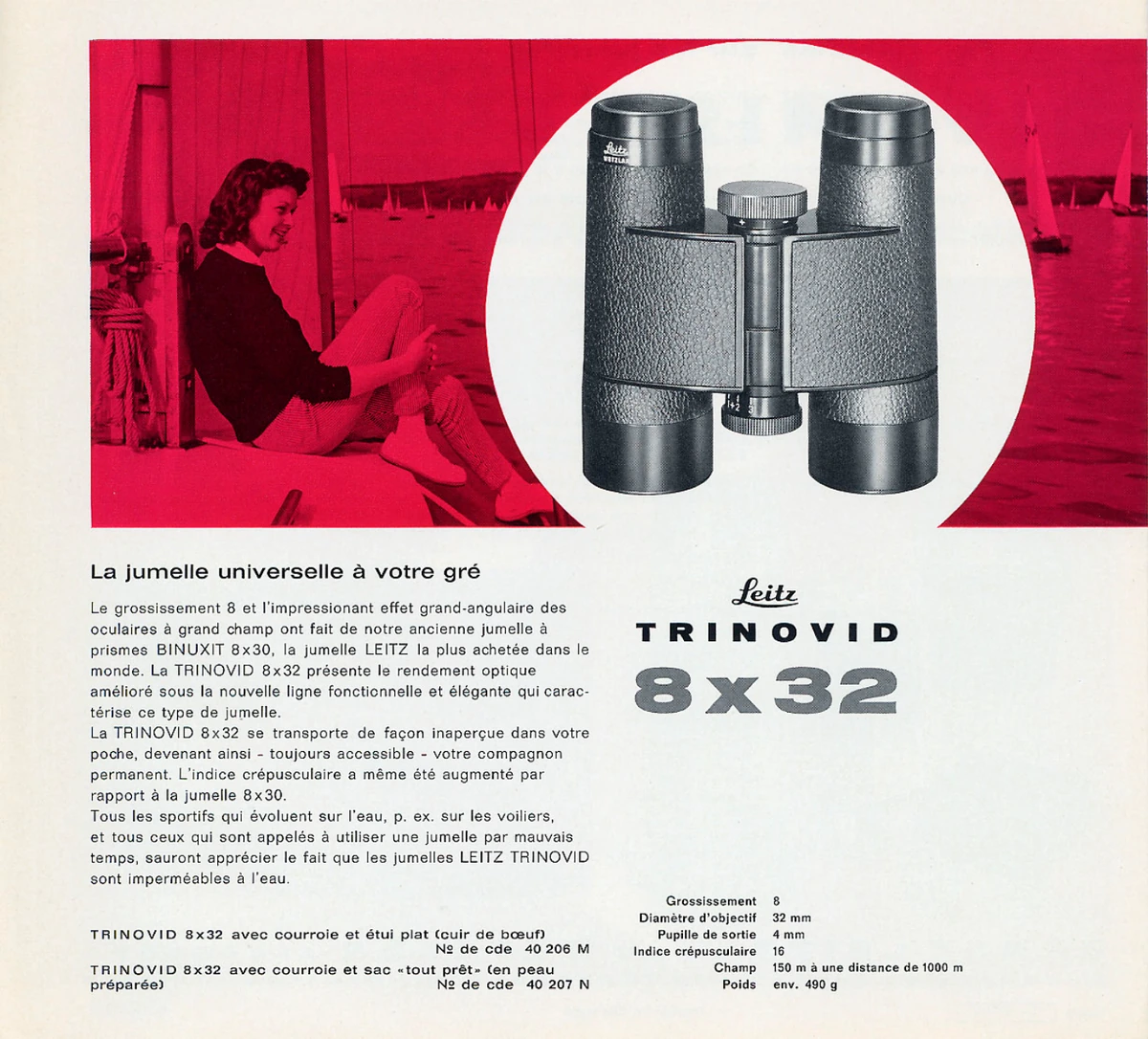
That is a proposition about human behaviour. You should not have to ask whether today’s outing justified carrying binoculars. They should already be with you.
Once the object is present, behaviour can change with it. A passenger on an excursion boat sees a coastline; with binoculars, the same passenger can search its cliffs for birds or study a distant vessel. A person at a viewpoint sees the mountain. A person who raises binoculars begins examining it.
The equipment changes the posture. It implies that something may happen beyond the obvious field of view. Landscape becomes something to search as well as admire.
Leitz was drawing on a desire much older than its new instrument. Natural history, mountaineering, hunting, exploration and their literature had made observation part of the traveller’s repertoire. Other optical manufacturers had long supplied it. The Trinovid offered a particularly elegant way for an affluent civilian to carry that possibility through an ordinary day.
The camera recorded where you had been. The binocular revealed what remained beyond unaided sight. One brought the world home; the other pulled it closer while you were still in it. The company in Wetzlar made both.
Nairobi is closer
The new binoculars arrived as international aviation was changing the scale of a holiday. Pan Am began its commercial Boeing 707 service from New York to Paris on 26 October 1958. In 1960, East African Airways received its Comet jets; its network linked London with East Africa, while smaller aircraft served regional routes.
A journey to a wildlife destination could become a chain of transfers from a long-distance airliner to a regional service, then a vehicle and a lodge. Travellers had reached such places before the jets. What was changing was the time required and the ease with which distant stages could be joined.
That itinerary compressed the world while expanding the traveller’s ambitions. Everything carried had to survive the transitions. A useful travel object needed to work in the airport, the hotel, the vehicle and the field.
The Trinovid fitted this world. There need have been no meeting between an airline executive and a Leitz engineer for their decisions to converge. One business calculated the weight a passenger could take across a continent. The other reduced the weight of an instrument that could make the destination more interesting.
The two systems met around the neck.
The promise of an explorer’s freedom was, of course, unevenly distributed. Paying visitors depended on pilots, drivers, guides and the knowledge of people for whom the destination was home. Binoculars could make the passenger look self-directed without making the journey self-sufficient. Yet they offered a real freedom within that arrangement: to notice something that had not been pointed out.
The pleasure could also lie in leaving distance intact. A bird might remain in the canopy, an animal across the plain, a mountain beyond the route. Observation did not require possession or approach. Binoculars served hunters too; the instrument itself prescribed no ethic. But for a traveller content to look, distance could become part of the pleasure rather than a deficiency to overcome.
Capability per gram
In July 1969, the compact-optics story acquired an almost implausibly apt coda. According to Leica’s history, Apollo 11 carried a weight-reduced monocular derived from the Trinovid.
The astronauts faced an extreme version of the air traveller’s calculation: everything useful has mass; everything carried must justify itself. Spacecraft make the equation absolute. Airliners merely make it annoying.
A monocular on a lunar mission and binoculars on a holiday were very different instruments of mobility. Both made the value of capable, compact equipment unusually clear. The culture that produced portable cameras, radios and carefully engineered luggage was learning to ask how much an object could do for the weight it imposed.
Leitz made that calculation attractive. The Trinovid brochure did not ask customers to endure a smaller view in exchange for an easier bag. It offered a wide field, weather resistance and less bulk. Its appeal depended on retaining the reasons to carry a serious instrument in the first place.
Luxury had often demonstrated itself through abundance—trunks, cases, attendants, rooms large enough to accommodate them. Here was another kind: an object whose precision allowed it to become unobtrusive until the instant it was needed.
This was the territory Ernst III knew. His father’s commitment to the Leica had shown that portability could create a market for precision. During the son’s leadership, Leitz pursued the same opportunity in observation, committing engineering skill and an established name to the small companion described in its brochure.
The achievement survives in a familiar gesture. Someone stops walking, raises binoculars and gives a distant detail their full attention. The journey pauses while the view grows larger.
Pan Am’s rule made a curious allowance for that possibility. The airline that helped shrink the world had left a pair of binoculars outside the weight calculation.
The binocular was no longer merely something you packed. It was part of how you travelled.