
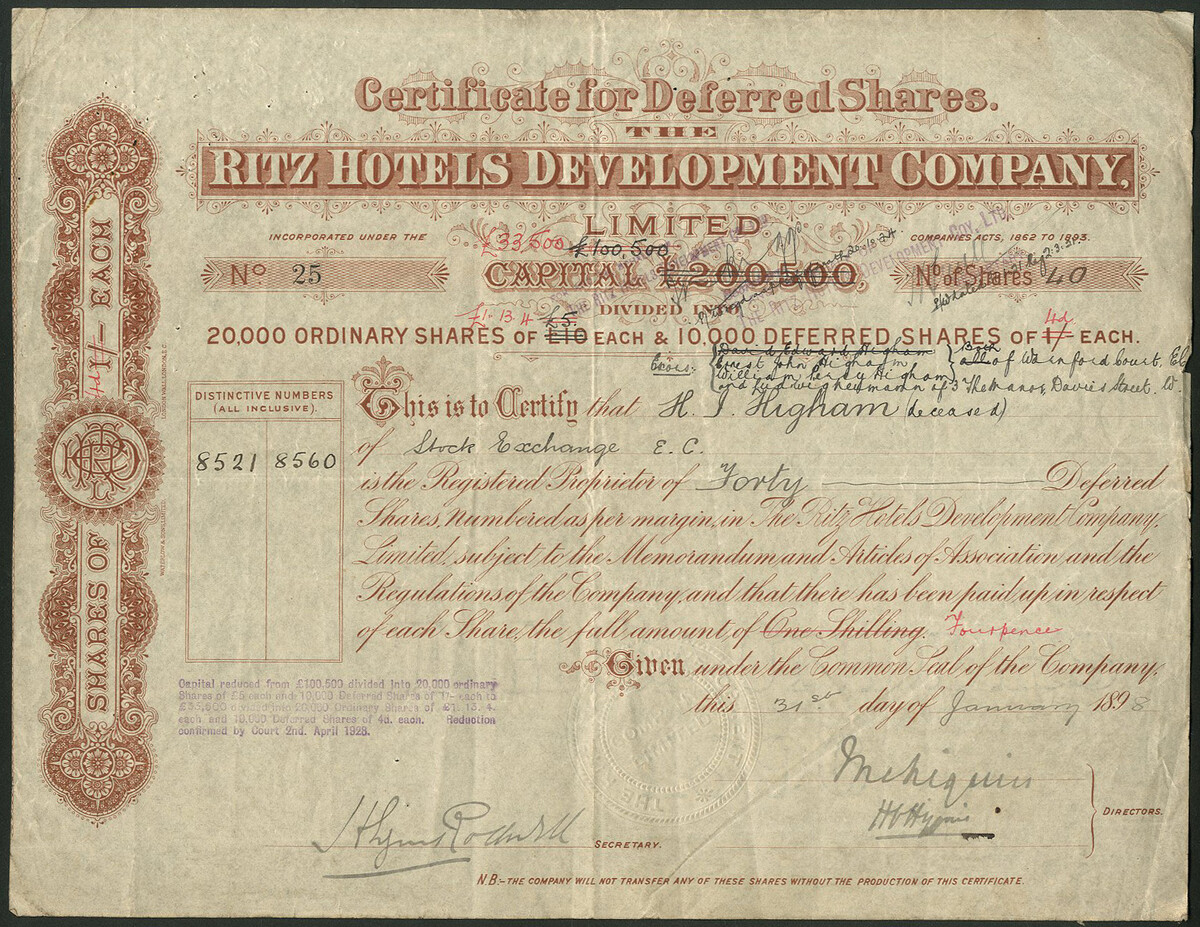
On 31 January 1898, months before César Ritz opened the hotel on Place Vendôme that would carry his name, the Ritz Hotels Development Company issued certificate No. 25 for forty deferred shares. The sheet is crowded with Victorian engraving, capital figures, seals, signatures and later corrections. Beneath the famous name sit its most consequential words: Development Company.
The Paris hotel had yet to open. Ritz was already preparing the name to leave it.
The certificate holds the whole wager. Luxury drew force from singularity: a particular building, a particular city, the temperament of the person in charge. A chain required distinction to survive repetition. Ritz joined the three words luxury hotel chain by learning what could travel and what should remain particular to the place.
A clientele in motion
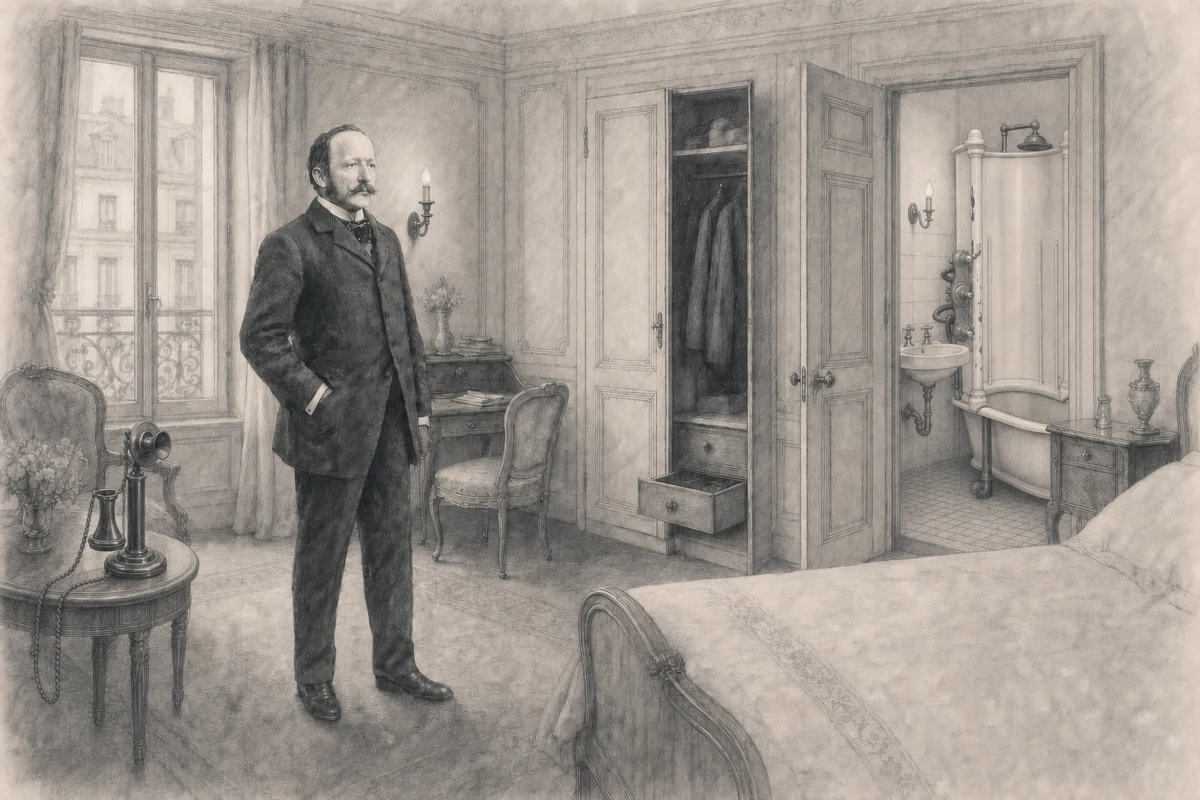
The man behind the certificate had spent his childhood tending sheep in a Swiss mountain village. At fifteen, César Ritz began a hotel apprenticeship in Brig; at seventeen he went to Paris and found work as a waiter. By twenty-four, he was directing the Kulmhotel on the Rigi. The waiter’s eye became a manager’s method.
For years Ritz followed Europe’s wealthy guests through the seasons: first between the Rigi and the Riviera, then between the Grand Hôtel National in Lucerne and the Grand Hôtel in Monte Carlo. The clientele moved with him; senior staff and the intelligence required to please those guests moved too.
Their private map of Europe joined Paris, London, the Riviera and the Alps. At each stop they expected discreet recognition, attentive space and food treated with the seriousness they accorded to opera or dress. Personal service grew from repeated acquaintance inside this narrow international circle. Names, preferences and rhythms became working knowledge.
Ritz saw that such knowledge could be organized. A trained team could carry it into another hotel, where the architecture might change while the habits of comfort remained legible.
The room as an argument
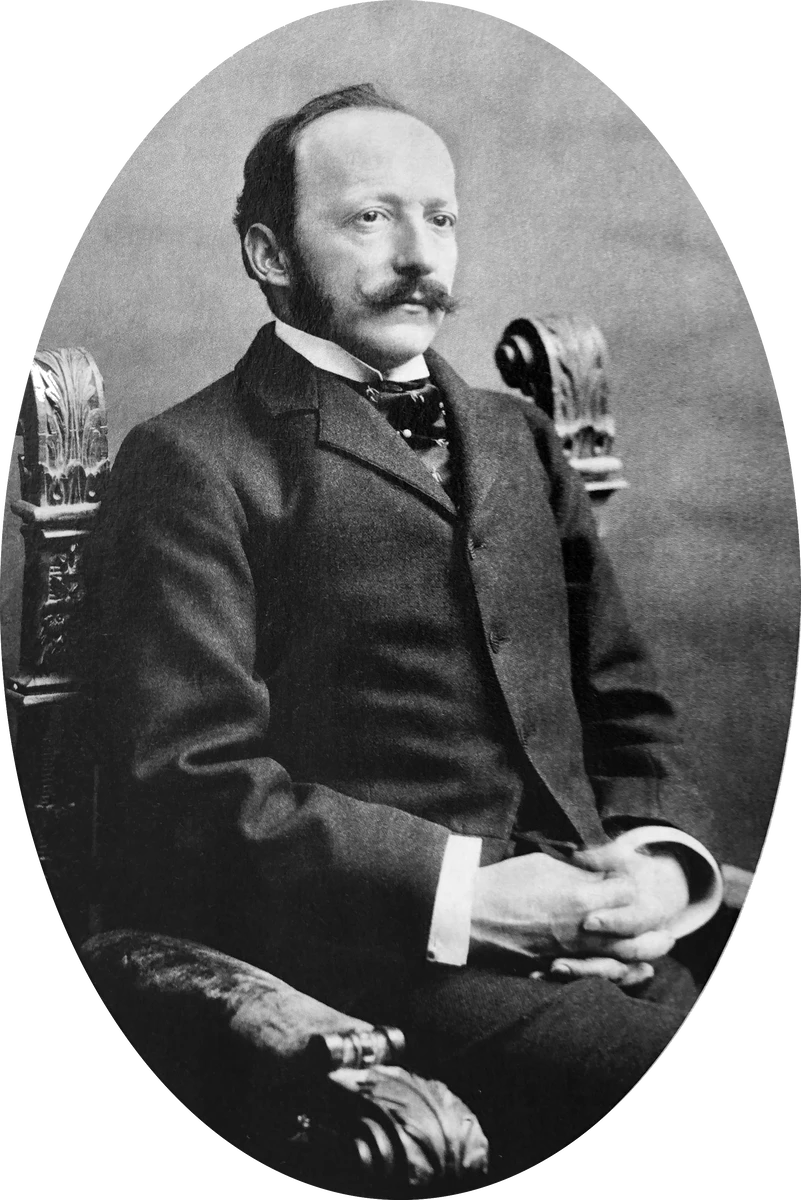
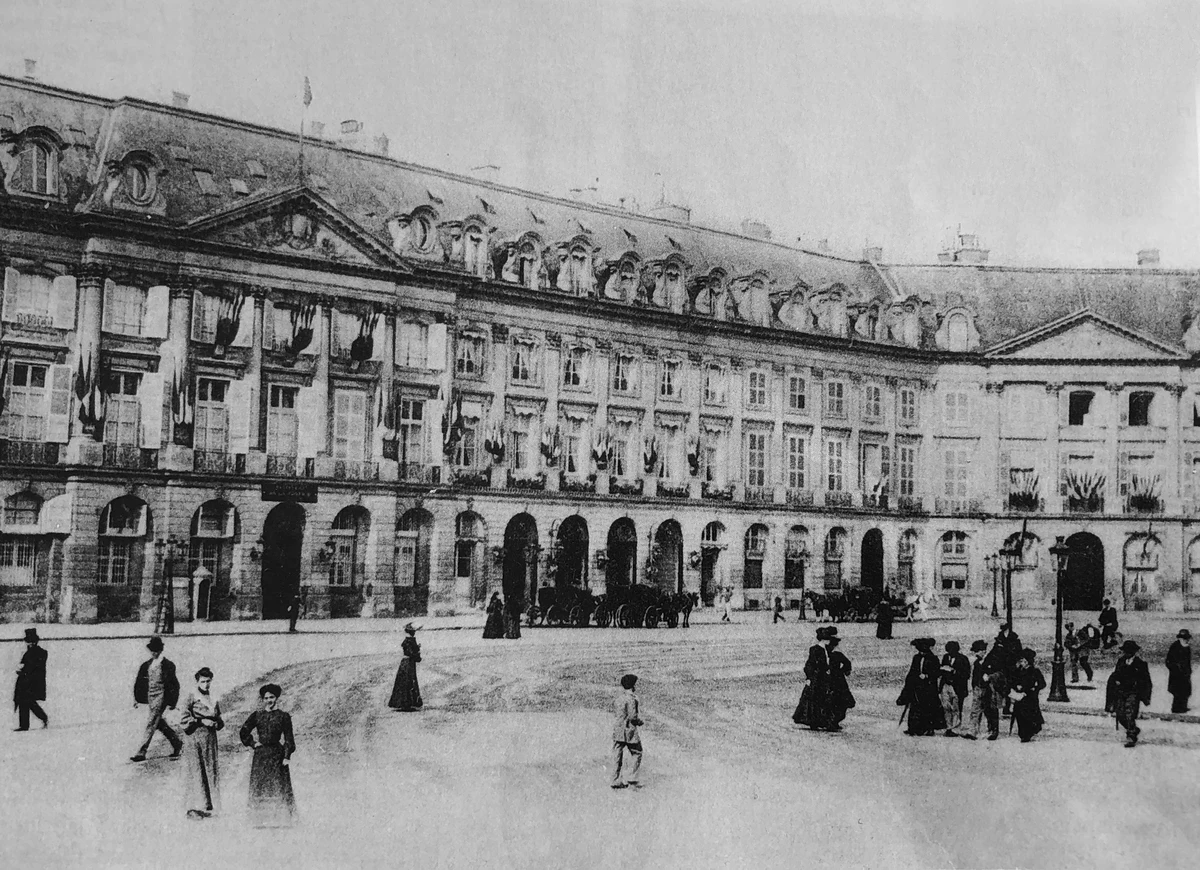
The Paris Ritz gave that knowledge a physical form when it opened in 1898. Ritz and the architect Charles Mewès adapted two eighteenth-century buildings on Place Vendôme to feel like a private house while operating with the discipline of a modern hotel.
Grand hotel bedrooms could still rely on a washstand, a portable bath and plumbing shared along the corridor. When the technologically advanced Savoy opened in 1889, sixty-seven fully plumbed bathrooms served two hundred bedrooms. The Hotel Victoria, the London luxury hotel opened immediately before it, had four bathrooms for the same number of rooms.
At Place Vendôme, every guest room had its own bathroom and telephone, and electric light reached every floor. Amenities previously scattered among exceptional rooms became the standard throughout the house.
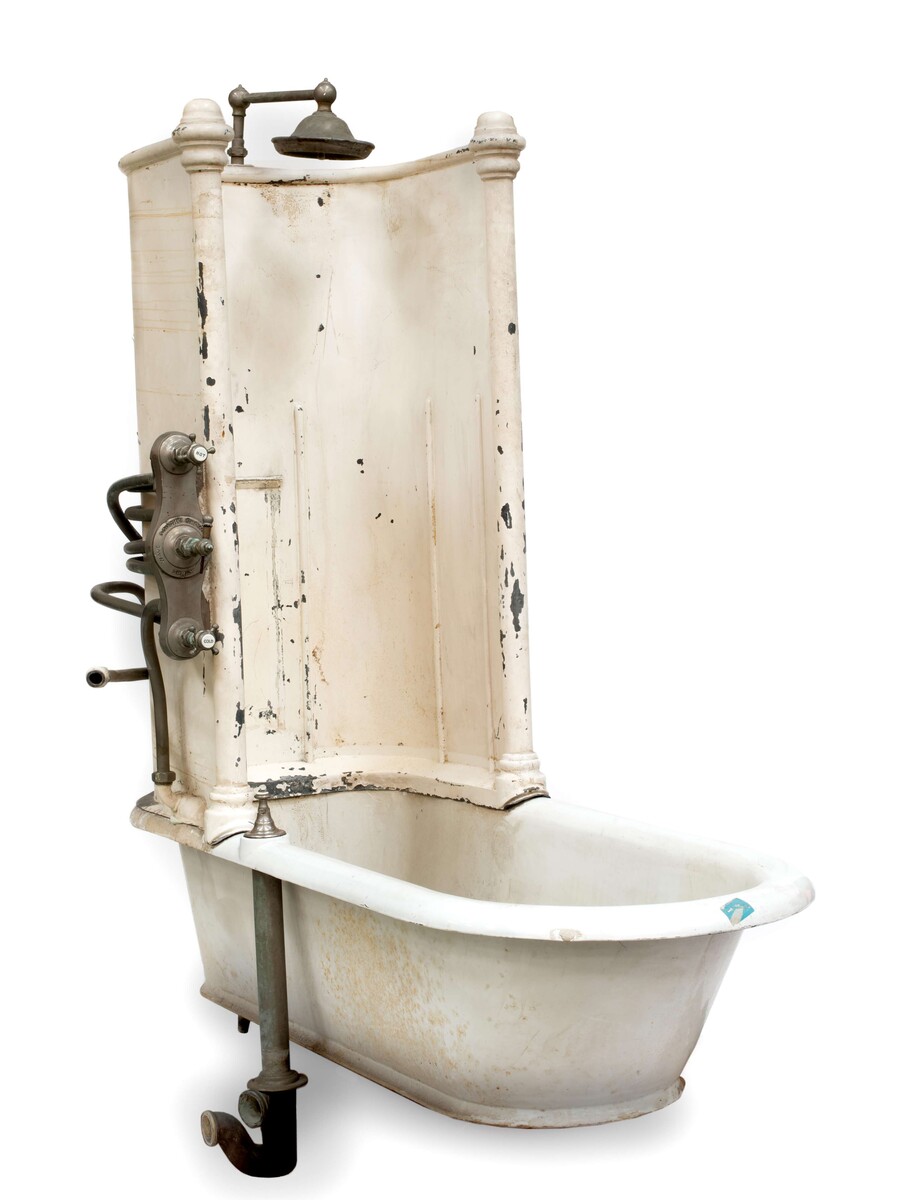
Hygiene entered the architecture. Light and ventilation reached deep into the old buildings. At the Carlton in London, opened under Ritz a year later, beds lost their dust-catching curtains, most walls were painted instead of papered, hangings were reduced, and drainage and ventilation received the same attention as decoration.
“Home away from home” had appeared in hotel advertising since at least 1839. Under Ritz, the old phrase acquired plumbing, light, privacy and method. Refinement became a sequence of difficulties quietly removed.
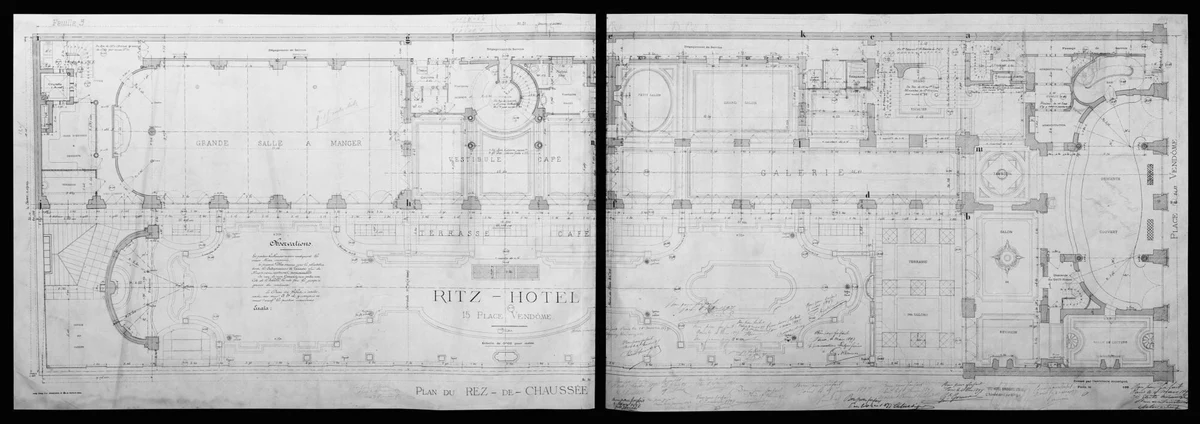
The dining room completed the argument. Hotel meals commonly fed residents from a fixed menu. Ritz and Auguste Escoffier made the restaurant a destination for the city’s society, with French haute cuisine ordered à la carte. Escoffier organized the kitchen into brigades and defined stations, giving elaborate cooking the discipline to survive a full dining room. Ritz created an atmosphere in which society women could dine in public without sacrificing respectability.
Room and restaurant expressed the same idea. Luxury resided in coordination as much as ornament: private bathrooms, dependable light and communication, hygienic rooms, serious cuisine and recognition all belonged to one order.
One coherent house, however, was still one hotel. The engraved certificate asked whether that order could survive another owner, another city and another set of walls.
The name leaves Paris
The Ritz Hotels Development Company separated assets that a great hotel had usually bound together. Local investors could provide capital and a building; the city supplied its particular setting. The London organization supplied expertise, senior staff, the crest and, most valuable of all, the Ritz name.
The relationships varied. Some properties carried the name; others were managed, advised, affiliated or supplied with trained staff. This was a constellation rather than the tightly controlled corporation that later hotel chains would become, but reputation and operating knowledge could now cross a border without bricks or capital travelling with them.
William Harris, Ritz’s English business partner, understood the new asset with wonderful clarity. While the London Ritz was being planned, he urged speed so the company could secure the title of Ritz Hotel in London. The phrase mattered before the doors did. Reputation had entered the financing.
Ritz’s command of a hotel’s invisible workings also had a venal expression. In March 1898, before the Paris hotel opened, he and Escoffier were dismissed from the Savoy after an internal investigation into serious financial misconduct. Money was repaid, and written confessions followed. Ritz understood how value moved through suppliers, kitchens, wine cellars and accounts. At the Savoy, he exploited that knowledge; in his own company, he turned reputation itself into a financial asset.
His direct part in the expansion ended early. Ritz suffered a breakdown in 1902 and never returned to sustained work. Harris and Ritz’s wife, Marie-Louise, carried the organization forward; Ritz died in 1918. The network had begun to operate without the man whose personal attention had created its value.
A dining room at sea
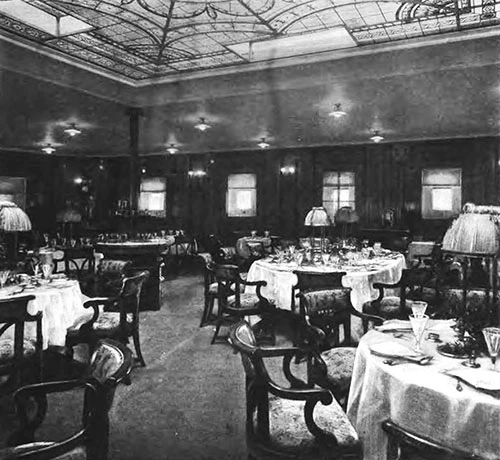
The sharpest proof floated. In the first decade of the twentieth century, the Hamburg-Amerika Line installed Ritz-Carlton restaurants aboard four ocean liners. On the Kaiserin Auguste Victoria and the Amerika, passengers could dine in a separate restaurant with its own kitchen, porcelain and silver. Promotional material promised chefs trained in Escoffier’s system and waiters trained in Ritz’s.
The Ritz-Carlton restaurant at sea shed the Paris façade and kept the portable parts: cuisine, service, objects, training and name. A concentrated version of Place Vendôme crossed the Atlantic without the hotel.
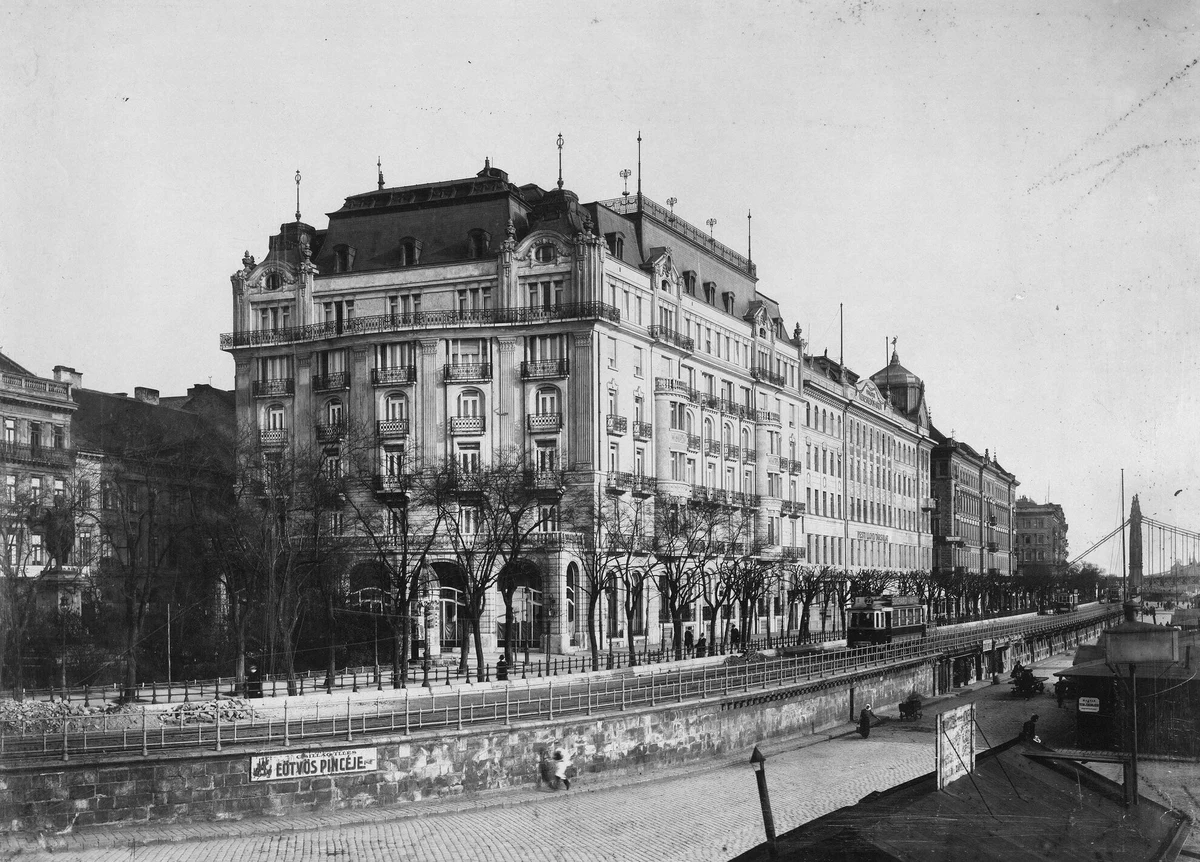
By 1910, a Ritz had opened in Madrid and a Ritz-Carlton in New York. Budapest followed in 1913 through a partnership between local investors, the development company and Marie-Louise Ritz. The crest crossed borders; the capital remained local; the promise became legible in advance.
Scale carried its own risks. The Budapest Ritz opened with royal glamour and an excellent Danube address, but war and political turmoil exposed weaknesses in the partnership. It was bankrupt by 1916. The name improved the odds; geography, capital risk and history retained their power.
Before the door opens
More than a century later, a traveler reaches an unfamiliar city and sees a familiar hotel name above a different door. Before she sees the room or meets the porter, judgment has begun. The building may be a palace, a tower, a resort or an old house; she expects its bed, bath, restaurant and service to belong to an order she already knows. She crosses the threshold carrying an expectation put there by the name.
The deferred shares on certificate No. 25 are a relic now, but their wager survives. The hotel is still stone. The chain begins in the guest’s mind.