Image: Small Luxury Hotels of the World.
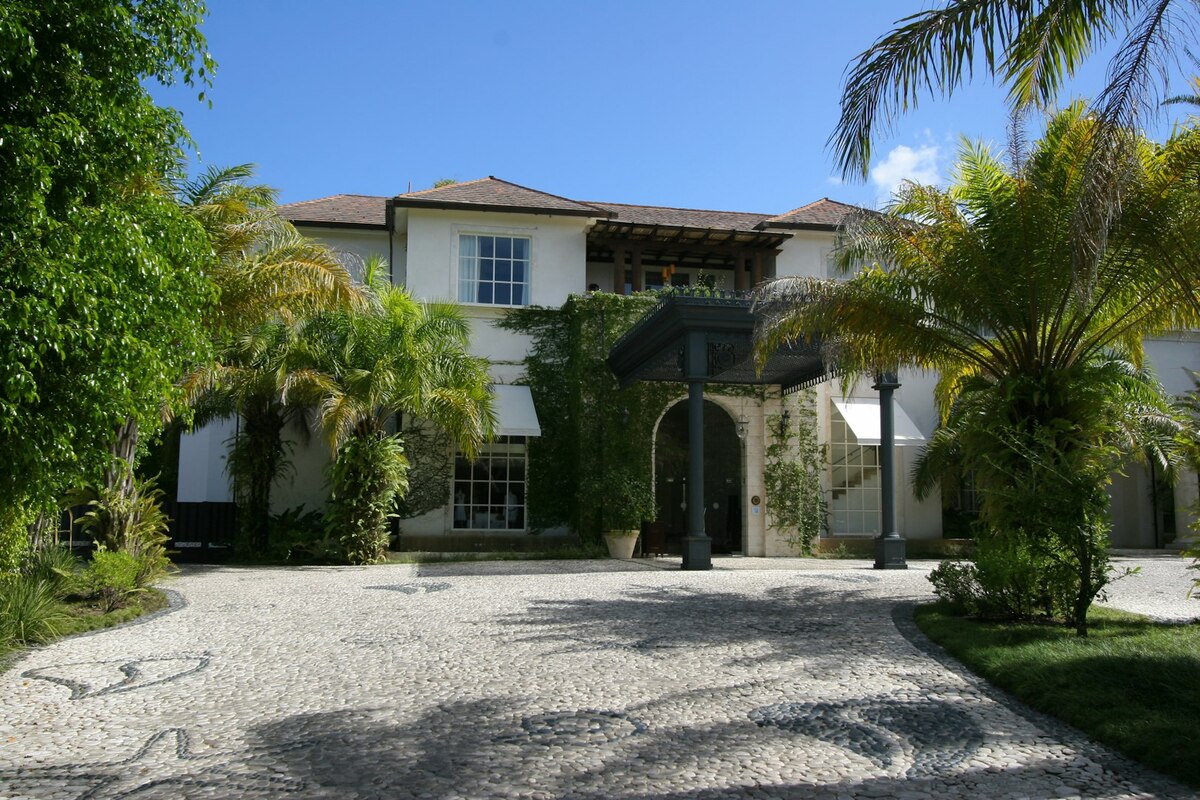
Playa Dorada is a tourist enclave of large resorts, golf and beach holidays, much of it organised around the all-inclusive model. Casa Colonial Beach & Spa sits inside that world, but its 50 suites belong to a different idea of hospitality: a small seaside house, made comfortable and personal. The contrast is part of its appeal.
Casa Colonial belongs to the Small Luxury Hotels of the World collection, which currently includes only two hotels in the Dominican Republic.
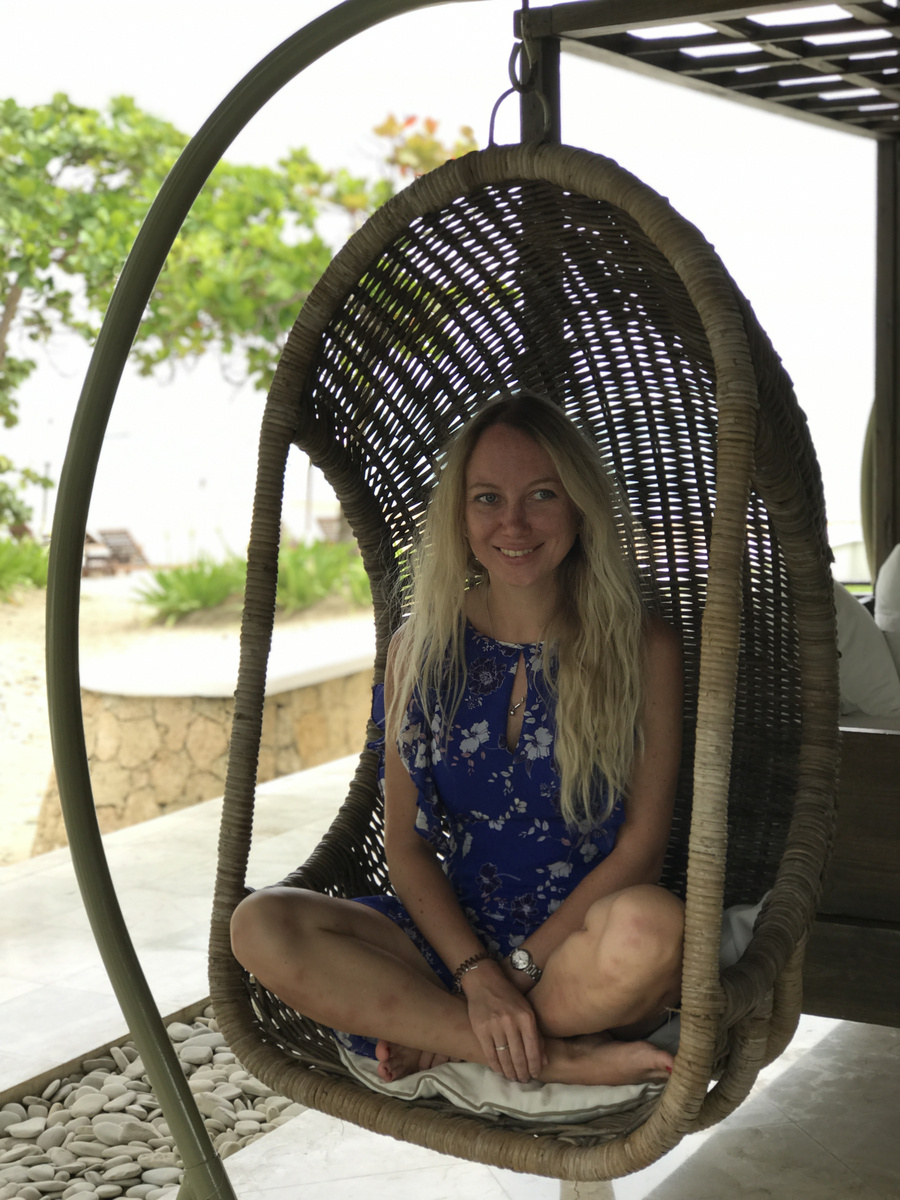
We returned to Casa Colonial several times. I liked its intimacy, the food and the unobtrusive service. Understanding the family behind it makes that intimacy less surprising.
A daughter’s vision for Playa Dorada
Don Isidro García founded VH Hotels & Resorts, the family business behind Casa Colonial. His daughter Sarah García became its architect and designer. Within a hotel group accustomed to larger resorts, this was a more personal undertaking: the resources of an established family business placed behind a daughter’s imagination.
Sarah was already an experienced hotel architect. Her training had taken her to Florence, and the inspiration for Casa Colonial came during a family holiday in Forte dei Marmi. Walking along the beach with her daughters, she admired the old villas facing the Tuscan sea. She wanted to bring that sense of a gracious seaside home to Puerto Plata, combining European influences with Dominican materials and memories. Casa Colonial opened in December 2004.
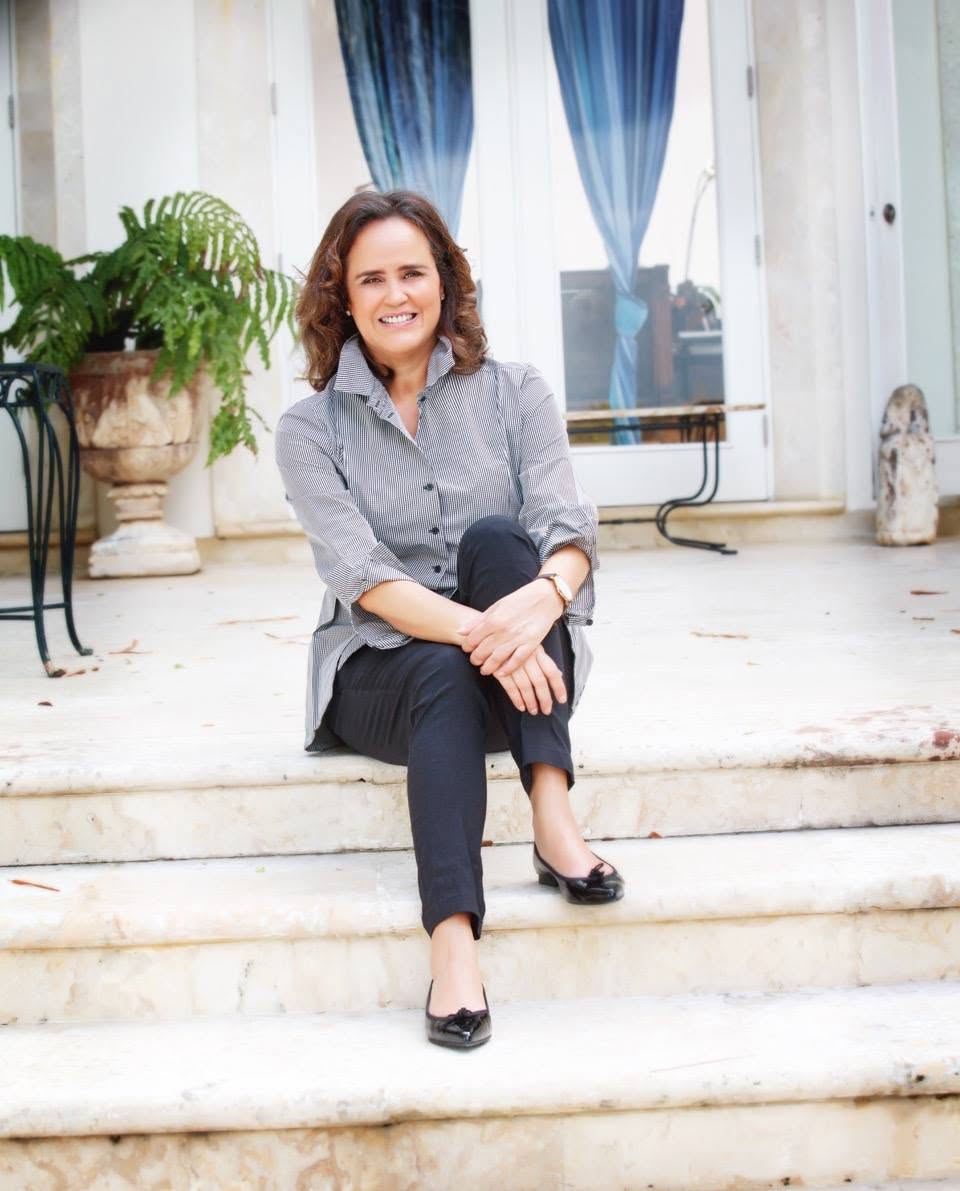
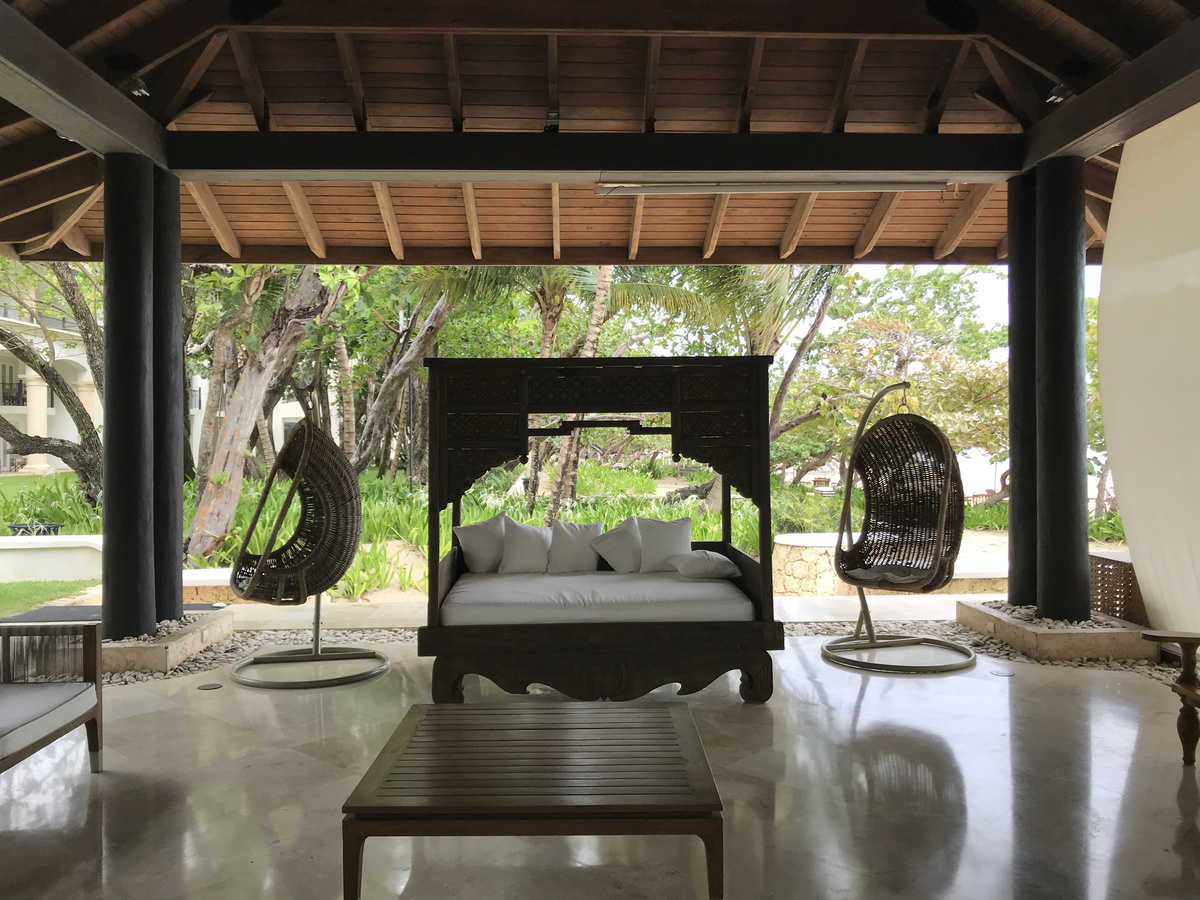
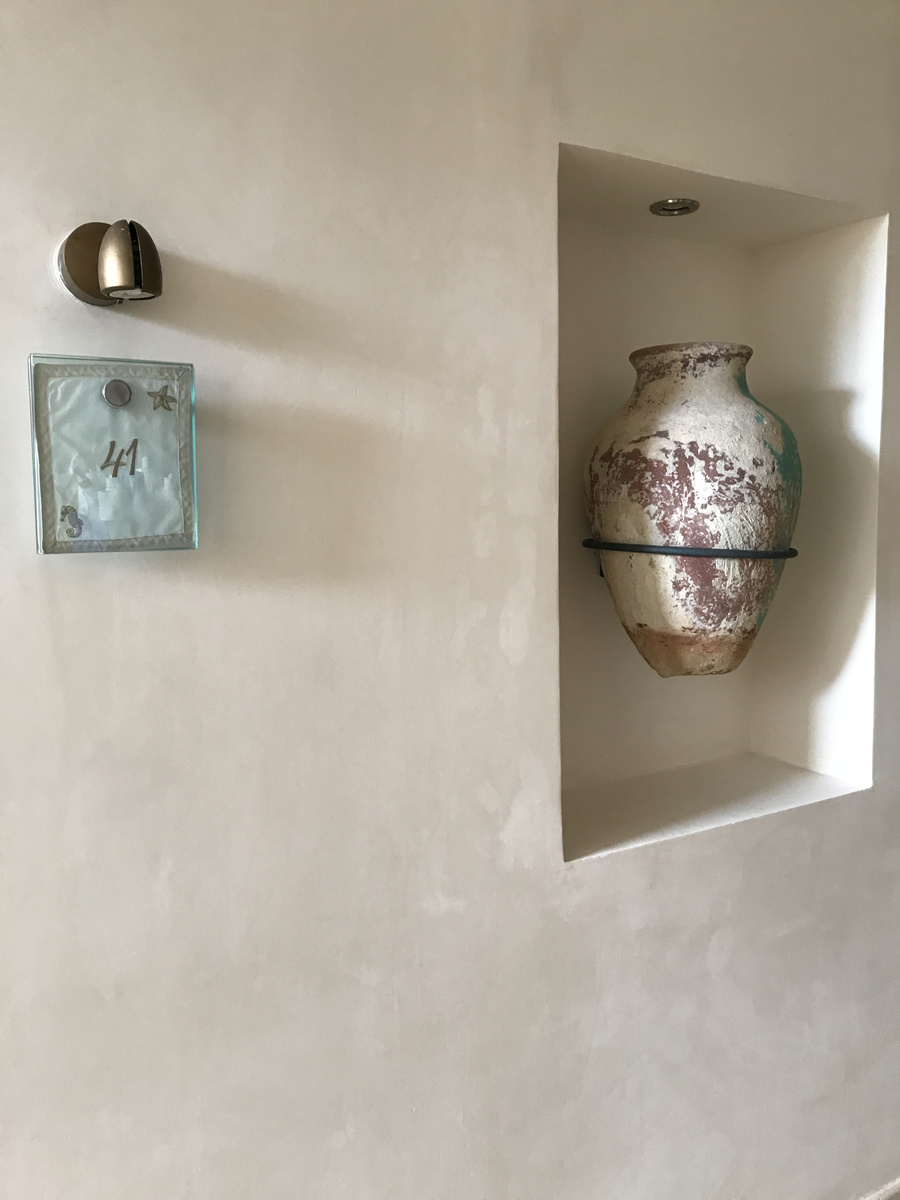
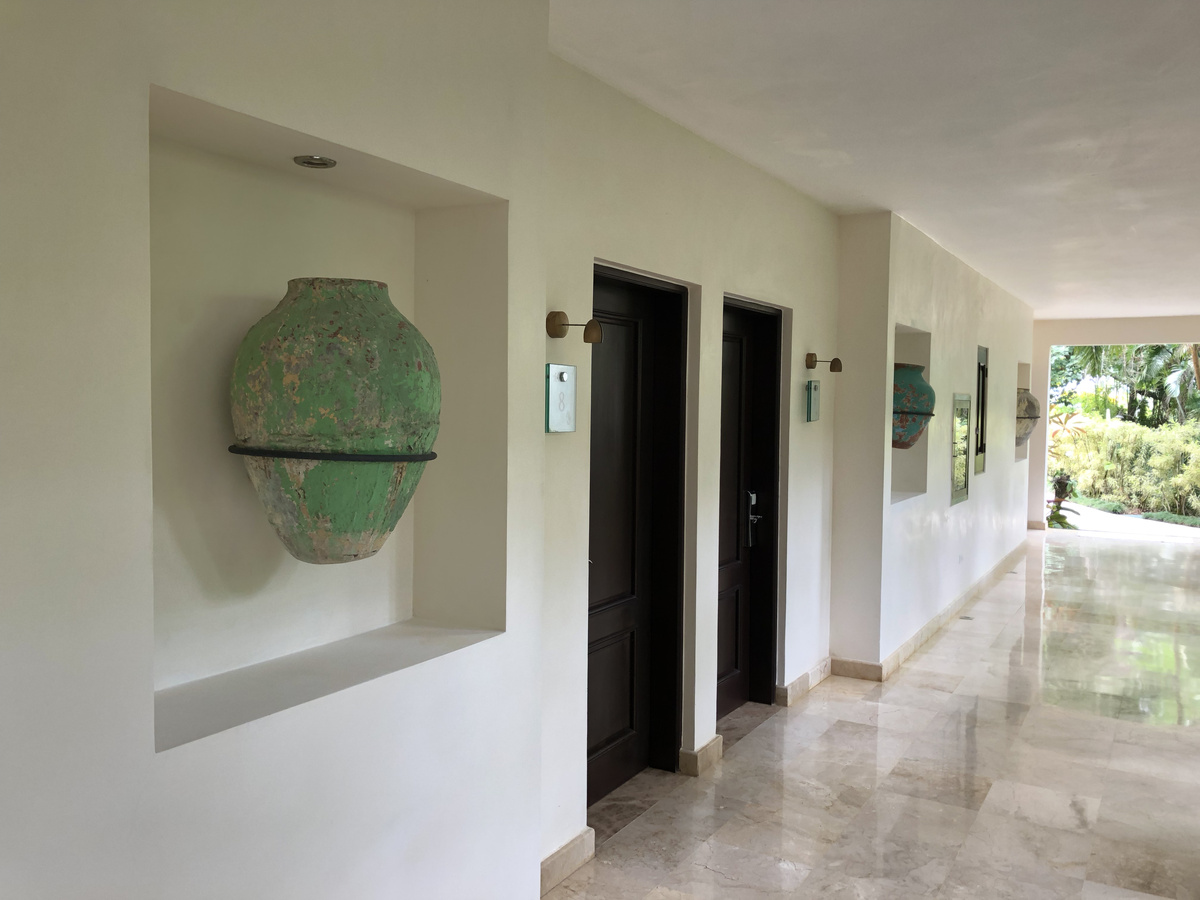
The family connection runs through the house. Clay jars once used to keep water cool on the family farm found a new home in the guest corridors. Lucía was named after one of Sarah’s sisters. These were personal references worked into a hotel that welcomed strangers.
In a later interview, Sarah explained that Casa Colonial was intended to give Playa Dorada a new image through architecture and art. That helps explain this small hotel among the all-inclusives. It offered the family a place to express a more intimate ambition for the coast.
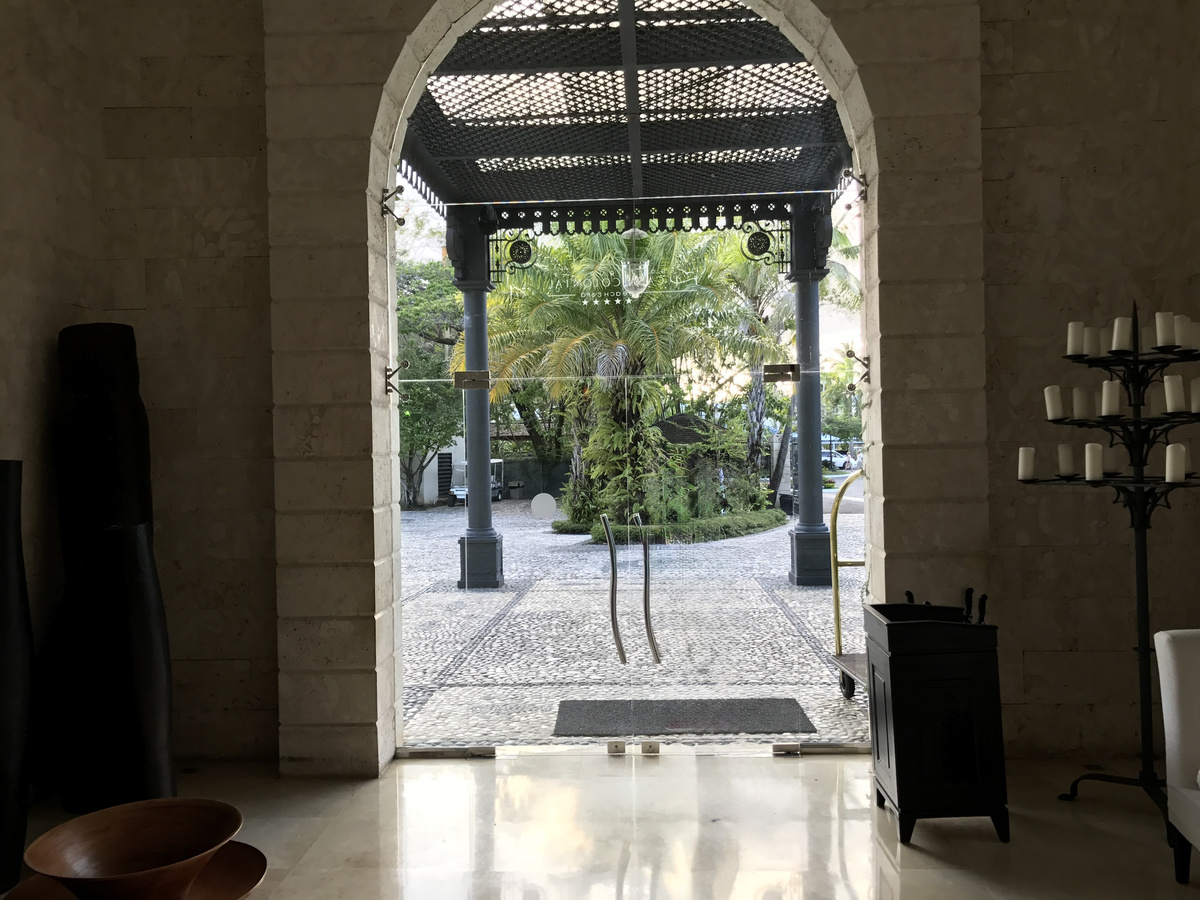
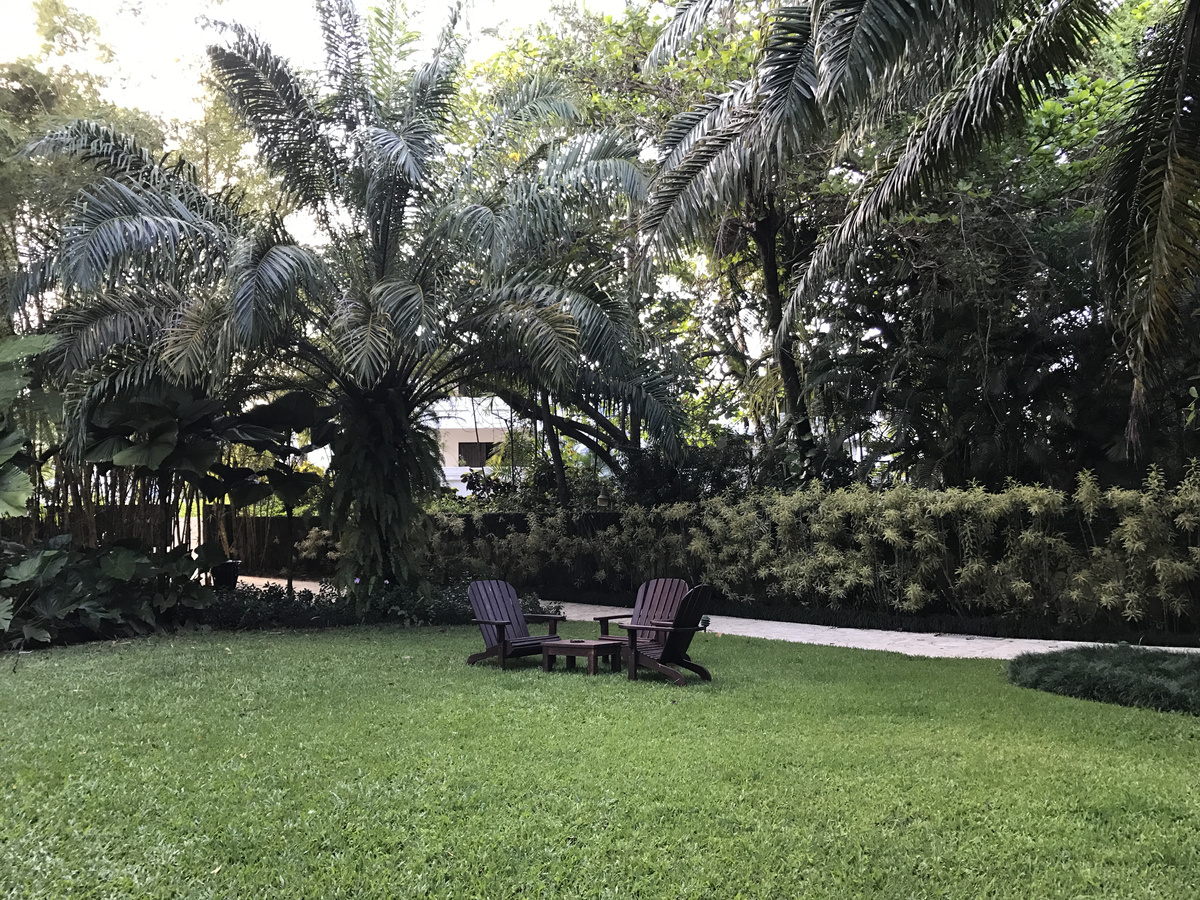
The rooms
The care was apparent as soon as I entered the room. I particularly appreciated the Serta mattress, Frette bed linen and Kohler bathroom fittings. Those names mattered because the hotel had thought about the things a guest actually uses, down to the bedding and bathroom. The overall impression was of comfort rather than display.
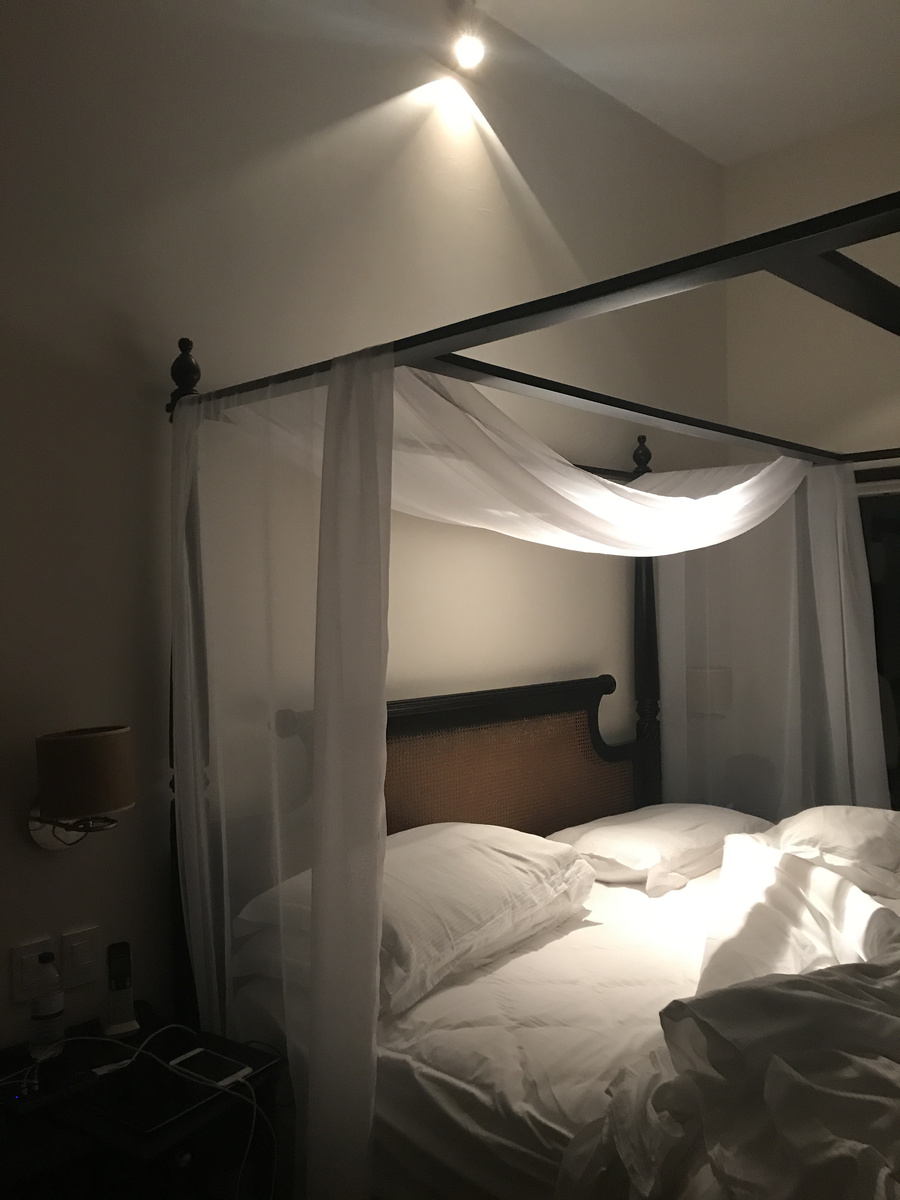
For a stay today, the main choice is between tropical and ocean views. The hotel’s current suite descriptions distinguish the Ocean Front rooms from the Lanai Ocean Front category, which offers direct beach access from its private balcony. That distinction is more useful when booking than choosing by the word “suite” alone. There are also larger suites and an oceanfront penthouse with a private terrace.
Above the Atlantic
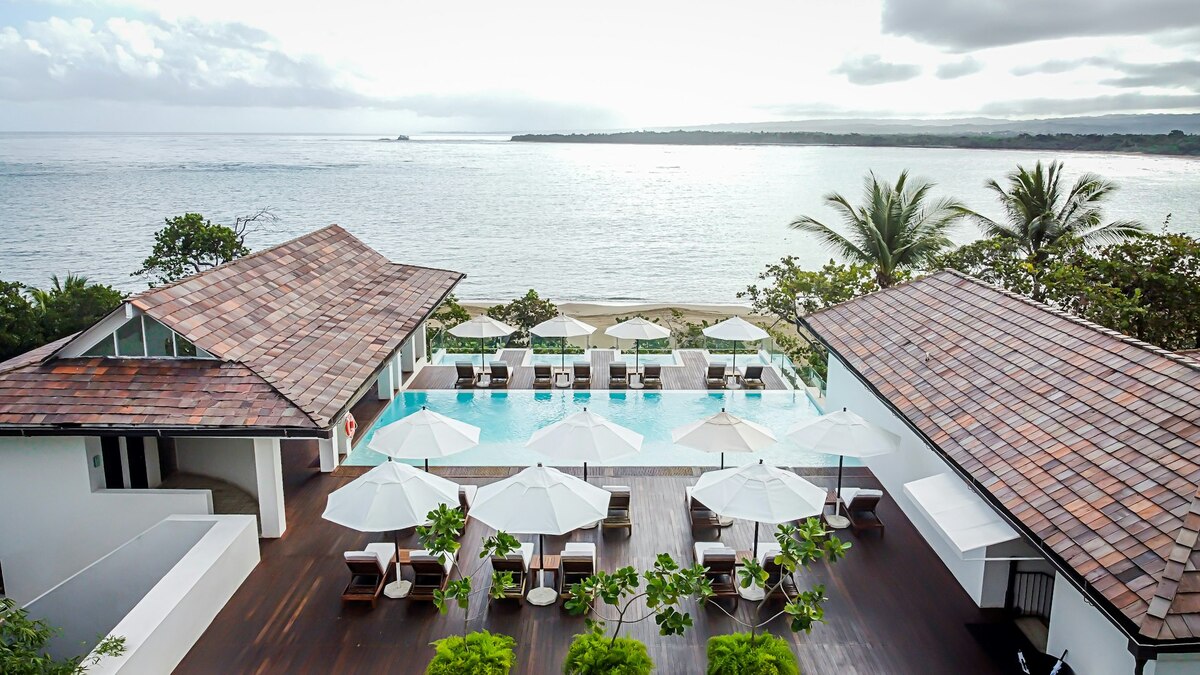
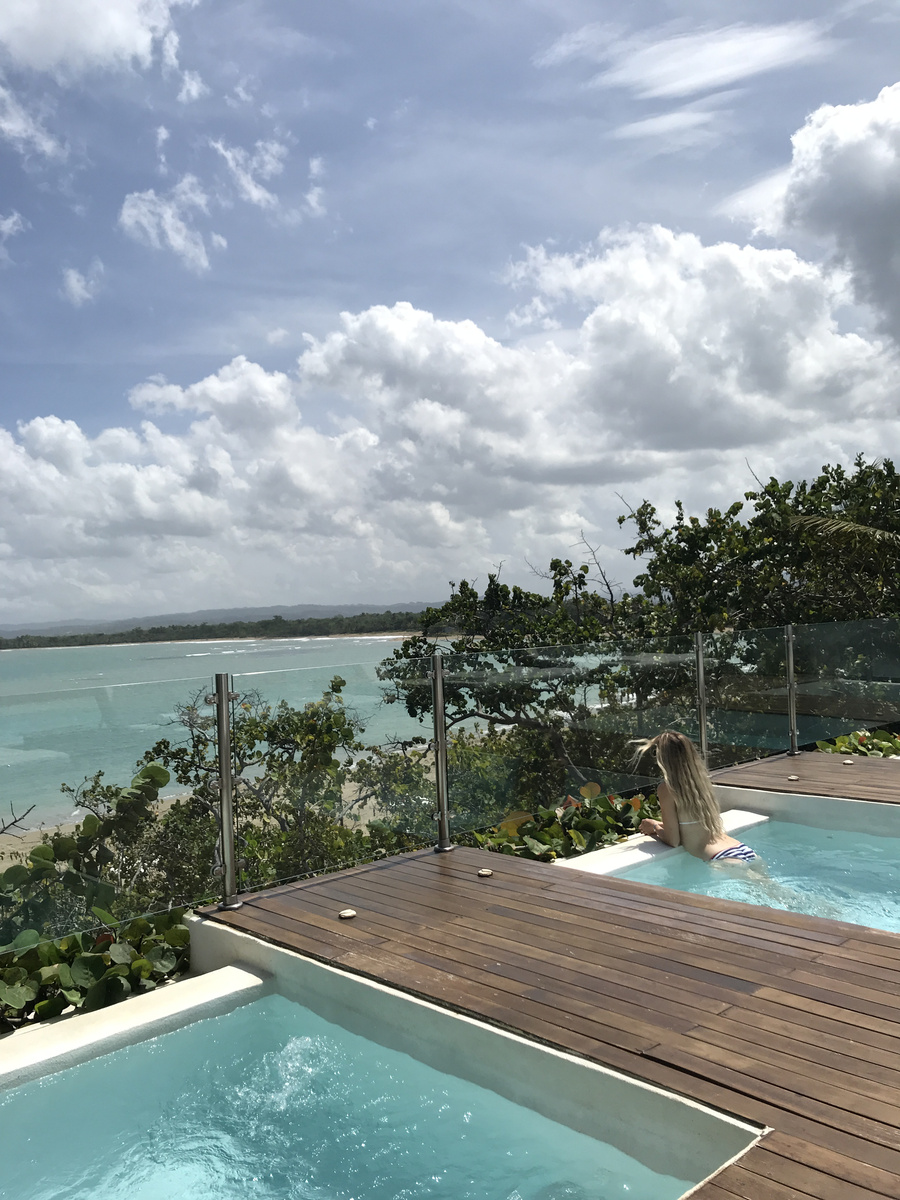
The rooftop was the hotel’s great surprise. Behind the classical architecture lay a pool and four hot tubs overlooking the Atlantic. Being in the water at sunset was one of the pleasures I remembered most vividly.
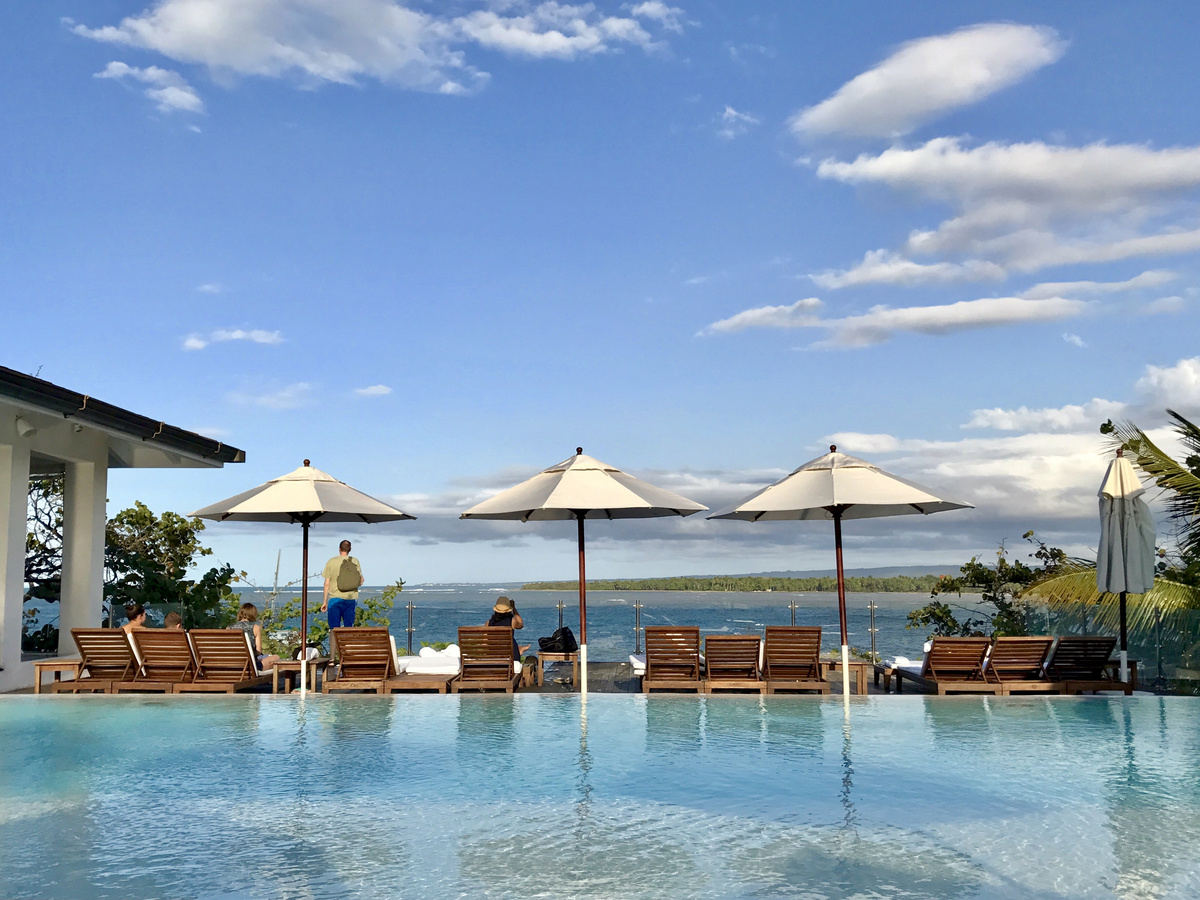
The infinity pool and hot tubs remain part of Casa Colonial’s offering. The hotel also has Spa Bagua, for a different way to spend an afternoon near the sea.
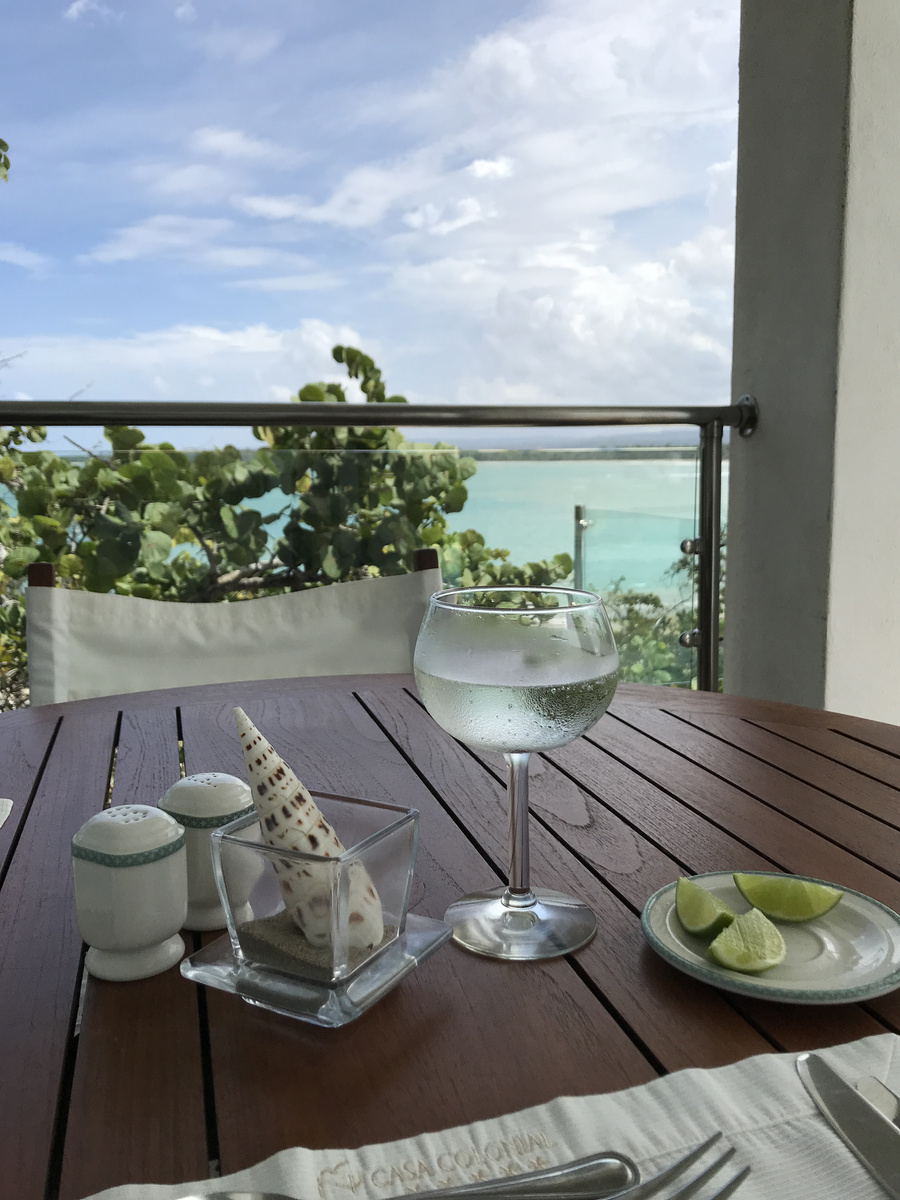
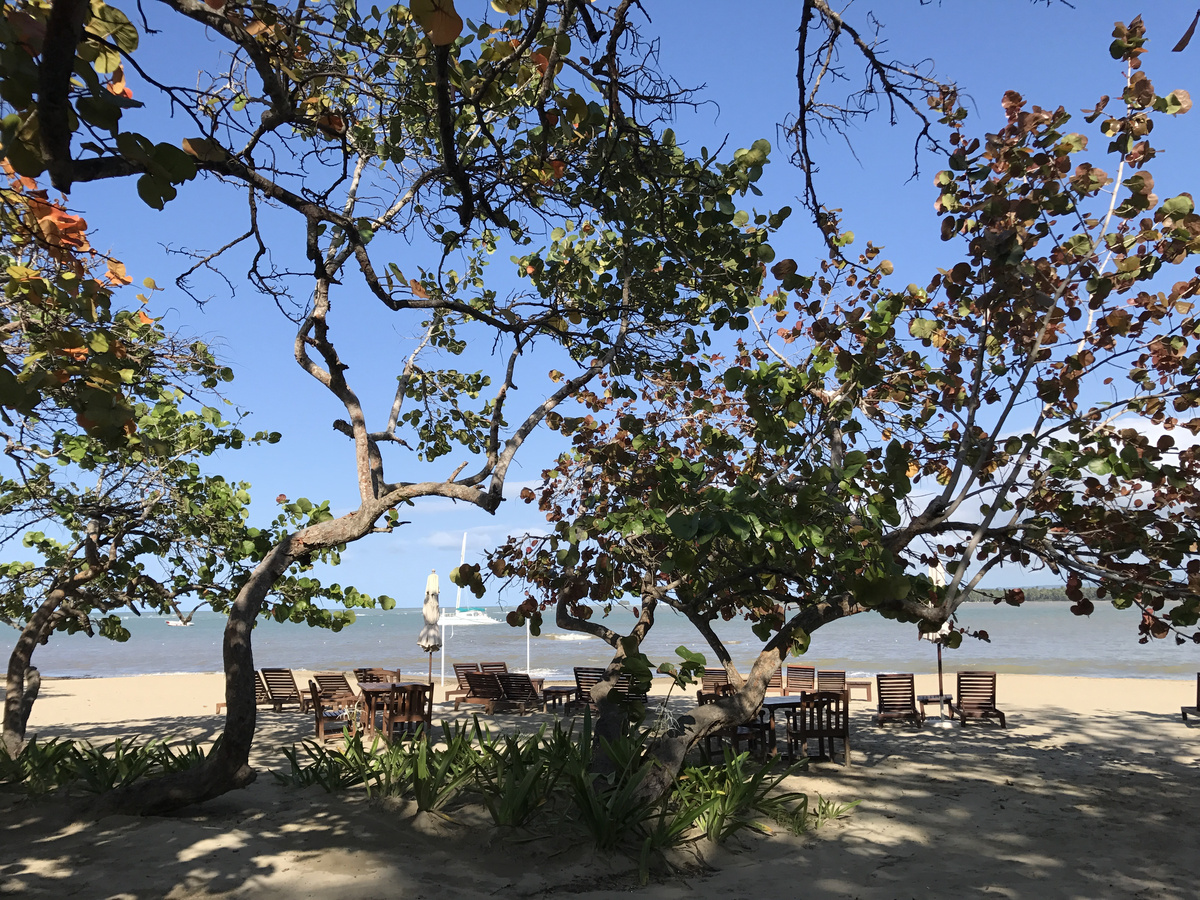
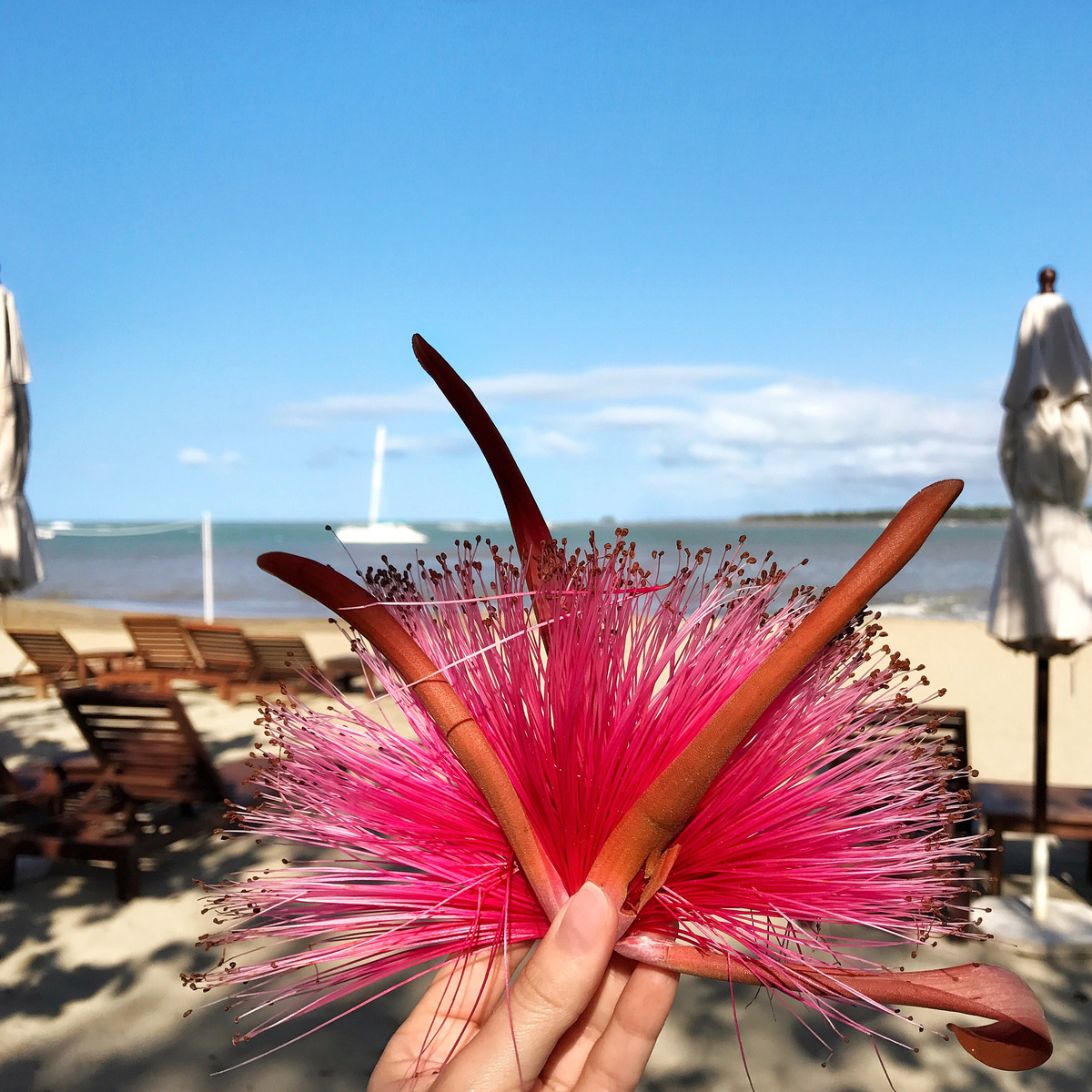
Down on Playa Dorada, the distinction between a quiet hotel and an empty beach matters. Casa Colonial stands on a shared stretch of sand, with other hotels and restaurants on either side. During our visits, it was not a deserted shore. There could also be waves, depending on the weather. I would choose it for the combination of hotel and coast, rather than arrive expecting a secluded, consistently flat-water bay.
Lucía and Veranda
Good restaurants mattered particularly here: our stays were not built around an all-inclusive programme. Casa Colonial made eating at the hotel a pleasure in its own right.
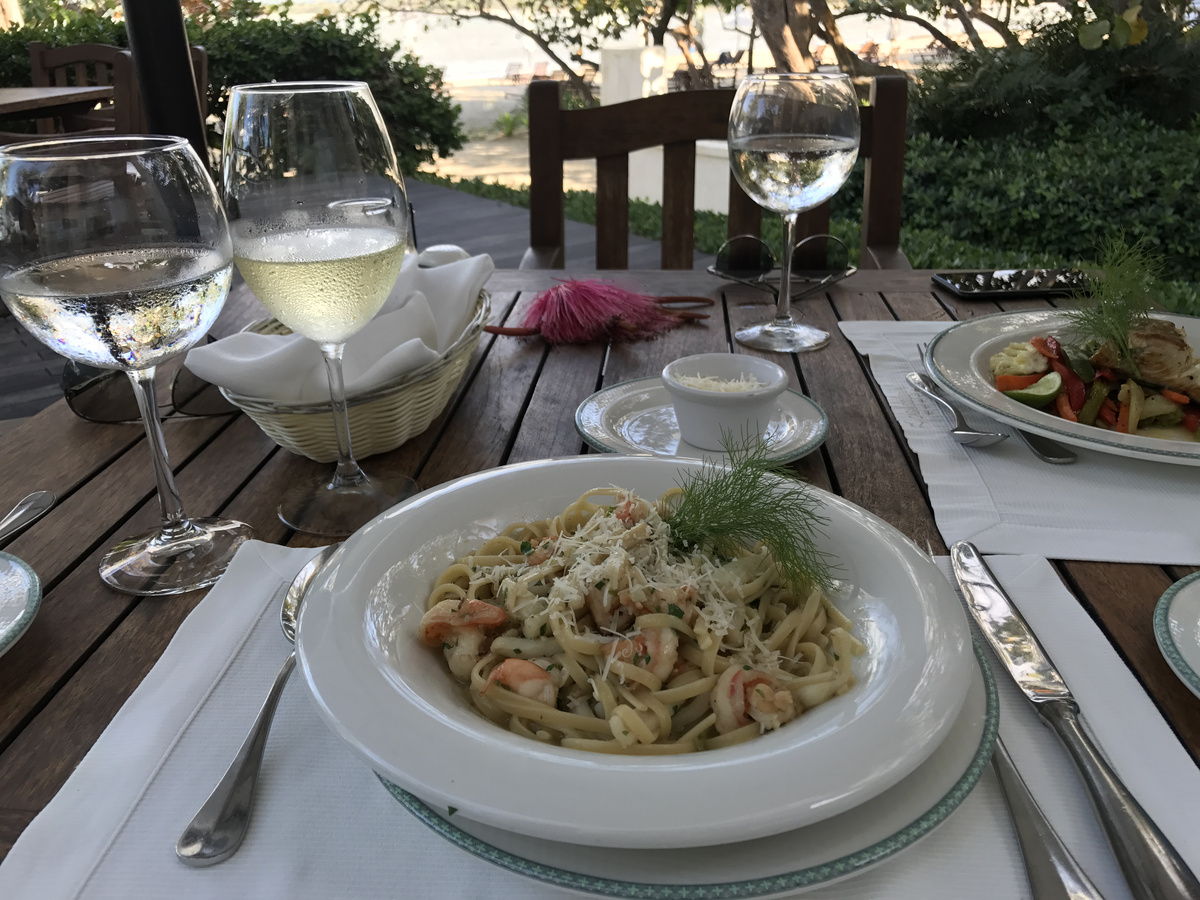
Lucía was a particular pleasure. I liked the cooking from the first course through dessert, the presentation, the wine list and the service. The large windows looked into the mangroves—a setting quite different from the sea-facing meals elsewhere in the hotel. It felt like a restaurant worth making time for.
Today, the hotel describes Lucía’s cooking as French-Caribbean. Veranda is its more informal option for breakfast and lunch, with a choice of terrace seating or an air-conditioned dining room. Breakfast was excellent during our stays; having the sea in view made it an especially good beginning to the day.
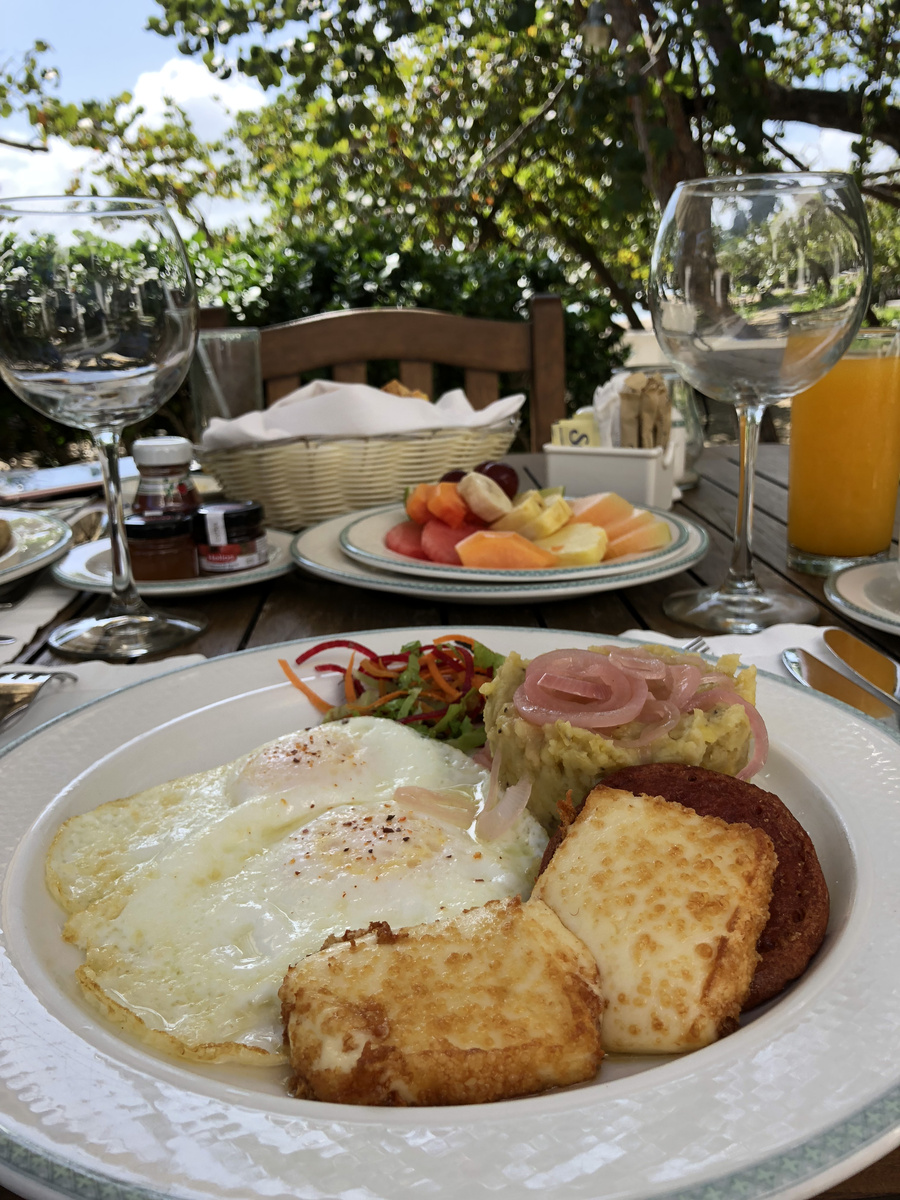
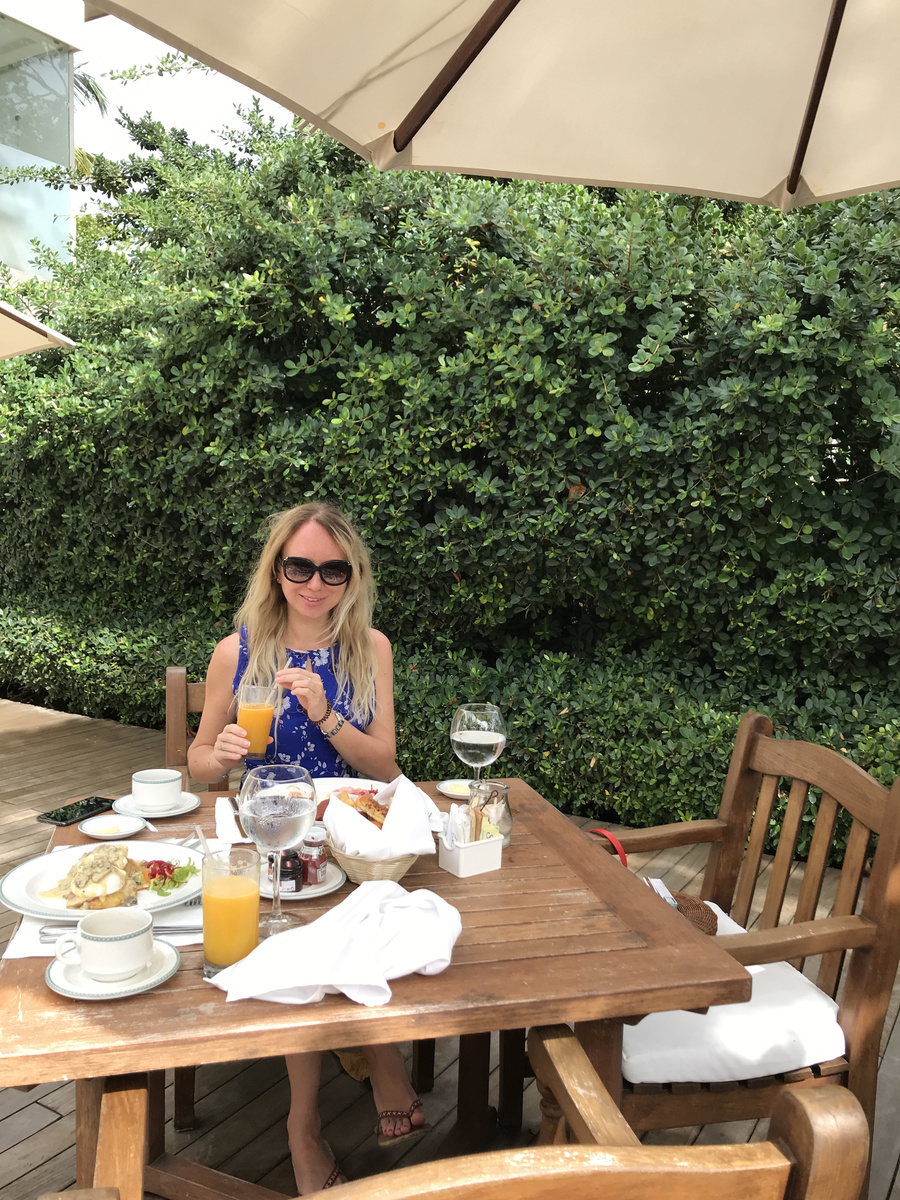
For a meal in the room, check the current service hours when arranging dinner. The hotel now lists room service from 7 a.m. to 10 p.m.
Puerto Plata and beyond
Casa Colonial sits within Playa Dorada, outside central Puerto Plata. Plan on a car or taxi for exploring the city, and arrange the return as well as the outward journey. Gregorio Luperón is the nearby airport; the hotel offers airport transfers on request.
For a visit to Brugal, ask Casa Colonial’s concierge to confirm access to the company’s own factory in Puerto Plata and arrange the visit and transport. Be explicit: you want the official Brugal establishment, not an independent tasting centre or a substitute rum producer.
One of the advantages I valued was access to the north of the island. Puerto Plata, Sosúa and Cabarete give a stay here scope beyond the hotel’s restaurants and beach. Santiago is a more substantial inland outing, worth planning as a day rather than squeezing between meals.
Centro León in Santiago is a place I have visited and warmly recommend for its Dominican art and cultural collections. Allow about an hour and a half for the drive each way; this deserves a separate day trip, with time for the museum itself.
Yet the strongest part of my memory of Casa Colonial is the service. At times the staff were so attentive that they seemed to read my mind. That was the quality I appreciated most: being looked after without feeling constantly attended to. It gave this small hotel its ease.