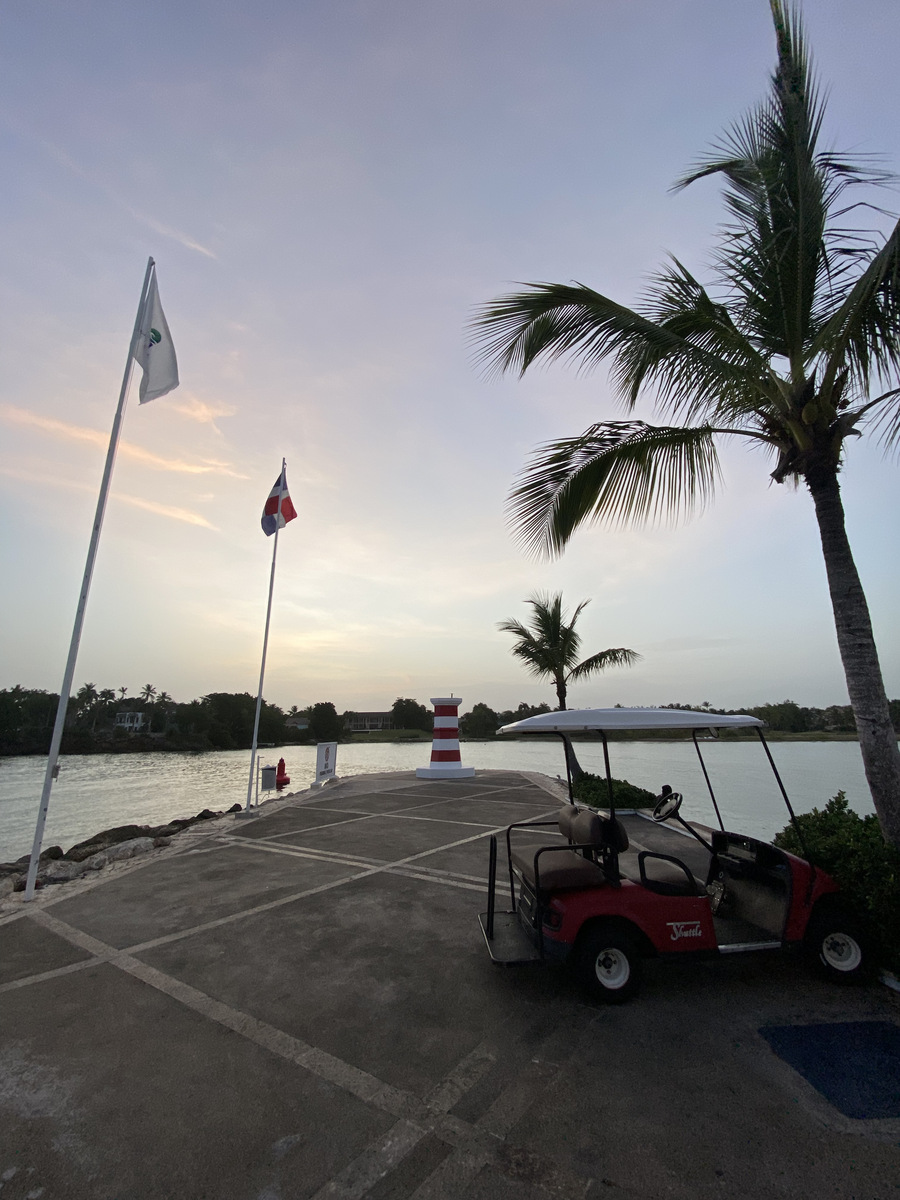
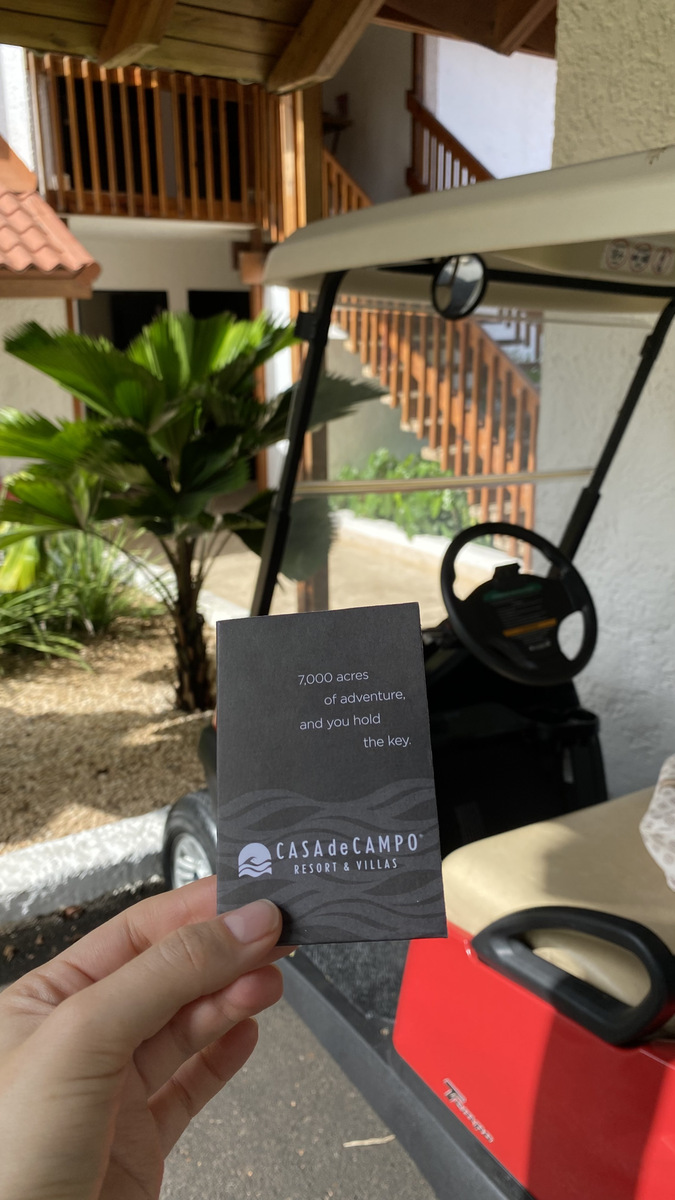
When you check into Casa de Campo, they hand you a black card folder that reads, “7,000 acres of adventure, and you hold the key.” Most hotel slogans deserve a polite eye-roll. This one happens to be literal. The key opens your room, and the key next to it starts the four-passenger golf cart parked under the terracotta eaves outside your door.
Calling Casa de Campo a hotel feels slightly inaccurate, the way calling a small principality a neighborhood misses the point. Casa de campo means “house in the country” in Spanish, and what occupies these 2,830 hectares (7,000 acres) beside La Romana is the Dominican Republic’s oldest private resort enclave—older than Punta Cana’s airport, older than Cap Cana’s breakwaters, and still the place that sits at the very top of my favorites in a country where I lived for nearly a decade. If you can afford it, it is hard to name another address on the island that fits so many different kinds of travelers without feeling compromises were made for any of them.
And yet I stop short of calling it the country’s undisputed number one. Today it has serious competition farther east, from two other large-scale residential estates: Puntacana Resort, anchored by Tortuga Bay, and Cap Cana, anchored by Eden Roc. The difference between them comes down to the sea and how you reach it. At Tortuga Bay and along the eastern shore, you step off a veranda and walk straight onto long Atlantic white sand. At Casa de Campo, you climb into a golf cart and drive to the beach.
That single habit—driving rather than strolling out to the surf—divides travelers neatly. If your idea of a Caribbean week is a barefoot path from bed to an endless horizon of turquoise water, Punta Cana wins the argument before you unpack. If you want a place with its own social rhythm, an evening town, serious sport, and enough corners to give you a genuinely different day for two weeks running, Casa de Campo has no real rival on the island.
Comparing the island’s three estates
Three Dominican luxury enclaves, side by side
Casa de Campo, Punta Cana Resort, and Cap Cana all sit behind private gates, yet their coastlines, transport, and daily rhythms feel completely different. Switch between the three estates to compare them.
Casa de Campo
La Romana · South Caribbean coast
- Sheltered Minitas coveSouth-facing Caribbean Sea behind rocky breakwaters; calm swimming water rather than an open Atlantic surf horizon.
- Low exposureSouthern orientation and breakwaters usually keep Minitas Beach clear and swimmable when eastern shores battle May–September blooms.
- 7-min golf-cart driveEvery hotel room includes a four-passenger golf cart parked outside; you drive to the beach, La Marina, and Altos de Chavón.
- 2,830 ha · ~2,400 villasThe country’s oldest residential estate (1974), with hotel rooms, private homes, an amphitheater, marina, supermarket, and cinema.
- 90 Pete Dye holes63 guest-playable holes—Teeth of the Dog, 27-hole Dye Fore, and The Links—plus 27 private holes at La Romana Country Club.
- La Marina · LRM 15 minLively waterfront dining every evening; Central Romana’s own La Romana Airport (LRM) is ~15 min away, Punta Cana (PUJ) ~1 h.
Punta Cana Resort
East Atlantic shore · Anchored by Tortuga Bay
- Long Atlantic white sandOpen turquoise horizon and powdery east-facing shoreline running right along the beachfront villas.
- Seasonal exposureEast and northeast Atlantic currents bring summer blooms from May through September; beach crews rake daily.
- Barefoot from your terraceAt Tortuga Bay you step directly onto the sand; complimentary golf carts connect you to dining, Six Senses Spa, and golf.
- Private estate & forest reserveHome to Tortuga Bay (13 Leading Hotels of the World villas), residential neighborhoods, and the Ojos Indígenas ecological reserve.
- 45 championship holesTom Fazio’s oceanfront Corales (PGA TOUR venue) and P. B. Dye’s 27-hole La Cana Golf Club.
- Calm · PUJ 10 minBamboo and La Yola on-site, with Punta Cana Village nearby; Grupo Puntacana’s PUJ airport sits ~10 min away with VIP tarmac service.
Cap Cana
East coast & cliffs · Eden Roc & St. Regis
- Caletón, Juanillo & MarinaThree swim-worthy beaches: sheltered Caletón (the best of them), wide Juanillo lined with all-inclusive resorts, and Marina Beach anchored by Api Beach.
- Seasonal exposureEast-facing coast catches Atlantic summer seaweed; Cap Cana and the beach clubs maintain active clearing.
- Walk or short cart rideBeachfront suites sit steps from the sand; inland villas reach Caletón, Juanillo, or Marina Beach in a few minutes by cart.
- Newest luxury enclaveModern residential community with a deep-water marina, private estates, Eden Roc, The St. Regis Cap Cana, and several all-inclusive resorts.
- Punta Espada (18 holes)Jack Nicklaus’s dramatic cliffside ocean course inside Cap Cana, routinely ranked among the Caribbean’s best.
- Quiet · PUJ 15–20 minRefined resort dining and Cap Cana Marina; calmer evening scene than Casa de Campo’s La Marina. PUJ sits ~15–20 min away.
A private republic built on sugar and old money
To understand why Casa de Campo feels unlike any tourist resort in Bávaro, it helps to know how Dominicans themselves think about it. There is a shorthand here for real wealth, repeated half-jokingly and completely seriously: a prominent Dominican family owns a penthouse in Santo Domingo, a house in Casa de Campo, and a chalet in the cool mountain air of Jarabacoa. No substitutions.
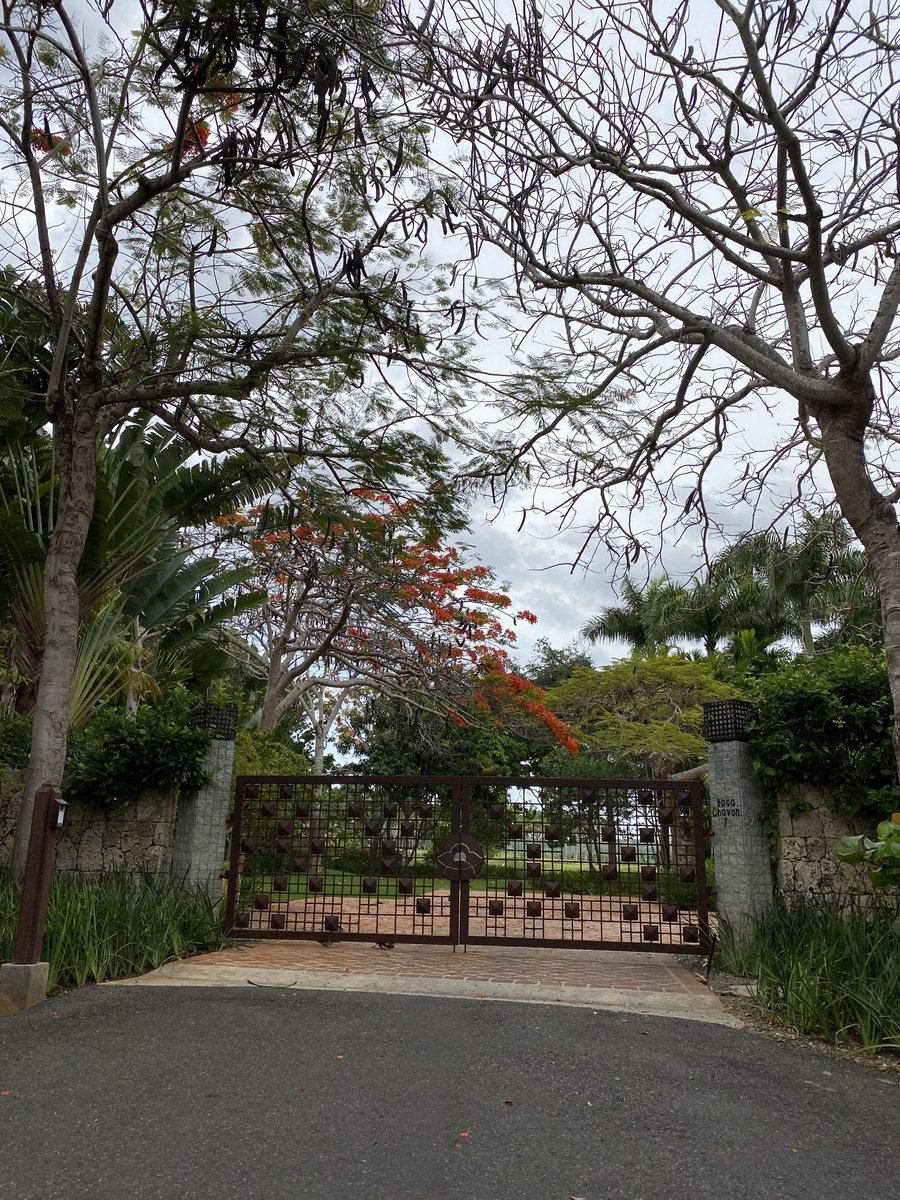
That cultural weight is why Casa de Campo is mostly not touristic at all. Behind the stone gates live nearly 2,400 private villas—some inherited across generations, some staffed year-round, many filling up on Friday afternoons when families make the ninety-minute drive east from Santo Domingo. What you feel driving past Bougainvillea hedges and wrought-iron estate gates is closer to Bermuda old money than to a typical Caribbean resort strip: quiet, orderly, slightly clubby, and completely unconcerned with entertaining you through a loudspeaker.
People-watching here is half the education. The Dominican state’s official presidential vacation villa stands farther west along the coast in Juan Dolio, yet Dominican presidents, former U.S. presidents, and European royalty have long treated Casa de Campo as their preferred private retreat. In local society, showing up here is only the entrance hall. If you actually want a seat inside the country’s philanthropic circle, the first real step runs through the Fanjul family’s charity world—most visibly Fundación MIR, founded in 1988 by Lian Fanjul de Azqueta, whose annual Magical Splendor for Life gala at the family’s Casa Grande estate draws Santo Domingo’s establishment alongside international guests, paired on the calendar with Hogar del Niño, now marking fifty years of schools and social programs in La Romana.
The estate’s backbone goes back even further, to sugar. In the 1960s, the conglomerate Gulf+Western, led by Austrian-born industrialist Charles Bluhdorn—who also owned Paramount Pictures—acquired the Central Romana sugar estate and looked for a second act for its coastal pastures. Pete Dye’s first golf course opened on the coral shoreline in 1971. Casa de Campo followed in 1974 as an executive retreat, master-planned by American architect William Cox in a breezy tropical vernacular of native wood, coralina stone, deep porches, and palm thatch, with Dominican-born Oscar de la Renta guiding the original interiors. Ten years later, after Bluhdorn’s death, Cuban-American sugar brothers Alfonso and José Fanjul acquired Central Romana and the resort, adding the hotel casitas that same year and turning an eccentric corporate playground into a lasting institution.
An airport, a cruise port, and an island offshore
Most resorts talk about access as a matter of taxi transfers. Central Romana simply built the infrastructure.
Twelve minutes north of the hotel sits La Romana International Airport (LRM), owned and operated by Central Romana itself and modeled on a traditional sugar mill. Its 2,950-meter runway handles wide-body transatlantic jets, while its private-aviation terminal—with on-site customs and immigration and a steady hum of helicopters shuttling guests to yachts and offshore cays—regularly leads the country in private-jet traffic. I have arrived and departed here often enough to appreciate how surreal a fifteen-minute transfer from tarmac to check-in feels after the long highway run from Punta Cana. Commercial flights from Miami, Canada, and Europe land seasonally alongside Dominican carrier Arajet; otherwise, Punta Cana International Airport sits about an hour east by car, and Santo Domingo’s Las Américas International Airport a little over an hour west.

Five minutes west of the resort gates, at the mouth of the river, Central Romana also operates the La Romana Cruise Terminal, a deep-water pier welcoming European fly-cruise liners and luxury ships. Just 2.4 kilometers (1.5 miles) offshore lies uninhabited Catalina Island, a protected strip of coral reef and pale sand where Casa de Campo has long run beach days and snorkeling trips over The Wall—a reef shelf dropping more than 100 meters—and the shallow seventeenth-century shipwreck of Captain Kidd’s Quedagh Merchant. The island is entering a busier chapter under a 2026 redevelopment partnership between Casa de Campo and MSC Group, with new open-air pavilions, cabanas, and year-round cruise calls from La Romana; Casa de Campo still manages the beach operations for resort guests, though anyone picturing a deserted Robinson Crusoe sandbar should expect a polished beach-club setup rather than solitude.


Hotel rooms, the Premier Club, and why the golf cart changes everything
Casa de Campo once carried The Leading Hotels of the World plaque, and it is easy to see why the partnership ended in 2013—leaving Tortuga Bay as the Dominican Republic’s sole member today. Holding a single inspection standard across a hotel and a huge rental pool of individually decorated private villas is nearly impossible. Every villa here has its own owner, its own taste, its own cook, and its own quirks. Because no two villas are alike, I focus here on the hotel rooms, which give you the entire 2,830-hectare estate at a predictable standard.
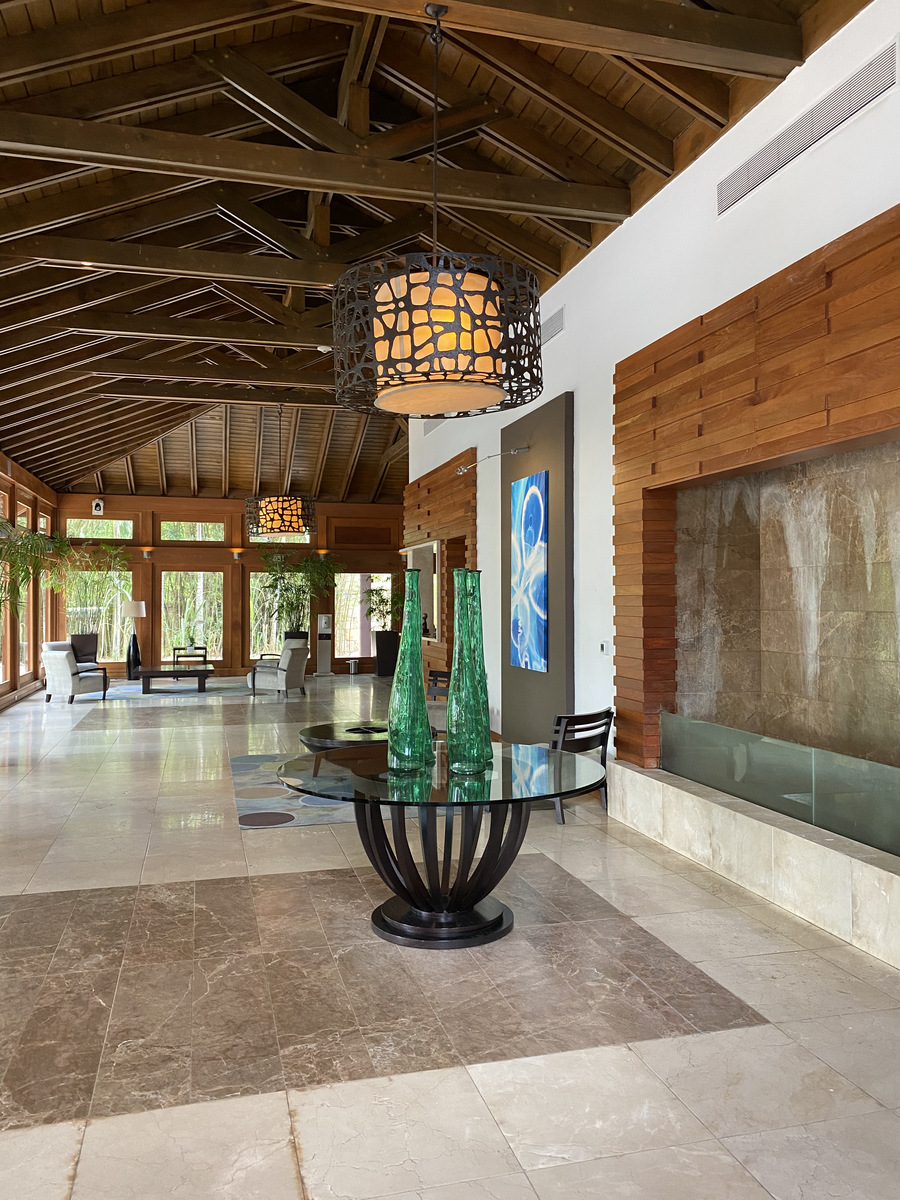
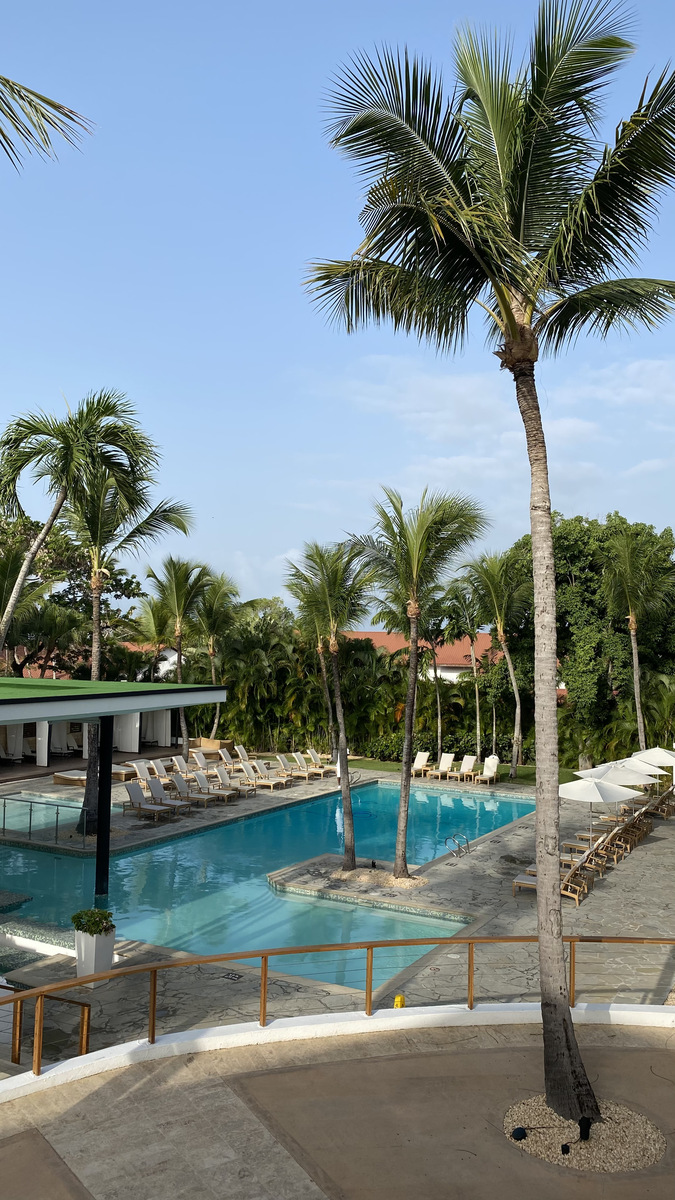
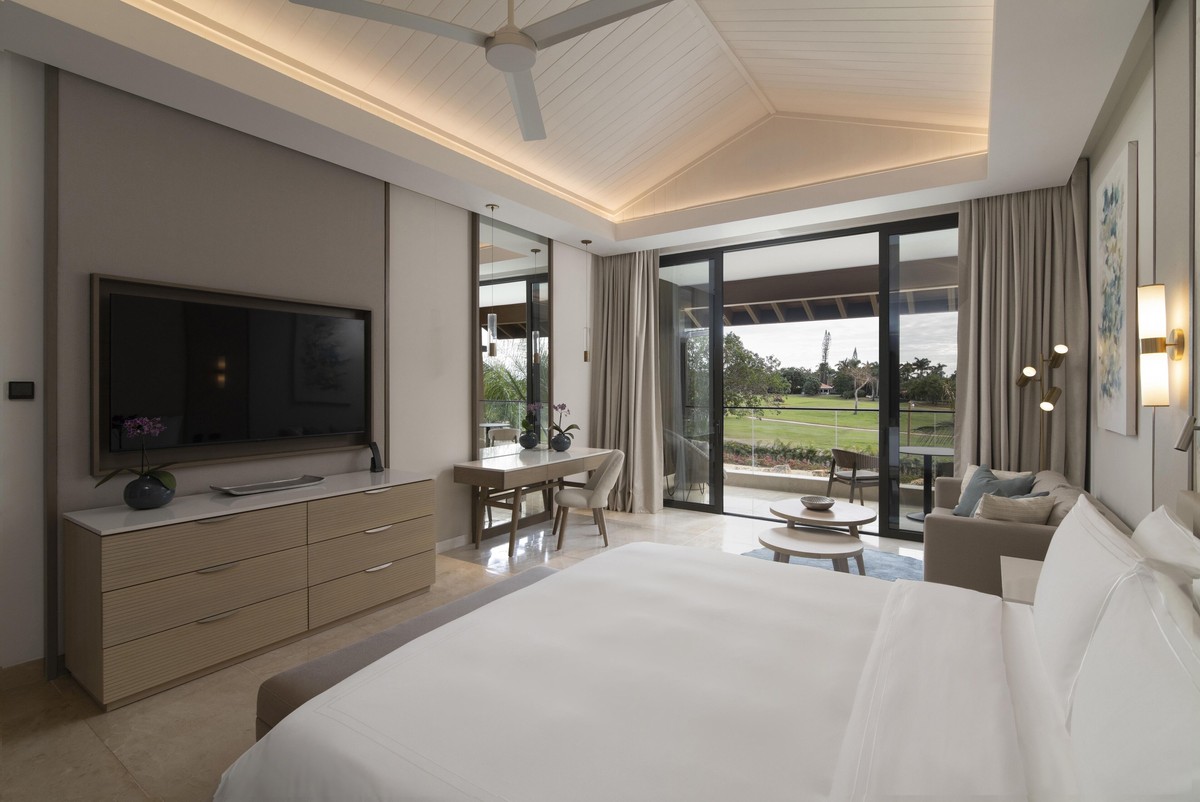
The room tiers climb neatly. At the entry level sit the Superior Casitas, the original 1984 lodge buildings tucked beside the golf fairways and thoroughly remodeled in 2019 with walk-in showers, espresso machines, and shaded terraces. Above them are the Elite Patio and Elite Balcony rooms and suites—generous spaces finished in local coralina marble and mahogany, opening straight onto lawns or breezy second-floor balconies. The biggest leap in recent years arrived in late 2022 with the Premier Club: a 58-suite enclave set apart as a hotel within the resort, complete with its own reception lounge, dedicated concierge, evening cocktail bar, and upgraded four-passenger carts. Right beside it, The Spa at Casa de Campo was rebuilt from scratch in 2023 into a 2,000-square-meter indoor-outdoor sanctuary with twelve garden-facing treatment rooms and a full hydrothermal circuit of Finnish sauna, herbal steam, vitality pool, cold plunge, and Kneipp walk—the only spa in the Dominican Republic to hold a Forbes Travel Guide Four-Star rating, matching the resort’s own Four-Star standing.
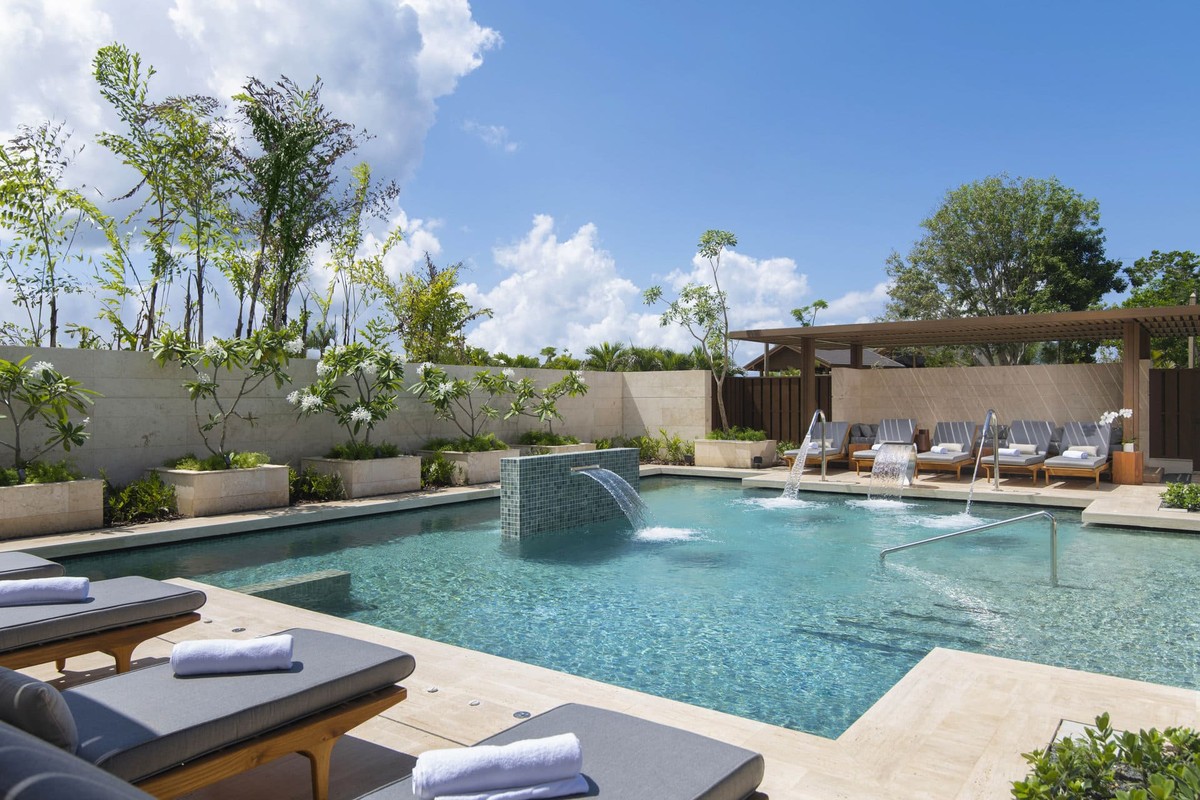
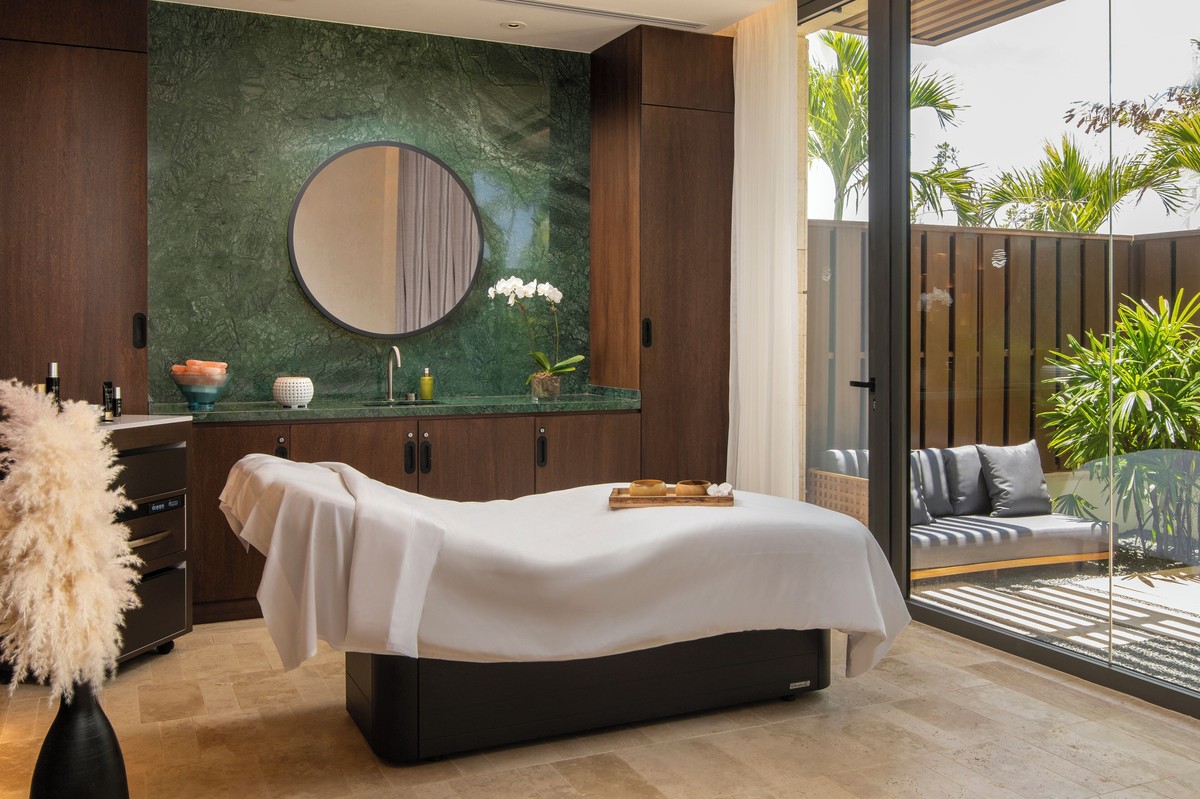
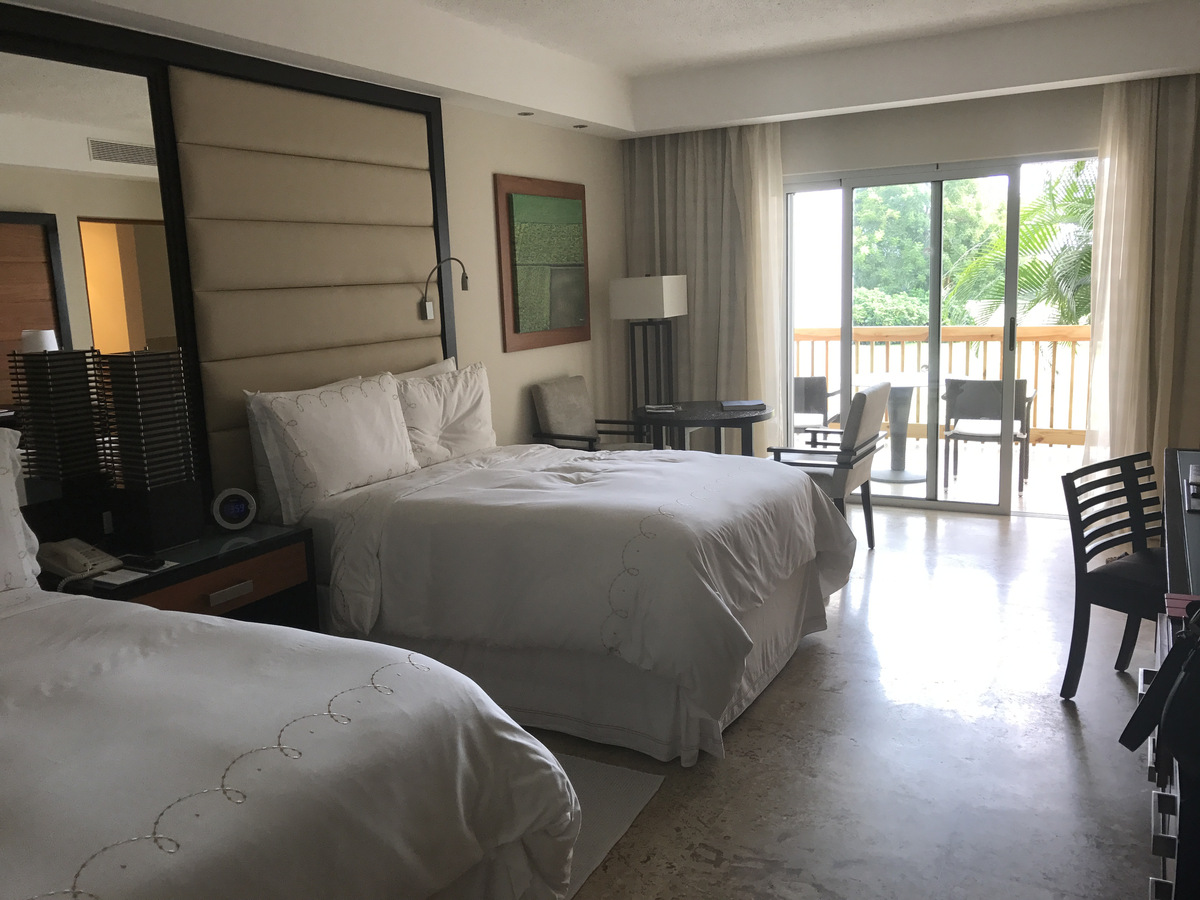
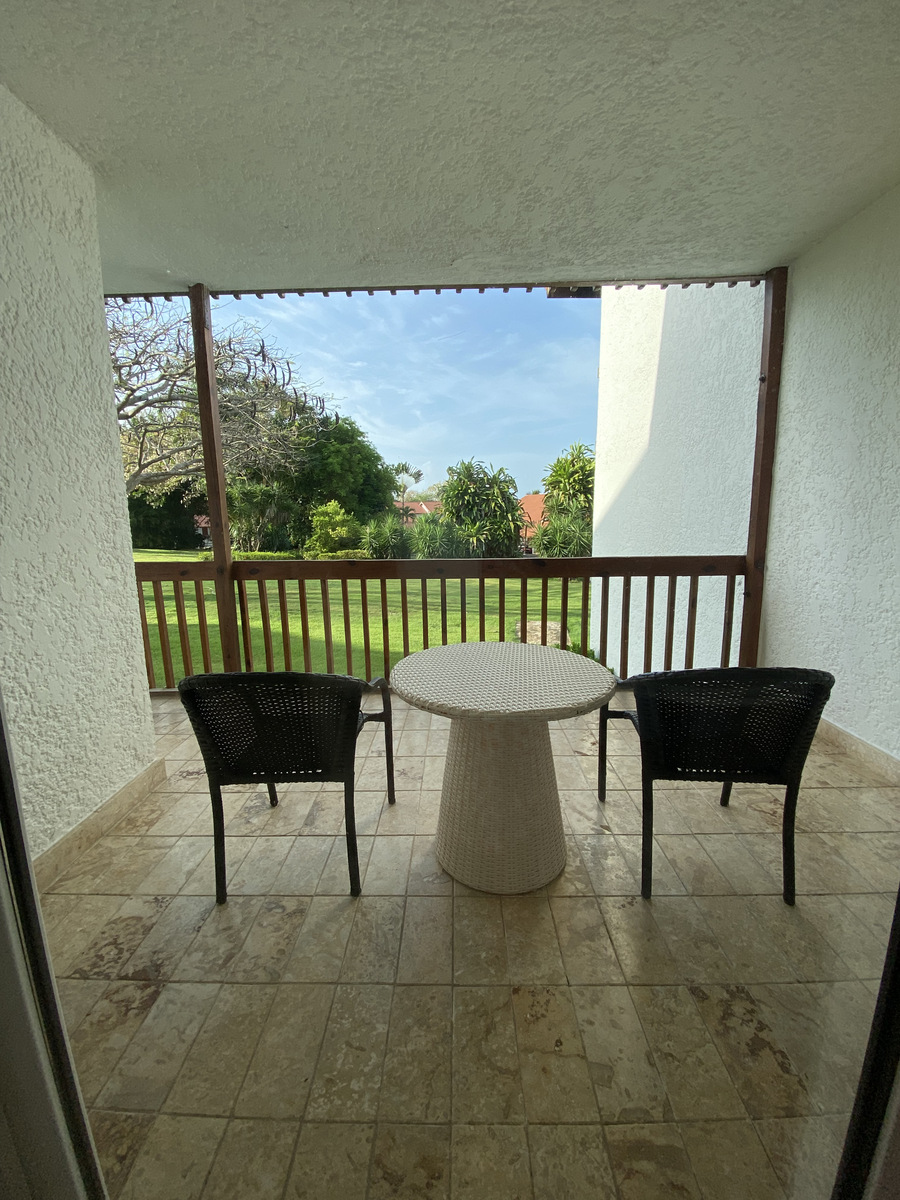
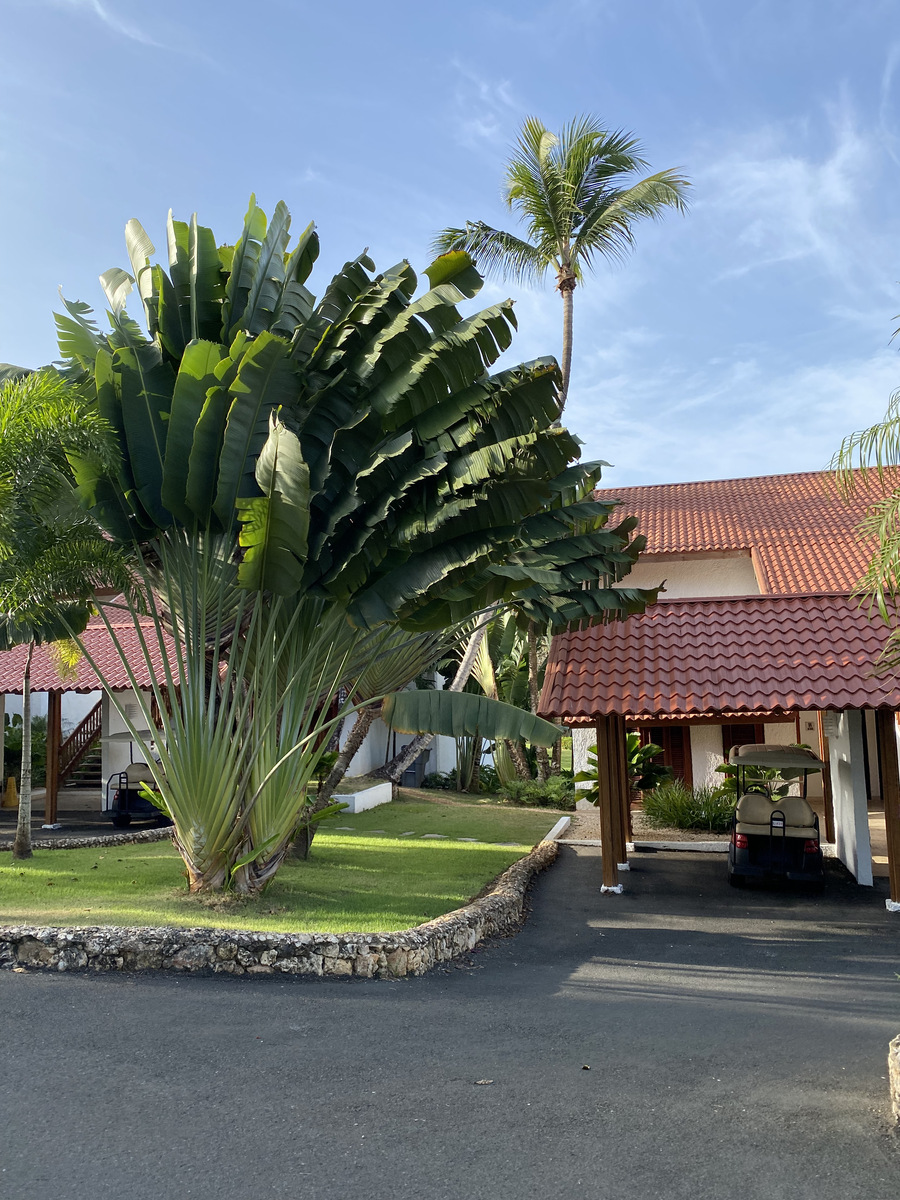
Still, my favorite amenity has nothing to do with marble or thread counts. It is the four-passenger golf cart included with every hotel room, parked right beneath the terracotta carport outside your building.
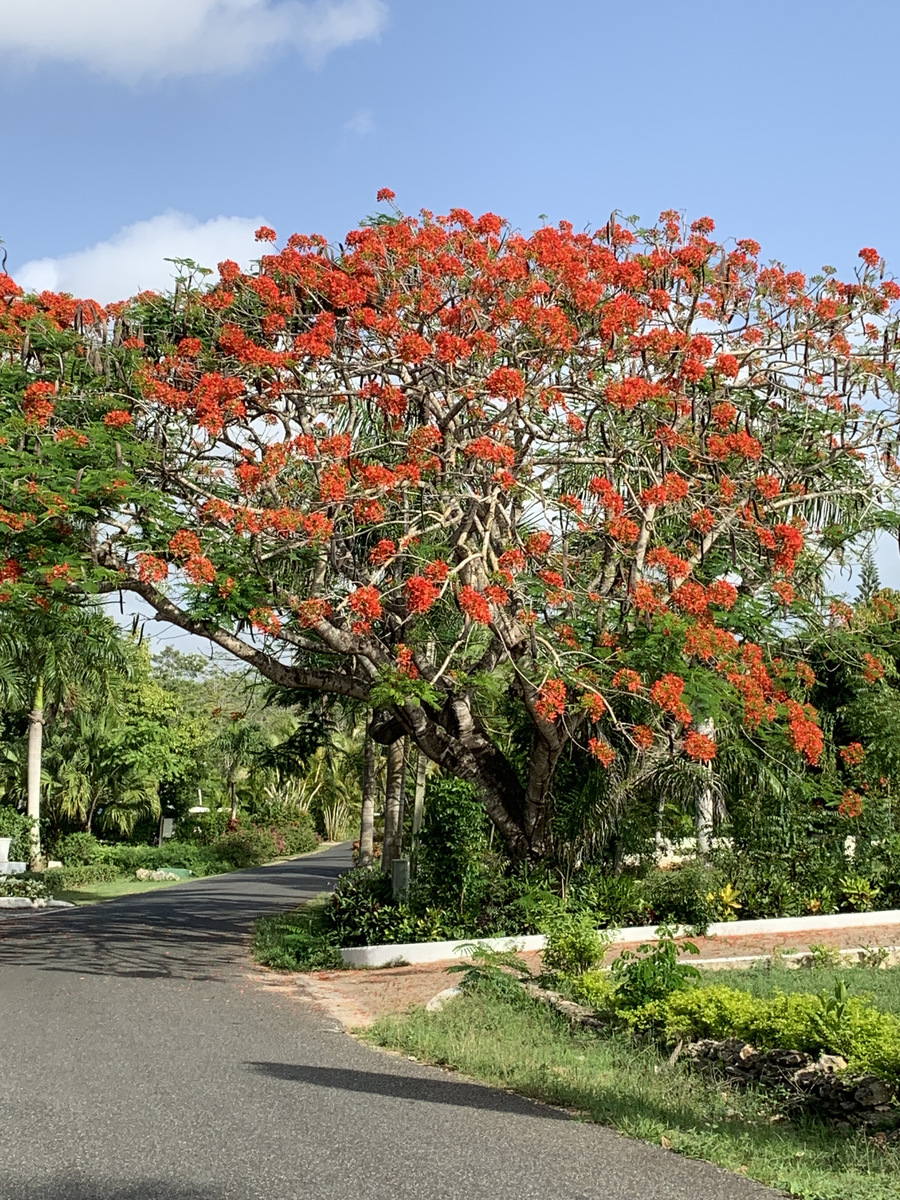
That little cart turns a passive stay into an open-ended exploration. You are not waiting for a shuttle to arrive or watching a clock for the next resort bus. Before breakfast you roll down palm-lined lanes toward the water; mid-morning you point the cart south to Minitas; in the late afternoon you take the quiet residential roads past private gardens where, from May through August, red flamboyant trees arch right across the asphalt like awnings on fire. By dusk you park under the trees beside La Marina or climb the hill to Altos de Chavón, the estate’s hilltop stone village.
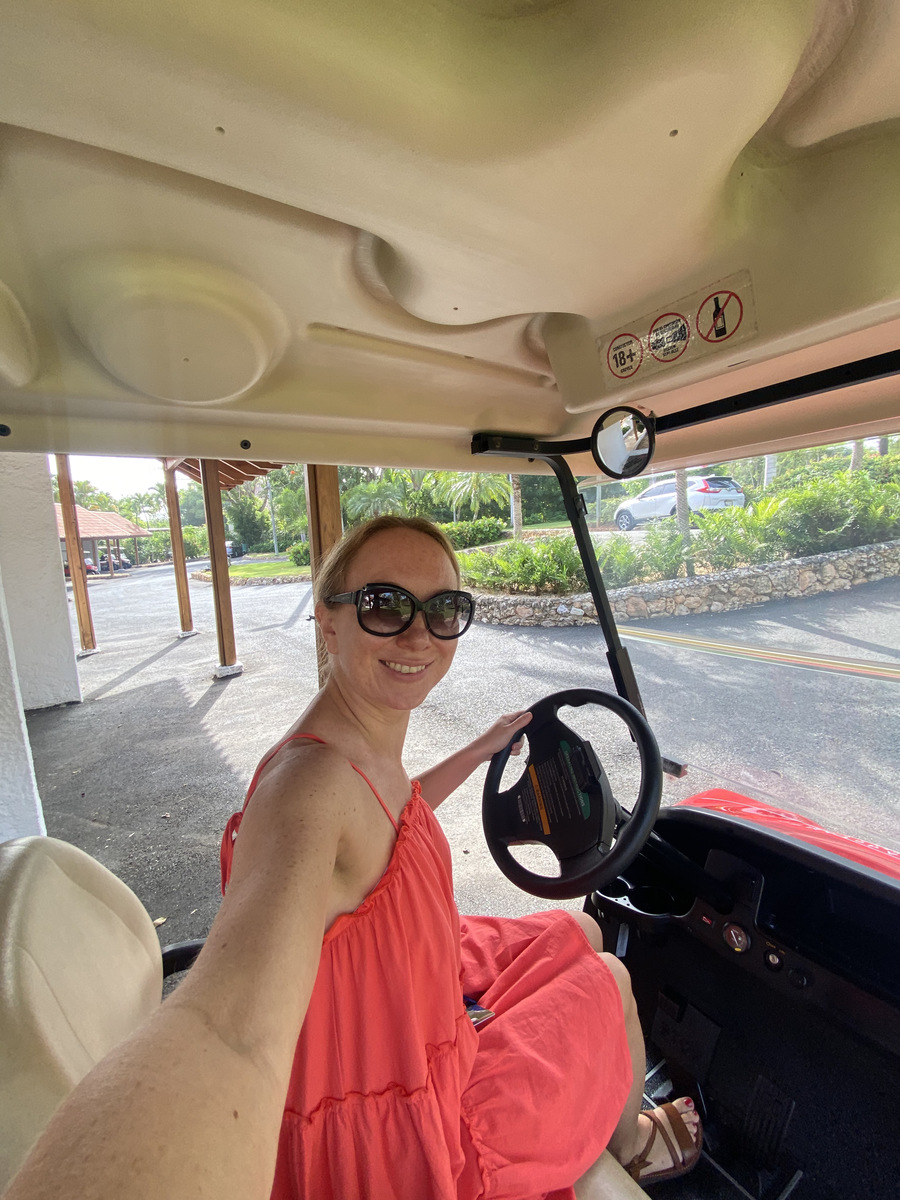
A few honest tradeoffs come with the wheel. Everything sits five to fifteen minutes apart, so you are genuinely commuting inside a gated town. When a sudden tropical downpour hits, canvas rain flaps only do so much; driving at night means sharing unlit stretches with service trucks and villa cars; and the resort enforces strict driver rules—you must be at least eighteen with a valid license, and damage charges are not symbolic. Treat it like a real car on narrow lanes, and it becomes the signature pleasure of the stay.
Minitas Beach: from punchline to trump card
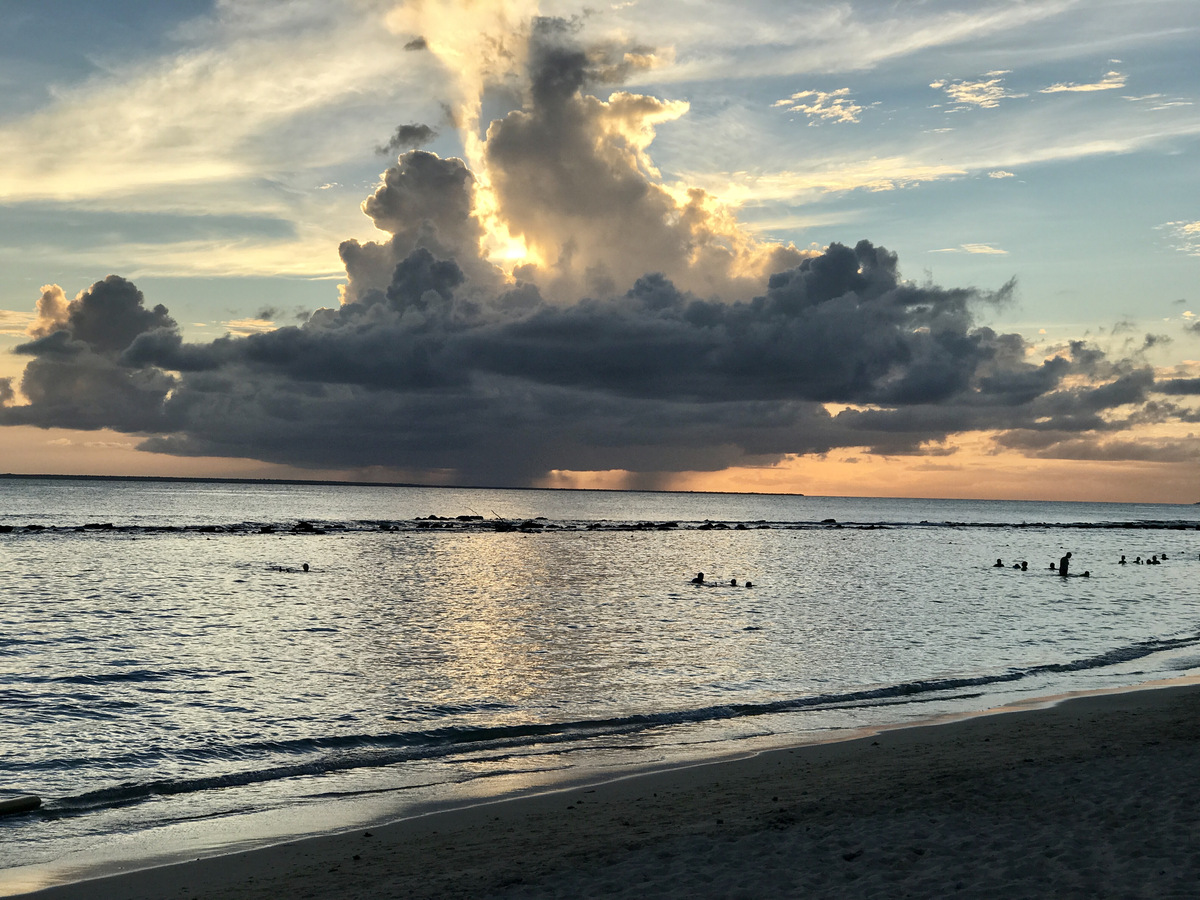
For years, Minitas Beach was the one easy joke anyone in the Dominican Republic could make about Casa de Campo. Compared with the endless white-sand sweep of Punta Cana or the wild sweep of Playa Rincón, Minitas felt almost inland—a small, artificial-looking crescent hemmed in by heavy wave-breaking rocks, looking out across a sheltered bay toward another stretch of coast rather than an open turquoise horizon. You came here for Miami-style convenience, cold drinks, and calm water, not for the postcard Dominican sea.
Then sargassum arrived and rewrote the island’s geography.
Every summer from roughly May through September, the Atlantic-facing east coast—Punta Cana, Bávaro, Cap Cana—braces for thick mats of brown seaweed blown ashore by the trade winds. Minitas faces south onto the Caribbean Sea, tucked behind its rocky breakwaters and shielded by the coastline’s angle. While beaches farther east fought brown tides, Minitas stayed clear, calm, and swimmable.
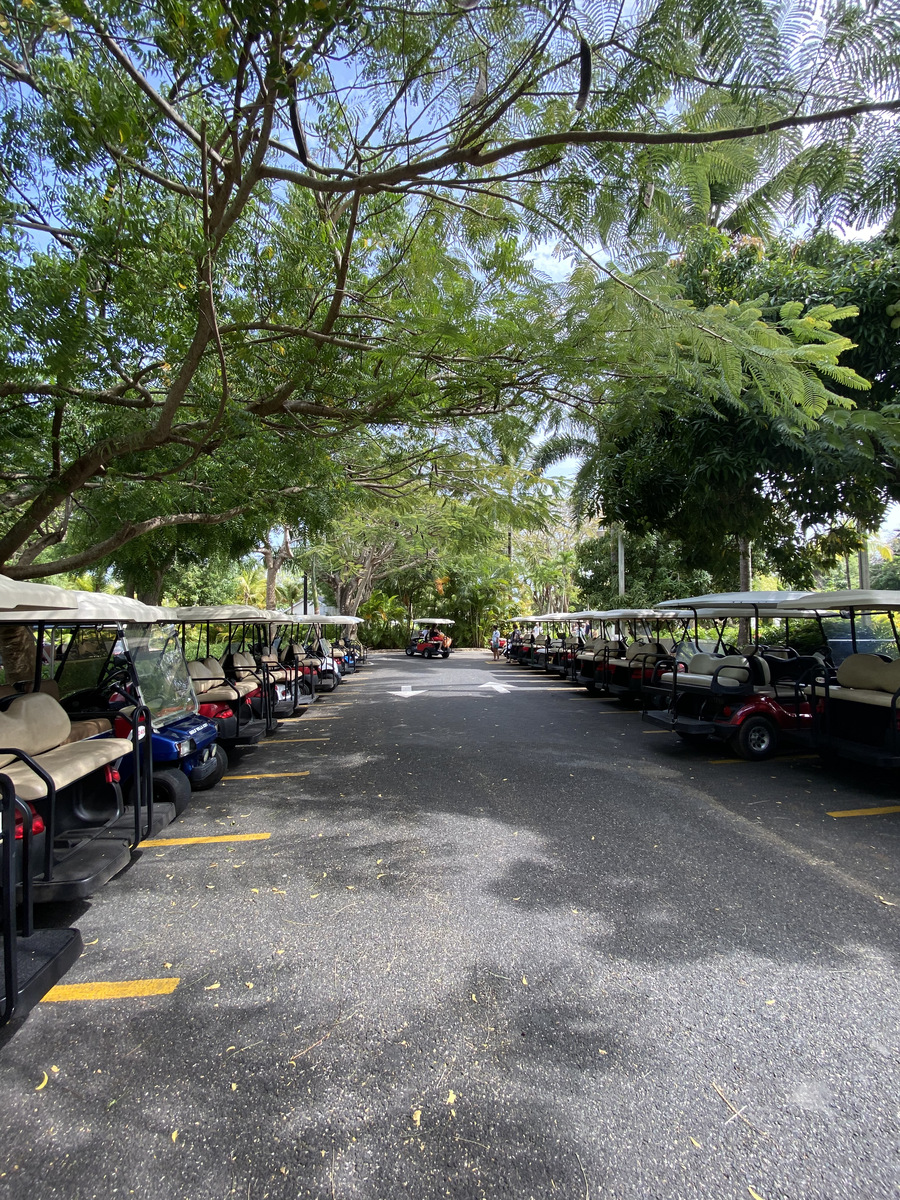
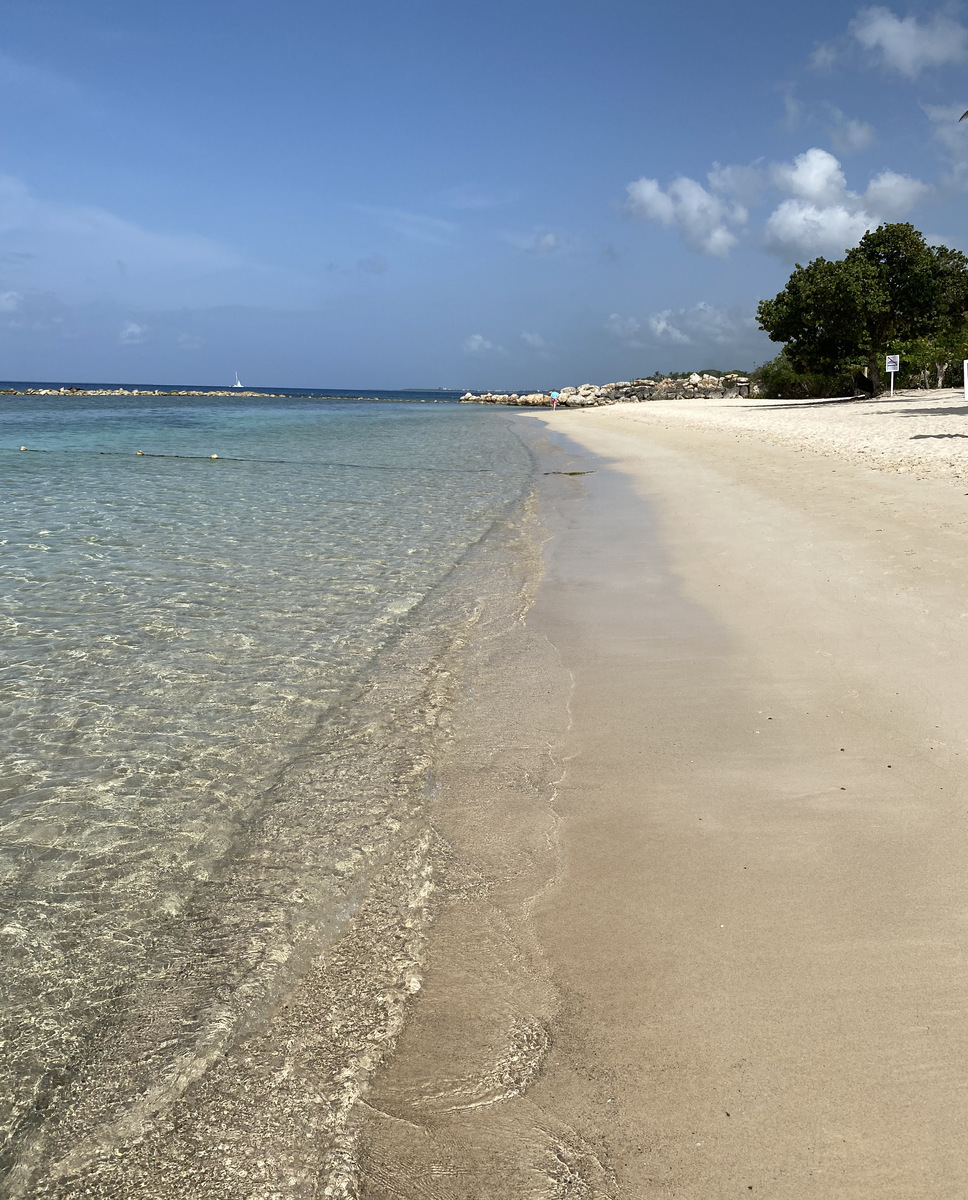
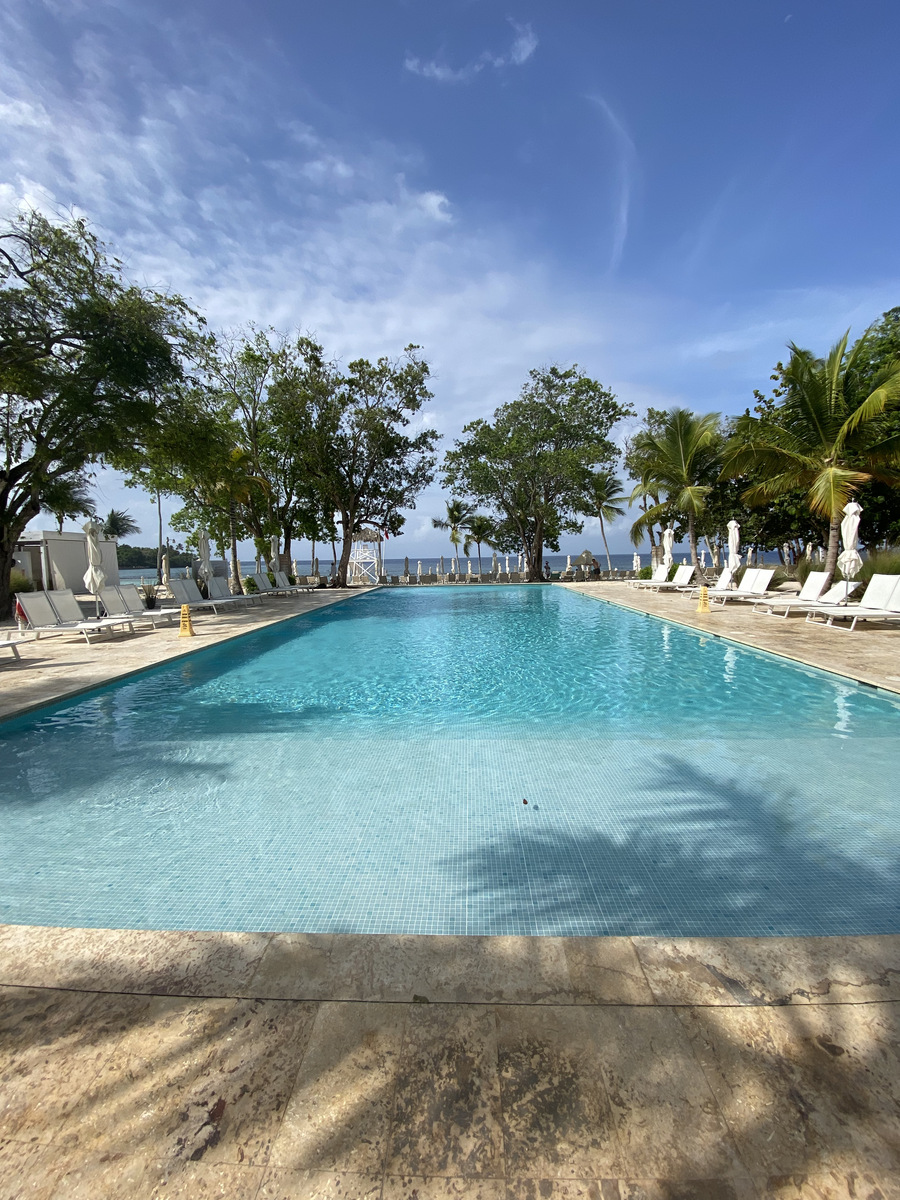
Casa de Campo seized the moment and poured money into the cove. The old Le Cirque beach club gave way in late 2017 to the sleek Minitas Beach Club & Restaurant, anchored by a turquoise infinity pool terrace facing sunset. Fresh sand widened the shore, service sharpened, and in 2019 a family pool zone opened alongside Coco Mar bar and two permanent beachfront food trucks—Brasa for ceviches, burgers, and grilled plates, and Massa for wood-fired sourdough pizza—so you no longer have to dress for a sit-down lunch just to eat well by the water. Pulling your golf cart into the shaded beach parking lot and walking out to calm, transparent water feels less like a compromise now and more like quiet vindication.
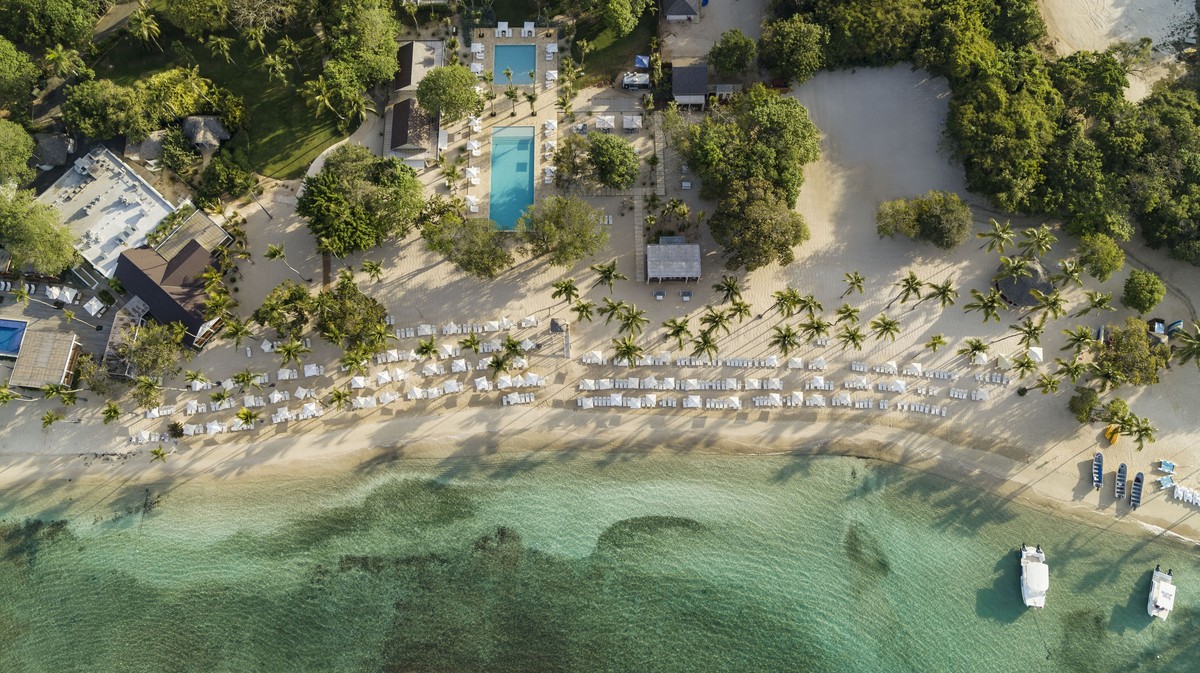
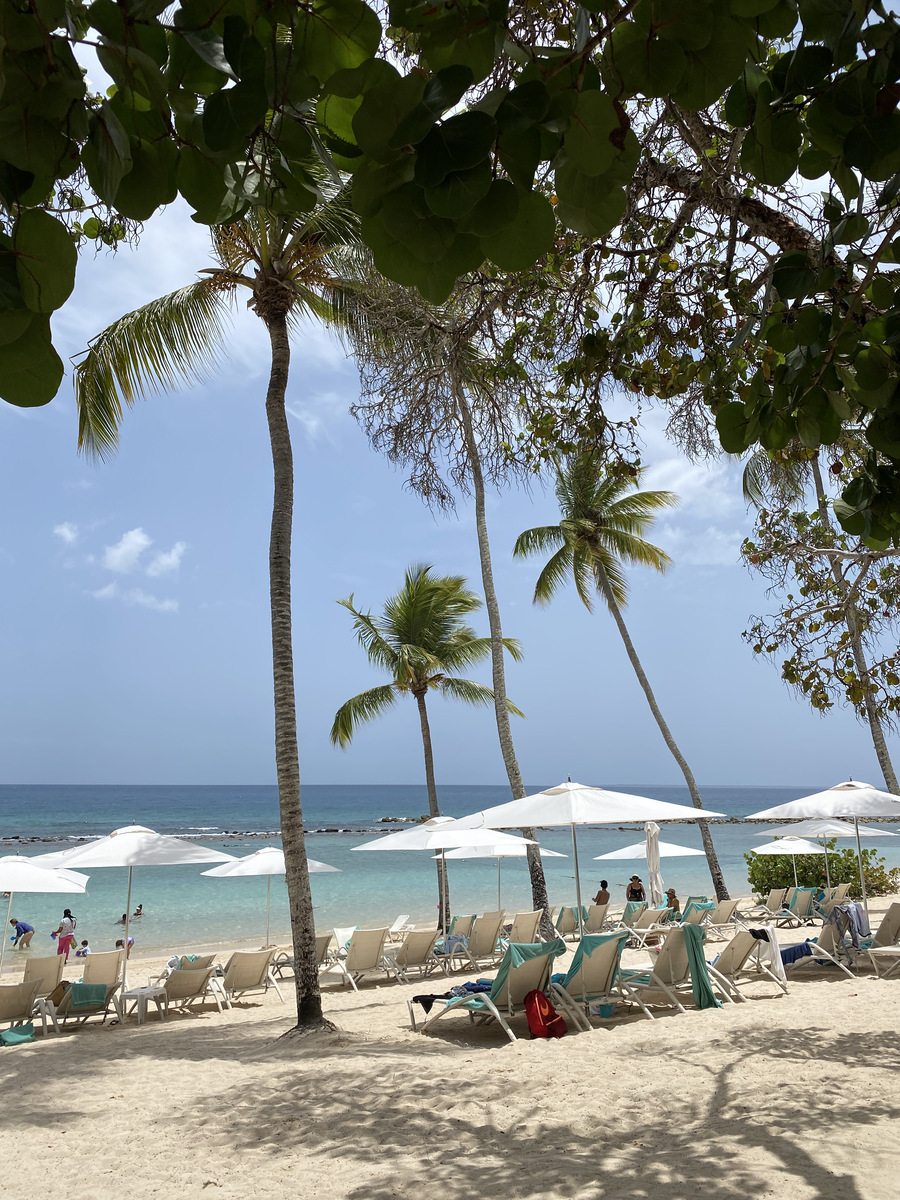
One limitation remains real, and it comes straight from the estate’s scale. Minitas is the only beach inside Casa de Campo, shared by hotel guests and residents from thousands of villas. On ordinary weekdays in May or November, you can stretch out with plenty of room. On Christmas week, Easter’s Semana Santa, or a busy Santo Domingo holiday weekend, sand space tightens fast and the prime umbrellas go early.
Altos de Chavón: a stone village built by a film studio
On paper, Altos de Chavón should not work at all. A replica sixteenth-century Mediterranean stone village perched above a tropical Dominican river, conceived in 1974 by an Austrian industrialist and brought to life by Roberto Coppa—an Italian Paramount Pictures set designer who had worked with Fellini and Visconti—sounds like a theme-park gamble.
In person, it wins you over within five minutes.
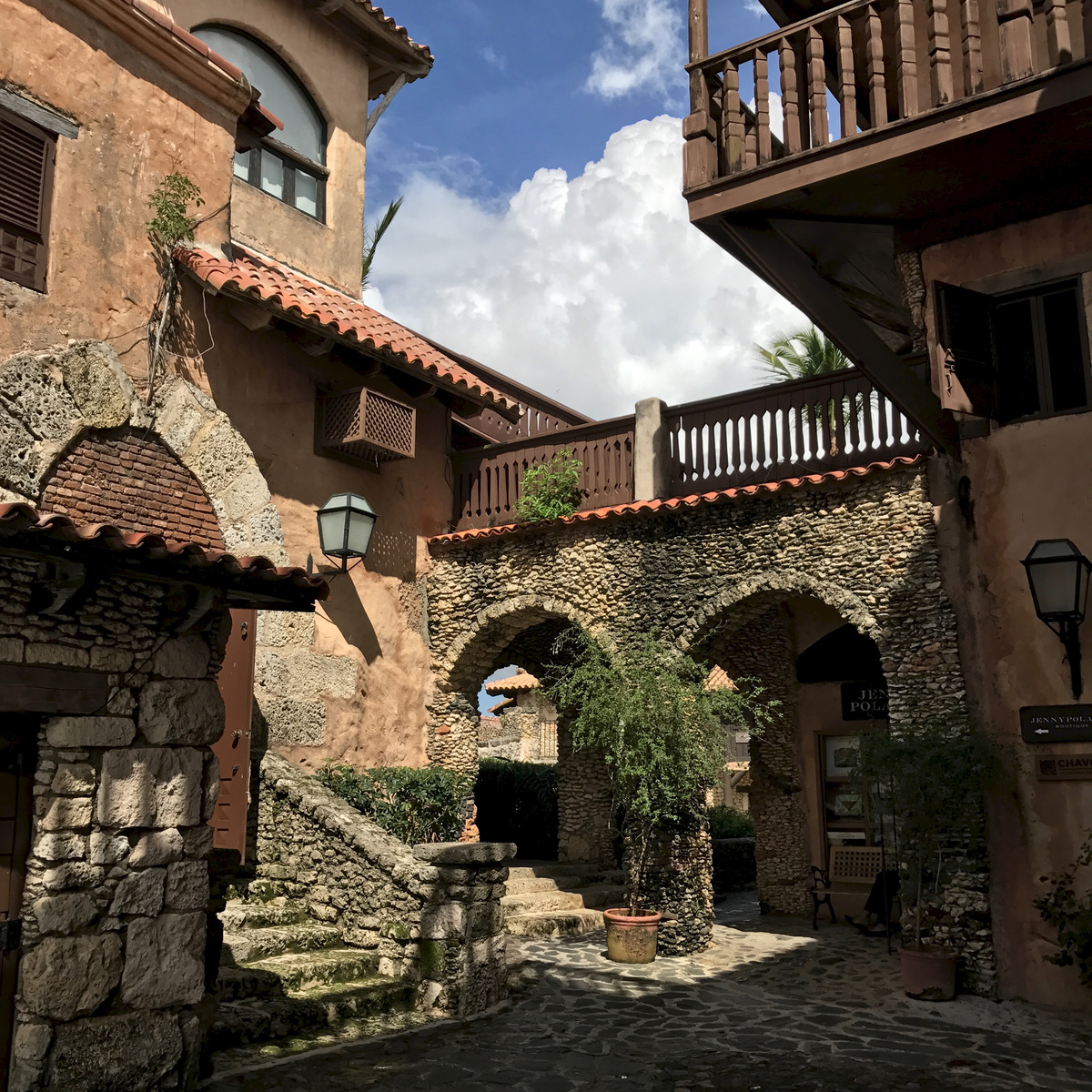
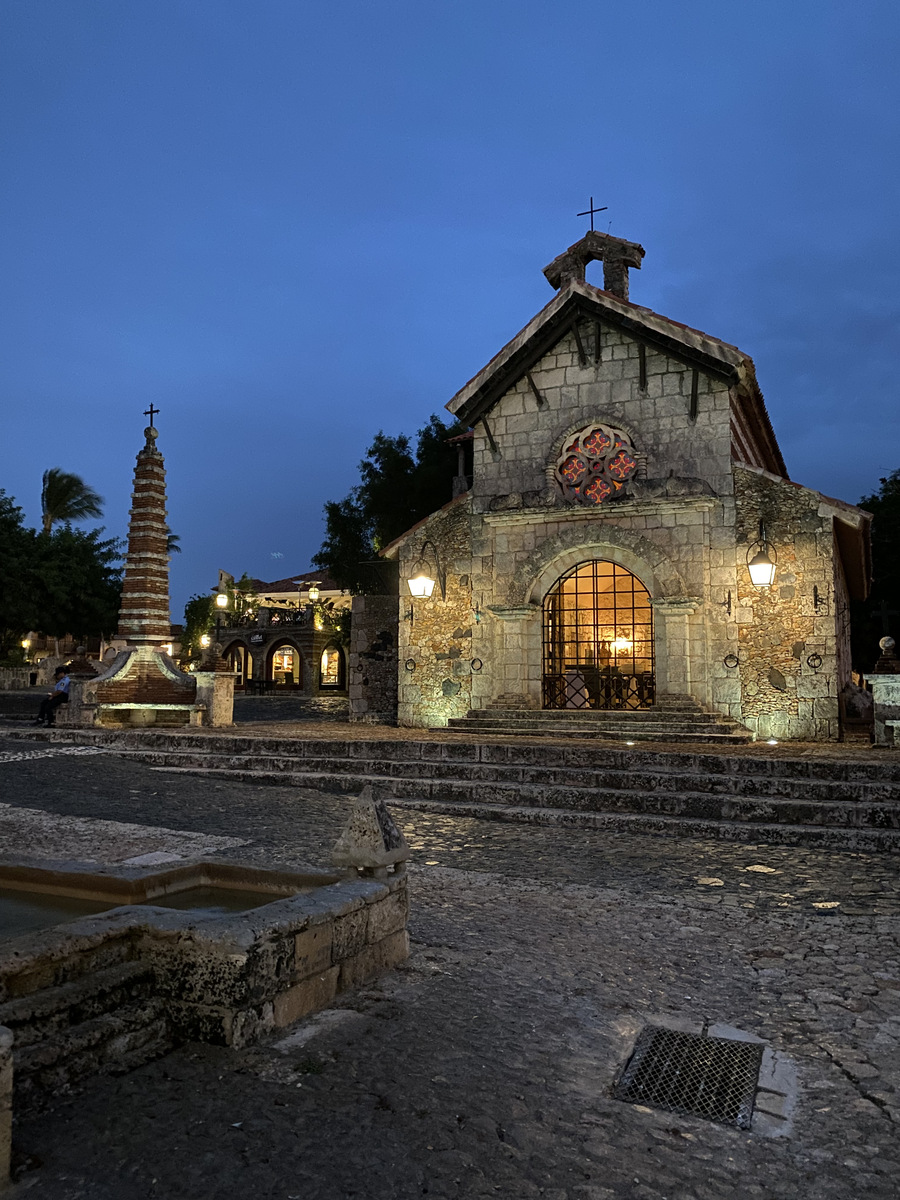
When crews blasted through rock to cut a road and bridge nearby, Bluhdorn and Coppa had the quarried coralina stone carried up the cliff and hand-shaped by Dominican masons, woodcarvers, and ironworkers over six years. Nothing looks fiberglass or pasted on. Vines spill over arched passageways, wrought-iron lanterns hang above worn cobbles, and from the stone lookout terrace the emerald Chavón River winds far below between sheer jungle walls. Even knowing every block was laid in the late 1970s, walking through Altos de Chavón at twilight—when the lanterns switch on against a cobalt sky—still gives me a quiet rush of inspiration every single time.
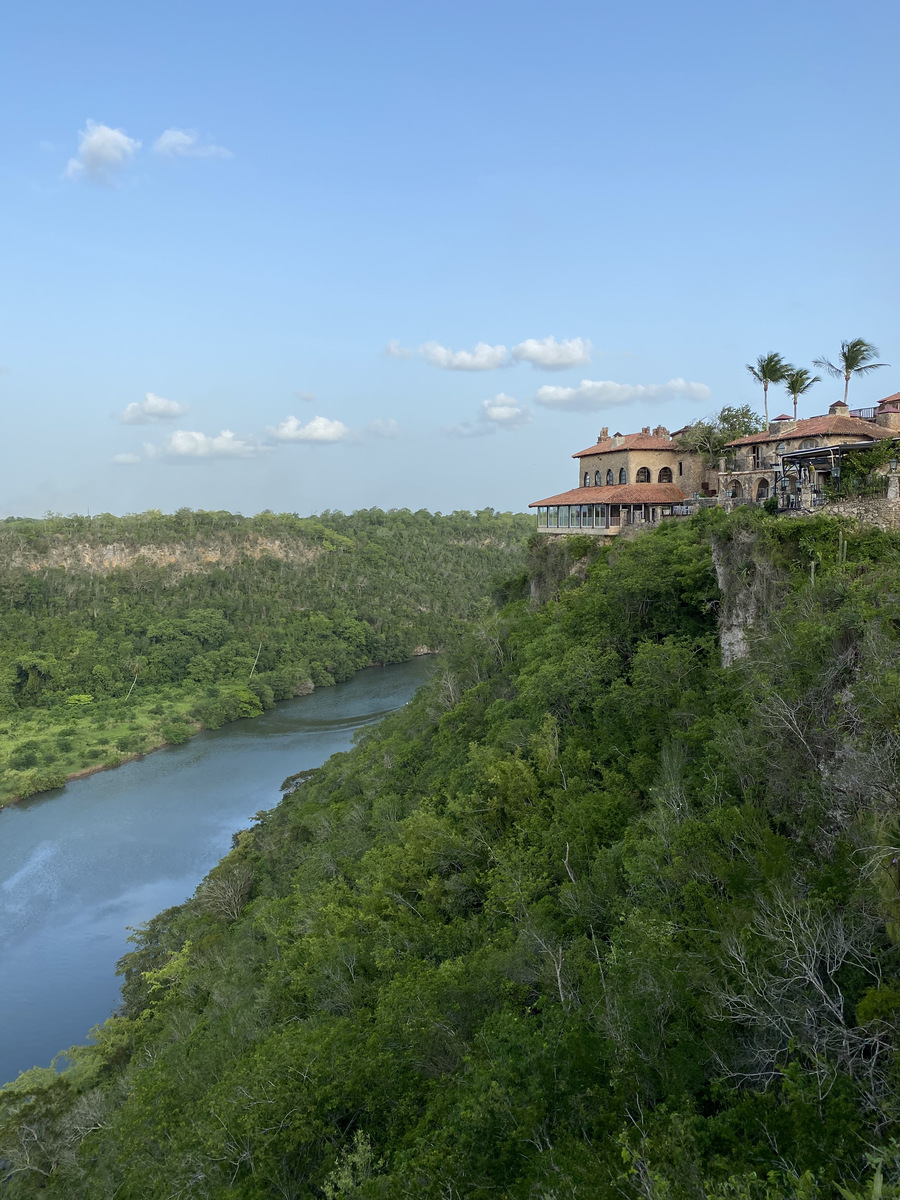
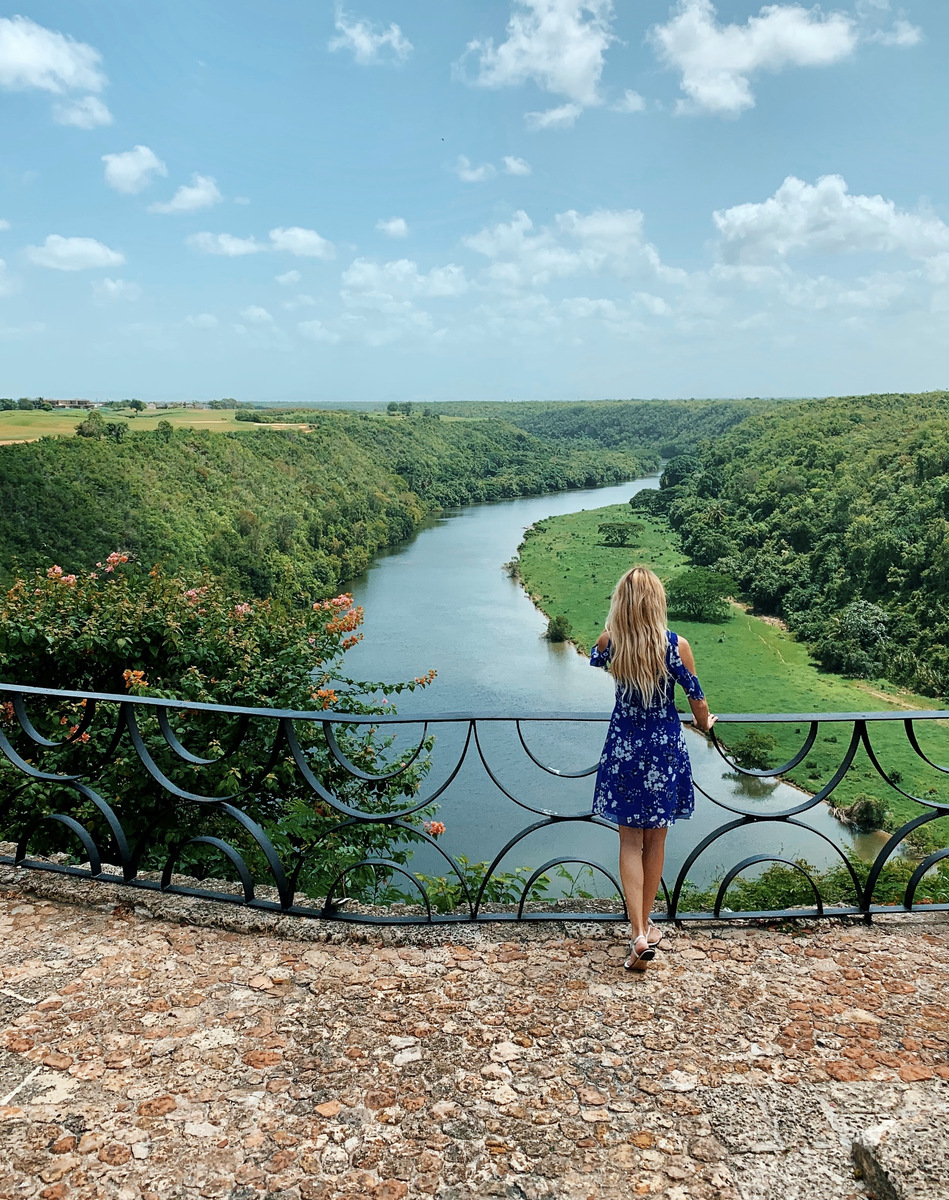
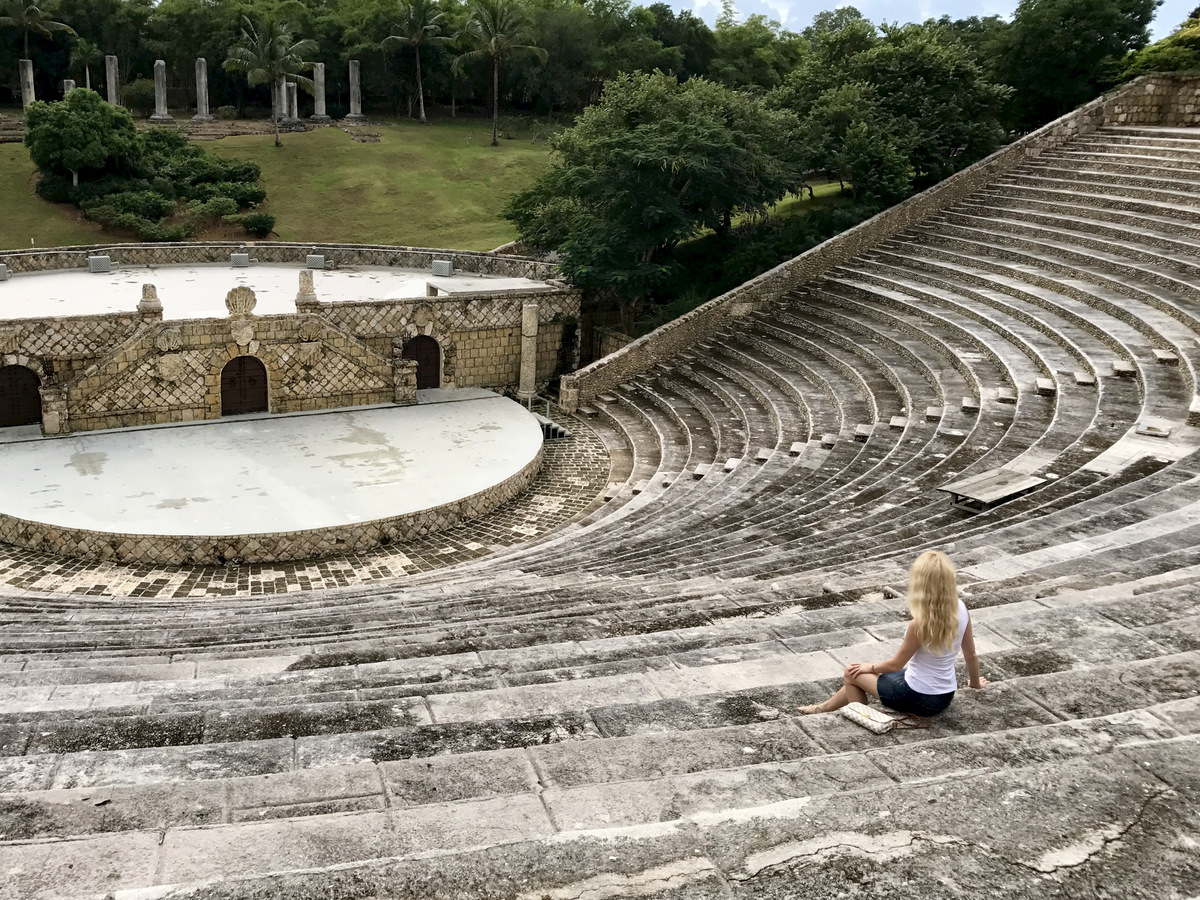
It is also far more than a backdrop for wedding photographs. At the center of the main plaza stands St. Stanislaus Church, consecrated in 1979 and named for Poland’s patron saint after Pope John Paul II sent ashes of the saint and a hand-carved statue from Kraków. Steps away, the Regional Archaeological Museum holds more than three thousand pre-Columbian Taíno artifacts gathered over four decades. Down the terraced steps opens the 5,000-seat Roman-style amphitheater, inaugurated on 20 August 1982 by Frank Sinatra’s Concert for the Americas and still the country’s premier outdoor concert stage—hosting everyone from Sting and Andrea Bocelli to Juan Luis Guerra and Bad Bunny.
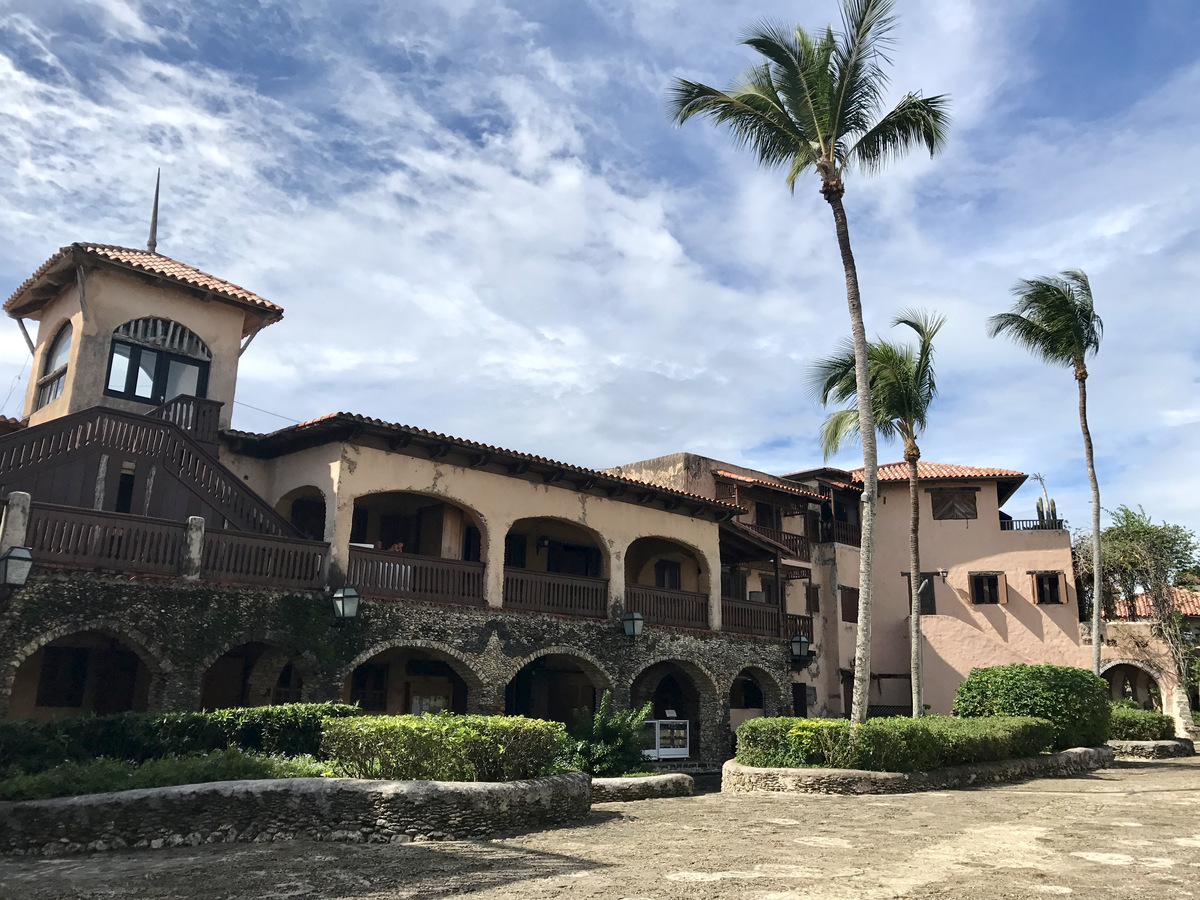
And tucked behind the workshops sits the CHAVÓN School of Design, founded in 1983 in affiliation with Parsons School of Design in New York—a partnership that remains active today, sending Dominican and Latin American design students into international fashion, architecture, and fine arts. Stop into the campus gallery or the Jenny Polanco boutique beneath the arches, then stay for handmade pasta at La Piazzetta—open since 1986—or casual tacos at Chilango while the village empties out into the warm night.
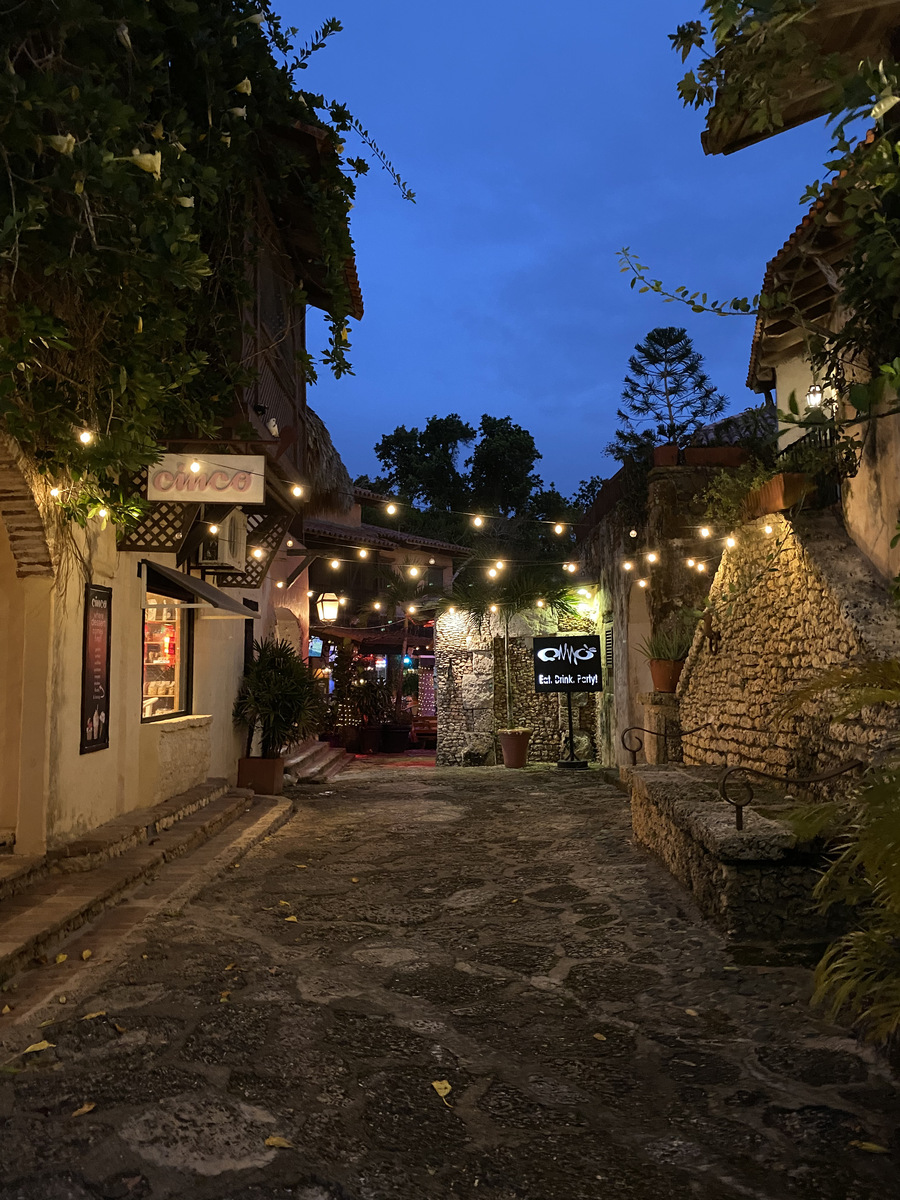
La Marina after dark—and by morning
If Altos de Chavón is Casa de Campo’s theater, La Marina is its living room.
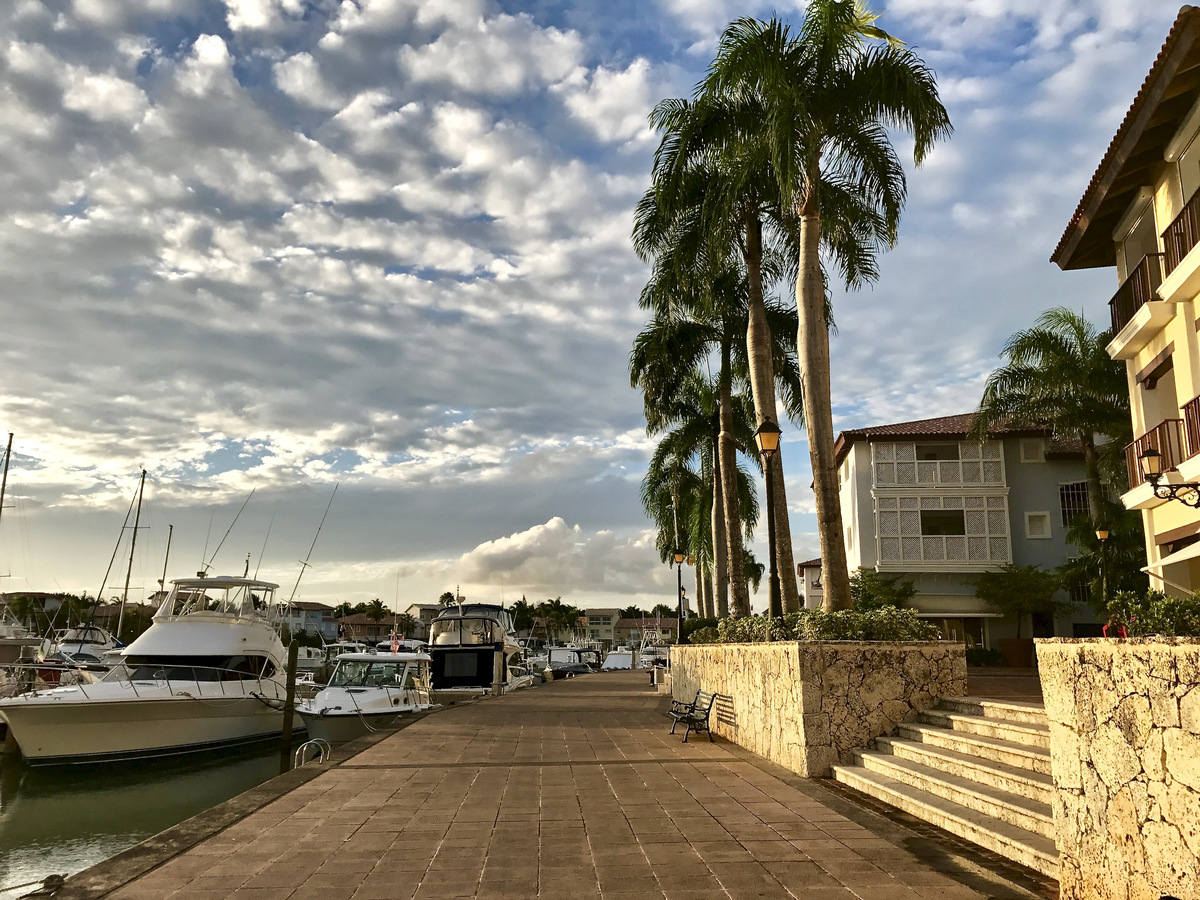
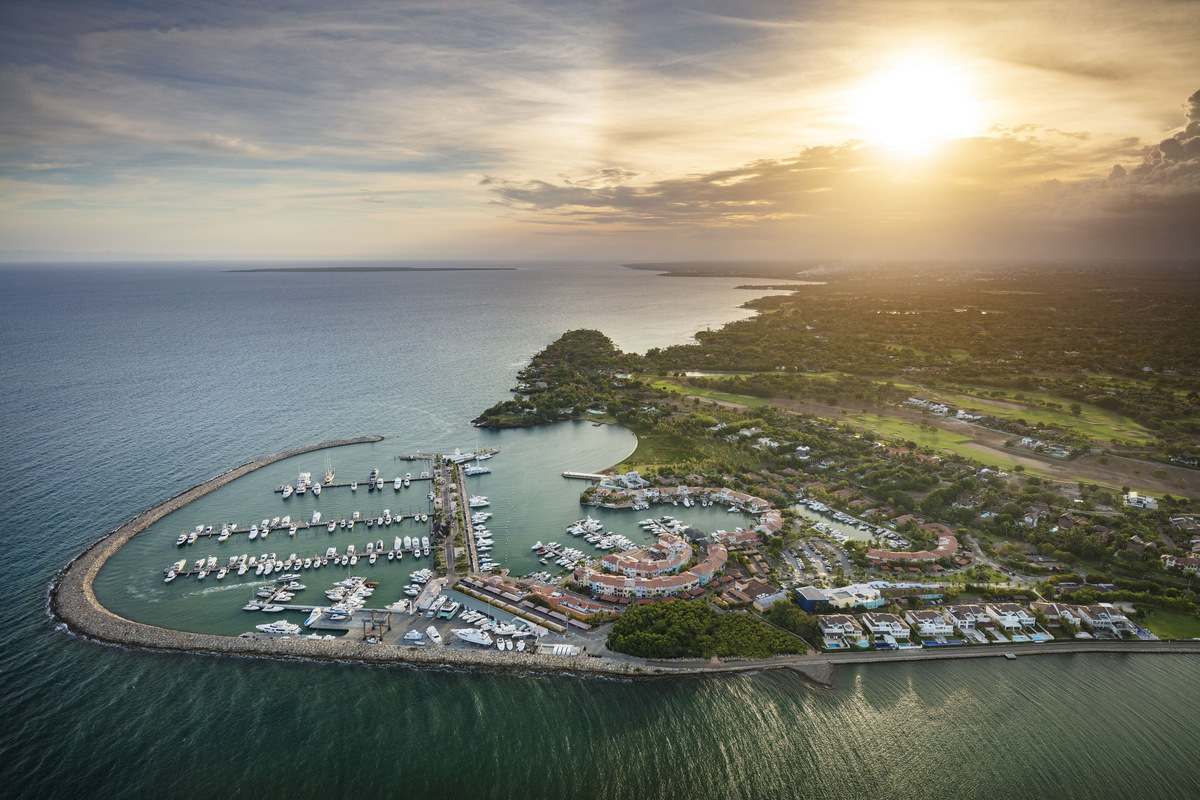
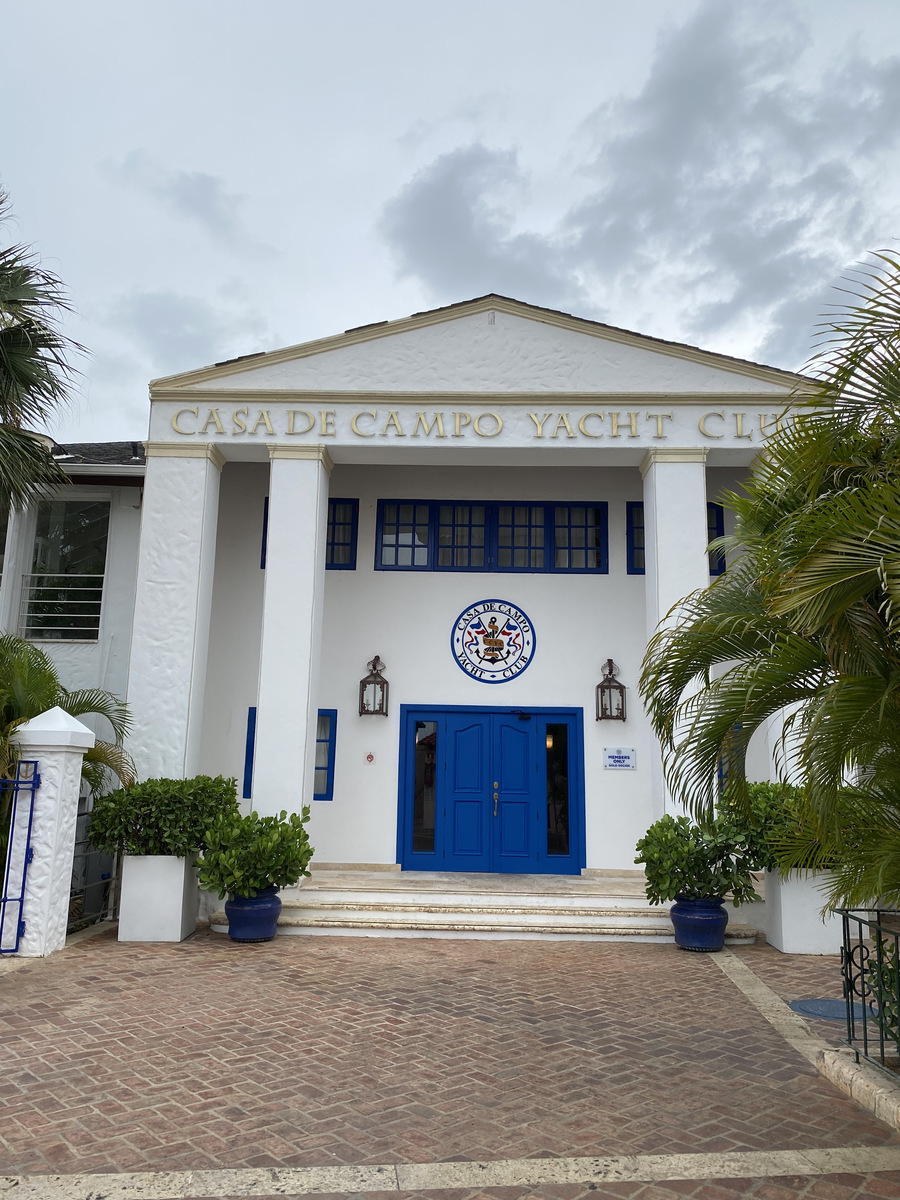
Opened in 2001 to a master plan by Italian architects Gianfranco Fini and Piero Giacosa, the harbor borrows its palette from Portofino: coralina-stone arcades, pastel stucco facades, a carved sundial overlooking Plaza Portofino, and 350 slips taking sport-fishing boats and superyachts up to 76 meters (250 feet) long. There is a proper working shipyard with a 300-ton travel lift, on-site customs clearance, a catch-and-release blue-marlin season from February through May, and the white-columned, cobalt-doored Casa de Campo Yacht Club with its crisp “Members Only” plaque beside the entrance.
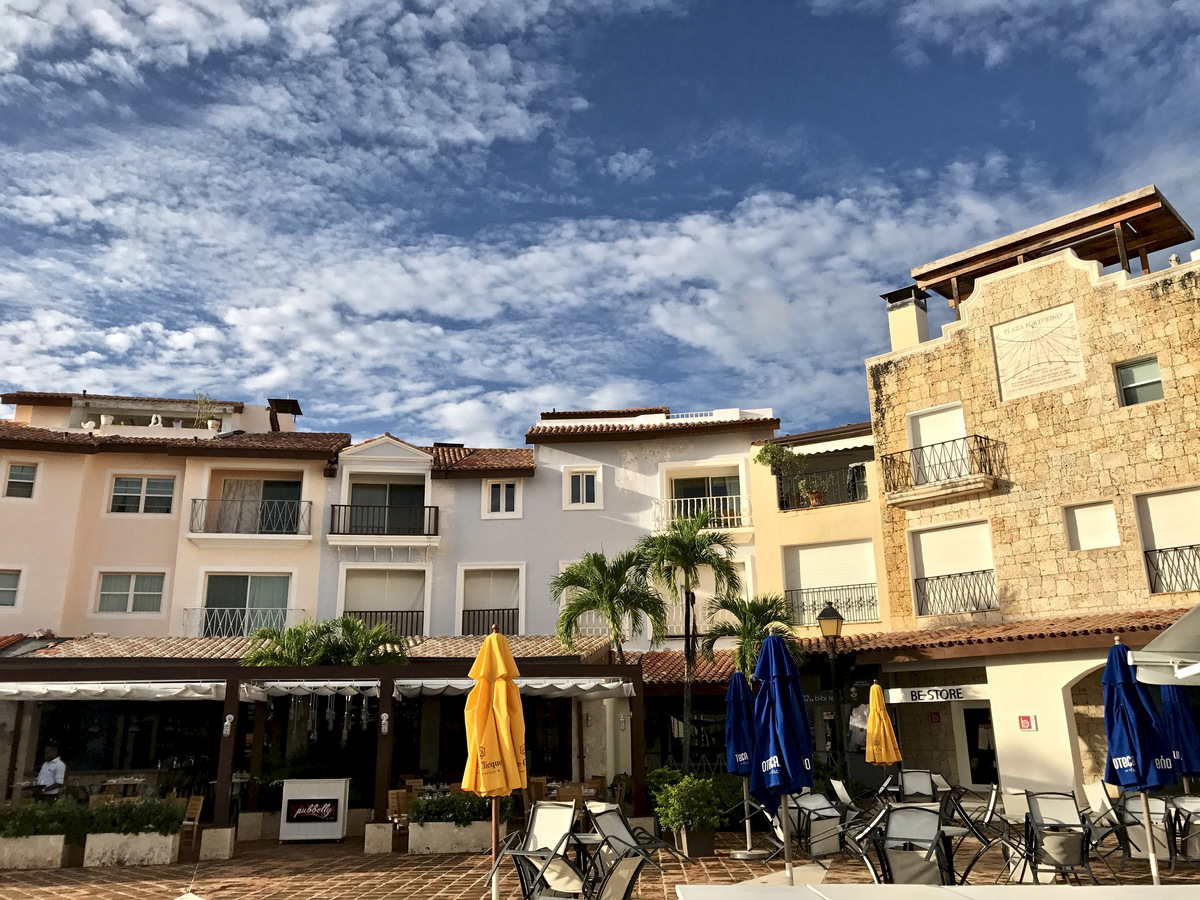
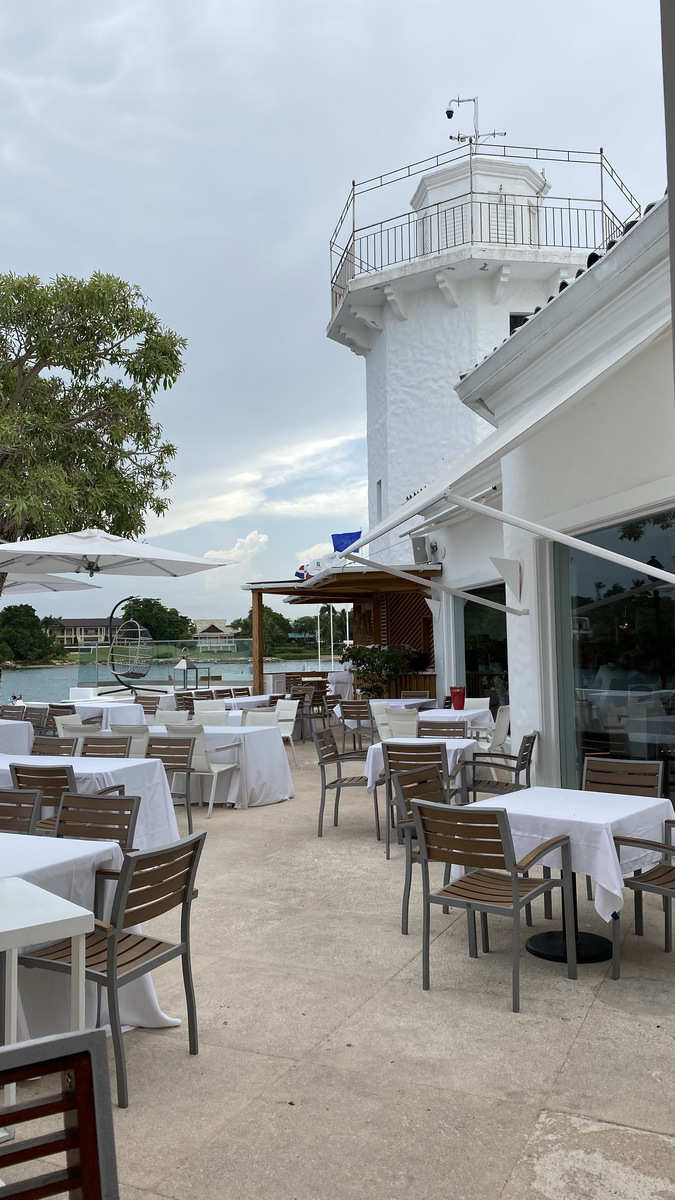
What wins me over is how thoroughly La Marina functions as a real town rather than a hotel arcade. Villa owners and yacht crews stop by Supermercado Nacional for groceries and wine. On a rainy afternoon you can catch a first-run English-language film at Caribbean Cinemas in Coconut Mall. Walk past yacht brokers advertising helicopters and charter boats, buy gelato, and linger along the palm-lined stone promenade as the sun drops behind the red-and-white breakwater lighthouse.
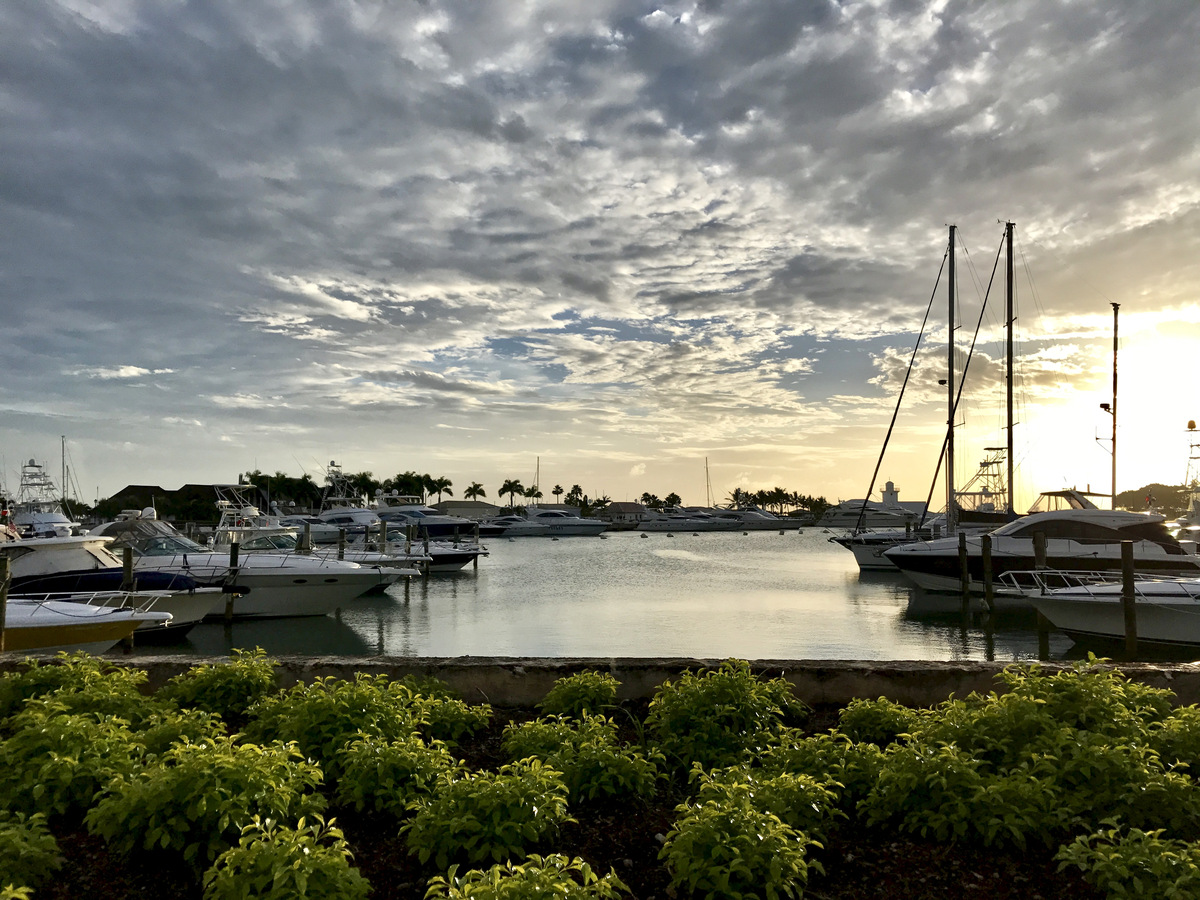
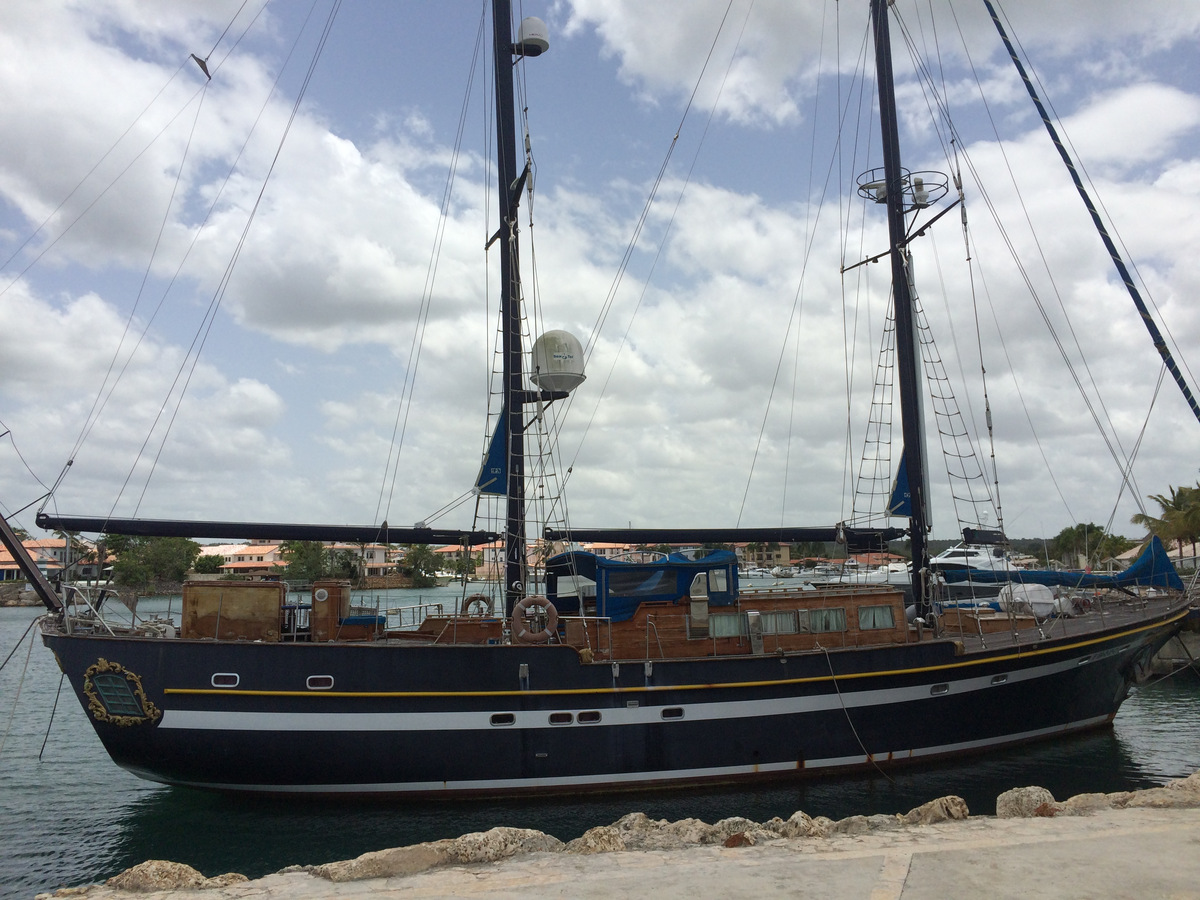
Every evening, the whole estate seems to drift down here. Golf carts line up right beside the yacht sterns, yellow Veuve Clicquot umbrellas glow under warm lamps, and Santo Domingo families fill the waterfront terraces. My favorite dinner remains SBG, the sleek poolside-and-marina outpost of the same restaurant group I love in Santo Domingo and Punta Cana—lively, well-dressed, and late-running. Around the basin you also have La Casita for Spanish seafood and paella over the water, Causa for Peruvian-Nikkei dishes, and longtime independent staples Limoncello and Peperoni on Plaza Portofino, plus La Caña back at the main hotel when you want a closer table and live music.
To keep up with what is actually happening across the estate during your stay—from charity galas, amphitheater concerts, and polo brackets to holiday dining and weekly calendars—check Casa de Campo Living. Published both online (with detailed weekly event schedules) and in print editions placed right in the hotel rooms, it is the single most authoritative source for the community’s social calendar.
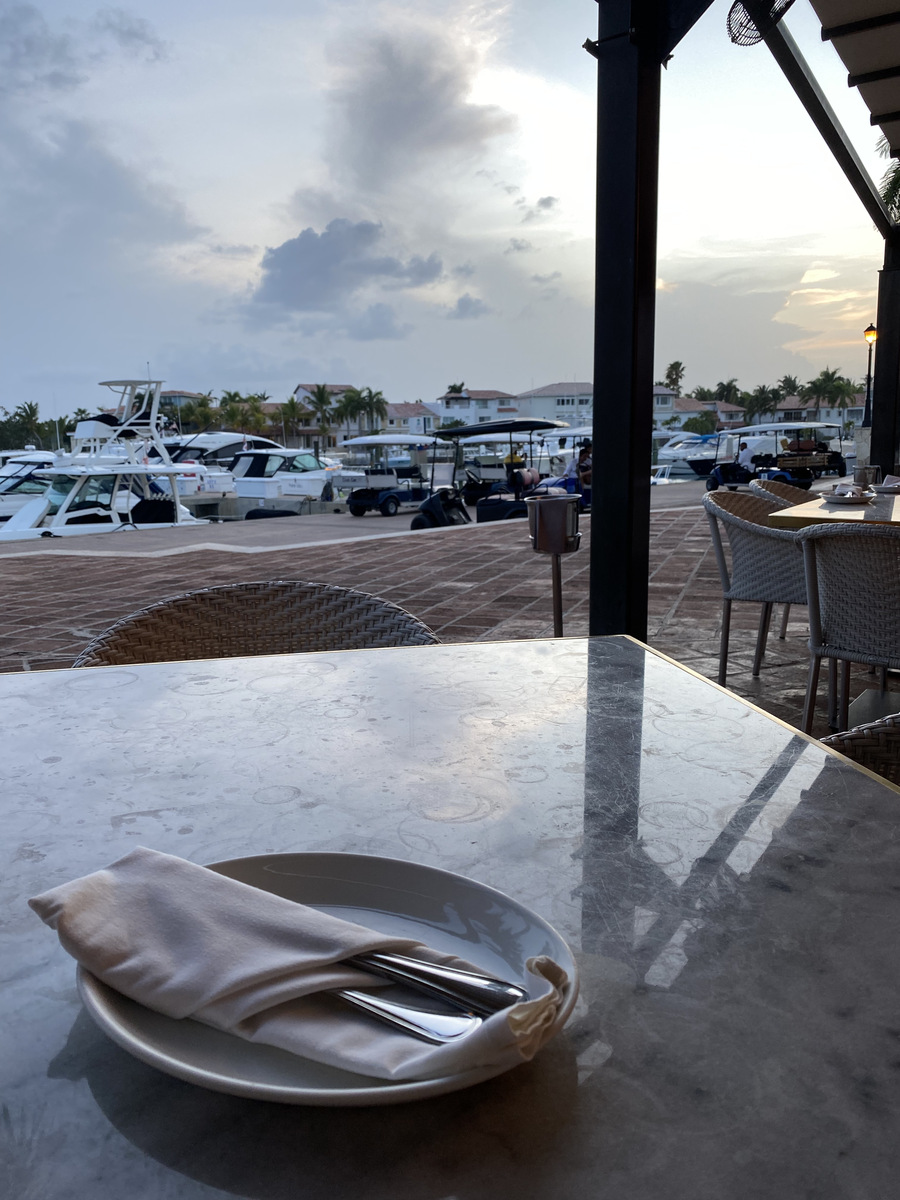
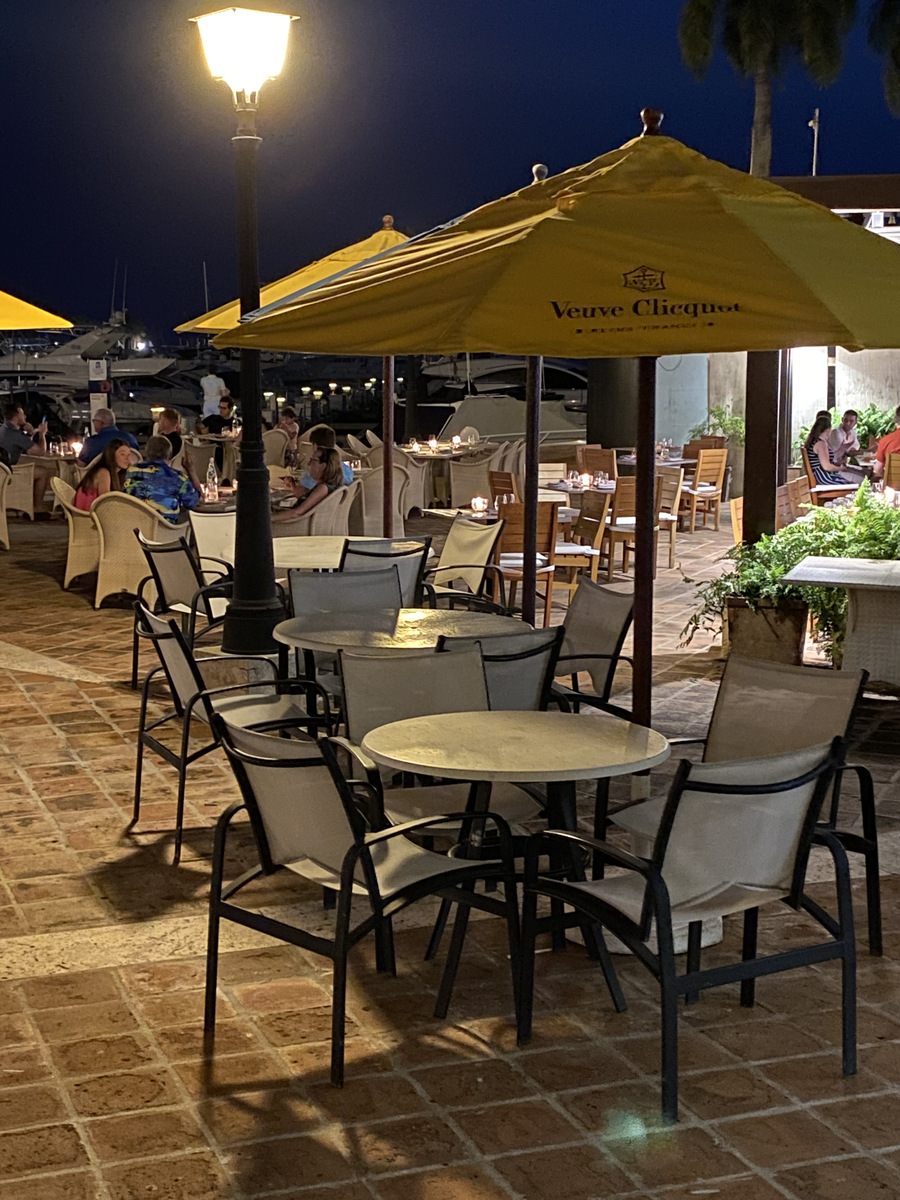
One practical point catches visitors accustomed to Punta Cana off guard: Casa de Campo operates on a room-only, à la carte basis by default. The resort sells an optional Casa Inclusive meal package, yet even on that plan, flagship spots such as SBG, select menu items, and certain activities carry surcharges. Price your stay realistically—dining here follows international resort pricing, and the pleasure is having genuine restaurant choice rather than an all-inclusive buffet wristband.
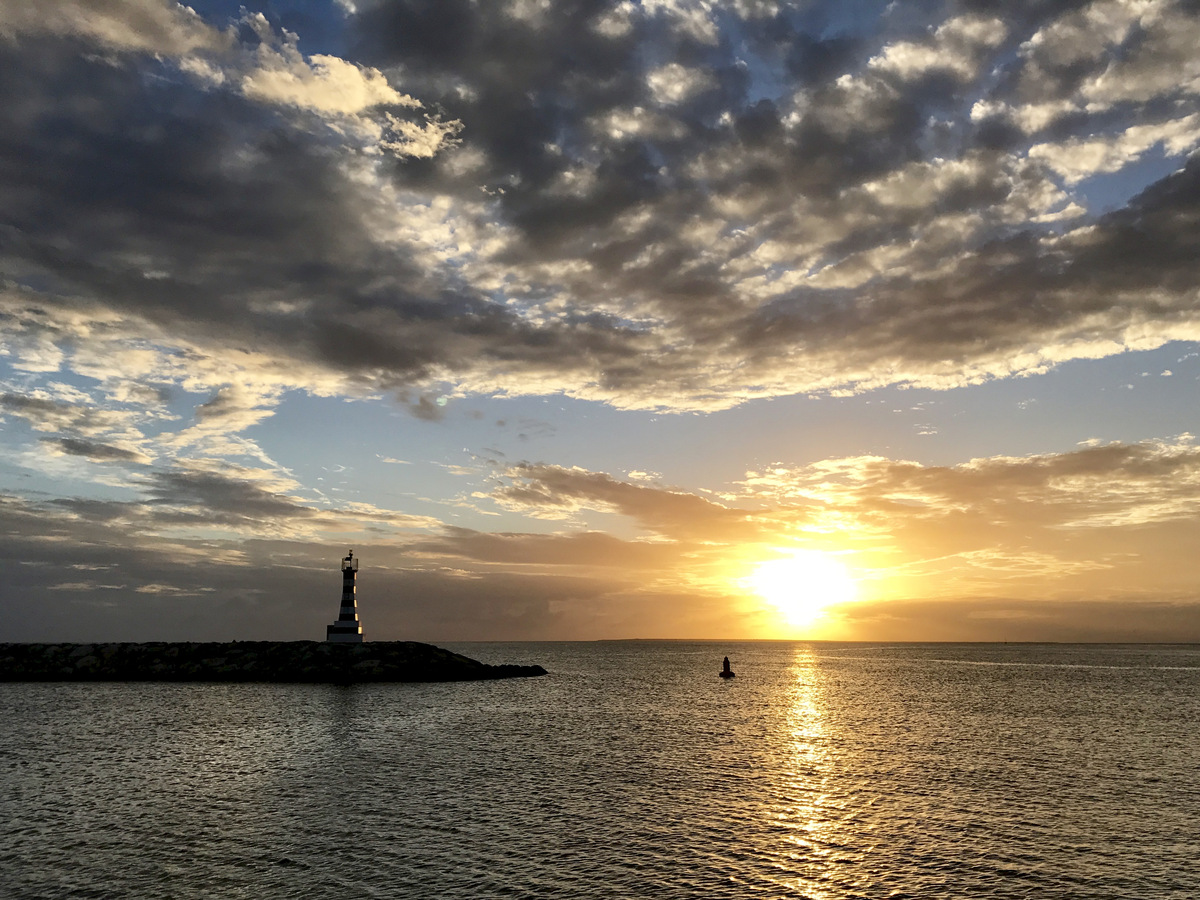
Ninety holes of Pete Dye
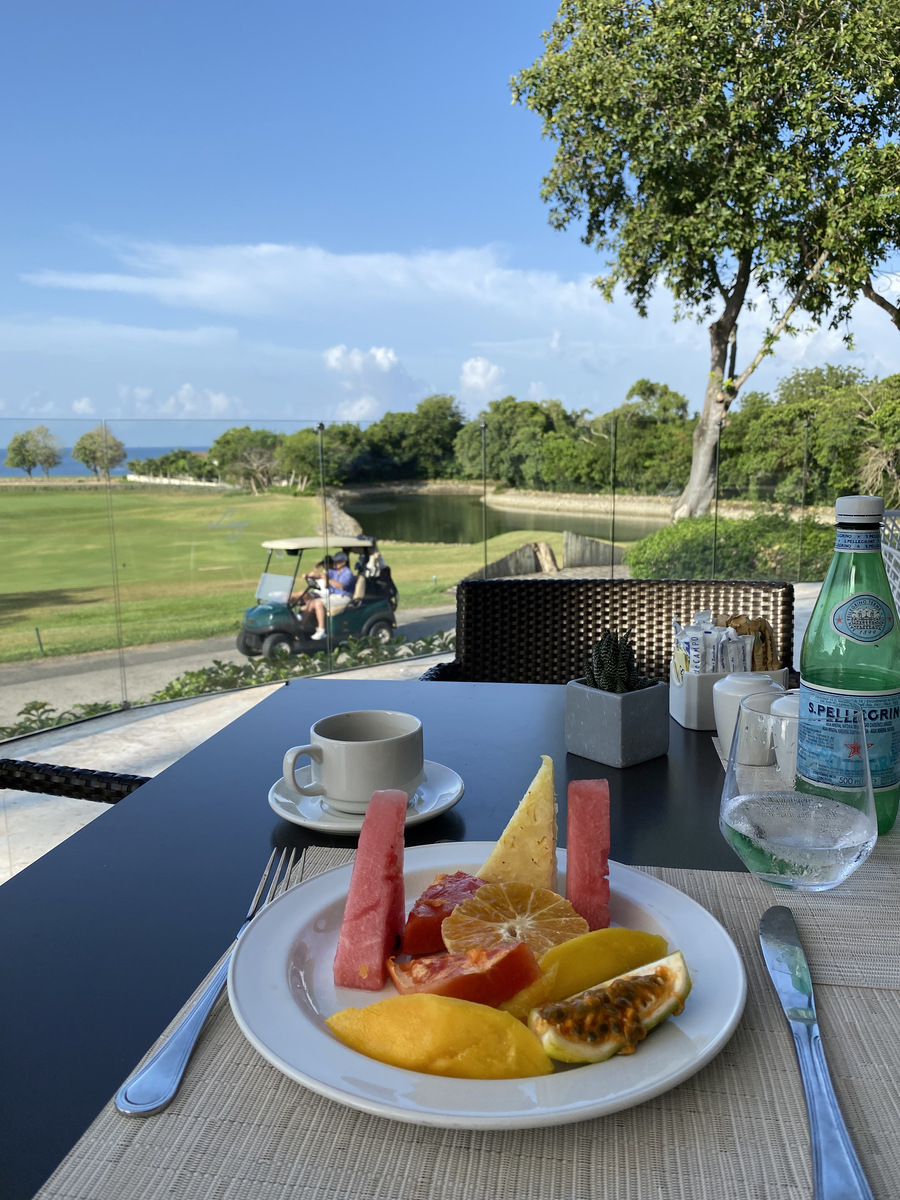
Even if you never touch a driver, you feel Pete Dye’s hand every morning at Casa de Campo. Eat fruit and drink espresso on the open terrace of Lago Restaurant, and you watch early tee times roll straight across the green fairways toward the sea. Across the estate sit ninety holes designed by Dye—sixty-three open to resort guests across three courses, plus twenty-seven strictly private holes at La Romana Country Club reserved for members and their accompanied guests.
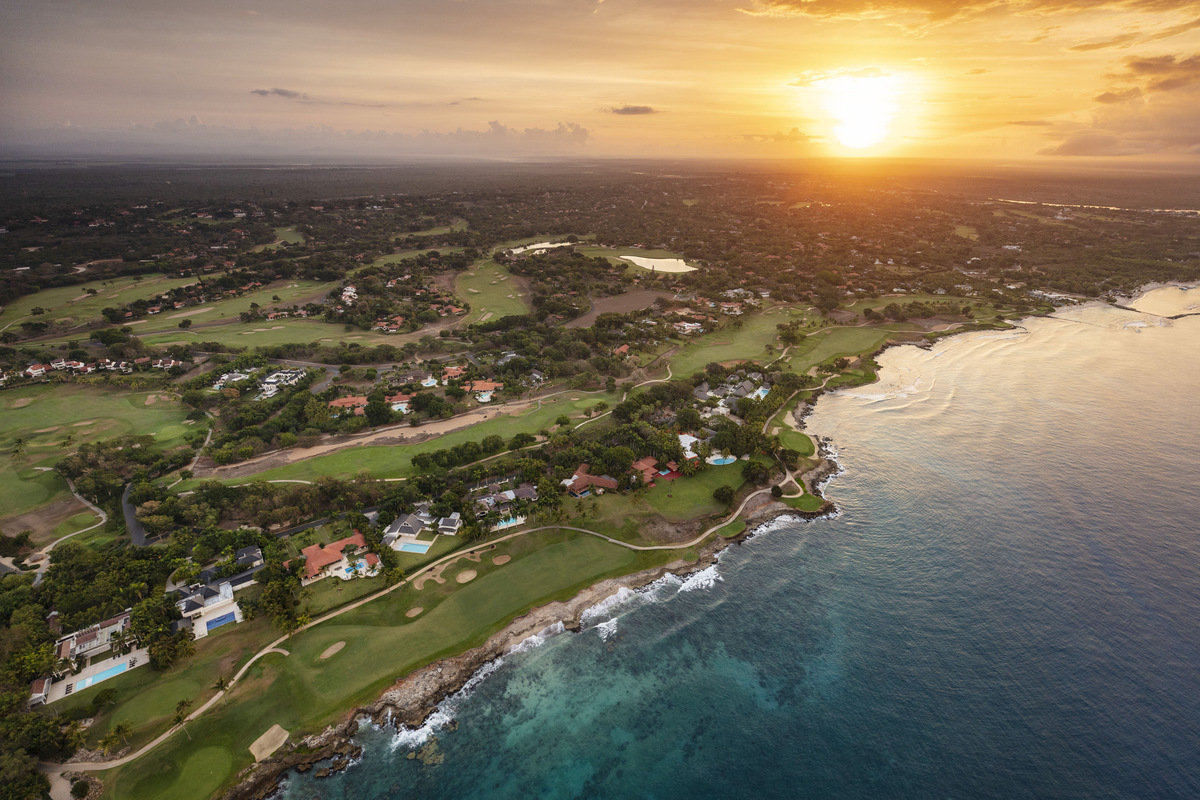
The centerpiece is Teeth of the Dog, opened in 1971 after more than three hundred Dominican workers hand-chiseled its fairways out of jagged coastal diente de perro coral. Seven holes run right along the Caribbean edge—four on the front nine, three on the back—where trade winds and breaking spray turn short shots into nervy decisions. In 2025 the course closed for nearly a year for a $15 million restoration led by Jerry Pate Design, reopening in late 2025 with wall-to-wall Pure Dynasty Paspalum turf, rebuilt greens restored to Dye’s original dimensions, fresh bunkers, and reinforced coastal seawalls while keeping Dye’s routing untouched. The golf press noticed immediately: LINKS magazine’s architect-voted LINKS 100 places Teeth of the Dog at No. 26 in the world, Golf Digest ranks it No. 50 outside the United States and No. 1 in the Dominican Republic, and GOLF Magazine puts it at No. 83 globally while naming Casa de Campo among its Top 100 Golf Resorts in the World.
Its dramatic foil sits on the opposite side of the estate. Dye Fore, a twenty-seven-hole layout split across the Chavón, Marina, and Lagos nines, trades coral surf for altitude. Seven holes cling to limestone cliffs 90 meters (300 feet) above the Chavón River—stand on the stone terrace beside St. Stanislaus Church in Altos de Chavón and you can watch its fairways curving along the opposite green bluff. The Marina and Chavón nines form the classic championship pairing, stretching past 7,000 meters (7,667 yards) from the back tees, while the Lagos nine weaves around inland lakes. Rounding out guest play is The Links, Dye’s 1976 inland course—restored by Dye himself in 2012—rolling over gentle hills, tall Bahia grass, and five lake-lined holes as the friendliest introduction to his architectural quirks.
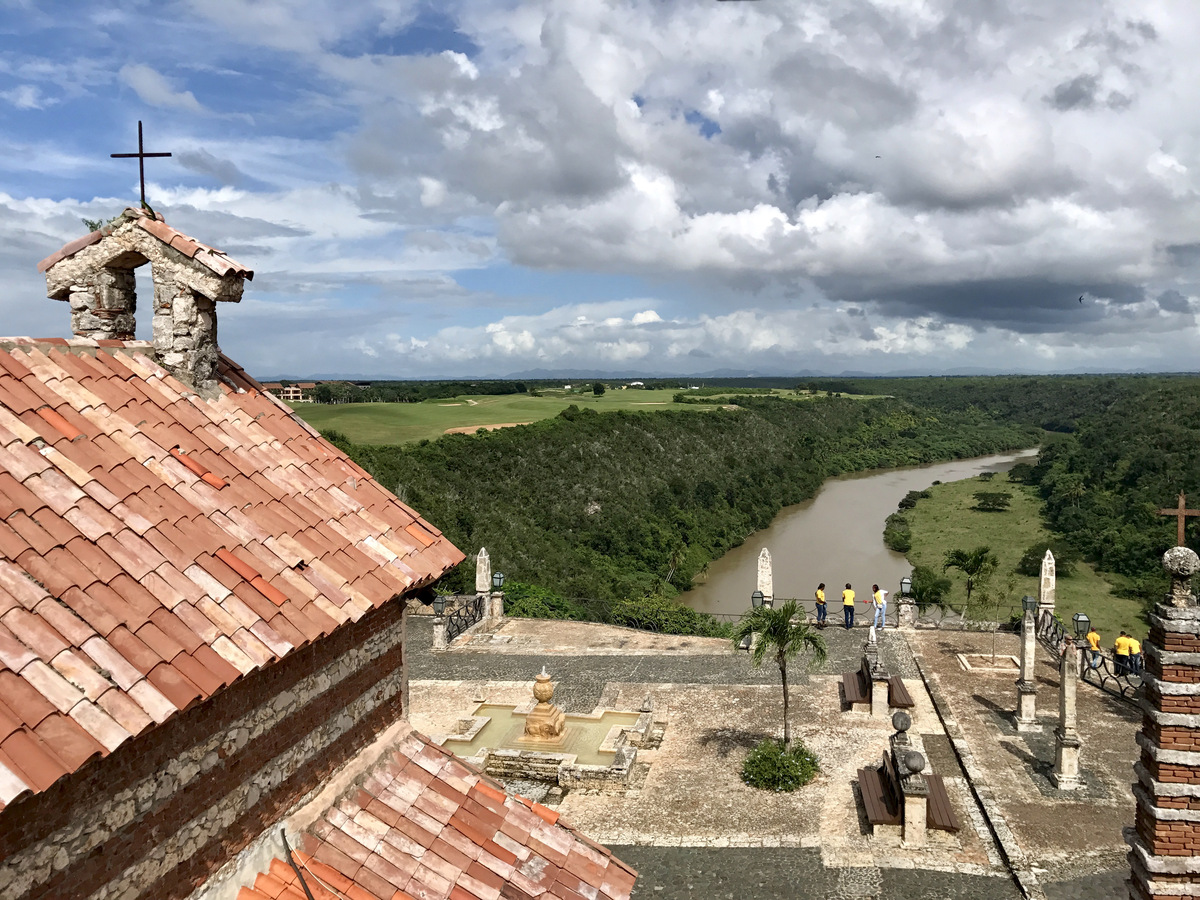
A few practical rules shape a golf stay here. Play is restricted to registered resort guests and residents rather than walk-up outsiders, and caddies are mandatory on Teeth of the Dog and Dye Fore. Green fees include a dedicated on-course golf cart separate from your room’s touring cart, and a twenty-one-acre Golf Learning Center two minutes from the lobby pairs grass practice grounds with TrackMan indoor bays. If golf is central to your trip, book tee times well ahead—especially through winter—and check the May-to-October rotating maintenance calendar, when one course or nine rests at a time.
La Terraza: tennis, ball boys, padel, and pickleball
Teeth of the Dog gets the magazine covers and winter polo draws the champagne crowd, yet day in and day out, tennis is more popular across Casa de Campo than either golf or polo. Among Dominican villa families and visiting regulars alike, a morning match or evening hit under the lights is woven straight into daily life—and the resort backs that habit with one of the strongest racquet facilities in the Caribbean.
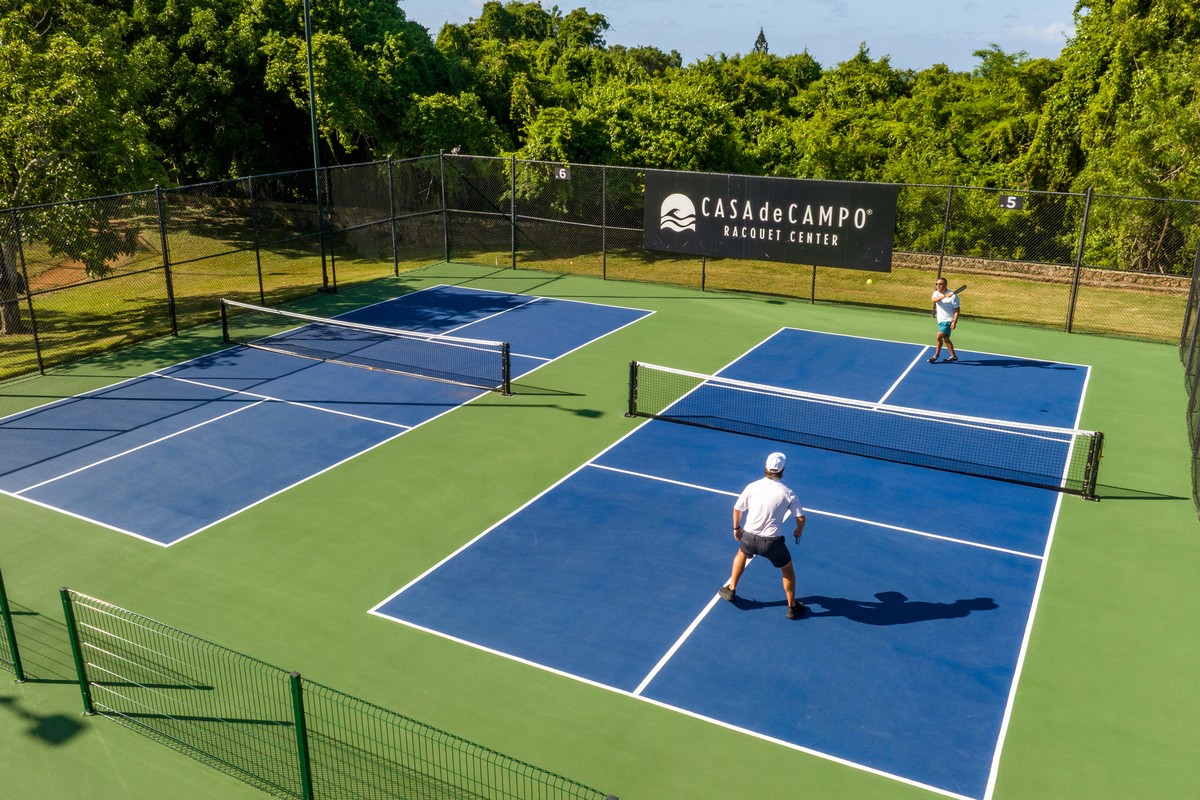
Tucked into a quiet green hillside five minutes from the main hotel, the renovated Casa de Campo Racquet Center (still affectionately called La Terraza by anyone who has been coming here for years) terracing its courts into the trees feels like a private European club dropped into the tropics. The heart of it remains eleven fast-dry Har-Tru clay courts and one hard court—including a feature stadium court and ten floodlit courts open from 7:00 a.m. to 9:00 p.m. so you can play after the midday heat breaks. Alongside the classic clay now sit four floodlit padel courts and eight dedicated pickleball courts with permanent nets and lighting, answering the explosive local following for both sports without crowding out traditional tennis.
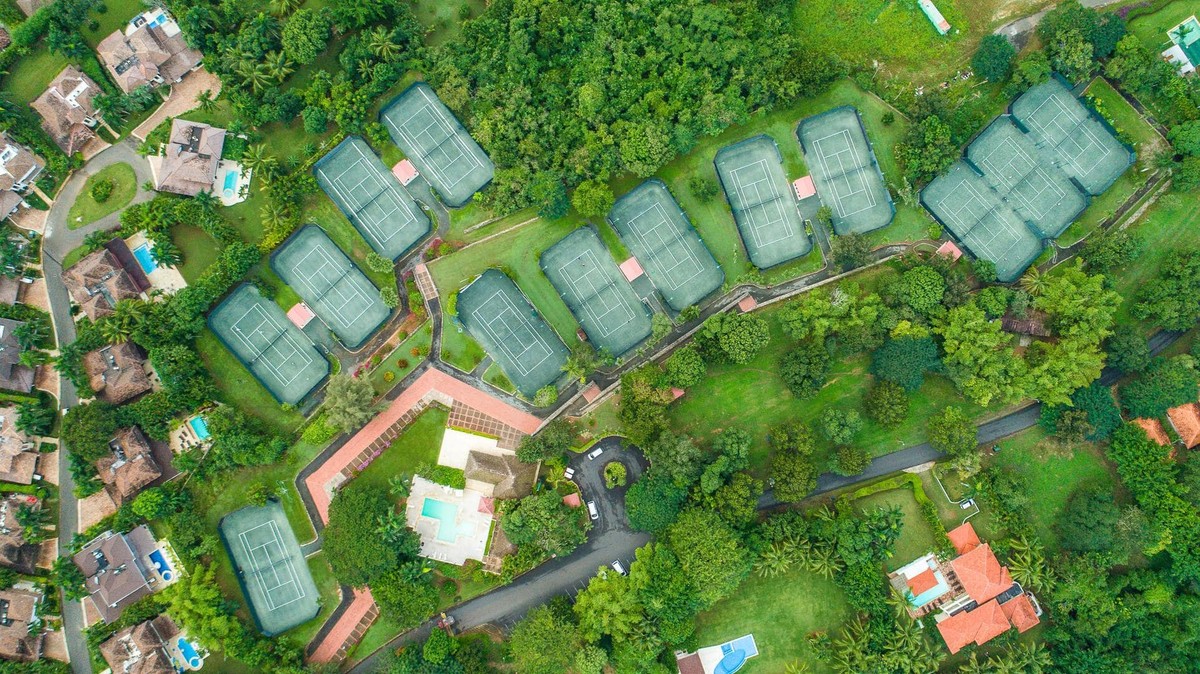
What gives La Terraza its unmistakable old-school charm is the service on court. Casa de Campo is one of the rare resorts left anywhere that still offers traditional ball boys on the clay courts—an indulgence that spoils you completely once you experience it—backed by a deep roster of resident teaching pros and young hitting partners who can step in for private lessons, match play, or daily adult and junior clinics starting from age five. Every June the complex also hosts the resort’s long-running International Tennis Tournament (now in its forty-sixth edition), drawing players from across the Caribbean and the Americas alongside regional round-robins and social cups throughout the year.
Equestrian life, showjumping, and afternoons at the Polo Club
What separates Casa de Campo from almost every other coastal resort I know is what waits inland once you leave the sea behind. For us, this corner of the estate has always held a special pull: my husband is a lifelong horse lover who used to ride showjumping, and I am a passionate polo watcher. A resort that merely keeps three tired trail horses behind a fence would never hold our attention for long. Casa de Campo runs a serious equestrian operation.
Head north by golf cart and the resort shifts into country estate. At the Equestrian Center—long directed by Argentine polo professional Fernando Arata—thatched cana-roofed stables, training arenas, and full boarding facilities serve both resident horse owners and visiting hotel guests. Beginners can book foundational English or Western riding lessons (children from age six can ride independently, with half-hour pony rides and a petting zoo for younger ones), while experienced riders do not have to settle for a nose-to-tail walk. The center runs private and group dressage sessions and specialized showjumping instruction over fences, working on posture, balance, and technique with trained mounts—the sort of real arena coaching and clinic-style work that lets an experienced rider actually ride rather than play tourist in a saddle.
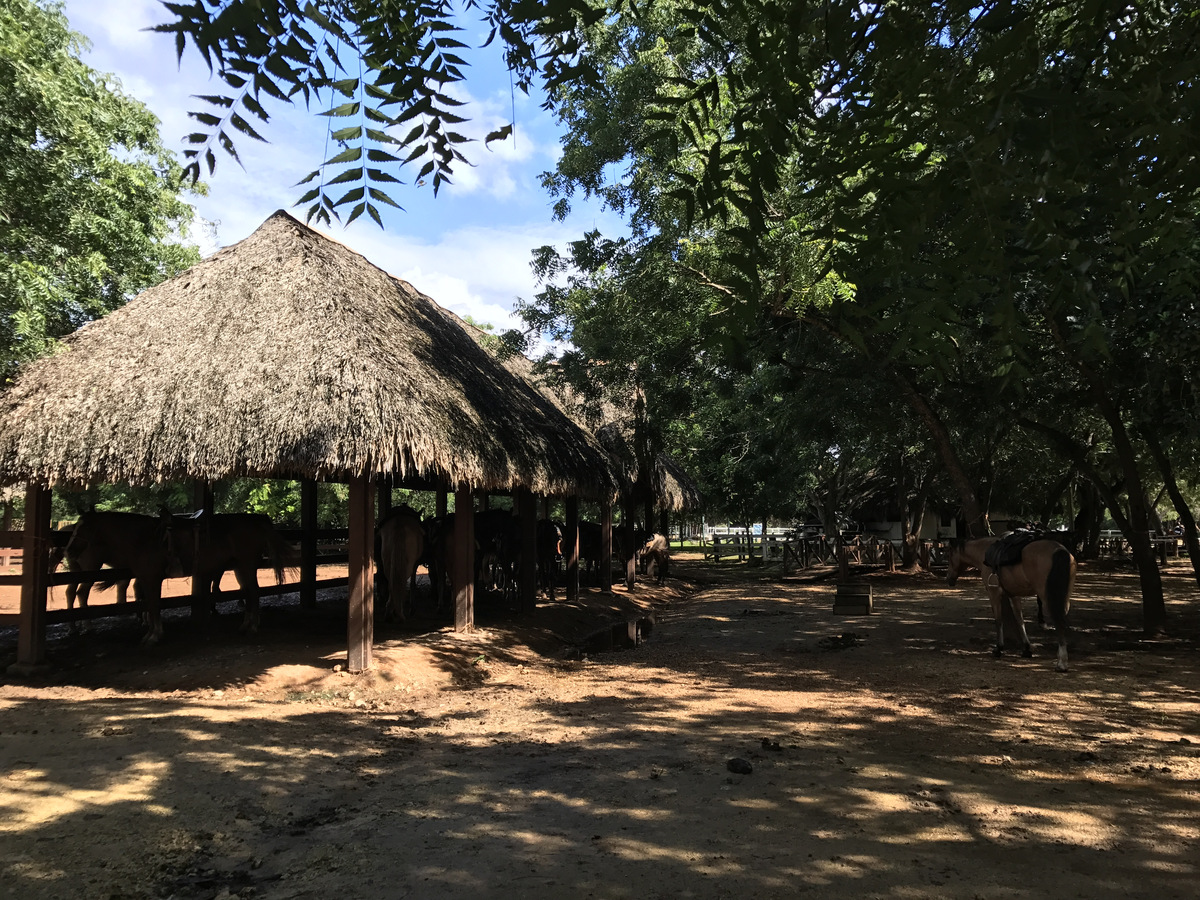
For trail riding, private guides lead rides across the estate’s interior pastures, around quiet lagoons, and along the edges of the golf courses and sugarcane land. The standout excursion is the three-hour Rancho Peligro ride (typically offered Thursday through Saturday), which leaves the manicured resort lanes behind for a working Dominican cattle ranch where local cowboys work herds of cattle and water buffalo. One honest detail saves disappointment if you arrive dreaming of galloping through breaking surf: Casa de Campo does not run beach rides on Minitas, keeping the small cove strictly for swimmers. Riding here is ranch, arena, and countryside riding—and long pants plus closed-toe shoes are enforced.
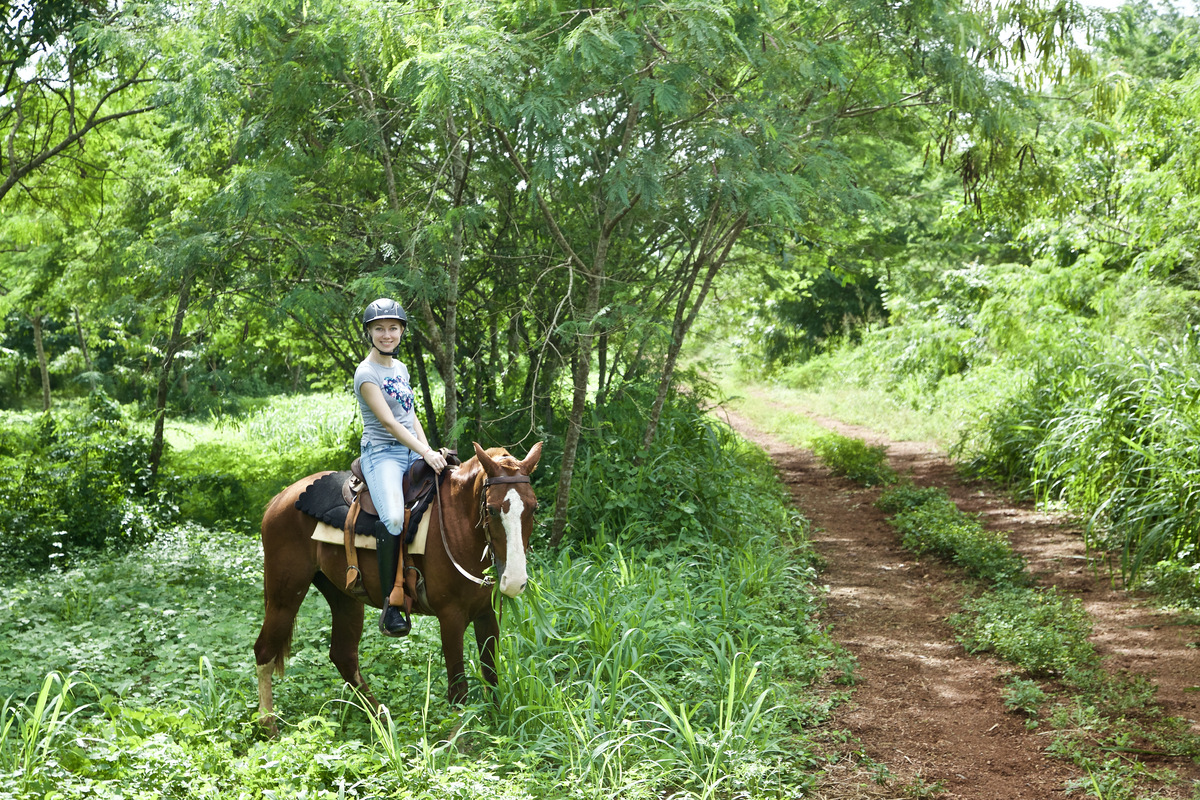
Just beside the stables stretch the Polo Club’s three full-sized tournament fields and practice ground, a tradition introduced in 1974 by an invited Indian maharajah and played today under Argentine Polo Association rules. The question hotel guests ask most often—whether you can actually attend matches if you are only staying in a hotel room rather than owning a villa—has the best possible answer: yes. You do not need club membership or a special invitation. Drive your golf cart up to the sidelines, park under the trees, and settle in for the chukkers.
Club matches run three days a week year-round, while the formal winter season stretches from November through April, peaking with the Casa de Campo Polo Challenge from January into April—anchored by fixtures such as the Copa Menores, February’s British Cup (Copa Británica), the Ladies Polo Cup in March, and the flagship Casa de Campo Polo Championship closing the circuit in late March and early April, complete with field-side champagne tents, local spectators, and post-match trophy ceremonies. Because weekly throw-in times shift with the weather and brackets, check the season schedule on Casa de Campo’s Polo page before you pack—and confirm that week’s match days with the concierge or Equestrian Center as soon as you check in. If watching makes you restless, you can also book stick-and-ball practice or private polo lessons on hired ponies.
And then there is the estate’s most delightfully unserious equestrian tradition: Donkey Polo. Staged by the Equestrian Center for corporate MICE incentive trips, retreats, and private groups, it swaps thoroughbred polo ponies for local Dominican burros and wooden mallets for brooms, complete with an announcer and sound system. Watching senior executives who arrived in tailored linen try to steer an opinionated donkey down a level field levels every hierarchy in the room faster than any icebreaker ever invented.
The 245-acre Shooting Center
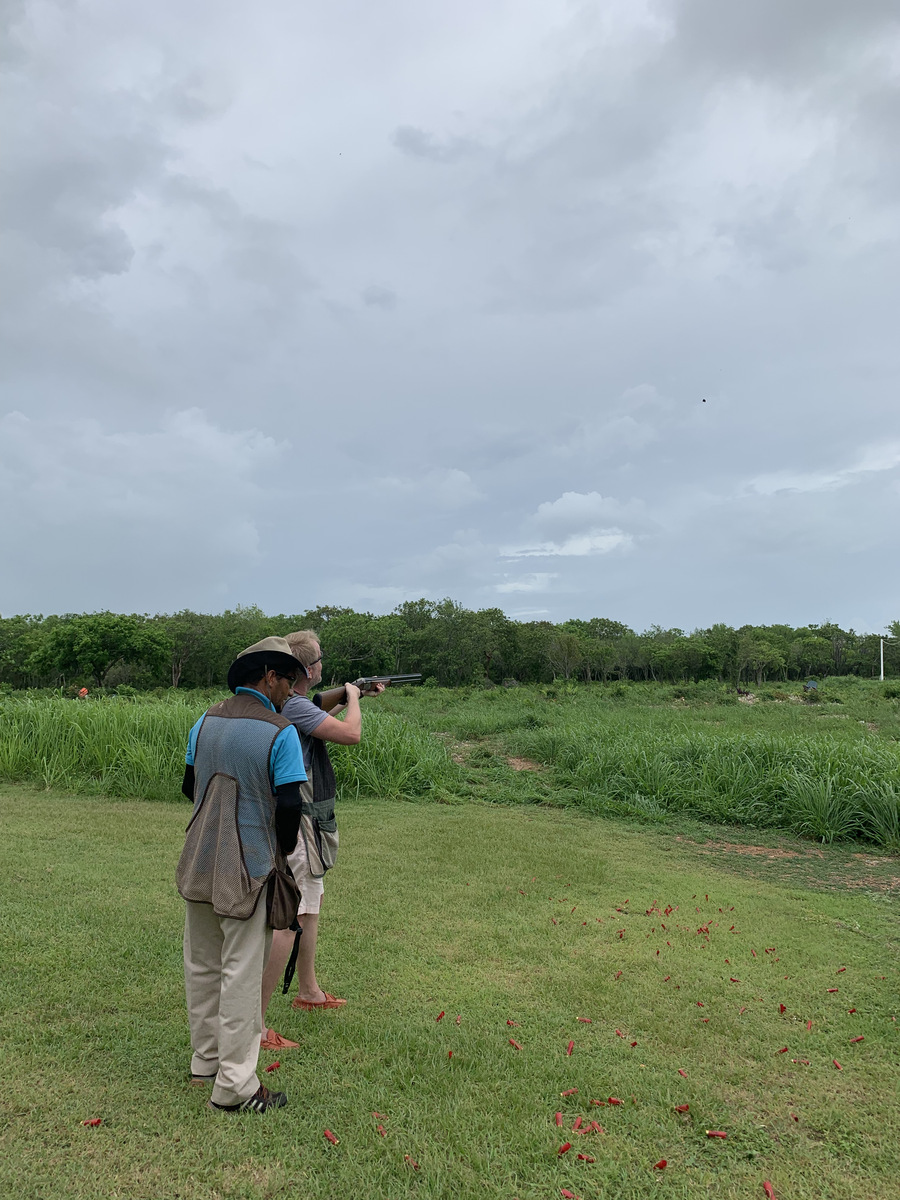
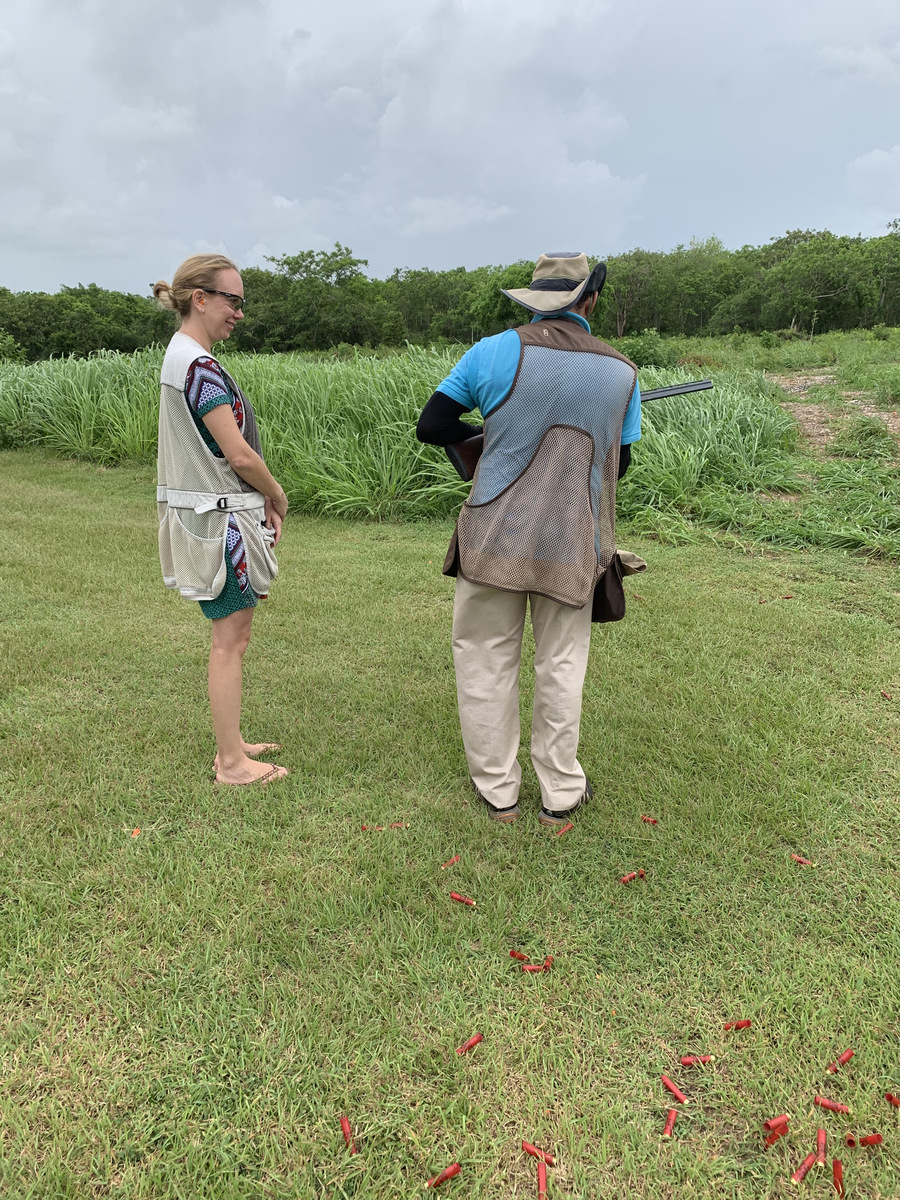
Beyond the stables lies the 245-acre Shooting Center, opened in 1986 with more than two hundred stations for trap, skeet, and sporting clays, a ten-station archery course, and a 33-meter (110-foot) clay-throwing tower. Standing out on that wide green field beside an instructor with spent red shotgun shells scattered in the grass feels worlds away from a beach holiday. On earlier visits, the range also had an eccentric wild-game restaurant called Zafari—a table I still remember fondly, though today the Shooting Center keeps its focus squarely on shooting, archery, and the Pro Shop.
Going out: three excursions worth leaving the gates for
“Going out” is a small irony at Casa de Campo. The whole complex is built so that you are constantly going out of your hotel room into a much larger private town—and for most Dominicans, Casa de Campo is the place people want to go in to, not leave. Yet if you stay long enough, or simply crave the open, electric-turquoise Caribbean Sea, there are three excursions genuinely worth taking—the exact three a friend hosting you at their villa inside Casa de Campo would put on your calendar.
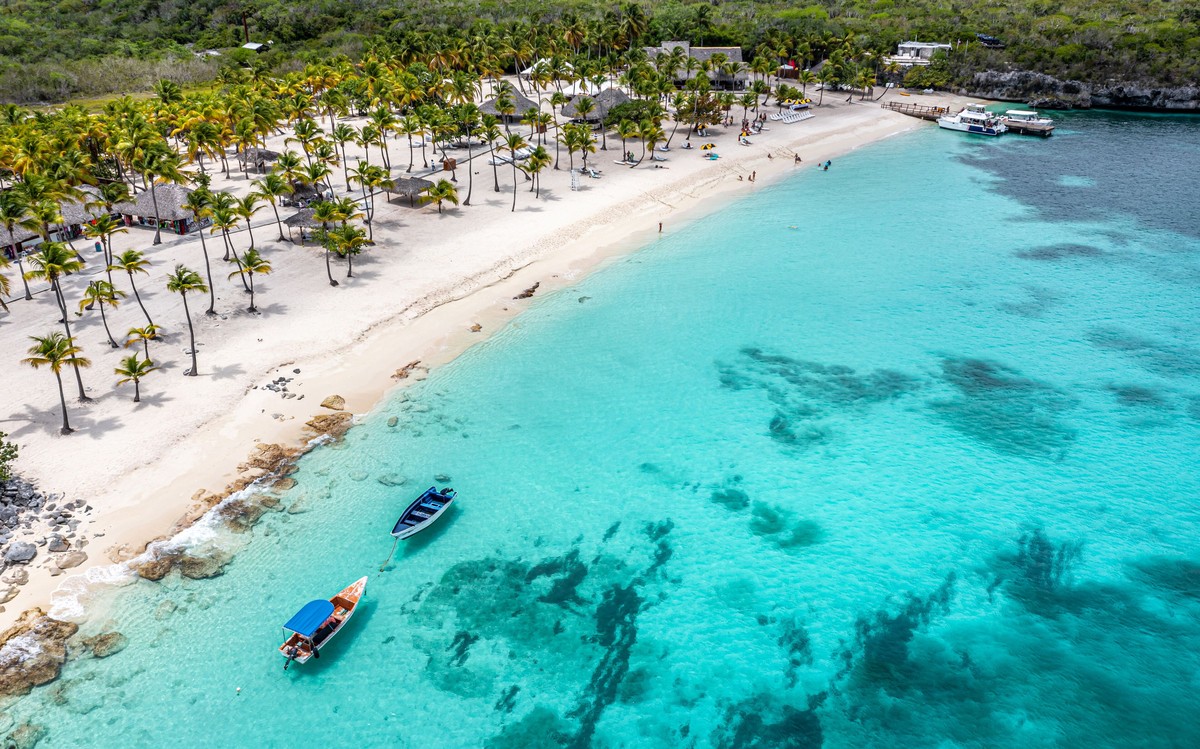
1. A day yacht charter to Saona Island and Palmilla. Charter a boat for the day through the resort concierge or directly from one of the yacht brokers at La Marina, so you step off your golf cart straight onto the stern inside the harbor (online platforms such as GetYourGuide list private yachts and catamarans toward Saona, yet almost all depart from Punta Cana or Bayahíbe rather than Marina Casa de Campo). Point east into Cotubanamá National Park toward Saona Island, the most famous day trip in the Dominican Republic for an undeniable reason: the luminous turquoise water along the crossing and the leaning coconut palms framing Saona’s shore are the classic island postcard that Minitas never tries to replicate. The insider rule is simple: do not disembark onto Saona itself alongside thousands of day-trippers. Its beaches are extraordinary to look at, yet most of them are surprisingly poor for swimming and crowded once the group catamarans unload. Have your captain cruise close enough for photographs, then anchor where the private yachts actually gather—the waist-deep turquoise sandbank called Palmilla (locally Piscina Natural). Swim there, have lunch and chilled champagne onboard, and head home around 4:00 p.m. to catch sunset over the Caribbean Sea.
2. Catalina Island—through the resort’s own excursion. When you go to Catalina Island, book Casa de Campo’s organized trip rather than an independent boat so you can use the resort’s beach-club setup ashore. The real draw lies underwater: The Wall (La Pared) off Catalina is the one dive site in Dominican waters genuinely worth strapping on a tank for, and one of only two places in the entire country where you reliably see abundant fish while snorkeling—the other being the far less accessible coral reef around Cayo Arena (Cayo Paraíso) off the northwest coast, five to six hours away by road.
3. Daytime Dominican food at the gas stations. Optional, yet deeply rewarding on any longer stay: leave the gates at midday for proper, elevated Dominican cooking. In the Dominican Republic, highway gas stations double as traditional social gathering spots, and around Casa de Campo wealthy Dominicans play that exact game—nowhere else will you spot so many serious watches resting beside steaming bowls of broth and fried plantains. Keep both stops strictly for lunch or late afternoon, save dinners for La Marina, and expect weekend crowds (terrific for people-watching, tight for open tables):
- Típico Bonao La Romana (about ten minutes from the hotel, right beside the La Romana Airport entrance across the highway from Casa de Campo’s main gate): For decades this iconic Cibao institution existed only on the northern highway near Bonao and Santiago. Its La Romana branch brings the whole unapologetically heavy, deeply delicious menu east—order sancocho, boiled yuca with tender stewed goat (chivo), mofongo, or whatever catches your eye at the counter.
- Shish Kabab Restaurant (a longer highway drive—about twenty minutes east from the main gate along the Autovía del Coral, tucked into a gas station just before the toll plaza toward Punta Cana): The modern highway outpost of the legendary 1969 La Romana Dominican-Lebanese restaurant that longtime Casa de Campo villa residents treat as their default casual table. Order the kipe frito and empanadas with a freezing Presidente beer if you drink—their mofongo and classic Dominican plates are just as dependable.
Put all of it together and you see why Casa de Campo absorbs completely different holidays at the same time without friction. A family with children can bounce between Minitas’s calm shallows, pony rides, the petting zoo, and an evening movie in La Marina. A serious golfer can spend a week working through sixty-three Pete Dye holes and still have dinner at a different restaurant every night. A tennis player can rally on Har-Tru clay with ball boys every morning, a rider can school over jumps before watching winter chukkers at dusk, and honeymooners can hide out in a Premier Club suite, linger in the hydrotherapy pools at The Spa, and cruise out to Palmilla with champagne onboard. Nobody has to share the same itinerary, and nobody runs out of new mornings.
Why I keep turning the key
After nearly ten years of living in the Dominican Republic—from the restored courtyard houses of Casas del XVI in Santo Domingo to Casa Colonial Beach & Spa on the north coast and the quiet villas of Tortuga Bay—Casa de Campo remains the place that refuses to shrink into a single category.
Yes, you drive to the beach instead of walking across warm sand straight from your patio. Yes, holiday weekends can crowd Minitas, and the sheer scale of the property asks you to embrace a little motion. Yet the first evening you turn the key in your golf cart, pull out beneath blooming flamboyant branches, and roll down toward the lit masts of La Marina while Dominican families head out for dinner around you, the whole design clicks into focus. You are not visiting a walled tourist resort. For a few days, you have been handed a key to the Dominican Republic’s oldest private world.