
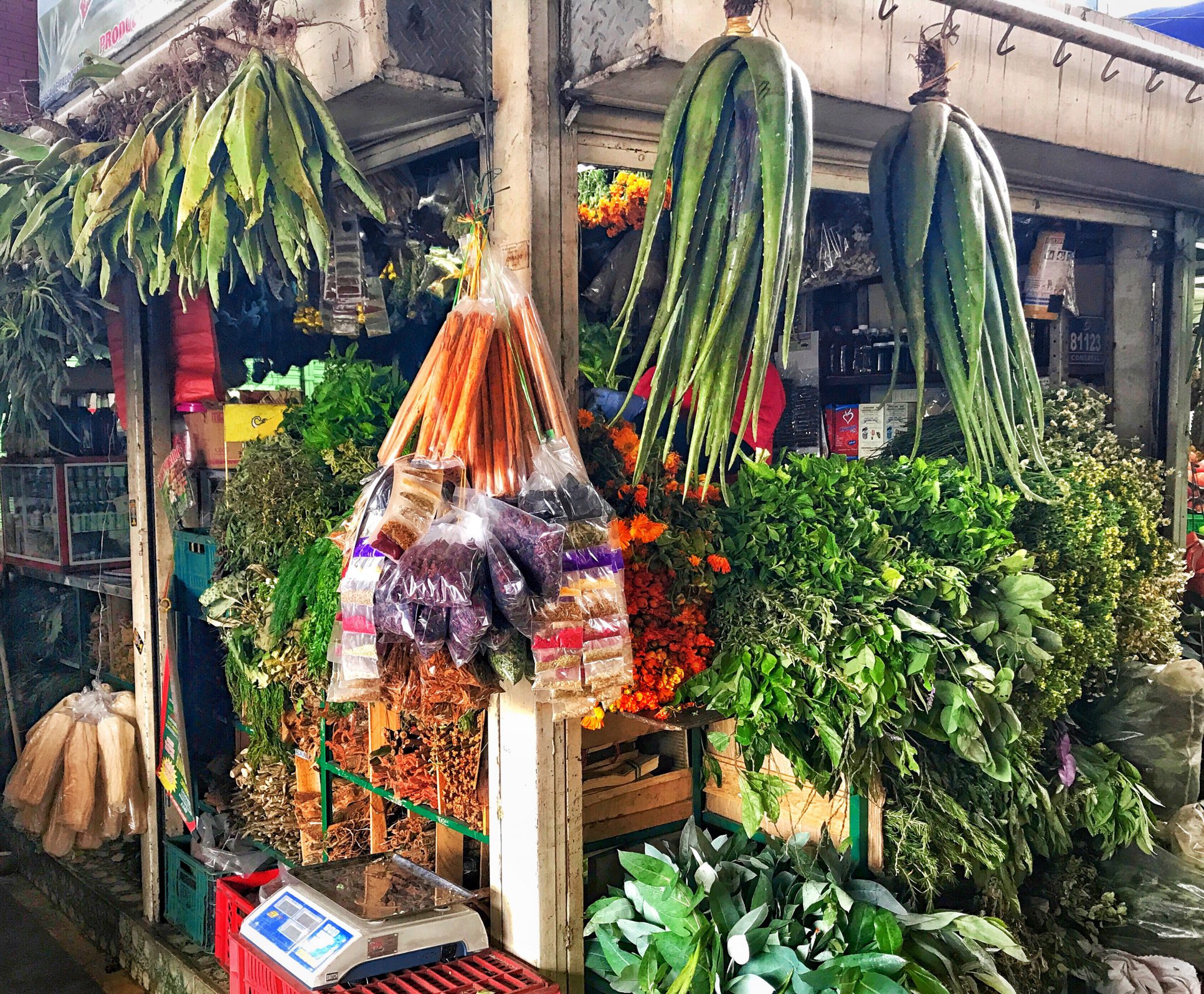
Colombian food is hearty, generous with meat and very good. On the coast, seafood takes over the menu, and everywhere there is fruit. The cooking changes from one region to the next, and so does the idea of a delicacy: fried ants and roast guinea pig are prized in some parts of the country, while Colombians elsewhere would never touch them. I tried the ants at Paloquemao market in Bogotá, and they became a favourite.
Local food was my quickest way into the country’s traditions. I stayed at the Four Seasons Casa Medina, and my foodie’s guide to Bogotá covers the restaurants. This is the shorter list I give anyone going to Colombia: fifteen dishes, snacks and drinks, and where I would try them.
Traditional Colombian dishes
1. Bandeja paisa
If you arrive hungry, order bandeja paisa. It was invented as a farmworkers’ meal, enough to keep a man going through a full day in the fields; today Colombians eat it mostly at lunch.
The plate holds rice, plantain, a slice of avocado, red beans, steak or fried minced beef, chorizo, crisp fried pork and a fried egg on top, with arepas on the side. Bogotá serves it everywhere, but if you reach Medellín, order it there. This is the dish of the Paisa country around the city, and it is at its best on home ground.
2. Sancocho
Across Latin America, meat is stewed slowly, until it softens and trades its flavour with everything else in the pot. Colombia’s version is sancocho, a thick, hearty soup that is almost a stew: chicken, beef or pork, simmered with root vegetables, corn, herbs and spices. It is a weekend tradition, and each of those meats makes a fine one.
3. Ajiaco
Bogotá’s own soup is ajiaco, made with chicken, corn and several kinds of potato. It is served with rice and avocado, which go straight into the bowl.
The place to try it is La Puerta Falsa in La Candelaria, the oldest restaurant in the city, open since 1816. The menu is short and classic, and ajiaco is the reason to go.
4. Chocolate con queso
Hot chocolate with a piece of soft white cheese may sound like a strange pairing, but Colombians love it, Bogotanos most of all. The cheese is dunked into the cup until it turns soft and stringy. It is eaten at breakfast or as an afternoon snack.
La Puerta Falsa serves it as well. At Pastelería Florida, open since 1936, it becomes a whole Bogotá breakfast, chocolate santafereño: hot chocolate with bread and white cheese.
5. Arroz con pollo
Every Latin American country has its arroz con pollo, served differently and tasting different. At first glance it is a simple dish, but it is worth ordering in Colombia, where rice is far more than a side. Cooked in chicken stock with peppers and saffron, it becomes the heart of the plate. Colombians eat it constantly, and it is delicious.
6. Fruit
Fruit might seem the most ordinary item on any menu. In Colombia, it deserves its place for variety, ripeness and flavour.
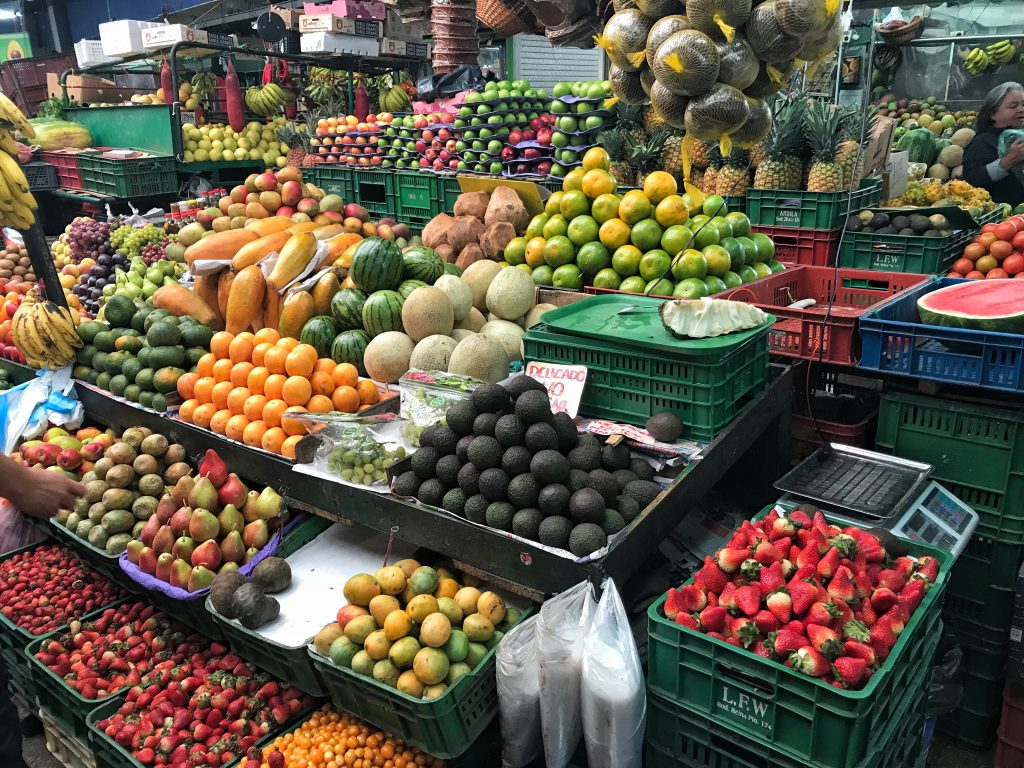
Even an ordinary supermarket can have five kinds of mango and six kinds of banana. Then come the tropical fruits few visitors know: lulo, uchuva, chontaduro, zapote, carambola and anón. Two of them, carambola and zapote, I already knew from living in the Dominican Republic. For fruit, go to Paloquemao market.
The corrientazo
Colombian restaurants, particularly in small towns and villages, often offer a set menu of the day, so that working people can eat a full meal for comparatively little money. It is called the corrientazo: soup or salad, a choice of pork, chicken or beef, white rice, fried potatoes, plantain, arepas and juice. At Paloquemao, the market stalls serve their own almuerzo corriente beside glasses of fresh juice.
Colombian street food
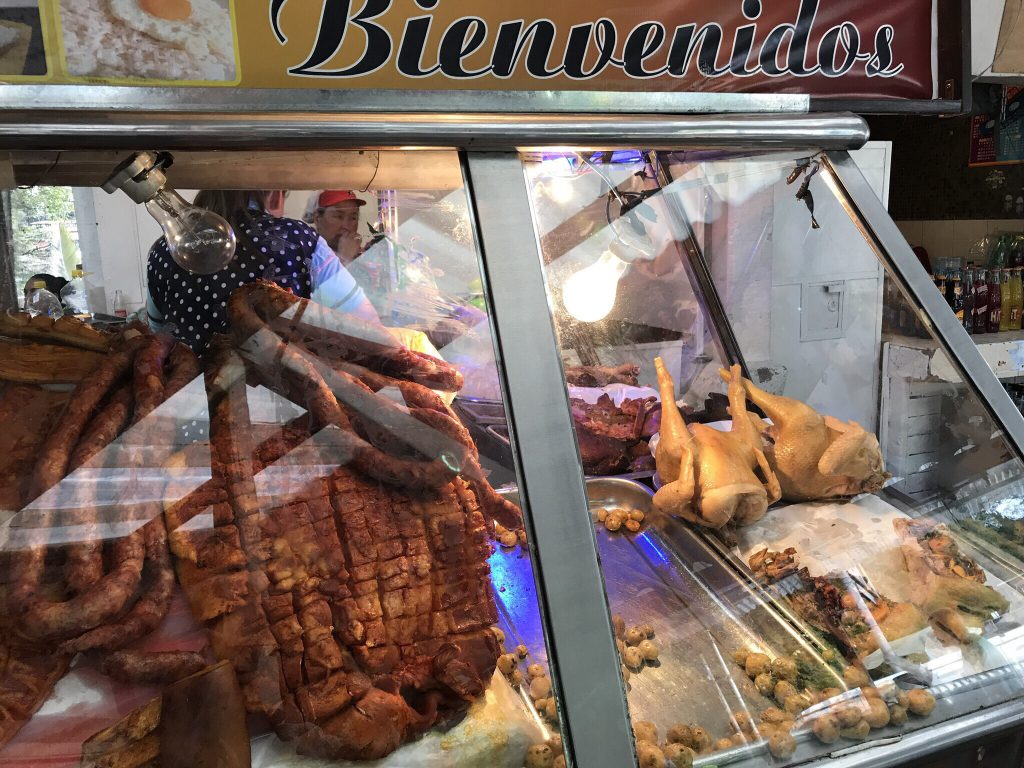
No introduction to a country’s cooking is complete without its street food, and Latin America’s is especially good. Colombia’s is a mix of fried things, creamy drinks and corn in every possible form, which suits me very well.
7. Arepas
Arepas, rounds of cornmeal dough, are probably the most common street food of all. They change from region to region: plain with butter, or filled with fried egg for breakfast, with cheese or with jam. They are cooked everywhere, and in the morning their smell fills the streets. Look out, too, for almojábanas, small cheese breads.
8. Empanadas
Empanadas are among the best-known foods in Latin America: fried pastries with a filling. Colombia’s are made with cornmeal and deep-fried, and the filling can be almost anything, including beef, chicken, beans, vegetables or cheese. They are ideal for the road.
9. Mazorca desgranada
Put simply, a corn salad. The kernels are stripped from the cob and mixed with whatever you choose: bacon, cheese, herbs, vegetables, chicken, crisp potato sticks or sauces. It could have been a light and healthy dish.
10. Roasted corn
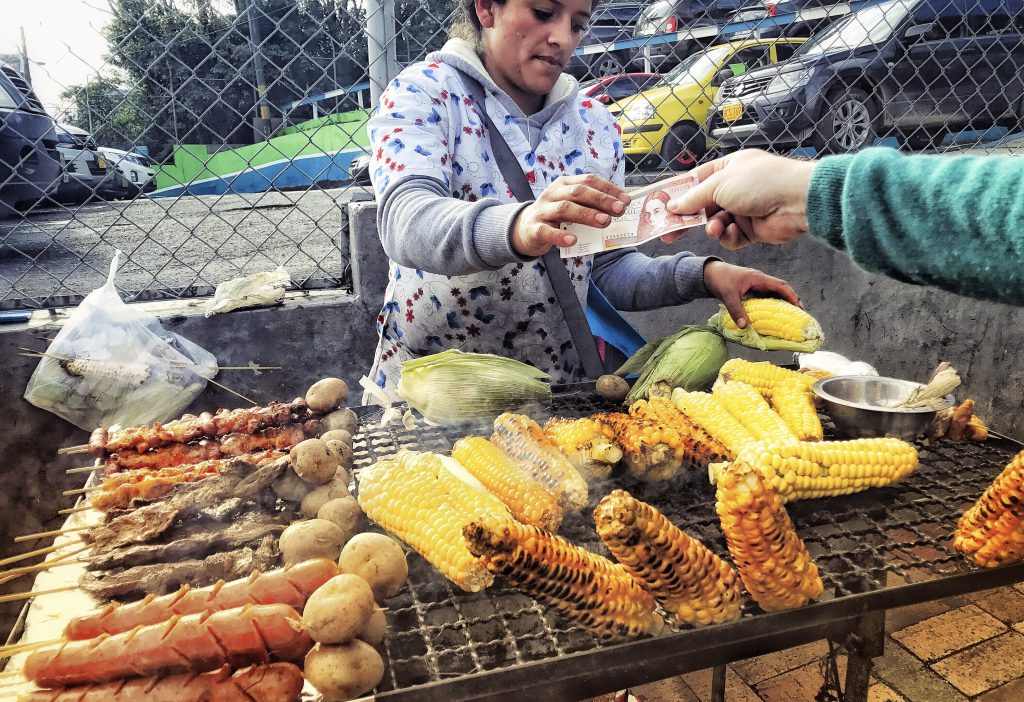
Plain corn, roasted whole on the cob, is a taste everyone knows, yet here it is unusually good. Its Indigenous roots show.
11. Obleas
You will find this sweet in almost every Colombian town: huge, paper-thin wafers sandwiching a filling of chocolate, jam, caramel, coconut or cheese. Ask for every filling at once. It will be very sweet and very good, and you will have eaten a week’s worth of sugar in five minutes.
12. Toasted coconut
Sticks of toasted coconut are a simple, good treat sold in many Colombian towns.
13. Avena
A creamy drink made from oats and finished with crushed nuts or cinnamon. The taste, I would say, is not for everyone, but it is very wholesome.
14. Churros
If you have already eaten churros in Spain, compare them with Colombia’s and taste the difference. If not, this is a good place to try them for the first time.
15. Coca tea
No account of Colombian drinks would be complete without tea made from coca leaves. Yes, that coca: the plant that brought the country its bad name and so much trouble. Long before that, Indigenous peoples of the Andes chewed the leaves against altitude sickness. In tea, the leaf is a mild stimulant, nothing like the drug.
The tea is not sold everywhere. At Paloquemao, though, we found the tea, the loose leaves and even whole dried coca bushes. It tastes like a concentrated green or herbal tea. You can also try it at the top of Monserrate.
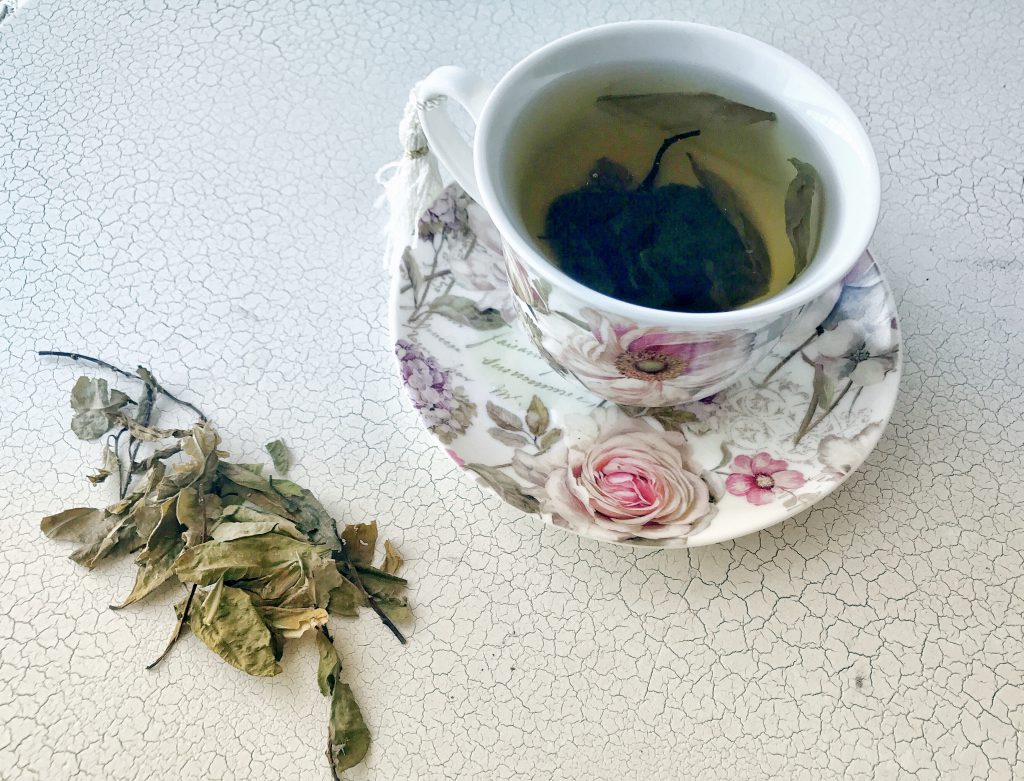
Coca can travel with you around Latin America. Leave it there: coca leaf is a controlled substance in the United States and most of Europe.