
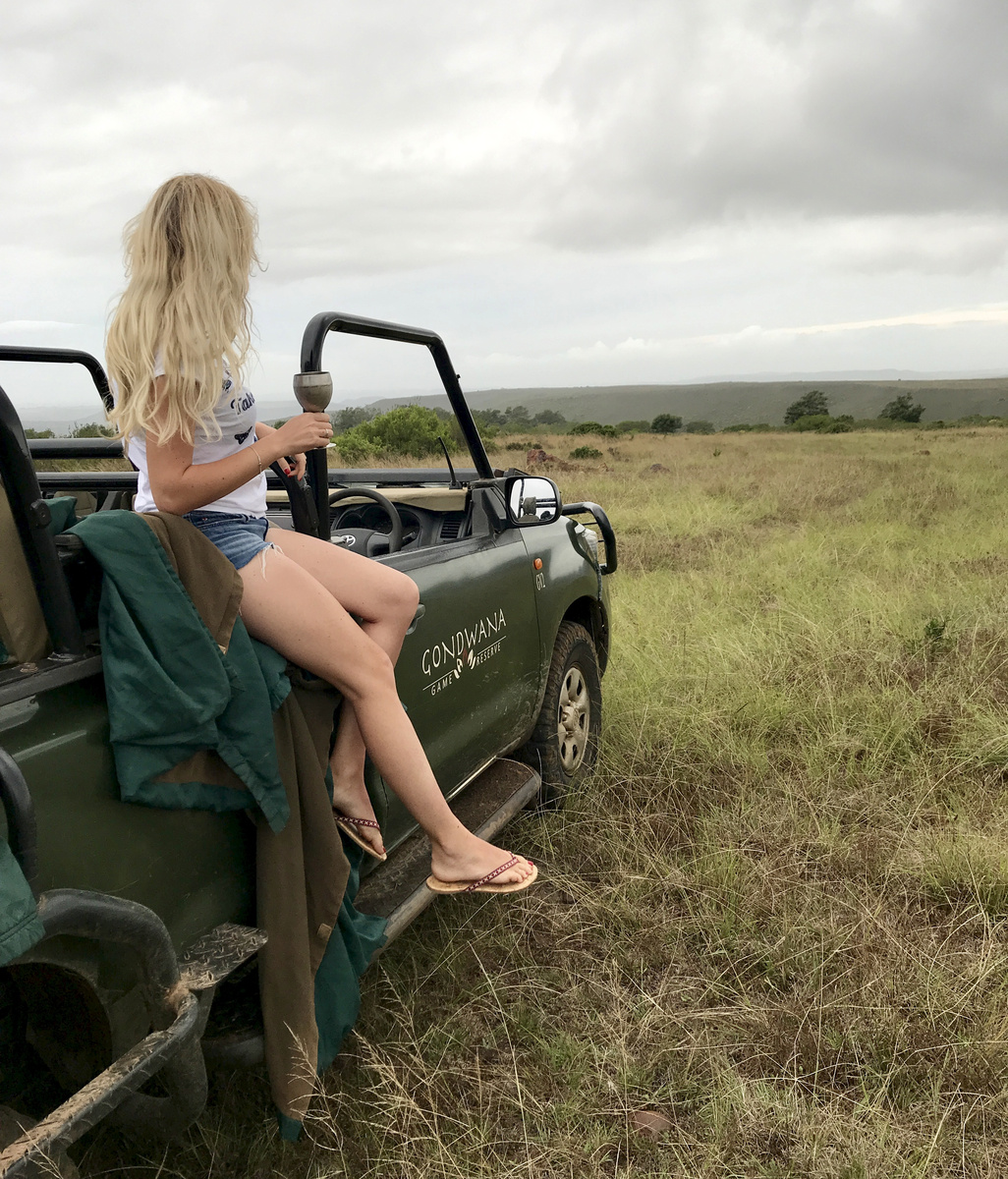
We flew to Cape Town with return tickets and no safari in the plan. Then, once we were in Africa, the omission began to feel absurd. “We have to visit animals,” we decided.
The celebrated safari country we knew by name lay at the other end of South Africa. Kruger and the private reserves around it would have meant domestic flights, more transfers and a rearrangement of tickets already booked. We began looking south instead, for a reserve we could reach in our rental car without turning the rest of the journey inside out.
That search brought us to Gondwana Game Reserve, roughly 380 kilometres from Cape Town. Four hours on a very good road put us inside a private Big Five reserve on the same day. It was the closest place we found that gave us what we meant by a real safari: not a quick drive past animals, but life inside their landscape.
The practical solution did not feel like a compromise. The next morning I leapt out of bed at 5:30, swallowed a coffee, checked the camera battery, checked it again, and hurried to the vehicle. Four hours in the wild lay ahead.
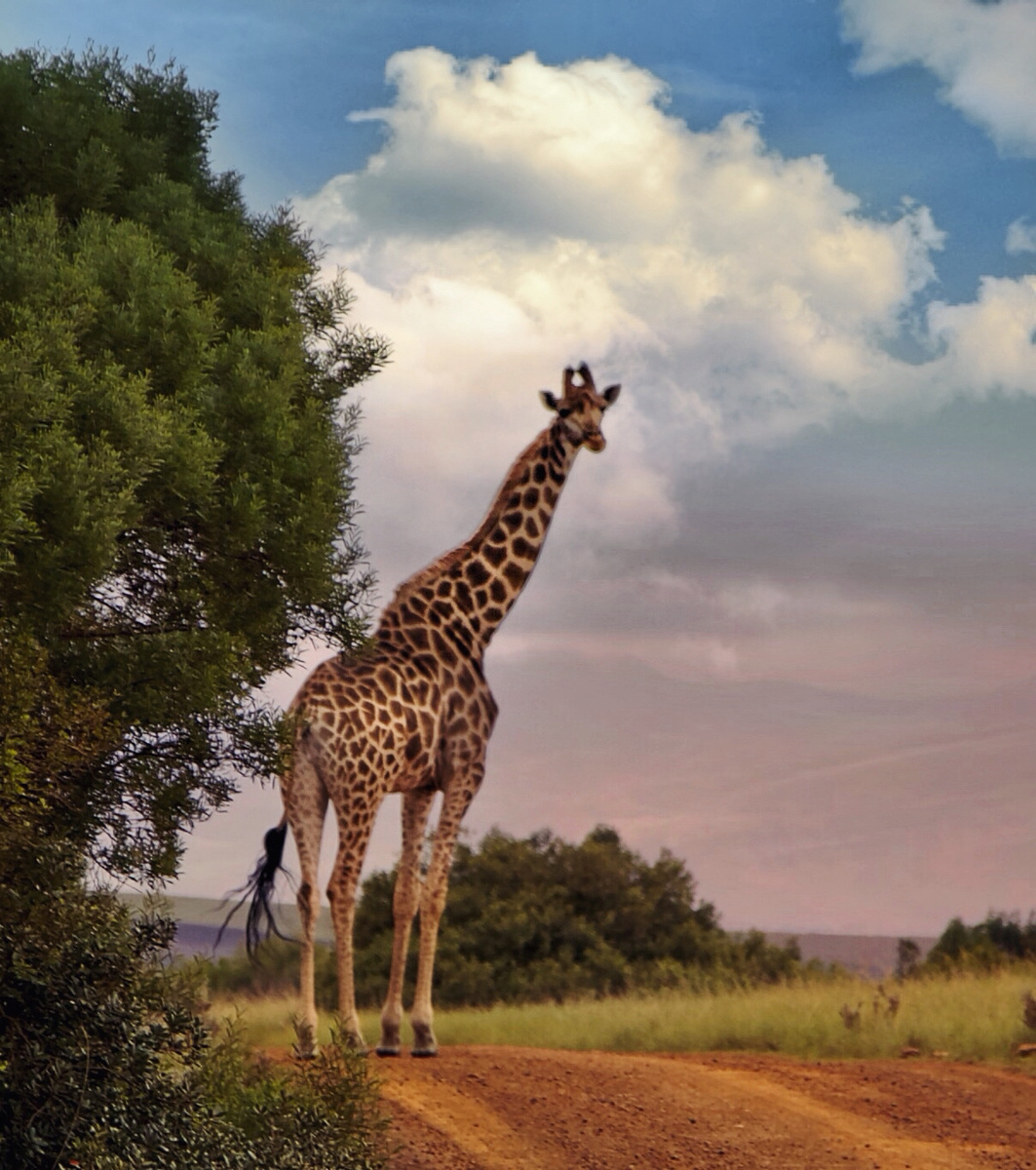
Our ranger had been with us from the first drive. He remembered what we had already seen and asked what we wanted to find next. That morning I chose a giraffe. After some searching, there she was on the road, feeding while her family watched our vehicle with the same steady interest that we gave them.
Once we had changed the plan, I did not want a day excursion that would return us to a city hotel by evening. I wanted to wake inside the reserve, learn its hours, and discover what happened when the game-drive vehicle was parked.
What four hours from Cape Town buys you
In 2018, Gondwana Game Reserve offered the form of safari I had imagined. Its landscape was immense, its villas were set far apart, and dawn and dusk divided the day more decisively than any hotel schedule. The reserve was less famous than Kruger, which only made it more intriguing to me.
The location preserves the shape of a Western Cape journey. We could leave Cape Town by car, remain on the Garden Route and return to the flights we had already booked. No extra airport, baggage clock or transfer day stood between the city and the reserve. Gondwana did not ask us to build another South African trip around it; it made safari part of the one we were already taking.
Gondwana lies off the R327 near Herbertsdale, inland from Mossel Bay in the Western Cape. This is not the ochre savanna of a familiar safari poster. The hills carry fynbos and renosterveld, with proteas, restios and low silver-green scrub. Its 11,000 hectares were once overgrazed farmland and have been under restoration for more than two decades. The animals were magnificent, but so was the strangeness of meeting them in a Cape floral landscape.
I had seen wild animals before, but usually as the object of an outing: arrive, look, leave. At Gondwana, their presence continued after the drive. A shape moved on a distant hill while we ate. Something snorted below the bedroom window at night. The darkness had weight because I knew what could be moving through it.


A villa with the reserve at its doors
Our two-storey villa had four bedrooms, a kitchen, a fireplace and a vast living room beneath the thatch. It felt less like a hotel room than a private house misplaced, wonderfully, in the fynbos. There were only a few similar villas then, each standing at such a distance from the others that the landscape seemed to belong to us alone.
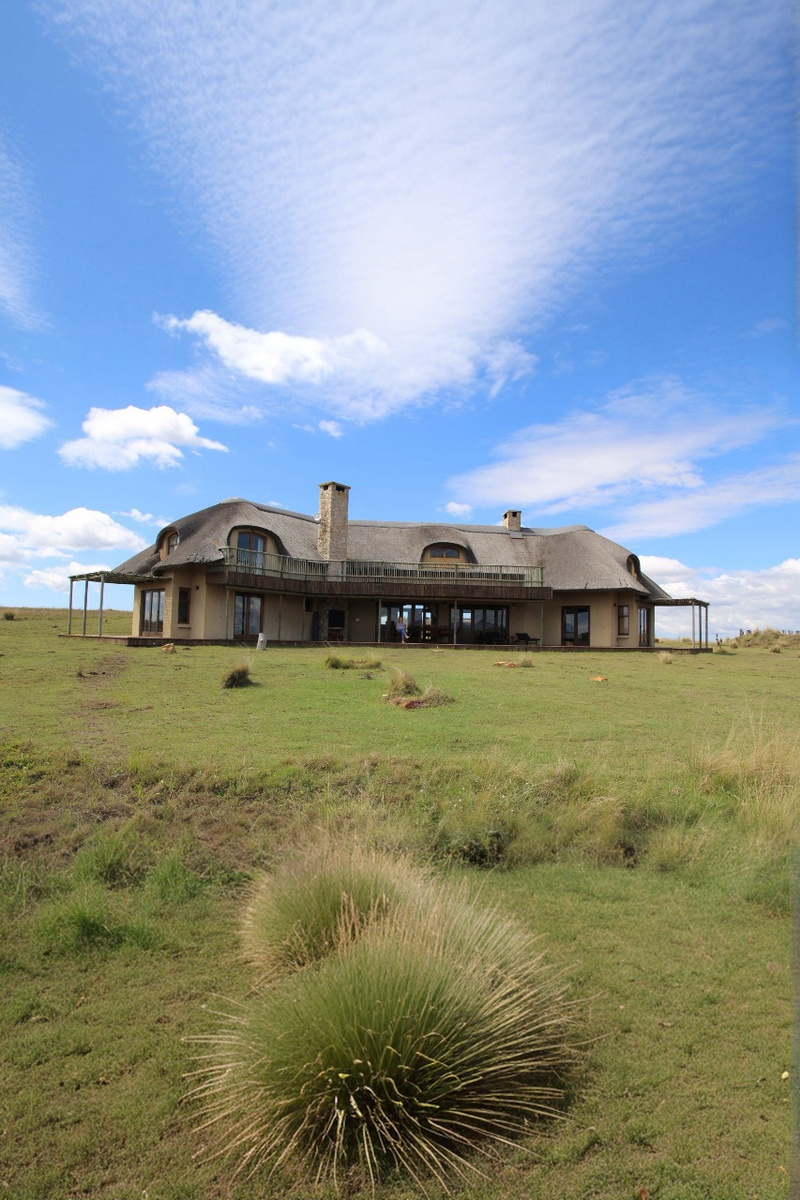
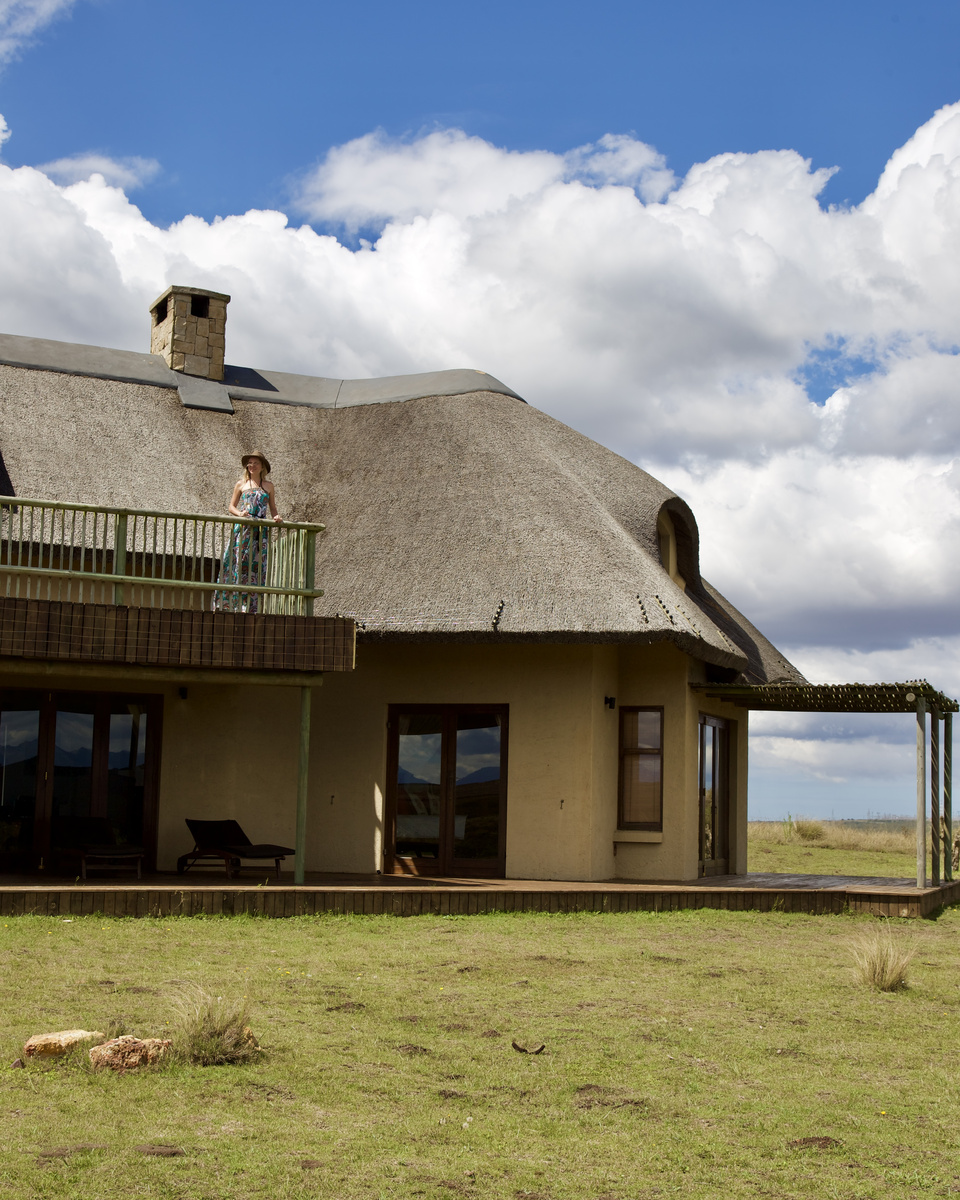
The distance was part of the pleasure, though it was not effortless. The restaurant and main lodge were far enough away that having our own car was useful. At night we did not casually wander out. We stayed by the fire or on the veranda, listening.
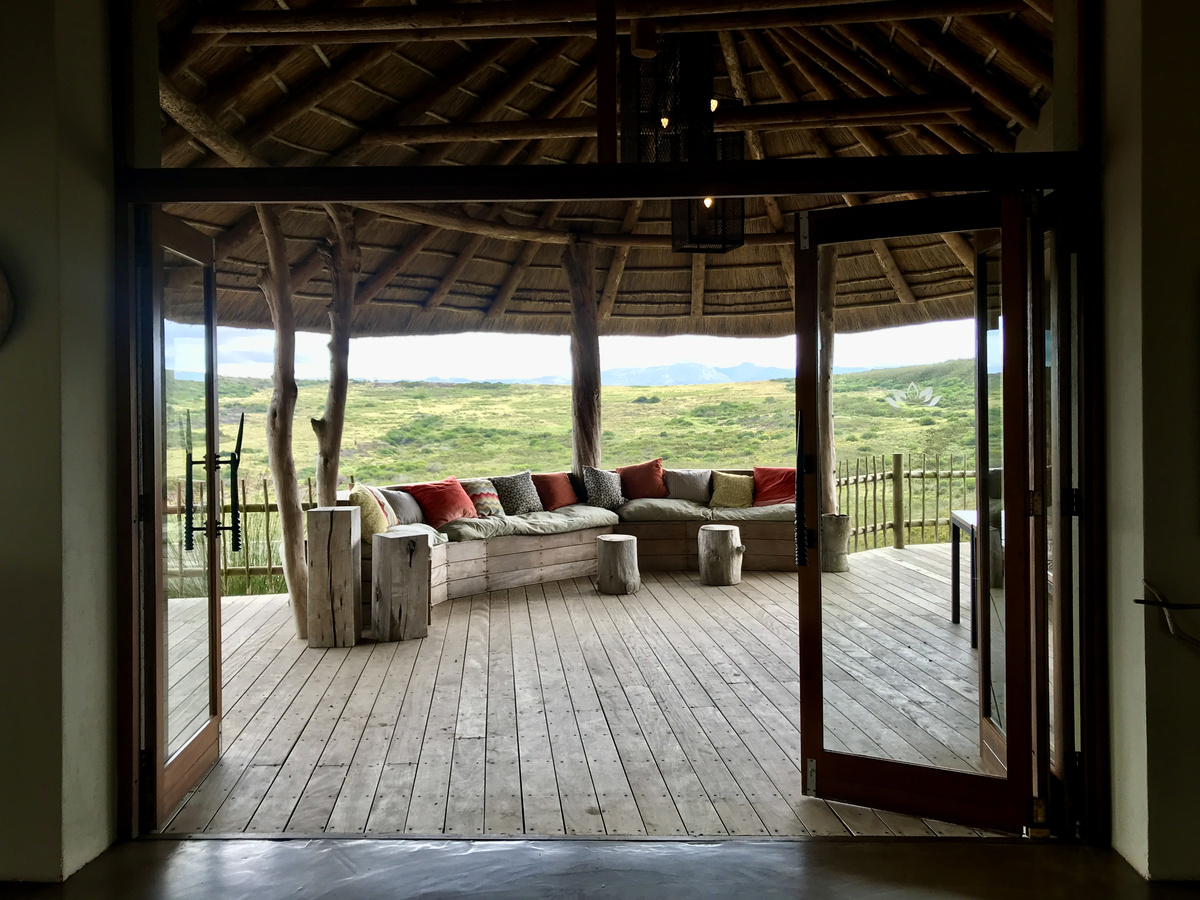
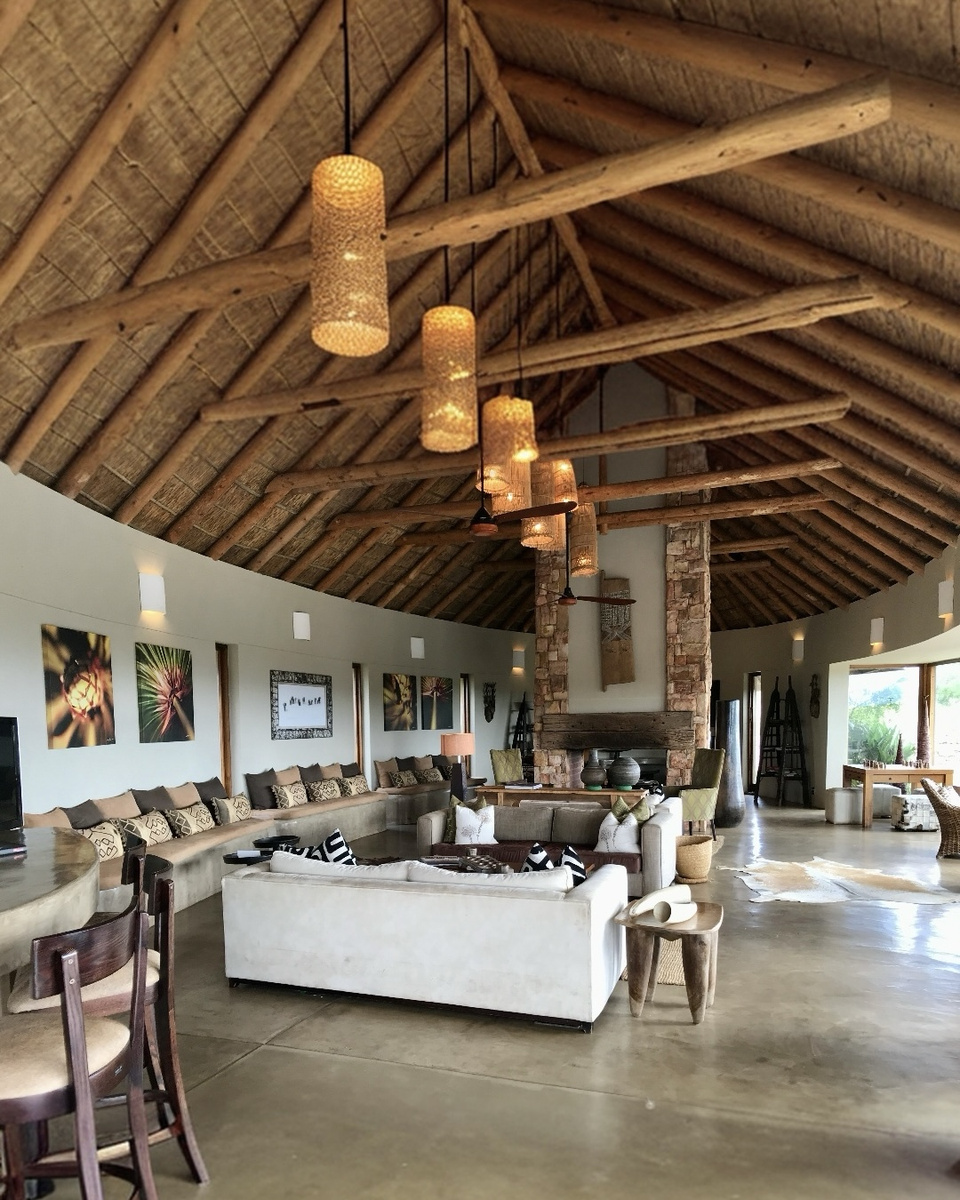
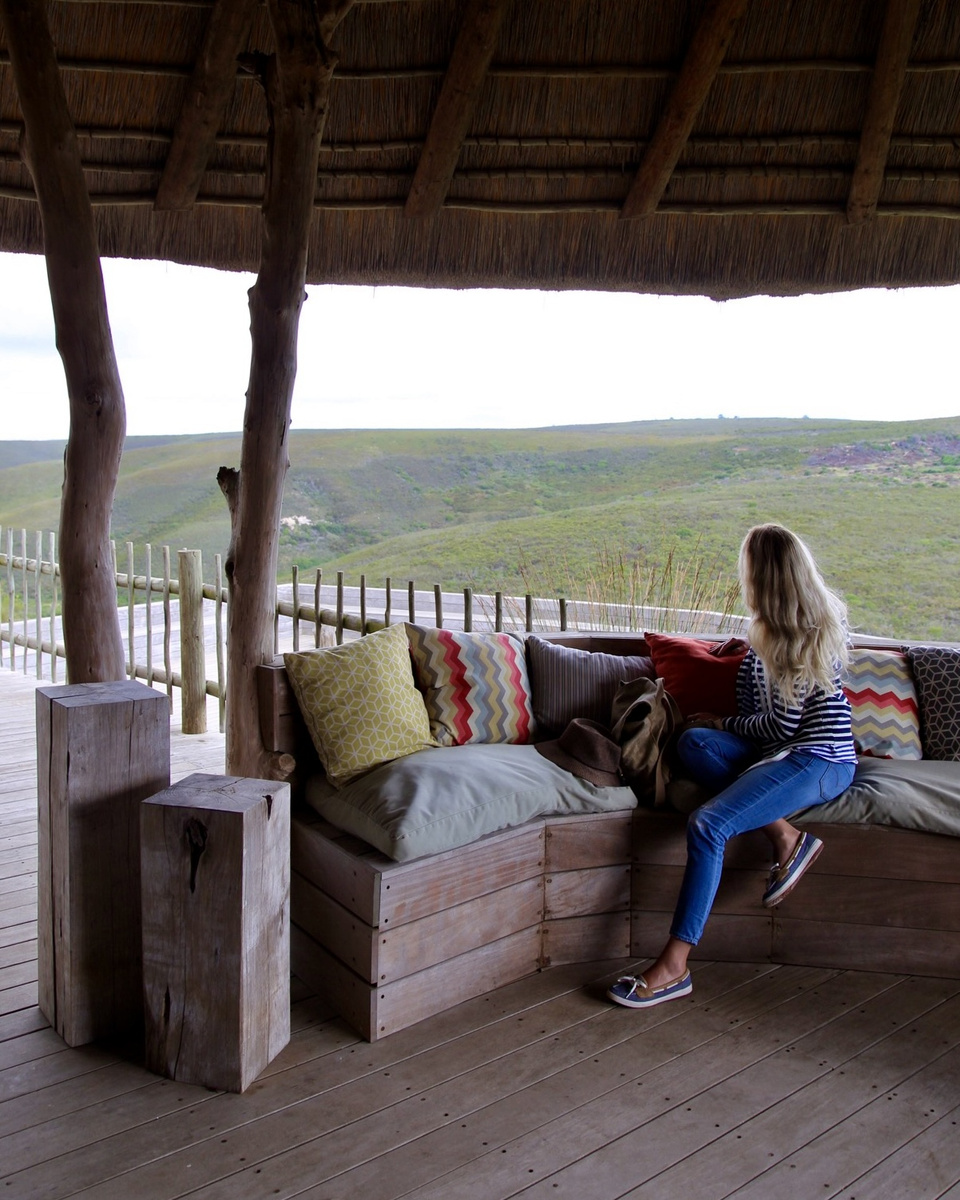
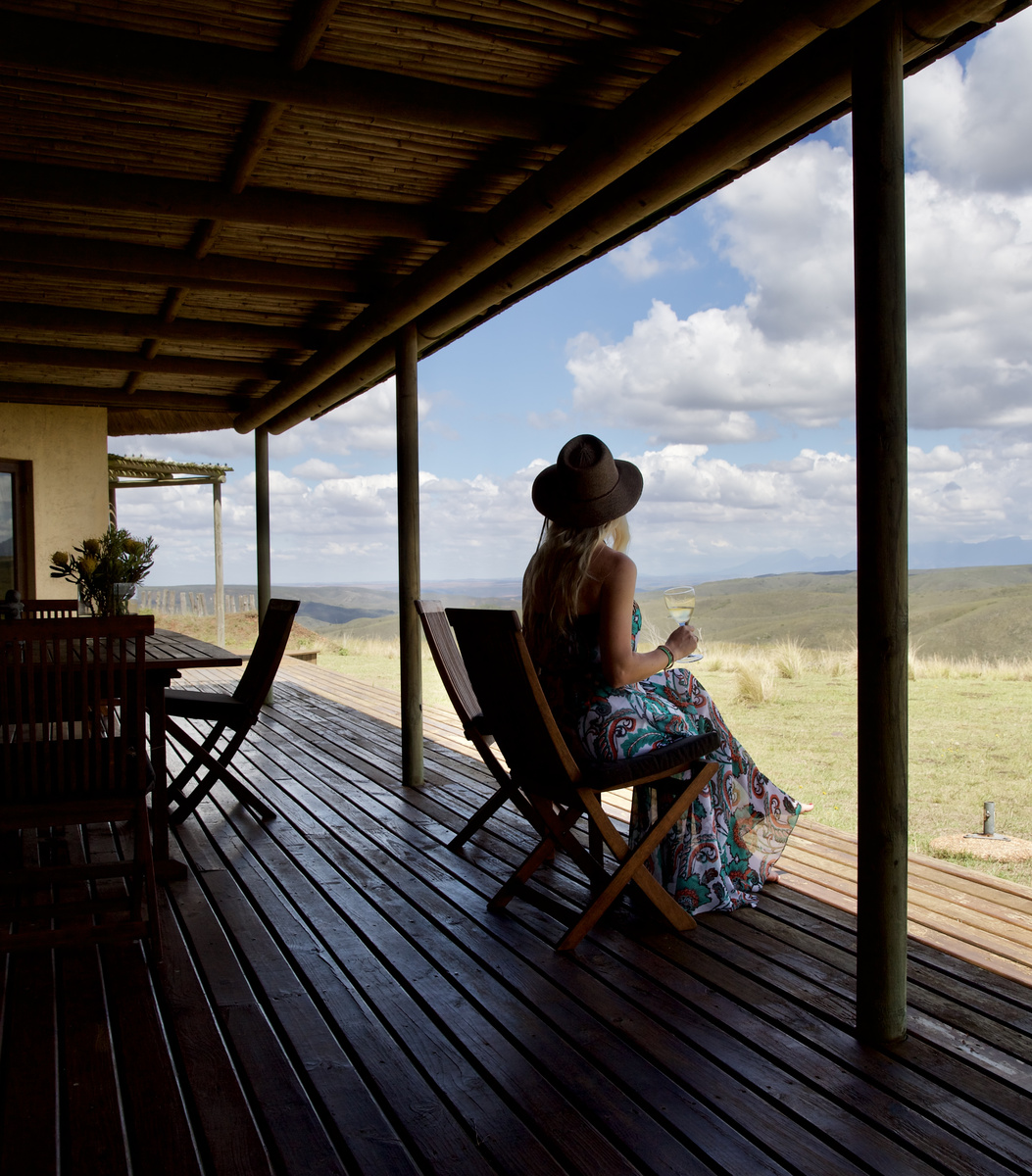
Between drives, the veranda became the center of the stay. There was time for a book, a glass of wine, or nothing at all. This was the difference I had been seeking. Safari was no longer an activity placed between breakfast and dinner; it was the atmosphere around both.
The hours between game drives
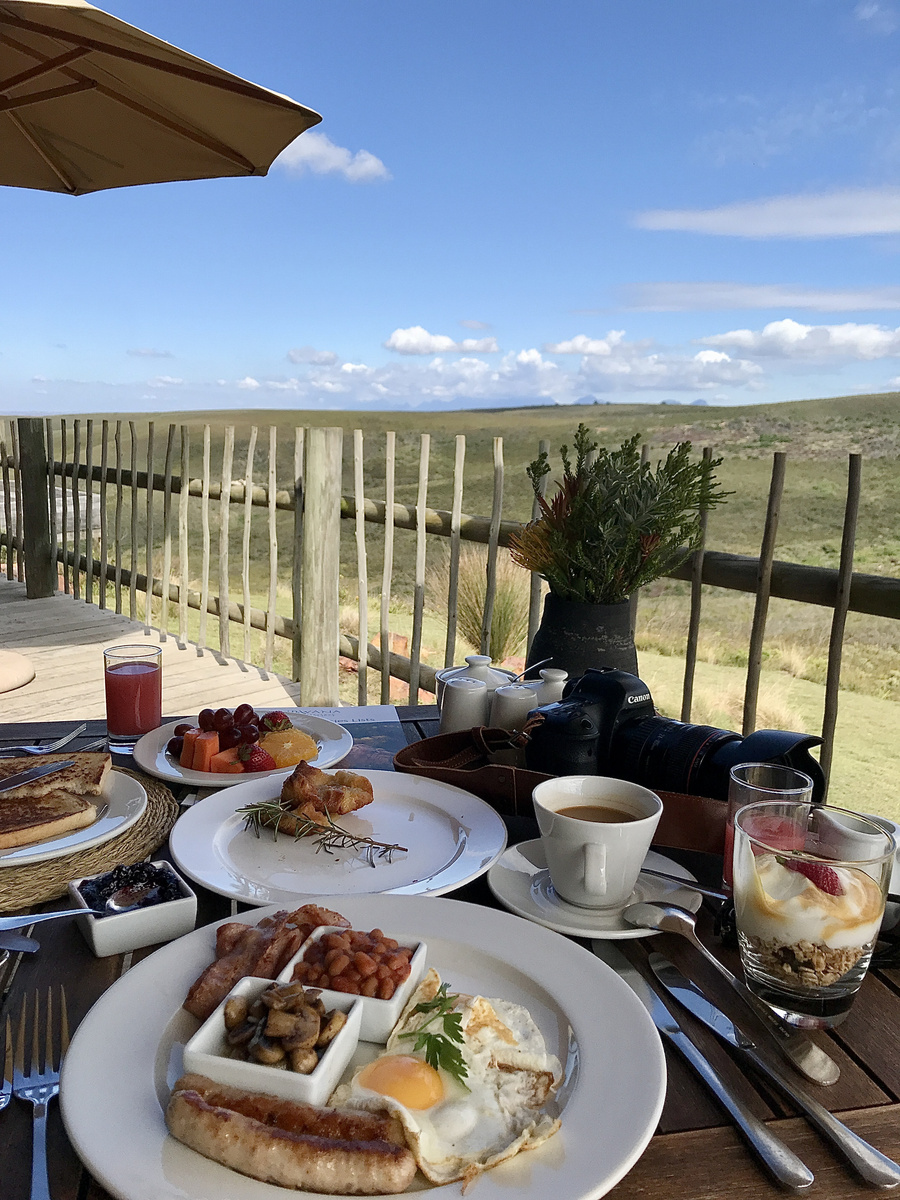
We went out twice a day, at dawn and again toward evening. The early drive could last four hours. By the time we returned, breakfast felt properly earned: eggs, fruit, coffee and the camera on the table, ready to be inspected while the hills settled into daylight.
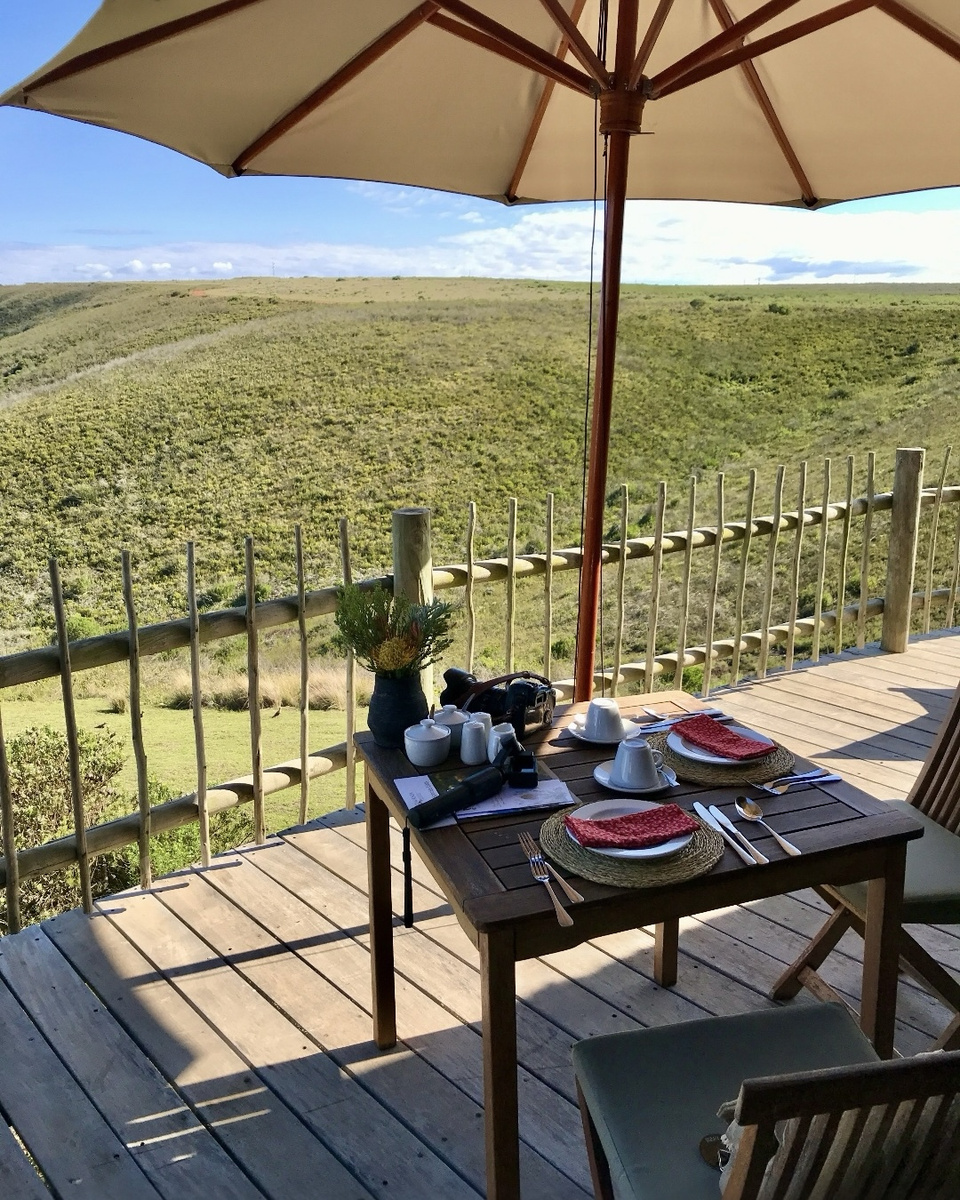
The rest of the day was not empty time waiting for the next departure. It was when the scale of the reserve became clear. The vehicle compresses the landscape into sightings; the veranda gives it back its distance. We could swim, read, linger over lunch, or watch the light move across the hills.
Meals and the two drives were included during our stay, which made the rhythm unusually simple. There was nowhere else we needed to be.
What the animals changed
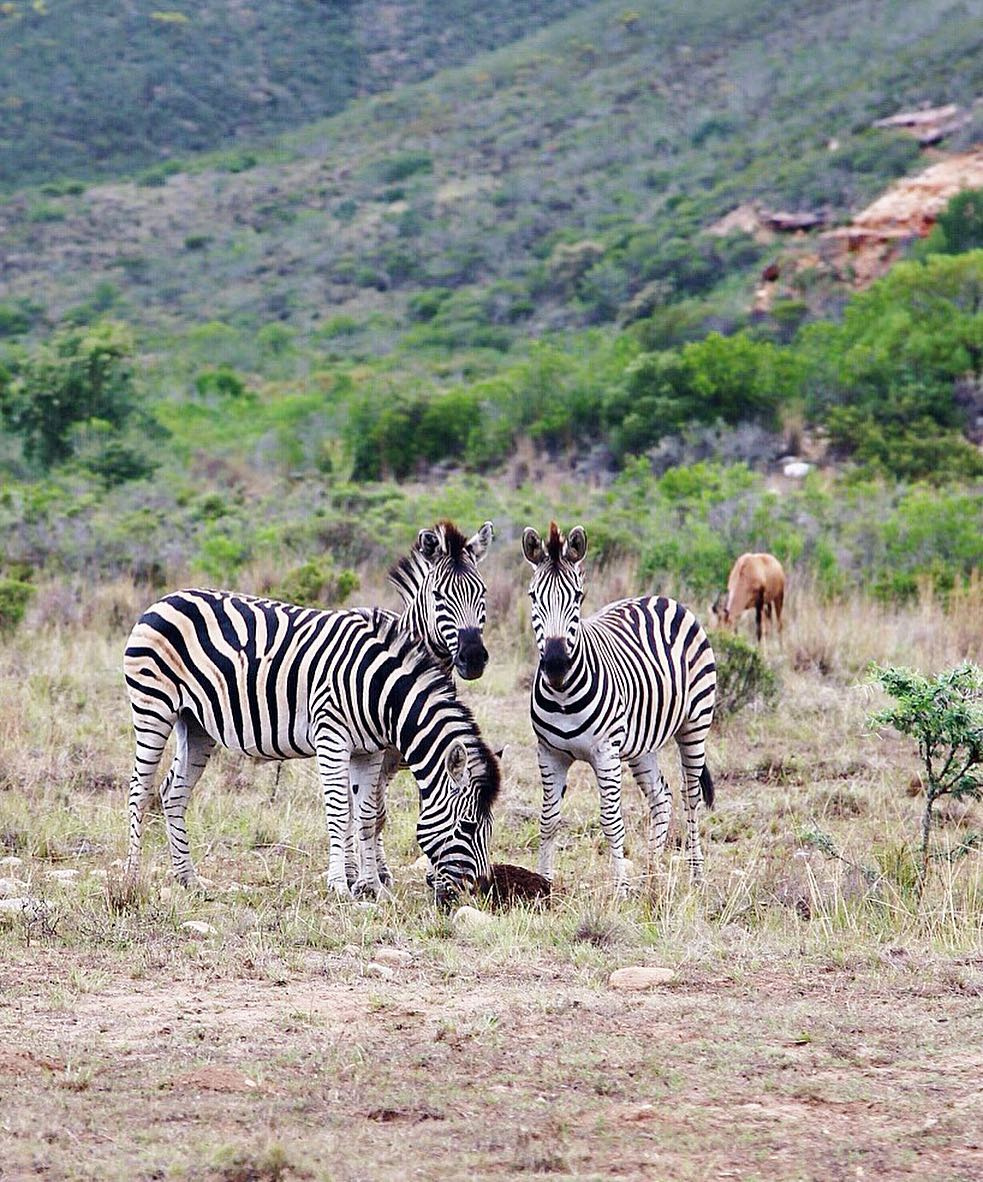
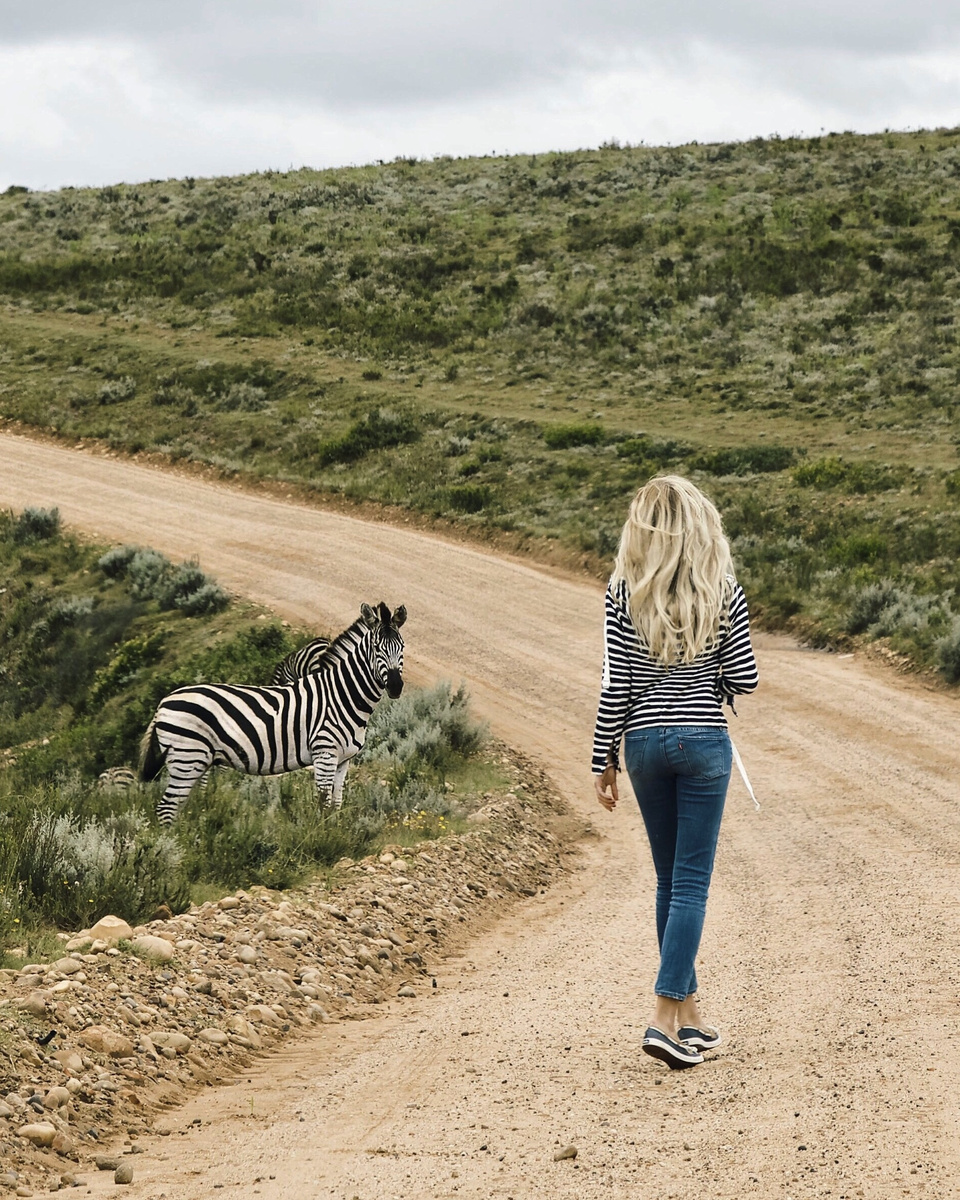
I was absurdly happy around the zebras. Their stripes seem too deliberate to be real, and no two are alike. In the wild they were also funny: alert, social, and more expressive than any elegant photograph suggests.
A lion was different. We heard him before we properly saw him. His roar moved through the vehicle and seemed to alter the air around us. Years later, that sound remains one of the clearest memories of the trip.
The elephants brought a more complicated thought. According to our ranger, one female had come from a circus and later had four calves at Gondwana—an unusual history in his experience. I remember what that story did to my attention. I had taken part in animal attractions elsewhere before I had learned to question them. Here, watching elephants choose their own path through the vegetation, the distance between entertainment and observation became impossible to ignore.
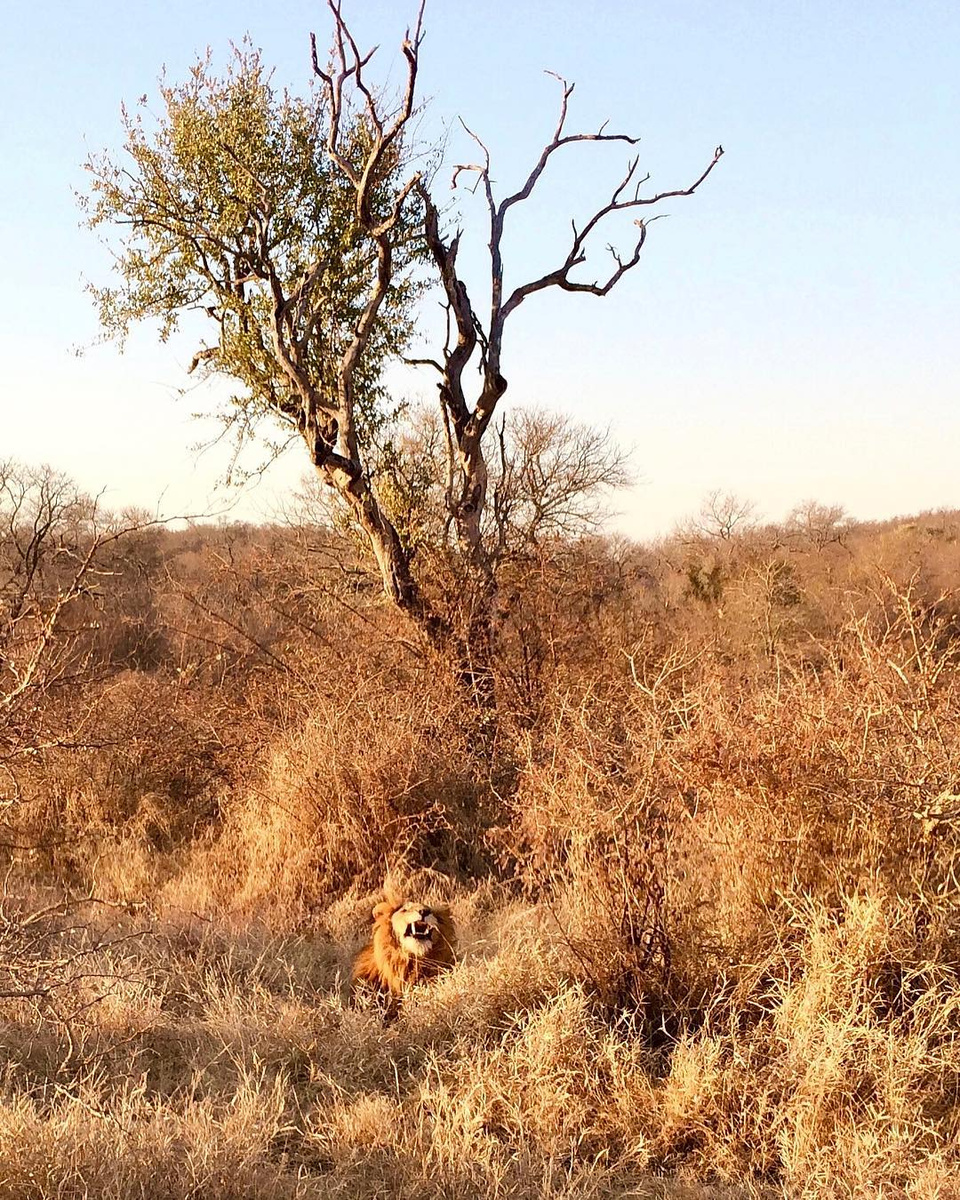
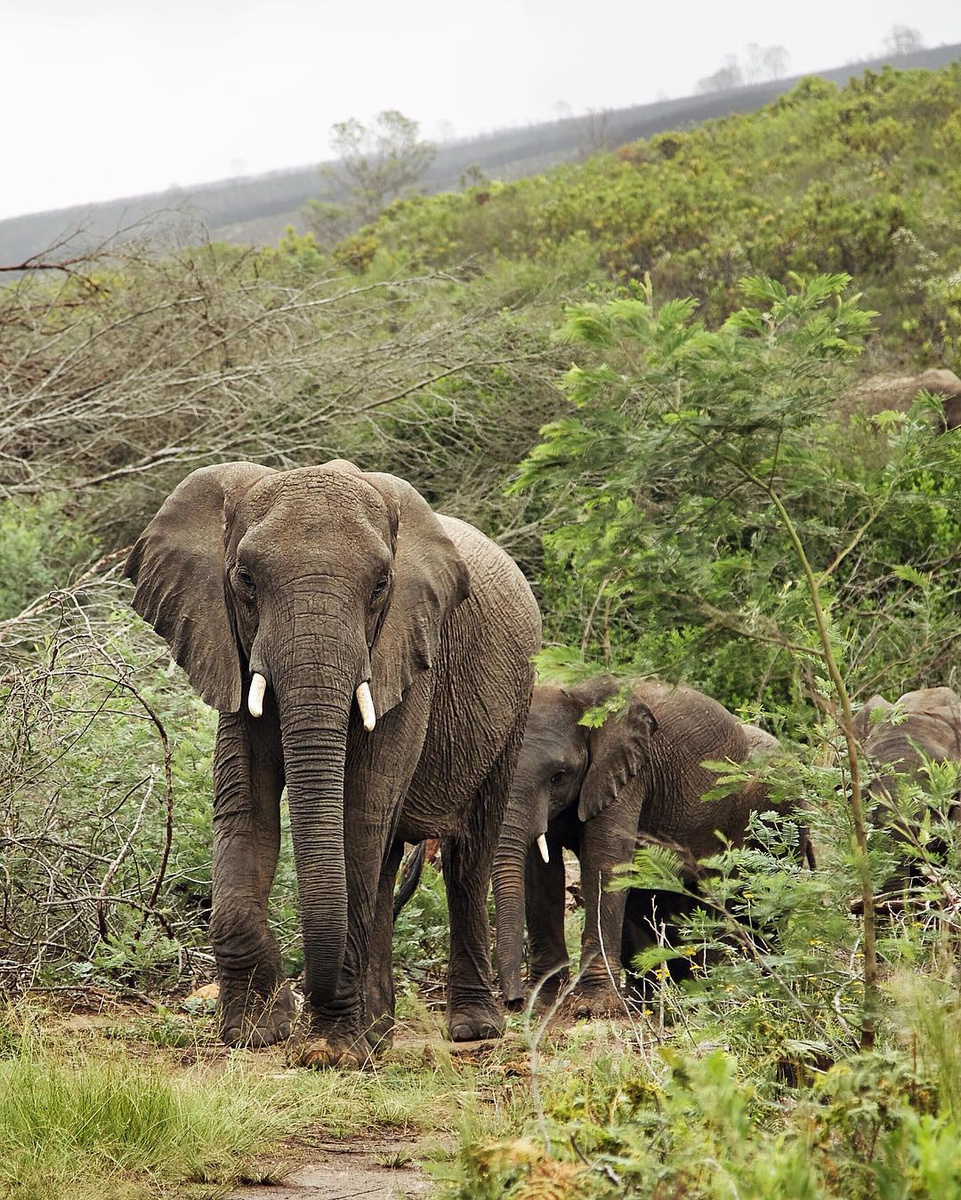
Gondwana did not make the wild picturesque or obedient. That was its gift. The giraffes could turn away. The lion could remain half hidden. An elephant could stop the road. The pleasure came from being allowed to look, not from being promised a performance.
Planning Gondwana from Cape Town
Gondwana’s current directions put the journey from Cape Town at approximately 380 kilometres and four hours, mostly along the N2. The final approach includes a short dirt-road section, but the drive is otherwise straightforward. That road access remains the property’s great practical advantage for a Cape Town and Winelands itinerary. For travellers approaching from elsewhere, George Airport is about 45 minutes away.
The reserve is malaria-free and designed for guests who stay, rather than day visitors. Its accommodation names and packages have changed since my 2018 visit, so I would confirm the exact villa category and transfer arrangements rather than trying to book from an old photograph. Current villa packages include full board and two daily game drives; drinks, some activities and the conservation levy are separate. The official packages are the sensible place to check what applies to particular dates, while the official directions explain the road from Cape Town.
Gondwana can sit naturally inside a longer Western Cape journey. We came from Cape Town and the Winelands; readers planning the same direction can continue through my South Africa stories, including Babylonstoren and Boulders Beach.
At night, something snorted below our window and I could not see it. Above the villa were more stars than I remembered seeing at once. We had driven out of Cape Town saying only that we had to visit animals. By then, “visit” seemed much too small a word.